Planning your first African safari raises big questions about timing, wildlife, health, and where to stay. This guide covers what actually matters, from choosing the right destination to understanding lodge quality and LGBTQ+ safety.
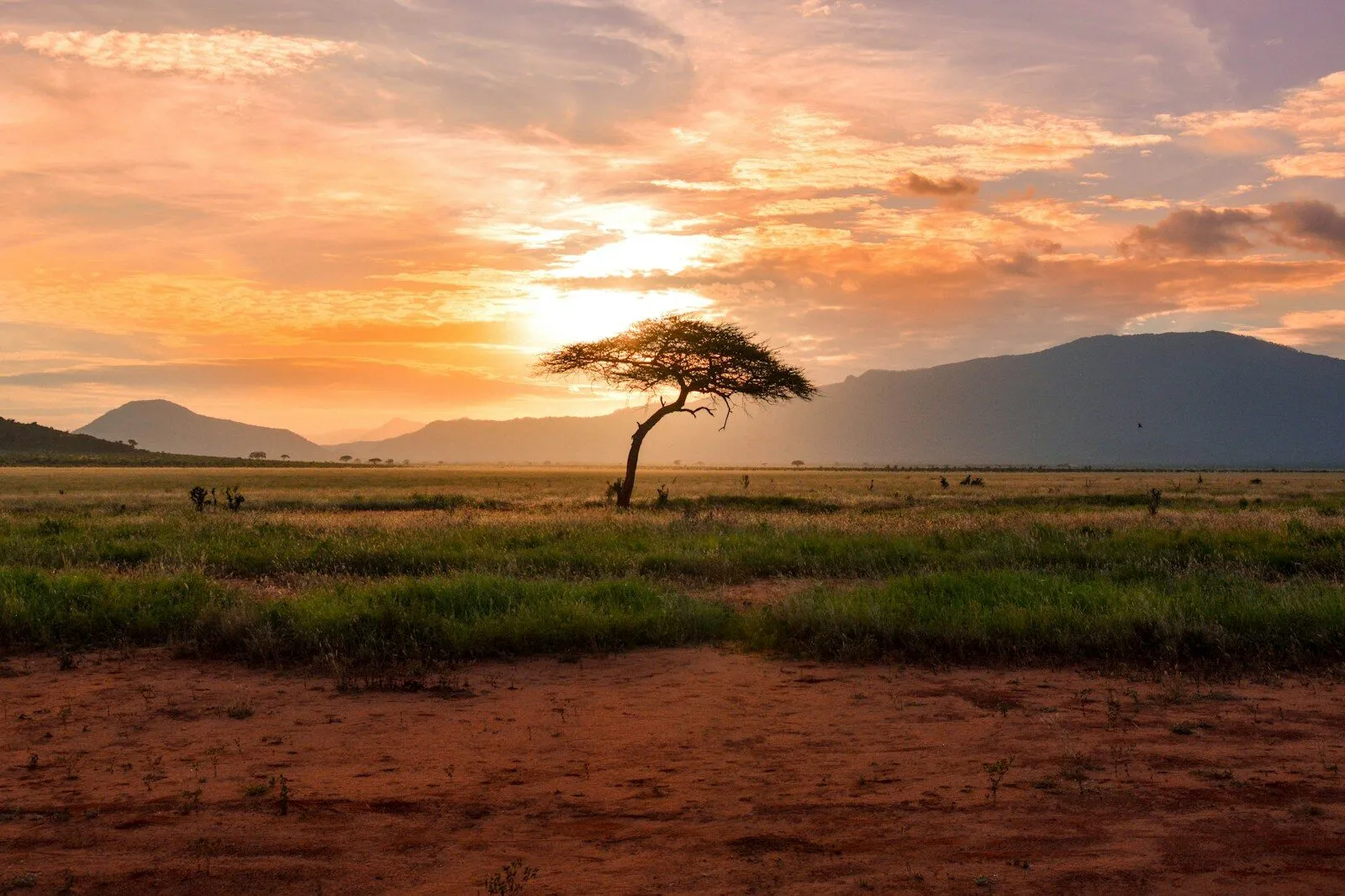
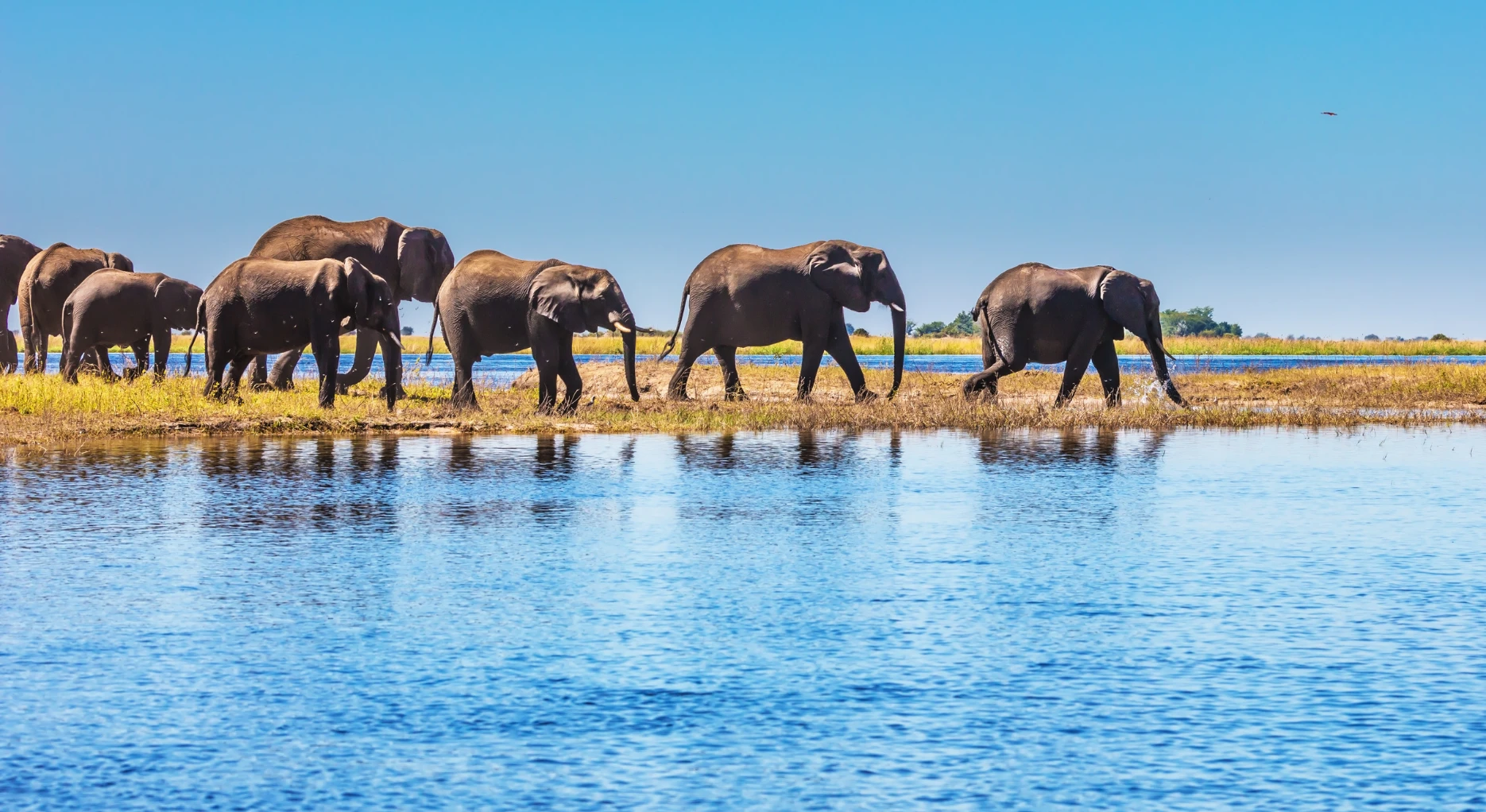
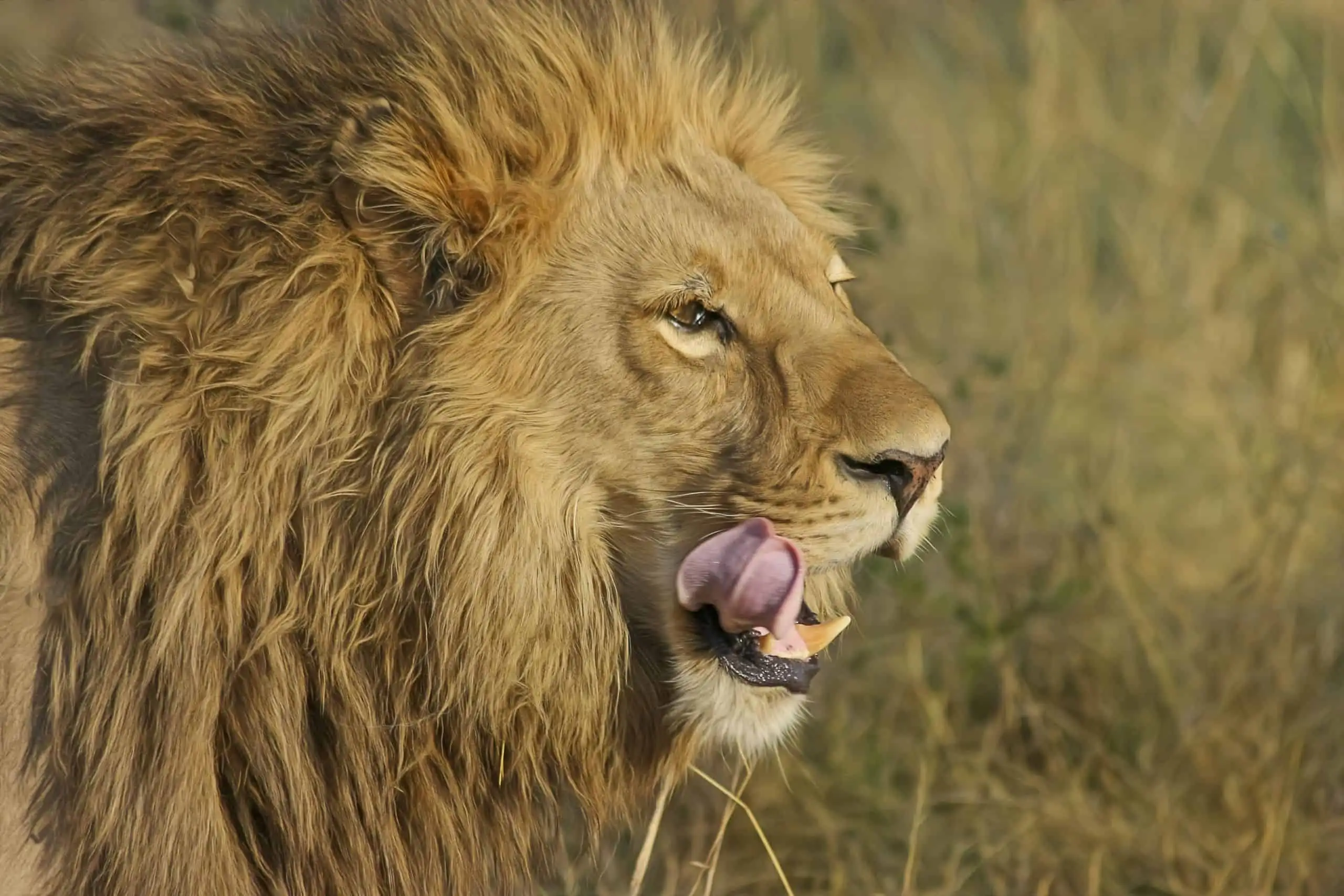
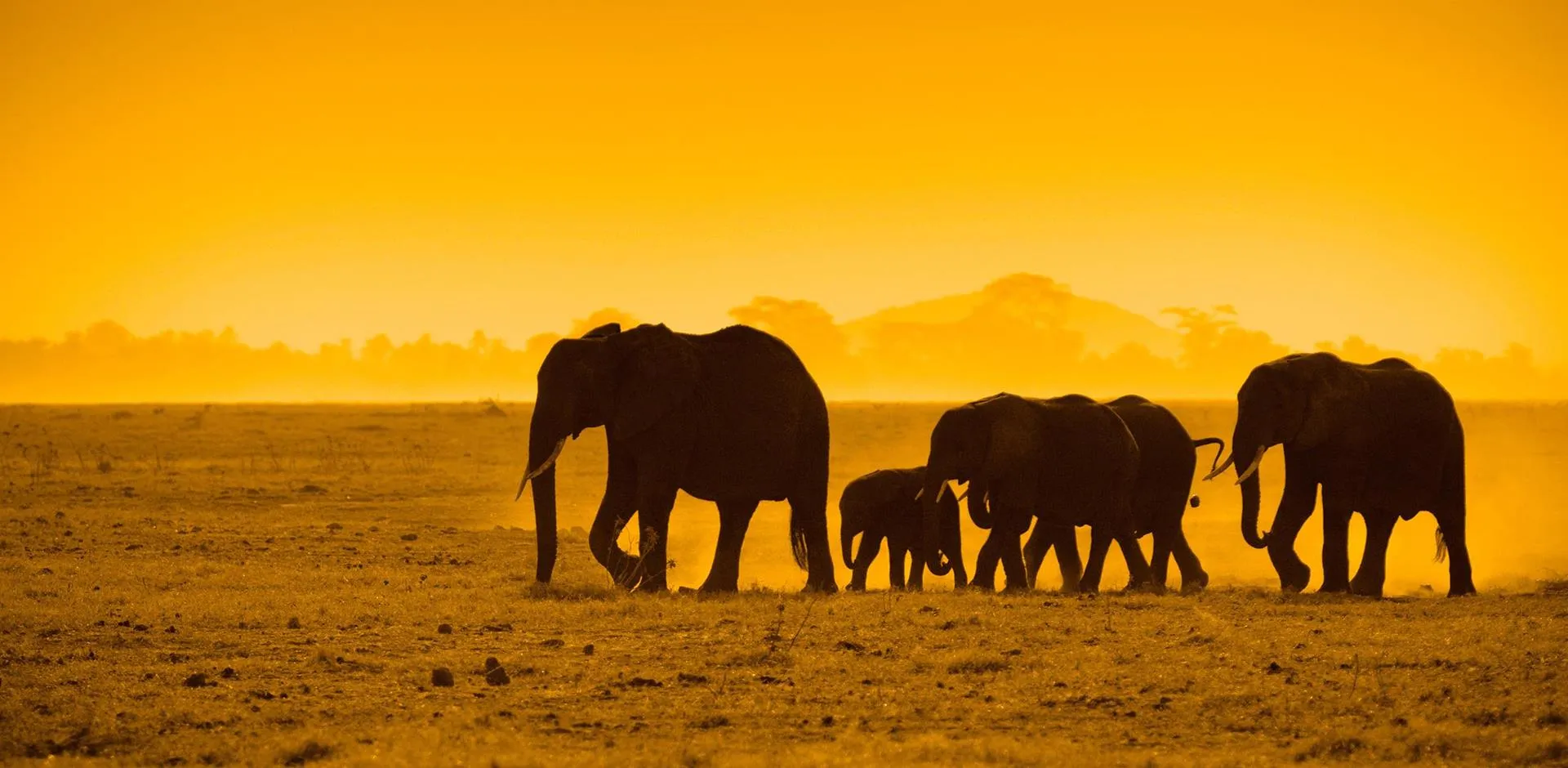
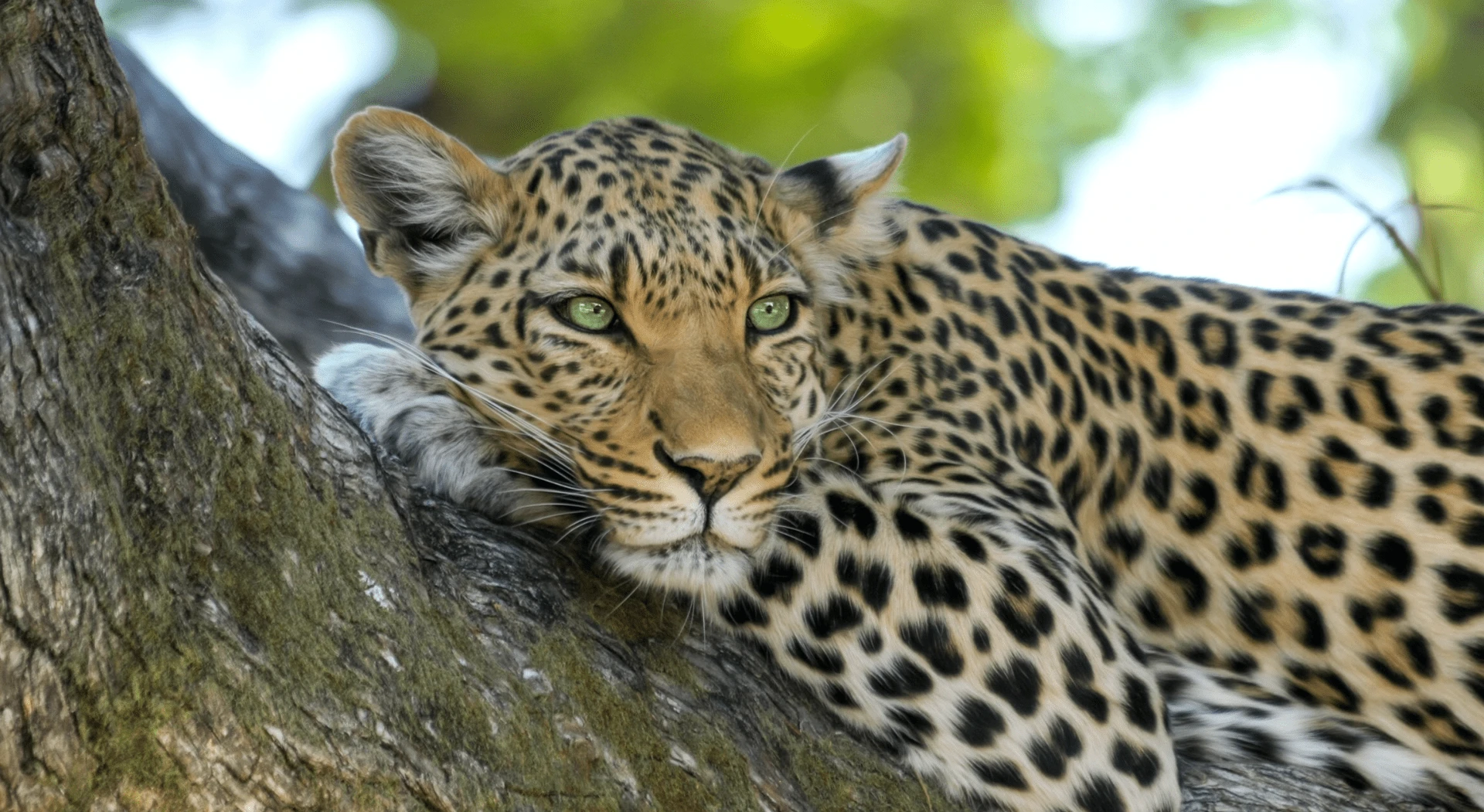
Your first safari should deliver the wildlife moments you’ve imagined: elephants crossing at sunset, lions prowling morning grasslands, leopards draped in acacia trees. These experiences happen consistently across Africa’s established safari circuits, but the planning determines whether you’re watching wildlife from the right properties, during optimal seasons, with guides who understand what makes sightings extraordinary versus merely adequate.
First-time safari planning raises legitimate questions. Which country offers the best wildlife viewing and a genuine LGBTQ+ welcome? How do luxury lodges differ from camps? What health precautions actually matter? When should you go to maximize animal activity? We’ve spent a decade answering these questions for LGBTQ+ travellers who want exceptional wildlife experiences without navigating the complexity alone.
South Africa: The Clear Choice for Gay-Friendly Safari
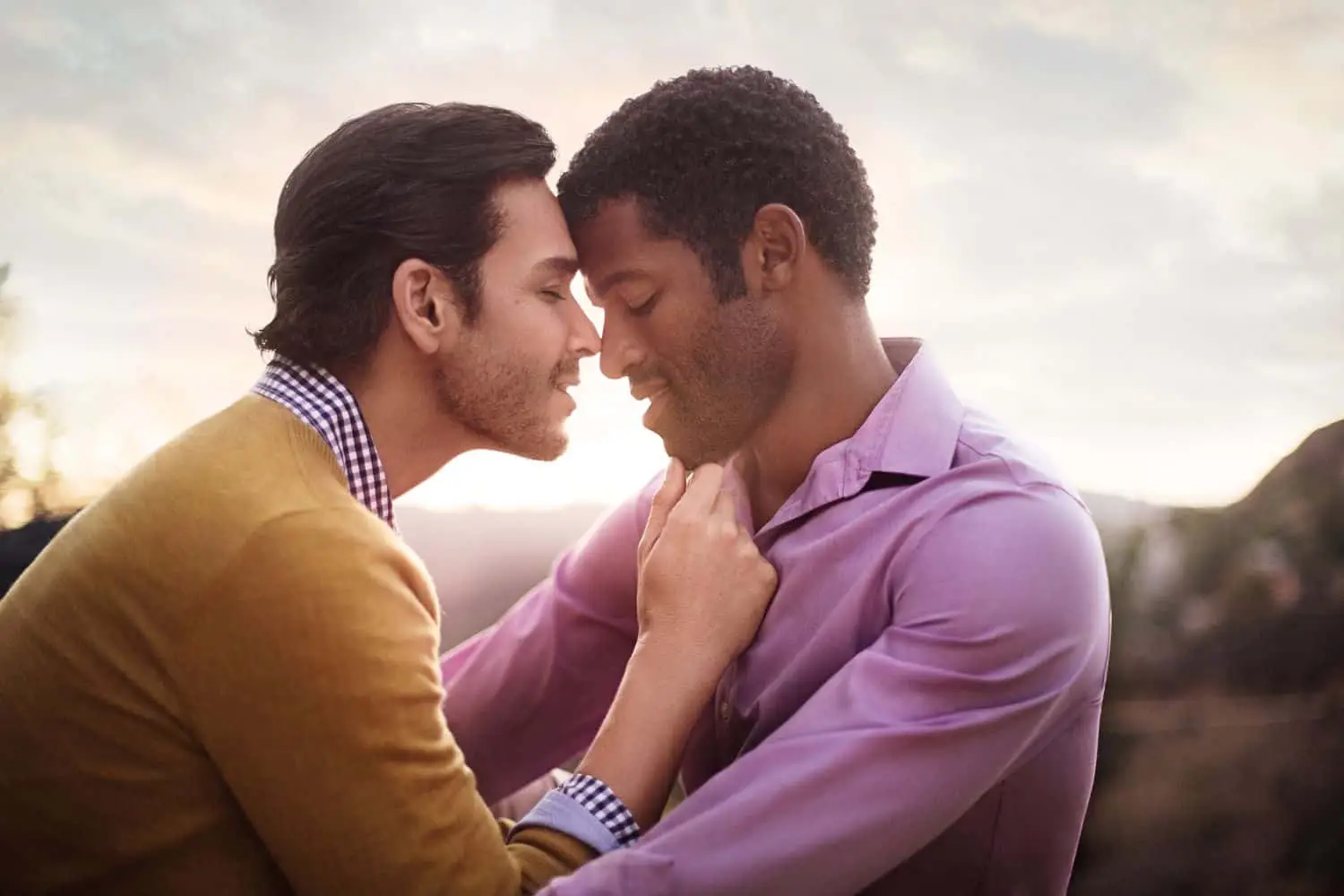
South Africa combines world-class wildlife reserves with the continent’s most progressive LGBTQ+ legal protections. The country legalized same-sex marriage in 2006, enacted comprehensive anti-discrimination laws, and maintains visible LGBTQ+ communities in Cape Town and Johannesburg. Safari lodges in private reserves welcome same-sex couples without hesitation, staff use preferred pronouns naturally, and properties market to LGBTQ+ travellers.
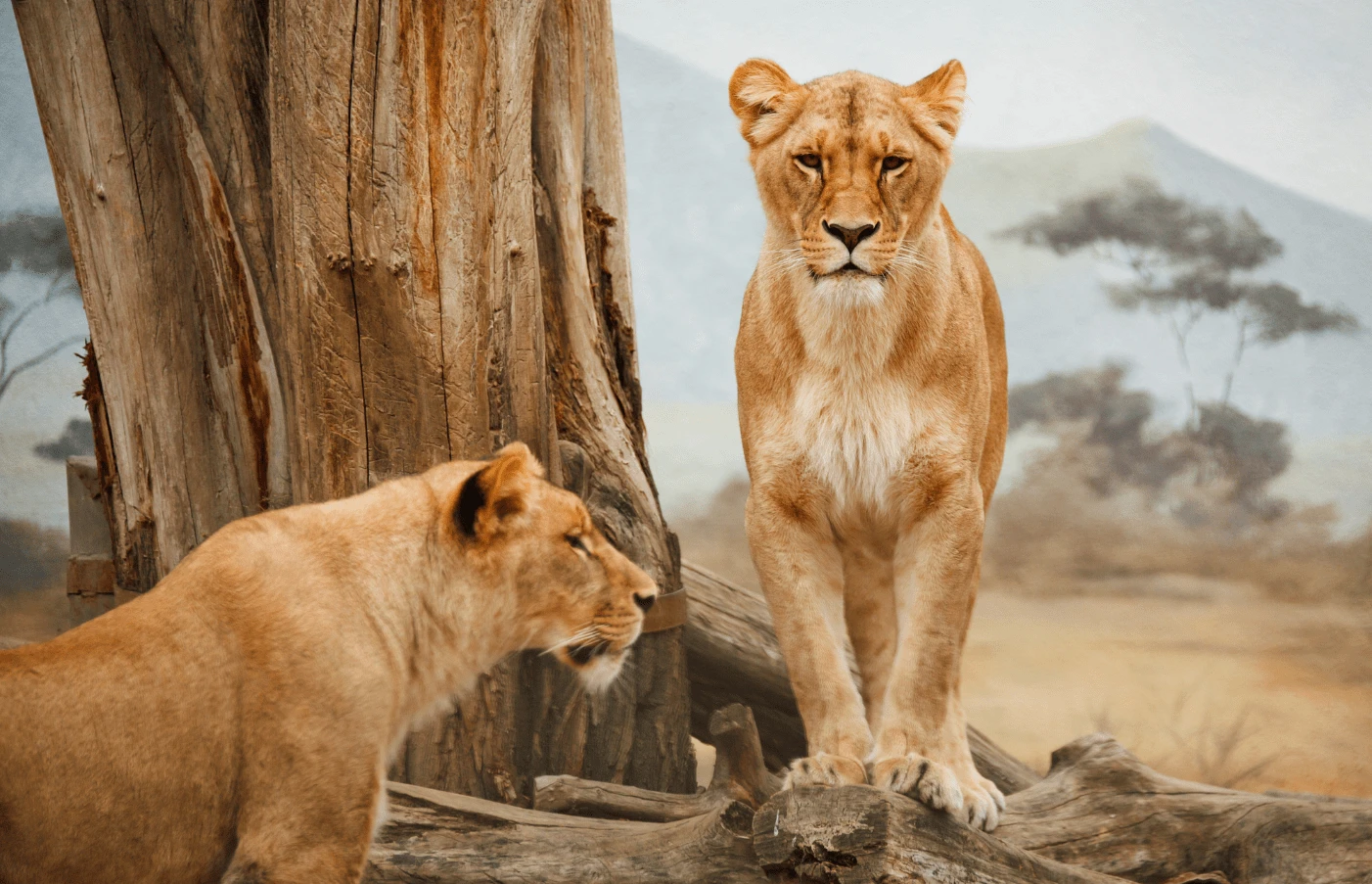
Sabi Sand Game Reserve, bordering Kruger National Park, delivers consistently exceptional wildlife viewing on 153,000 acres of unfenced wilderness. Leopard sightings happen daily, not occasionally. Lion prides patrol territories guides know intimately. Elephants, rhinos, buffalo, and the full spectrum of African wildlife concentrate in densities that Tanzania’s Serengeti can’t match year-round.
Experience the best of South Africa, from the vibrant streets of Johannesburg to the breathtaking wilderness of Madikwe Game Reserve. This journey blends history, culture, and wildlife, offering an unforgettable adventure filled with luxury, discovery, and untamed beauty. Begin in...We Suggest...
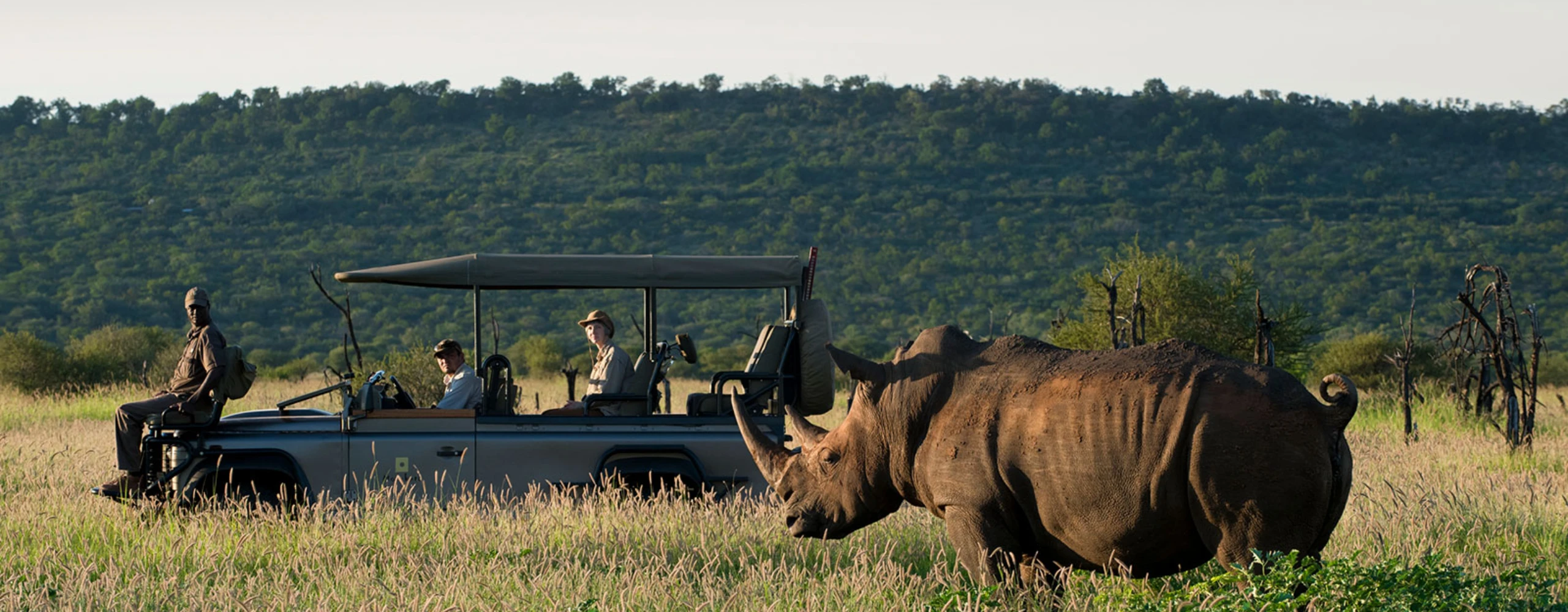
South Africa Big Five Safari & Johannesburg Tour
Tailor-Made Holiday
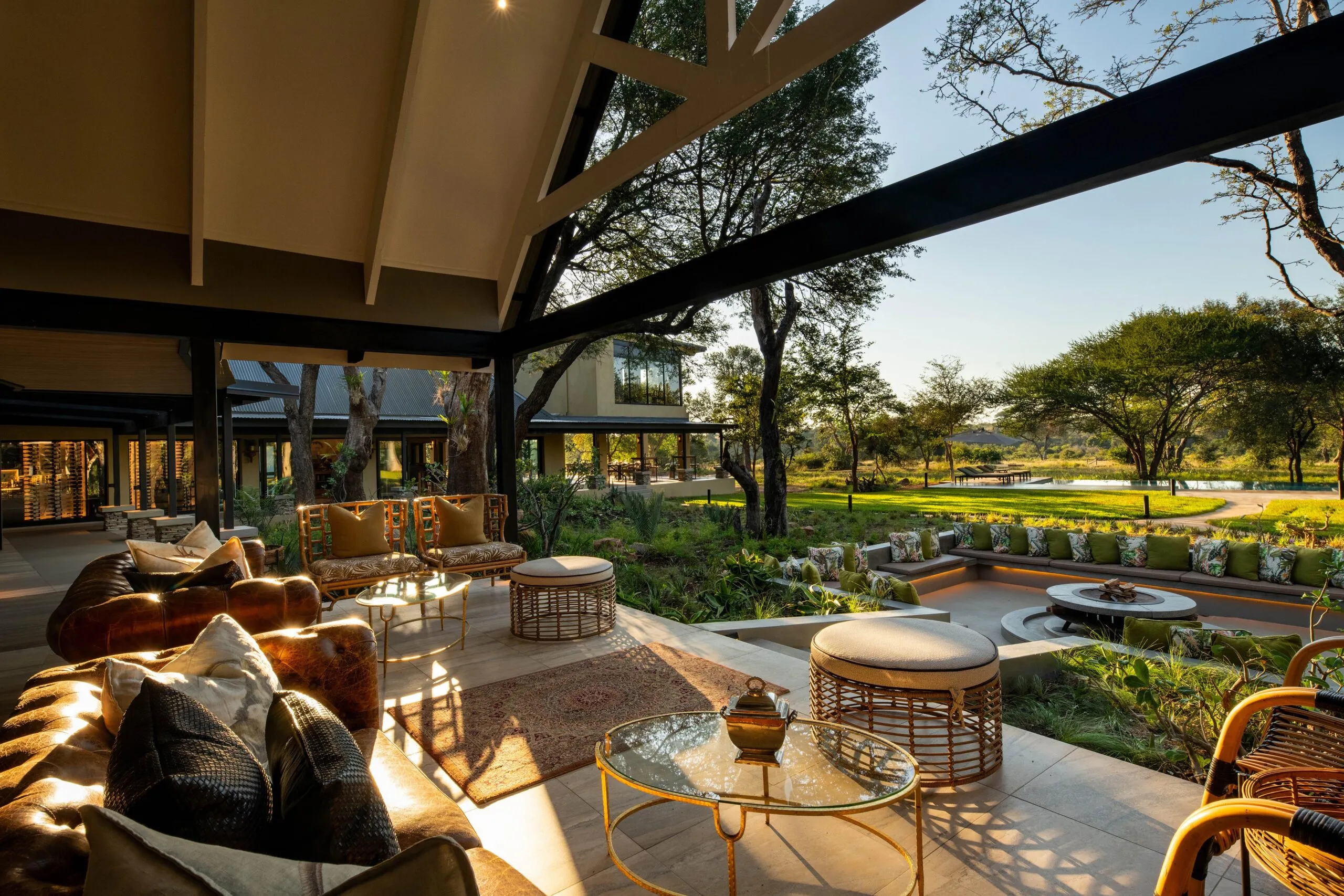
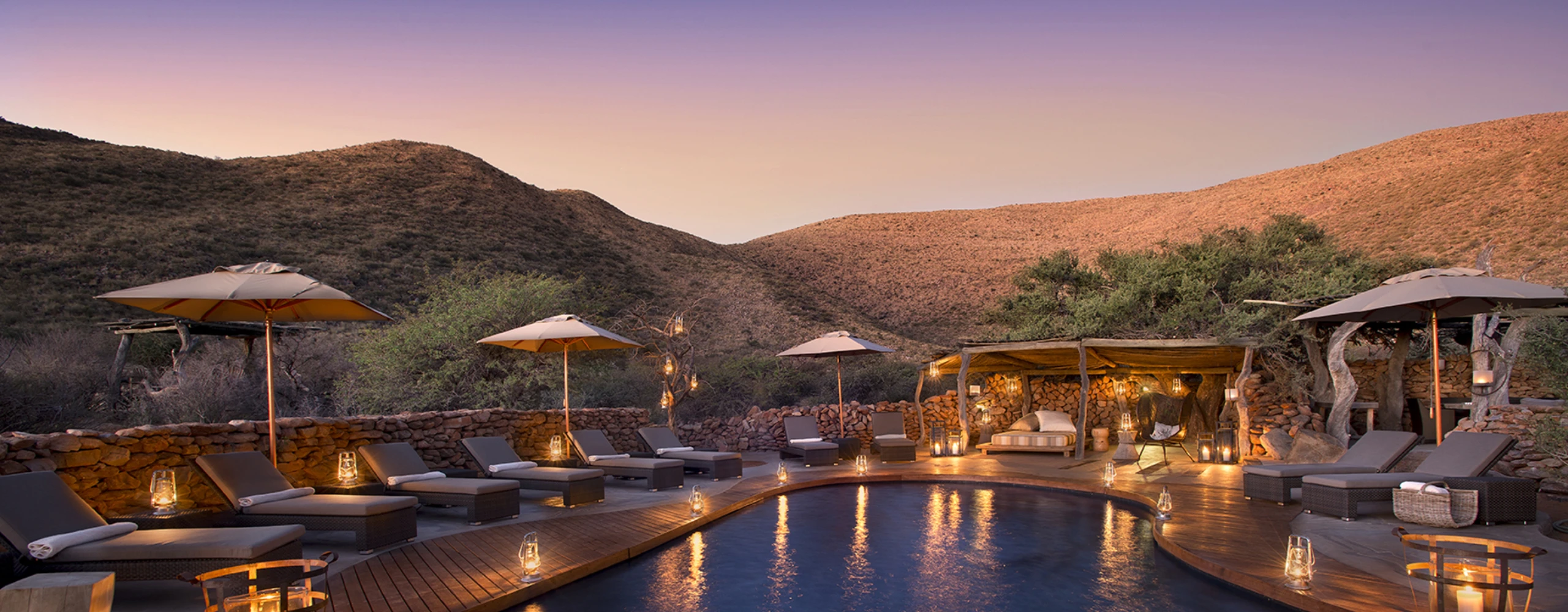
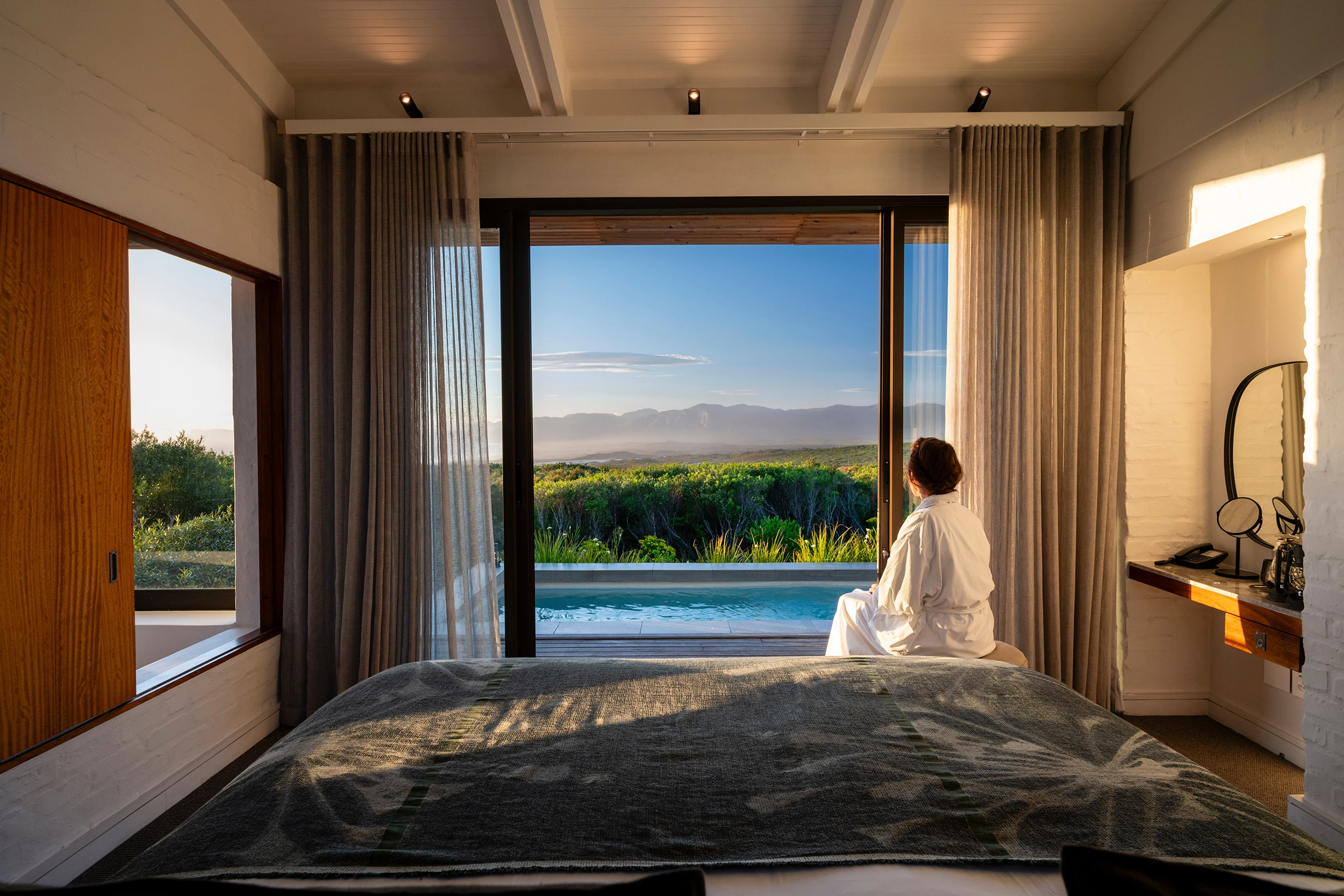
The lodges we book in Sabi Sand cater specifically to luxury travellers: Singita Ebony and Boulders, Londolozi, Lion Sands. These properties pair twice-daily game drives with wine cellars holding 7,000+ bottles, private plunge pools overlooking waterholes, and cuisine that rivals Cape Town’s best restaurants. Same-sex couples receive the same suite categories, honeymoon amenities, and service standards as any guests.
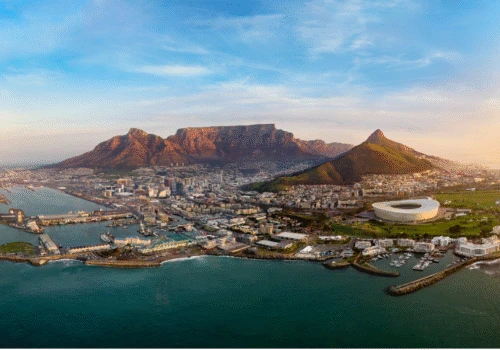
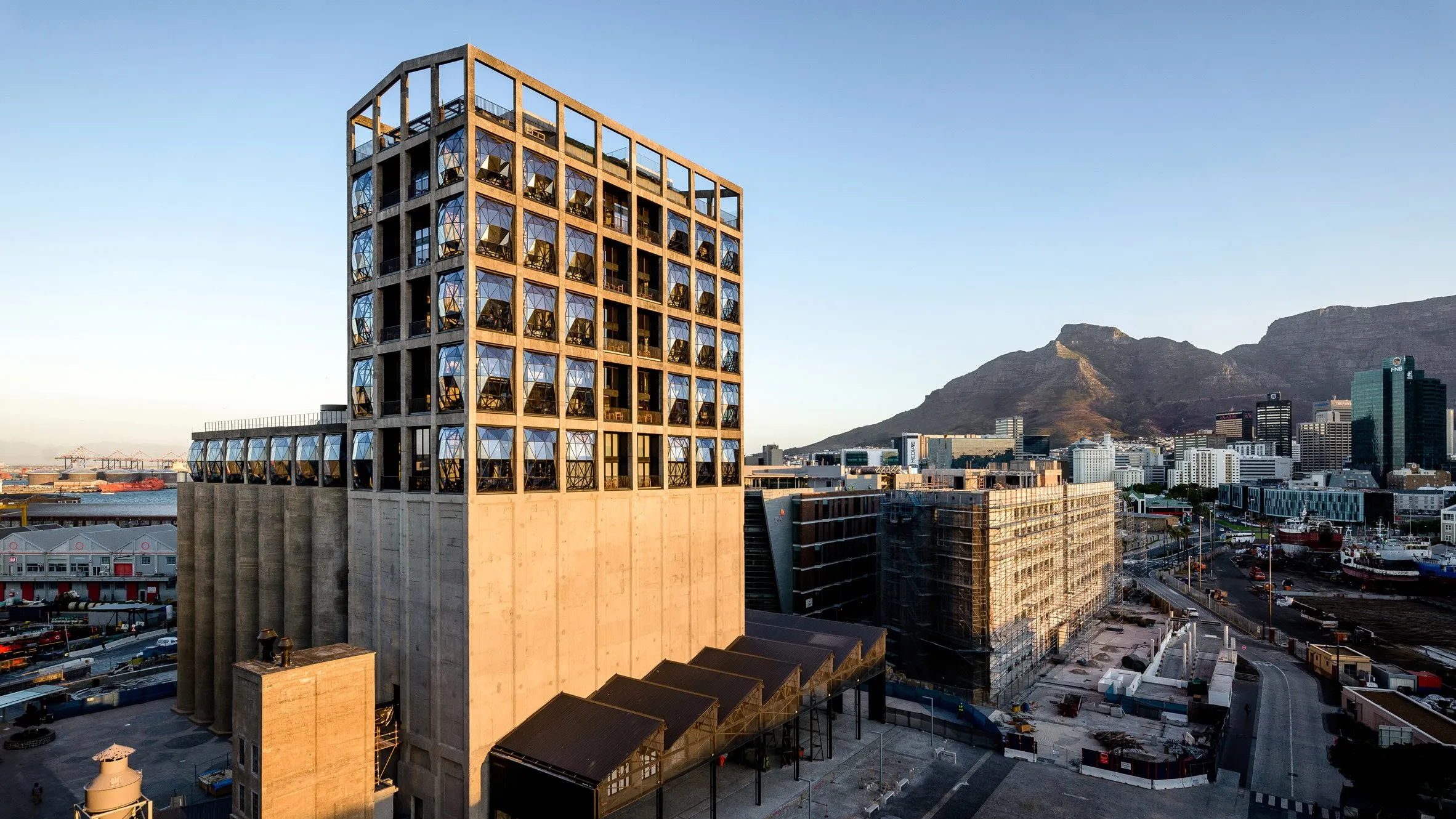
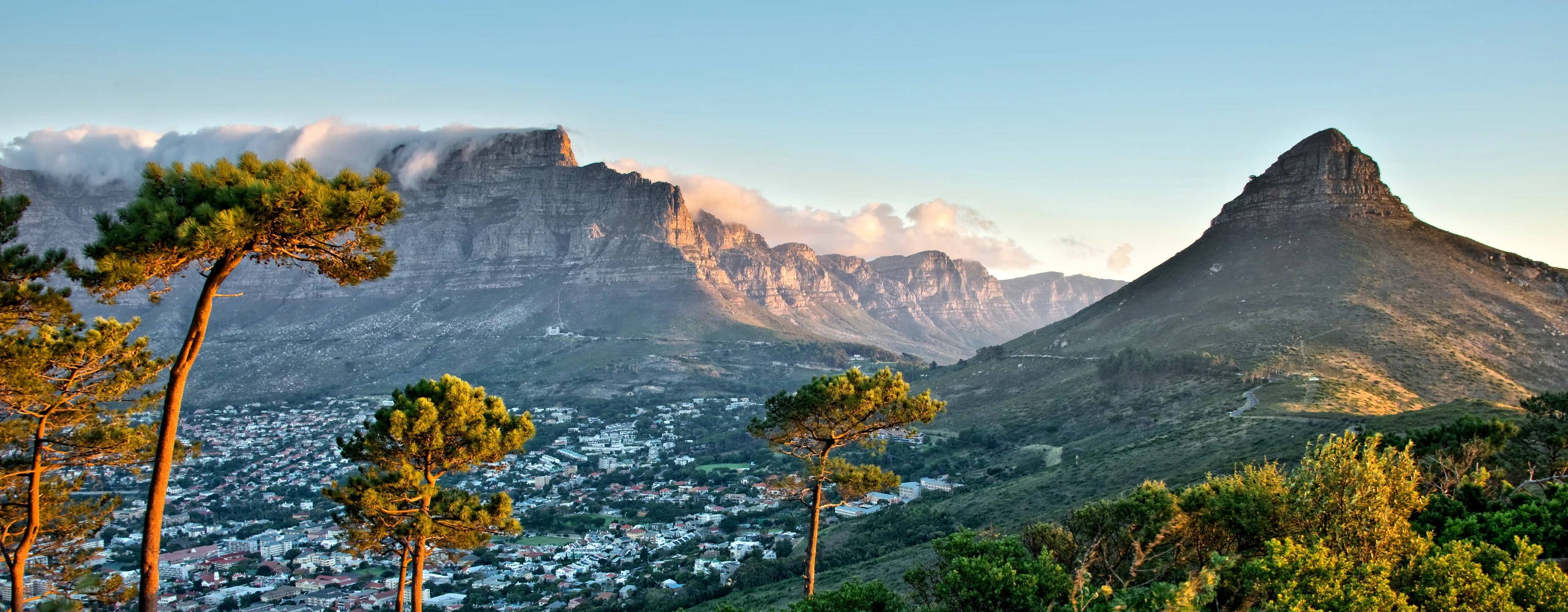
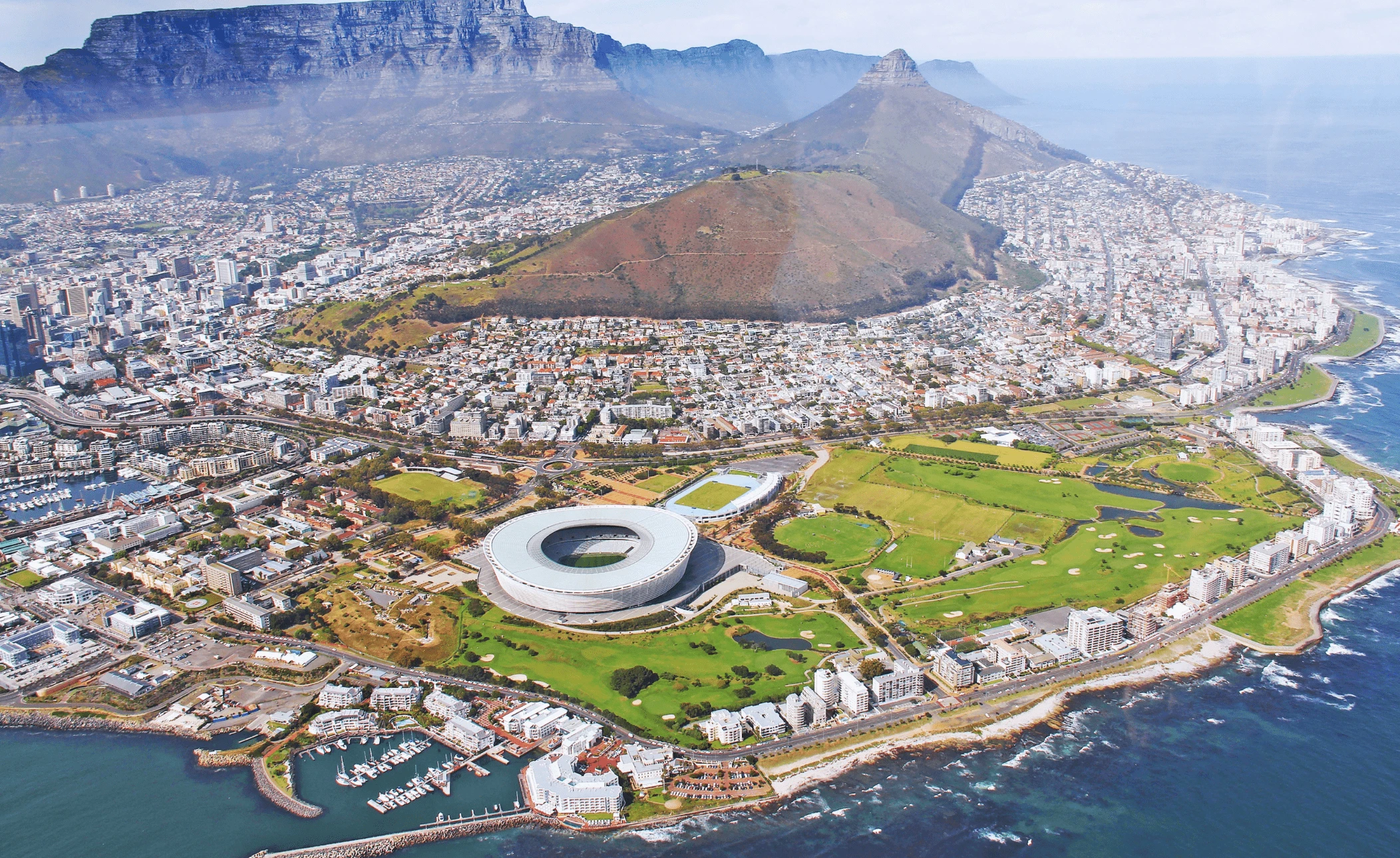
Cape Town extends the safari experience with cosmopolitan luxury. The city’s LGBTQ+ scene centers in De Waterkant and Green Point, neighborhoods offering everything from leather bars to rooftop wine lounges. Table Mountain provides dramatic hiking. The Winelands (Stellenbosch, Franschhoek) sit 45 minutes away with world-class estates offering tastings and Michelin-level dining. South Africa builds complete luxury itineraries: safari, urban culture, wine country.
Tanzania: Exceptional Wildlife, Selective Lodge Choices
Tanzania’s Serengeti and Ngorongoro Crater offer wildlife spectacles South Africa can’t match. The annual wildebeest migration moves 1.5 million animals through the ecosystem following seasonal rains. Ngorongoro Crater concentrates 25,000+ large mammals in a volcanic caldera where you’ll see black rhinos, dense lion populations, and flamingo-covered soda lakes in a single morning game drive.
The complication: Tanzania’s legal framework criminalizes same-sex relationships, and cultural conservatism runs deeper than South Africa’s urban centers. Not every safari property welcomes LGBTQ+ travellers explicitly, and some actively don’t. This creates a landscape where lodge selection matters significantly.
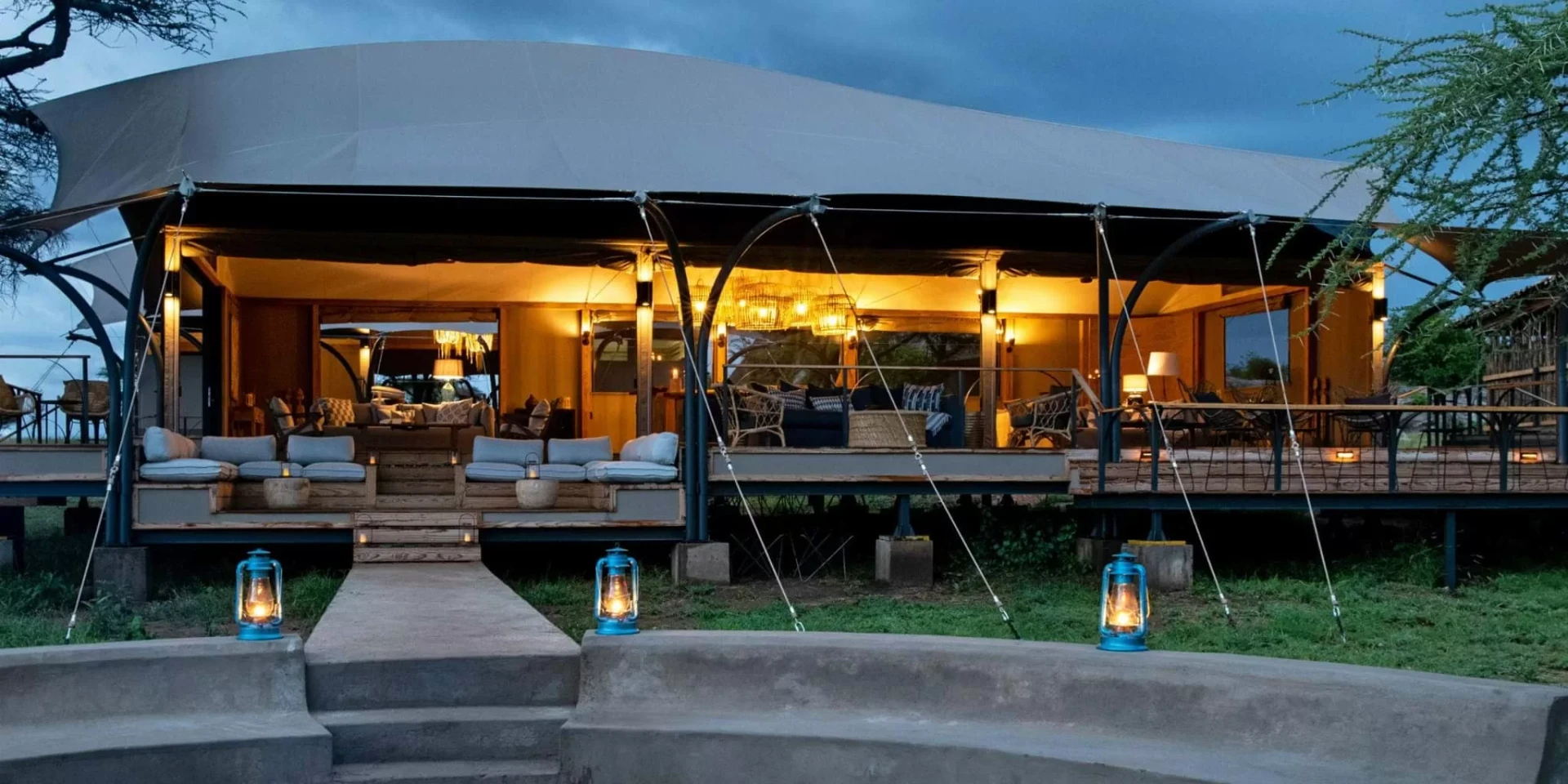
Lemala Camps operates mobile and permanent properties throughout Tanzania’s northern circuit with explicit LGBTQ+ welcome policies. Their camps follow the migration, positioning in the Serengeti’s different regions as wildlife movements shift seasonally. Staff training includes LGBTQ+ sensitivity, management confirms same-sex couples receive identical accommodation and service, and the company markets to gay travellers because their welcome is institutional, not dependent on individual staff attitudes.
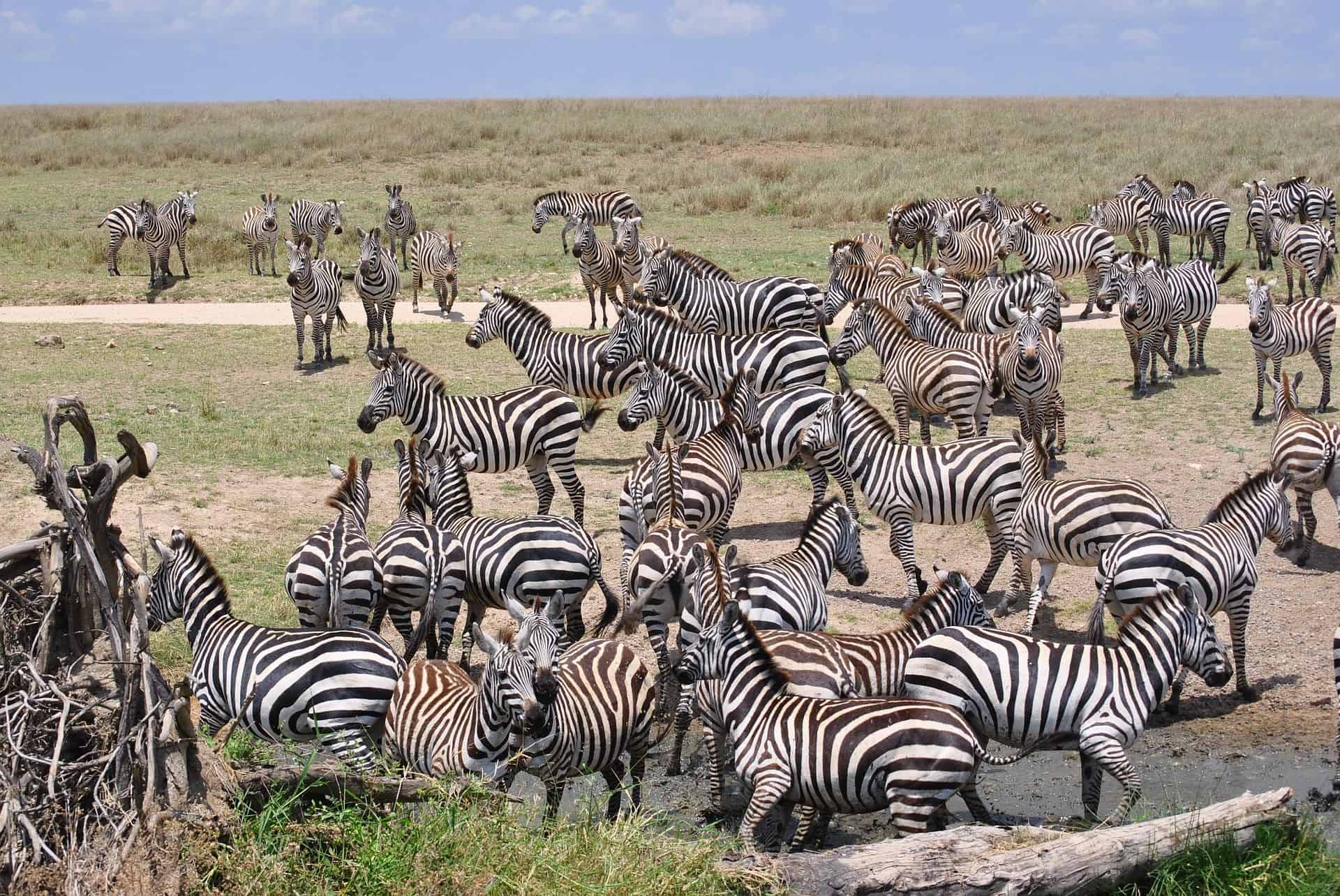
We book Lemala exclusively for Tanzania safari components. Their camps deliver authentic tented safari experiences (proper canvas tents with en-suite bathrooms, not permanent structures pretending to be tents) in prime wildlife locations. You’re sleeping close enough to hear lions at night, waking to zebra grazing outside your tent, experiencing the Serengeti as mobile camps have for a century.
Pairing Tanzania safari with Zanzibar beach time requires similar selectivity. The island’s Stone Town reflects Swahili-Arab culture with conservative social norms. Beach resorts vary dramatically in LGBTQ+ attitudes. We identify properties where same-sex couples receive genuine welcome rather than tolerance, typically privately owned boutique hotels over large international chains.
Embark on an unforgettable luxury family safari in stunning South Africa. This carefully crafted 10-day itinerary takes you and your loved ones through the heart of South Africa’s most renowned game reserves, offering an unparalleled opportunity to connect with nature...We Suggest...
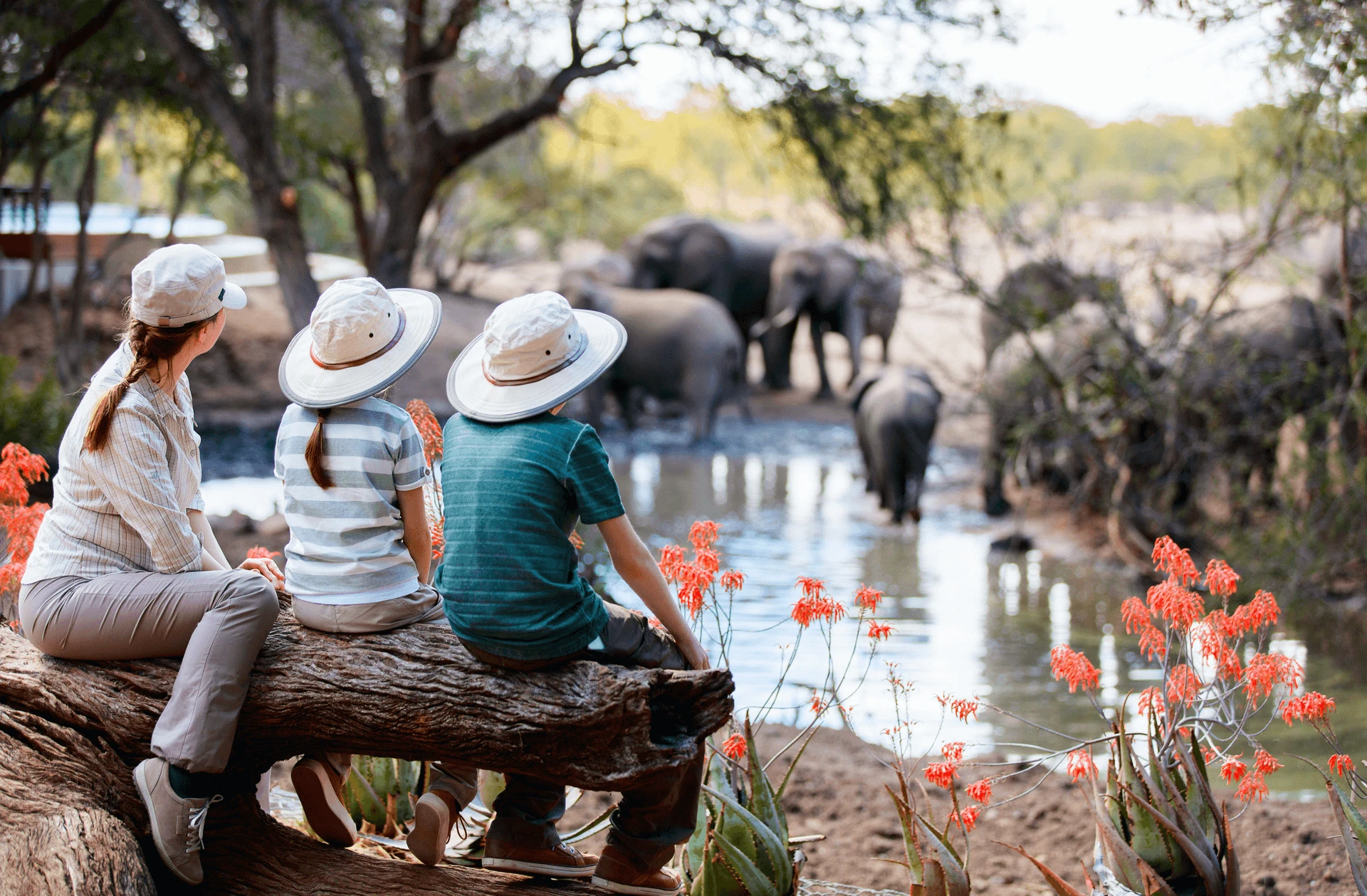
Family-Friendly South Africa Safari: Big Five & Beyond
Tailor-Made Holiday
First Safari Questions: What Actually Matters
When Should You Go?
Safari timing depends on what you want to see and where you are going. South Africa’s Sabi Sand offers excellent wildlife viewing year round. June to September brings cooler temperatures and thinner vegetation, which makes spotting animals easier. October to March is warmer, greener, and ideal for seeing newborn animals, though daytime temperatures can exceed 95°F.
Tanzania’s Serengeti requires more precise timing if the Great Migration is your priority. December to March places wildebeest in the southern Serengeti for calving season, with intense predator activity. June and July capture river crossings as herds move north toward Kenya’s Maasai Mara. Outside these windows, you may still see wildlife, but not the migration moments most people imagine.
We plan safari timing around your priorities, whether that is predator action, photography conditions, specific species, weather preferences, or avoiding peak school holiday crowds.
How Much Wildlife Will You Actually See?
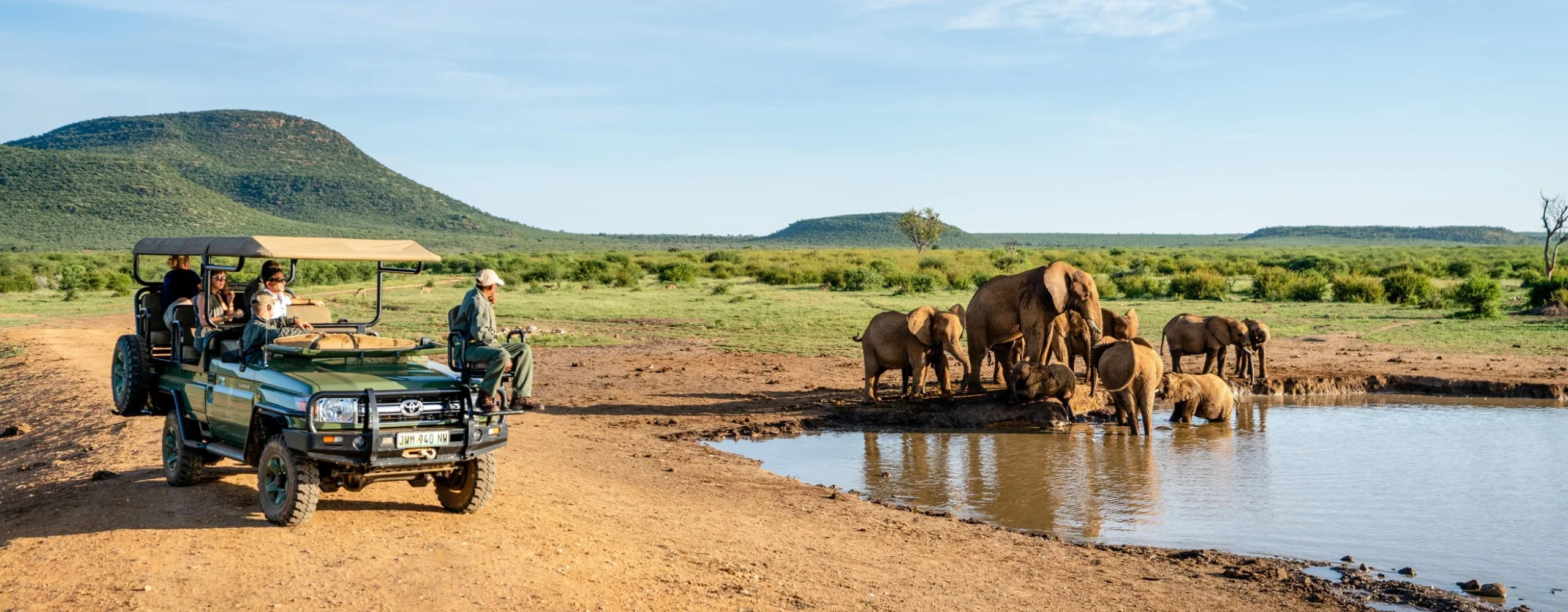
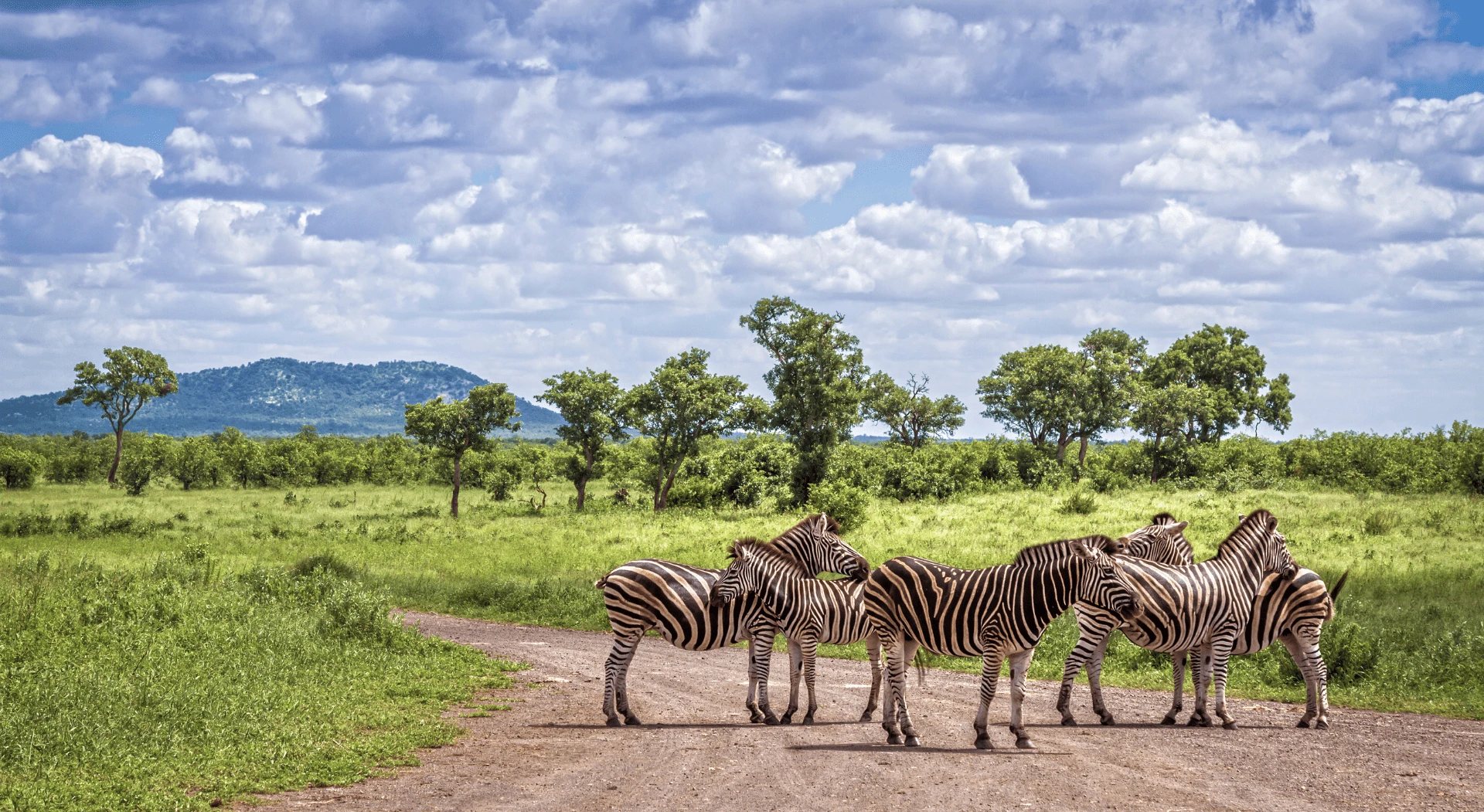
South Africa’s private reserves consistently exceed first time expectations. Game drives run twice daily for three to four hours, with guides communicating by radio to track animals across territories. Over three to four days, Big Five sightings are realistic probabilities rather than guarantees.
The guides matter more than the landscape. Expert trackers know individual animals, pride territories, and seasonal movement patterns. You are not driving aimlessly. You are actively tracking wildlife with specialists reading signs most visitors miss.
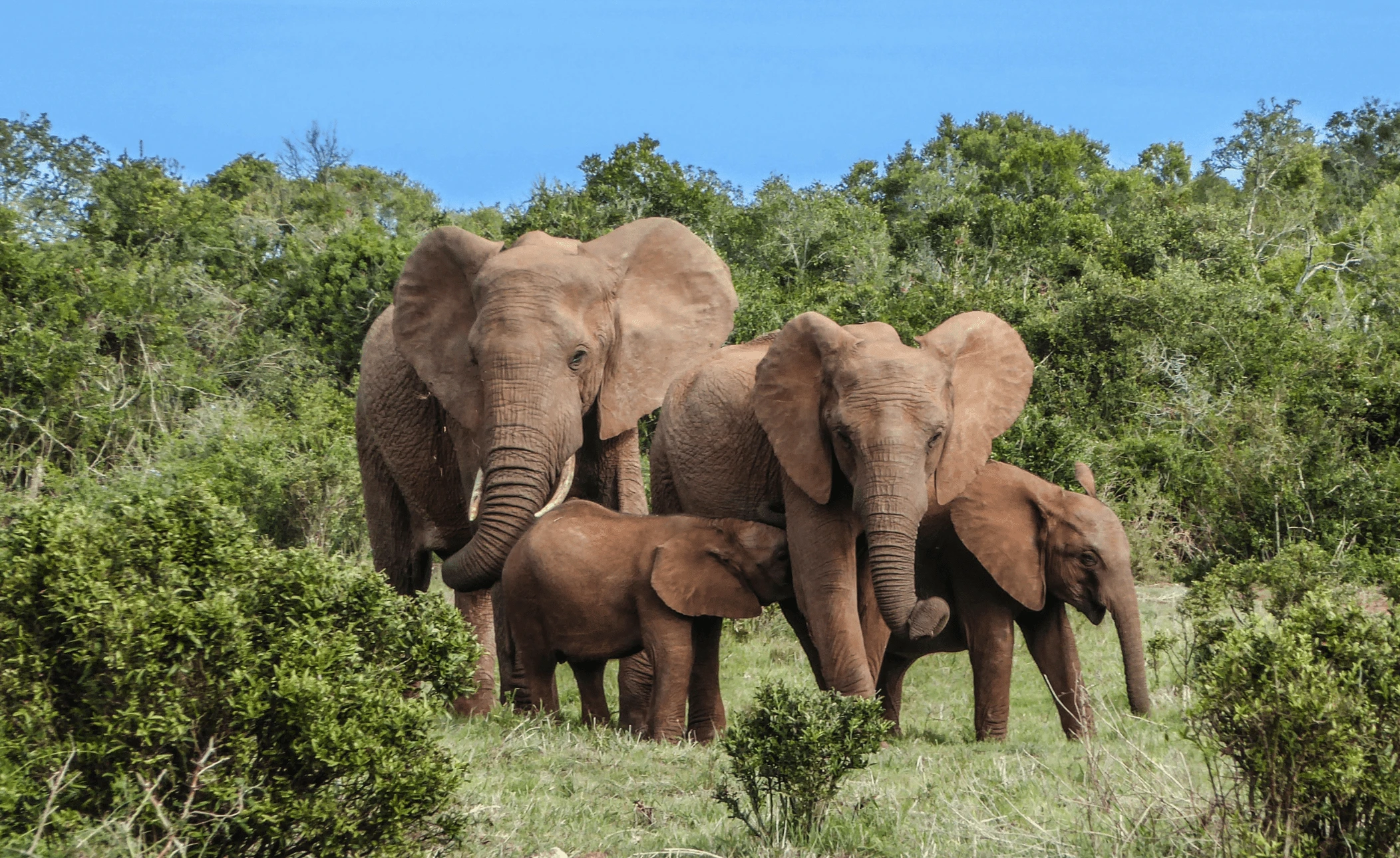
The Serengeti operates differently due to its vast scale. When you are in the right area at the right time, the numbers are unmatched. Large elephant herds, expansive lion prides, and thousands of wildebeest are common. Outside peak locations, sightings are more spread out and drives are longer.
Discover the magic and mystery of the African bush from the comfort of a luxury safari lodge. Pursuing the Big Five on a game drive is one of the great bucket list experiences and at Out Of Office we’re all...We Suggest...
The Out Of Office Safari Collection
Tailor-Made Holiday
What About Malaria and Health Concerns?
South Africa’s safari regions, including Sabi Sand and Kruger, are malaria areas. Risk varies by season, but prophylaxis is recommended. Tanzania’s northern circuit carries higher risk year round. We provide current CDC guidance and connect you with travel medicine specialists who tailor advice to your itinerary and health history.
Yellow fever vaccination is not required for South Africa. Tanzania only requires proof if arriving from specific countries or transiting through them. We confirm requirements based on your routing.
Luxury safari lodges maintain high hygiene standards. Food safety, water filtration, and cleanliness match international luxury hotel norms. The health risks associated with budget travel do not apply to the properties we book.
What Should You Pack?
Most safari packing lists are excessive. What matters is neutral colored clothing, layers for temperature changes, a quality hat, sunscreen, and binoculars if you care about optics. Early mornings can start near 50°F, with afternoons reaching 85°F or more.
Avoid camouflage, which is illegal in some countries, bright colors, and heavy luggage. Many camps enforce strict soft bag limits for charter flights. Lodges provide daily laundry, so you need less than you think.
Photography deserves careful thought. A telephoto lens of at least 300mm is recommended, with 400 to 600mm ideal. Safari vehicles get close, but safety distances still apply. Phone cameras rarely capture the images people imagine. We connect serious photographers with guides who understand positioning, light, and timing.
How Do Luxury Lodges Differ?
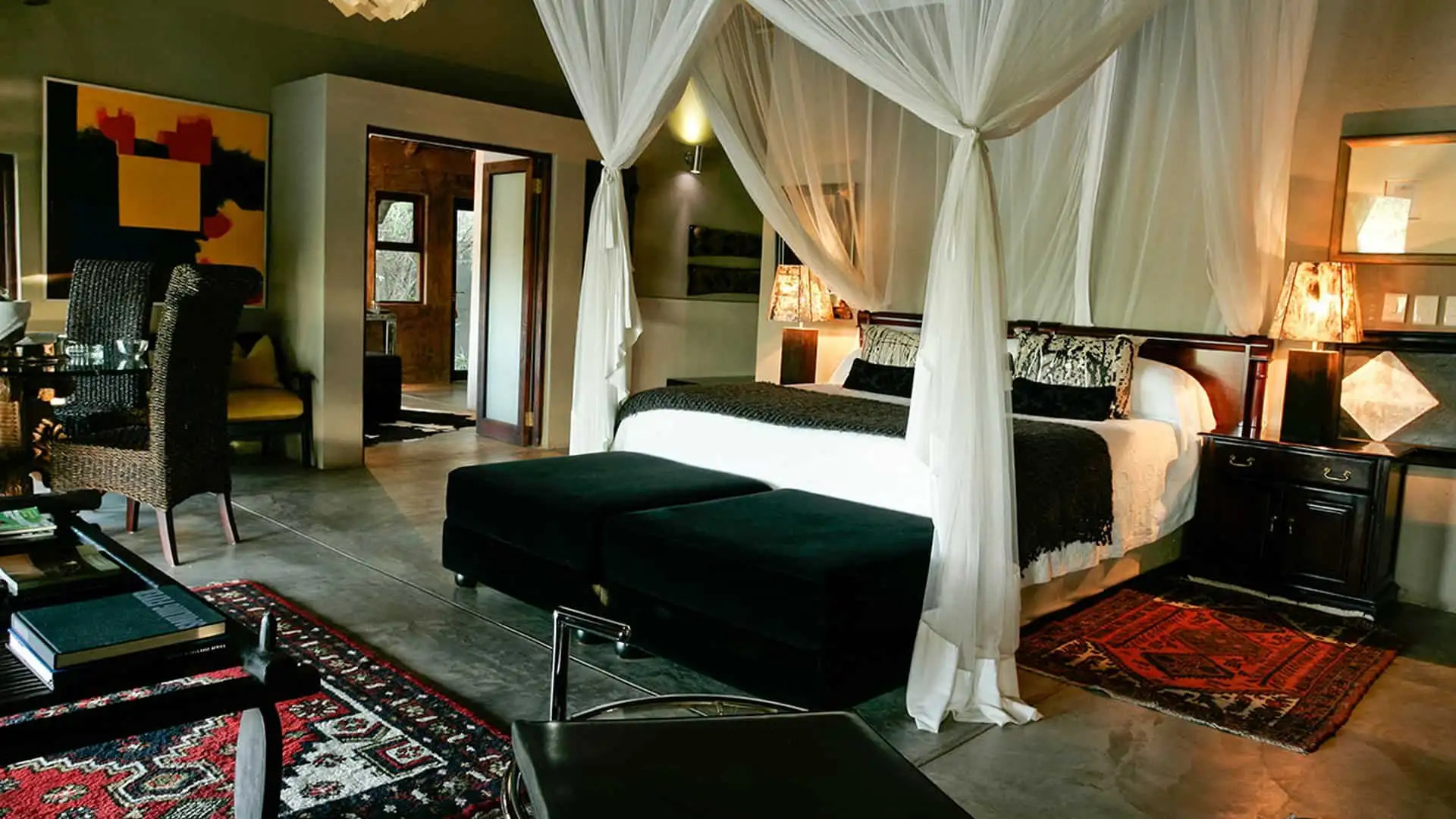
Safari accommodation ranges from mobile tented camps to permanent lodges and private villas. The category matters less than execution. A well run tented camp often delivers better experiences than a mediocre lodge.
The lodges we book share key traits. Prime locations with exclusive traversing rights. Low guide to guest ratios. Excellent food that stands on its own, not just for Africa. Service that anticipates needs rather than reacting to requests.
Room types vary widely. Standard suites, family units, and private villas with dedicated vehicles all serve different travellers. Honeymooners may want privacy and plunge pools. Photographers need flexible drive schedules and private guiding. We match properties to priorities, not labels.
The LGBTQ+ Consideration: Why It Matters Where You Go
Safari destinations span much of Africa, but the legal and cultural environment varies significantly. For LGBTQ+ travellers, this matters as much as wildlife quality.
South Africa is unique. Marriage equality is law. Anti discrimination protections are constitutional. LGBTQ+ travellers do not have to question safety, language, or acceptance. The welcome is explicit and embedded.
Other destinations are more complex. Kenya criminalizes same sex relationships. Botswana has decriminalized homosexuality, but cultural acceptance remains uneven. Zimbabwe retains colonial era laws. These realities do not make safari impossible, but they require careful planning and realistic expectations.
We specialize in LGBTQ+ safaris because we have spent years identifying which properties deliver genuine welcome. For first safaris, we usually recommend South Africa unless a specific wildlife goal, such as the Serengeti migration, justifies navigating more complex environments.
Why Expert Planning Delivers Different Safaris
Most safari disappointments come from timing errors, poor lodge placement, or inefficient routing. First timers often underestimate how demanding twice daily game drives can be, or overestimate how much wildlife viewing they want without downtime.
We design itineraries based on real client feedback. Three to four nights per location creates rhythm without fatigue. We balance safari days with city, wine country, or beach stays. We verify LGBTQ+ welcome through direct relationships, not assumptions.
South Africa pairs easily with Cape Town and the Winelands, with optional extensions to Victoria Falls or the Indian Ocean. Tanzania combines well with Zanzibar or Rwanda. We coordinate flights, transfers, and pacing so multi-destination trips feel seamless rather than exhausting.
The Safari You Actually Want
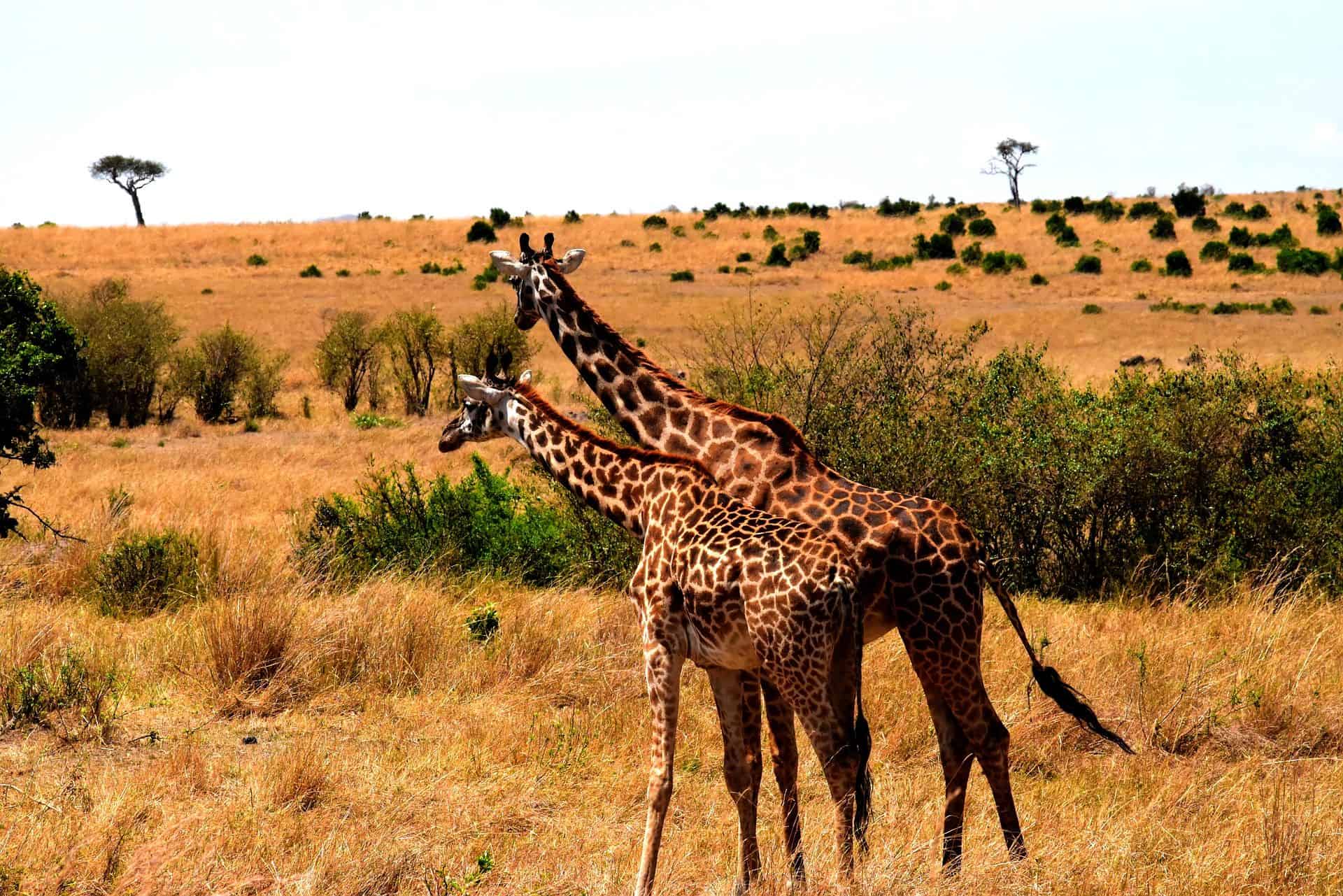
A first safari should deliver the moments you imagine. Lions calling at dawn. Elephants at waterholes outside your deck. Sundowners as giraffes cross the horizon. Lodges where the food, wine, and service exceed expectations.
These experiences happen consistently when the planning is handled by people who know the landscape. You get the wildlife, the luxury, the LGBTQ+ welcome, and the logistics that let you focus on the experience itself. You bring the excitement. We deliver the access.