Here is how Sri Lanka's top safari parks differ, and how to choose between them.
Beyond its temples and tea country, Sri Lanka also boasts some of Asia’s most rewarding safari experiences. Three parks in particular come up most often when building an itinerary here, and each one offers something distinct enough that the choice is worth making deliberately rather than simply picking whichever fits the route.
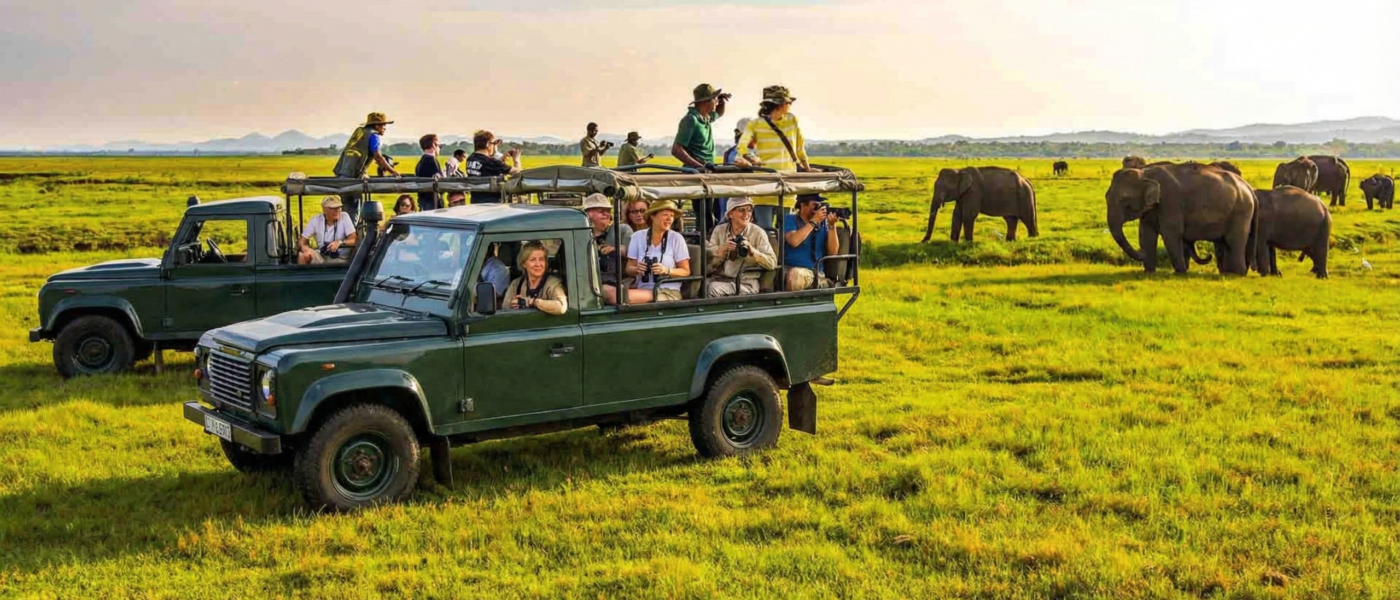
Yala National Park
Yala is Sri Lanka’s most visited park, and the reason is straightforward: it holds one of the highest densities of leopards anywhere in the world. The park divides into several blocks, with Block One the most accessible and, as a result, the most crowded during peak season.
About Out Of Office
Out Of Office is a luxury tailor-made travel company with a focus on delivering exclusivity and inclusivity. Our passion for global adventure is matched only by our deep commitment to delivering exceptional five-star service.
Everything we do is customised and designed especially for you – our valued customer – based on your exact personal requirements. Each member of our team is widely travelled. This means you get access to first-rate travel insights and the best possible advice from our team of luxury travel experts.
| Enquire Now |
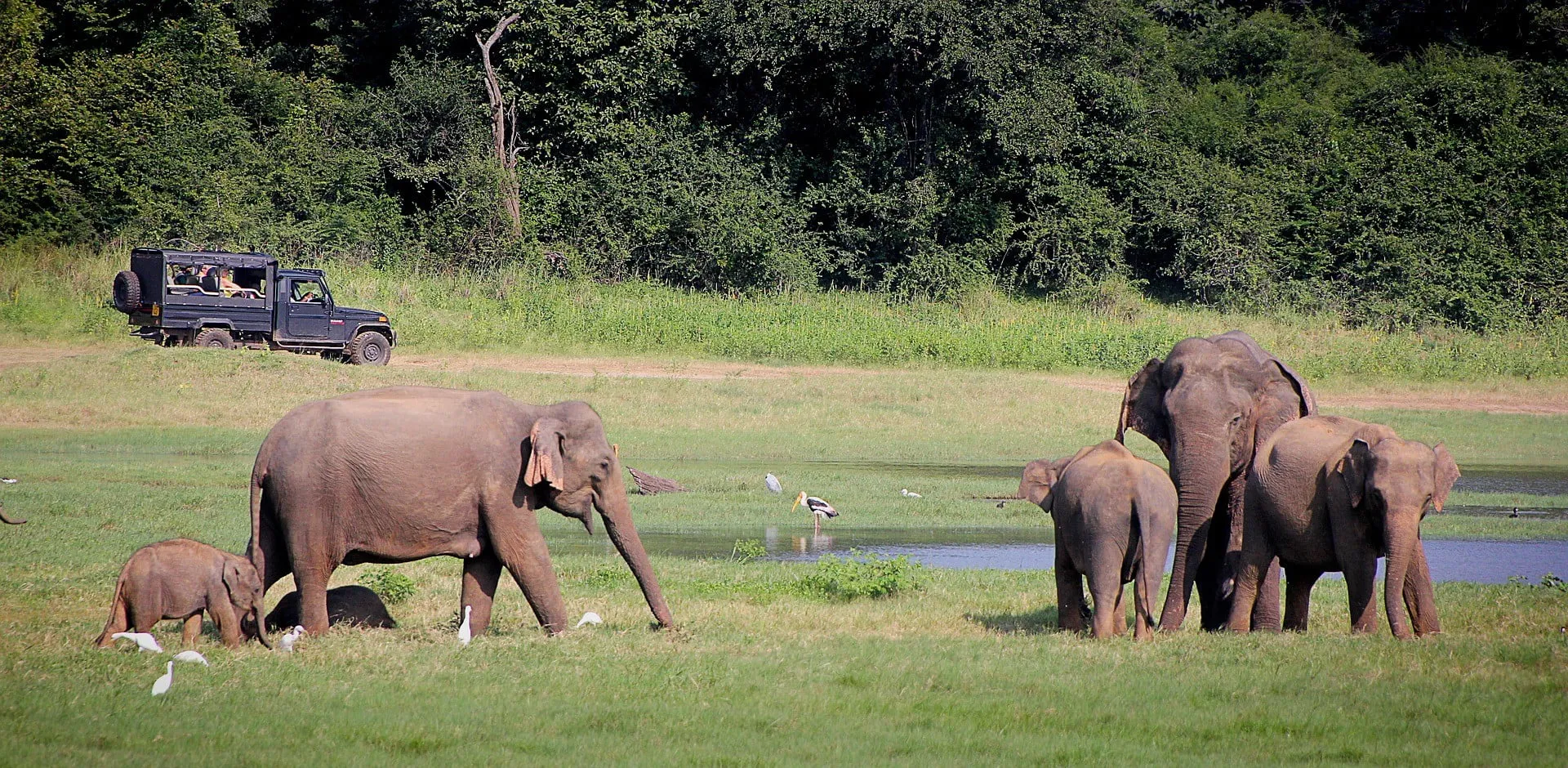
Beyond leopards, Yala also holds elephants, sloth bears, crocodiles, and a strong variety of birdlife, set against a landscape that shifts between open plains, rocky outcrops, and pockets of jungle. The tradeoff for that density of wildlife and landscape variety is company: expect other safari jeeps nearby during a sighting, particularly in the dry season months when animals concentrate around remaining water sources.
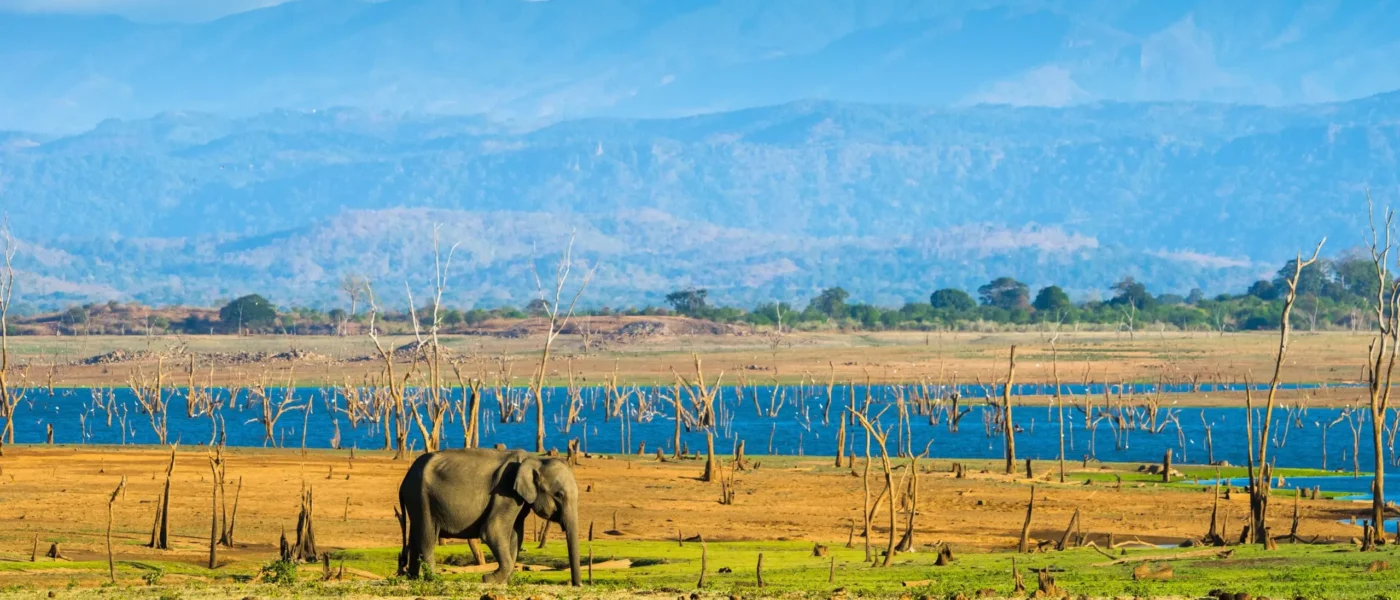
Udawalawe National Park
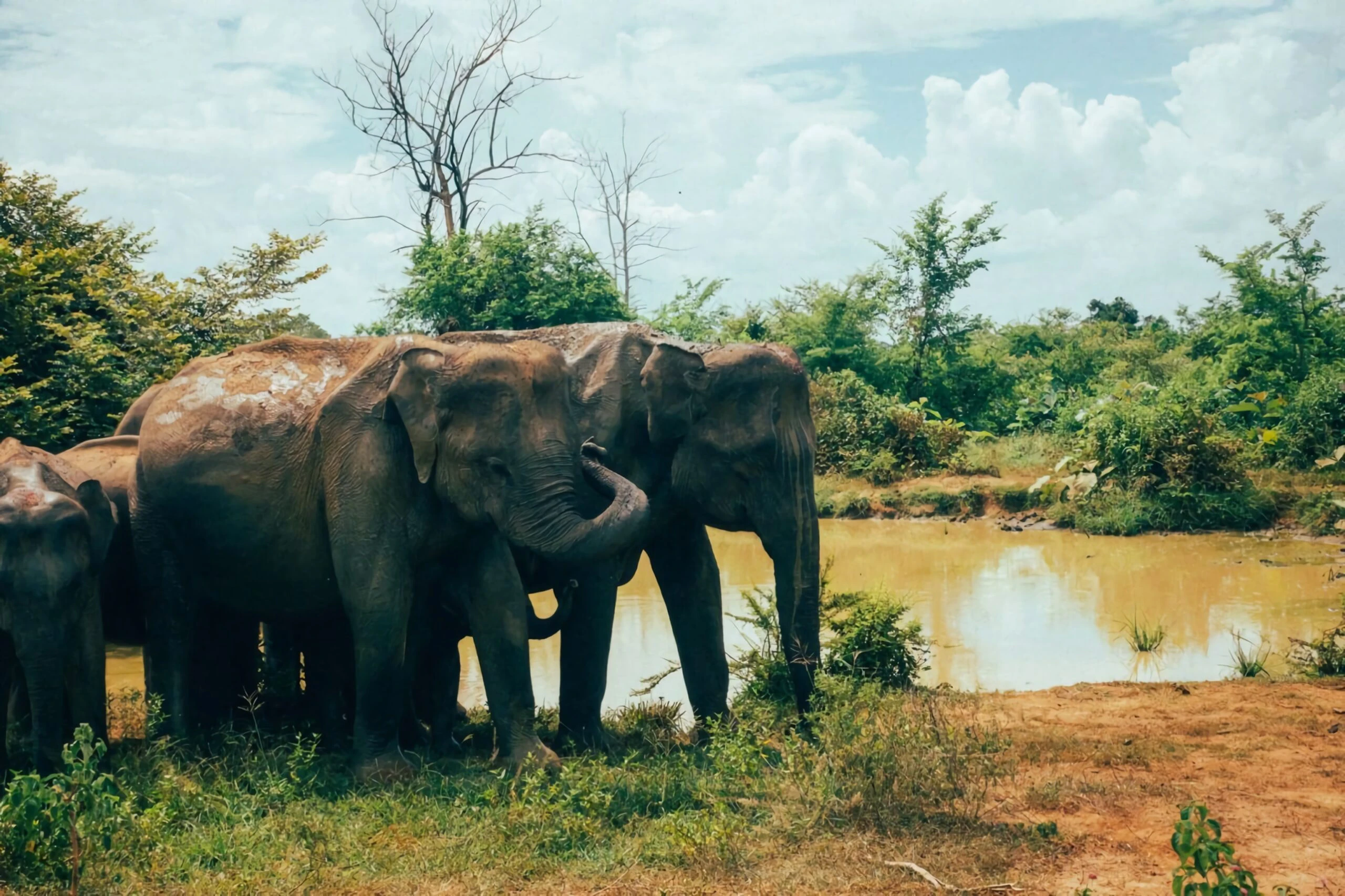
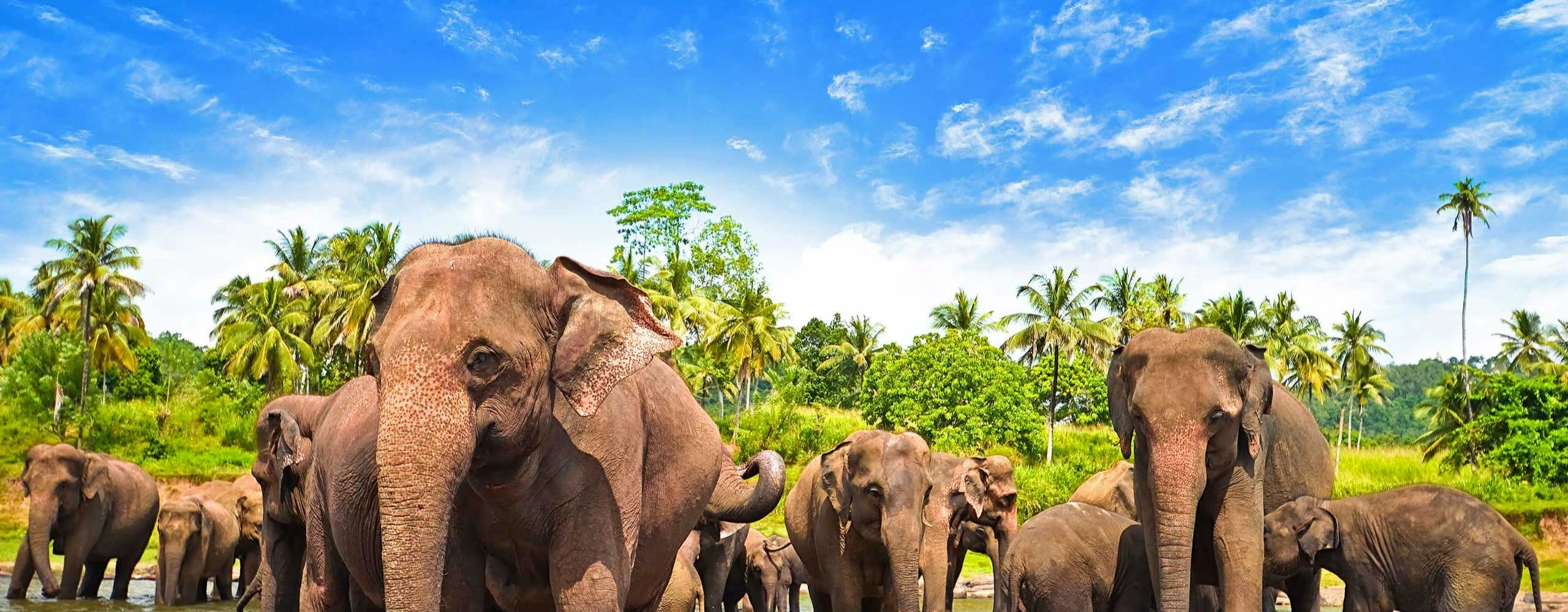
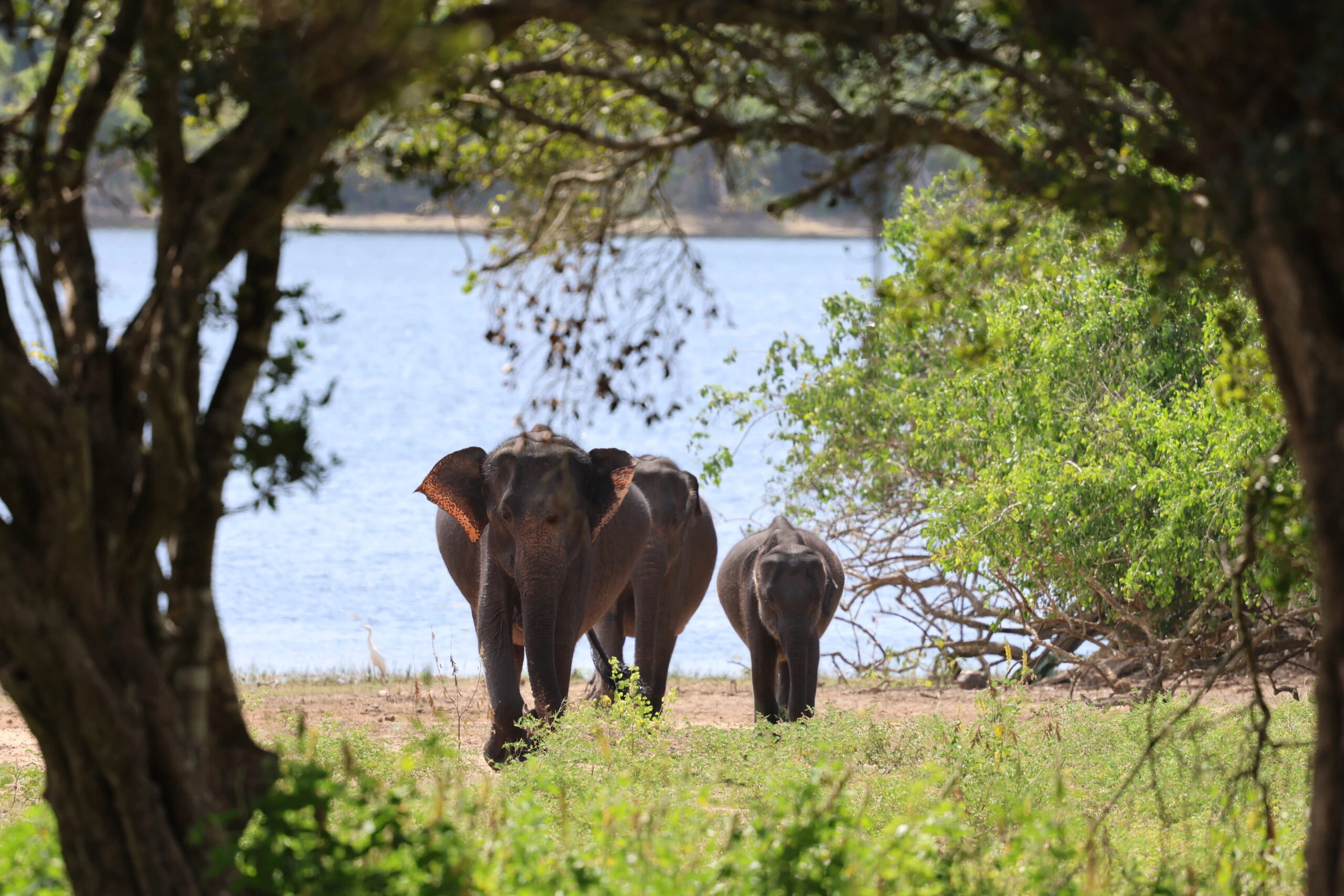
Udawalawe is the park to choose when elephants are the priority. Its open grassland setting and the reservoir at its centre create ideal conditions for observing herds, often numbering in the dozens, year-round rather than seasonally.
The tradeoff is variety: Udawalawe does not offer leopard sightings, and its landscape is less dramatic than Yala’s mix of terrain. What it does offer is a far more reliable and less crowded experience for travellers whose main interest is elephants rather than the full range of Sri Lankan wildlife.
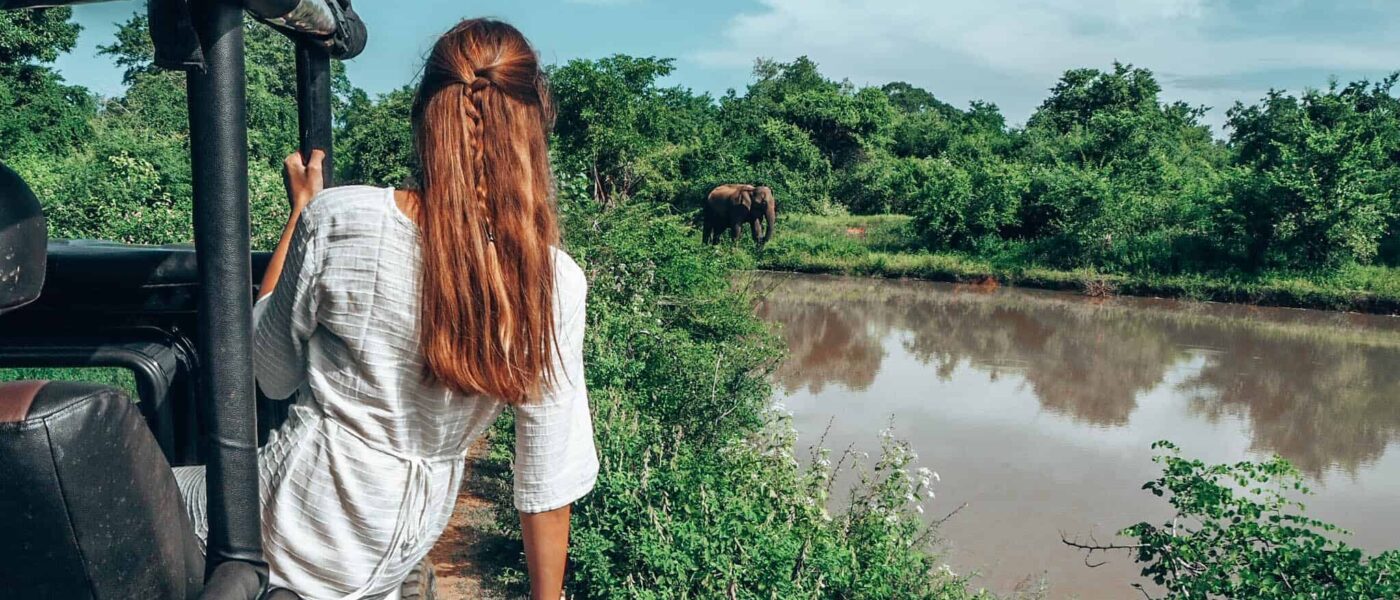
Wilpattu National Park
Wilpattu is Sri Lanka’s largest national park and one of its oldest, tucked into a more remote stretch of the northwest coast. Its defining feature is the villu, natural sand-rimmed lakes scattered through dense dry forest, which give the park a quieter, more atmospheric character than either Yala or Udawalawe. Wilpattu also holds leopards, though sightings are less frequent than at Yala given the park’s greater size and lower vehicle density.
For travellers who value solitude and a genuinely wild atmosphere over the higher odds of a leopard sighting, Wilpattu is often the better fit, and its location makes it a natural add-on for itineraries already passing near Anuradhapura in the Cultural Triangle.
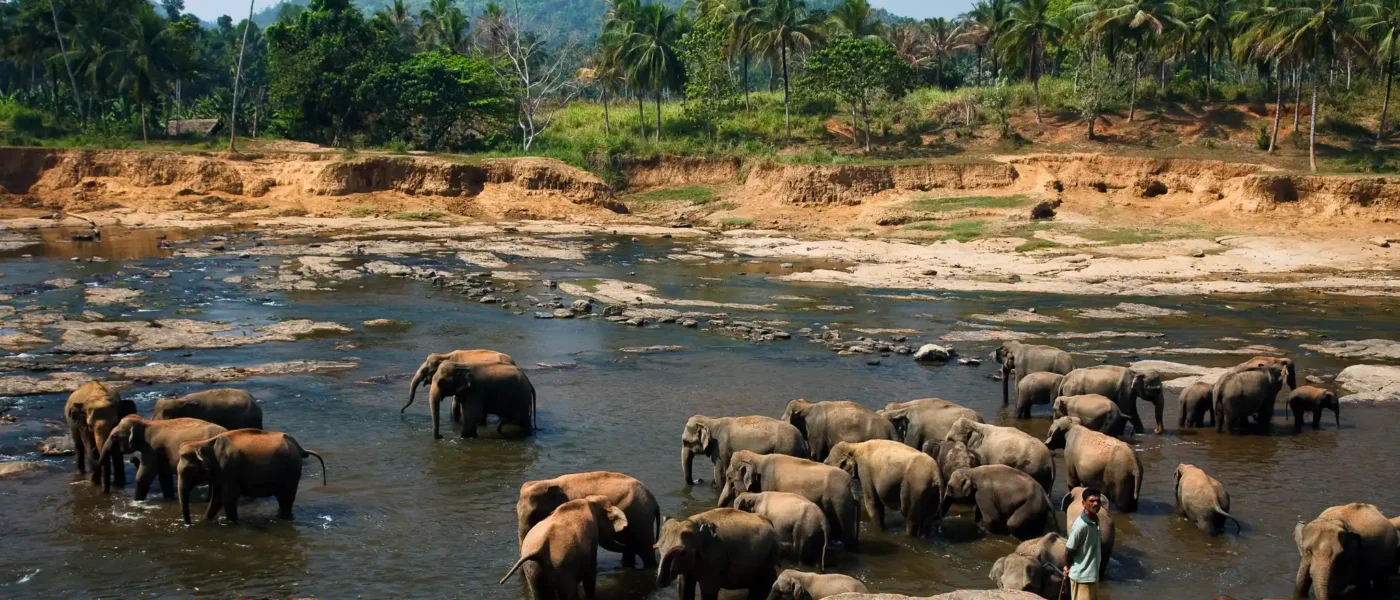
Which Park Fits Your Itinerary
For a first Sri Lanka trip built around the classic Cultural Triangle to the south coast route, Yala tends to be the natural choice given its position near the end of a southern loop.
For itineraries that lean further toward wildlife specifically, particularly ones built around elephants, Udawalawe fits well between the hill country and the south coast. Wilpattu suits itineraries that already spend time around Anuradhapura and want a quieter, less crowded safari experience without sacrificing much on the wildlife front.
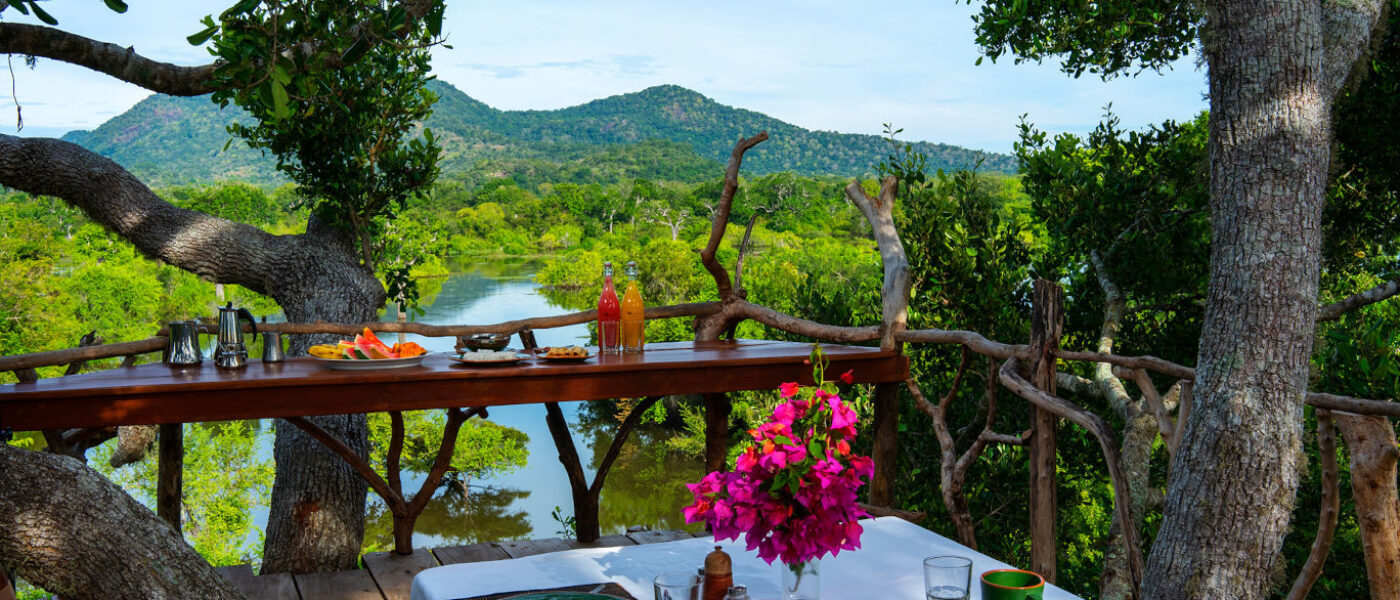
Kulu Safaris’ paradigm is to seamlessly blend the adventure of a Sri Lankan safari with exceptionally comfortable accommodation, while minimizing our ecological footprint, to offer you the definitive wildlife experience.
Our Sri Lanka Wildlife Encounter itinerary can be built around any of the three parks depending on which experience matters most to you, and our team can advise on the right choice once we understand the rest of your route.