



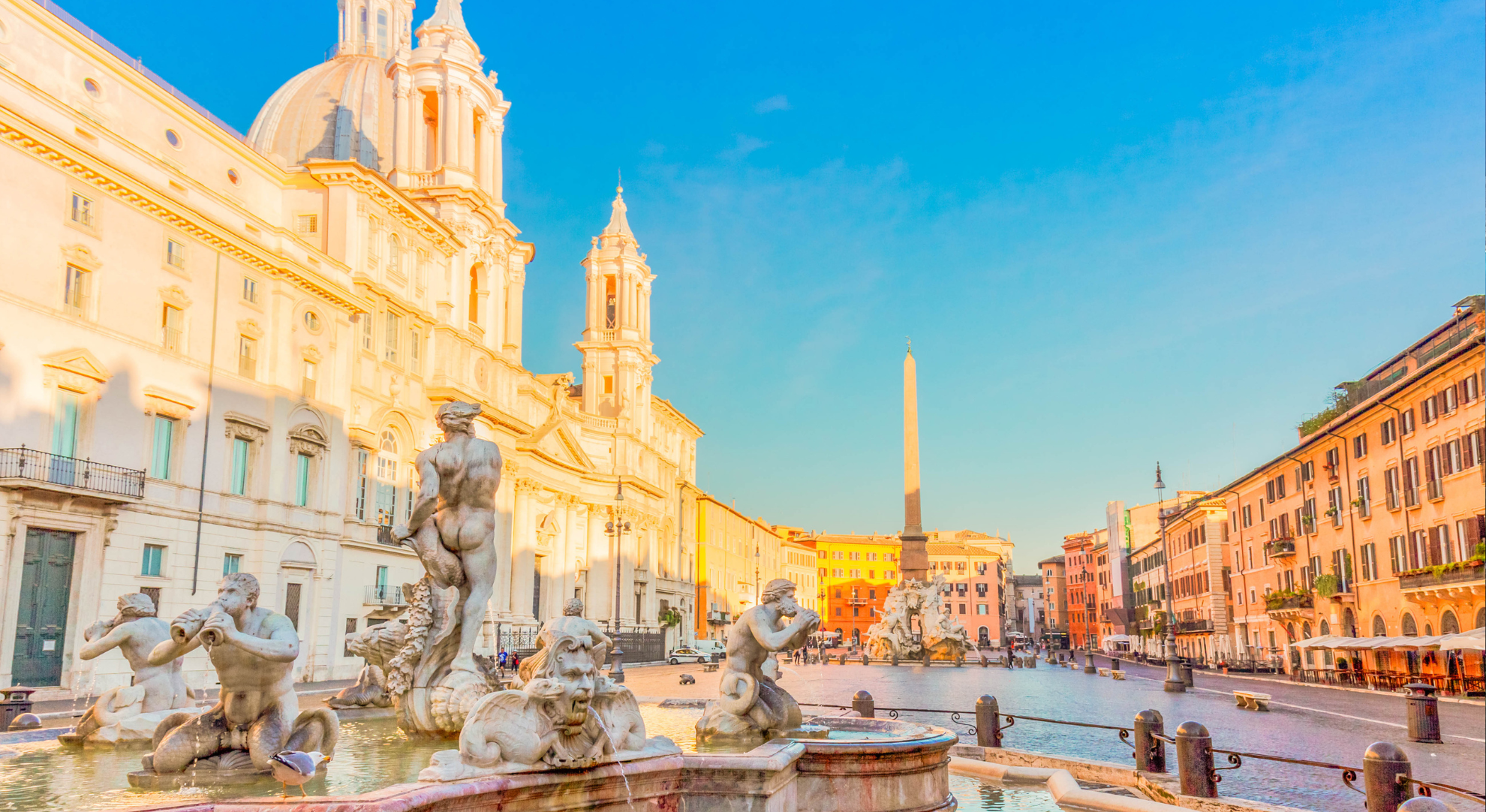
Editorials
Rome vs Milan: Which Italian City Is Better for Gay Travellers?
Italy's two greatest cities. One for history, one for the scene. Here's how to choose.
Homosexuality and Italian culture have been intertwined for as long as either has existed in recognisable form. Suetonius documented the sexual lives of the Caesars with a candor that left little to the imagination, and the Roman Empire’s attitude toward same-sex relations was one of pragmatic acceptance.
The Renaissance produced some of the most erotically charged depictions of the male form in Western art history, created by men whose own desires were an open secret to anyone paying attention. Michelangelo’s letters to Tommaso dei Cavalieri, Leonardo da Vinci’s documented relationships with his male students, Caravaggio’s models: the homosexual thread running through Italian cultural history is not a footnote but a central strand.
That tradition continues in a different register today. The fashion industry, which Milan leads globally, has always been one of the most visibly and proudly gay creative spaces in the world. Milan Fashion Week is as much a celebration of LGBTQ+ creative culture as it is a commercial event, and the designers, photographers, stylists, and editors who define it have always operated as a kind of gay aristocracy.
About Out Of Office
Out Of Office is a luxury tailor-made travel company with a focus on delivering exclusivity and inclusivity. Our passion for global adventure is matched only by our deep commitment to delivering exceptional five-star service.
Everything we do is customised and designed especially for you – our valued customer – based on your exact personal requirements. Each member of our team is widely travelled. This means you get access to first-rate travel insights and the best possible advice from our team of luxury travel experts.
| Enquire Now |
Italy does not have the kind of large, organised gay scenes you find in Madrid, Barcelona, or Berlin. The legal picture lags behind much of Western Europe: same-sex civil unions were legalised in 2016 but full marriage equality has not followed. Nonetheless, Italy remains one of the great destinations for gay travellers, and its two major cities offer two entirely different versions of what that experience can look like.
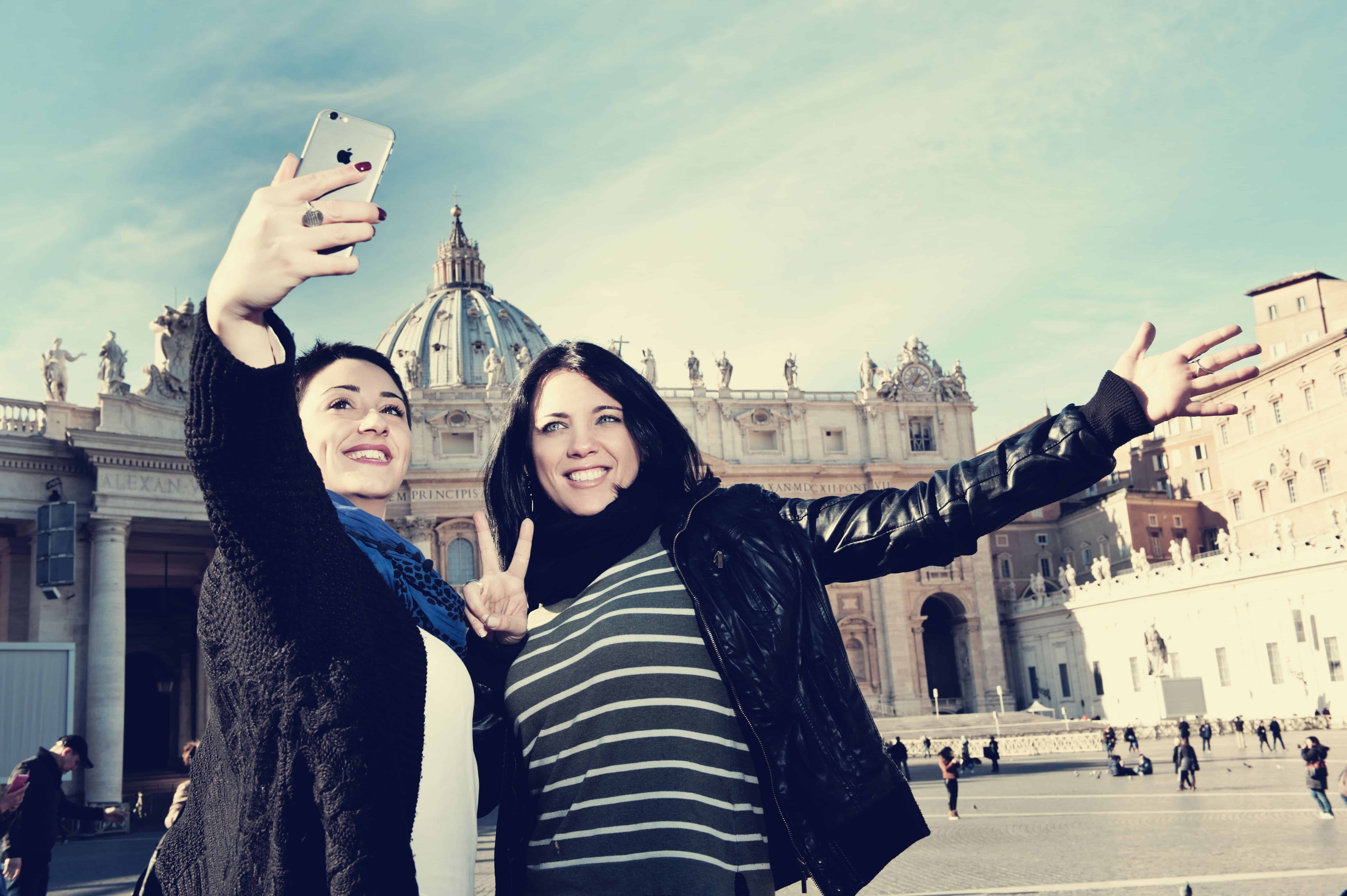
The Case for Rome
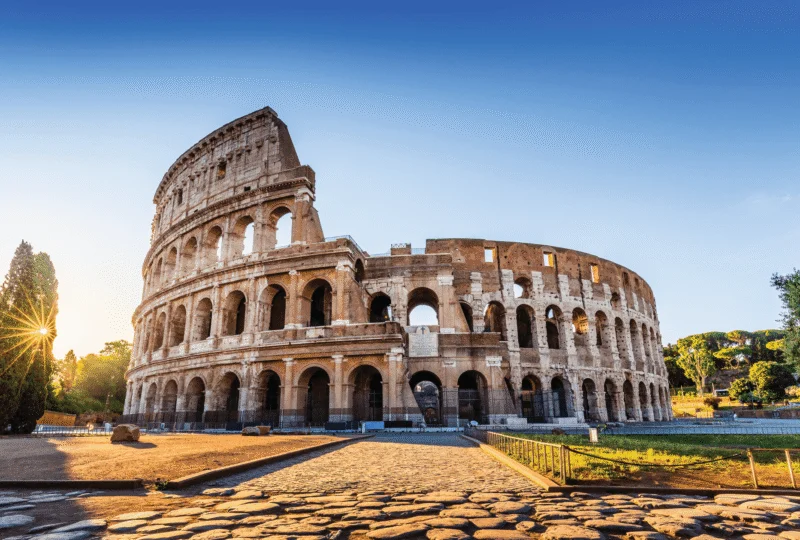
Rome does not have a large gay scene relative to its size, and it does not pretend otherwise. What it has is Gay Street, the Via di San Giovanni in Laterano, which runs between the Colosseum and the Basilica of San Giovanni in Laterano and was officially designated Italy’s only named gay street in 2007. The bars here operate as cafes and restaurants through the day and gay bars by night, with crowds spilling onto the street in warm weather in a way that feels like a neighbourhood party rather than a managed nightlife zone. Coming Out and My Bar are the anchor venues, both running for over two decades. The artsy Pigneto neighbourhood has developed a strong gay-friendly scene for those wanting something more alternative and local.
But Rome’s LGBTQ+ appeal has never primarily been about the scene. It is about existing as a gay person inside one of the most historically significant cities on Earth, and discovering that the city’s relationship with queerness runs considerably deeper than any contemporary bar.
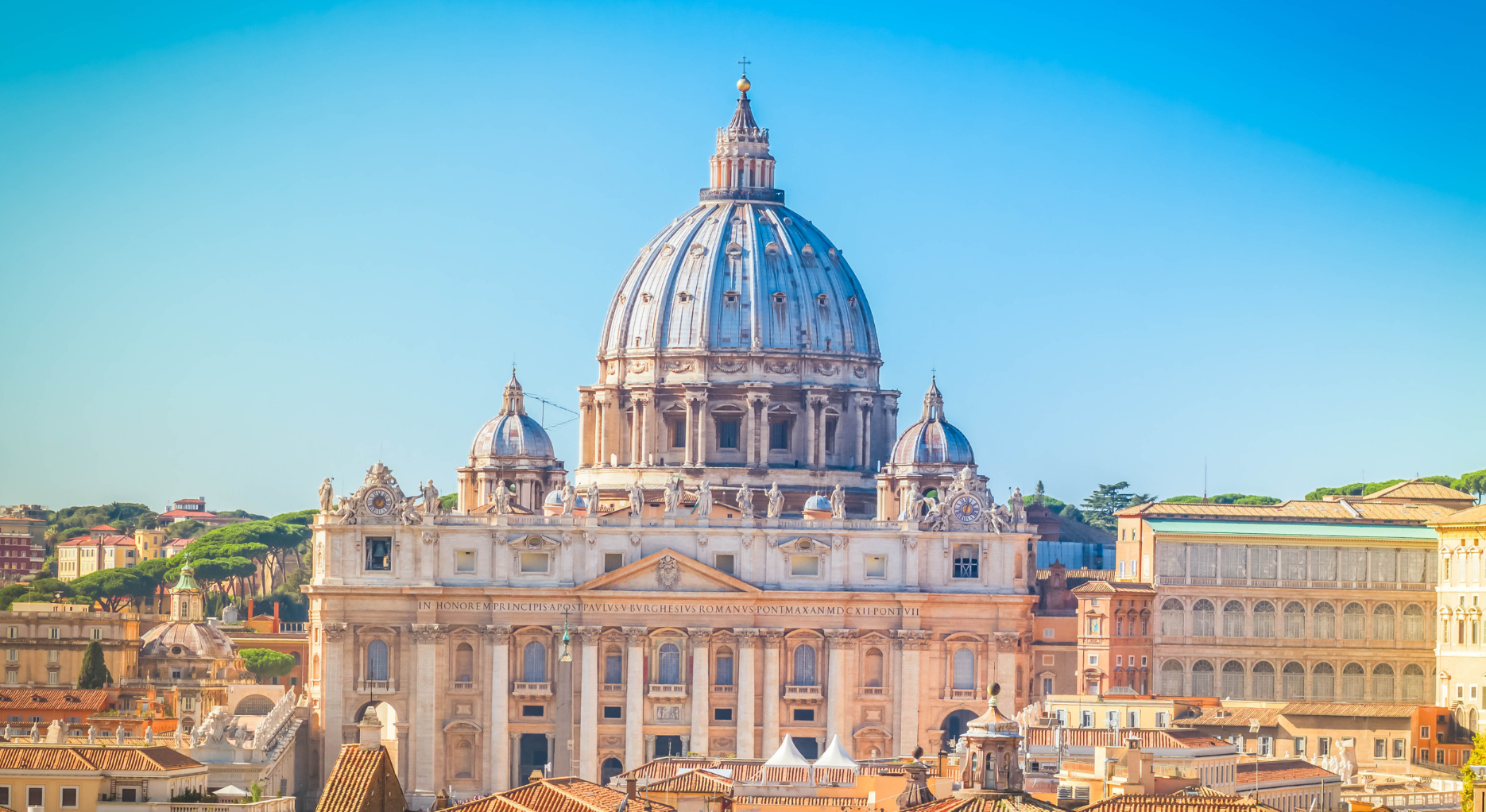
Ancient Rome was one of the most sexually permissive societies in recorded history, and that history is physically present if you know where to look. The Borghese Gallery houses Caravaggio paintings whose homoeroticism was barely coded even by seventeenth-century standards. The Vatican Museums contain Michelangelo’s work in quantities that make it impossible to separate the art from the man’s documented passion for male beauty, most explicitly expressed in his letters and sonnets to Tommaso dei Cavalieri. LGBTQ+ history tours of the Vatican are now offered specifically around this angle, threading together the homoerotic subtext of the Sistine Chapel ceiling with the broader story of gay culture running through Renaissance art.
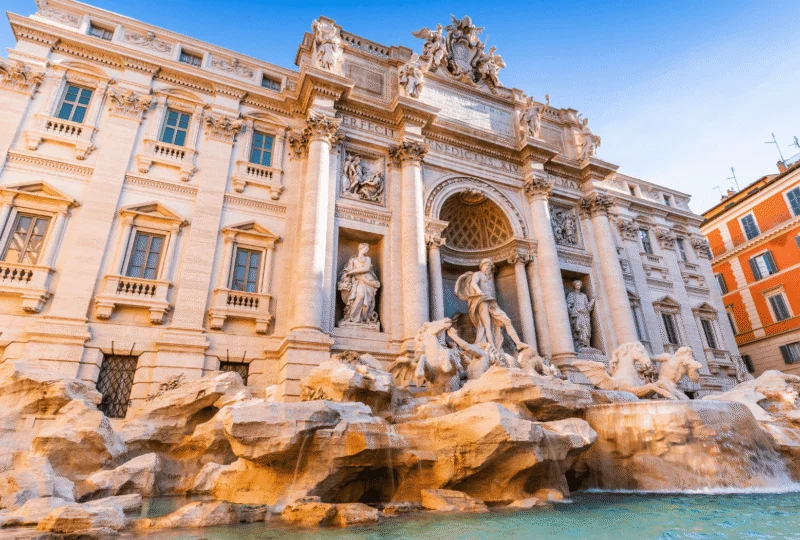
Rome Pride takes place each June and draws tens of thousands of people through streets lined with ancient monuments, a juxtaposition that has no equivalent anywhere else in the world. The Summer Gay Village, running from June through September, delivers over ten weeks of events including concerts, film screenings, and outdoor parties that bring 200,000 visitors annually.
The luxury hotel inventory in Rome is exceptional. Hotel Hassler above the Spanish Steps, the Cavalieri Waldorf Astoria on Monte Mario, and the Palazzo Manfredi with its Colosseum-facing terrace deliver some of the finest hotel experiences in Europe. The food scene is world-class without requiring effort: the question in Rome is never where to eat well, only which of the hundreds of trattorias to choose.
See the whole trip, priced in full, before anything is confirmed.
Request a quote →The Case for Milan
Milan is a different proposition in almost every dimension. Where Rome is about history, weight, and the accumulated millennia of Western civilisation, Milan is about now: fashion, design, ambition, money, and a gay scene that is by some distance the best in Italy.
Milan’s LGBTQ+ scene thrives in and around the district of Porta Venezia, aptly nicknamed the Gay Village, offering an eclectic mix of iconic venues and a neighbourhood that transforms during Pride month into open-air parties and colourful street festivals. On weekends the streets around Via Lecco come alive as the LGBTQ+ community creates a fabulous street party, a vibe that few gay scenes can match outside of Pride. The scene here is year-round and local rather than tourist-driven, which gives it a character that Rome’s smaller scene cannot quite replicate.
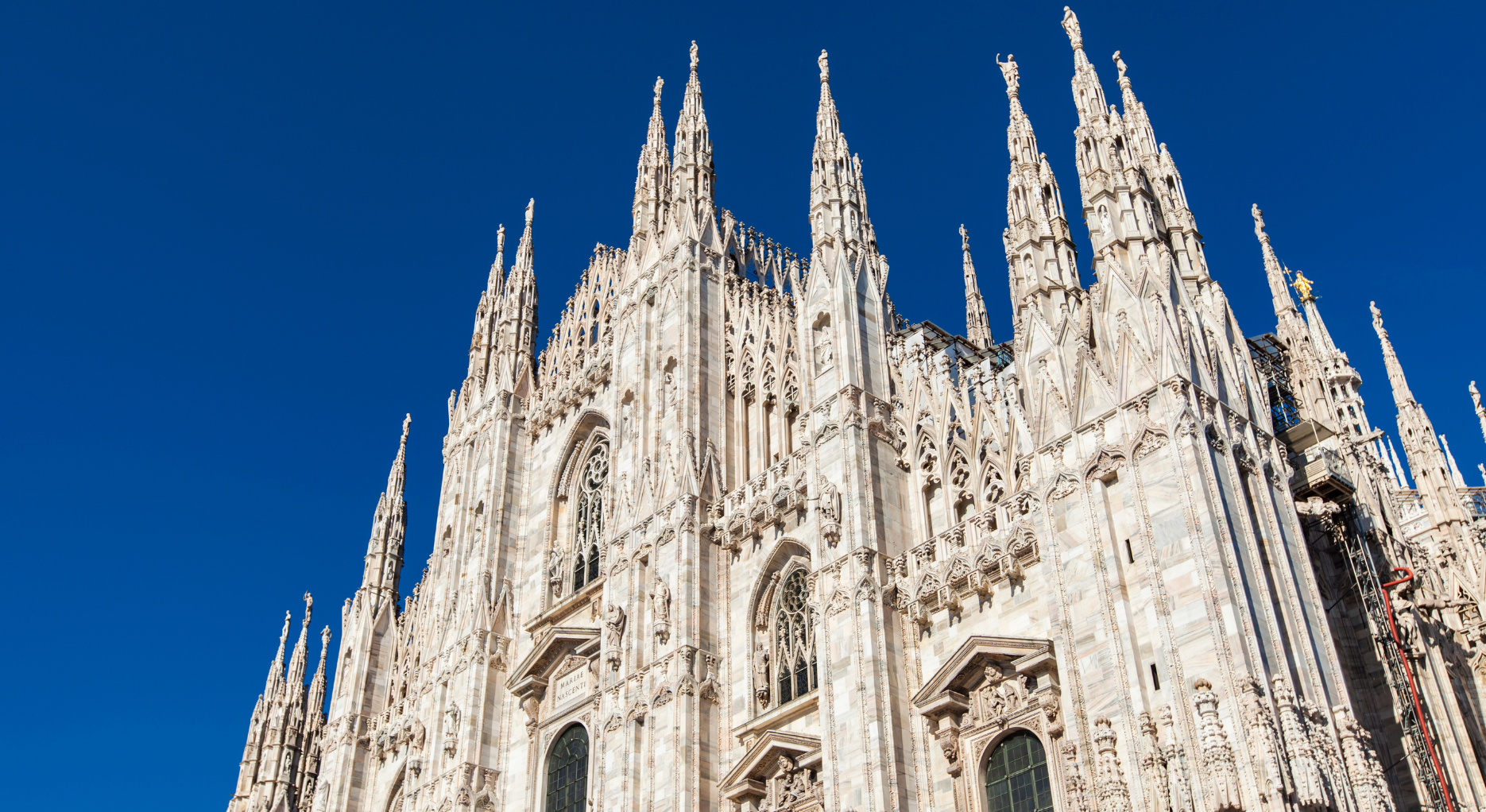
The Duomo is one of the greatest Gothic cathedrals in the world, a building that took six centuries to complete and is still shocking in its scale and intricacy when you stand in front of it for the first time. La Scala is the most famous opera house on earth, and attending a performance here carries a weight that no other venue in the world can match for opera specifically. The Galleria Vittorio Emanuele II, connecting the Duomo to La Scala, is one of the finest covered arcades in existence, its mosaic floors and iron and glass roof dating to 1877. And Santa Maria delle Grazie houses Leonardo da Vinci’s Last Supper, which must be booked months in advance and remains one of the most affecting works of art in any medium anywhere in the world.
Milan Fashion Week happens twice a year and turns the city into something that requires a specific kind of energy to navigate, but at any time of year the Quadrilatero della moda, the fashion district around Via Montenapoleone, delivers a concentration of serious luxury fashion houses that exists at this level only in Paris. For LGBTQ+ travellers with an interest in fashion, Milan is as close to a pilgrimage destination as the industry has.
The luxury hotel inventory is impressive. The Armani Hotel on Via Manzoni delivers the full Armani experience in a property that reflects the designer’s aesthetic completely. The Four Seasons in the former convent of the Ospedale di Santo Spirito, with its fifteenth-century frescoes and internal courtyard garden, is one of the finest urban hotels in Europe.
Rome or Milan?
Milan has the stronger gay scene, full stop. Porta Venezia functions as a genuine gay neighbourhood with a year-round local crowd that does not depend on tourist season. Rome’s scene is modest for a capital city of its size, centred on Gay Street near the Colosseum and lively enough for a good night out, but it is not why you go to Rome.
You go to Rome because nowhere else on Earth puts you inside two thousand years of Western civilisation quite like that. The food, the hotels, the streets themselves: Rome operates at a register that most cities cannot reach. Milan rewards the traveller who arrives with energy and wants the city to match it. Rome rewards everyone else.
The cleanest answer is both. Two hours apart by high-speed train, they are complementary rather than competing, and the contrast between them is part of what makes Italy one of the most satisfying countries in the world to travel through properly. Get in touch with one of our LGBTQ+ travel experts to start planning.
New to Out Of Office?
We are a luxury travel company for LGBTQ+ travellers. Everything we sell is tailor-made, planned by one named member of our team throughout, and nothing on this site is a fixed package unless it says so.
Where exclusivity meets inclusivity
Ten years, hundreds of five-star reviews, and a team who will tell you when a destination is not right for the trip you have in mind.
We know where you will be welcome, and where to take more care.
It shapes the hotels we use, the guides we work with and the routes we suggest.
Stellar service. Stellar products. Stellar people and it gets so much better when you pick up the phone and call.
Anthony S.
Super client centred service. From first contact I have had warm, efficient, friendly and flexible service.
John
I’m confident in giving Out Of Office a 5-star review! They are one of the leaders in this space without a doubt.
Tiberiu
We plant trees for every booking
For every booking made with Out Of Office we commit to planting trees in your name to help reduce the impact of travel on future generations. You'll even get a link to see where your trees are planted in the world via our partner Ecologi.

We donate to Rainbow Railroad with every booking
Rainbow Railroad helps LGBTQ+ people escape state-sponsored violence and persecution. A donation goes with every trip we sell, funded by us and never added to your price.

Start Planning Your Trip
Tell us where you would love to go, when you are thinking of travelling and what kind of trip you have in mind. One of our LGBTQ+ travel specialists will create a tailor-made itinerary designed around your destination, style and preferences.
One named specialist, first enquiry to homecoming. No call centre, and nothing is charged until you decide to book.