






Editorials
Exploring LGBTQ+ Art in Italy: From the Romans to the Renaissance
Discover the gay history of Italy's greatest artworks
Standing before Donatello’s bronze David in Florence, there is time to notice what photographs rarely capture: the delicacy of his stance, the curve of his hip, the contrast between his slight frame and Goliath’s sword. For LGBTQ+ travellers, exploring Italy’s art can bring another dimension to these encounters, opening conversations about male beauty, same-sex desire and the lives of the artists behind the masterpieces.
Those connections stretch from the erotic frescoes of Pompeii to the galleries of Florence and the painted rooms of Rome’s Villa Farnesina. Some emerge through letters and poetry; others lie in the ways scholars and viewers have interpreted a figure, a gesture or a relationship depicted in paint. Their appeal is in discovering the stories, including the questions that remain unanswered.
A private visit with a knowledgeable guide offers space to explore that history and linger over the details. Donatello’s David at the Bargello, Michelangelo’s figures in the Sistine Chapel and the ancient objects in Naples’ National Archaeological Museum each reveal different attitudes toward the body and desire.
Woven into a journey through Italy, these encounters offer a personal way to appreciate its cultural heritage, with LGBTQ+ history becoming part of how you see the places and artworks along the way.
Ancient Rome: Desire in Daily Life
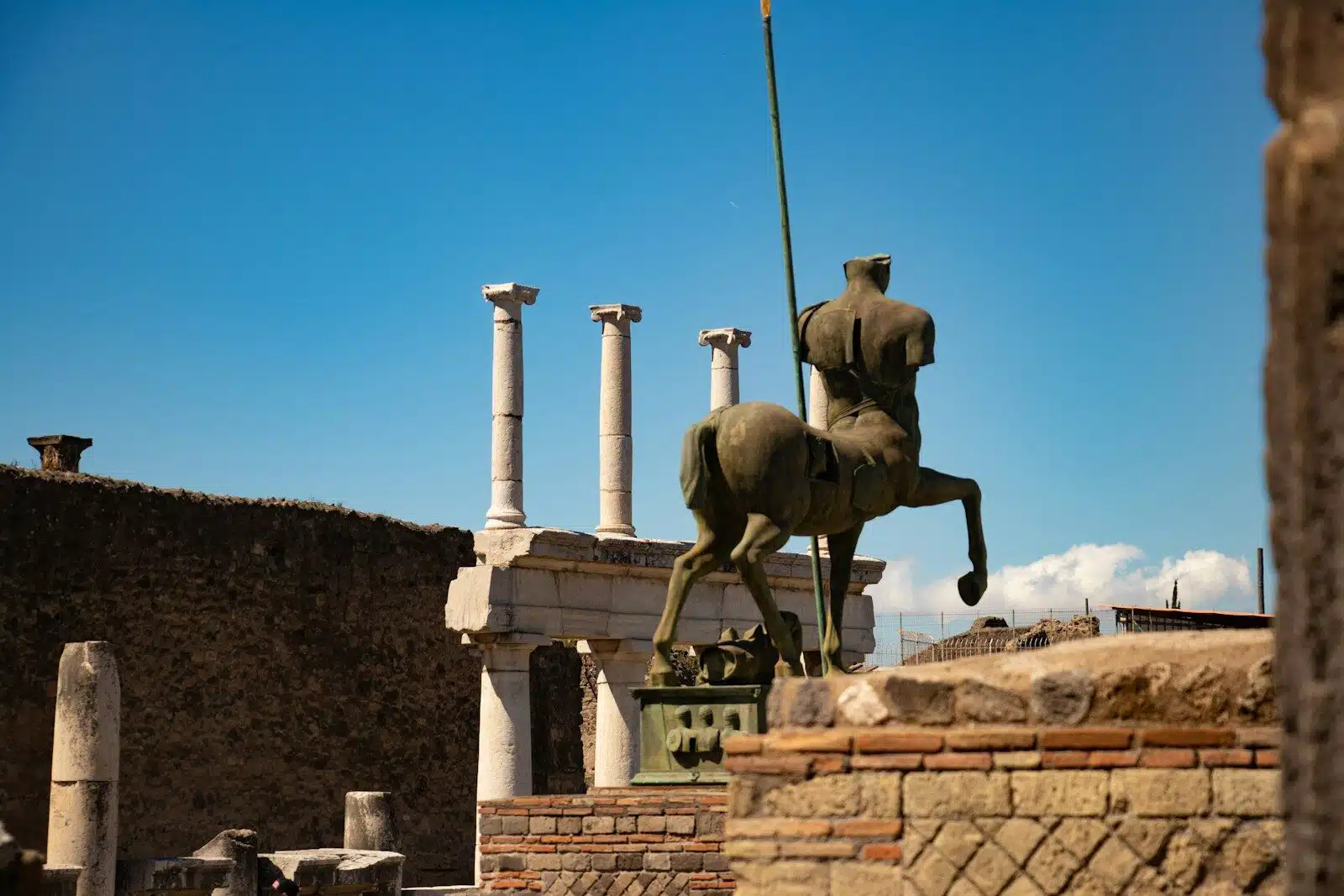
In Pompeii, an intimate scene painted on a wall can feel unexpectedly immediate. Almost two thousand years after Vesuvius erupted in 79 CE, the surviving decoration offers glimpses of the images people chose for their homes, businesses and places of leisure.
Excavations at Pompeii and Herculaneum uncovered erotic frescoes, sculptures and household objects. Their meanings varied: an image might evoke pleasure, suggest prosperity or protect against misfortune. Understanding those associations adds depth to a visit, particularly when a guide draws attention to details that are easy to overlook.
This imagery also reveals how differently the Romans understood sexuality. Modern identities such as gay and straight do not map neatly onto ancient life, where status, gender and power shaped sexual relationships. The visibility of erotic art should not be mistaken for universal acceptance or equality.
Later generations found some of these objects difficult to display. Naples’ National Archaeological Museum separated erotic material into its Gabinetto Segreto, or Secret Cabinet, restricting access at various points in its history. Seeing the collection today invites reflection on both the society that created these works and the changing attitudes of those who displayed them.
Where to See Roman Erotic Art
Pairing Pompeii with Naples’ National Archaeological Museum brings the buildings and their contents into conversation. At the archaeological site, paintings retain their architectural setting; in the museum, smaller objects reward a closer look.
The House of the Vettii is a particularly revealing stop. Its entrance fresco depicts Priapus, the god associated with fertility and abundance, weighing his phallus against a bag of money. The connection between sexuality and prosperity is striking when encountered at the threshold of a richly decorated home.
The Lupanar, Pompeii’s ancient brothel, offers a different context through its explicit wall paintings and small rooms. Both the Lupanar and the House of the Vettii appear on the archaeological park’s current list of accessible buildings, although individual openings can change.
In Naples, the Gabinetto Segreto brings together erotic objects largely recovered from Pompeii and Herculaneum. Elsewhere in the museum, the Farnese collection includes sculptures of Harmodius and Aristogeiton, allowing a broader conversation about male relationships and their place in classical history. These belong to a separate collection from the Pompeian finds.
For LGBTQ+ travellers, an informed guide can connect these encounters while explaining where the evidence is clear and where interpretation begins. There is considerable pleasure in taking the time to understand an object beyond its first, sometimes startling, impression.
Florence: Male Beauty and Renaissance Desire
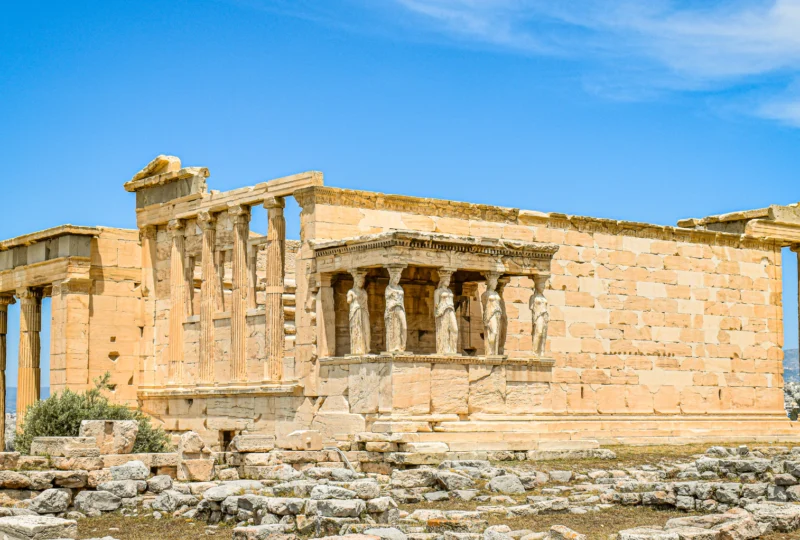
Florence offers a different setting for exploring LGBTQ+ art history. Here, the galleries and sculpture collections bring visitors close to works whose treatment of male beauty still invites discussion centuries later.
At the Bargello, Donatello’s bronze David provides a compelling starting point. His relaxed stance, youthful proportions and elaborate hat invite close attention, especially alongside the museum’s other representations of the same biblical hero. The sculpture’s sensuality has prompted varied interpretations, giving a knowledgeable guide plenty to explore without presenting the artist’s intentions as settled fact.
The city’s social history is equally complex. Same-sex relationships were sufficiently prominent to leave extensive traces in Florence’s records, yet sodomy remained subject to prosecution. The Office of the Night, established in 1432, investigated accusations for decades. Artistic patronage and the appreciation of male beauty existed alongside legal restrictions.
That tension gives a visit substance. Moving between Florence’s museums, the conversation can range from classical influences and religious commissions to the personal relationships documented in artists’ lives. For LGBTQ+ visitors, these histories offer a way to engage closely with familiar masterpieces and discover how much remains to be explored beyond their fame.
Donatello’s David: Beauty in Bronze
At Florence’s Bargello Museum, Donatello’s bronze David rewards a lingering look. Wearing only a hat and boots, the young biblical hero rests one foot on Goliath’s severed head. His relaxed stance and delicate proportions offer an unexpected image of victory, with an oversized sword emphasizing the slightness of the figure holding it.
Generally dated to the 1440s, the sculpture was the first freestanding male nude in bronze since antiquity. Its androgynous appearance and sensual treatment of the male body have made it a compelling subject for LGBTQ+ interpretations of Renaissance art. Donatello’s own sexuality is less securely documented than some accounts suggest, but the work offers plenty to discuss without relying on certainty about his private life.
Seeing David in person allows you to follow the sculpture’s details around the figure, from the curls beneath his hat to the elaborate helmet beneath his foot. With a private guide versed in Renaissance art and LGBTQ+ history, a visit can explore its biblical subject, Medici patronage and the questions its beauty continues to raise. It is a rewarding stop during a stay in Florence, particularly for travellers interested in the connections between art, desire and identity.
No two trips we plan are the same. Yours will be no exception.
Request a quote →Michelangelo: Male Beauty and Personal Devotion
Michelangelo’s admiration for male beauty finds expression in his sculpture, painting and poetry. His poems and drawings for the Roman nobleman Tommaso de’ Cavalieri offer particularly personal evidence of his emotional attachment to another man, adding an intimate dimension to an artist often encountered through monumental works.
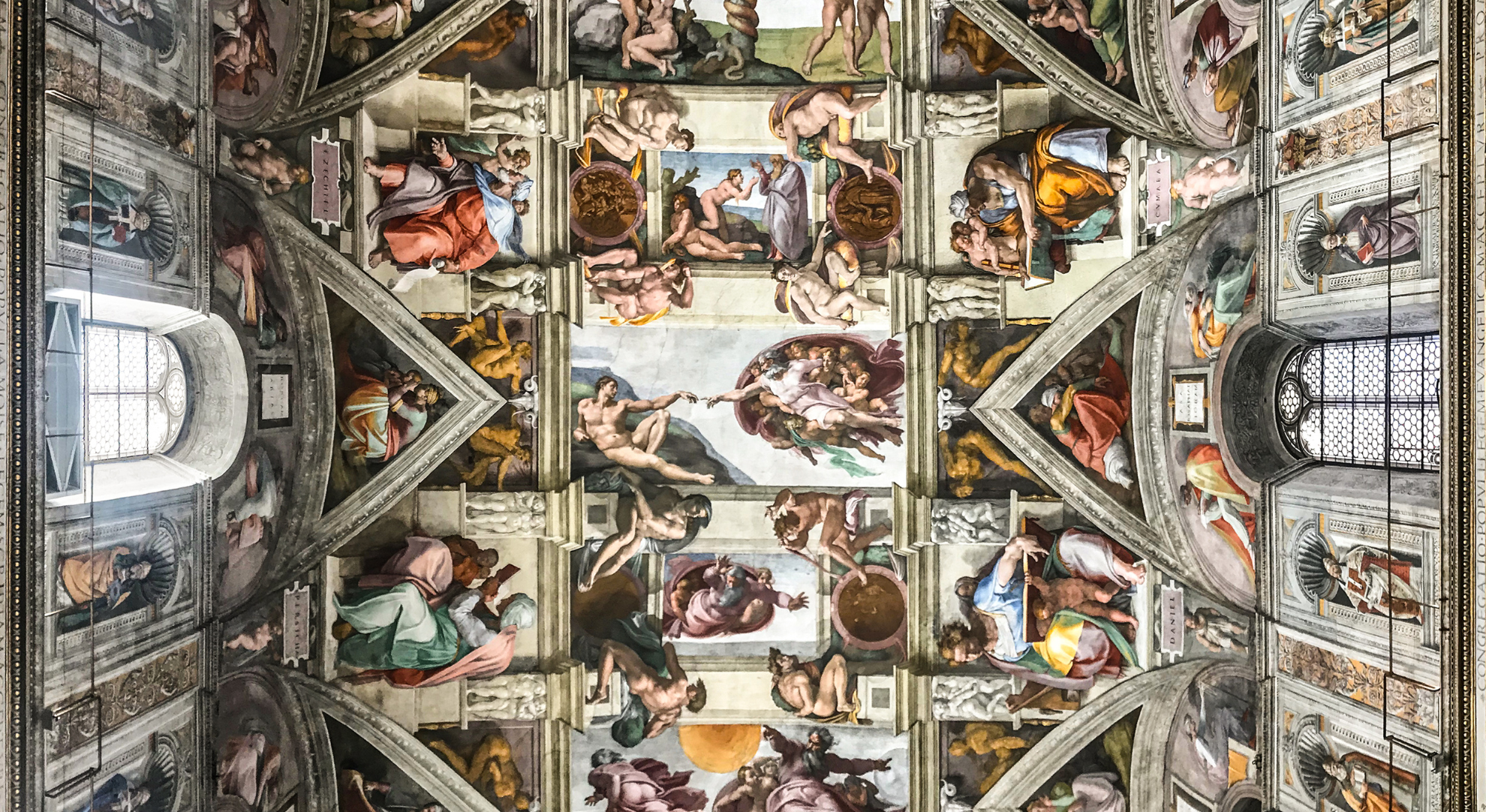
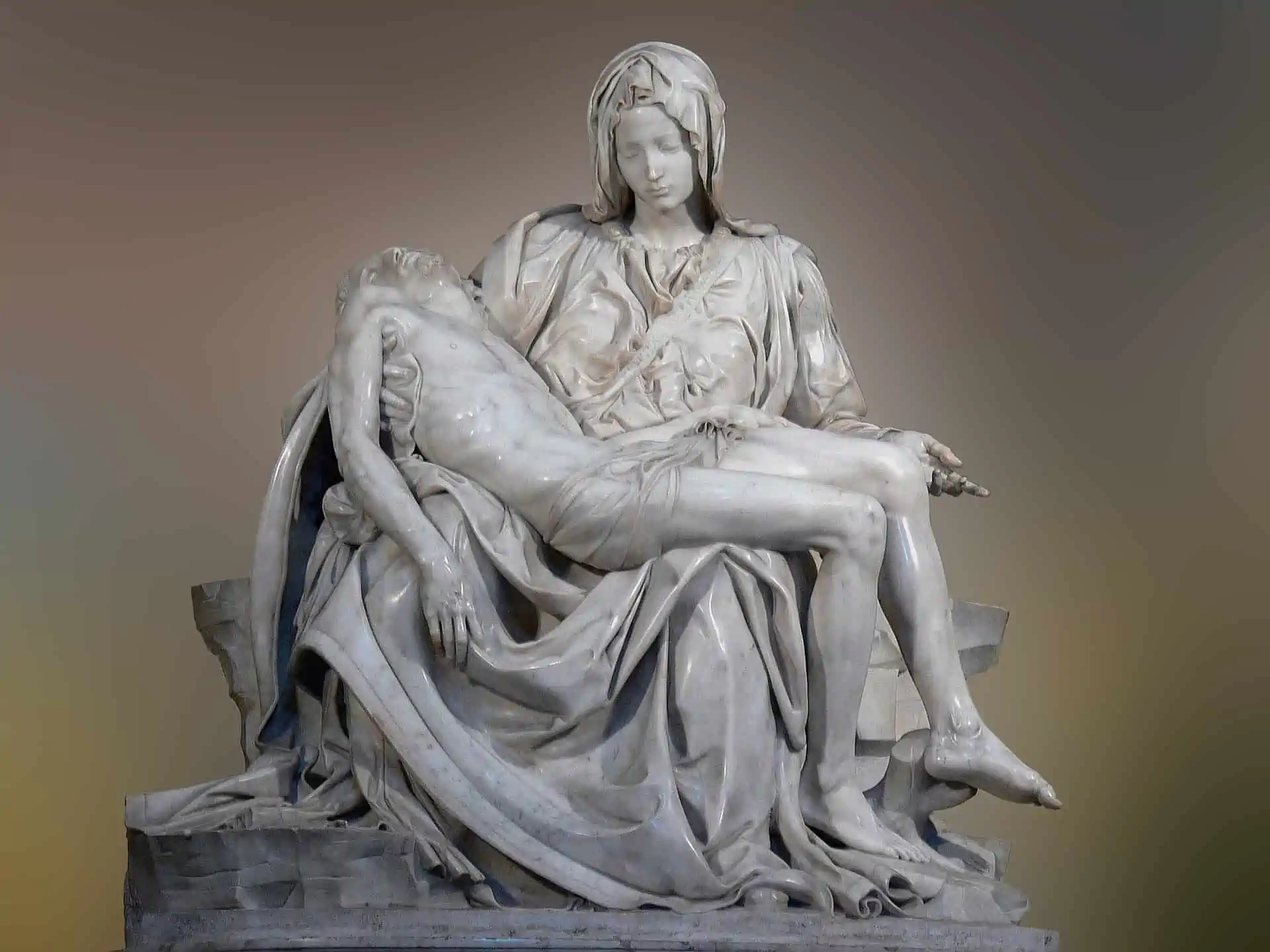
In the Sistine Chapel, that context invites closer attention to the bodies filling The Last Judgement on the altar wall. Figures embrace and reach toward one another within a vast vision of salvation and damnation. These gestures have inspired homoerotic readings, although their religious setting leaves room for different interpretations. The tension between physical beauty and spiritual meaning is part of the fresco’s enduring fascination.
A privately guided Vatican visit can introduce these themes before entering the chapel, where silence is required. Once inside, there is the opportunity to study the gestures, expressions and relationships between figures, alongside the famous scenes overhead.
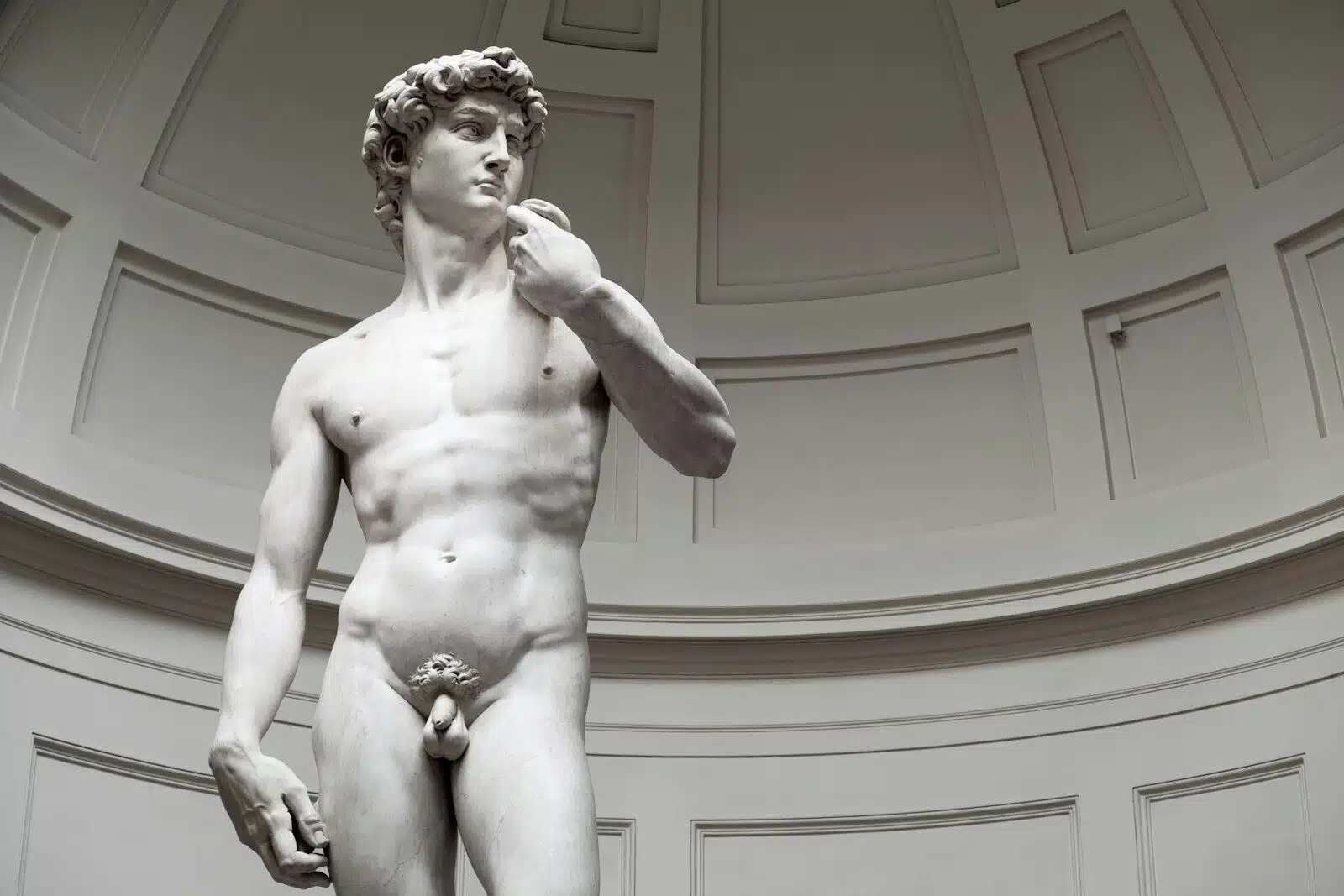
In Florence, Michelangelo’s marble David at the Accademia offers another encounter with his treatment of the male body. The scale is striking, but so are the details: the tension in the neck, the veins of the hand and the concentrated gaze. Exploring these works alongside his poetry brings the artist’s personal attachments into a journey through two of Italy’s great art cities.
Leonardo: Beauty, Companionship and Questions
Leonardo da Vinci’s private life has prompted centuries of speculation. In 1476, while working in Florence, he was anonymously accused of sodomy alongside several other men. The case was dismissed. It remains an important episode in his biography, revealing the scrutiny surrounding same-sex relationships in Renaissance Florence without establishing the details of his own.
His long association with his pupil and assistant Gian Giacomo Caprotti, called Salaì, has also attracted interest. Salaì entered Leonardo’s household in 1490 and remained connected to him for many years. The nature of their relationship is uncertain, as is the suggestion that he modelled for Saint John the Baptist, now in the Louvre.
For travellers exploring Leonardo’s work in Italy, Florence’s Uffizi provides a rewarding starting point. Paintings including the Annunciation and the unfinished Adoration of the Magi offer the chance to study his handling of faces, gestures and the relationships between figures.
A guide familiar with Leonardo’s life can place these works within the world of Renaissance workshops, where artistic training, patronage and personal companionship often overlapped. His story adds a thoughtful strand to an LGBTQ+ exploration of Florence, with space to appreciate both the surviving evidence and the mysteries surrounding the man.
Il Sodoma: Alexander and Hephaestion at Villa Farnesina
At Rome’s Villa Farnesina, Giovanni Antonio Bazzi’s Marriage of Alexander and Roxana brings classical history into the intimate setting of a Renaissance bedroom. The painter, usually called Il Sodoma, filled the scene with sumptuous fabrics, playful cupids and elegantly posed figures. It rewards time spent tracing the smaller details around the central couple.
Among those figures is Hephaestion, Alexander’s close companion and military commander, standing beside Hymen, the god of marriage. Alexander and Hephaestion’s attachment has long interested historians and LGBTQ+ readers, although the precise nature of their relationship remains debated. His presence in the fresco offers a starting point for exploring that history.
The composition draws on an ancient description of a painting of Alexander’s wedding. Hephaestion’s inclusion therefore belongs to that classical source, rather than providing certain evidence of a personal statement by the artist. Stories surrounding Bazzi’s nickname and sexuality also require care, particularly those passed down through accounts by his contemporaries.
For travellers, the pleasure lies in encountering these layered stories within the villa itself. A visit to its painted rooms adds a rewarding stop to a stay in Rome, with this fresco opening a conversation about companionship, marriage and the enduring fascination of Alexander’s private life.
Where to See Renaissance LGBTQ+ Art
Florence brings several of these encounters within a single stay. At the Accademia, Michelangelo’s David commands attention through its scale and intensity. The Bargello offers a different perspective through Donatello’s bronze version, while the Uffizi expands the story through paintings by Leonardo and Botticelli. Giving each collection its own time allows the differences between artists, subjects and commissions to emerge.
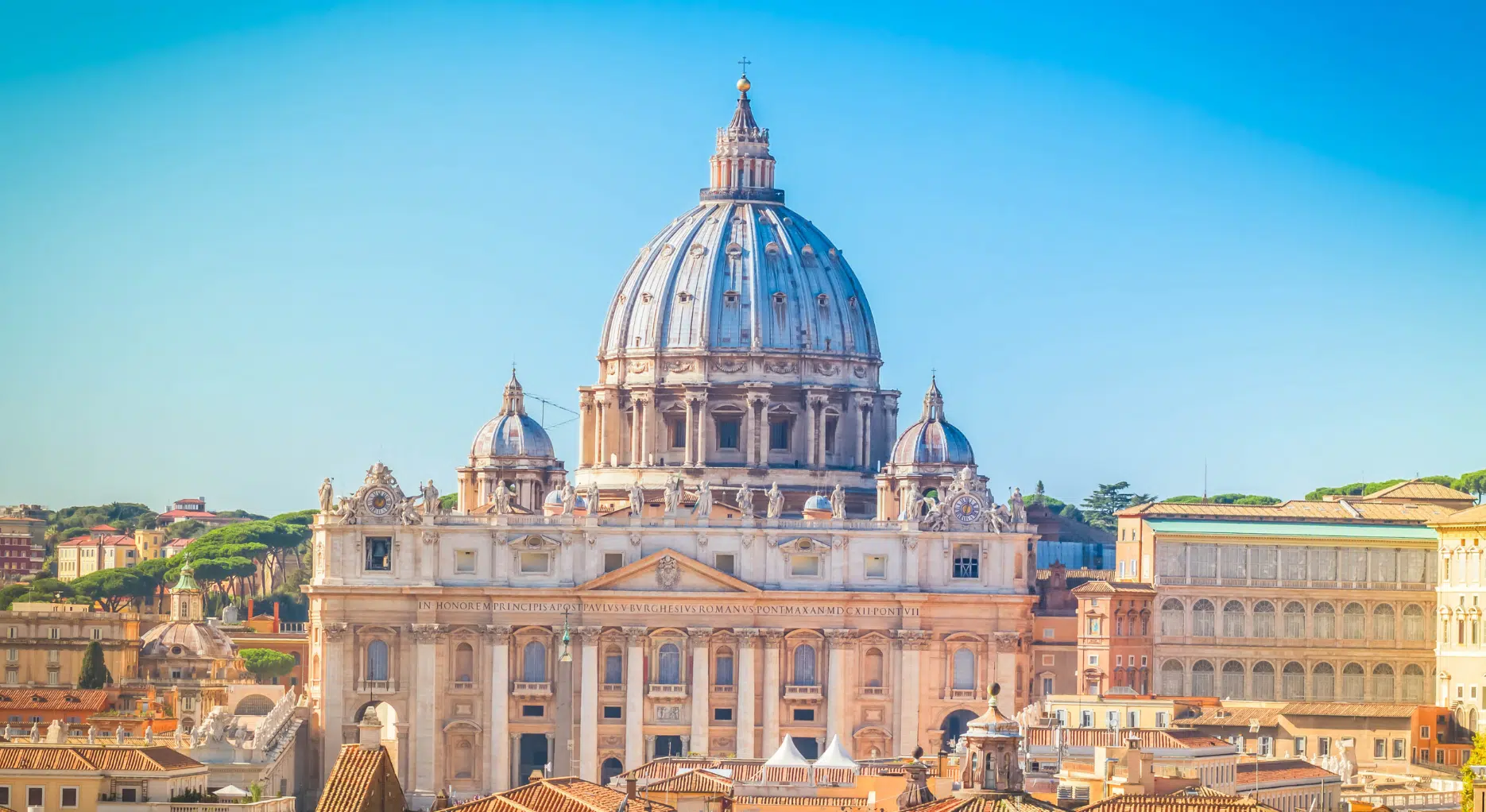
In Rome, the Sistine Chapel and Villa Farnesina reveal how Renaissance painters approached religious and classical subjects. Michelangelo’s Last Judgement fills the chapel’s altar wall with muscular bodies and expressive gestures; Il Sodoma’s wedding fresco places Alexander and his companions within a richly imagined ancient world.
A private guide with expertise in art history and LGBTQ+ perspectives can connect these works to letters, poetry and contemporary accounts. The value lies in looking closely, asking questions and understanding how personal attachments, patronage and artistic ambition shaped the work.

Seeing Italy’s Art Through an LGBTQ+ Lens
The history behind these masterpieces includes admiration, desire, religious devotion and censorship, often existing alongside one another. Renaissance artists could create sensual images of male beauty while living within societies that prosecuted sex between men. Later interventions changed some of the works themselves: figures in Michelangelo’s Last Judgement, for example, were covered with painted drapery following objections to their nudity.
An LGBTQ+ perspective brings these complexities into focus. Michelangelo’s poetry offers a personal connection to his emotional life; Leonardo’s legal records reveal the scrutiny an artist could face. Elsewhere, the artwork invites interpretations that remain open to discussion.
Exploring this history gives a journey through Italy a particular intimacy. There is time to notice a gesture, return to a sculpture or carry a conversation from a gallery into lunch. Florence, Rome and Naples offer abundant opportunities to appreciate extraordinary art while considering whose desires and relationships it preserves.



On this page
- Ancient Rome: Desire in Daily Life
- Rome’s Gay Legacy: A Luxury LGBTQ+ Tour Through the Roman Empire
- Where to See Roman Erotic Art
- Greek Mythology Tour: Crete, Delos & Mount Olympus
- Florence: Male Beauty and Renaissance Desire
- Donatello’s David: Beauty in Bronze
- Michelangelo: Male Beauty and Personal Devotion
- Is Italy Safe for Gay Travellers? Law vs Reality
- Leonardo: Beauty, Companionship and Questions
- Il Sodoma: Alexander and Hephaestion at Villa Farnesina
- Where to See Renaissance LGBTQ+ Art
- Capri Was Always Queer: What Tiberius Knew About Power and Pleasure
- Seeing Italy’s Art Through an LGBTQ+ Lens
New to Out Of Office?
We are a luxury travel company for LGBTQ+ travellers. Everything we sell is tailor-made, planned by one named member of our team throughout, and nothing on this site is a fixed package unless it says so.
Where exclusivity meets inclusivity
Ten years, hundreds of five-star reviews, and a team who will tell you when a destination is not right for the trip you have in mind.
Your personal travel specialist, from the first conversation to the flight home.
From your first conversation, you’ll have one dedicated expert looking after your trip from start to finish, getting to know you and taking care of every detail along the way. Your journey starts with a complimentary, no-obligation consultation.
Stellar service. Stellar products. Stellar people and it gets so much better when you pick up the phone and call.
Anthony S.
Super client centred service. From first contact I have had warm, efficient, friendly and flexible service.
John
I’m confident in giving Out Of Office a 5-star review! They are one of the leaders in this space without a doubt.
Tiberiu

We plant trees for every booking
For every booking made with Out Of Office we commit to planting trees in your name to help reduce the impact of travel on future generations. You'll even get a link to see where your trees are planted in the world via our partner Ecologi.


We donate to Rainbow Railroad with every booking
Rainbow Railroad helps LGBTQ+ people escape state-sponsored violence and persecution. A donation goes with every trip we sell, funded by us and never added to your price.


Start Planning Your Trip
Tell us where you would love to go, when you are thinking of travelling and what kind of trip you have in mind. One of our LGBTQ+ travel specialists will create a tailor-made itinerary designed around your destination, style and preferences.
One named specialist, first enquiry to homecoming. No call centre, and nothing is charged until you decide to book.