




Editorials
The Gay Case For Florence Isn’t Nightlife. It’s Michelangelo.
Florence's gay scene is quieter than Rome's, but its art carries centuries of gay history, from Michelangelo's David to Donatello's Bargello bronze.
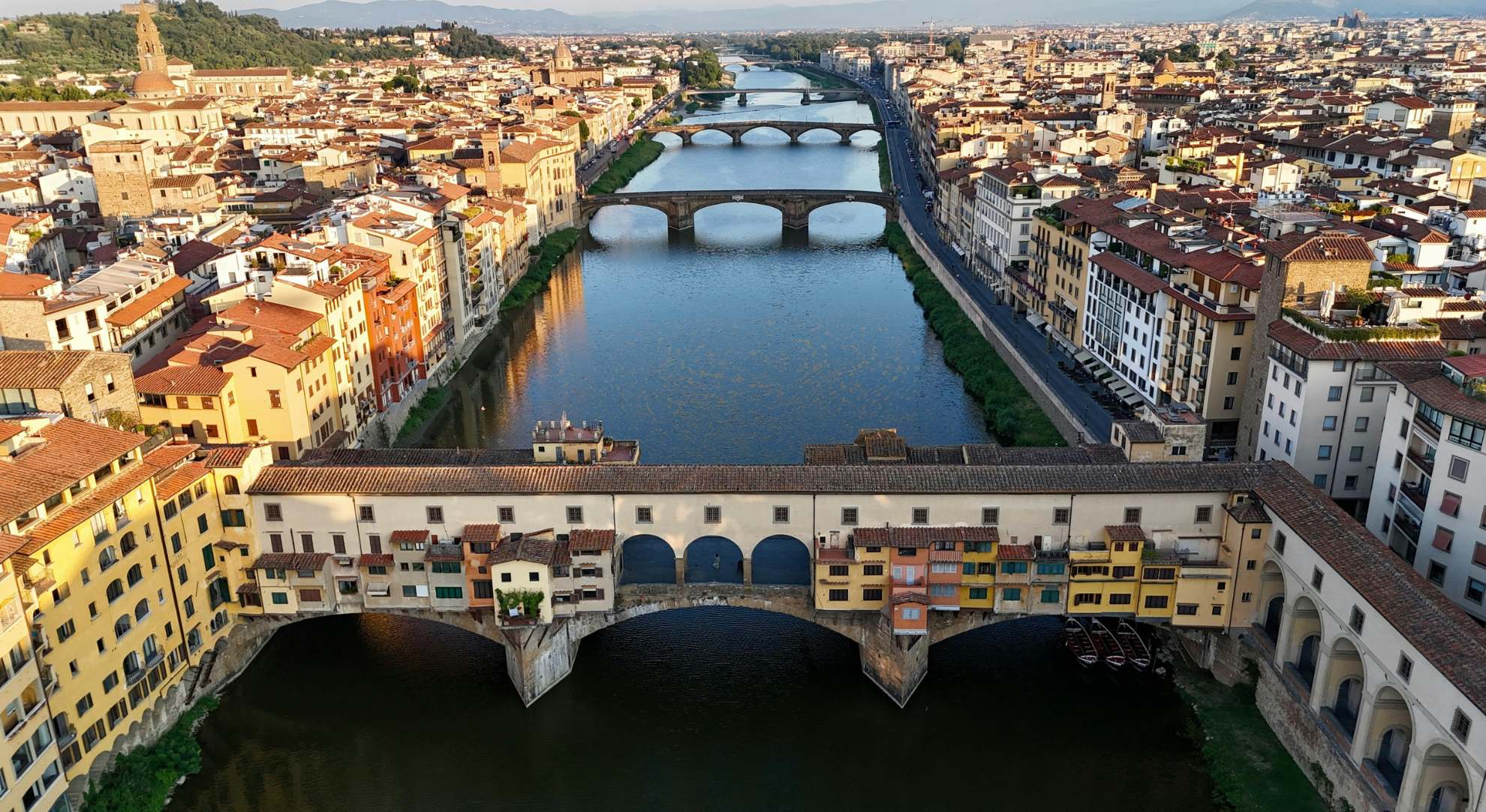
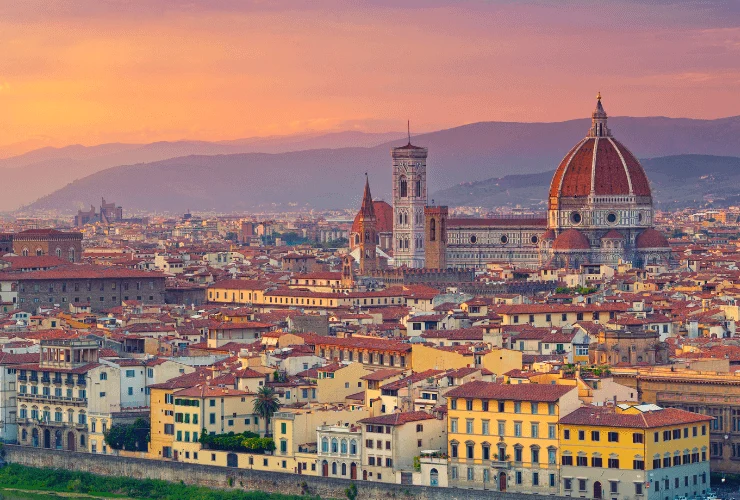
Florence has never tried to compete with Rome on nightlife, and it does not need to. What it offers instead is something Rome, for all its charms, cannot: a city built almost entirely around the Renaissance, where the art itself carries some of the most openly homoerotic imagery in Western history, and where the appeal has less to do with a bar scene and more to do with standing in front of a five-hundred-year-old sculpture that was never subtle about what it was doing.
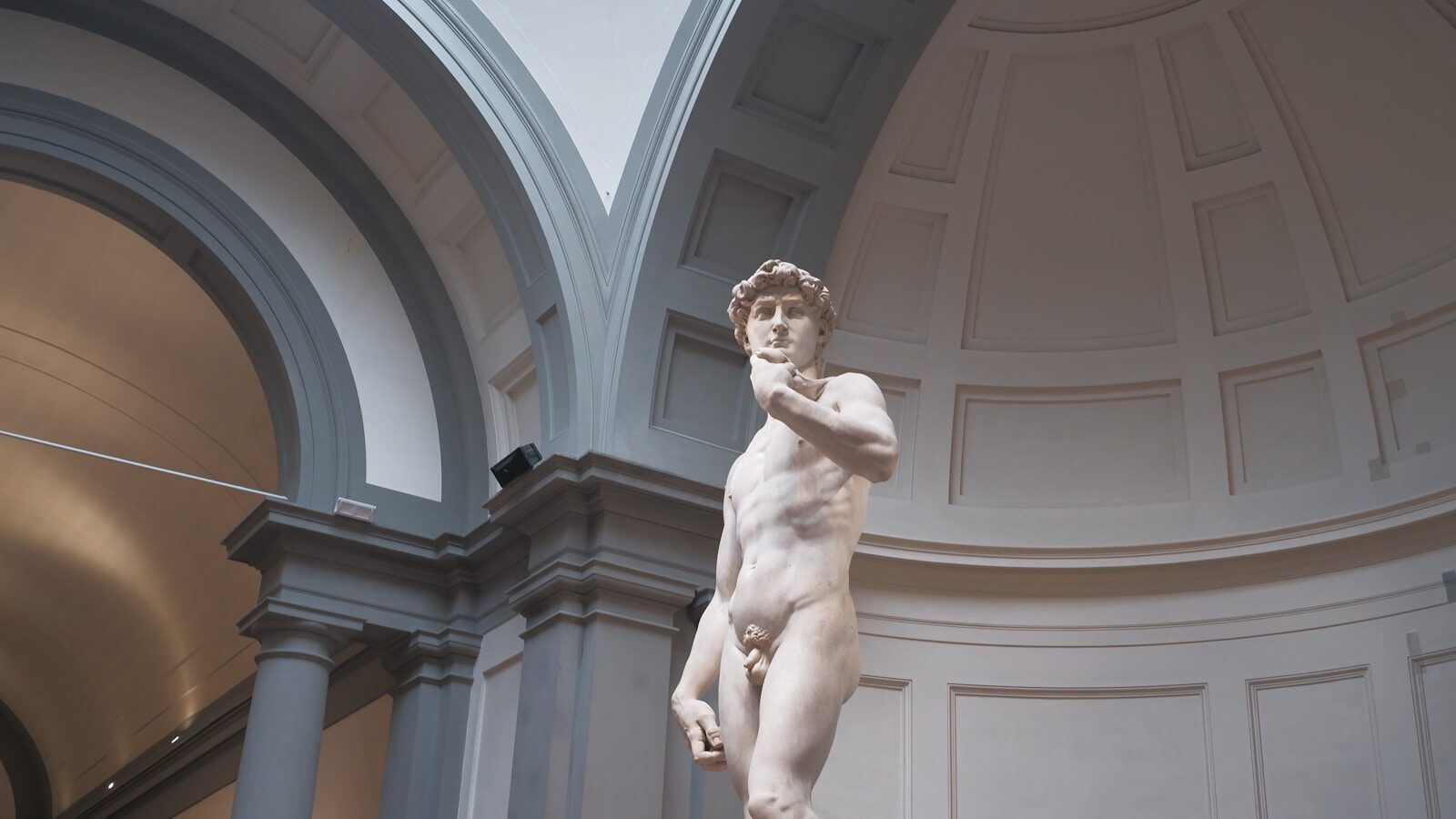
Michelangelo’s David, And What It Actually Is
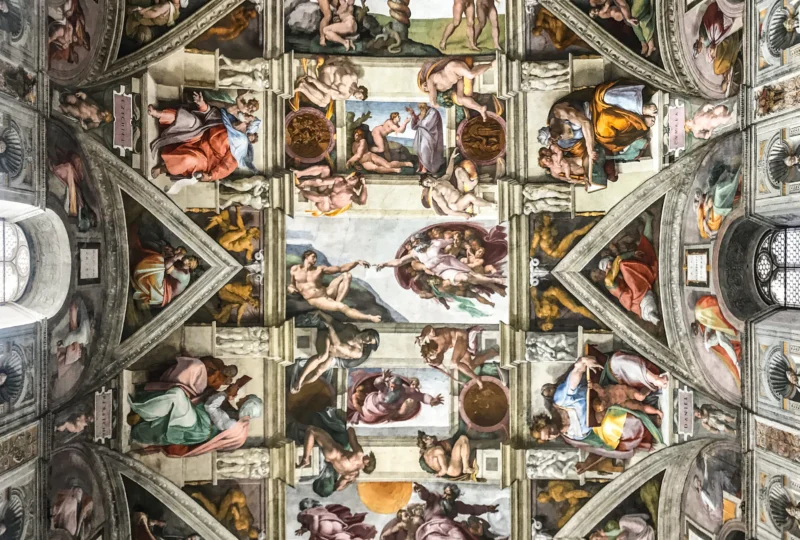
David stands in the Galleria dell’Accademia, and most visitors see a masterpiece of proportion and technical skill. Fewer stop to consider that Michelangelo, a man whose own relationships and poetry point clearly toward men, spent three years carving an idealized male body with an intimacy and attention that goes well beyond anatomical study.
The tension in David’s hand, the deliberate imbalance of his stance, the sheer, unhurried time spent on every muscle: this is not incidental. Art historians have long noted that the male nude, treated with this level of reverence, was one of the few culturally sanctioned ways for Renaissance artists to explore desire that could not be spoken about directly. Standing in front of it is not a detour from a Florence trip. For many visitors, it is the reason for one.
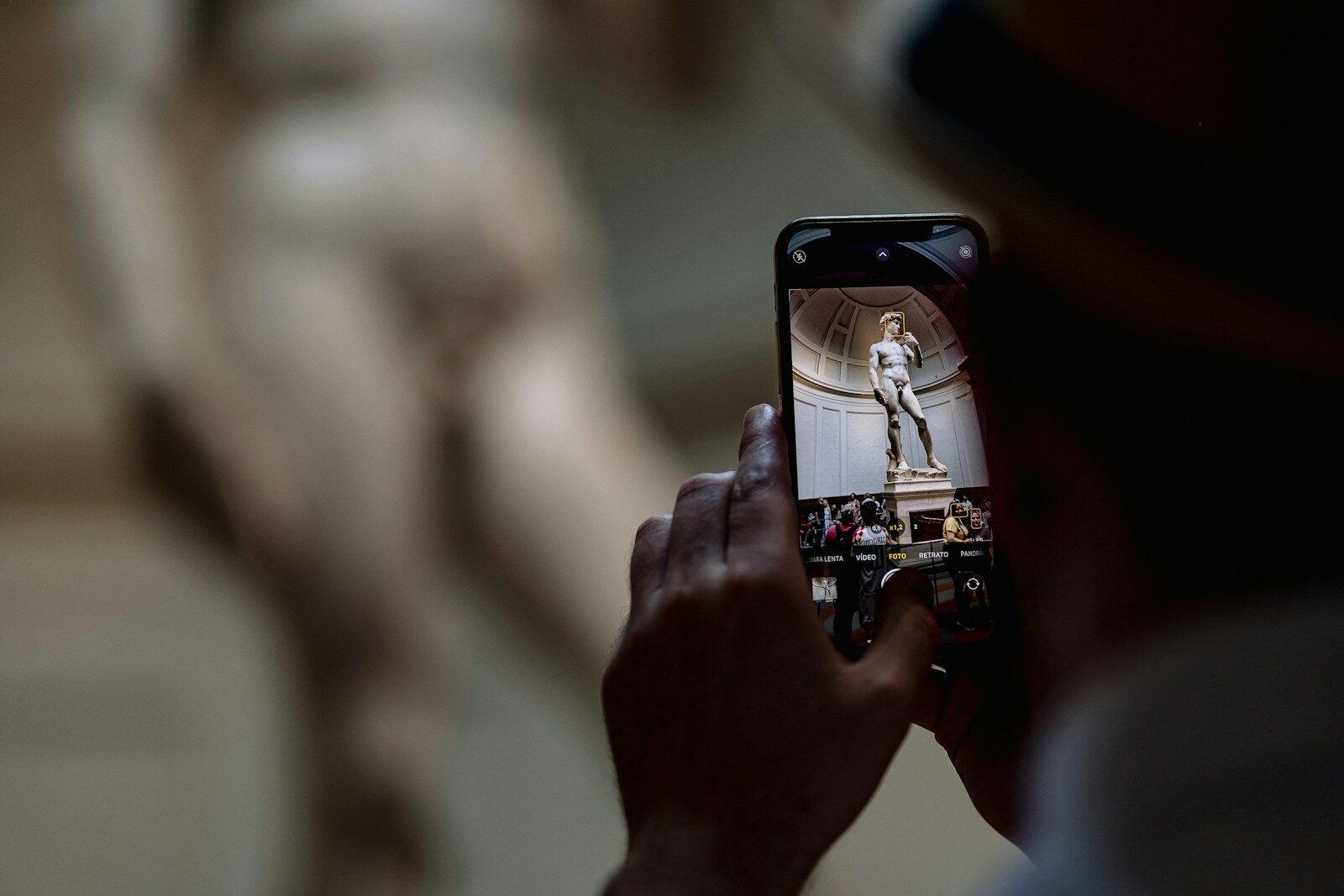
Worth saying plainly: David’s rear view has developed something of a cult following in its own right, enough to become a recurring point of discussion well beyond art history circles. Michelangelo carved the statue to be seen from below and at a distance, originally intended for a cathedral facade high overhead, which is part of why the proportions read as so deliberately, confidently sculpted up close. Circling the statue fully, rather than viewing it head-on and moving along, is the difference between seeing a famous work and actually understanding why people have been talking about this particular sculpture for five centuries.
One practical note worth flagging clearly: David is not in the Uffizi. Florence’s two major art museums are entirely separate, and this catches out more visitors than any other planning detail in the city. The Uffizi holds the Botticellis, the Titians, and the bulk of Florence’s Renaissance painting collection, while David and Michelangelo’s other sculptures live at the Accademia, a short walk away. Both require their own timed-entry tickets, both sell out well in advance in peak season, and treating them as a single stop is the most common way visitors end up missing one entirely.
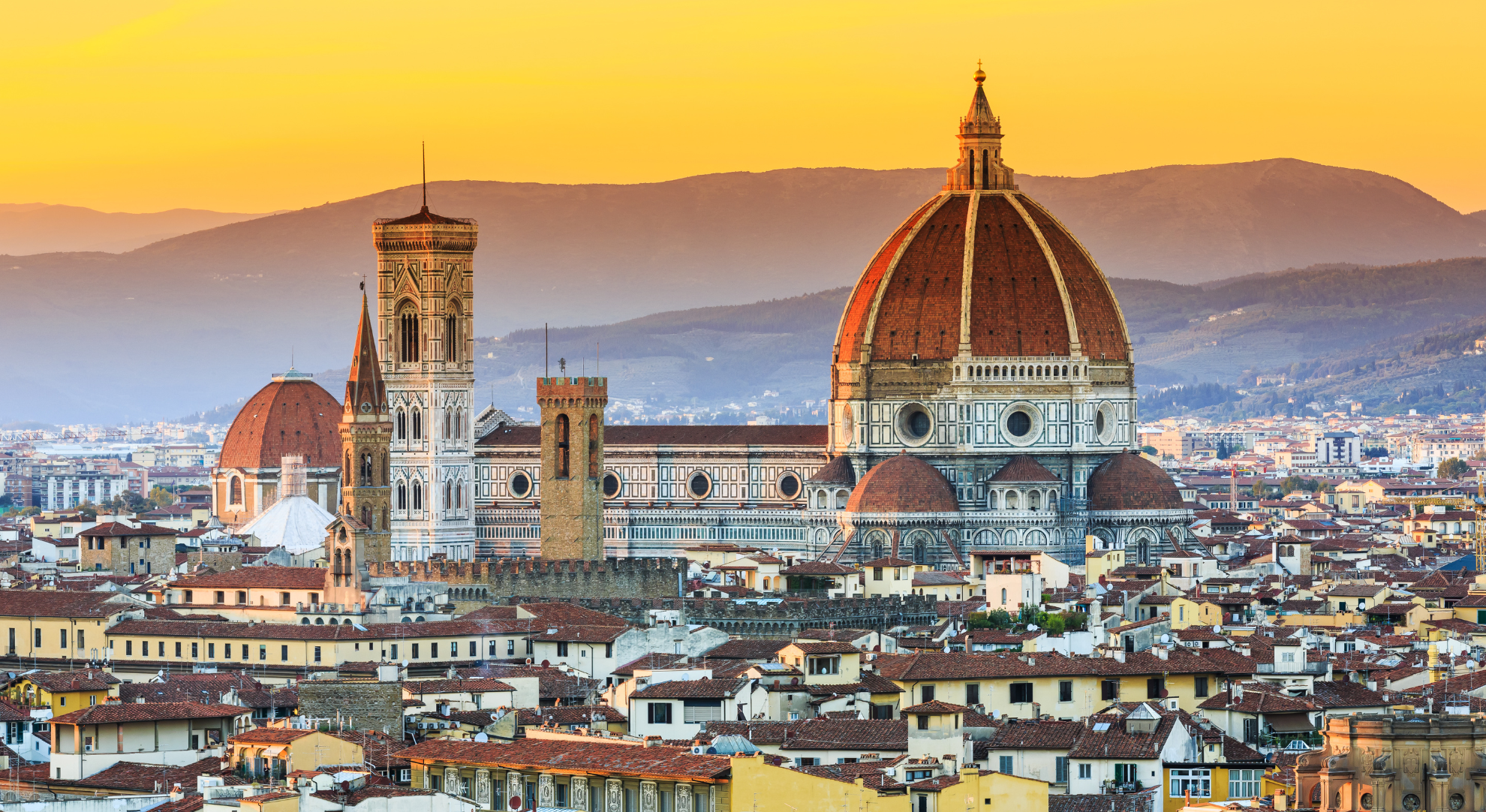
A City Where This Runs Deeper Than One Statue
Michelangelo is not an isolated case. Leonardo da Vinci was formally investigated in 1476 for sodomy, charges eventually dropped, and his notebooks and relationships have been debated by historians for centuries since. Benvenuto Cellini, the Renaissance sculptor and goldsmith whose bronze Perseus stands in the Piazza della Signoria a short walk from David, wrote openly enough about his own relationships with men that the record survives today. Florence, in other words, was not a city that happened to produce great gay artists. It was a city where the Medici court’s patronage created space for exactly this kind of ambiguity to flourish, even as it went publicly unacknowledged.
The Bargello Museum holds a second, arguably more overtly homoerotic David: Donatello’s bronze version, which art historians have long read as more androgynous and sensual than Michelangelo’s.
Tell us where your mind keeps going back to. We will do the rest.
Request a quote →A Quieter Scene
Florence’s contemporary gay scene is genuinely smaller than Rome’s. What it has instead is a handful of long-standing bars in the Santa Croce and San Frediano neighbourhoods, an aperitivo culture that turns any early evening into a slow, social occasion, and a city small enough to walk end to end, so a night out never means a long transit home.
Florence’s gay bar scene has thinned considerably. Tabasco, which opened in 1974 as Italy’s first gay disco, once anchored the city’s nightlife from a medieval basement near Piazza Santa Cecilia; today the space no longer operates as a gay venue. Crisco Club, on Via Sant’Egidio, is the one survivor with real staying power, running since the 1980s as the city’s main late-night gathering point.
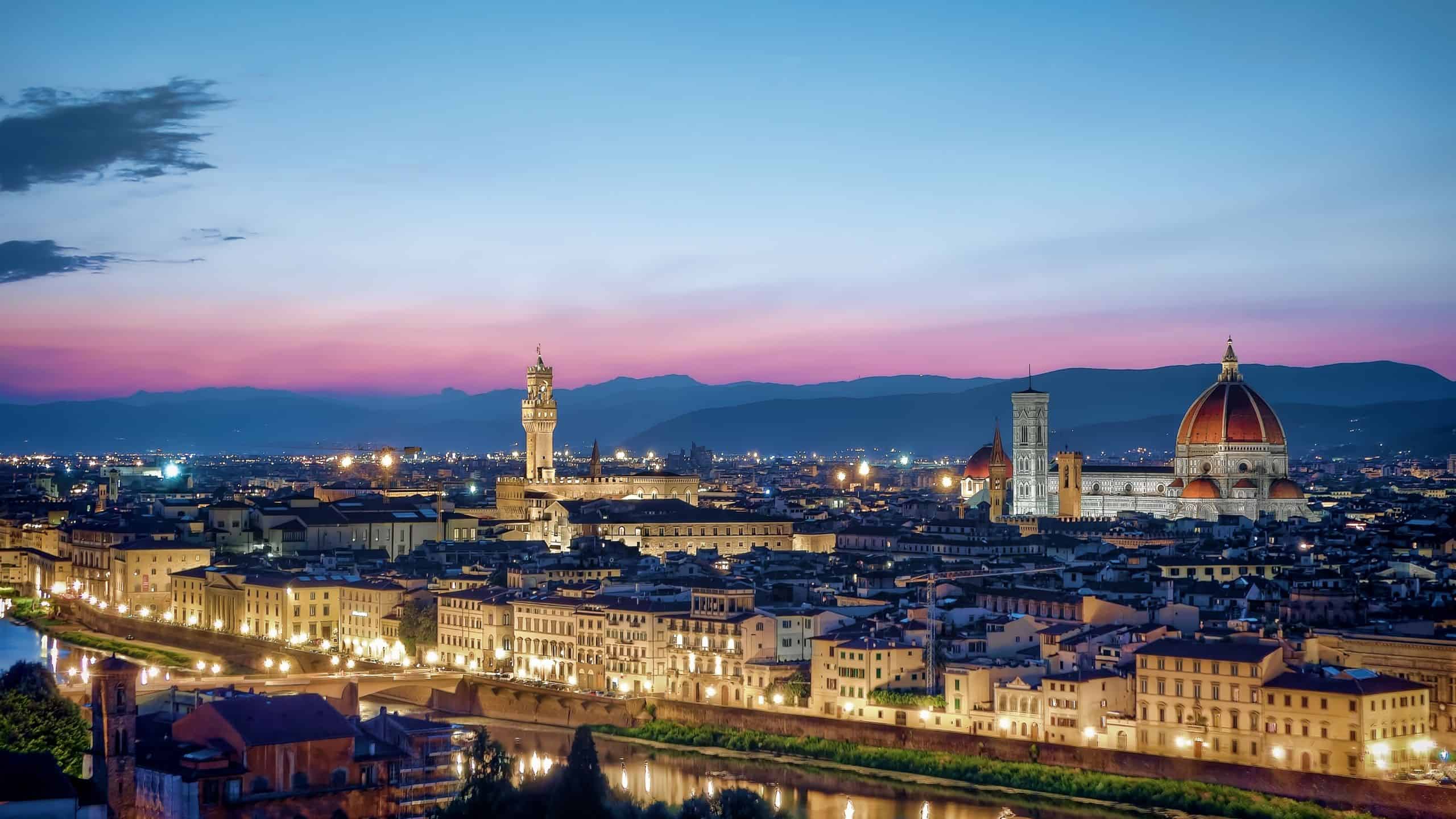
Combining Florence With Other Destinations
Florence sits almost exactly at the centre of Italy’s high-speed rail network, and that position is worth using. This is not a city that asks you to stay put.
An hour and forty minutes north, Milan trades Florence’s Renaissance density for fashion, design, and Italy’s biggest gay scene, close enough for a day trip or easy enough to justify two or three nights of its own.
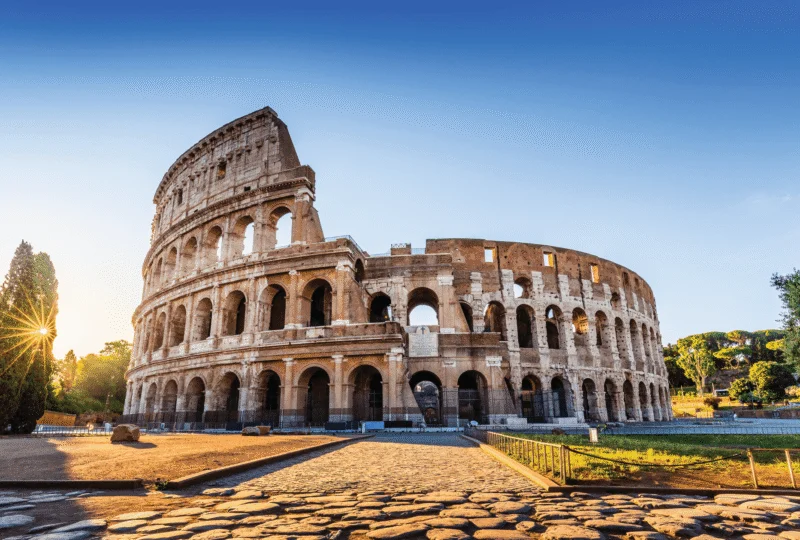
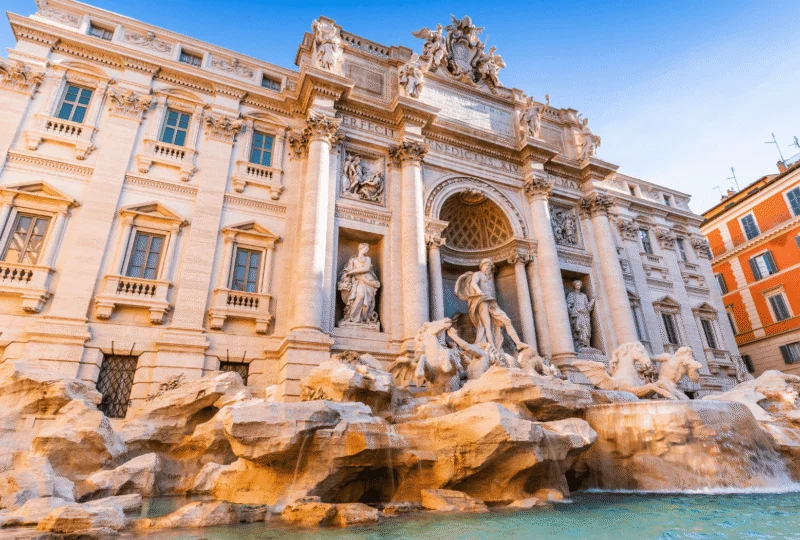
South, at almost the same distance, Rome gives you everything Florence keeps quiet: bigger nightlife, a bigger scene, a bigger city in every sense. The two make an obvious pair for exactly that reason.
Venice sits a little further out, still under two hours, and swaps the stone streets for canals entirely, worth the extra time for anyone building a week or more into the trip.
Closer to home, Tuscany does the rest of the work without asking for another train ticket at all. Chianti’s vineyards and Siena’s medieval centre both sit under an hour away, near enough to fold into a Florence stay rather than a separate destination in their own right.

New to Out Of Office?
We are a luxury travel company for LGBTQ+ travellers. Everything we sell is tailor-made, planned by one named member of our team throughout, and nothing on this site is a fixed package unless it says so.
Where exclusivity meets inclusivity
Ten years, hundreds of five-star reviews, and a team who will tell you when a destination is not right for the trip you have in mind.
The best trips begin with a conversation, not a booking form.
Tell us how you would like the trip to feel, and a specialist will take it from there.
Stellar service. Stellar products. Stellar people and it gets so much better when you pick up the phone and call.
Anthony S.
Super client centred service. From first contact I have had warm, efficient, friendly and flexible service.
John
I’m confident in giving Out Of Office a 5-star review! They are one of the leaders in this space without a doubt.
Tiberiu

We plant trees for every booking
For every booking made with Out Of Office we commit to planting trees in your name to help reduce the impact of travel on future generations. You'll even get a link to see where your trees are planted in the world via our partner Ecologi.

We donate to Rainbow Railroad with every booking
Rainbow Railroad helps LGBTQ+ people escape state-sponsored violence and persecution. A donation goes with every trip we sell, funded by us and never added to your price.

Start Planning Your Trip
Tell us where you would love to go, when you are thinking of travelling and what kind of trip you have in mind. One of our LGBTQ+ travel specialists will create a tailor-made itinerary designed around your destination, style and preferences.
One named specialist, first enquiry to homecoming. No call centre, and nothing is charged until you decide to book.