




Tailor-made Vacation · Italy
Rome’s Gay Legacy: A Luxury LGBTQ+ Tour Through the Roman Empire
Tailor-made, always
Every trip built from scratch around your dates, pace and preferences.
Your own specialist
One named person and a 24-hour number while you travel.
Hundreds of five-star reviews
Rated Excellent on Trustpilot across ten years of LGBTQ+ luxury travel.
At a glance
The Roman Empire's relationship with sexuality was fundamentally different from the morality imposed by later Christianity.
Same-sex relationships existed openly among the elite, were documented in historical records, and shaped the empire's political and cultural landscape. What's often sanitized in standard history books becomes viscerally real when you stand in the actual spaces where these emperors lived, ruled, and loved.
Read more
This isn't revisionist history. It's documented fact that Roman emperors from Julius Caesar to Hadrian to Elagabalus engaged in same-sex relationships. The stigma comes not from history but from centuries of Christian moral rewriting. Italy preserves the physical spaces where this history actually happened.
Walking through them with proper historical context transforms them from tourist monuments into something genuinely compelling: evidence of a by no means progressive but radically different approach to power, sexuality, and human desire.



Day by day
This is a sample plan, not a fixed departure. Days can be added, removed or reordered, and almost every client changes something. Prices are an entry-level guide; your quote will be exact.
Rome: Days 1-4
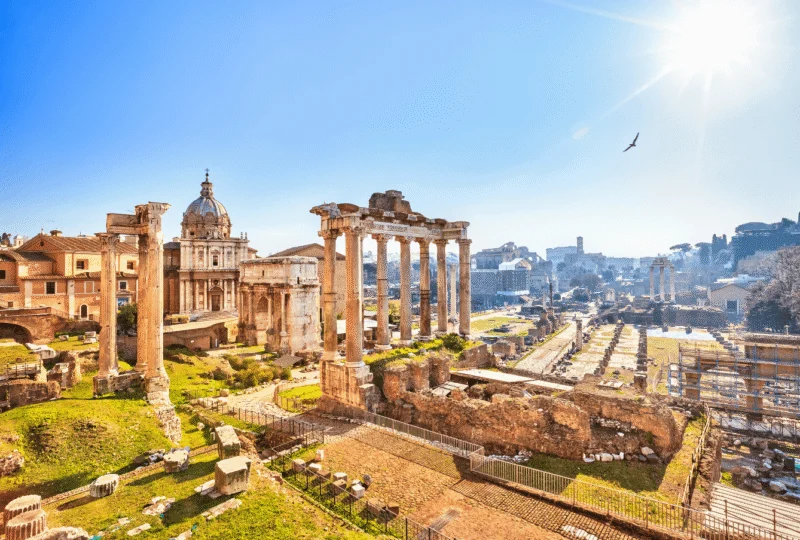
Day one: the Roman Forum and Senate House (Curia), where Caesar built his empire and where the documentation of his relationships with men becomes inseparable from his political legacy. The Forum isn’t just ruins. It’s the physical stage where he held absolute power.
Day two focuses on Hadrian: the Pantheon first (walking through a space he designed and walked through regularly), then the Capitoline Museums for sculptures and artifacts from his era. The Pantheon matters because understanding Hadrian’s aesthetic taste and ambition as emperor contextualizes how he expressed love for Antinous through massive artistic commissions and political gestures.
Day three: Palatine Hill and the imperial palaces where Elagabalus lived and governed while radically challenging gender norms. The ruins are fragmentary, but that’s useful. It forces you to read between hostile historical accounts and imagine the complexity of an emperor whose sexuality terrified the patriarchal establishment enough to get him assassinated.
Day four: Capitoline Museums again, more deliberately, seeing how different emperors were represented artistically. This is about understanding how history gets written and rewritten through visual representation.
Stay: A five-star property in the historic center (Mandarin Oriental, Rocco Forte, or similar). You need proximity to these sites and the kind of service that includes arranging private guides with expertise in Roman sexual history.
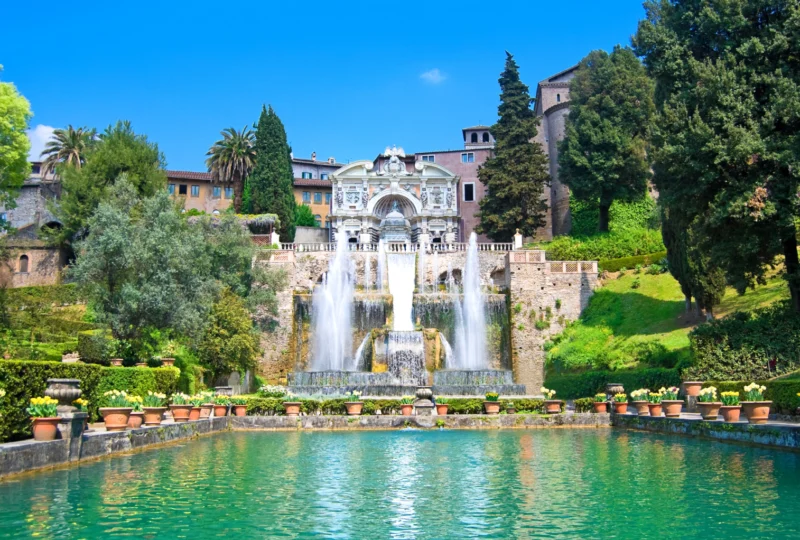
Tivoli: Days 5-6
Hadrian built Villa d’Este after his boyfriend Antinous drowned in the Nile. The loss destroyed him. His response was to spend enormous imperial resources building a landscape that brought everywhere Antinous had been directly into his retreat space.
The Canopus pool isn’t just named after an Egyptian city. It’s a deliberate architectural recreation of a place they visited together, a reflecting pool with classical colonnades positioned to echo the real Canopus. Hadrian walked past this daily, seeing Egypt reflected in Italian stone and water.
The second day pulls back to the broader context. The larger Tivoli archaeological complex, Villa d’Este’s place within Hadrian’s other building projects, other sites from his era. This is where you see how deliberate his aesthetic choices were.
Stay: A luxury property in Tivoli with views. You want time to sit with these spaces, not rush back to Rome.
Capri: Days 7-8
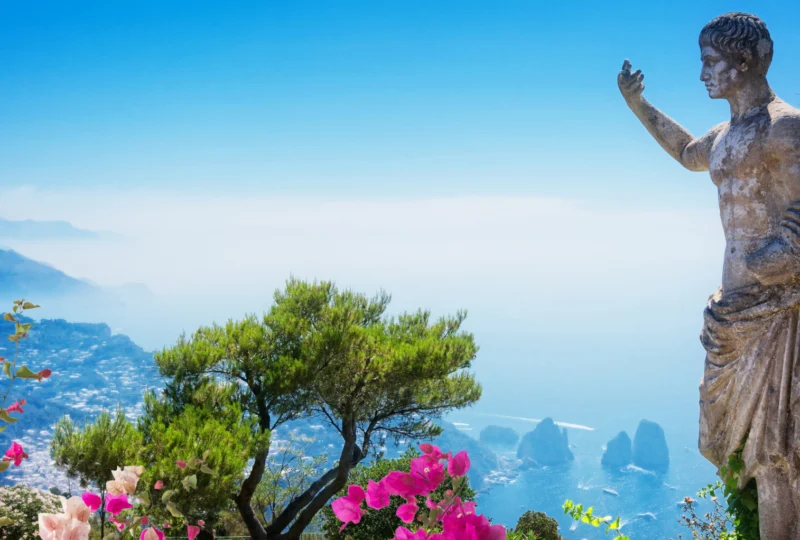
Capri requires an overnight. The Villa Jovis ruins overlook the sea and provide context for understanding why Tiberius retreated here, how he organized power from distance, and the documented sexual practices that scandalized Rome enough that Suetonius recorded them in graphic detail.
The Grotta Grande at the base of the cliff was allegedly used for Tiberius’s parties. Whether every historical claim is accurate matters less than understanding that Capri represented a deliberate withdrawal where sexual and political power operated differently than in Rome proper.
Use one evening for the town itself. Contemporary Capri has visible LGBTQ+ culture, good restaurants, and a different energy from Rome.
Stay: Capri Palace or similar luxury property. One night minimum.
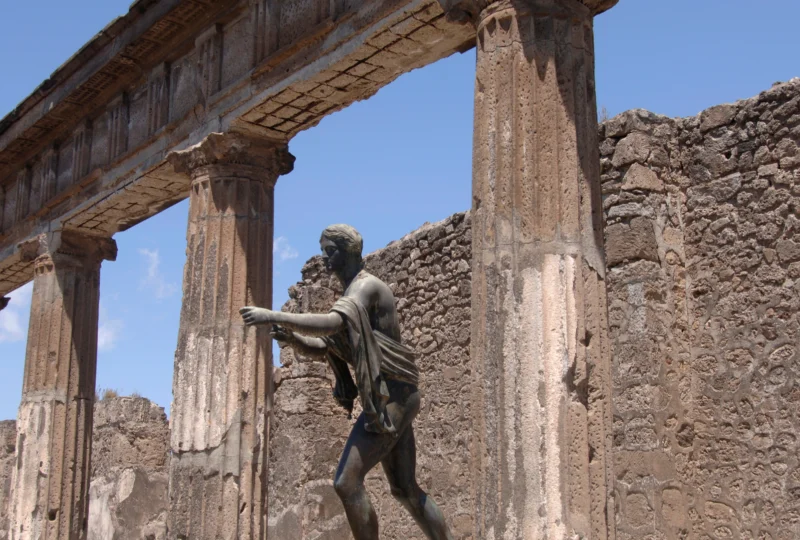
Naples and Pompeii: Days 9-10
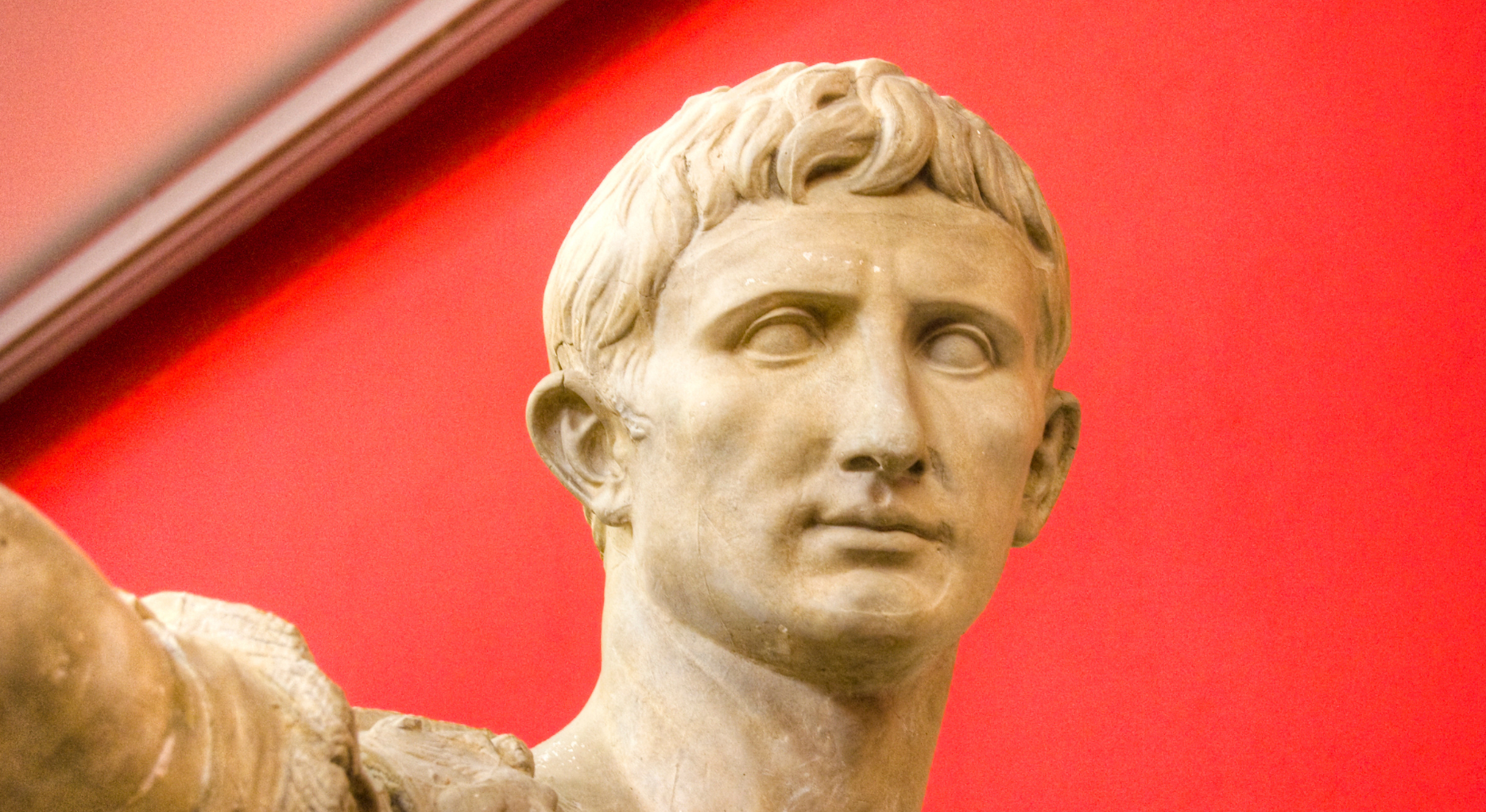
Naples’ National Archaeological Museum contains the sculptures of Antinous that Hadrian commissioned, several striking marble heads that capture the intensity of that relationship through art.
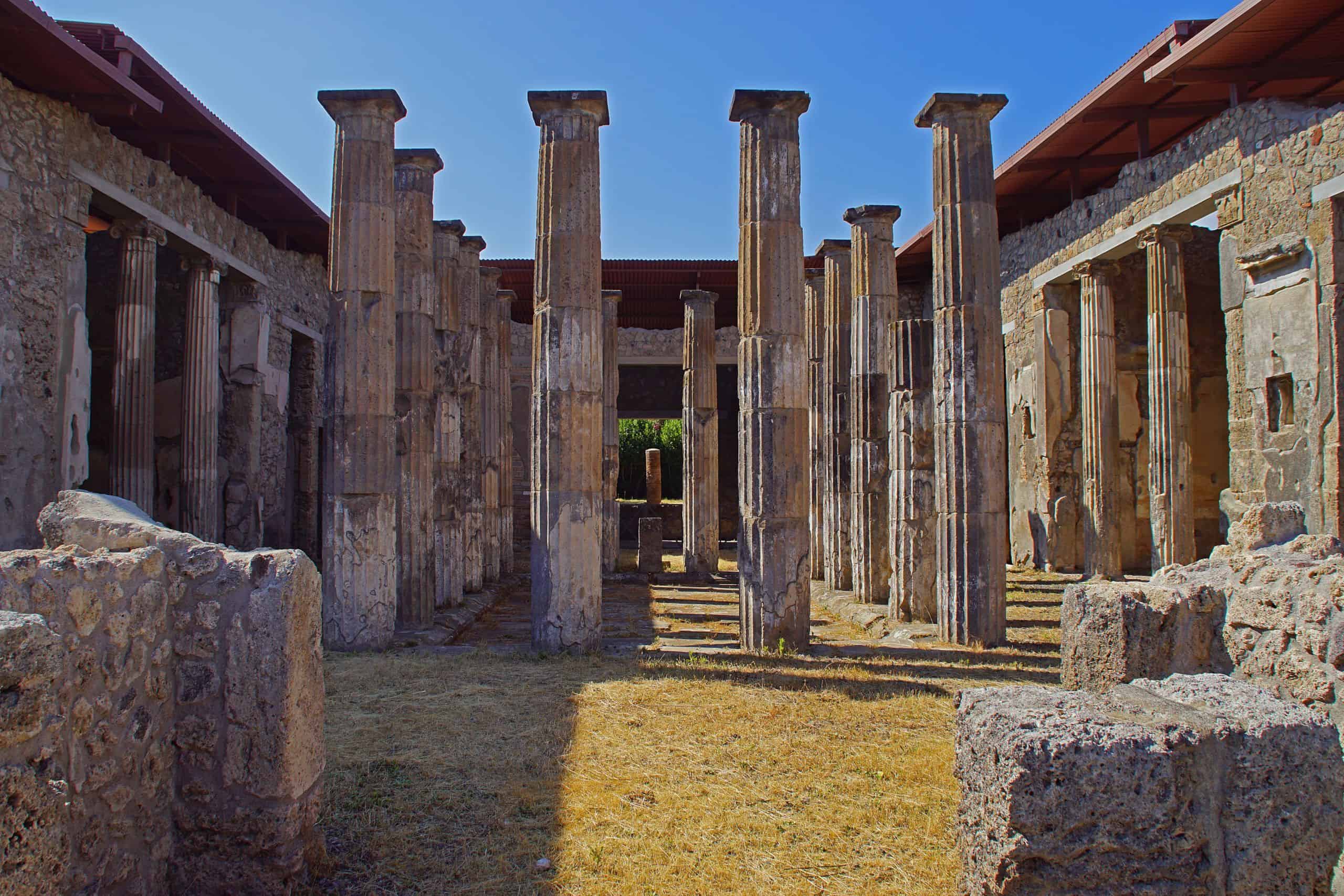
Pompeii is about bringing all this context down to daily life. The preserved city shows explicit graffiti, erotic frescoes in the House of the Vettii, and brothel spaces, all documenting that Roman sexual openness wasn’t elite performance but embedded in how ordinary people lived.
Stay: Single luxury property in Naples that serves both the museum and Pompeii access.
Further information
The Through-Line
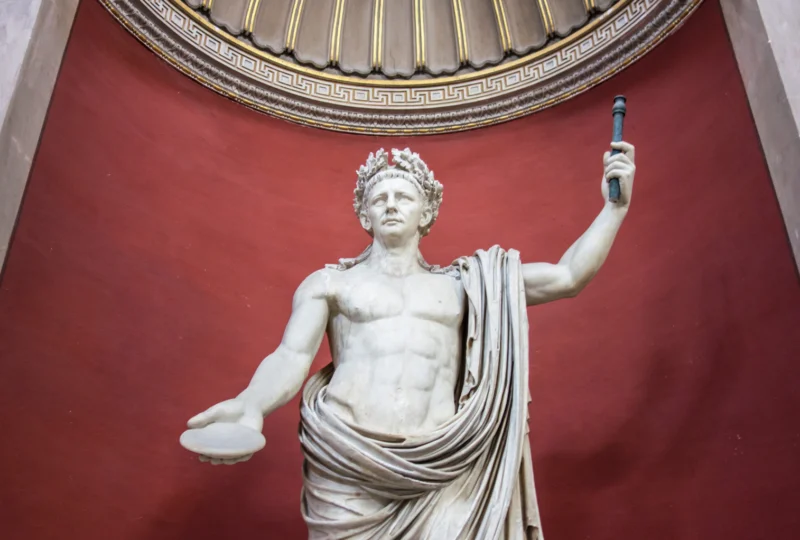
This moves from political power (Caesar, Forum) through aesthetic and emotional expression (Hadrian, Tivoli) through transgression and challenge (Elagabalus, Capri) to documented reality (Pompeii). Each location provides different evidence of how differently Roman sexuality operated. The itinerary isn’t about modern LGBTQ+ tourism. It’s about understanding how a civilization organized desire, power, and sexuality completely differently than later Christian morality imposed.
Ancient Rome’s sexual culture was organized entirely differently from modern Western morality. The distinction wasn’t between same-sex and opposite-sex desire but between penetrative and receptive roles.
What mattered socially was your position in the hierarchy, not the gender of your partner. An elite Roman man taking a younger male lover was socially acceptable. A man being penetrated was considered degrading and socially damaging (feminizing). This created power dynamics and social rules somewhat divorced from contemporary LGBTQ+ identity.
The Romans documented this openly. Suetonius wrote extensively about emperors’ sexual lives. Poetry celebrated same-sex desire. Graffiti in Pompeii is explicitly sexual, regardless of the gender of the participants. The taboo isn’t ancient. It’s medieval and modern.
Our Experts

Italy is one of the best places in Europe to experience culture, food and beautiful scenery. With so much character and colour, the Amalfi Coast is a personal favourite of mine.

I never get tired of planning luxury vacations in Italy. There are so many magical cities and experiences to be enjoyed. Beaches, mountains and rolling countryside, there really is something for everyone.
Stellar service. Stellar products. Stellar people and it gets so much better when you pick up the phone and call.
Anthony S.
Super client centred service. From first contact I have had warm, efficient, friendly and flexible service.
John
I’m confident in giving Out Of Office a 5-star review! They are one of the leaders in this space without a doubt.
Tiberiu
Similar tours
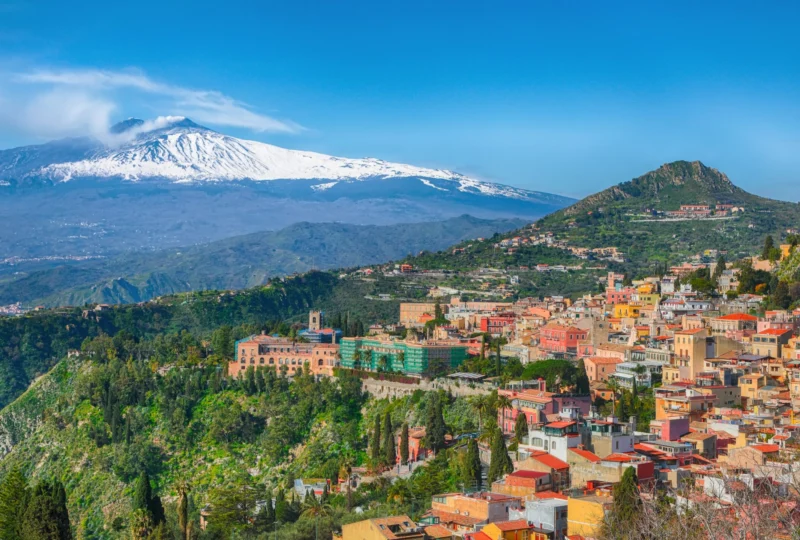
Gay Group Trip: Sicily & Malta Explorer
Catania · Siracusa · Malta Group TripTwo islands and three thousand years of Mediterranean history, brought together in ten days. This LGBTQ+ group trip moves from the volcanic baroque of Catania and the slopes of Mount Etna, through the old island city of Ortigia in Siracusa, and across the sea from Sicily to Malta, one of the most progressive countries in Europe for LGBTQ+ travelers.
10 days group departure from $4,790 per person View trip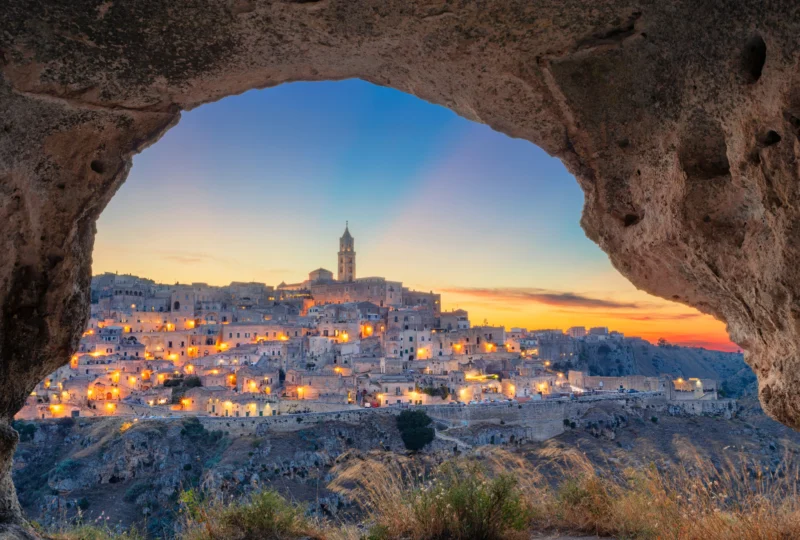
Luxury Gay Matera & Puglia Tour: Caves, Masserie & Coast
Tailor-made VacationThere are few places in Europe quite like Matera. Carved into a limestone ravine, its ancient Sassi are a maze of cave dwellings, rock-cut churches, hidden courtyards and steep lanes that seem to fold into one another.
8 days tailor-made from $7,505 per person View trip
Luxury Gay Honeymoon in Italy: Rome & Amalfi Coast
Tailor-made VacationItaly is one of the best destinations on the planet for a honeymoon. Rome comes first: four nights in a city where ancient history and exceptional restaurants occupy the same street. Then the Amalfi Coast for five nights, where the agenda shifts to boat trips, cliff-top dinners, and endless views over the Mediterranean. The itinerary runs nine nights across two bases, with private transfers connecting every stage.
8 days tailor-made from $9,125 per person View tripFeatured Itineraries
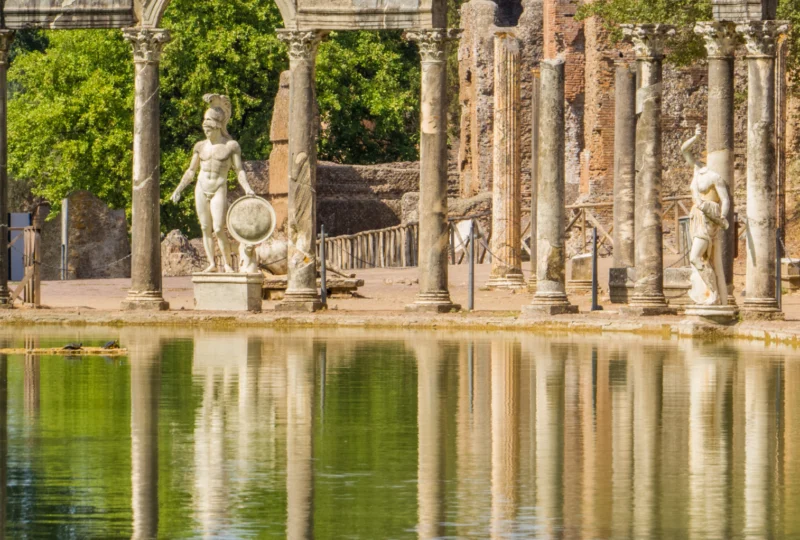
Ancient Rome Luxury Tour: The Colosseum to Pompeii
Tailor-made VacationAt its peak, the Roman Empire stretched from Britain to Syria, but its heart always remained in Italy. This nine-day journey takes you through the empire's most spectacular sites—from the Colosseum where gladiators fought to the buried streets of Pompeii, from Hadrian's architectural masterpieces to the villas where emperors escaped the heat. Expect private expert guides, five-star hotels, and access that brings imperial Rome to life without the crowds.
9 days tailor-made from $10,450 per person View trip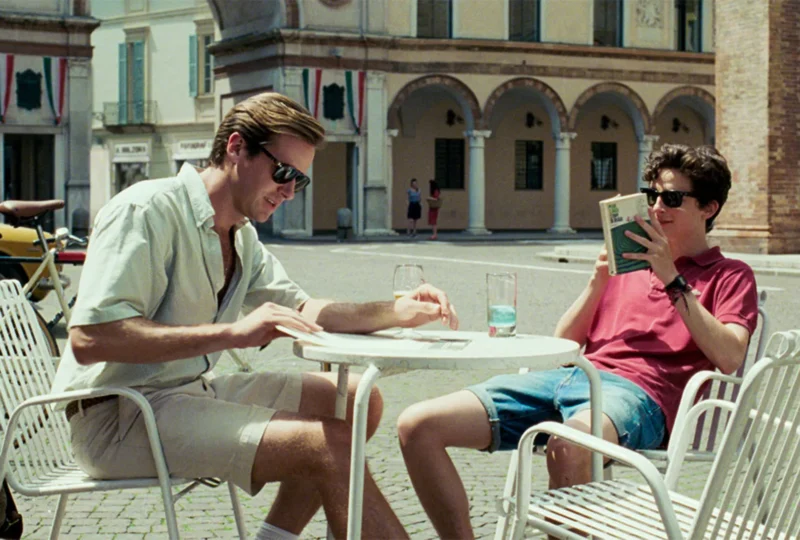 Movie Inspired
Call Me By Your Name: Italy Filming Locations You Can Visit
Tailor-made VacationCall Me By Your Name made the landscapes of northern Italy almost as memorable as Elio and Oliver themselves. This tailor-made journey takes you through the real towns, piazzas and countryside that framed their story, while giving you plenty of reasons to fall for Italy beyond the film. Begin in Milan, with its art, architecture and fashion, plus time in Porta Venezia, the heart of the city’s gay scene.
9 days tailor-made from $4,580 per person View trip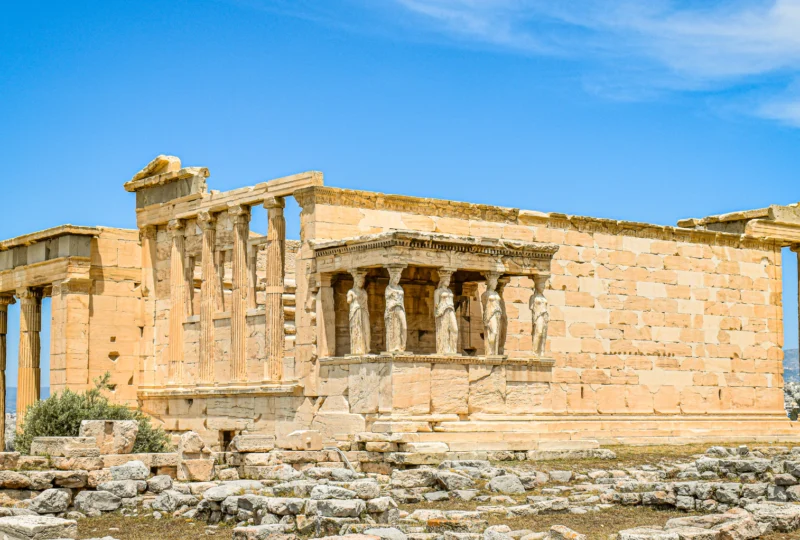
Greek Mythology Tour: Crete, Delos & Mount Olympus
Tailor-made VacationThis nine-day journey takes you to the places where Greek gods were born, heroes fought monsters, and legends began. From Crete's labyrinth to the summit of Mount Olympus, you'll walk in the footsteps of mythology whilst staying in exceptional hotels and enjoying private expert guides who bring these timeless tales to life. This tour is a must of you’re a history buff or if you’ve seen the film 300.
9 days tailor-made from $9,045 per person View tripWe know where you will be welcome, and where to take more care.
Frequently asked questions
What does Out Of Office do?
Out Of Office is a luxury LGBTQ+ travel company specializing in tailor-made vacations and extraordinary journeys around the world. We create bespoke luxury vacations, LGBTQ+ honeymoons, safaris, cruises, beach escapes, private tours and group trips, with every itinerary designed around you. Our travel specialists combine global expertise, first-hand destination knowledge and trusted local partners to create seamless, highly personalized experiences.
Is Out Of Office a gay travel agency?
Out Of Office is an LGBTQ+ owned and run luxury travel specialist, with particular expertise in gay and LGBTQ+ travel. We understand the additional considerations that can come with traveling as an LGBTQ+ person or couple, from local laws and customs to finding genuinely welcoming hotels and experiences.
We welcome every traveler, including friends, families and allies. Many of our clients are not members of the LGBTQ+ community, but choose Out Of Office for our luxury travel expertise, personalized service and discretion.
Do you create tailor-made LGBTQ+ vacations?
Yes. Every tailor-made trip with Out Of Office is designed from scratch around your interests, travel style, budget and the way you want to experience a destination. We can arrange luxury hotels, private transfers, flights, guides, excursions, cruises and special experiences as part of one personalized itinerary. The journeys shown on our website are there to inspire you rather than restrict you; only clearly identified group departures operate as fixed itineraries.
How do you choose LGBTQ+ friendly hotels and destinations?
We combine first-hand destination knowledge with trusted local expertise to recommend luxury hotels, resorts and experiences where LGBTQ+ travelers can feel informed and welcome. We also consider the laws, customs and attitudes of each destination, because LGBTQ+ rights and experiences differ around the world. Our team regularly visit many of the properties we work with and where a destination requires greater awareness, we give you clear and considered advice so that you can make an informed decision about where and how you travel.

We plant trees for every booking
For every booking made with Out Of Office we commit to planting trees in your name to help reduce the impact of travel on future generations. You'll even get a link to see where your trees are planted in the world via our partner Ecologi.


We donate to Rainbow Railroad with every booking
Rainbow Railroad helps LGBTQ+ people escape state-sponsored violence and persecution. A donation goes with every trip we sell, funded by us and never added to your price.

Start Planning Your Trip
Tell us where you would love to go, when you are thinking of traveling and what kind of trip you have in mind. One of our LGBTQ+ travel specialists will create a tailor-made itinerary designed around your destination, style and preferences.
One named specialist, first inquiry to homecoming. No call center, and nothing is charged until you decide to book.