



Editorials
Europe’s Best Gay Villages: From Soho to Le Marais
Ready to explore Europe's gay villages?
Europe is home to many of the world’s best gay villages (or gayborhoods), from Soho to Le Marais and beyond. These gay villages are often – unsurprisingly – the most stylish and dynamic areas in their respective cities. Who would have thought a dense concentration of gays would help to liven up a neighbourhood?
For LGBTQ+ travellers, the gay village is often the first place you go when you arrive in a city. The gay village may even be the biggest draw attracting you to a city in the first place.
In the recent past, gay villages were comprised of dingy basement bars where you’d have to knock to get in. Today, Europe’s gay villages are decked with rainbow flags.
Soho, London
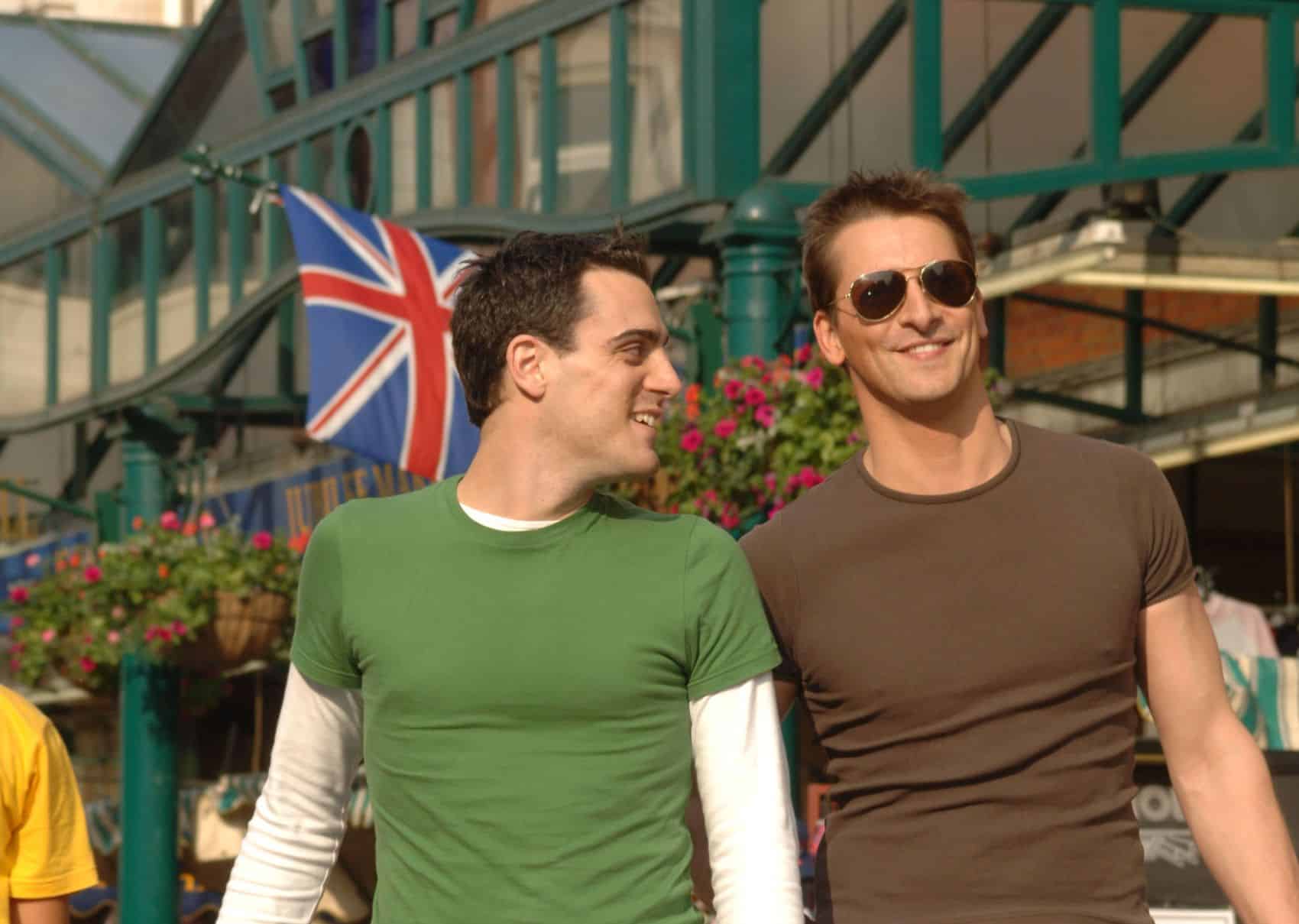
London’s Soho holds the distinction of being Europe’s first recognised gay village, with LGBTQ+ history stretching back to the 18th century. The area around Old Compton Street became increasingly gay-identified through the 20th century, surviving police raids and social persecution to emerge as the headquarters of British gay life.
Modern Soho is far shinier and richer than it was in the past. Soho once had a reputation for being a disreputable place, but now it’s one of the most upmarket parts of London. As well as being the home of popular gay bars like The Admiral Duncan and Ku Bar, Soho is home to some of London’s best restaurants and private members’ clubs.
What makes Soho unique is its seamless integration into central London life. Unlike gay villages that feel separate from their cities, Soho is the beating heart of London.
You’ll see some of the most beautiful people in the world wandering the streets of London. It’s probably the best place in London for people watching. Soho’s al fresco drinking and dining culture is more Parisian than British, so you can easily find a spot outside a bar and watch the world go by.
Le Marais, Paris
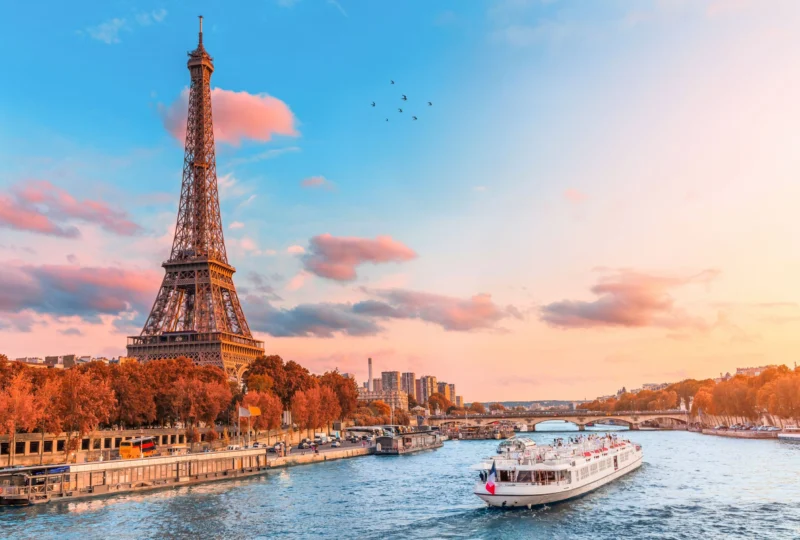
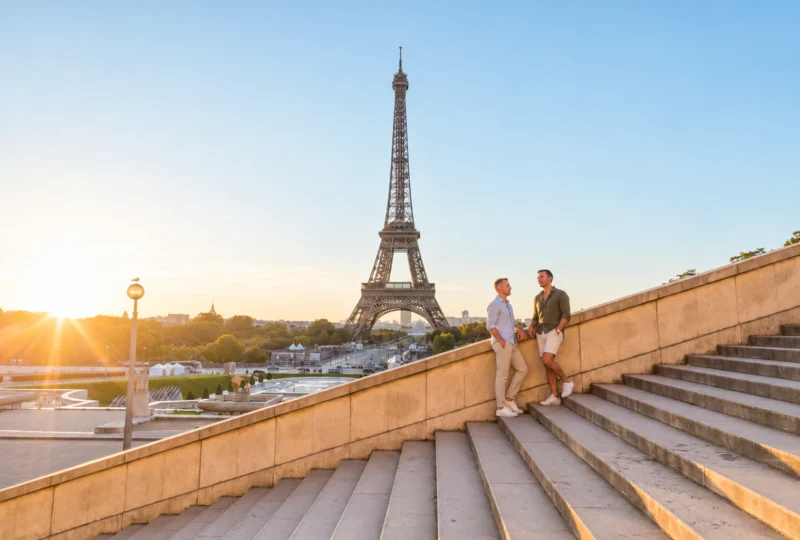
Like Soho, Paris’s Le Marais is in the heart of the city and it’s packed with stylish people and bars. Centred around Rue Sainte-Croix de la Bretonnerie and Rue des Archives, this medieval neighbourhood combines Jewish heritage with Paris’s gay culture, creating a multicultural atmosphere unique among European gay villages.
Le Marais developed as a gay district relatively recently compared to other European villages, gaining prominence in the 1980s. The area’s cobblestone streets, 17th-century mansions converted into venues, and intimate wine bars create an atmosphere of understated elegance that distinguishes Parisian gay culture from its more exuberant counterparts elsewhere.
The district’s venues reflect French sensibilities – think intimate cocktail lounges like Le Marais Bar rather than large dance clubs, wine-focused establishments that encourage conversation, and shops selling everything from designer clothing to rare books.
The gay scene in Le Marais doesn’t get going until the early evening. By day, Le Marais is an impeccably stylish part of Paris to explore, packed as it is with some of the best restaurants and luxury boutiques in town.
Canal Street, Manchester
Manchester’s Gay Village emerged from the city’s industrial decline, transforming former textile warehouses around Canal Street into what became the UK’s most concentrated gay district outside London. The area’s development paralleled Manchester’s broader urban renaissance, with the LGBTQ+ community playing a crucial role in revitalizing formerly derelict neighbourhoods.
Canal Street itself has become synonymous with British gay culture, featuring in the groundbreaking TV series “Queer as Folk” and establishing Manchester as a destination for LGBTQ+ visitors from across the UK and Europe. The street’s venues range from traditional pubs like The New Union to modern clubs like Via.
The village’s industrial heritage remains visible in converted warehouse venues and the canal that gives the street its name, creating an authentically Manchester atmosphere that reflects the city’s working-class roots and creative spirit.
Manchester’s annual Pride celebration has grown into one of Europe’s largest, transforming the entire city centre and demonstrating the significant influence the Gay Village has had on broader Manchester culture.
Manchester is a city on the rise, with a booming economy and ever-growing gay scene. More and more LGBTQ+ Brits appear to be braving the cold, heading North and setting up shop in Manchester.
The hard part is not finding a beautiful place. It is finding the right one for you.
Request a quote →Eixample, Barcelona
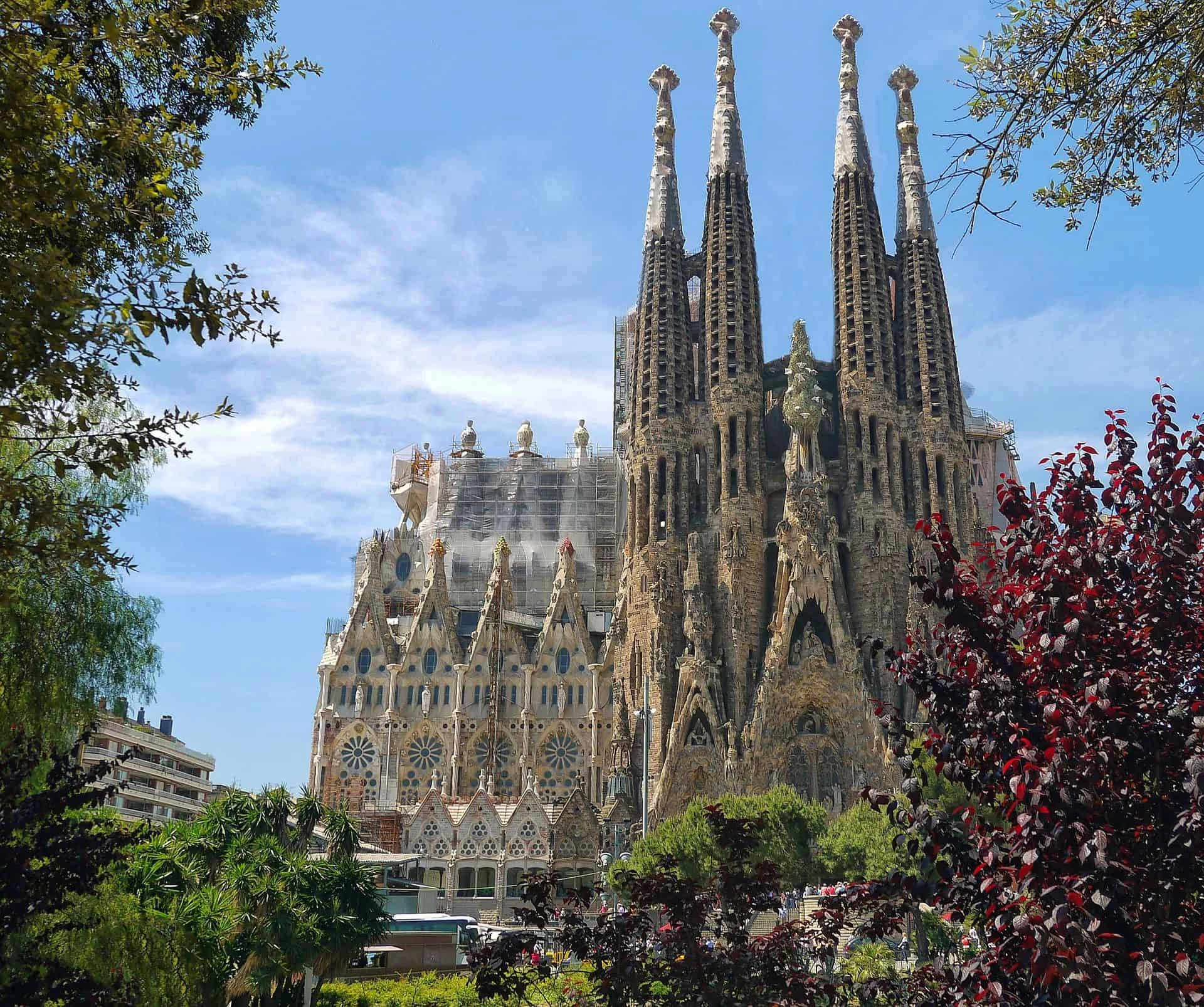
Barcelona’s Eixample district, particularly the area known as “Gayxample,” is the biggest gay district in Spain. Centred around Carrer del Consell de Cent and extending through parts of Carrer de Muntaner and Carrer d’Aribau, this neighbourhood offers a distinctly Spanish approach to gay village life that emphasizes outdoor socializing and late-night drinking and dining.
The area developed during Spain’s transition to democracy following Franco’s death, when Barcelona emerged as a liberal, Catalan counterpoint to Madrid’s more conservative reputation. Eixample’s wide boulevards, modernist architecture, and proximity to the beach created perfect conditions for outdoor gay culture that thrives year-round in Barcelona’s favourable climate.
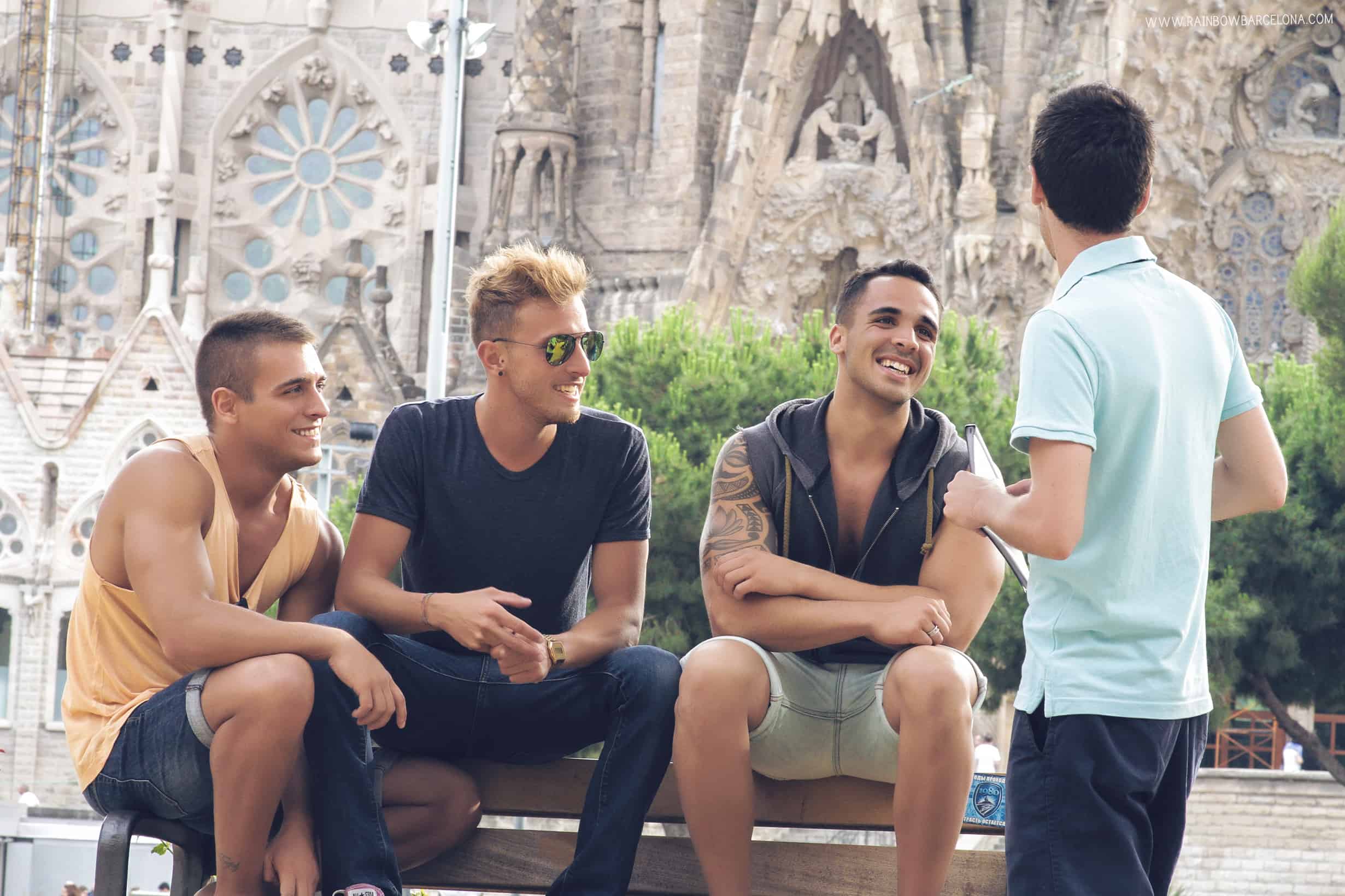
What distinguishes Eixample from other European gay villages is its celebration of the Mediterranean lifestyle. Venues like Arena Classic and Metro provide world-class clubbing experiences, while terrace bars along the main streets provide perfect settings for people-watching and socializing. The neighbourhood’s restaurants serve everything from traditional Catalan cuisine to international options, creating dining scenes that extend well into the night according to Spanish customs.
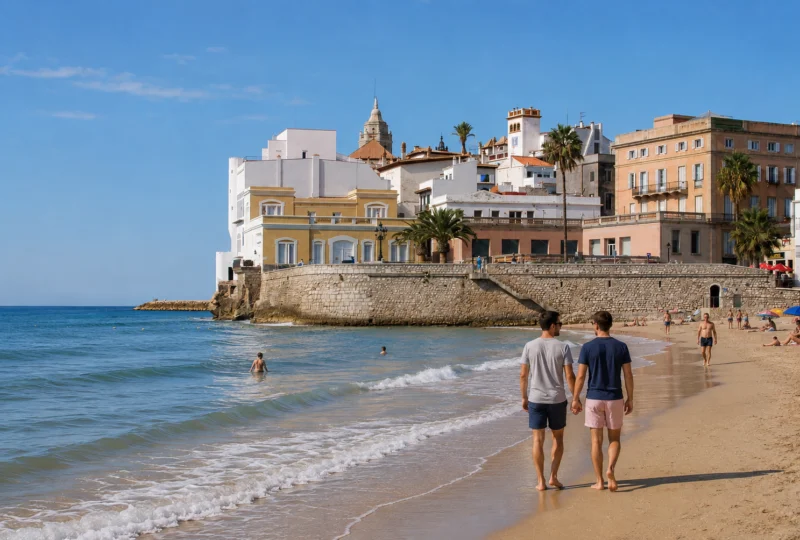
What’s more, Barcelona is just 40 minutes away from Sitges on the train, so you can experience Spain’s biggest gay town and its biggest gay village in one extremely gay trip.
Schöneberg, Berlin
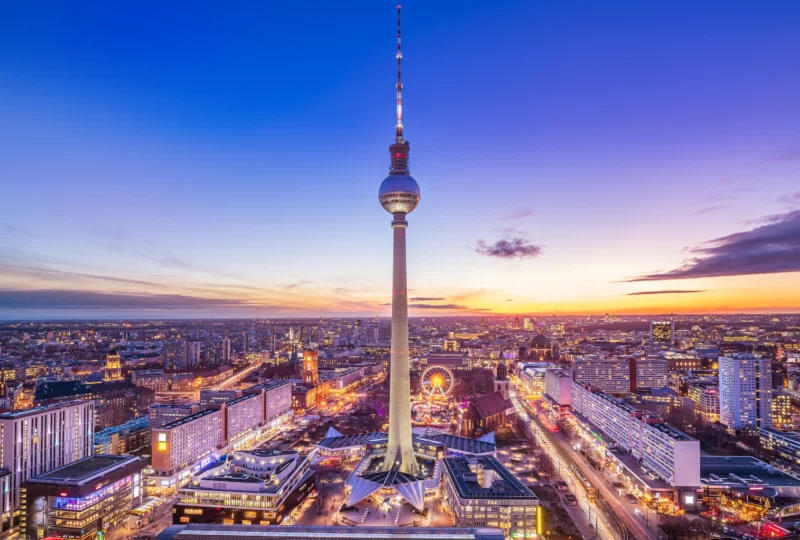
Berlin’s Schöneberg has a long, illustrious history as a gay neighbourhood, with LGBTQ+ history dating back to the early 1900s when it housed figures like Christopher Isherwood and served as the setting for “Cabaret.” The area around Nollendorfplatz survived Nazi persecution, Cold War division, and German reunification while maintaining its identity as a centre for LGBTQ+ life and alternative culture.
Modern Schöneberg reflects Berlin’s broader character as a city that embraces nonconformity, perhaps more so than any other European capital. The neighbourhood’s venues range from traditional leather bars that have operated for decades to modern, trendy gay bars.
The area’s political significance extends beyond LGBTQ+ history – this is where John F. Kennedy delivered his famous “Ich bin ein Berliner” speech.
Berlin’s gay scene is known to be the most edgy in Europe, perhaps the world. Berlin’s gay scene adopts an anything goes ethos. If you’re looking to party, this is the city to explore.
Chueca, Madrid
Madrid’s Chueca is named after composer Federico Chueca. The neighbourhood transformed from a declining residential area into the Spanish capital’s gay village through grassroots community development during the 1980s and 1990s.
Chueca’s narrow streets and small squares create an intimate village atmosphere despite being in central Madrid. The area’s venues reflect Spanish cultural values – late dining, extended socializing, and nightlife that begins when other cities are closing. Restaurants like Bazaar and clubs like LL maintain international reputations while serving distinctly Spanish approaches to LGBTQ+ hospitality.
The neighbourhood’s transformation paralleled Spain’s broader evolution into one of Europe’s most LGBTQ+-friendly countries. Same-sex marriage legalisation in 2005 was celebrated throughout Chueca. The annual Pride celebration transforms the entire neighbourhood into an extended street party.
What distinguishes Chueca is its sophisticated retail scene alongside traditional gay venues. The area has become Madrid’s premier shopping district for fashion-conscious residents, creating a gay village that functions as a lifestyle destination rather than simply an entertainment district.
Ready to explore Europe’s gay villages? Get in touch and we’ll help you plan the perfect itinerary.

On this page
- Soho, London
- Discover London and Paris: Luxury Capitals of Europe
- Le Marais, Paris
- Crowns & Closets: Britain’s Hidden LGBTQ+ Royal History Tour
- Canal Street, Manchester
- Eixample, Barcelona
- A Gay Guide To Sitges
- Schöneberg, Berlin
- Grand Tour of Spain: Madrid, Seville, Valencia and Barcelona
- Chueca, Madrid
New to Out Of Office?
We are a luxury travel company for LGBTQ+ travellers. Everything we sell is tailor-made, planned by one named member of our team throughout, and nothing on this site is a fixed package unless it says so.
Where exclusivity meets inclusivity
Ten years, hundreds of five-star reviews, and a team who will tell you when a destination is not right for the trip you have in mind.
Suggested Tours
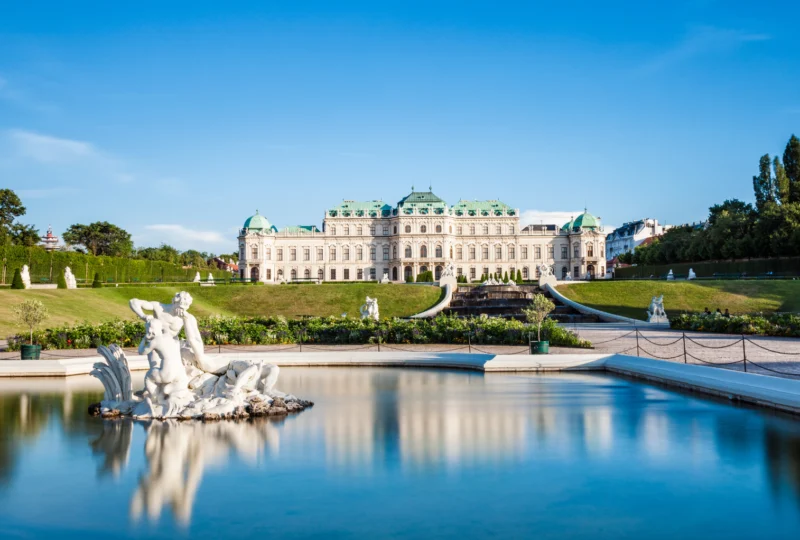
Capitals of Central Europe: Berlin, Prague, Vienna, Budapest
Tailor-made HolidayCentral Europe packs an absurd amount into a small stretch of the map. In under two weeks you can stand where a wall once split a city in two, walk streets that survived the twentieth century almost entirely untouched while the rest of the continent rebuilt…
12 days tailor-made from £6,755 per person View trip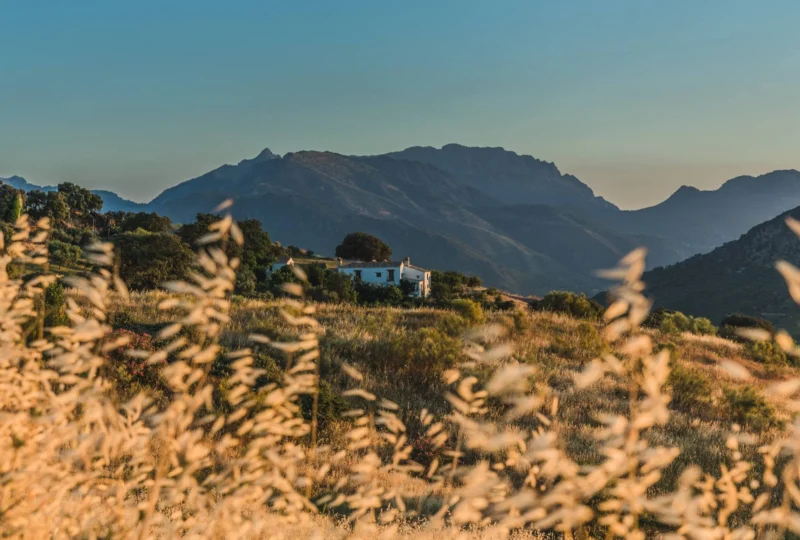
Slow Down in Andalusia
Tailor-made HolidaySeven nights at a single hillside estate, olive groves in every direction, and nowhere else on the schedule. Most Andalusia itineraries move fast: Seville, Córdoba, Granada, and Ronda, each city allotted a day or two before the next. This one does the opposite. A single week is spent based at a rural estate in the hills, with the surrounding towns treated as occasional excursions rather than a checklist.
7 days View trip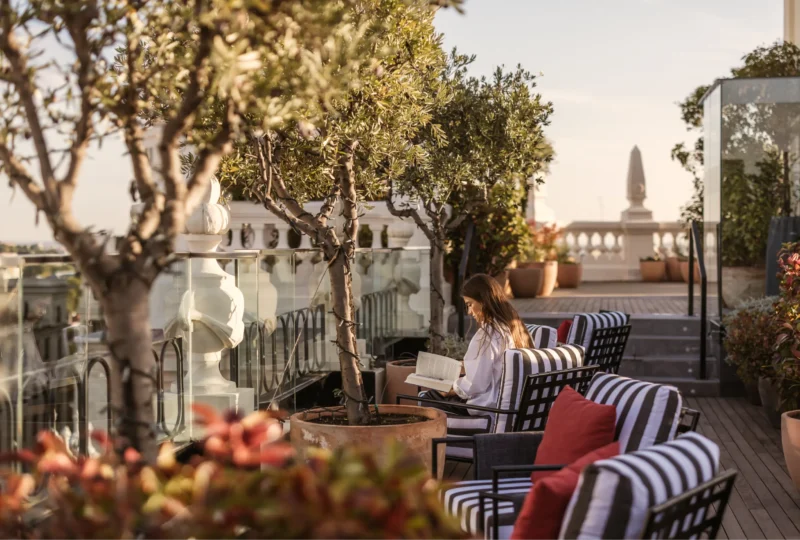
Madrid & Chueca: A Sapphic City Break
Tailor-made HolidayBeyond Chueca's rainbow crossings and crowded terraces lies a quieter world of courtyard bars, bookshops, and more, explored by LGBTQ+ travellers for decades. Chueca's main streets are well known: the rainbow-painted crossing at Pedro Zerolo, the terraces that spill onto the square outside the metro station, and the crowds that gather there most evenings, a scene that has become almost synonymous with the neighbourhood's reputation.
7 days View trip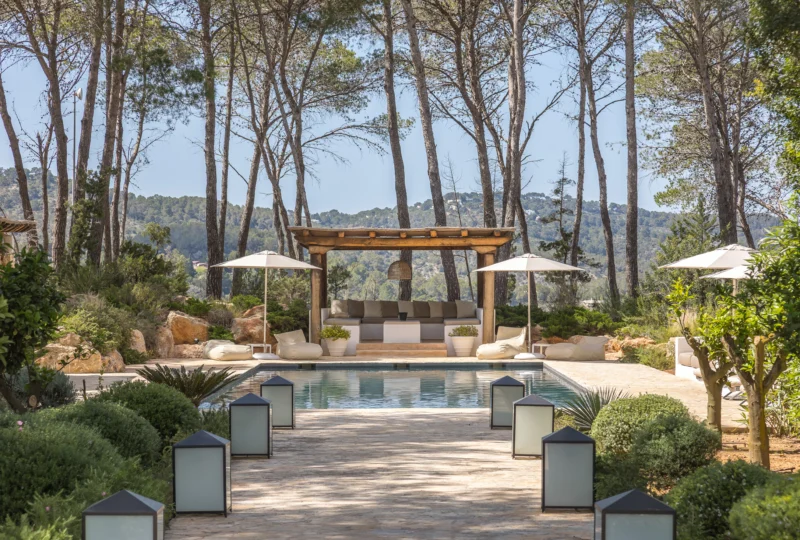
Ibiza: Beyond the Clubs
Tailor-made HolidayIbiza's reputation was built on its clubs, but its most exclusive addresses have always been in the hills, well away from the partying. Ibiza became a prominent LGBTQ+ destination decades before the superclubs arrived, drawing artists, writers, and a bohemian community to the island's interior through the 1960s and 1970s. That history has been steadily overshadowed by the island's later reputation as Europe's party capital, and this itinerary is built to recover it.
7 days View trip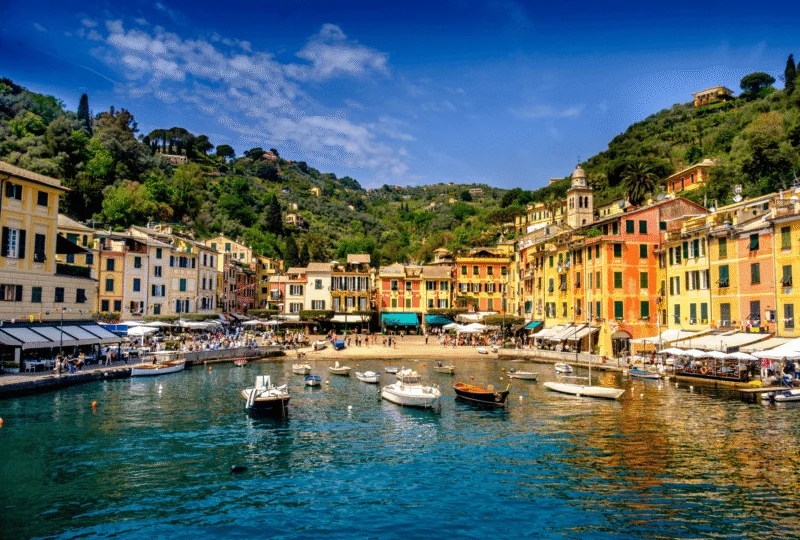
Luxury French Riviera: Nice, Monaco & Saint-Tropez
Tailor-made HolidayThe French Riviera blends coastline, culture, and an upwardly mobile social scene that feels unmistakably European, moving from the relaxed of Nice to the wealth of Monaco and the beach clubs of Saint-Tropez. This itinerary is designed to flow naturally, with just two bases and enough time in each to settle in properly. Expect private transfers, carefully timed experiences, and reservations that make the difference between a good trip and a seamless one.
8 days tailor-made from £6,755 per person View tripSee your complete itinerary before you decide.
Your specialist will bring together every detail of your trip, with clear pricing throughout.
Stellar service. Stellar products. Stellar people and it gets so much better when you pick up the phone and call.
Anthony S.
Super client centred service. From first contact I have had warm, efficient, friendly and flexible service.
John
I’m confident in giving Out Of Office a 5-star review! They are one of the leaders in this space without a doubt.
Tiberiu
We plant trees for every booking
For every booking made with Out Of Office we commit to planting trees in your name to help reduce the impact of travel on future generations. You'll even get a link to see where your trees are planted in the world via our partner Ecologi.

We donate to Rainbow Railroad with every booking
Rainbow Railroad helps LGBTQ+ people escape state-sponsored violence and persecution. A donation goes with every trip we sell, funded by us and never added to your price.

Start Planning Your Trip
Tell us where you would love to go, when you are thinking of travelling and what kind of trip you have in mind. One of our LGBTQ+ travel specialists will create a tailor-made itinerary designed around your destination, style and preferences.
One named specialist, first enquiry to homecoming. No call centre, and nothing is charged until you decide to book.