Discover London's gay scene in Soho
Soho is the world’s most successful integration of LGBTQ+ culture and luxury tourism, a transformation nearly 150 years in the making. From underground Victorian “molly houses” to today’s constellation of Michelin-starred restaurants and £6 billion annual pink pound economy, this compact London district proves that gay culture and upscale travel experiences can not only coexist but thrive together in remarkable ways.
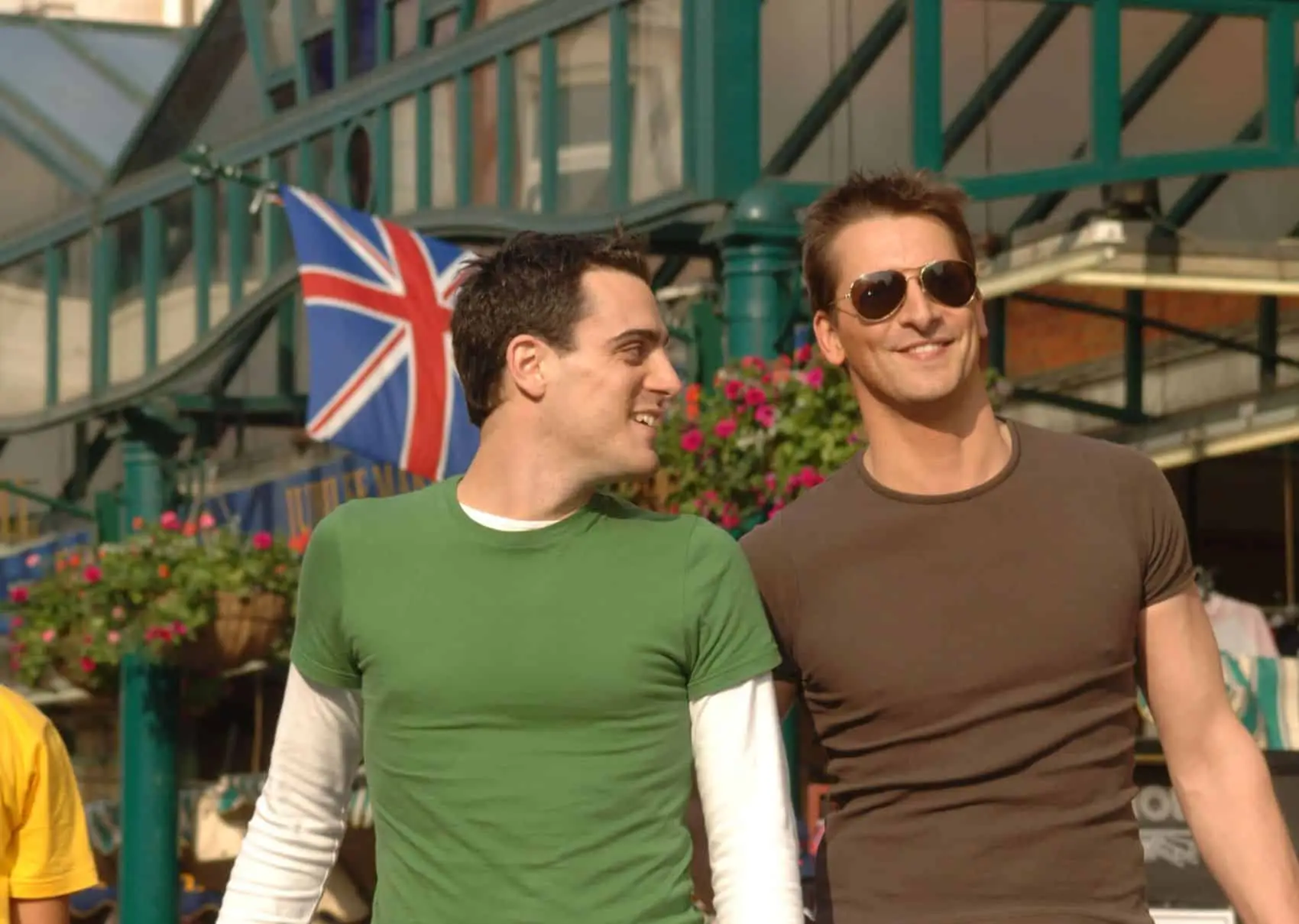
The Underground Origins: From Molly Houses to Mainstream
Soho’s gay heritage stretches back to the 1720s, when London’s first “molly houses” operated as secret meeting places for homosexual men. Mother Clap’s Molly House in nearby Holborn from 1724-1726 established the template, while Oscar Wilde famously kissed waiters at Kettner’s restaurant during his 1895 trials. The Cave of the Golden Calf opened in 1913 on Heddon Street as arguably the first gay bar as we would understand it today, though it lasted just one year before bankruptcy.
The area’s transformation accelerated dramatically after July 27, 1967, when the Sexual Offences Act partially decriminalized homosexual acts between men over 21 in private settings. However, this limited reform actually led to increased prosecutions – gross indecency convictions rose 400% by 1974, from 420 in 1966 to 1,711. The real breakthrough came in the late 1970s with venues that refused to hide.
Heaven nightclub’s December 1979 opening under Charing Cross Station arches marked the pivotal moment when gay nightlife went mainstream. Founded by Jeremy Norman with a £300,000 renovation featuring a 5,000-watt sound system, Heaven became Europe’s largest gay superclub, pioneering the Hi-NRG sound that influenced Pet Shop Boys and Erasure. When Virgin Group’s Richard Branson acquired Heaven for £500,000 in 1982, it signaled that gay venues had become serious commercial enterprises.
We Suggest...
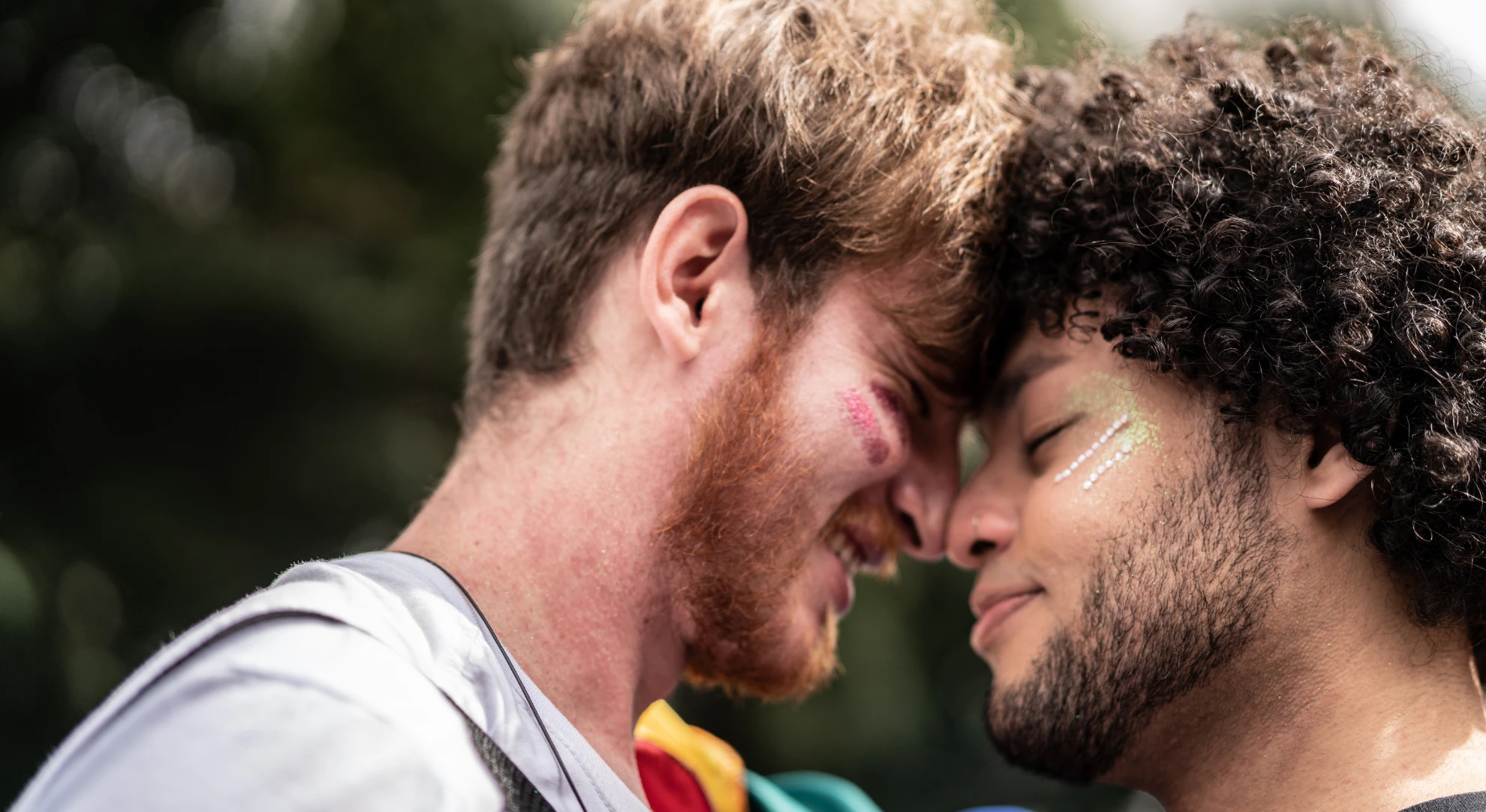
London Pride: Parade, History and VIP Experiences
London Pride is one of the world’s most significant LGBTQ+ celebrations. As London is home to one of the biggest gay communities, London Pride is correspondingly big and brash. Soho gets so packed during Pride, people end up queuing to...
The Luxury Transformation: From Red Light to Michelin Stars
The 1980s AIDS crisis and 1988’s Section 28 legislation initially threatened Soho’s gay scene, but Westminster Council’s 1987 crackdown on sex shops paradoxically created opportunities. As strip clubs and peep shows closed, empty Soho properties became available for gay-friendly establishments just as social attitudes began shifting.
The area’s luxury transformation accelerated through the 2000s with strategic development. Paul Raymond, the “King of Soho” and Britain’s richest man by 1994, preserved much of Soho through property acquisitions while creating upscale venues like Madame Jojo’s cabaret club. This set the template for Soho’s unique model: maintaining a gay scene while attracting affluent clientele.
Today’s Soho showcases four Michelin-starred restaurants within the gay quarter, including SOLA on Dean Street with its £159 dinner tasting menu, and the exclusive 12-seat Aulis London on St Anne’s Court charging £195 per person. Hazlitt’s Hotel on Frith Street has become the neighborhood’s luxury anchor, featuring 30 individually designed Georgian rooms, attracting film stars and media personalities who want to be in the heart of gay Soho.
The Carnaby Street shopping corridor now houses Liberty London’s Tudor-revival luxury department store alongside Paul Smith’s flagship and Off-White™ streetwear, while Kingly Court’s three-story complex offers premium dining and exclusive boutiques. This luxury infrastructure doesn’t compete with gay venues but complements them, creating an ecosystem where affluent LGBTQ+ travelers can seamlessly move between Michelin dining, designer shopping, and gay nightlife.
Behind the gilded gates and ceremonial pageantry of Britain’s royal palaces lies a treasure trove of LGBTQ+ stories. From the scholarly King James I (sometimes known as Queen James) and his beloved favorites to the extraordinary bond between the Queen...We Suggest...
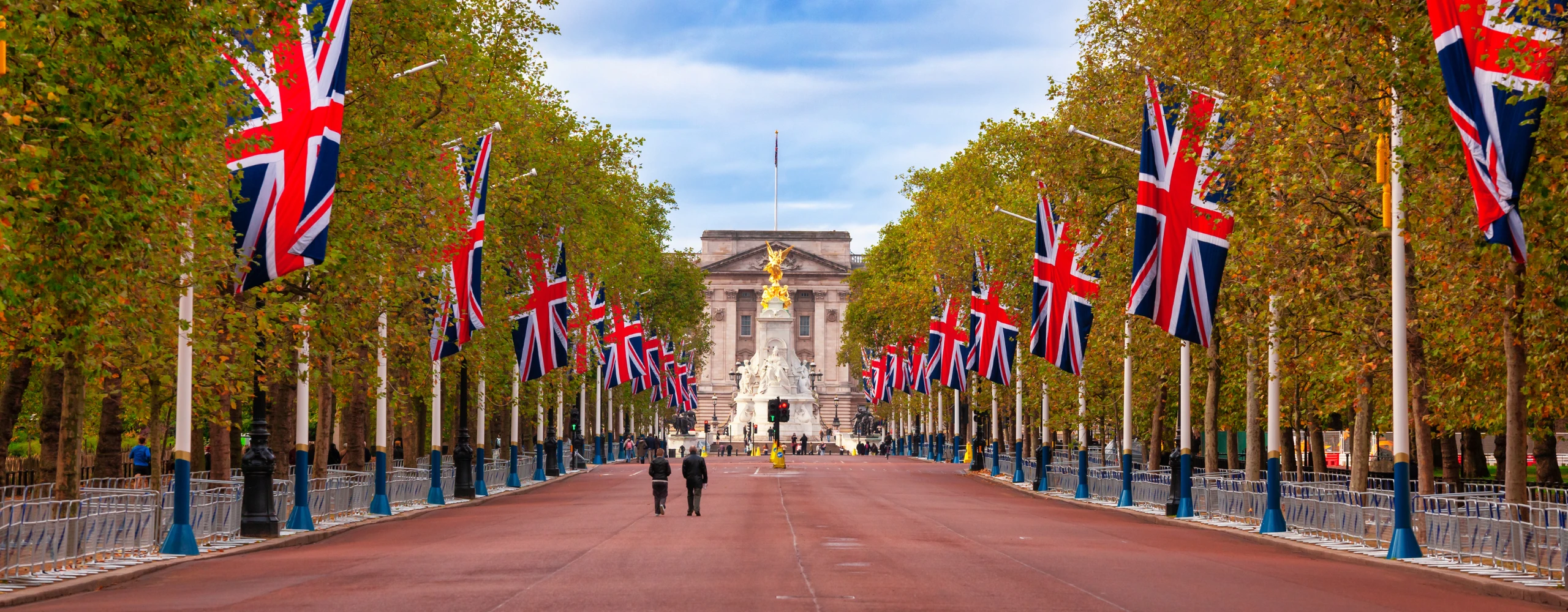
Crowns & Closets: Britain’s Hidden LGBTQ+ Royal History Tour
Exploring the Contemporary Soho Scene
Old Compton Street remains the heart of gay Soho, anchored by venues that span nearly four decades of LGBTQ+ history. Comptons of Soho, operating since 1986 as “The Old Dame of Old Compton Street,” maintains its traditional two-floor pub atmosphere.
The current scene brilliantly balances heritage with innovation. The Village on Wardour Street, operating since 1991, features three floors including go-go dancers and basement disco, while She Soho on Old Compton Street serves as Soho’s only exclusively lesbian bar with its courtyard “Lady Garden” and diverse programming from drag karaoke to hip-hop nights.
The Yard is probably the favorite neighborhood gay bar in Soho, favored by locals more so than tourists. It’s the ideal spot to begin your night out.
The Pink Pound and Divine Dollar’s Golden Impact
Soho’s gay scene generates extraordinary economic value, contributing to the £6-7 billion annual UK pink pound economy. Research shows Comptons operates as Britain’s highest grossing pub for its size due to concentrated LGBTQ+ spending power, while London Pride’s 1.5 million annual participants create tourism ripple effects throughout the district.
The “double income, no kids” demographic typical of many gay couples drives higher spending on luxury experiences, perfectly matching Soho’s evolution toward premium offerings. Grindr’s 2024 ranking of Soho as the “best gay district worldwide” reflects this combination of gay scenes with affluence.
However, this success creates challenges. London lost 58% of LGBTQ+ venues from 2006-2017, with Westminster seeing 43% closures due to rising rents and development pressure. The December 2023 permanent closure of G-A-Y Late and recent struggles at Heaven nightclub demonstrate ongoing vulnerability despite policy interventions like the Mayor’s LGBTQ+ Venues Charter.
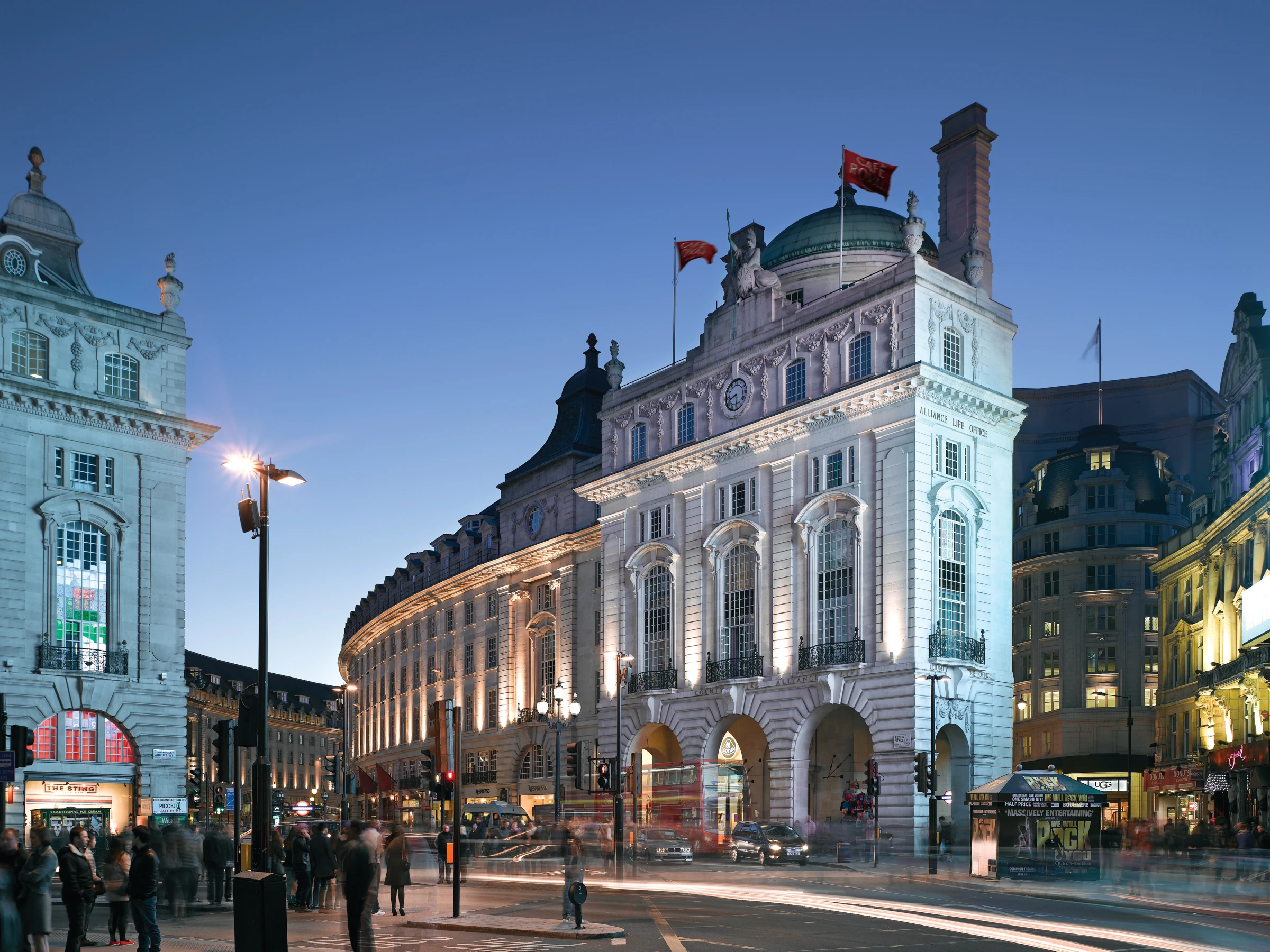
Old Compton Street’s unique geography provides natural protection – bounded by Oxford Street shopping, West End theaters, and Leicester Square attractions, the area benefits from multiple revenue streams and transport connections. The proximity to Tottenham Court Road, Leicester Square, and Piccadilly Circus stations enables easy access for both local community and international visitors.
Embark on an unforgettable journey that takes you deep into the heart of Britain’s most iconic and enchanting landscapes. Your adventure will take you through Britain’s finest cities, including London and York, before transporting you to the majestic landscapes of...We Suggest...

Luxury British Sleeper Train Journeys: London, York & Edinburgh
Tailor-Made Vacation
Soho’s Distinctive Position
Unlike other major gay destinations, Soho operates as a commercial rather than residential hub, enabled by London’s superior transport system. Some people to do live in Soho in very expensive apartments – the noise must be a nightmare!
While San Francisco’s Castro has struggled with gentrification displacing gay businesses, and Paris’s Le Marais faces severe rental pressures, Soho has achieved better commercial stability through integration rather than displacement.
Brighton may claim title as the “Gay Capital of the UK” with higher residential LGBTQ+ concentration, but Soho’s position within London’s global city infrastructure provides unmatched luxury tourism integration. The seamless connection between gay venues, West End theaters, Bond Street shopping, and five-star hotels creates experiences other cities cannot replicate.
Europe is home to many of the world’s best gay villages (or gayborhoods), from Soho to Le Marais and beyond. These gay villages are often – unsurprisingly – the most stylish and dynamic areas in their respective cities. Who would...We Suggest...
Europe’s Best Gay Villages: From Soho to Le Marais
Soho is Ever Changing
A common theme with Soho is change, and also Soho habitues complaining that Soho “isn’t like it used to be.” Soho continues to evolve but retain its essential spirit as London’s gay party district. That being said, the classic gay venues are struggling to keep pace with rising rents and ultra-luxury private members clubs.
The January 2025 announcement that G-A-Y Bar is for sale signals continued pressure on traditional venues. Owner Jeremy Joseph cites Soho losing its “queer identity” to generic development, highlighting the ongoing tension between preservation and progress.
Yet Soho demonstrates remarkable adaptability. The 2024 opening of new luxury establishments alongside venue survival strategies like extended hours and diverse programming shows community resilience. She Soho’s expansion of programming and Freedom Bar’s theatrical atmosphere prove the gay scene can evolve and remain viable.
Discover the timeless charm of London, England’s progressive capital. This luxurious itinerary has been handcrafted to showcase London’s finest sites, immerse you in authentic English culture and give you insights into the country’s rich heritage. From the moment you arrive,...We Suggest...
Royal London Tour: Buckingham Palace & Crown Jewels
Tailor-Made Vacation
The Future of Gay Luxury Travel
Soho has cracked the code that other global gay destinations struggle with: maintaining cultural authenticity while embracing luxury tourism. The district’s success lies in integration rather than segregation – LGBTQ+ travelers can experience genuine gay culture at Comptons or Kings Arms, then seamlessly transition to Michelin dining at SOLA or luxury shopping at Liberty, all within a few blocks.
This model positions Soho uniquely for the future of LGBTQ+ travel, where affluent gay tourists can experience the most stylish nightlife on the planet. The £3.4 billion annual spending by gay tourists globally increasingly flows toward destinations that offer both heritage and luxury – exactly Soho’s sweet spot.