Indonesia’s LGBTQ+ travel landscape defies simple categorization. While homosexuality isn’t federally illegal, new laws criminalizing sex outside marriage effectively target same-sex couples. From the relative tolerance of Jakarta and Yogyakarta to the welcoming Hindu culture of Bali—and the harsh Sharia punishments in Aceh—gay travelers face a patchwork of laws and attitudes that demand careful navigation.
Here’s what you need to know about the legal complexities, social realities, and practical considerations for LGBTQ+ travel in the world’s largest archipelago. 
The Current Federal Position
Contrary to what many assume, homosexuality is not illegal across most of Indonesia. The national criminal code doesn’t criminalize private, consensual same-sex activity between adults, and it never has. This puts Indonesia in a different category from neighboring Malaysia, which maintains colonial-era sodomy laws.
However, the legal situation became significantly more complicated in December 2022 when Indonesia’s parliament passed a new criminal code that criminalizes all sex outside marriage. Since same-sex marriage remains banned, this effectively makes all gay relationships illegal when the law comes into effect in 2025.
The 2022 law change represents a critical shift. While government officials claimed the new code wouldn’t specifically target LGBTQ+ people, human rights advocates argue this is disingenuous. As Human Rights Watch noted, same-sex couples cannot marry in Indonesia, so this clause effectively renders all same-sex conduct illegal.
Provincial Variations
Indonesia’s legal complexity deepens at the provincial level. Two provinces have already criminalized homosexuality:
Aceh Province operates under Islamic Sharia law and has criminalized same-sex activity since 2015. The maximum penalty includes up to 100 lashes of the cane in a public setting, plus up to 100 months in prison. This isn’t theoretical—punishments have been carried out, with two men aged 20 and 21 sentenced to public caning in August 2025 for kissing after being arrested when police broke into a toilet.
South Sumatra criminalized same-sex relations under its Provincial Ordinance on the Eradication of Immoral Behavior in 2002, categorizing same-sex relationships as “immoral behaviour.”
Military and Police
The Indonesian Military maintains telegrams ST/398/2009 and ST/1648/2019 that make same-sex conduct grounds for dismissal or imprisonment for military personnel. Police forces have similar policies, with the Supreme Court affirming in 2021 that it was legal for police forces to dismiss LGBTQ+ staff.
The Enforcement Reality
Despite these laws, enforcement varies dramatically. Recent raids have occurred, including police arresting 75 people at a “gay party” at a private villa near Jakarta in June 2025, and multiple similar raids throughout the year. However, these appear to target gatherings rather than individual tourists or private behavior.
The Social Reality: Urban vs Rural Divide
Understanding Indonesian society’s attitudes toward LGBTQ+ people requires looking at research data. A 2024 Pew Research Center survey found that 94% of Indonesians would be uncomfortable if their child came out as gay or lesbian. Earlier ILGA polling revealed that 38% of Indonesians believed people in same-sex relationships should be charged as criminals, while 37% disagreed.
However, these national averages mask significant regional differences. Urban areas like Jakarta, Yogyakarta, and especially Bali show considerably more tolerance than rural regions.
Embark on an enchanting escape to the tropical paradises of Bali, Lombok, and the Gili Islands with this highly sought-after multi-center trip. From the artistic and cultural hub of Ubud in Bali to the serene rice terraces and traditional villages...We Suggest...
Bali, Lombok and the Gili Islands
Tailor-Made Vacation
The Urban Experience: Jakarta and Yogyakarta
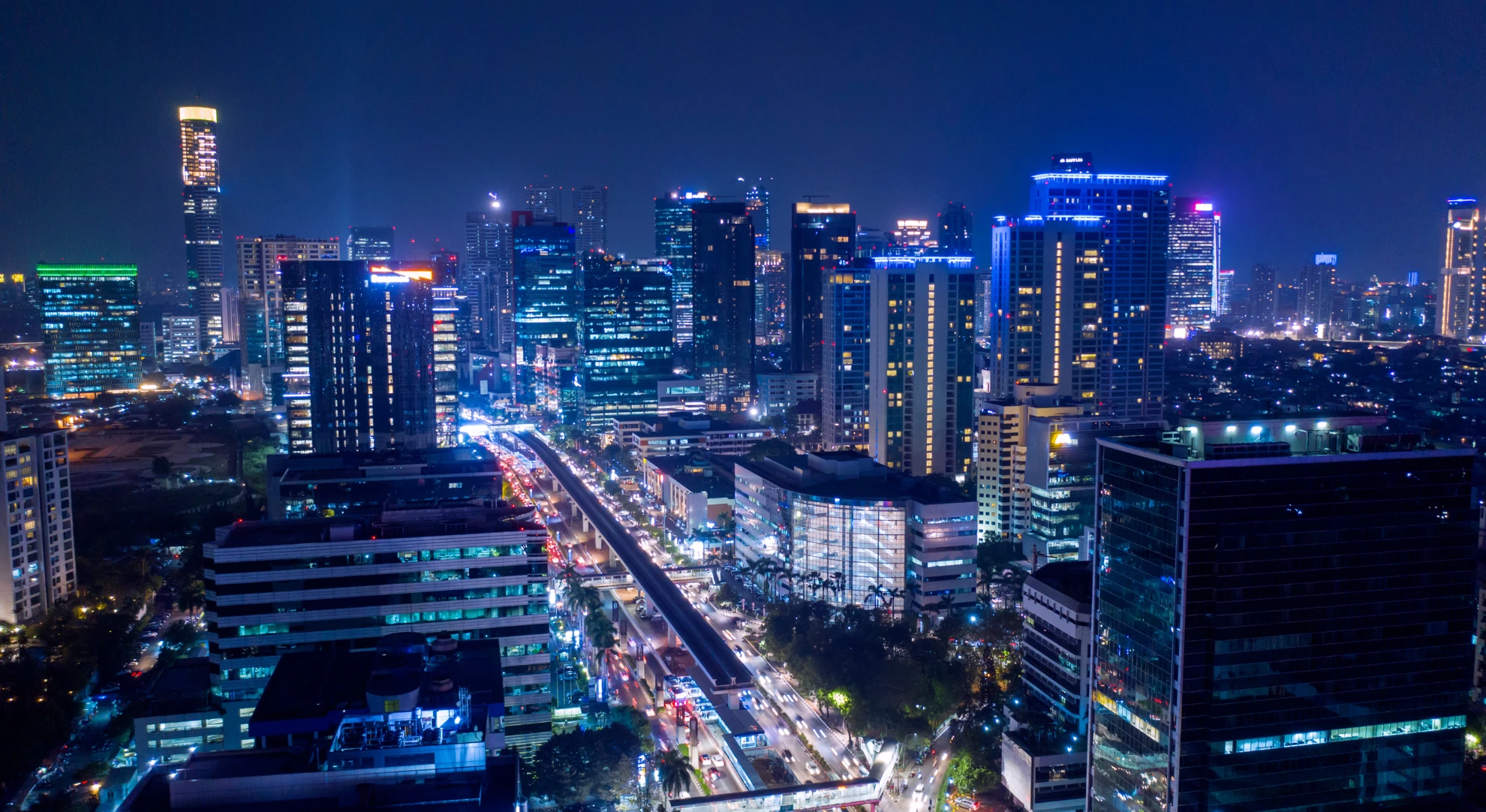
Jakarta, despite being the capital and most cosmopolitan city, presents mixed experiences for gay travelers. The city maintains a small but active LGBTQ+ scene, with neighborhoods like Kebayoran featuring sleek bars and saunas, while upscale malls host LGBTQ+ events. Gay travelers are unlikely to experience outright discrimination if they book upscale international hotels, since sex and sexuality of any kind are taboo in this conservative society.
However, discretion remains essential. Local advice suggests that as long as you don’t show affection toward each other in public, including holding hands for gay couples, you should be fine. Public displays of affection are not normal for anyone—gay or straight—and are best totally avoided, especially between same-sex people.
Yogyakarta offers a different dynamic as Indonesia’s cultural center. This smaller city of 500,000 people serves as gay Java’s top tourist destination, featuring bustling Javanese culture amongst ancient architecture and museums. The city boasts a blossoming LGBTQ art and nightlife scene, with friendly spots like Oxen Free bar cultivating an open environment.
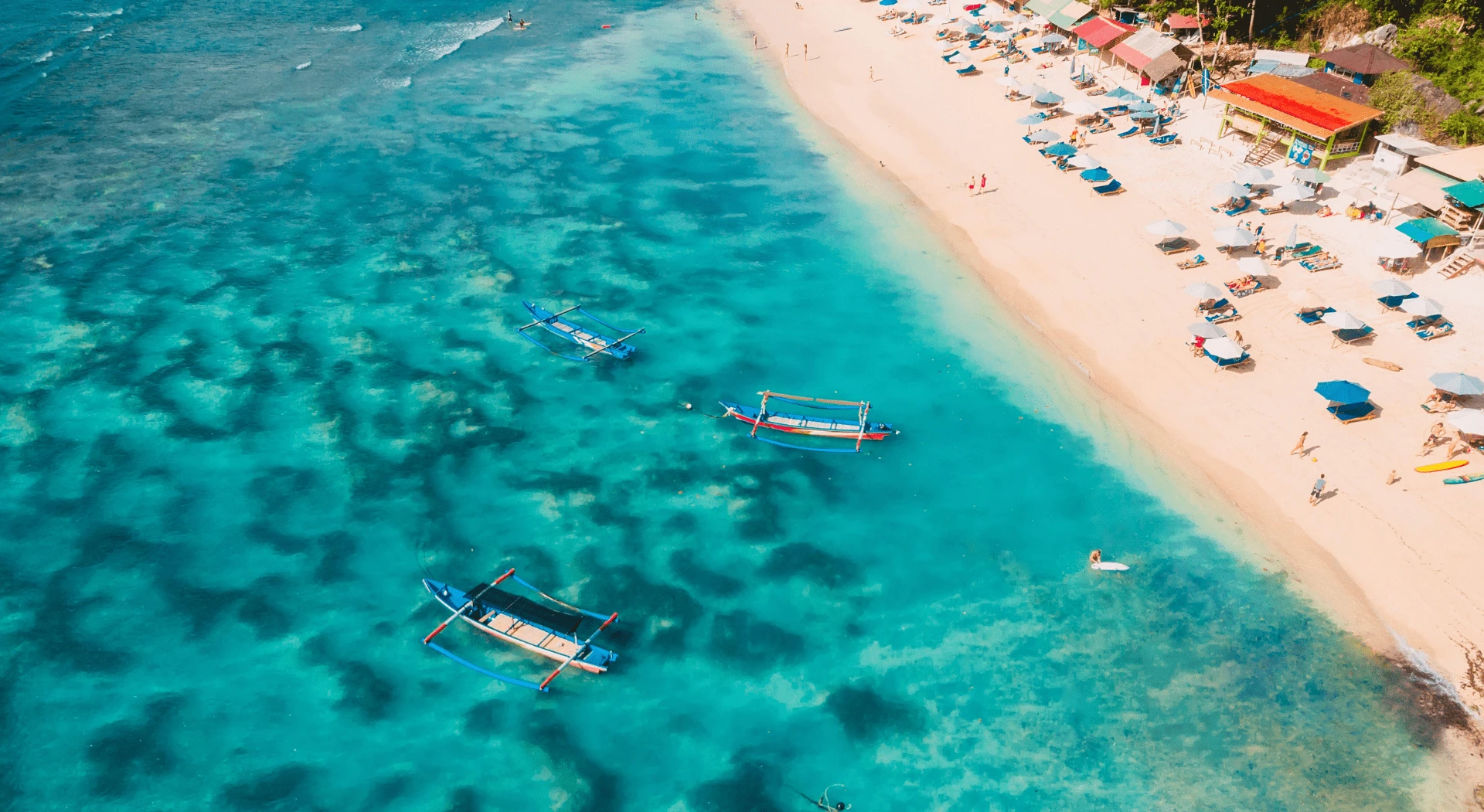
Bali has long been a favourite destination for LGBTQ+ travelers. While the island doesn’t have officially designated gay beaches, it does have several stretches of sand that have become established gathering points for the community. From Batu Belig’s role as...We Suggest...

The Best Gay Beaches in Bali
Practical Travel Advice: Navigating the Reality
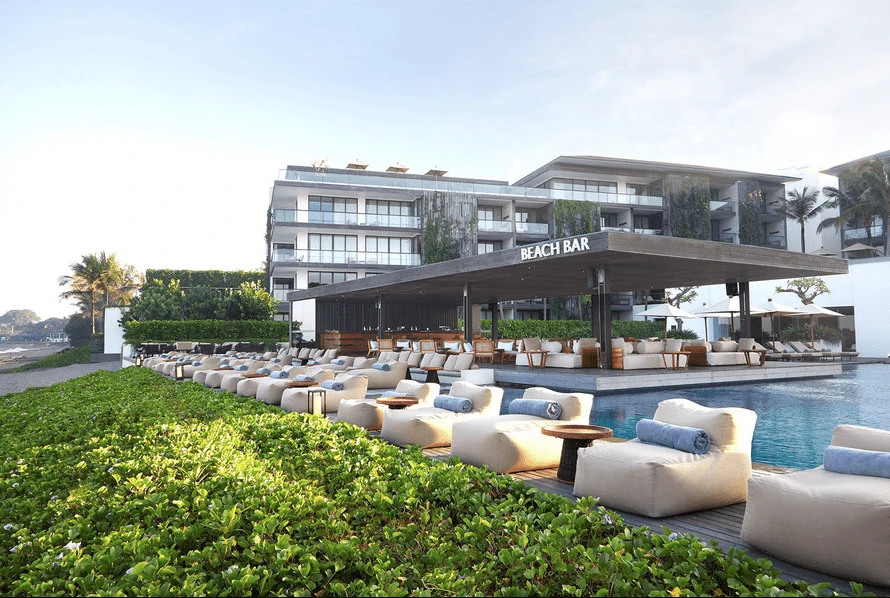
Gay travellers booking upscale international hotels are unlikely to encounter outright discrimination, though some properties may quietly alter a reservation to two single beds rather than a double.
Booking through Out Of Office removes any uncertainty. We work only with trusted, gay-friendly partners and guarantee that your hotel arrangements will be respected exactly as booked. Our relationships with properties worldwide mean you can travel with confidence, knowing you’ll be welcomed without awkward conversations or compromises.
Understanding Cultural Context
Indonesia has some of the oldest LGBTQ+ organizations in Southeast Asia, with gay rights activism beginning in 1982 and over thirty LGBT groups currently operating. Some Indonesian cultures, like the Bugis people of South Sulawesi, traditionally recognize five separate genders, showing that LGBTQ+ concepts aren’t foreign to Indonesian society.
However, traditional religious mores tend to disapprove of homosexuality and cross-dressing, with religion playing a dominant role in society and over 80 percent of the population being Muslim.
Immerse yourself in the luxury and charm of Seminyak, Bali’s premier destination known for its upscale resorts, pristine beaches, and vibrant culinary scene. Indulge in two hours of blissful pampering at a top-rated spa, where ancient techniques meet natural ingredients...We Suggest...
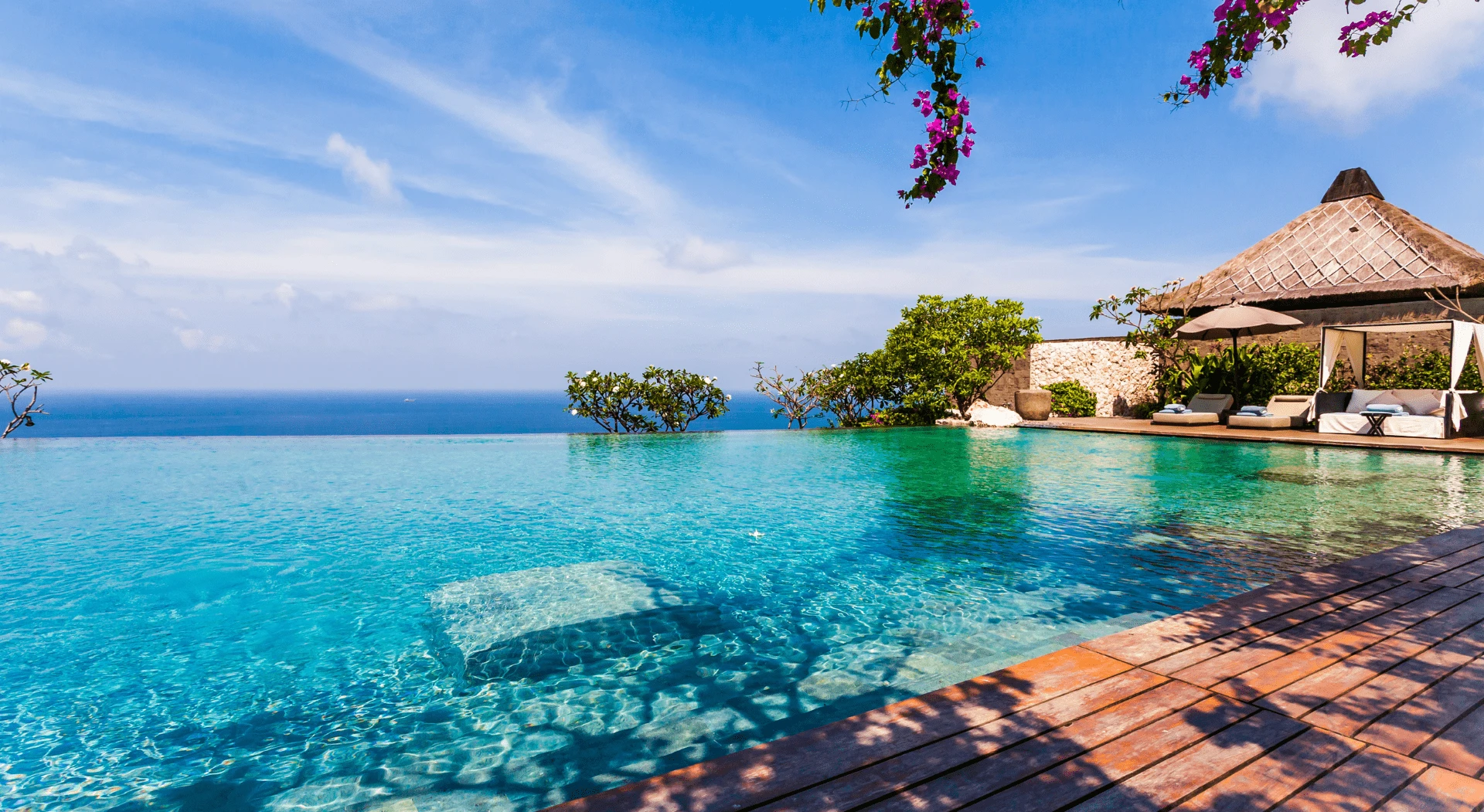
Relax in Luxury in Bali
Tailor-Made Vacation
The Colonial Legacy
Ironically, homosexuality was never criminalized in Indonesia under Dutch colonial rule, and before the 1952 Penal Code, there was no difference in age of consent between homosexual and heterosexual activity.
The Modern Political Climate
The situation for LGBTQ+ Indonesians has deteriorated significantly since 2016, when conservative religious and political forces began targeting the community more aggressively. In 2016, the national broadcasting commission emphasized a policy banning TV and radio programs that make LGBTQ+ behavior appear “normal,” discouraging television stations from featuring effeminate figures, transgender people, or cross-dressing.
The former Defense Minister characterized LGBTQ activists as “more dangerous than nuclear warfare” and claimed they have “declared a proxy war on the State”. This inflammatory rhetoric reflects the increasingly hostile political environment.
Internet and App Restrictions
Indonesia has banned many sites containing the word “gay” or related to LGBT topics, and banned some LGBTQ+ dating applications like Grindr, though similar apps like Hornet are not banned. However, VPN usage remains common and these restrictions can often be circumvented.
Bali: The Exceptional Case
While Bali is part of Indonesia, its unique Hindu culture, tourism-dependent economy, and distinct social attitudes create a markedly different environment for LGBTQ+ travelers that deserves separate consideration.
Why Bali is Different
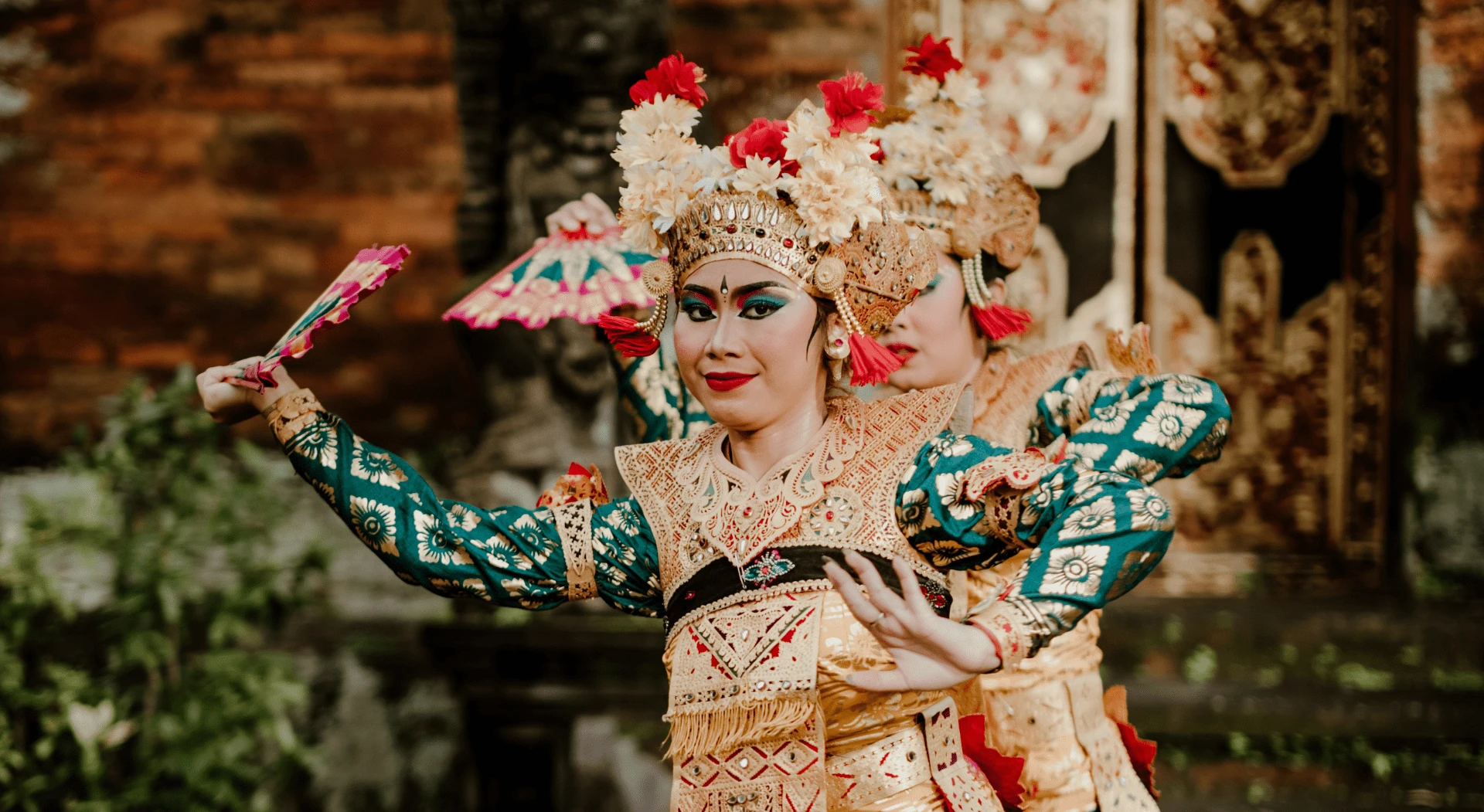
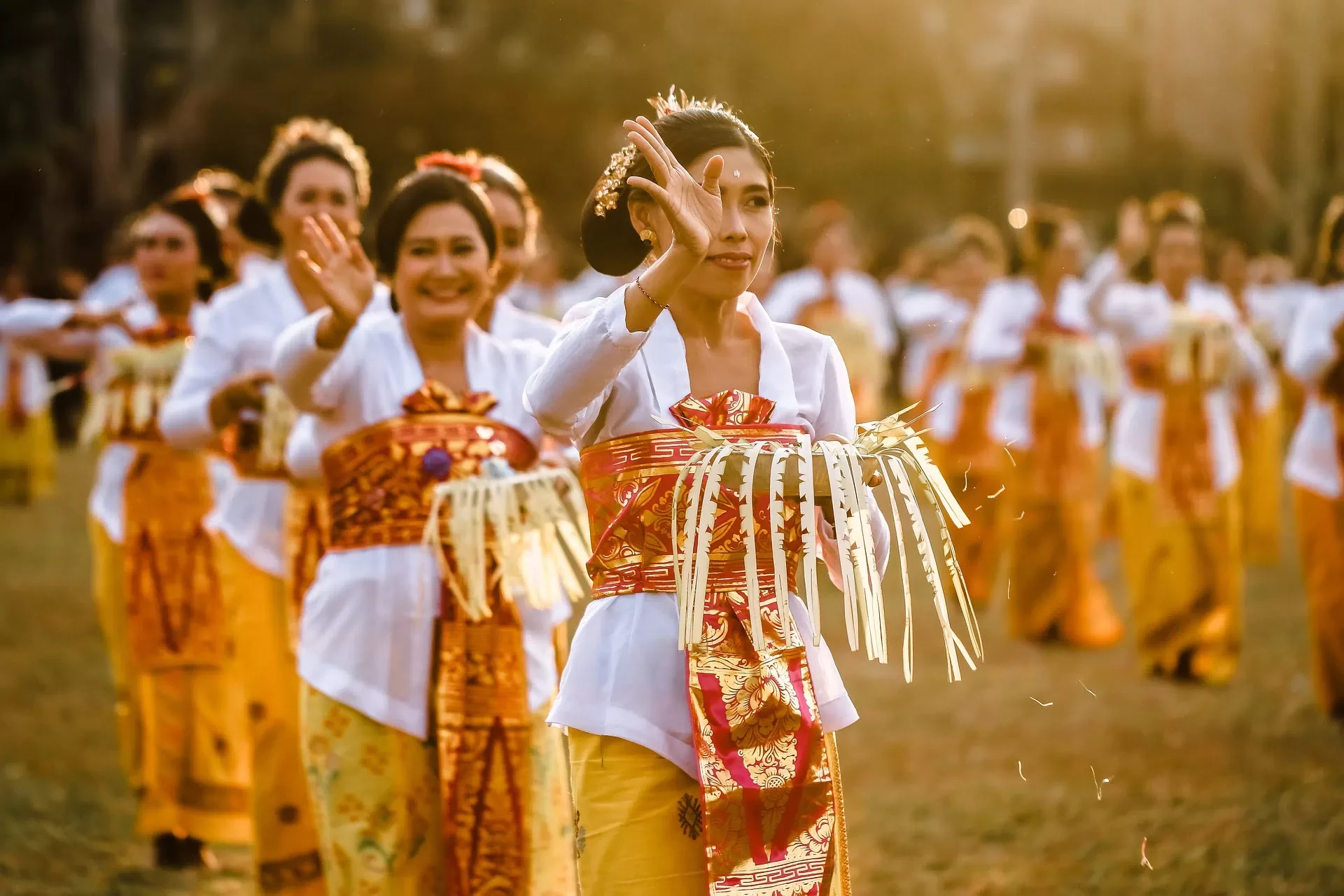
Religious Foundation: Unlike the rest of Muslim Indonesia, approximately 87% of Bali’s population adheres to Balinese Hinduism, creating a fundamentally different cultural approach to sexuality and personal freedom.
Economic Incentives: Bali’s economy depends heavily on international tourism, creating strong business incentives to maintain welcoming policies for all travelers, including LGBTQ+ visitors.
Government Position: Bali’s government explicitly states that gay travelers are welcome, and while anti-gay sentiment can still be found, Bali’s residents are largely accepting.
The Bali Gay Scene
The Jalan Camplung Tanduk Arcade in Seminyak is unquestionably the gay area in Bali, with many bars and clubs catering to LGBTQ clientele. This concentration of gay-friendly venues creates a visible and accessible scene that contrasts sharply with the underground nature of LGBTQ+ life in most of Indonesia.
The island’s gay beaches (detailed in our separate guide) operate openly, with venues like Batu Belig Beach functioning as de facto gay gathering spots without significant interference from authorities.
Bali’s Practical Reality
While there may be a lack of explicit LGBT rights in Bali, the answer to the question “is Bali safe for gay and lesbian travelers?” remains a surprising yes. The island’s tourism infrastructure, cultural tolerance, and economic dependencies create an environment where gay travelers can generally relax and enjoy their vacation with minimal concern about discrimination or legal issues.
However, even in Bali, the 2025 implementation of the national criminal code could theoretically affect gay travelers, though enforcement seems unlikely given the island’s economic and cultural priorities.
Bali vs. the Rest of Indonesia
The contrast between Bali and mainland Indonesia cannot be overstated. While gay travelers to Jakarta or Yogyakarta need to exercise significant discretion and cultural awareness, Bali offers a much more relaxed environment where LGBTQ+ visitors can generally be themselves within reasonable bounds.
This doesn’t mean Bali operates under different laws—the same Indonesian legal framework applies. Rather, the combination of cultural attitudes, economic incentives, and local governance creates practical conditions that feel worlds apart from the rest of the country.
Current Developments and Future Outlook
2025 has seen increased enforcement activity, with multiple raids on private gatherings and arrests of individuals for creating LGBTQ+ Facebook pages, facing potential sentences of up to 12 years in prison and fines of up to 6 billion rupiah.
Indonesia has consistently voted against UN human rights initiatives related to sexual orientation and gender identity in 2016, 2022, and 2025, suggesting the government remains committed to its conservative stance despite international criticism.
The Bottom Line for Gay Travelers
Indonesia presents a challenging but not impossible destination for gay travelers. The key lies in understanding that this is not a country where you can openly celebrate LGBTQ+ identity outside of specific areas like Bali, but neither is it a place where discrete gay travelers face immediate danger.
The Bigger Picture
Indonesia’s treatment of LGBTQ+ people reflects broader global trends toward increased conservatism in some regions, even as other countries make significant progress. For travelers, understanding these dynamics helps contextualize what can seem like contradictory information about safety and acceptance.
The reality is that Indonesia can be both unsafe and safe for gay travelers, depending on where you go, how you behave, and what risks you’re comfortable accepting. This complexity defies simple recommendations but reflects the nuanced reality of traveling as an LGBTQ+ person in a rapidly changing world.
Ready to Explore Indonesia Safely and Stylishly?
At Out Of Office, we understand that LGBTQ+ travel requires more than just booking flights and hotels—it demands deep local knowledge, cultural sensitivity, and the confidence that comes from working with experts who truly get it.
Our team specializes in crafting bespoke Indonesian adventures that balance authenticity with safety, luxury with respect for local customs. Whether you’re drawn to Bali’s welcoming Hindu culture, Jakarta’s urban sophistication, or Yogyakarta’s rich artistic heritage, we’ll design an experience that lets you explore Indonesia’s wonders while navigating its complexities with confidence.
From carefully selected gay-friendly accommodations to insider knowledge about which areas offer the warmest welcome, we handle every detail so you can focus on what matters most—experiencing the incredible diversity, culture, and natural beauty of this extraordinary archipelago.
Ready to start planning your perfectly tailored Indonesian adventure? When it comes to LGBTQ+ travel, the difference between a good trip and an unforgettable journey lies in the details—and that’s where we excel.