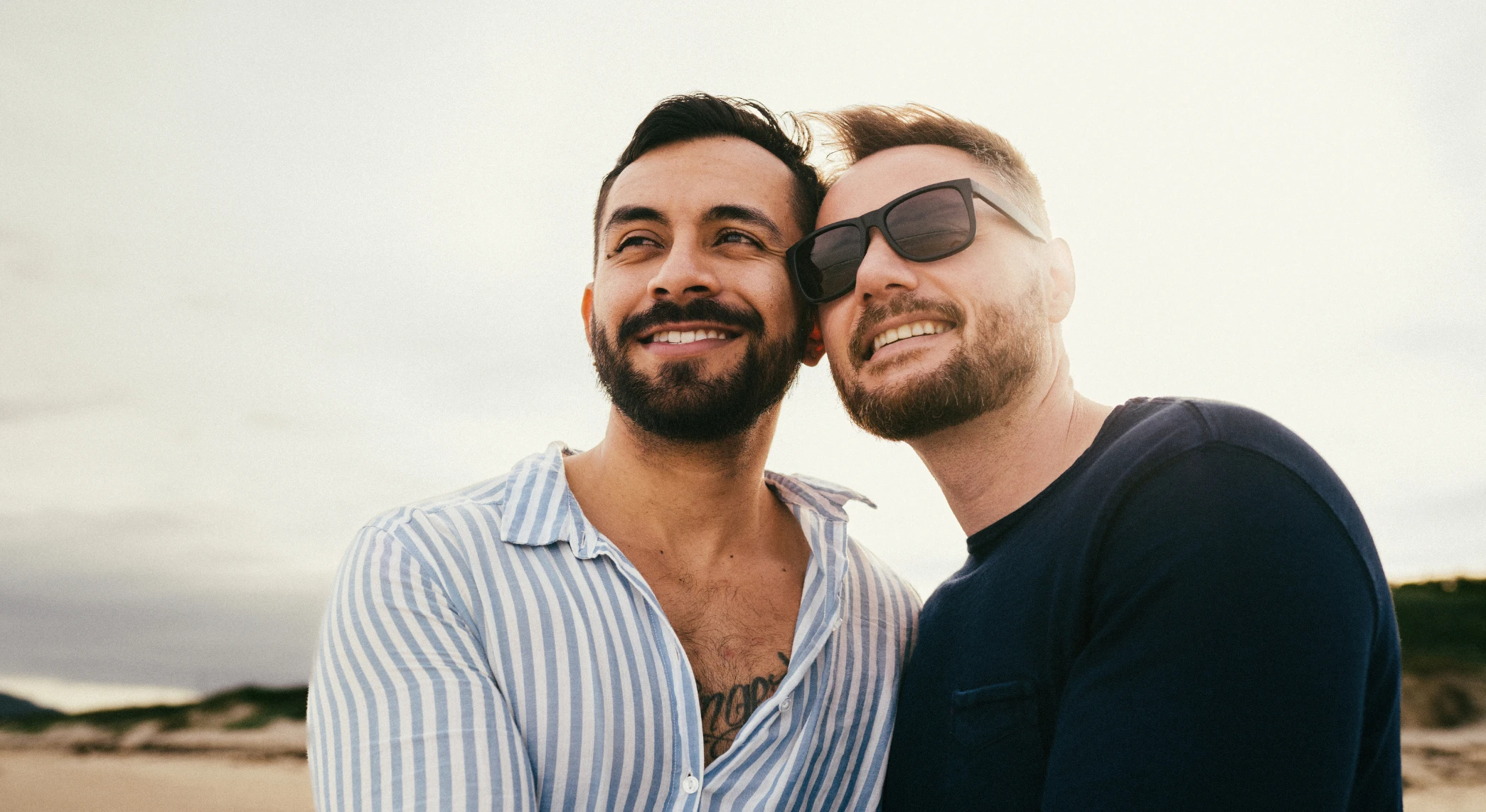
Turkey presents a destination where LGBTQ+ travelers can have meaningful experiences if they understand the social dynamics and exercise appropriate caution
Turkey presents one of the most complex paradoxes for LGBTQ+ travelers anywhere in the world. While homosexuality has been legal since 1858 – making Turkey one of the earliest countries to decriminalize same-sex relations – the nation now ranks 47th out of 49 European countries for LGBTQ+ equality, with only Russia and Azerbaijan scoring lower. This striking disconnect between historical legal tolerance and contemporary social reality creates a challenging landscape for LGBTQ+ visitors to navigate.
For travelers considering Turkey, understanding this complexity is crucial. The country offers extraordinary cultural experiences, from Istanbul’s underground gay scene to the ancient wonders of Cappadocia, but success requires careful preparation, cultural sensitivity, and realistic expectations. 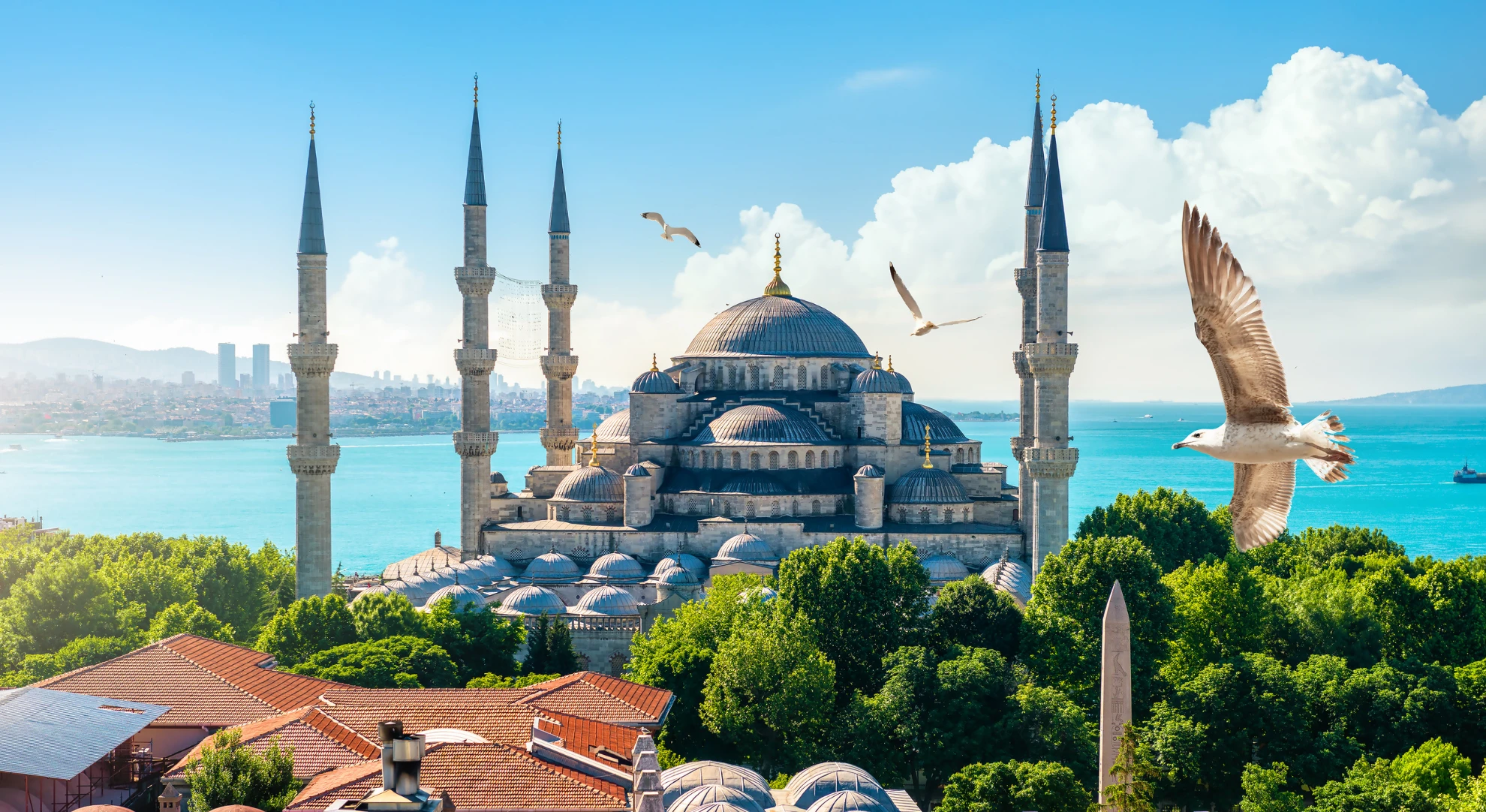
Legal framework: a tale of two centuries
The Ottoman Empire decriminalized homosexuality in 1858 as part of sweeping Tanzimat reforms, adopting aspects of the Napoleonic Code that removed criminal penalties for same-sex relations. When the Turkish Republic was established in 1923, this legal tolerance was maintained, creating an equal age of consent of 18 for all sexual activity.
About Out Of Office
Out Of Office is a luxury tailor-made travel company with a focus on delivering exclusivity and inclusivity. Our passion for global adventure is matched only by our deep commitment to delivering exceptional five-star service.
Everything we do is customised and designed especially for you – our valued customer – based on your exact personal requirements. Each member of our team is widely travelled. This means you get access to first-rate travel insights and the best possible advice from our team of luxury travel experts.
| Enquire Now |
However, this early progressive stance was never built upon. Turkey today provides no constitutional protections for sexual orientation or gender identity, no anti-discrimination laws, and no recognition of same-sex relationships. The Turkish Civil Code restricts marriage to heterosexual couples, leaving same-sex partners without inheritance rights, social security benefits, or family protections.
The military maintains particularly discriminatory policies, barring gay men from service and classifying homosexuality as a “psychosexual illness.” Until 2015, gay men seeking exemption faced the humiliating requirement of providing “photographic proof” of their sexuality – a policy that, while reformed, illustrates the institutional prejudice that persists. The logistical challenges of producing such photographic evidence can only be imagined.
Most concerning for current travelers are recent developments. In February 2025, Turkey’s Justice Ministry proposed sweeping legislation that would criminalize public LGBTQ+ expression with 1-3 years imprisonment, impose up to 4 years prison for same-sex engagement ceremonies, and rollback transgender rights by raising the minimum age for transition from 18 to 21.
Social reality: the urban-rural divide
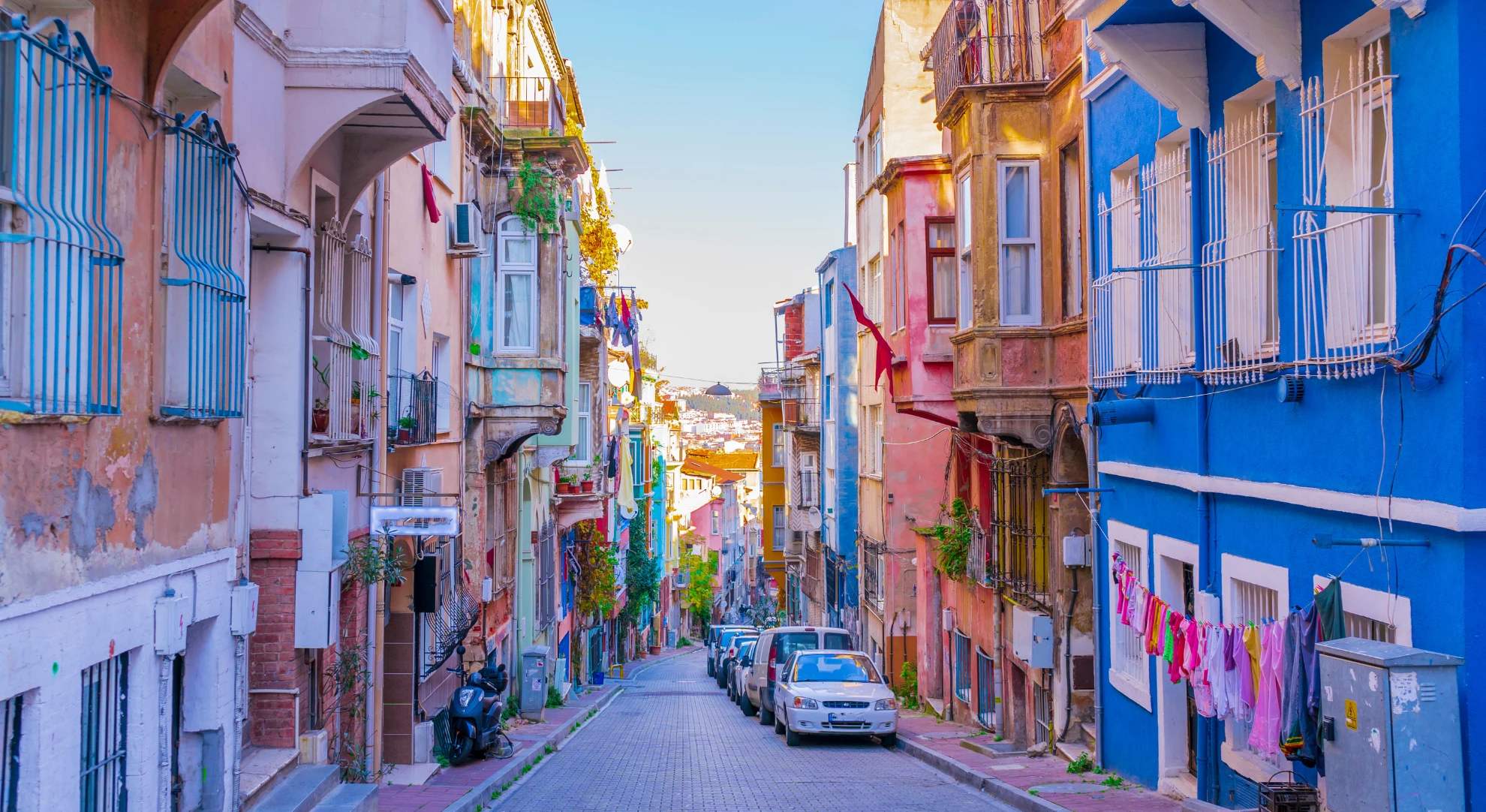
The social landscape for LGBTQ+ people varies dramatically across Turkey’s diverse geography and demographics. In major cities, particularly Istanbul and Izmir, an underground gay scene thrives despite government restrictions.
Istanbul’s Beyoğlu and Taksim districts house what locals call a “gay ghetto” – a concentration of LGBTQ+ venues, gay-friendly accommodations, and relative social tolerance. The city historically hosted Pride parades that grew from 30 participants in 2003 to over 100,000 by 2013, demonstrating significant urban acceptance before government crackdowns began.
Izmir stands out as Turkey’s most LGBTQ+-friendly city, with successful Pride events drawing over 50,000 participants and a notably relaxed coastal liberal atmosphere. The city’s Alsancak district has multiple gay venues and general tolerance for diversity.
The contrast with rural areas couldn’t be starker. Eastern Turkey and conservative rural regions maintain deeply traditional attitudes where LGBTQ+ visibility is virtually non-existent.
Generational differences also shape social acceptance. Recent surveys show increasing tolerance among younger Turks and university students, with 34% of youth supporting homosexuality acceptance compared to much lower rates among older generations. Social media has created awareness and advocacy opportunities among urban youth, though this remains largely underground.
Turkish LGBTQ+ organizations like Kaos GL and Lambda Istanbul provide crucial community support but face increasing pressure. Editor-in-Chief Yıldız Tar of Kaos GL was arrested in February 2025 on terrorism charges, highlighting the current risks faced by LGBTQ+ advocates.
Turkey is split down the middle between its more conservative, religious inhabitants, and its more liberal, European-adjacent inhabitants. This tensions continues to shape Turkish politics.
Travel realities: navigating the complexity
For LGBTQ+ travelers, Turkey’s tourism industry generally maintains professional standards and economic priorities that often override personal prejudices, especially in the upper end of the market.
The luxury hotels we work with in Turkey welcome LGBTQ+ travelers, so you can ensure a very warm welcome when you arrive. We also work with the most gay-friendly local tour guides.
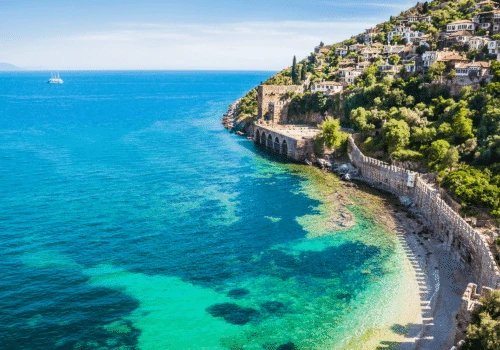
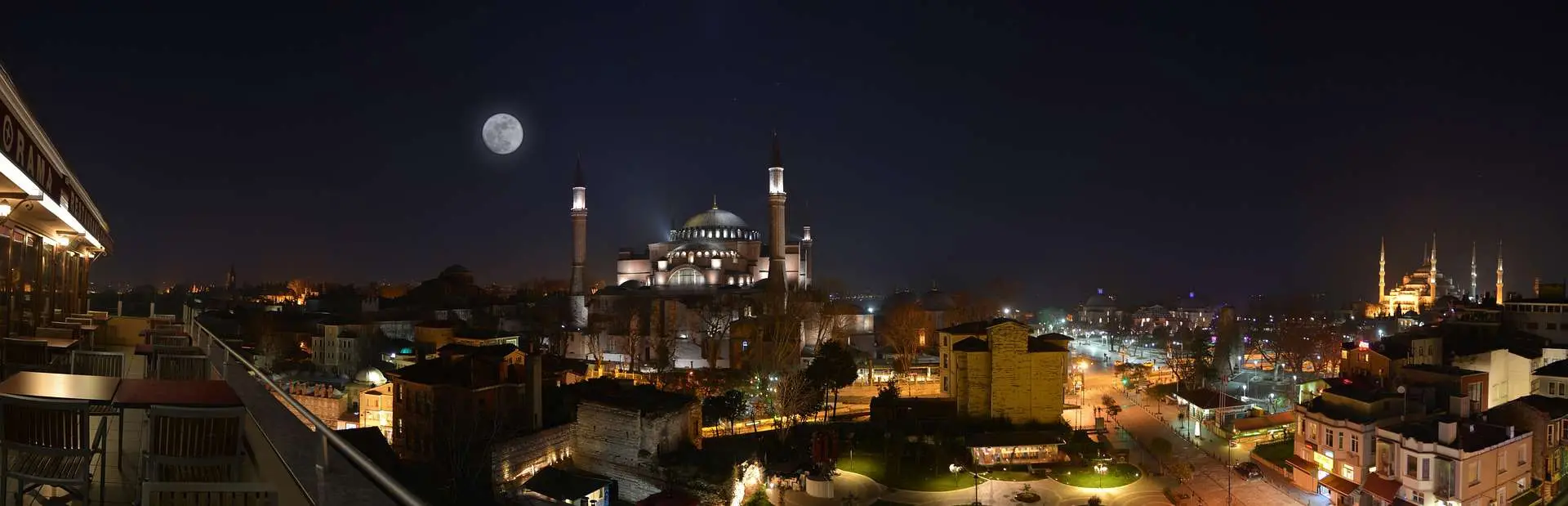
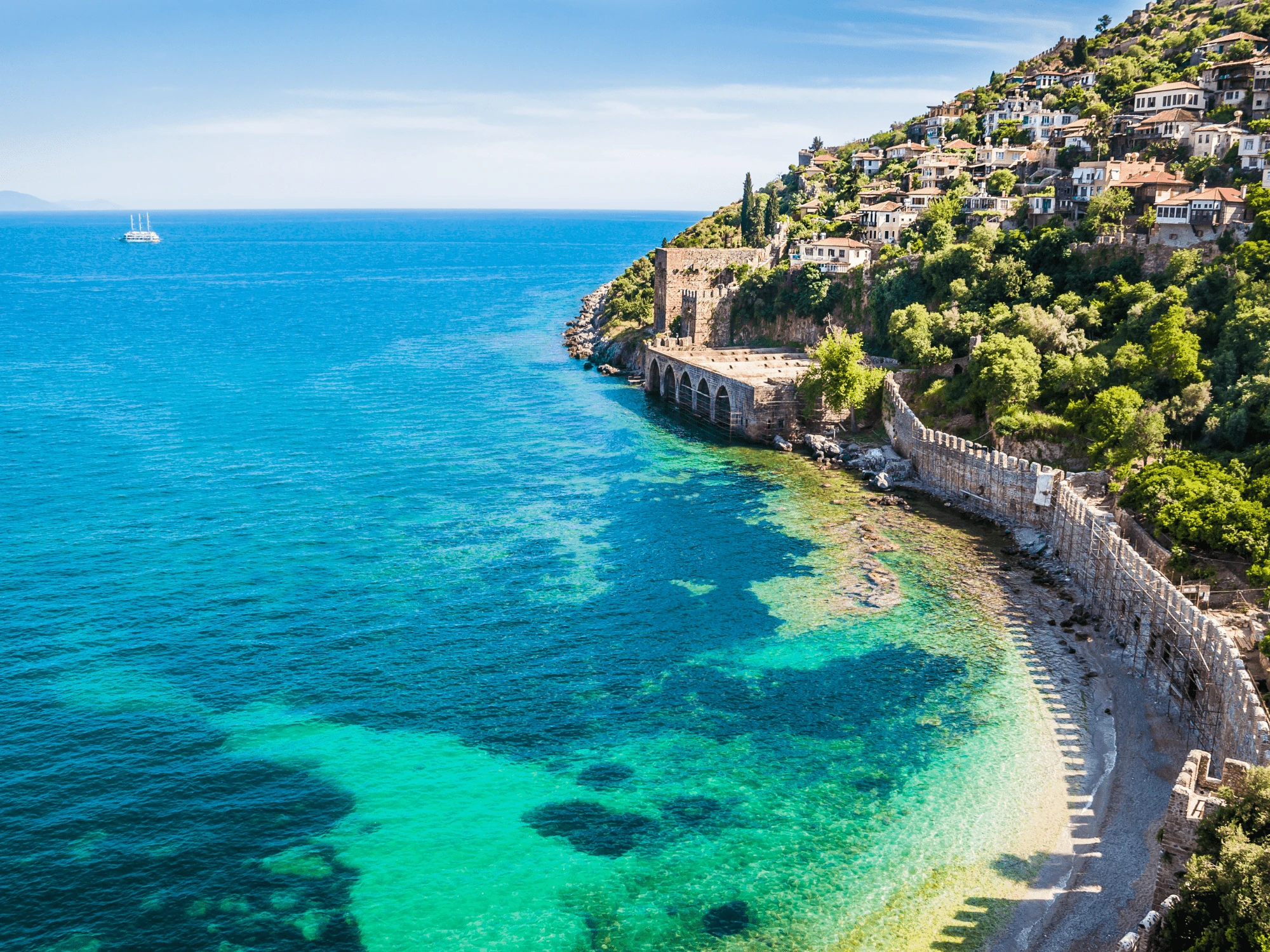
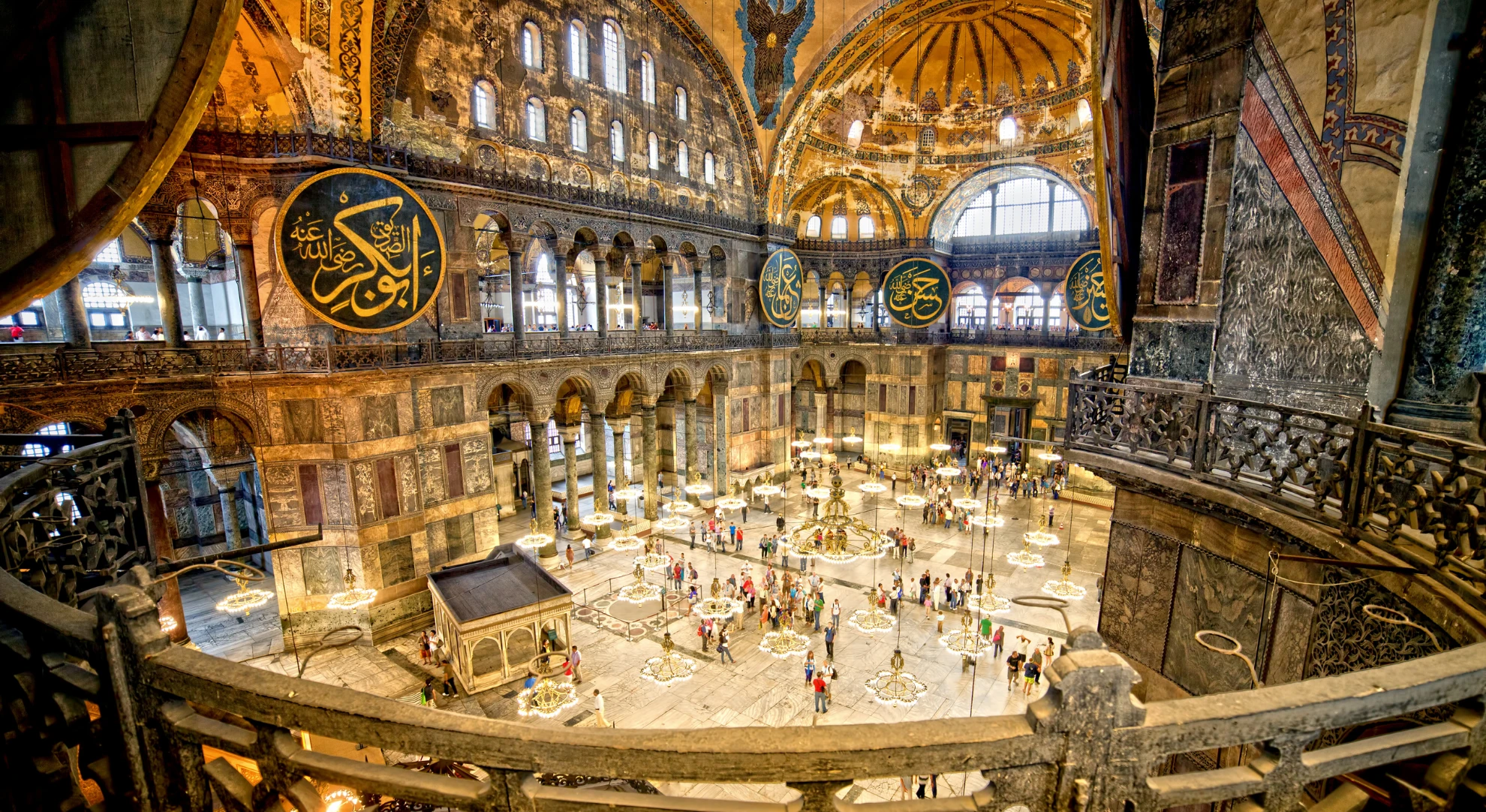
We’ve sent many LGBTQ+ travelers to Turkey over the years without encountering any problems. As long you’re attuned to cultural sensitivities you’ll be fine. Supposing you want a super gay experiences, you can always go to Barcelona Circuit Festival. Turkey is a place to discover cultural marvels like Hagia Sofia or relax on the beaches of Bodrum.
The dating app landscape isn’t ideal – Grindr is banned, with Hornet, Growlr, and local platform Gabile serving as alternatives. Meeting people online requires extreme caution, with meetings only in public, tourist-heavy areas. A trip to Turkey provides you with an excellent excuse not to use Grindr.
Homosexuality remains illegal in Dubai with severe penalties, yet thousands of LGBTQ+ travelers visit safely each year through discretion and careful planning. There’s even a sizable contingent of LGBTQ+ expats living in Dubai. While UAE law prescribes up to 14...We Suggest...
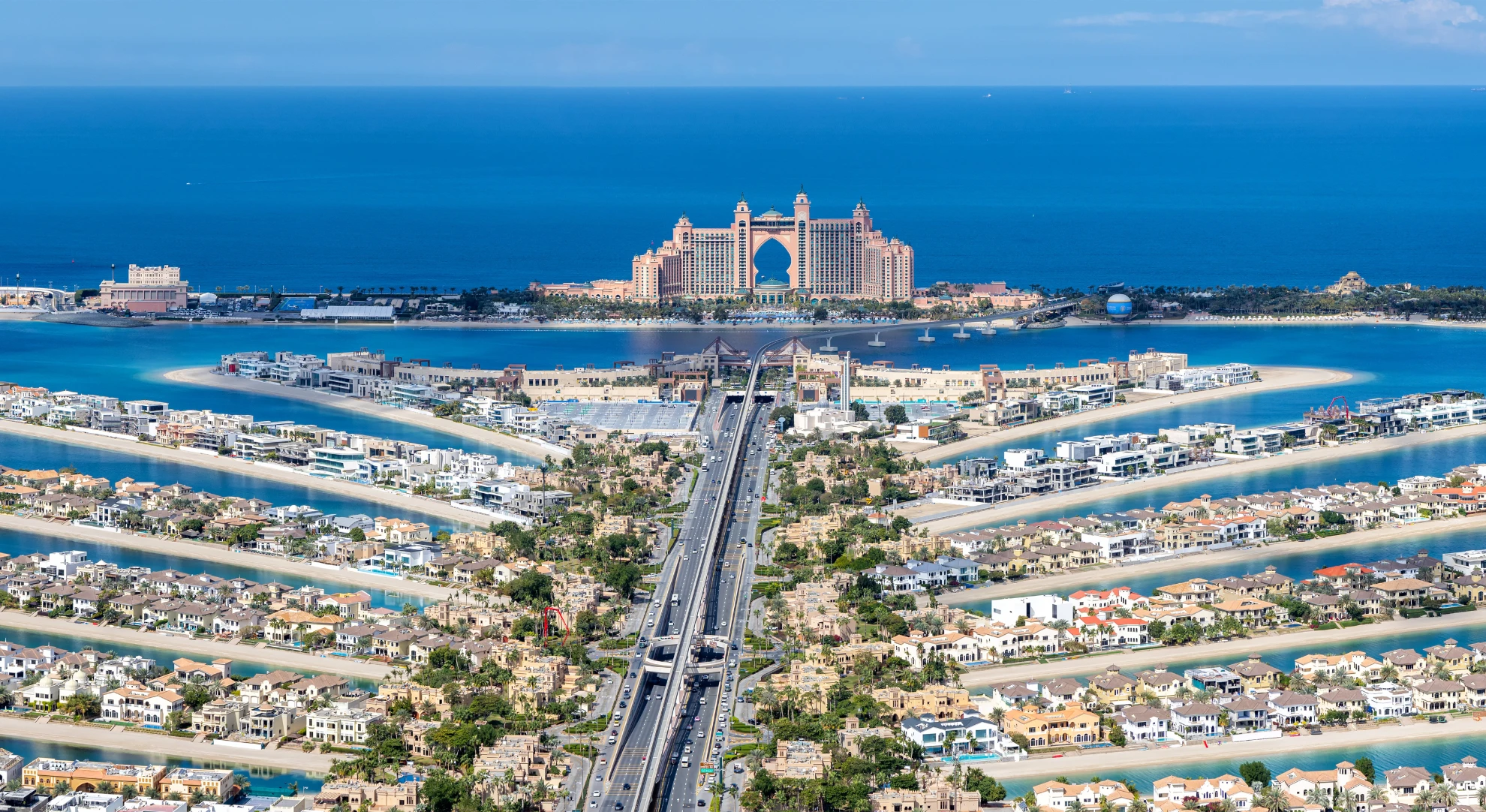
The Law vs Reality: Gay Travel in Dubai
Recent developments: a deteriorating landscape
The period from 2024-2025 has witnessed a sharp deterioration in LGBTQ+ rights and safety in Turkey. President Erdoğan launched 2025 as the “Year of the Family” with direct attacks on LGBTQ+ people, describing the community as part of foreign conspiracies and “harmful trends and perverse ideologies.” The current ruler of Turkey is known to take a hardline stance on pretty much all issues!
This rhetorical escalation has translated into concrete restrictions. Turkey’s broadcasting regulator declared 2025 the “Year of Combatting LGBTQ+ Content,” implementing systematic monitoring of all media platforms to prevent LGBTQ+ representation.
Mass arrests have intensified. In February 2025, over 300 individuals were detained in raids targeting leftist, pro-Kurdish, and LGBTQ+ journalists and activists. Pride events, banned since 2015, face increasing restrictions, though tactical adaptations by activists have sometimes reduced arrest numbers.
International organizations have responded with alarm. Amnesty International called for an end to “draconian restrictions, disproportionate violence and hateful official rhetoric,” while ILGA-Europe warned the draft legislation contravenes “international fundamental rights standards.” The current ruler of Turkey is attempting to reshape the country in his image, thereby suppressing the more liberal, cosmopolitan half of the population.

The Ottoman connection
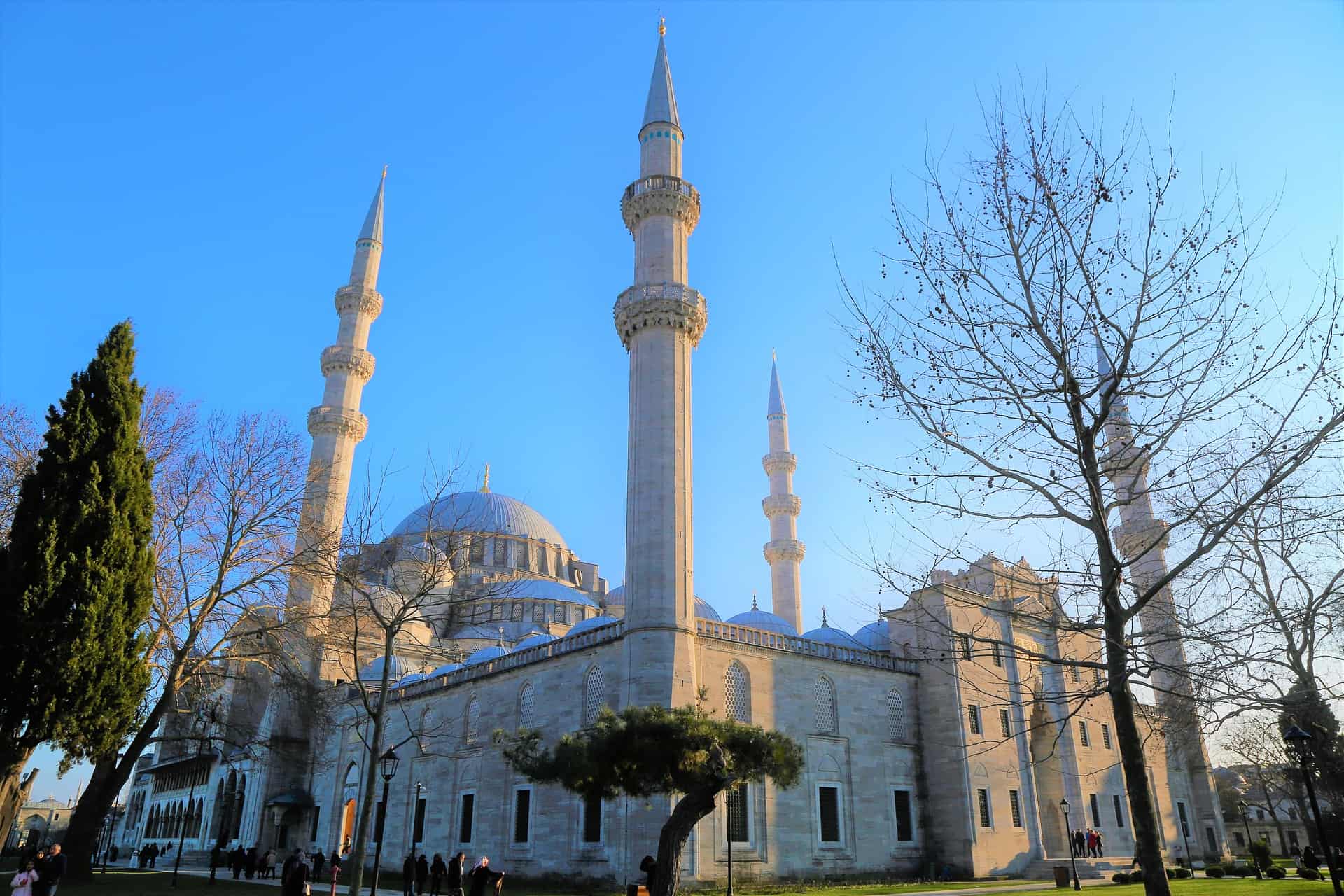
Under the Sultans in the Ottoman Empire, Turkey had something of a reputation for sexual licentiousness. The Sultans were known to keep harems, and homosexual activities were considered – by Westerners at least – to be more common in Constantinople (Turkey).
When the great British poet Lord Byron visited the Ottoman Empire in the early 19th-century, he wrote of discovering “marble palaces of sherbert and sodomy.” In those days, the decadent East was considered to be more gay-friendly than the conservative West. Times change and that dynamic has flipped, but times may well change again.
Regional context: Turkey’s unique position
Turkey’s deteriorating LGBTQ+ situation must be understood within its complex regional positioning. As an EU candidate country, Turkey faces pressure to implement comprehensive anti-discrimination protections and hate crime legislation. The European Commission has consistently noted Turkey’s failure to transpose any EU legislation prohibiting LGBTI discrimination.
Yet Turkey’s legal framework remains significantly more liberal than most Middle Eastern neighbors. Same-sex activity carries prison sentences in Syria and Iraq, and the death penalty in Iran, making Turkey’s legal tolerance historically notable. However, this advantage has eroded as social restrictions tighten and legal threats mount.
Turkey’s ranking of 47th out of 49 European countries in ILGA-Europe’s 2024 assessment represents a dramatic fall from 39th position in 2013, reflecting the country’s trajectory away from European standards toward regional conservative trends.
Within the broader Middle East context, Turkey occupies a middle ground – better than countries with criminalization but worse than the few regional leaders on LGBTQ+ rights. This positioning creates a unique vulnerability, with the government using anti-LGBTQ+ rhetoric as both an electoral strategy and a symbol of resistance to Western influence.
Weighing the decision to travel
Turkey presents a destination where LGBTQ+ travelers can have meaningful experiences if they understand the social dynamics and exercise appropriate caution. The country’s extraordinary cultural offerings – from Byzantine churches to Ottoman palaces, from Roman ruins to modern, cosmopolitan cities – remain accessible to those willing to navigate the complexity.
Booking through an LGBTQ+ tour operator like Out Of Office takes the stress out of your hands. We can plan the perfect itinerary for you, ensuring you visit the most gay-friendly parts of the country, as well as giving a realistic assessment of what to expect if you choose to venture beyond the more touristy areas.