




Editorials
Kinosaki Onsen: Japan’s Most Romantic Town for Gay Couples
Willow canals, private ryokans and seven historic bathhouses: the Japan honeymoon stop most itineraries miss
Most couples who plan a Japan honeymoon spend a long time deliberating between Tokyo and Kyoto, then add Hakone as an onsen option because it appears on every list. Kinosaki Onsen, a small town on the Sea of Japan coast in Hyogo Prefecture, appears on almost none of them. That oversight is worth correcting.
Kinosaki has been a destination for Japanese travelers since the 8th century, when a Buddhist monk is said to have prayed here for a thousand days before the town’s hot springs emerged from the earth. It has been doing essentially the same thing ever since: drawing people who want to slow down, get warm, and spend unhurried time with someone they like being around.
What Kinosaki actually is
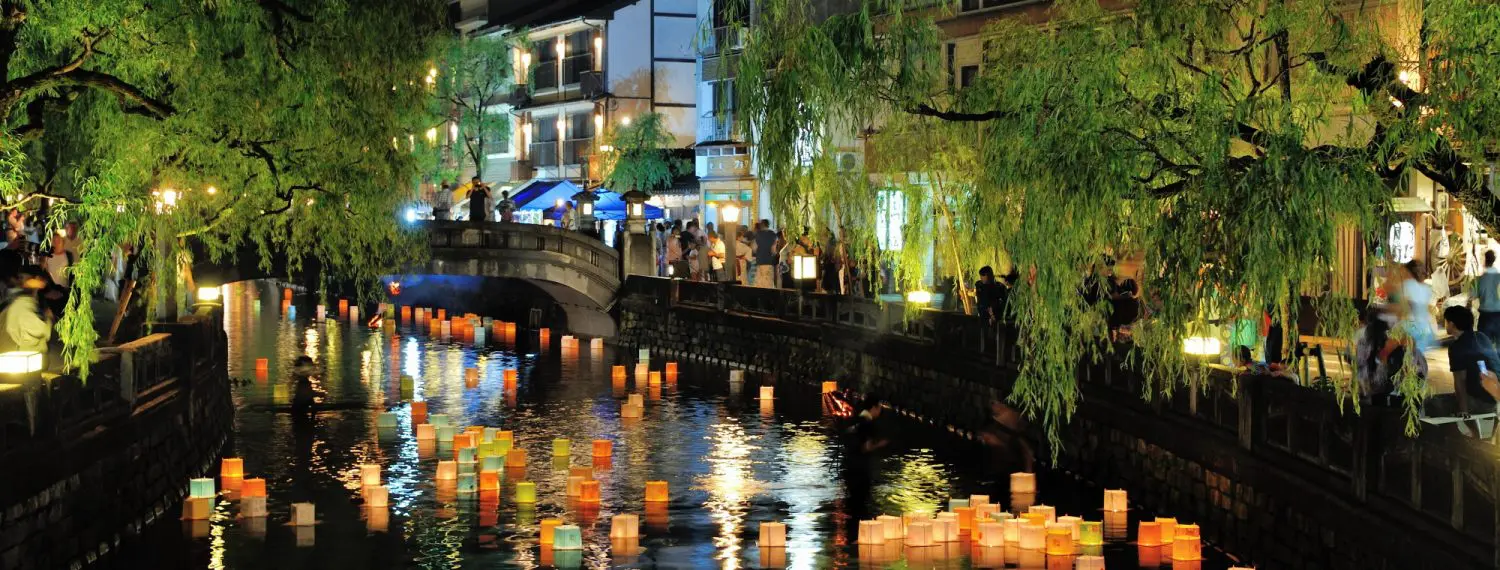
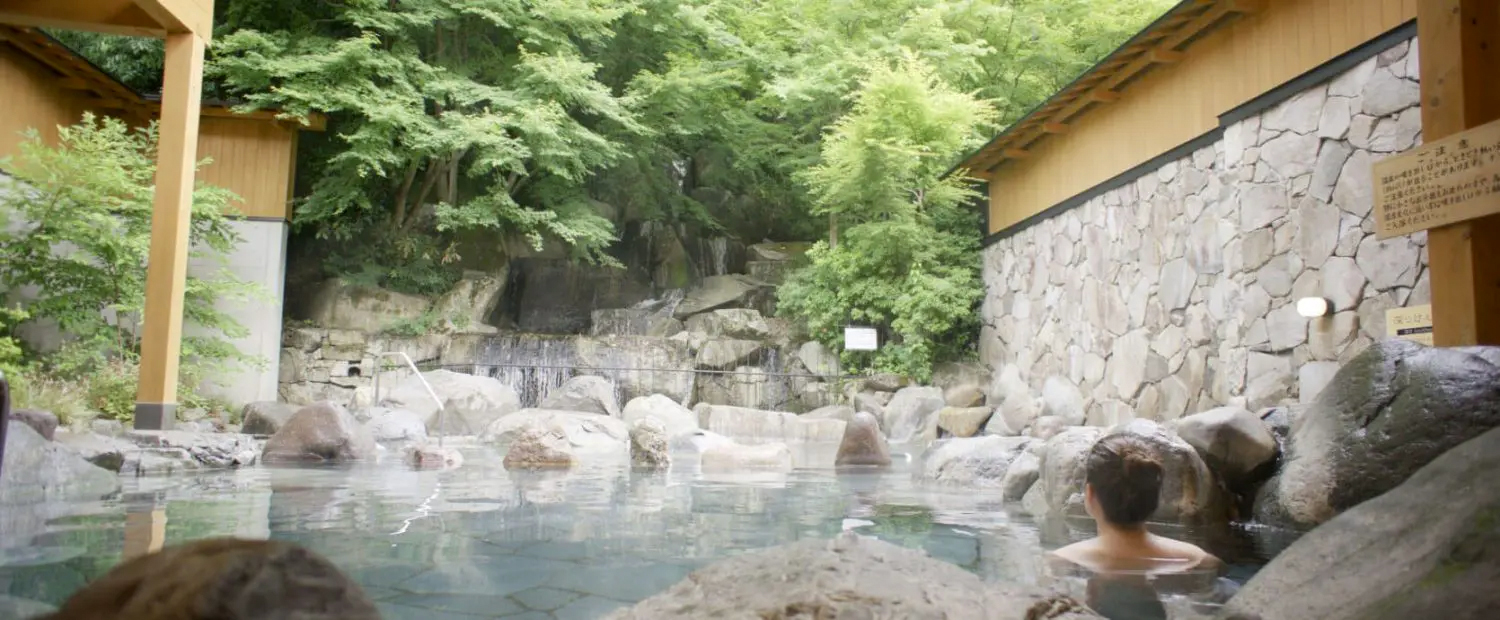
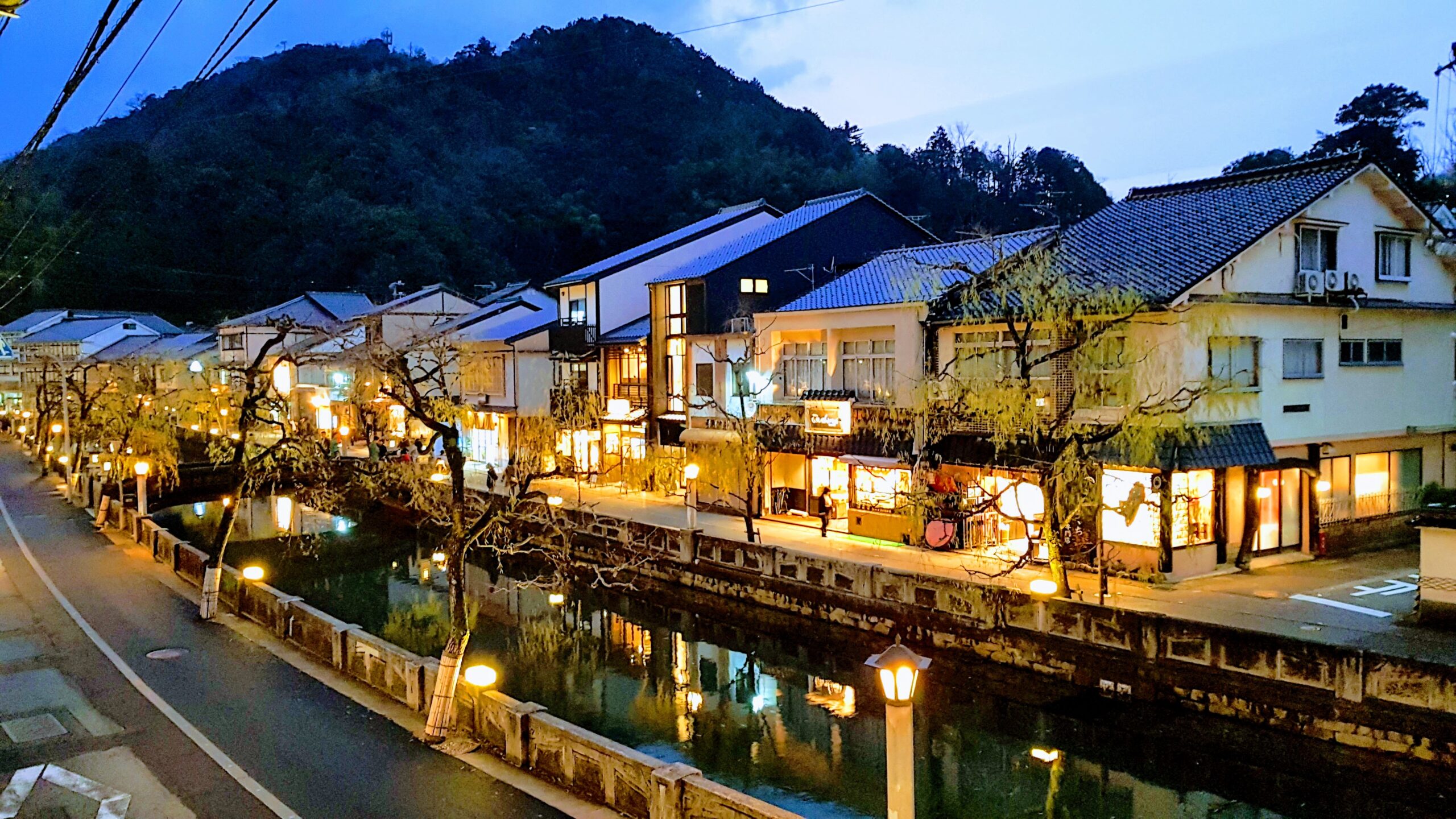
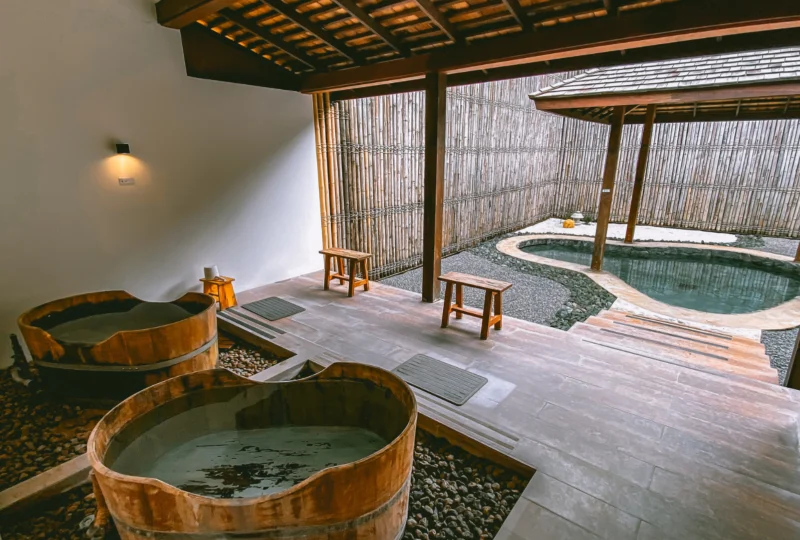
Kinosaki is a single street, roughly a kilometer long, running alongside a willow-lined canal. On either side: wooden ryokans, small restaurants, sake shops, and the occasional confectionery selling yuzu-flavored sweets. Seven public bathhouses, each architecturally distinct and fed by different springs, are distributed along and around the main street.
Guests move between them in yukata robes and wooden geta sandals, the sound of which on stone pavement has become one of the town’s defining sensory details. There are no casinos, no beach clubs, no rooftop bars. The town’s entire infrastructure is oriented around bathing, eating, and being somewhere beautiful at a pace that most international travel does not allow.
Kinosaki receives far fewer foreign visitors than Hakone or Beppu, which means you are more likely to experience it as Japanese travelers do: as a real place rather than an attraction.
The onsen circuit
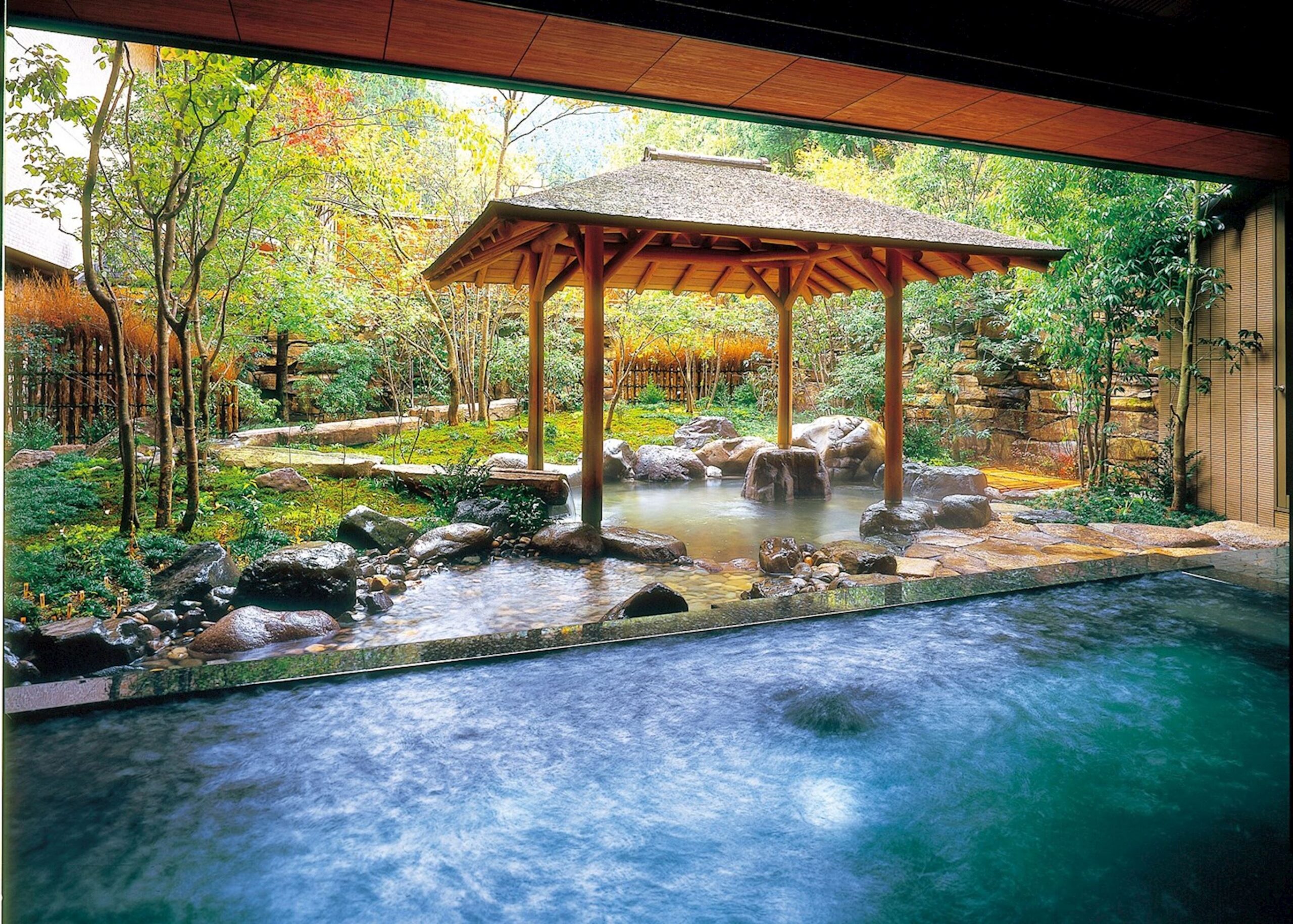
Guests staying at a Kinosaki ryokan receive a free pass to all seven public bathhouses for the duration of their stay. The bathhouses each keep slightly different hours, and some are closed on rotating days of the week, so a small amount of planning is worthwhile. Your ryokan will advise. The etiquette is straightforward: wash thoroughly before entering the communal bath, no swimwear, tattoos are a complicated subject at some bathhouses though the situation is improving.
The best bathhouses for couples
Goshono-yu is the town’s most architecturally impressive, a grand wooden structure with indoor and outdoor baths at different temperatures. Mandara-yu is the oldest in the circuit and the most atmospheric, a small wooden building that feels unchanged from a century ago. Kono-yu, perched on a hillside above the town, has an outdoor bath looking out over the rooftops.
Where to stay
Nishimuraya Honkan is Kinosaki’s finest ryokan and one of the best in Japan. The building dates to the Meiji era, rooms are full tatami with in-room cypress baths, and dinner is kaiseki served course by course in your room by a dedicated attendant. Booking well in advance is essential, particularly for weekend stays and the autumn foliage season in October and November.
Nishimuraya has a second property, Nishimuraya Hotel Shogetsutei, which is slightly more contemporary in feel and marginally easier to book. Both are operated by the same family and share the same kitchen standards.
For couples who want something smaller and less formal, a handful of boutique ryokans along the main street offer the same yukata-and-bathhouse experience at a lower price point. Our specialists can advise based on your dates and preferences.
See your complete itinerary before you decide.
Request a quote →Getting there
Kinosaki sits on the San’in Coast, accessible from Kyoto in roughly two hours on the Kounotori limited express, which runs several times daily. From Tokyo, the most practical routing is Shinkansen to Osaka or Kyoto, then the limited express north. The journey through the mountains and down toward the coast is worth paying attention to.
Kinosaki has no airport. It does not need one.
LGBTQ+ travel in Kinosaki
Kinosaki is a conservative, rural town, and it is worth being straightforward about what that means in practice. Japan as a whole has no national anti-discrimination protections for LGBTQ+ people, and outside major cities the visibility of queer life is limited. Same-sex marriage was legalized in January 2025, which marks a significant shift nationally, but rural Japan moves at its own pace.
In practical terms for LGBTQ+ couples visiting Kinosaki: the town’s ryokans and bathhouses operate with the discretion and professionalism that Japanese hospitality consistently delivers. Nishimuraya Honkan has welcomed international same-sex couples without issue. The public bathhouses are separated by gender rather than sexuality, and the etiquette-focused culture means that fellow guests are unlikely to be your concern.
Kinosaki is not Shinjuku Ni-chome. It is also not unwelcoming. It is a place where the quality of attention you receive is high, where the focus is on your comfort rather than your identity, and where two people who want to spend two days doing very little in a very beautiful place will find exactly that.
Out Of Office has been planning Kinosaki stays for LGBTQ+ couples as part of broader Japan itineraries for years. We know the properties, we brief our clients on what to expect, and we are available throughout the trip if anything requires navigation.
How to add Kinosaki to your Japan itinerary
Kinosaki works best as a two-night stop between Tokyo and Kyoto, or as an extension at the end of a Kyoto stay. Two nights is enough to complete the bathhouse circuit at a proper pace, have dinner twice at Nishimuraya, and walk the main street slowly enough to remember it.
It is the part of a Japan honeymoon that people tend to talk about most when they get home. Not because it is the most dramatic, but because it is where the trip stopped moving.
Speak to our Japan specialists to include Kinosaki in your itinerary.
On this page
New to Out Of Office?
We are a luxury travel company for LGBTQ+ travelers. Everything we sell is tailor-made, planned by one named member of our team throughout, and nothing on this site is a fixed package unless it says so.
Where exclusivity meets inclusivity
Ten years, hundreds of five-star reviews, and a team who will tell you when a destination is not right for the trip you have in mind.
Suggested Tours
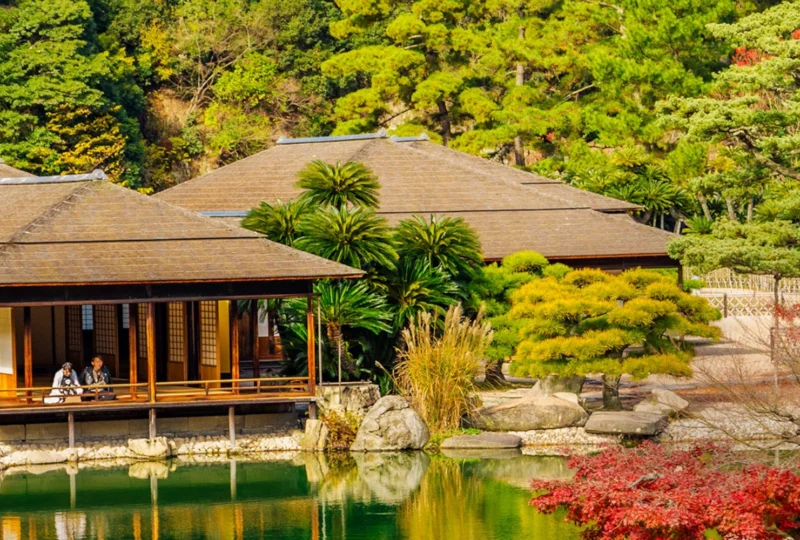
Shikoku & Naoshima Tour – Art, Hot Springs & Rural Japan
Tailor-made VacationThis is a Japan trip for travelers who want to spend most of their time away from the Tokyo-Kyoto axis. The appeal is not one famous sight after another, but the way the trip moves between places with very different identities: an art island in the Seto Inland Sea, a self-drive through the mountains of Shikoku, old onsen towns and small regional cities that most international itineraries pass straight by.
12 days tailor-made from $11,875 per person View trip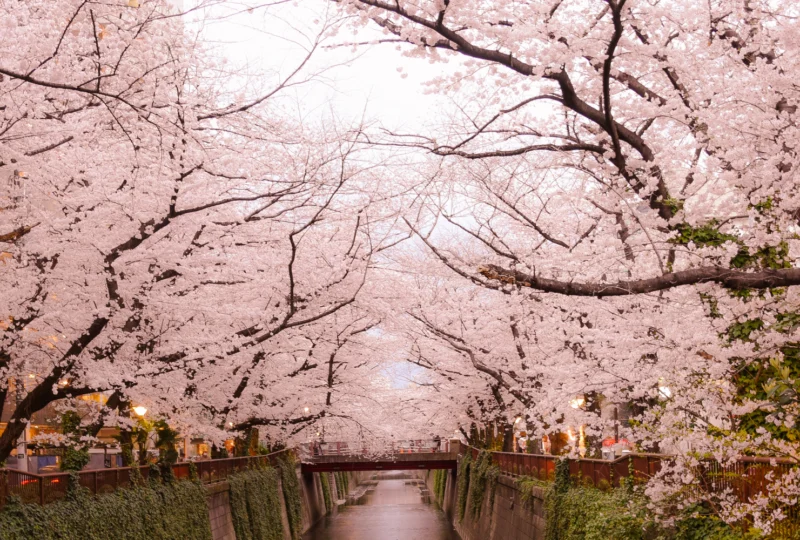
Cherry Blossom Japan Tour: Tokyo & Kyoto
Tailor-made VacationCherry blossom season is one of the most anticipated times of year in Japan. For a few weeks each spring, sakura spread through Tokyo and Kyoto, appearing along canals, in temple gardens and across city parks. Hanami, the custom of gathering beneath the blossoms, makes for an unforgettable experience. It is also one of the busiest times to travel.
8 days tailor-made from $11,360 per person View trip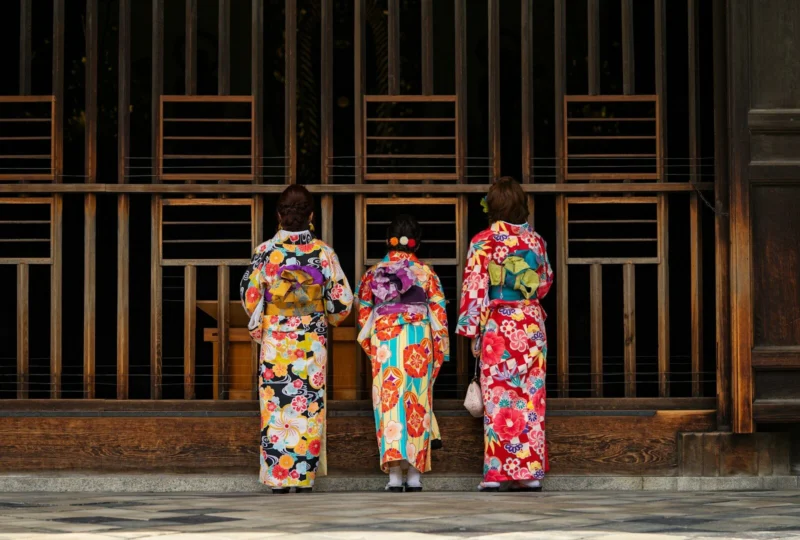
Family-Friendly Japan Tour: Tokyo, Hakone & Kyoto
Tailor-made VacationJapan works remarkably well for a family trip because children and adults rarely have to compromise on what they want to do. A morning at a temple can be followed by manga, gaming or a sumo stable, while the train journeys between cities are short enough to keep the route moving without turning every other day into a travel day.
10 days tailor-made from $8,720 per person View trip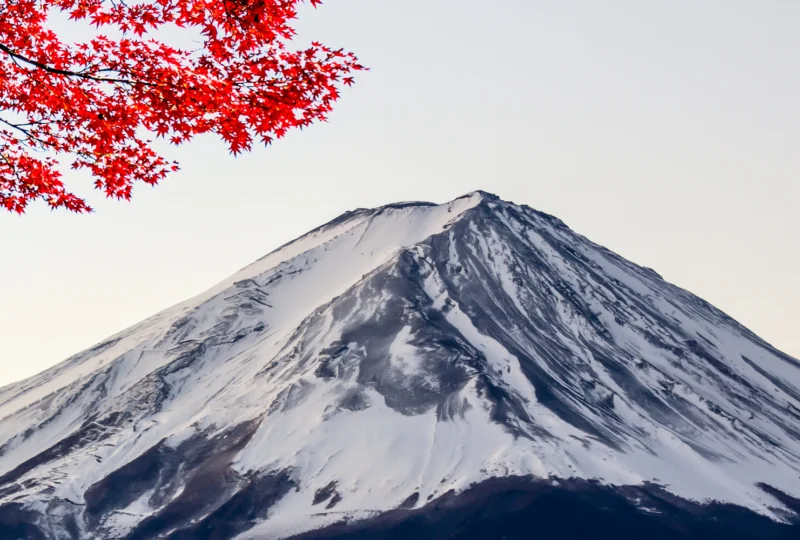
Luxury Japan Tour in Winter – Tokyo, Nagano & Snow Monkeys
Tailor-made VacationWinter changes the shape of a trip to Japan. Tokyo turns cold and often clear. Nagano disappears under snow, and the hot springs at Yudanaka become one of the main reasons to go this time of year. By the time you reach Kyoto, the cherry blossom and autumn crowds have thinned out. The city feels more accessible. This 12-day trip starts with a few days in Tokyo, then heads north into Nagano Prefecture.
12 days tailor-made from $10,505 per person View trip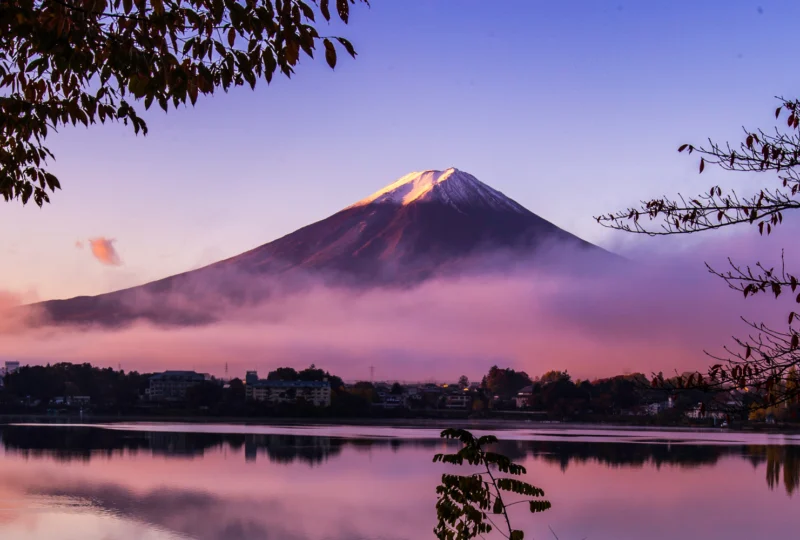
Undiscovered Japan Tour – Shirakawa-go, Tottori & Noto
Tailor-made VacationMost first trips to Japan follow the Tokyo, Kyoto and Osaka route. This one deliberately goes elsewhere. Over ten days, you travel through western and central Japan, beginning and ending in Osaka but spending most of the trip in smaller cities, mountain towns and coastal regions. Kanazawa introduces you to samurai history and local craft before the route continues through the Noto Peninsula and into Shirakawa-go, where steep-roofed gassho-zukuri farmhouses sit among the mountains.
10 days tailor-made from $10,115 per person View trip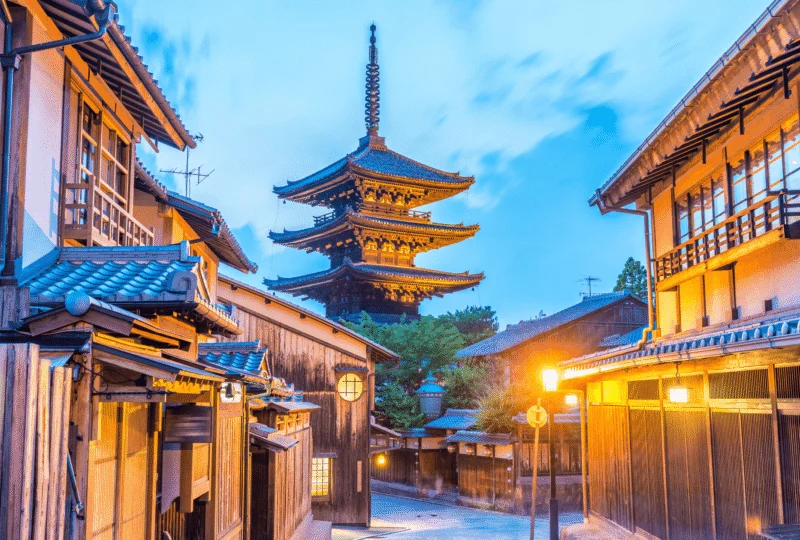
Best Luxury Hotels in Japan for Gay Travelers
Tailor-made VacationJapan has one of the most distinctive luxury hotel scenes in the world because the best properties rarely feel interchangeable. In Tokyo, hotels such as Aman and The Peninsula use height as part of the experience, with rooms looking across an enormous city below. Aman Tokyo, for example, uses shoji-style screens, washi paper and ryokan-inspired proportions to make the hotel feel unmistakably Japanese rather than like an international five-star that could be anywhere.
7 days tailor-made from $7,270 per person View tripWe know where you will be welcome, and where to take more care.
It shapes the hotels we use, the guides we work with and the routes we suggest.
Stellar service. Stellar products. Stellar people and it gets so much better when you pick up the phone and call.
Anthony S.
Super client centred service. From first contact I have had warm, efficient, friendly and flexible service.
John
I’m confident in giving Out Of Office a 5-star review! They are one of the leaders in this space without a doubt.
Tiberiu
We plant trees for every booking
For every booking made with Out Of Office we commit to planting trees in your name to help reduce the impact of travel on future generations. You'll even get a link to see where your trees are planted in the world via our partner Ecologi.


We donate to Rainbow Railroad with every booking
Rainbow Railroad helps LGBTQ+ people escape state-sponsored violence and persecution. A donation goes with every trip we sell, funded by us and never added to your price.

Start Planning Your Trip
Tell us where you would love to go, when you are thinking of traveling and what kind of trip you have in mind. One of our LGBTQ+ travel specialists will create a tailor-made itinerary designed around your destination, style and preferences.
One named specialist, first inquiry to homecoming. No call center, and nothing is charged until you decide to book.