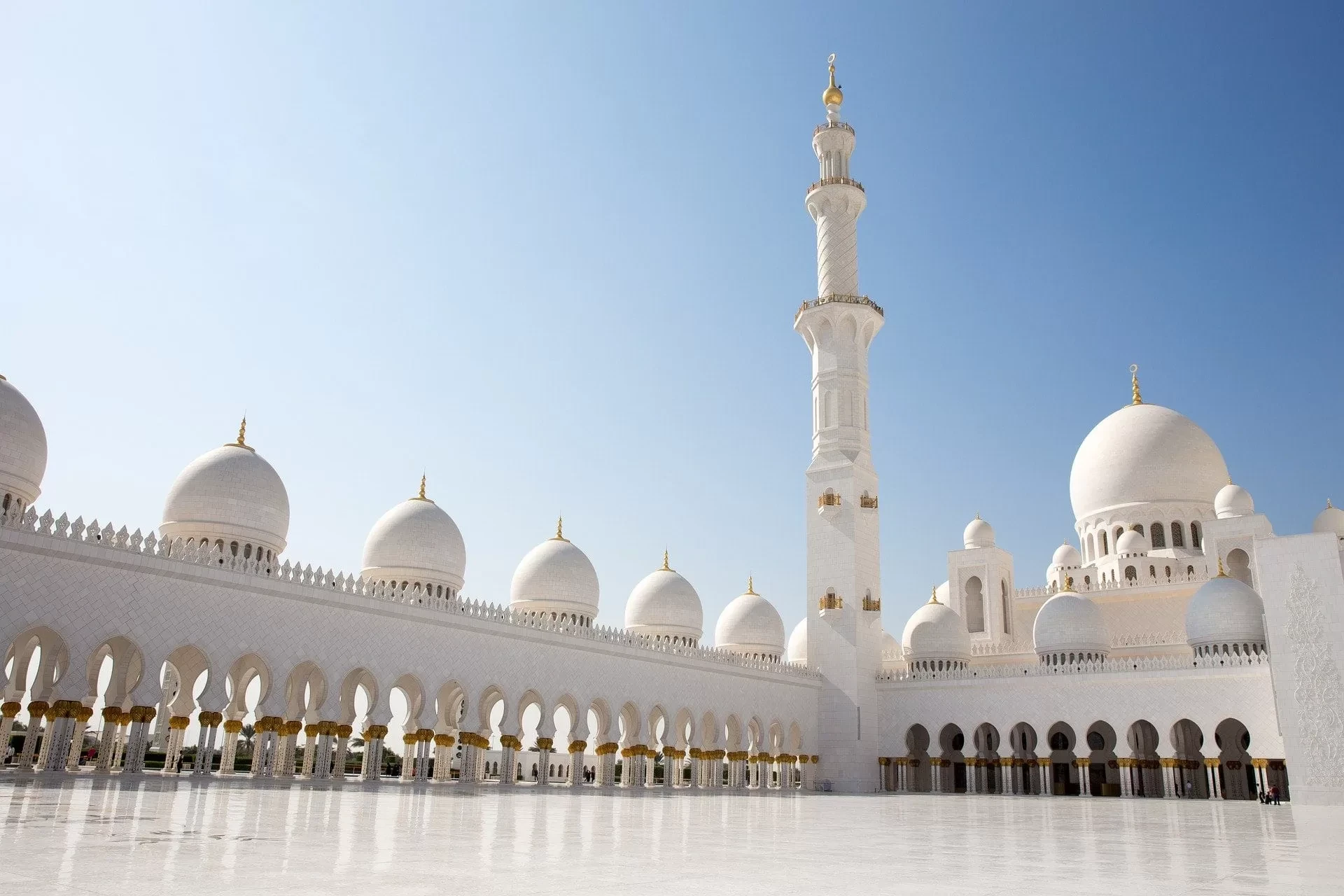
Discover the nuances of traveling to one of the least gay-friendly countries on the planet
The Kingdom of Saudi Arabia presents perhaps the most complex contradiction in modern travel: a nation spending unprecedented billions to attract international tourists while maintaining some of the world’s harshest anti-LGBTQ+ laws.
As Vision 2030 reshapes the country’s economic landscape, gay travelers find themselves navigating an intricate web of legal restrictions, economic pragmatism, and evolving social realities.
About Out Of Office
Out Of Office is a luxury tailor-made travel company with a focus on delivering exclusivity and inclusivity. Our passion for global adventure is matched only by our deep commitment to delivering exceptional five-star service.
Everything we do is customised and designed especially for you – our valued customer – based on your exact personal requirements. Each member of our team is widely travelled. This means you get access to first-rate travel insights and the best possible advice from our team of luxury travel experts.
| Enquire Now |
The Vision 2030 Tourism Revolution
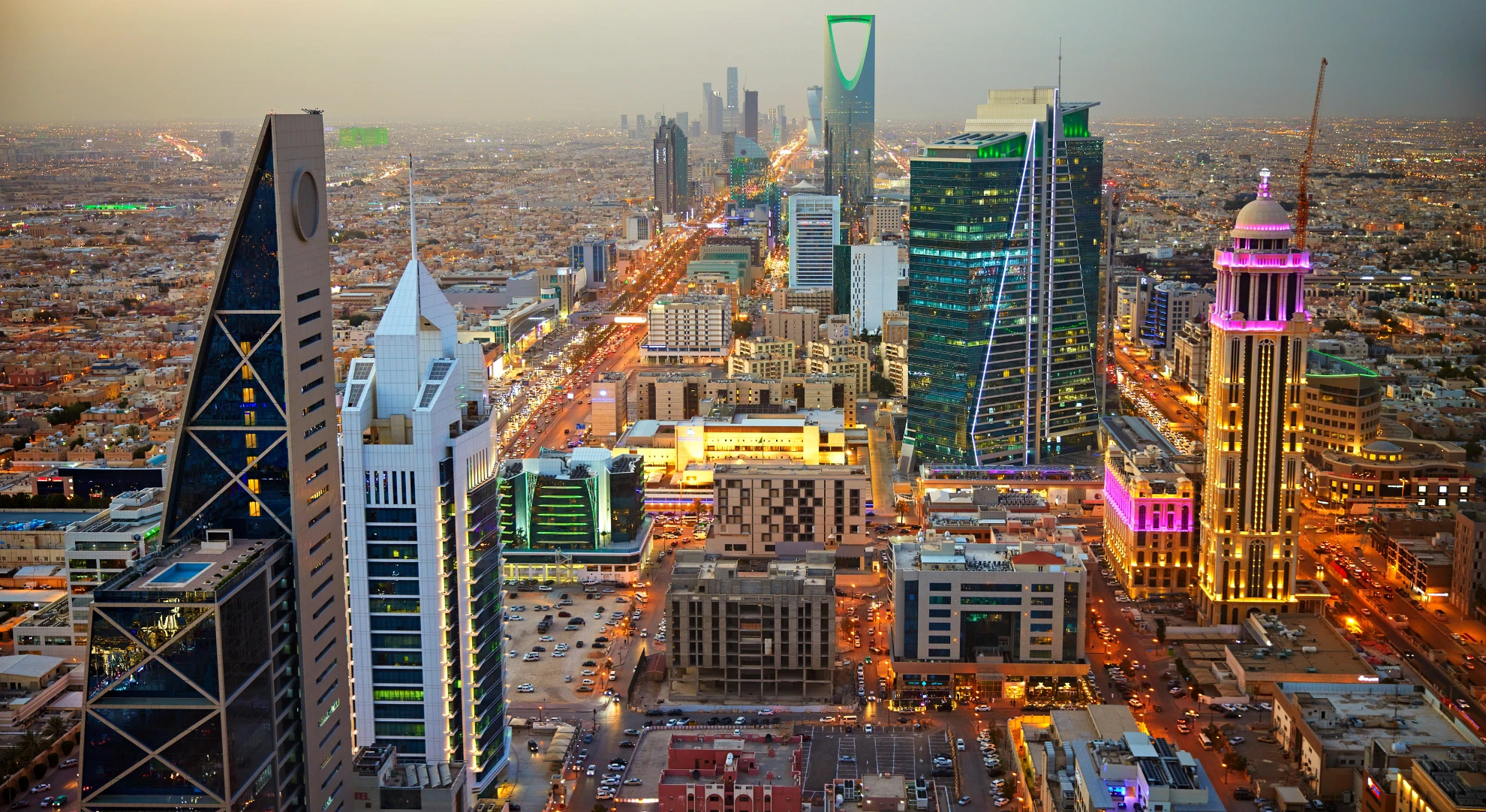
Saudi Arabia’s economic transformation under Crown Prince Mohammed bin Salman’s Vision 2030 has tourism at its absolute core. The kingdom aims to attract 150 million annual visitors by 2030, with tourism contributing 10% of GDP, requiring massive international appeal and global competitiveness.
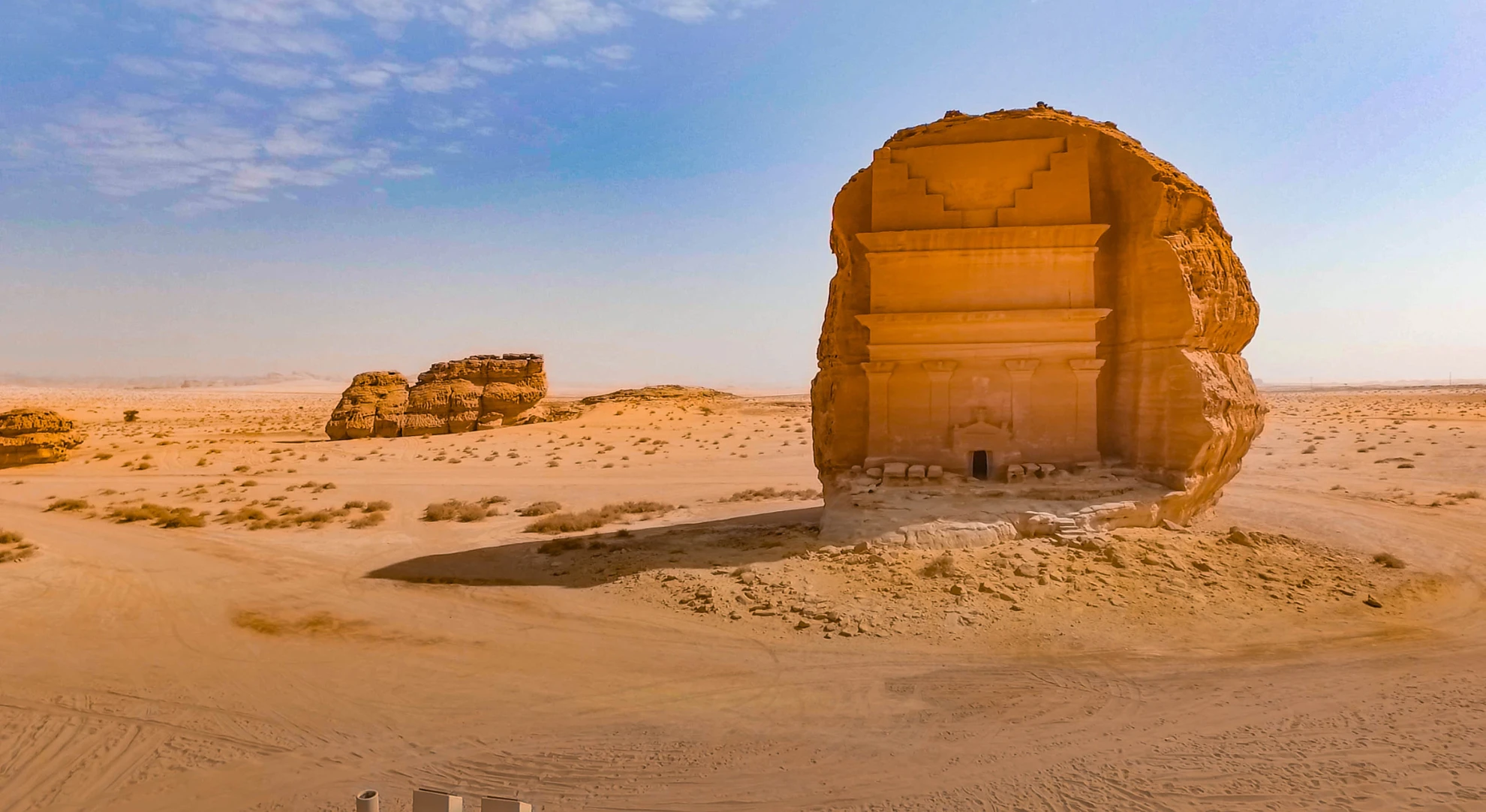
The scale of investment is staggering. Major infrastructure projects include the $500 billion NEOM smart city, the $28 billion Red Sea Project luxury development, and the $15 billion AlUla cultural heritage transformation. The government seeks to attract $3 trillion in foreign investment to promote economic development, transfer foreign expertise and technology, create jobs for Saudi nationals, and increase non-oil exports.
Recent progress reports show the strategy is working. Saudi Arabia completed 674 out of 1,502 total Vision 2030 initiatives by 2024, with tourism and hospitality curriculum preparing students for the Kingdom’s booming travel scene. According to Saudi Arabia’s 2024 venture capital report, the country witnessed increased foreign direct investment and reported a record number of transactions in 2024, with 178 deals.
Homosexuality remains illegal in Dubai with severe penalties, yet thousands of LGBTQ+ travelers visit safely each year through discretion and careful planning. There’s even a sizable contingent of LGBTQ+ expats living in Dubai. While UAE law prescribes up to 14...We Suggest...
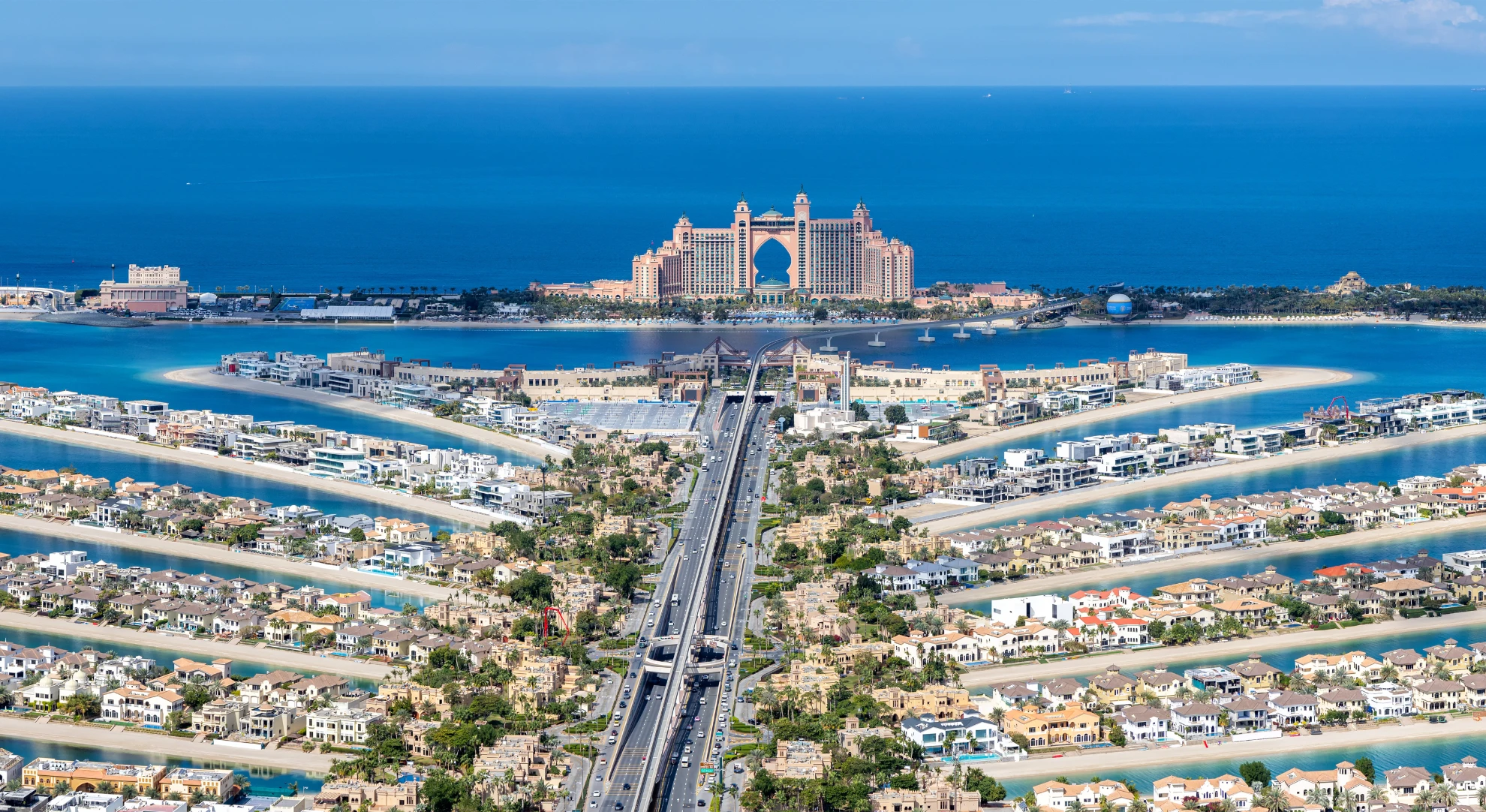
The Law vs Reality: Gay Travel in Dubai
The Unprecedented LGBTQ+ Welcome
In May 2023, the Saudi Tourism Authority made headlines by updating its official website to explicitly welcome LGBTQ+ visitors. “Everyone is welcome to visit Saudi Arabia and visitors are not asked to disclose such personal details” appeared as the answer to the FAQ “Are LGBT visitors welcome to visit Saudi Arabia?”
This represents economic pragmatism rather than social progress. LGBTQ+ travelers constitute a lucrative market worth over $218 billion globally, and Saudi Arabia recognizes the revenue potential. The timing aligns perfectly with Vision 2030’s massive tourism infrastructure investments requiring diverse international appeal.
However, officials emphasize that changes serve economic rather than social goals, maintaining that tourists must “respect our culture and traditions”. The unspoken message is clear: spend your money, but remain invisible.
A vacation to the Maldives is certainly something at the top of many people’s bucket lists. Not only does it offer some of the most beautiful resorts on the planet but the people are friendly, the atmosphere laid back and...We Suggest...
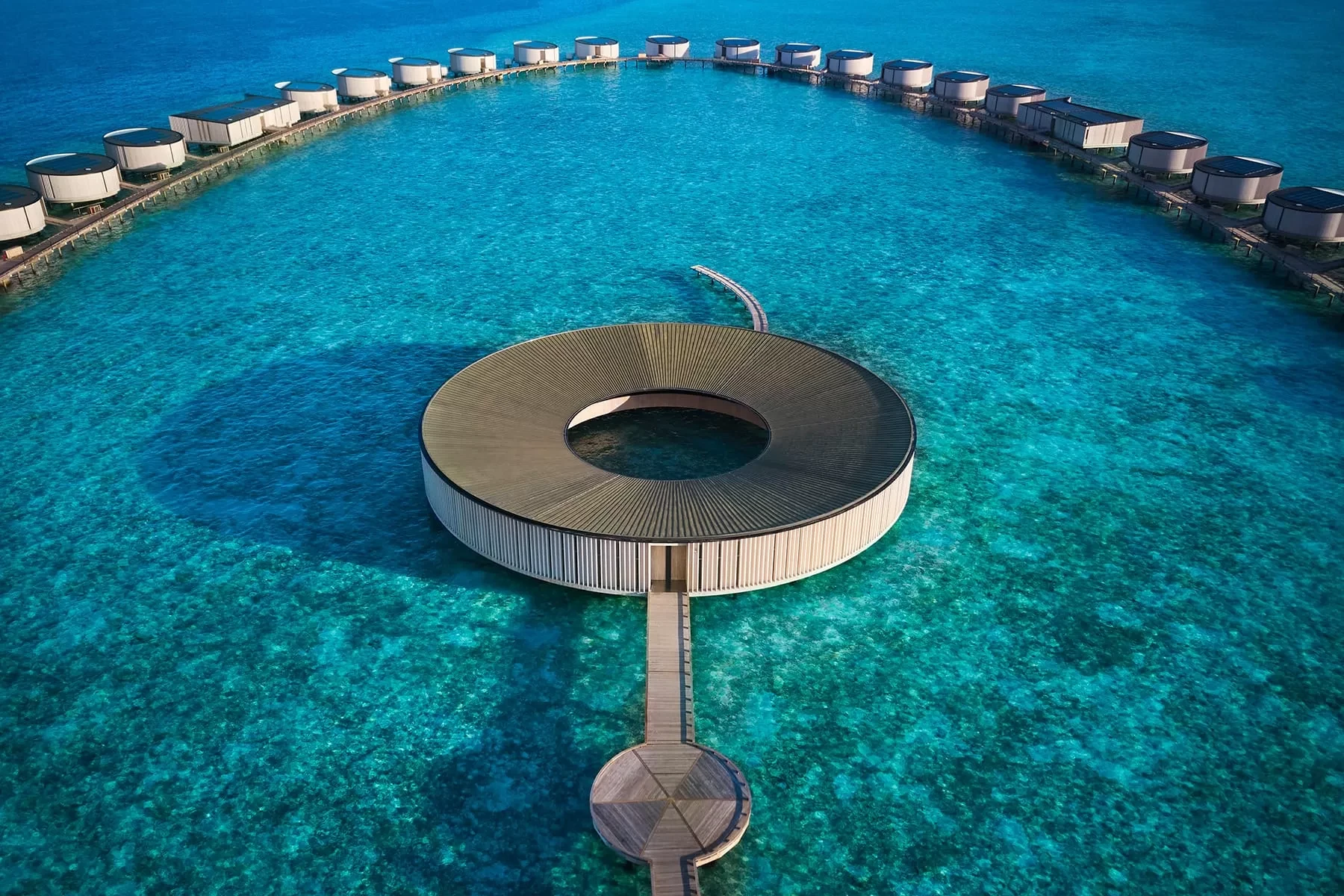
The Law vs. Reality: Gay Travel to the Maldives
The Harsh Legal Reality
Despite tourism outreach, the legal framework remains uncompromising. Both male and female same-sex sexual activity is illegal within the country, with the law allowing penalties for acts of homosexuality of capital punishment, prison sentences of indeterminate length, fines, flogging, and deportation for foreigners.
Saudi Arabia has no criminal code. The primary source of law in Saudi Arabia is the Sharia (Islamic law), which is derived from the Quran. Anything perceived to condone homosexuality or as support for LGBTQ rights can result in prosecution, including social media activity, clothing, or media consumption.
The government’s control extends to all forms of expression. Government regulation of the Internet generally falls under the Royal Decrees on Anti-Cyber Crime (2007), with Article 6 prohibiting creating, distributing or accessing online content that the government deems to be in violation of religious values or public morals.
The Enforcement Gap
Here lies the crucial distinction between law and practice. Though homosexuality remains illegal, enforcement of the laws is not universal. Multiple sources indicate that while the legal framework remains severe, practical enforcement against discrete foreign tourists is uncommon.
Recent government travel advisories reflect this uncertainty. The UK government states that while “same-sex relations are illegal,” legal action remains “uncommon,” while advising all couples to “avoid showing affection in public.” The US State Department maintains general warnings about social media activity that could lead to arrest.
This creates what one might call a “don’t ask, don’t tell” policy for tourists, where discretion becomes the price of admission to the kingdom’s tourism offerings.
Escape to two of the world’s most extraordinary destinations in one seamless journey. Begin your adventure in Dubai, where ultramodern luxury and high-octane shopping await. Then retreat to the untouched beauty of the Maldives, where crystal-clear waters and overwater villas...We Suggest...
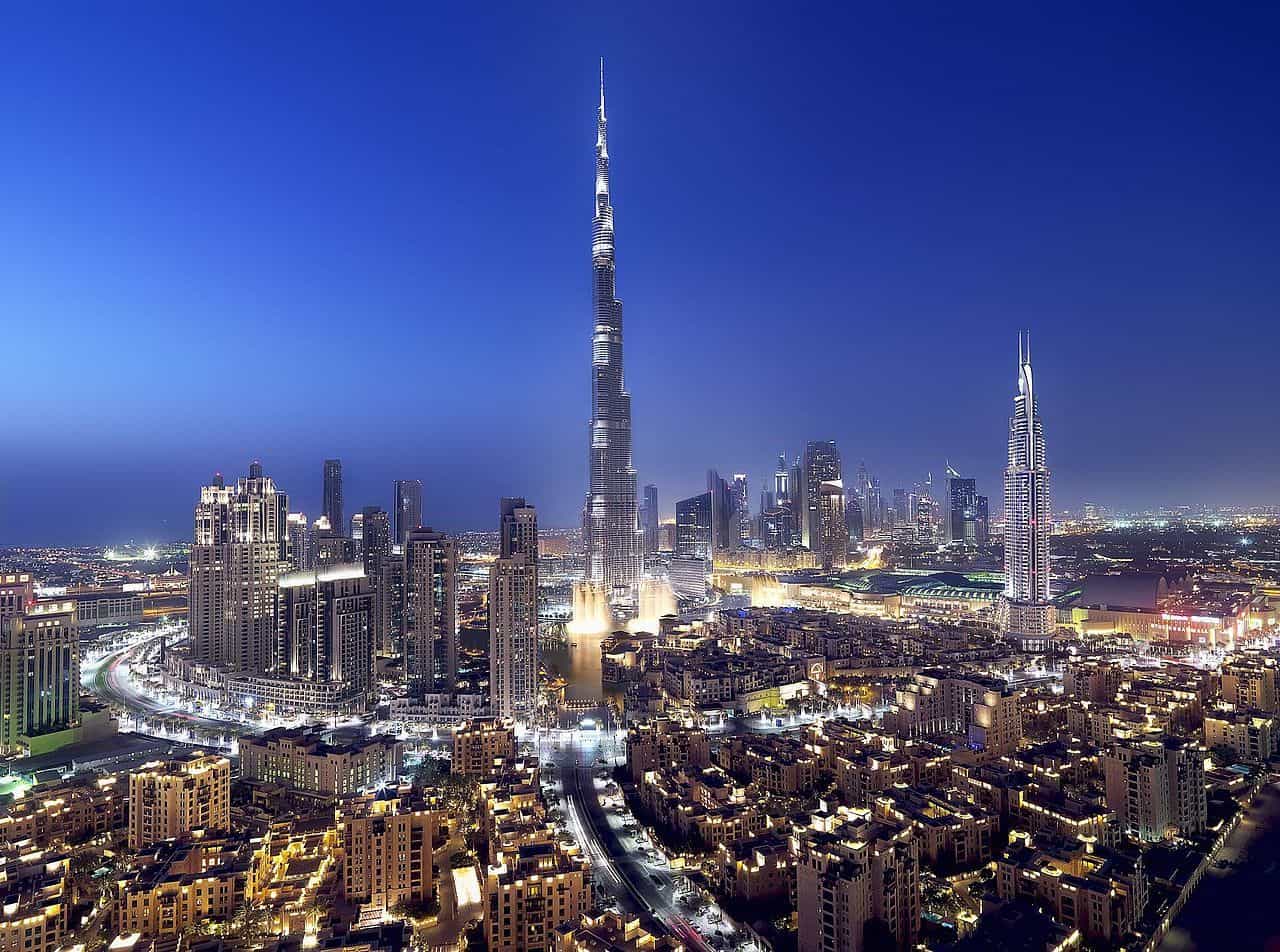
Dubai and the Maldives
Tailor-Made Vacation
The Underground Scene Emerges
Despite legal restrictions, signs of an emerging underground LGBTQ+ scene are becoming visible. The underground LGBTQ+ scene shows signs of growth, with events at MDLBEAST festivals and venues like Sociale Café providing discrete gathering spaces.
Events like MDLBEAST’s Soundstorm festival draw diverse crowds, and venues like Sociale Café in Riyadh and Black Potion Café in Jeddah have become popular gathering spots for the LGBTQ+ community. These developments suggest that economic modernization is creating small pockets of relative social openness, at least for those who can afford to participate.
For gay tourists in Saudi Arabia, the underground scene remains a risky proposition. Locals understand the nuances of Saudi culture, and they can still fall foul of the morality police for minor transgressions. Any tourist seeking to access the underground gay scene in Saudi Arabia does so at their own risk.
International Criticism and Contradictions
The kingdom’s contradictory approach has drawn sharp international criticism. The December 2024 announcement of Saudi Arabia hosting the 2034 FIFA World Cup generated fierce criticism from LGBTQ+ organizations globally. 21 human rights organizations including Amnesty International and Human Rights Watch condemned FIFA’s decision, describing it as “an astonishing whitewash” of Saudi Arabia’s human rights record.
Celebrity reactions highlight the ongoing tensions. While Mariah Carey performed in Saudi Arabia in 2019, Nicki Minaj cancelled her scheduled performance at the 2019 Jeddah World Fest, citing her support for women’s rights, LGBTQ+ equality, and freedom of expression.
In 2025, Saudi Arabia’s new comedy festival in Riyadh drew controversy after signing major Western comedians such as Bill Burr, Kevin Hart, Louis C.K. and Tim Dillon for fees reported to reach over $1 million per act. Critics argue the event is part of a wider push to “entertainmentwash” the kingdom’s human rights record, while raising concerns about censorship on topics like religion, LGBTQ+ rights and the royal family.
Supporters claim comedians play in countries with similar issues, but the backlash has highlighted an ongoing tension between artistic freedom, ethical responsibility and the lure of lucrative paydays. Will these apparently fearless, truth telling comics dare to criticise the Saudi regime during their sets?
Turkey presents one of the most complex paradoxes for LGBTQ+ travelers anywhere in the world. While homosexuality has been legal since 1858 – making Turkey one of the earliest countries to decriminalize same-sex relations – the nation now ranks 47th...We Suggest...
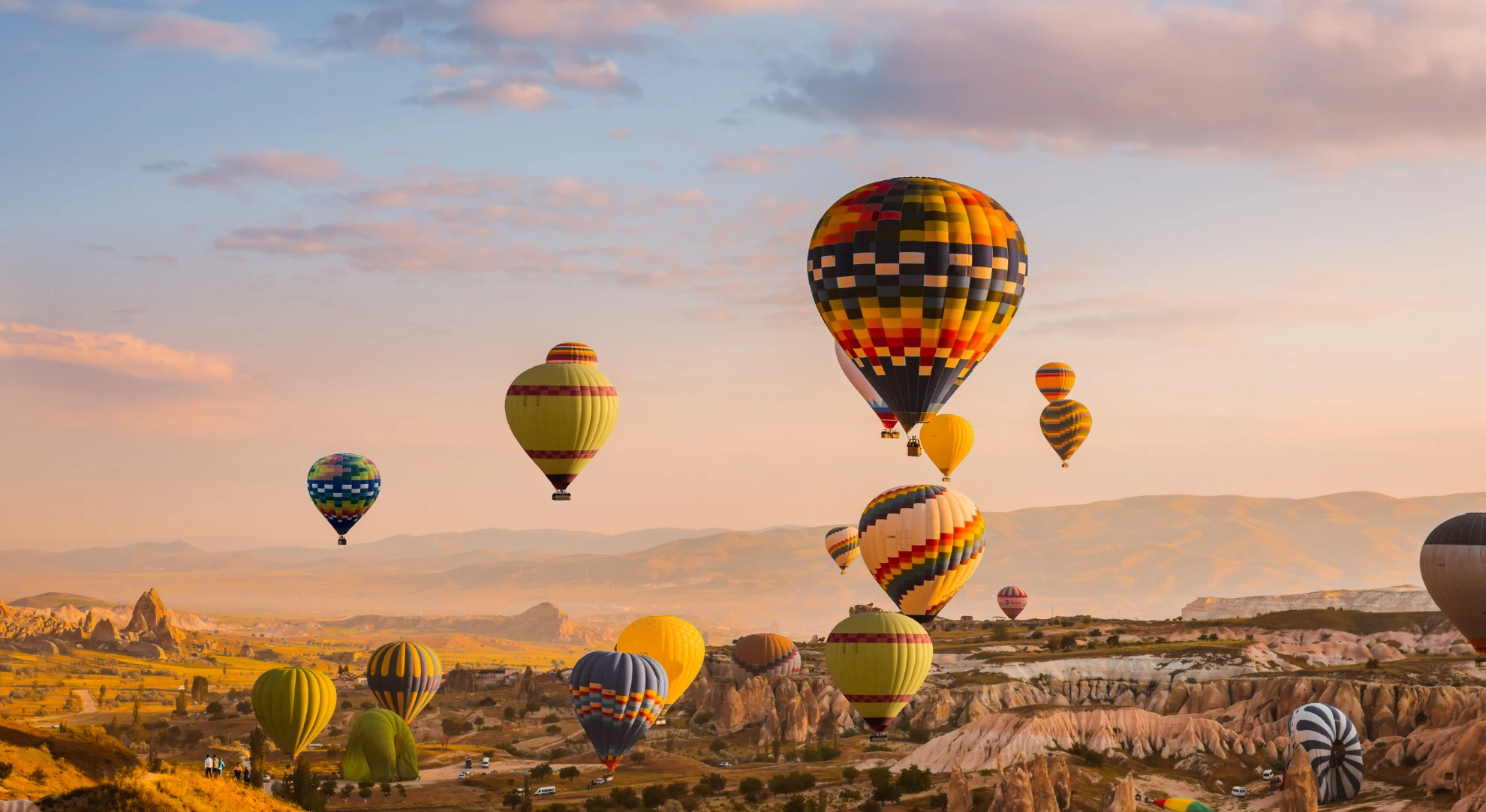
The Law vs Reality: Gay Travel in Turkey
The Local vs Tourist Reality
Perhaps the most troubling aspect of Saudi Arabia’s tourism push is the stark inequality between how foreign visitors and local LGBTQ+ citizens are treated.
Many gay Saudis are forced to live in deep secrecy, often fearing not just the state, but also their own families who can act with impunity when it comes to ‘honour-based’ violence. The tourism welcome extended to foreigners serves to highlight rather than address the oppression faced by Saudi LGBTQ+ citizens.
Practical Considerations for Travelers
For those considering travel to Saudi Arabia, the reality is nuanced. Saudi Arabia is one of the safest countries in terms of general crime.
However, this safety comes with strict conditions. All sources emphasize the absolute necessity of discretion, avoiding public displays of affection, booking separate accommodations when possible, and understanding that any perceived advocacy for LGBTQ+ rights could result in serious legal consequences.
The Economics of Selective Tolerance
Saudi Arabia’s approach represents a calculated economic strategy: maximize tourism revenue while maintaining domestic social control. The kingdom appears willing to adopt a “selective tolerance” model, where foreign visitors receive de facto protection through economic necessity while locals remain subject to full legal restrictions.
Clean energy has emerged as a critical entry point into the Vision 2030 narrative for UHNWIs’ forward thinking. Likewise, tourism, once ignored in the Kingdom, is on the rise. This economic transformation creates pressure for practical accommodation of diverse visitors, even when it conflicts with domestic ideology.
Looking Forward
As Saudi Arabia enters the final phase of Vision 2030, the contradiction between law and economic reality will likely intensify. With 85% of Vision 2030 initiatives achieved by 2024, showcasing major milestones in the Kingdom’s transformation, tourism success becomes increasingly crucial to the project’s overall credibility.
The kingdom’s massive investments in tourism infrastructure create economic incentives for maintaining the current “don’t ask, don’t tell” approach toward LGBTQ+ tourists. However, this selective tolerance model raises profound questions about the ethics of tourism revenue built on systematic domestic oppression.
For the global LGBTQ+ community, Saudi Arabia presents an uncomfortable choice: engage with a destination that welcomes tourist dollars while criminalizing local identities, or maintain a boycott that may have limited impact on a kingdom flush with oil wealth and increasingly confident in its economic transformation.
The law vs reality gap in Saudi gay travel reflects broader questions about economic modernization, social change, and the price of selective progress. As Vision 2030 approaches its deadline, these contradictions will only become more pronounced, forcing both travelers and the international community to grapple with the complex realities of contemporary Saudi Arabia.
Are you an LGBTQ+ traveler considering a trip to one of the less gay-friendly parts of the world? If so, get in touch and one of our travel concierges will be happy to advise you.