





Editorials
The Law vs Reality: Gay Travel in Turkey
Turkey presents a destination where LGBTQ+ travelers can have meaningful experiences if they understand the social dynamics and exercise appropriate caution
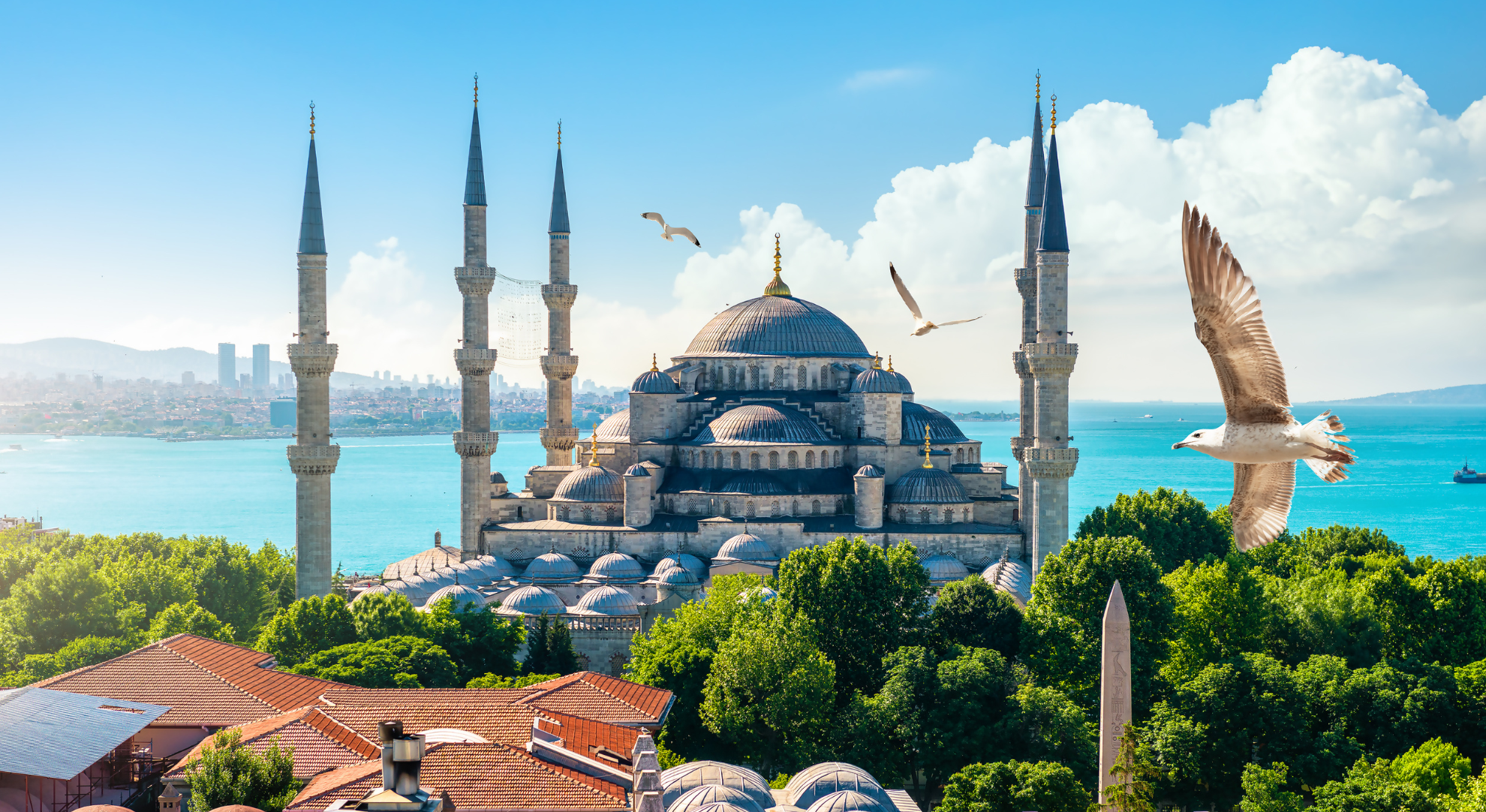
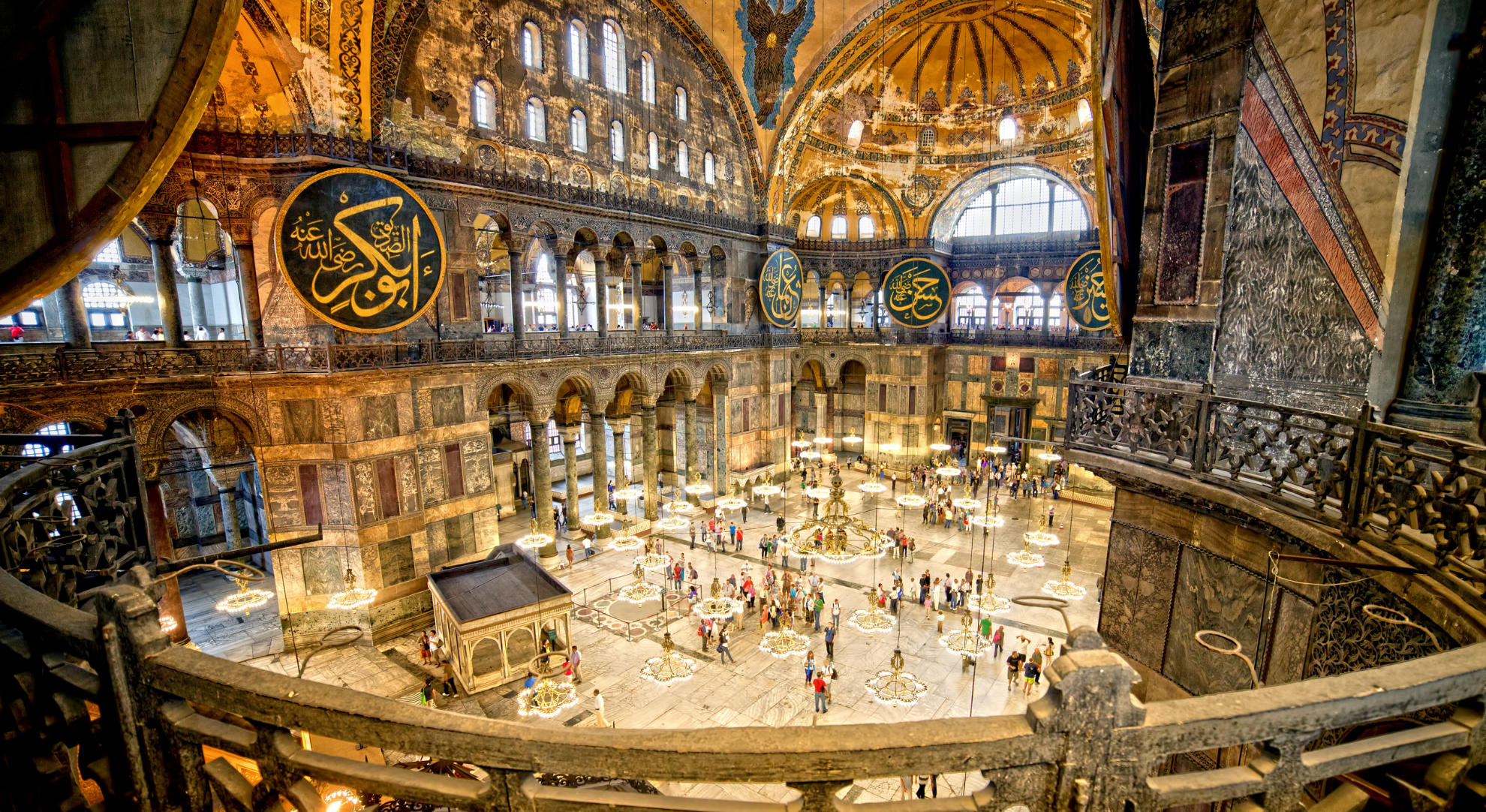
Turkey remains one of the most rewarding destinations in the Mediterranean, with extraordinary hotels, private yachts along the Aegean coast and fascinating layers of history, from Roman to Byzantine to Ottoman and beyond.
For LGBTQ+ travelers, however, it is not a destination we would currently describe as completely straightforward.
Consensual same-sex sexual activity is legal, and LGBTQ+ travelers continue to visit Istanbul, Bodrum, Cappadocia and Turkey’s major resort areas. But the political climate has deteriorated considerably. In September 2026, Turkish authorities launched a nationwide operation targeting LGBTQ+ organizations, activists and businesses. More than 60 people were arrested in the opening days, investigations were opened into more than 160 people, and gay venues and LGBTQ+ organizations were among those targeted.
That does not mean the experience of an international traveler staying at a luxury hotel is identical to that of an LGBTQ+ activist living in Turkey. It does mean that choosing the right hotels, guides, neighborhoods and experiences matters more than it once did.
This is where planning properly makes a difference. We work with hotels and local partners that are accustomed to welcoming same-sex couples, arrange private guides and transfers, and give clients a realistic picture of what to expect before they travel.
The legal framework
Same-sex sexual activity is legal in Turkey. Unlike many countries in the region, Turkey does not criminalize consensual sex between adults of the same sex. Current UK government travel advice confirms this, while also noting that attitudes remain socially conservative in many parts of the country.
Turkey’s legal history on homosexuality is often traced back to the 1858 Ottoman Penal Code, which contained no specific prohibition on consensual same-sex relations. This is frequently described as the Ottoman Empire “decriminalizing homosexuality,” although historians have pointed out that the reality of Ottoman law and attitudes toward sexuality was considerably more complicated than that phrase suggests.
What is much clearer is how limited LGBTQ+ rights are in modern Turkey. Same-sex relationships are not legally recognized, and protections against discrimination on the grounds of sexual orientation and gender identity remain limited.
Turkey currently ranks 47th out of 49 countries on ILGA-Europe’s 2026 Rainbow Map, with a score of 5%, ahead only of Azerbaijan and Russia. The index measures laws and policies affecting LGBTQ+ people rather than the experience of tourists, but it gives useful context for the wider political and legal environment.
Social reality: the urban-rural divide
The experience of being LGBTQ+ in Turkey varies considerably depending on where you are. Major cities such as Istanbul and Izmir are generally more liberal than much of the country, and both have established LGBTQ+ scenes.
In Istanbul, the most visible gay nightlife has traditionally been concentrated around Beyoğlu, Taksim and nearby Cihangir. The city’s Pride march grew dramatically during the 2000s before authorities began banning it, but the scene today is lower-profile and operates in a much more difficult political climate.
Izmir has also long been associated with a more relaxed, secular atmosphere, particularly around Alsancak, where there is an established LGBTQ+ presence and nightlife.
Outside the major cities and coastal resort areas, attitudes can be considerably more conservative. That does not mean rural Turkey is uniformly hostile, but public LGBTQ+ visibility is much less common and discretion becomes more important.
For travelers, the practical takeaway is simple: Istanbul, Izmir and the main tourism areas generally offer a more comfortable experience, while smaller towns and conservative regions require greater awareness of local attitudes.
Travel realities: navigating the complexity
For LGBTQ+ travelers, the experience of visiting Turkey can feel quite different from the wider political picture, particularly when staying at established international hotels and traveling privately.
The hotels and local partners we work with are accustomed to welcoming same-sex couples, and we can arrange private guides and transfers with people we know and trust. That matters more in Turkey than it might in somewhere like Spain or Greece, because the social atmosphere can change considerably depending on where you are.
We have sent many LGBTQ+ clients to Turkey over the years, particularly to Istanbul, Cappadocia and the Aegean coast. We would not suggest behaving exactly as you might in Mykonos or Barcelona, but nor should a trip feel dominated by caution. The main considerations are relatively straightforward: be more discreet with public affection, avoid political demonstrations and understand that attitudes tend to become more conservative away from the major cities and tourism centers.
Turkey is also not somewhere you need to visit for specifically gay nightlife to have an excellent trip. The draw is Istanbul, the ruins of Ephesus, Cappadocia, Bodrum, excellent hotels, private boats and one of the richest concentrations of history in the Mediterranean.
The gay dating app landscape isn’t ideal – Grindr is banned, with Hornet, Growlr, and local platform Gabile serving as alternatives. Meeting people online requires extreme caution, with meetings only in public, tourist-heavy areas. A trip to Turkey provides you with an excellent excuse not to use Grindr.
The hard part is not finding a beautiful place. It is finding the right one for you.
Request a quote →Recent developments: a deteriorating landscape
The political environment for LGBTQ+ people in Turkey has become considerably more difficult over the past two years.
The government designated 2025 the “Year of the Family.” The European Commission subsequently reported an increase in anti-LGBTQ+ rhetoric from senior officials, restrictions on LGBTQ+ events and continuing discrimination and stigmatization. Istanbul Pride and the KuirFest queer film festival were both prohibited in 2025.
Turkey’s broadcasting regulator also adopted an explicitly hostile position toward LGBTQ+ representation. In March 2025, RTÜK Deputy Chairman Feyzullah Tecirli told a parliamentary commission that the regulator had designated 2025 as a year of “combatting LGBT,” while a senior official from the telecommunications regulator said LGBTQ+ content would not be permitted.
The situation escalated further in September 2026, when authorities launched the nationwide “My Family is Safe” operation. Investigations targeted 162 people, nine associations and 13 businesses across 15 provinces. LGBTQ+ organizations and venues were raided, dozens of people were arrested, online accounts were restricted and protesters opposing the detentions were themselves detained. The government says the investigations concern offenses including obscenity, prostitution and the protection of children, while rights organizations and European human-rights officials have criticized the operation as an attack on LGBTQ+ civil society.
For travelers, the important distinction is that these actions have principally targeted LGBTQ+ organizations, activists, venues and protests rather than international tourists.
The Ottoman connection
Under the Sultans in the Ottoman Empire, Turkey had something of a reputation for sexual licentiousness. The Sultans were known to keep harems, and homosexual activities were considered – by Westerners at least – to be more common in Constantinople (now Istanbul).
When the great British poet Lord Byron visited the Ottoman Empire in the early 19th-century, he wrote of discovering “marble palaces of sherbert and sodomy.” In those days, the decadent East was considered to be more gay-friendly than the conservative West. Times change and that dynamic has flipped, but times may well change again.
Regional context: Turkey’s unique position
Turkey’s deteriorating LGBTQ+ situation must be understood within its complex regional positioning. As an EU candidate country, Turkey faces pressure to implement comprehensive anti-discrimination protections and hate crime legislation. The European Commission has consistently noted Turkey’s failure to transpose any EU legislation prohibiting LGBTI discrimination.
Yet Turkey’s legal framework remains significantly more liberal than most Middle Eastern neighbors. Same-sex activity carries prison sentences in Syria and Iraq, and the death penalty in Iran, making Turkey’s legal tolerance historically notable. However, this advantage has eroded as social restrictions tighten and legal threats mount.
Within the broader Middle East context, Turkey occupies a middle ground – better than countries with criminalization but worse than the few regional leaders on LGBTQ+ rights. This positioning creates a unique vulnerability, with the government using anti-LGBTQ+ rhetoric as both an electoral strategy and a symbol of resistance to Western influence.
Weighing the decision to travel
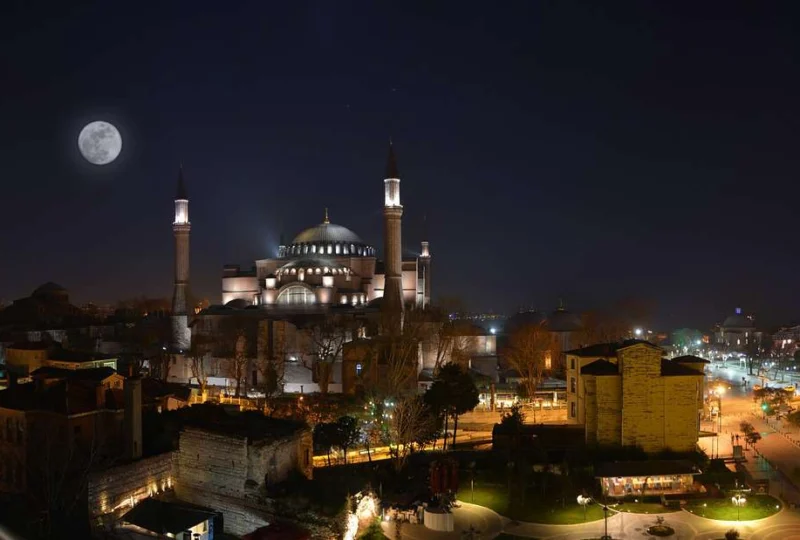
Turkey presents a destination where LGBTQ+ travelers can have meaningful experiences if they understand the social dynamics and exercise appropriate caution. The country’s extraordinary cultural offerings – from Byzantine churches to Ottoman palaces, from Roman ruins to modern, cosmopolitan cities – remain accessible to those willing to navigate the complexity.
Booking through an LGBTQ+ tour operator like Out Of Office takes the stress out of planning. We can plan the perfect itinerary for you, ensuring you visit the most gay-friendly parts of the country, as well as giving a realistic assessment of what to expect if you choose to venture beyond the more touristy areas.
On this page
New to Out Of Office?
We are a luxury travel company for LGBTQ+ travelers. Everything we sell is tailor-made, planned by one named member of our team throughout, and nothing on this site is a fixed package unless it says so.
Where exclusivity meets inclusivity
Ten years, hundreds of five-star reviews, and a team who will tell you when a destination is not right for the trip you have in mind.
See your complete itinerary before you decide.
Your specialist will bring together every detail of your trip, with clear pricing throughout.
Stellar service. Stellar products. Stellar people and it gets so much better when you pick up the phone and call.
Anthony S.
Super client centred service. From first contact I have had warm, efficient, friendly and flexible service.
John
I’m confident in giving Out Of Office a 5-star review! They are one of the leaders in this space without a doubt.
Tiberiu

We plant trees for every booking
For every booking made with Out Of Office we commit to planting trees in your name to help reduce the impact of travel on future generations. You'll even get a link to see where your trees are planted in the world via our partner Ecologi.

We donate to Rainbow Railroad with every booking
Rainbow Railroad helps LGBTQ+ people escape state-sponsored violence and persecution. A donation goes with every trip we sell, funded by us and never added to your price.

Start Planning Your Trip
Tell us where you would love to go, when you are thinking of traveling and what kind of trip you have in mind. One of our LGBTQ+ travel specialists will create a tailor-made itinerary designed around your destination, style and preferences.
One named specialist, first inquiry to homecoming. No call center, and nothing is charged until you decide to book.