





Tailor-made trips for 2027 & 2028
Gay St Barth's Luxury Tours & Vacations
Tailor-made, always
Every trip built from scratch around your dates, pace and preferences.
Your own specialist
One named person and a 24-hour number while you travel.
Hundreds of five-star reviews
Rated Excellent on Trustpilot across ten years of LGBTQ+ luxury travel.
There are Caribbean islands that are beautiful, and then there is St Barths, which is beautiful in a way that has attracted a specific kind of traveler for the better part of five decades.
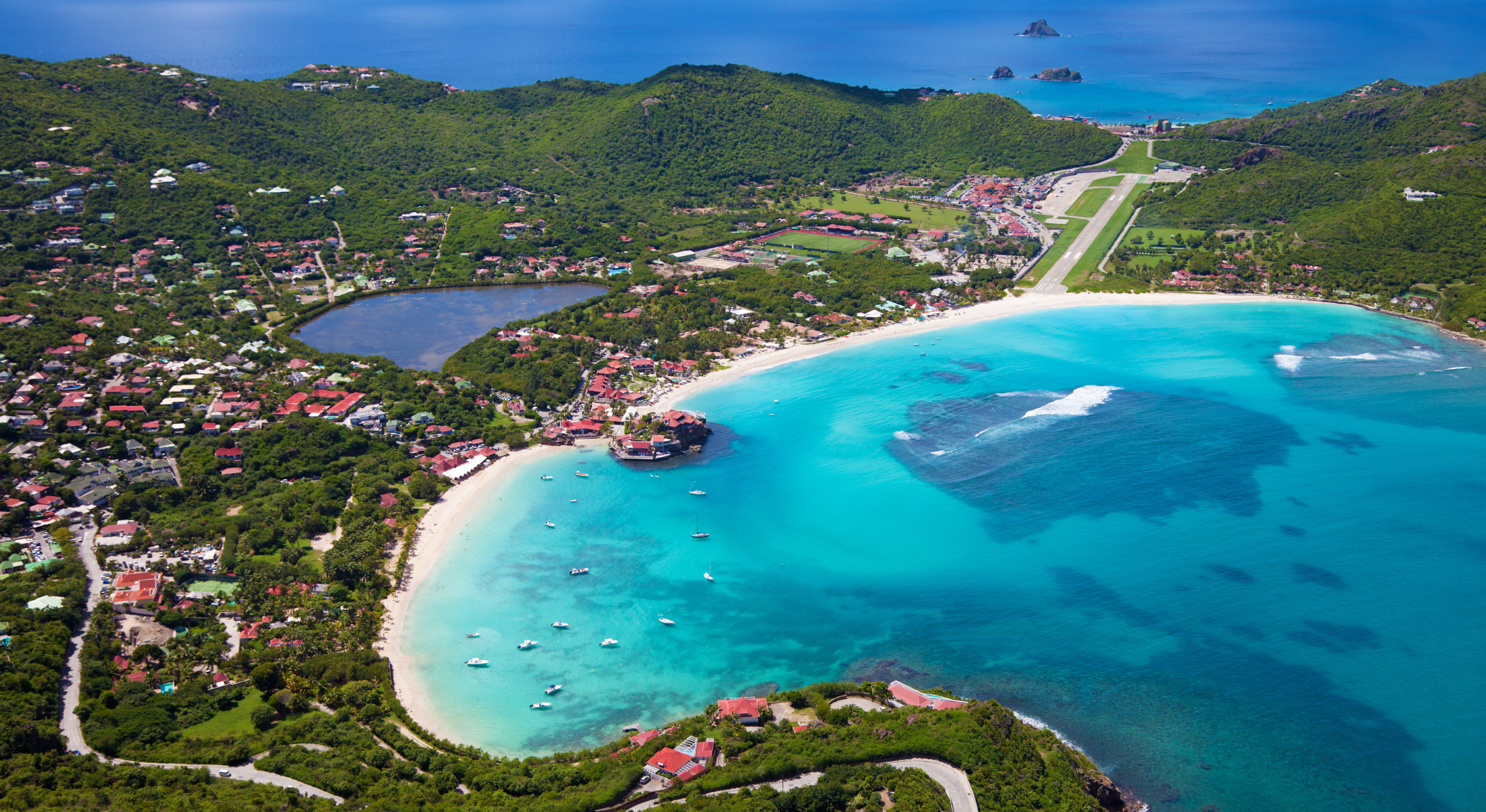
The island is small, just eight square miles. There are no casinos, no all-inclusives, and no cruise ship terminal. The airport’s runway is short enough that arrivals by commercial aircraft require a stomach for drama. None of this is accidental.
More about St Barth's
What St Barths offers that most Caribbean islands cannot match is a combination of natural beauty and luxury seclusion that the French Caribbean does better than anywhere else in the region.
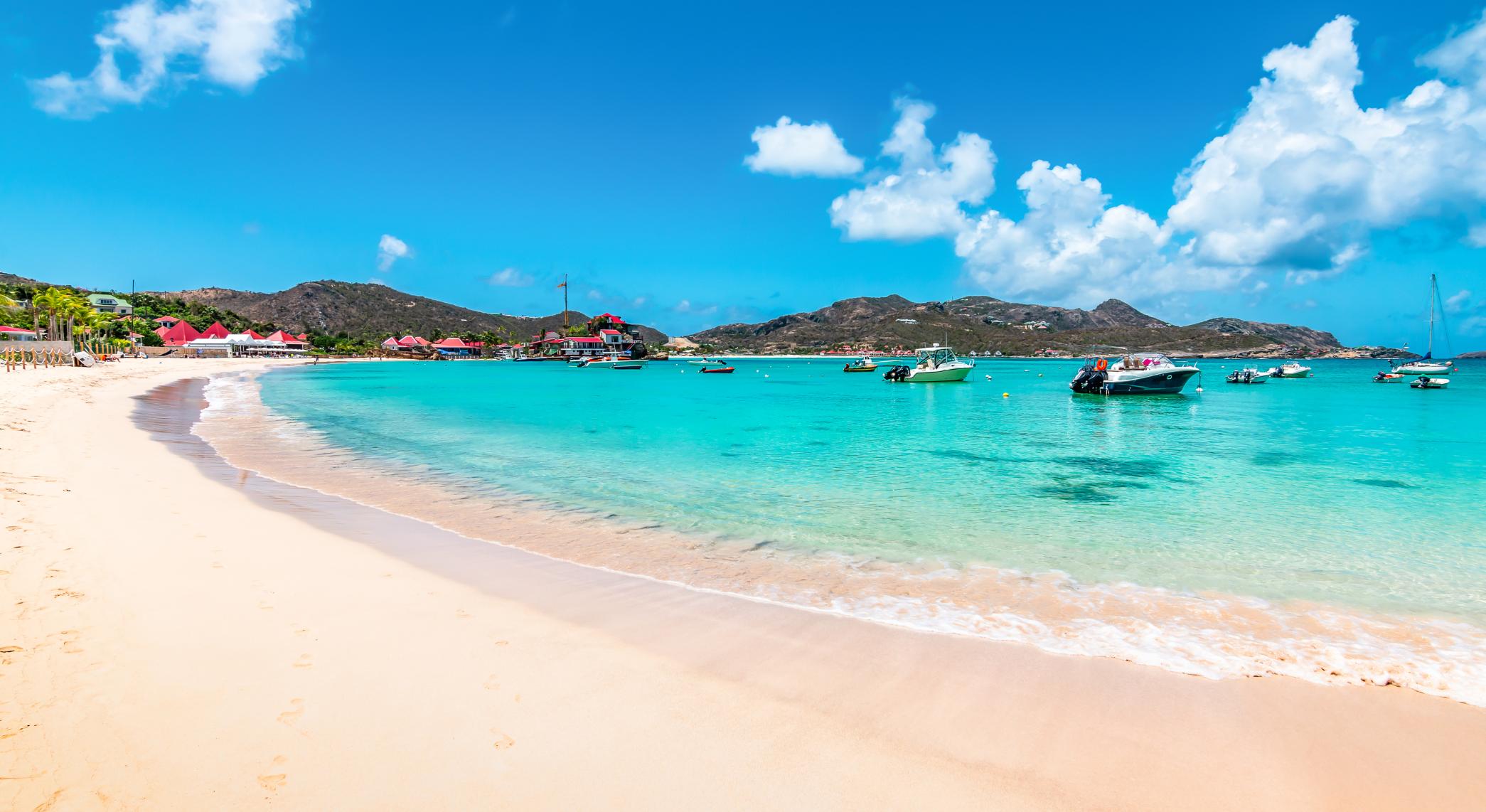
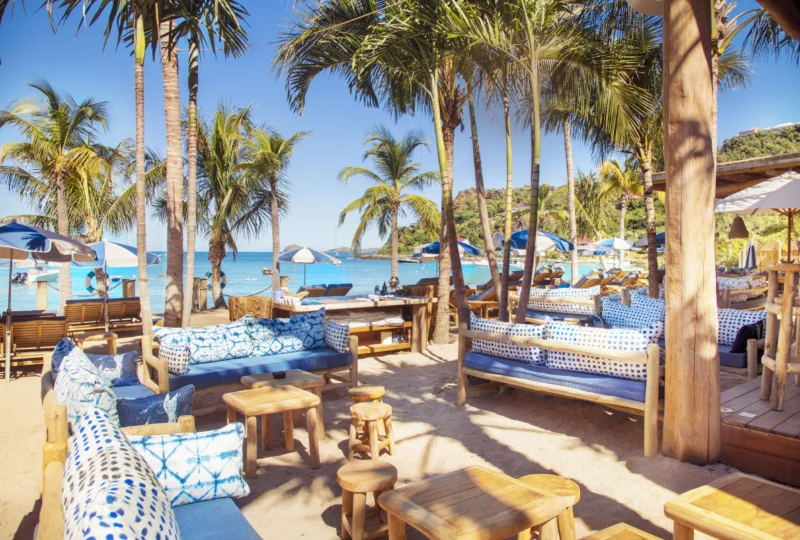
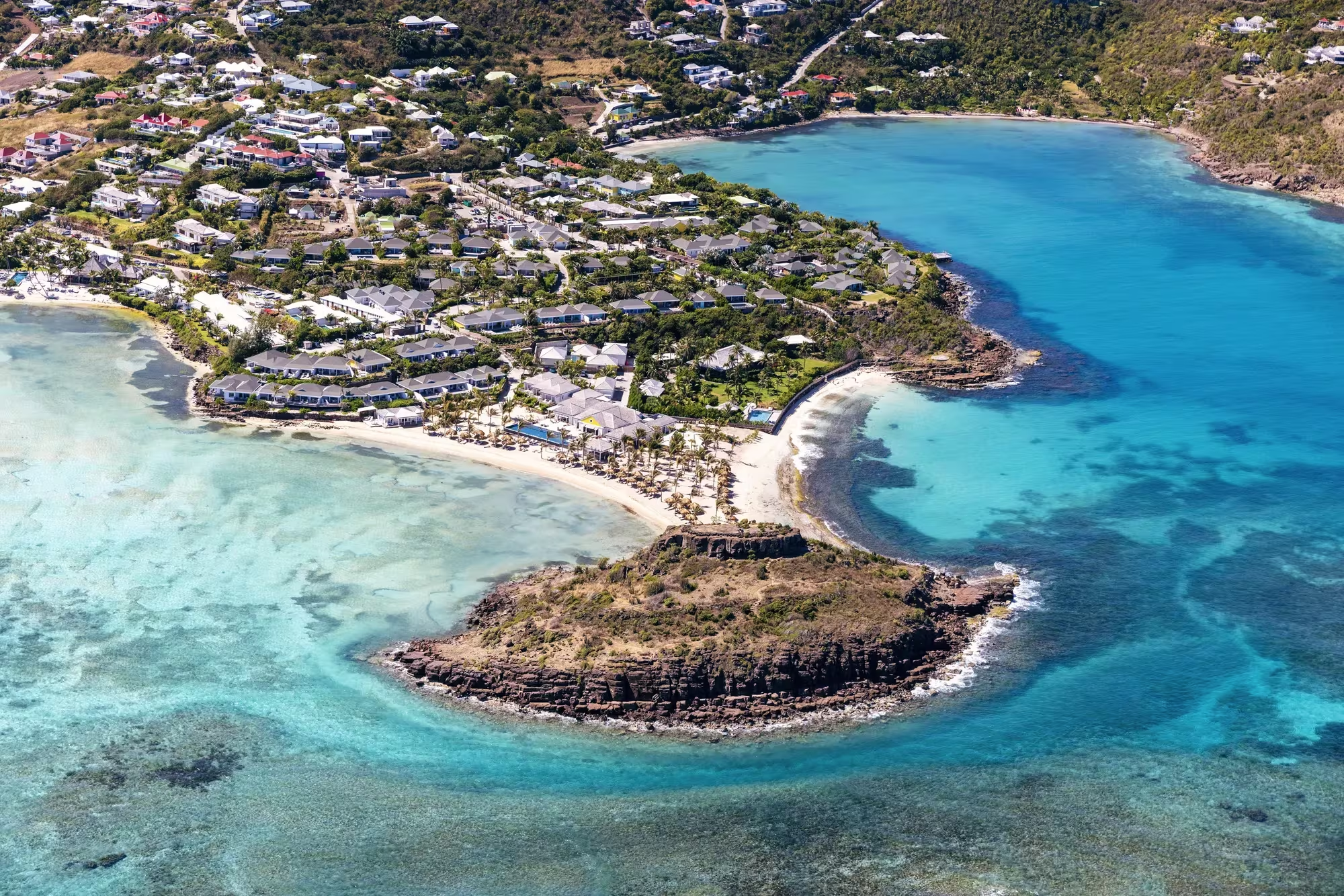
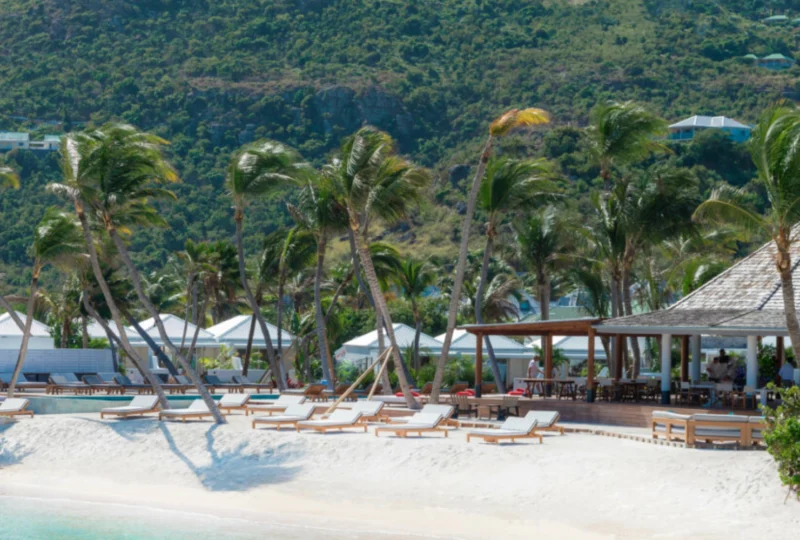
The 22 beaches range from the wide sweep of St Jean, which has the island’s best beach bars and people-watching, to the seclusion of Saline and Gouverneur, where the water is a shade of blue that resists description and the crowds thin to almost nothing.
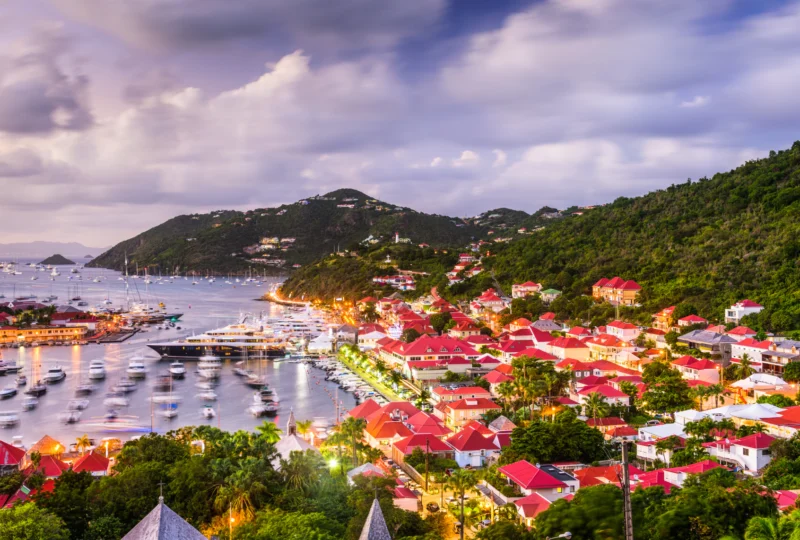
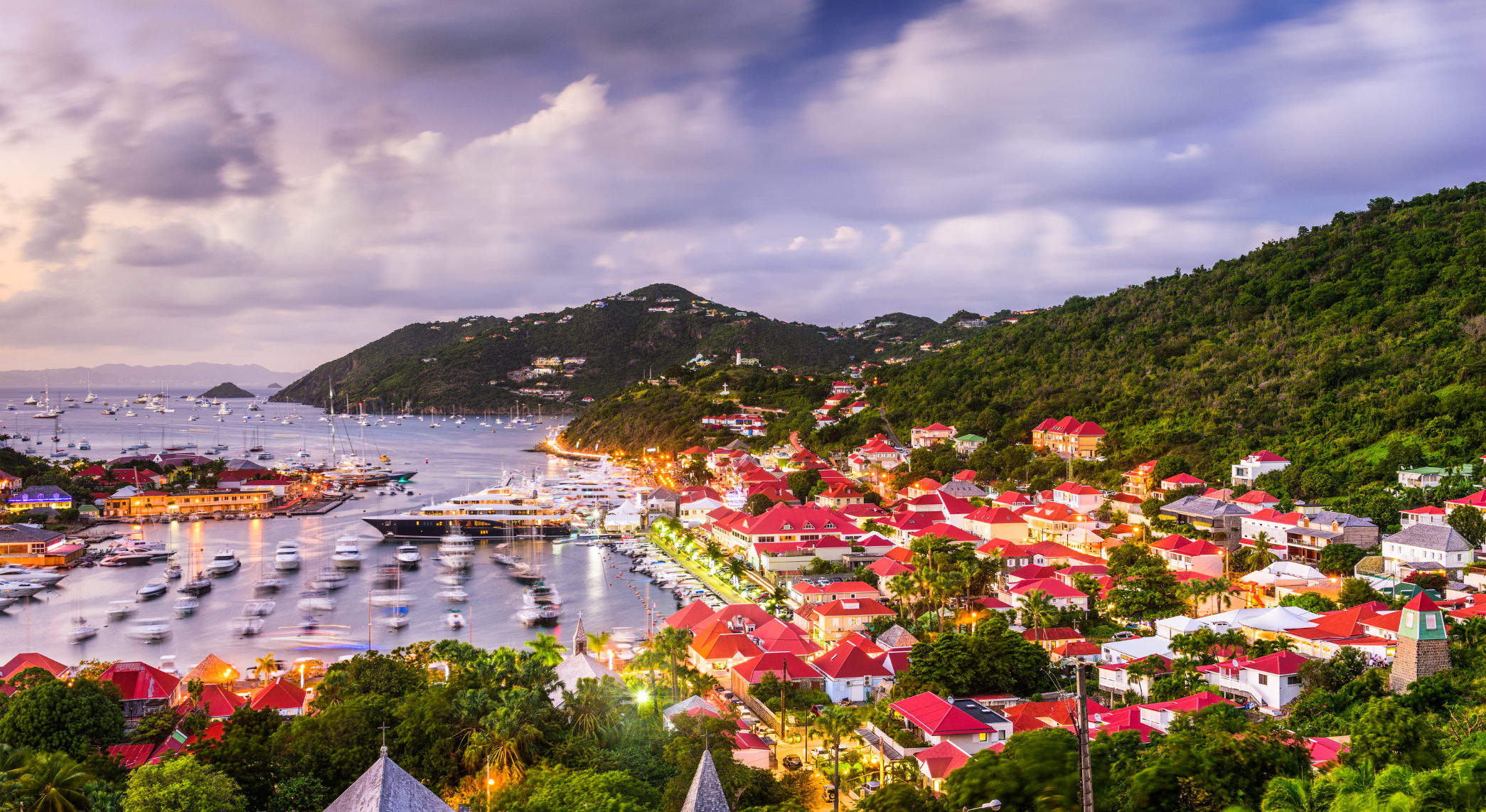
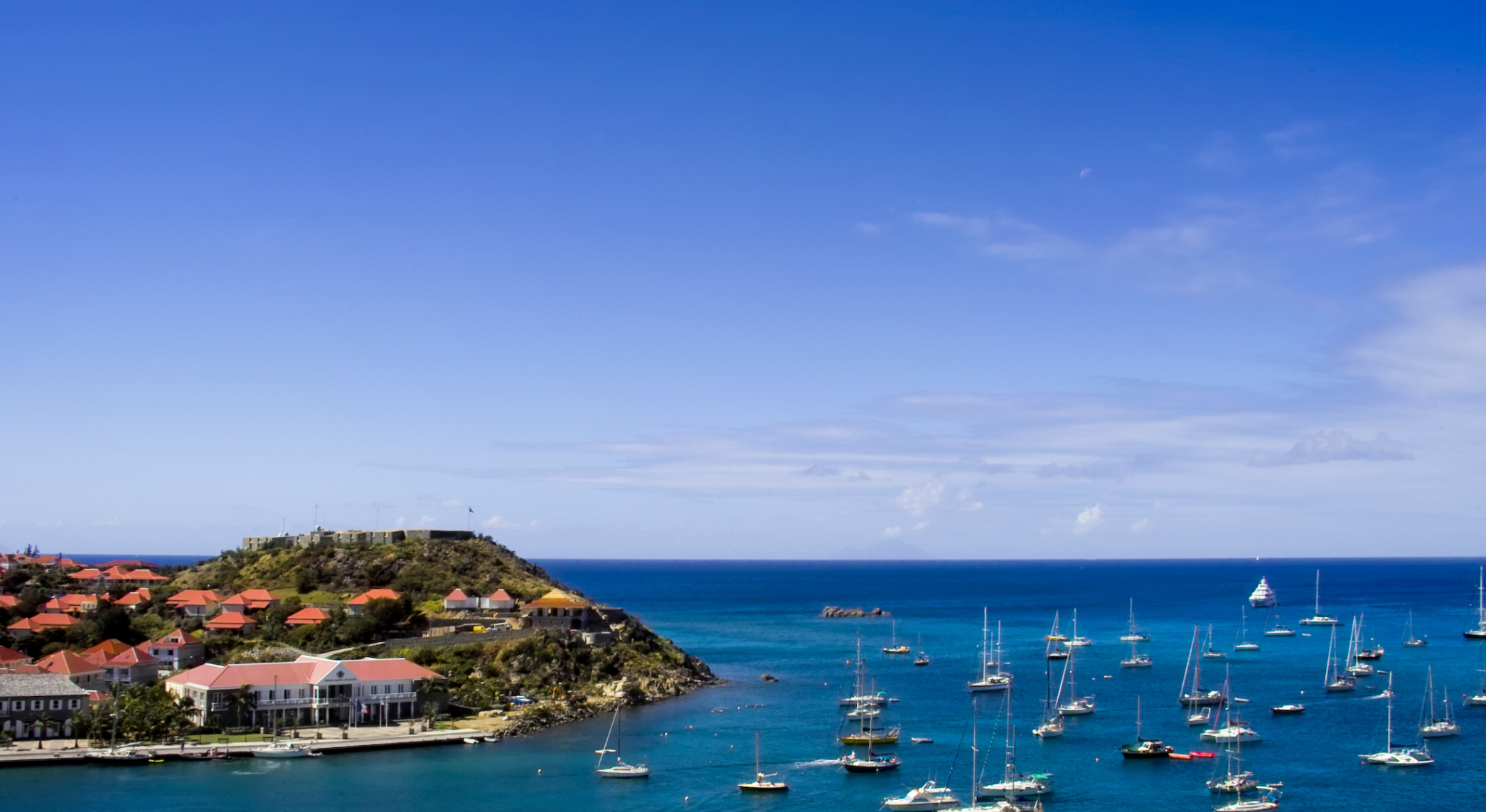
The island’s Swedish history, it was a Swedish colony for nearly a century before returning to French control in 1878, left an architectural legacy visible in the red-roofed capital of Gustavia, where the harbor is lined with superyachts and the streets hold some of the best boutique shopping in the Caribbean.
The comparison with other islands in the region is instructive. Turks and Caicos has the beaches and the luxury hotels but little cultural depth beyond the waterline. Mustique has the exclusivity but a narrower appeal. Barbados has the history and the food scene but operates at a much larger scale. St Barths sits in a category of its own: small enough to feel intimate, French enough to take lunch seriously, and established enough in the luxury market that the properties here have had decades to understand exactly what their guests expect.
Stellar service. Stellar products. Stellar people and it gets so much better when you pick up the phone and call.
Anthony S.
Super client centred service. From first contact I have had warm, efficient, friendly and flexible service.
John
I’m confident in giving Out Of Office a 5-star review! They are one of the leaders in this space without a doubt.
Tiberiu
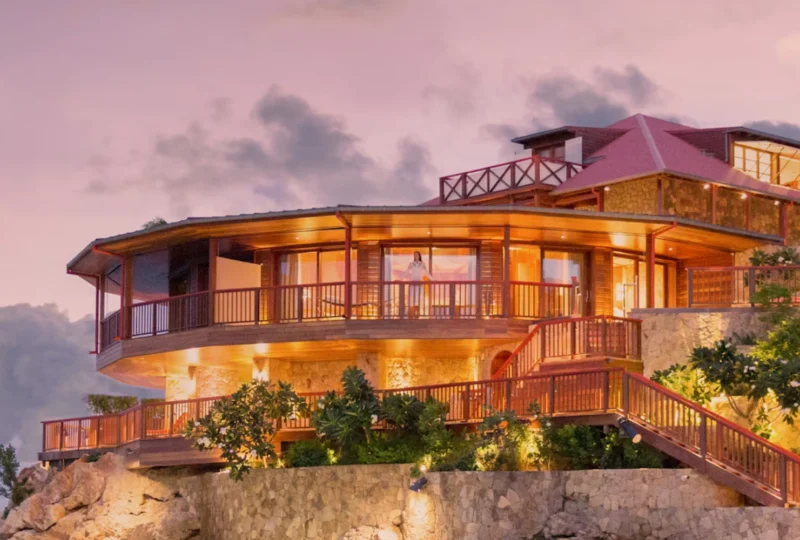
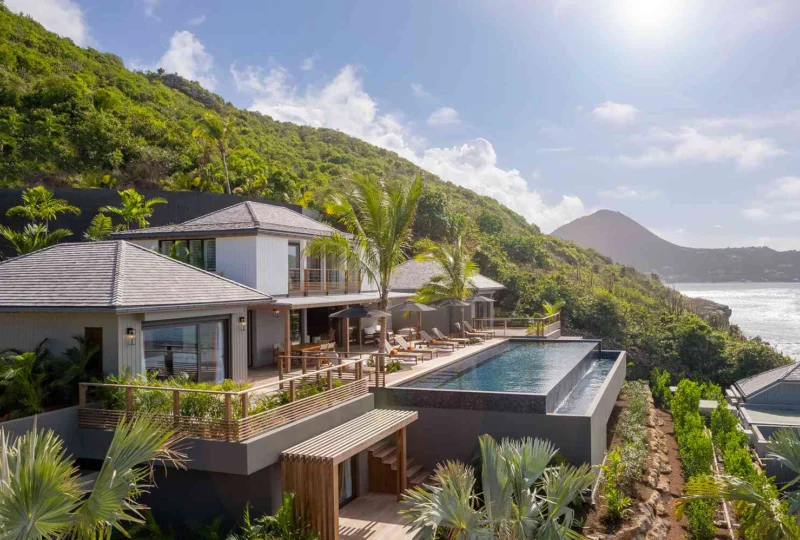
St Barth's in pictures
Is St Barth's LGBTQ+ friendly?
In St Barth's, same-sex relationships are legal, same-sex marriage is legal and discrimination against LGBTQ+ people is prohibited. Equaldex gives St Barth's an Equality Index of 74 out of 100.
Source: Equaldex, checked October 17, 2026.
St Barth’s has never needed a gay scene to be one of the most welcoming destinations in the Caribbean.
The island’s appeal to LGBTQ+ travelers rests on something more fundamental: a cosmopolitan, international crowd that has been coming for decades, a French cultural baseline that treats same-sex couples as entirely unremarkable, and an atmosphere of sophistication that leaves little room for the attitudes that complicate other Caribbean islands.
Walking through Gustavia, dining on the terrace at Eden Rock or spending a day on Saline, same-sex couples will find the island relaxed, inclusive and entirely unselfconscious about it. As French territory, St Barth’s follows French law, including marriage equality.
Things To Do in St Barth's
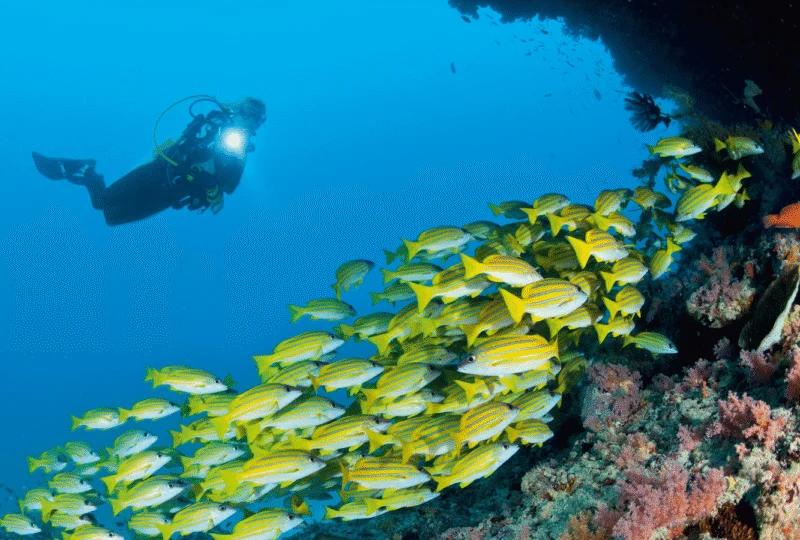
Scuba Diving Pain de Sucre and the Kayali Wreck, St Barths
Dive the tunnels and walls of St Barths' favorite site just off Gustavia, and, if you're certified, the colonized Kayali wreck at 30 meters.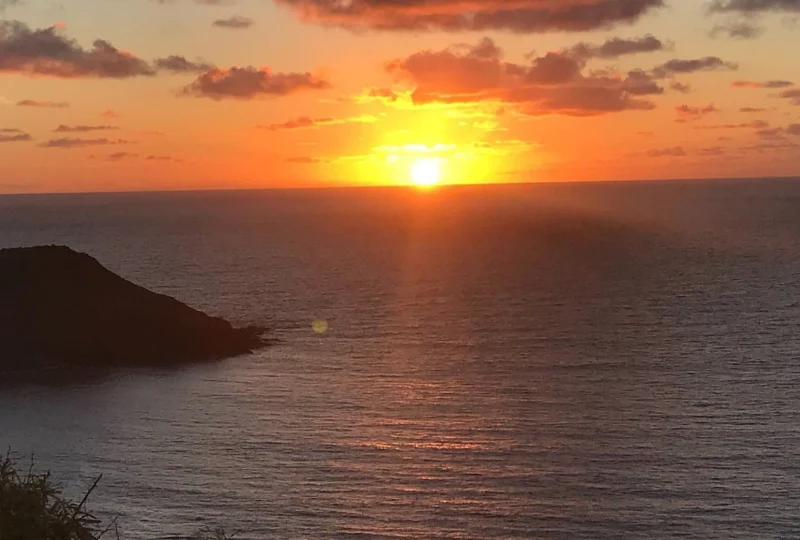
Sunrise from Morne du Vitet, St Barths’ Highest Point
Climb through mahogany forest before dawn with a guide and watch the sun sweep across the whole island from its 286-meter summit.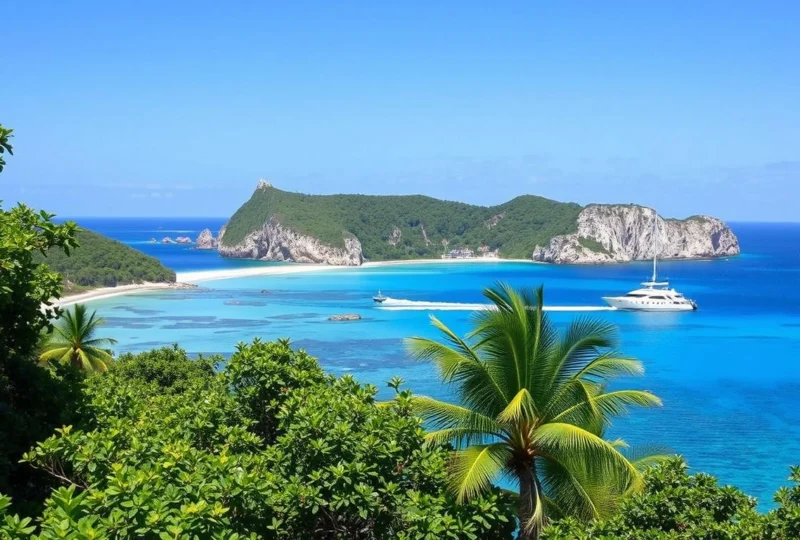
A Private Yacht Day Around St Barths, from Colombier to Île Fourchue
Sail from Gustavia to the bays no road reaches, swim with turtles in Colombier and lunch at anchor, on a charter shaped around you.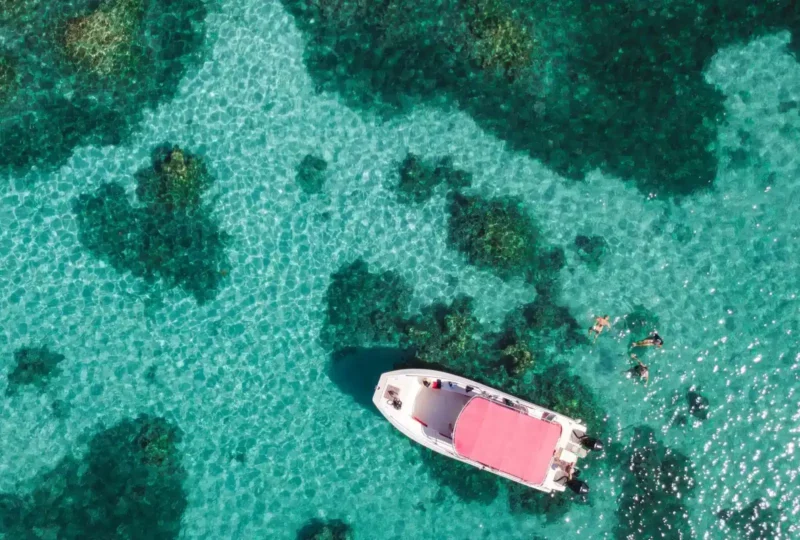
Snorkeling with Wild Sea Turtles in St Barths
Slip into the reserve's quietest bays at the calmest hour with a turtle-savvy guide, and drift beside green and hawksbill turtles as they feed.Travel Guides in St Barth's
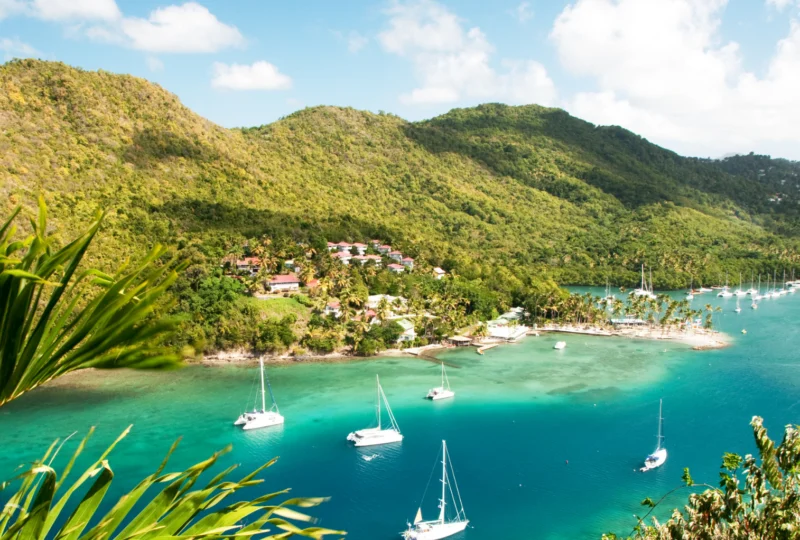
Is St. Barths Gay-Friendly?
St. Barths, or Saint Barthélemy, is one of the most exclusive and glamorous islands in the Caribbean, renowned for its luxurious resorts, pristine beaches, and upwardly mobile social scene. For LGBTQ+ travelers, St. Barths offers an incredibly welcoming atmosphere, with its French influence contributing to a laid-back and inclusive culture.
Read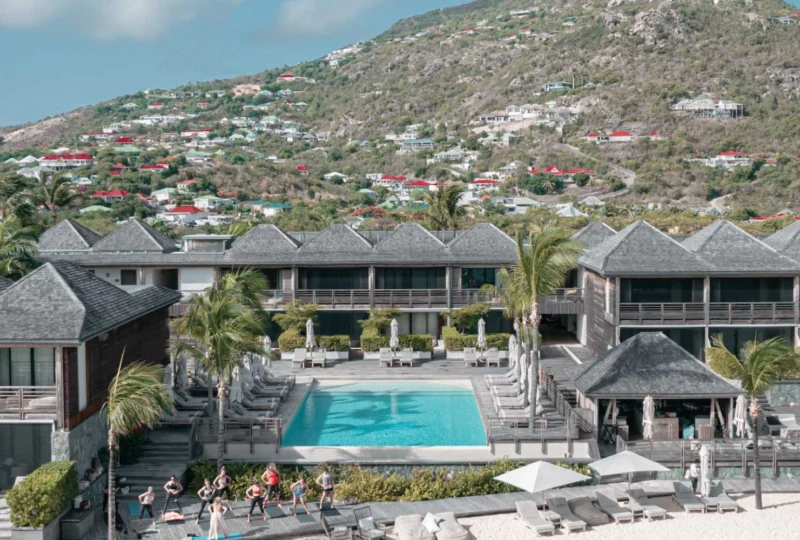
Plan Your Gay Honeymoon in St Barths
There is a particular kind of honeymoon that St Barths does better than almost anywhere else in the Caribbean. Not the all-inclusive resort honeymoon, not the activity-packed island-hopping honeymoon, but the one built around two people, a terrace with a view, and the unhurried pleasure of having nowhere specific to be.
Read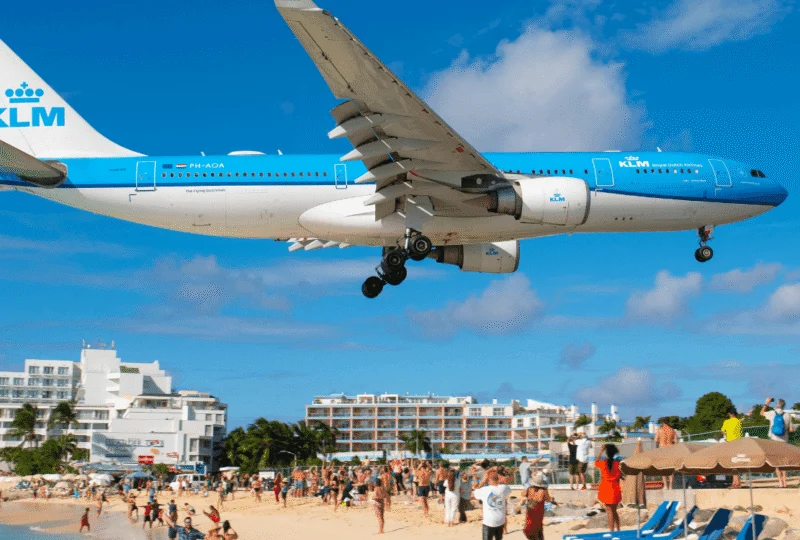
The Shortest Runways in the Caribbean
There is a certain moment, just before landing, when you realize this is not a typical arrival. The aircraft drops lower than expected, the runway appears almost suddenly, and for a brief second it feels as though you are landing somewhere that should not quite be possible.
ReadPlanning a Trip to St Barth's
General information
St Barths sits in the northeastern Caribbean, around 15 miles southeast of St Martin and roughly 150 miles from the US Virgin Islands. The island covers eight square miles of hilly terrain, with a coastline that alternates between sheltered bays and open Atlantic-facing beaches.
Gustavia, the capital, wraps around a natural harbor on the western coast and functions as the island’s commercial and social center. The official language is French, the currency is the euro, and the general atmosphere is closer to a well-run French coastal town than to a conventional Caribbean resort island.
The island’s population of around 10,000 swells considerably between December and April, when the combination of ideal weather and an internationally recognized social season brings a yachting and villa crowd from Europe and the Americas.
Outside of peak season, particularly in late spring and early autumn, St Barths operates at a quieter register that suits travelers who want the island’s credentials without the peak-week pricing.
Hotels remain open for much of the year, with a partial closure period during the height of hurricane season in August and September.
What Everyone Does in St Barths
The beaches come first. St Jean is the social option, wide and well-serviced with a good mix of beach clubs and open sand.
Saline and Gouverneur are the ones serious travelers make the effort for: no vendors, no jet skis, water that justifies the trip on its own.
Flamands faces the sunset and rewards an afternoon. Shell Beach, a short walk from Gustavia, is the locals’ choice and consistently underrated.
After the beaches, the eating. The restaurant scene operates at a level most Caribbean islands cannot match, driven by a French culinary culture that treats a long lunch as non-negotiable.
Le Ti St Barth is the island’s most reliably entertaining evening. The harbor restaurants in Gustavia are the place to settle in and let the afternoon disappear.
On the water, sailing charters out of Gustavia run full and half-day trips around the island.
What Some People Do In St Barths
The kitesurfing at Grand Cul de Sac has a dedicated following for good reason: the shallow lagoon and consistent trade winds make it one of the better learning and intermediate spots in the Caribbean.
Deep sea fishing charters out of Gustavia go further out than most guests expect and return with results.
The Thursday night races in the harbor draw a sailing crowd that knows what it is doing and welcomes interested observers.
Scooter rental is the local’s preferred way to move around the island and covers ground that a taxi itinerary never quite reaches.
And for travelers who want St Barths at its quietest, an early morning drive through the interior hills before the beaches fill up is one of those experiences that rarely makes the guidebooks but consistently makes the memory.
What No One Does in St Barths
The sunrise from the top of Morne du Vitet, the island’s highest point, requires an early start and about forty minutes of walking and is seen by almost nobody.
The fish market at the Gustavia harbor operates at dawn, before the boutiques open and the harbor fills with day visitors, and is a completely different version of the same street.
Colombier beach, accessible only by boat or a 25-minute coastal hike, has no facilities and no crowds and is widely considered the most beautiful stretch of sand on the island by the people who make the effort.
The Wednesday evening pétanque games in Lorient draw a local crowd that has very little overlap with the resort circuit and are open to anyone who turns up with the right attitude.
And the interior of the island, the steep roads through Corossol and Flamands that most visitors never leave the coast to find, offers a quieter and more residential St Barths that has been there all along, largely undisturbed by the scene on the waterfront.
Getting to St Barth's
From the US, the most common routing is via San Juan, Puerto Rico, which has direct service from New York, Miami, Boston, Chicago, and most major East Coast and Midwest cities.
American Airlines, JetBlue, and United all serve San Juan from multiple US hubs, with onward connections to St Barths on Tradewind Aviation or St Barths Commuter taking around 45 minutes.
St Martin is the alternative connection point, accessible via American from Miami and New York, with the same short hop onward. Total journey times from the East Coast run to around five or six hours depending on the connection.
From the West Coast, add a cross-country leg, making San Juan the more practical hub given its frequency of service.
Private charter from Miami, New York, or San Juan is the most seamless option for travelers who want to avoid the turboprop connection entirely and arrives directly onto the island without the layover.
From the UK, the routing requires more planning but is straightforward once the connection logic is understood.
British Airways and Virgin Atlantic both operate direct transatlantic service into Antigua, Barbados, and St Martin, with onward connections to St Barths from St Martin on the same small aircraft used from the US.
The Antigua routing adds a slightly longer second leg but works well given the frequency of British Airways service from Heathrow.
We know where you will be welcome, and where to take more care.
It shapes the hotels we use, the guides we work with and the routes we suggest.
Frequently asked questions
About St Barth's
Is St Barth's LGBTQ+ friendly?
In St Barth's, same-sex relationships are legal, same-sex marriage is legal and discrimination against LGBTQ+ people is prohibited. Equaldex gives St Barth's an Equality Index of 74 out of 100.
Can my trip to St Barth's be tailor-made?
Yes. Everything we plan is tailor-made. Our suggested St Barth's itineraries are starting points: your specialist shapes the route, the hotels, the pace and the length around your dates and preferences.
Traveling with Out Of Office
What does Out Of Office do?
Out Of Office is a luxury LGBTQ+ travel company specializing in tailor-made vacations and extraordinary journeys around the world. We create bespoke luxury vacations, LGBTQ+ honeymoons, safaris, cruises, beach escapes, private tours and group trips, with every itinerary designed around you. Our travel specialists combine global expertise, first-hand destination knowledge and trusted local partners to create seamless, highly personalized experiences.
Is Out Of Office a gay travel agency?
Out Of Office is an LGBTQ+ owned and run luxury travel specialist, with particular expertise in gay and LGBTQ+ travel. We understand the additional considerations that can come with traveling as an LGBTQ+ person or couple, from local laws and customs to finding genuinely welcoming hotels and experiences.
We welcome every traveler, including friends, families and allies. Many of our clients are not members of the LGBTQ+ community, but choose Out Of Office for our luxury travel expertise, personalized service and discretion.
Do you create tailor-made LGBTQ+ vacations?
Yes. Every tailor-made trip with Out Of Office is designed from scratch around your interests, travel style, budget and the way you want to experience a destination. We can arrange luxury hotels, private transfers, flights, guides, excursions, cruises and special experiences as part of one personalized itinerary. The journeys shown on our website are there to inspire you rather than restrict you; only clearly identified group departures operate as fixed itineraries.
How do you choose LGBTQ+ friendly hotels and destinations?
We combine first-hand destination knowledge with trusted local expertise to recommend luxury hotels, resorts and experiences where LGBTQ+ travelers can feel informed and welcome. We also consider the laws, customs and attitudes of each destination, because LGBTQ+ rights and experiences differ around the world. Our team regularly visit many of the properties we work with and where a destination requires greater awareness, we give you clear and considered advice so that you can make an informed decision about where and how you travel.
We plant trees for every booking
For every booking made with Out Of Office we commit to planting trees in your name to help reduce the impact of travel on future generations. You'll even get a link to see where your trees are planted in the world via our partner Ecologi.


We donate to Rainbow Railroad with every booking
Rainbow Railroad helps LGBTQ+ people escape state-sponsored violence and persecution. A donation goes with every trip we sell, funded by us and never added to your price.

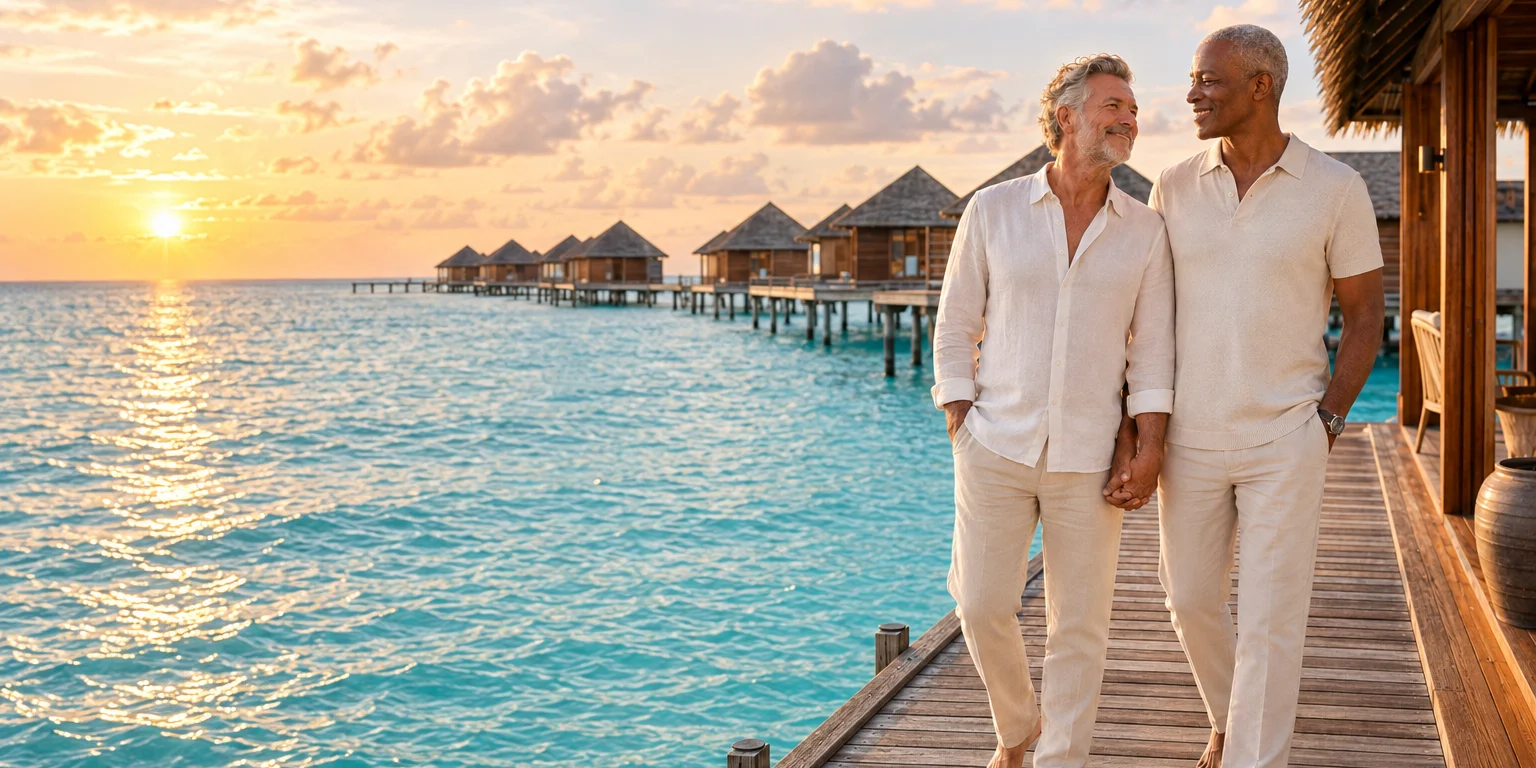
Start Planning Your Trip
Tell us where you would love to go, when you are thinking of traveling and what kind of trip you have in mind. One of our LGBTQ+ travel specialists will create a tailor-made itinerary designed around your destination, style and preferences.
One named specialist, first inquiry to homecoming. No call center, and nothing is charged until you decide to book.