




Tailor-made trips for 2027 & 2028
Gay Fiji Luxury Tours & Vacations
Tailor-made, always
Every trip built from scratch around your dates, pace and preferences.
Your own specialist
One named person and a 24-hour number while you travel.
Hundreds of five-star reviews
Rated Excellent on Trustpilot across ten years of LGBTQ+ luxury travel.
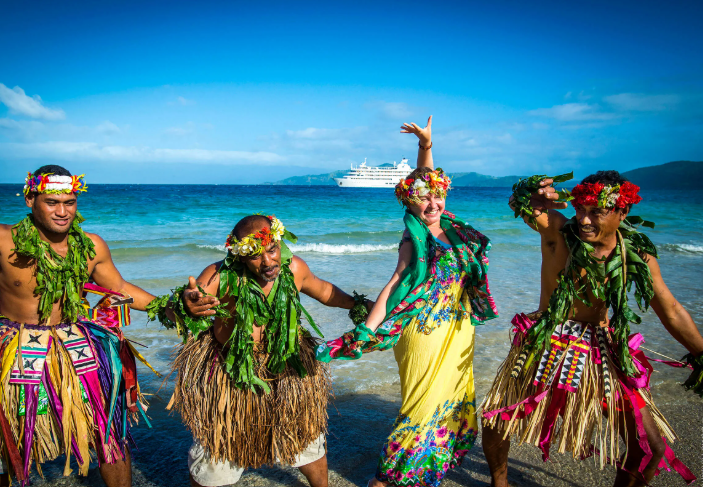
Fiji stands out as one of the world’s most distinctive island nations, comprising 333 islands scattered across the South Pacific. What makes Fiji particularly fascinating is its unique blend of Melanesian, Polynesian, Indian, and European cultures, creating a multicultural society where indigenous Fijian traditions coexist with influences from across the globe.
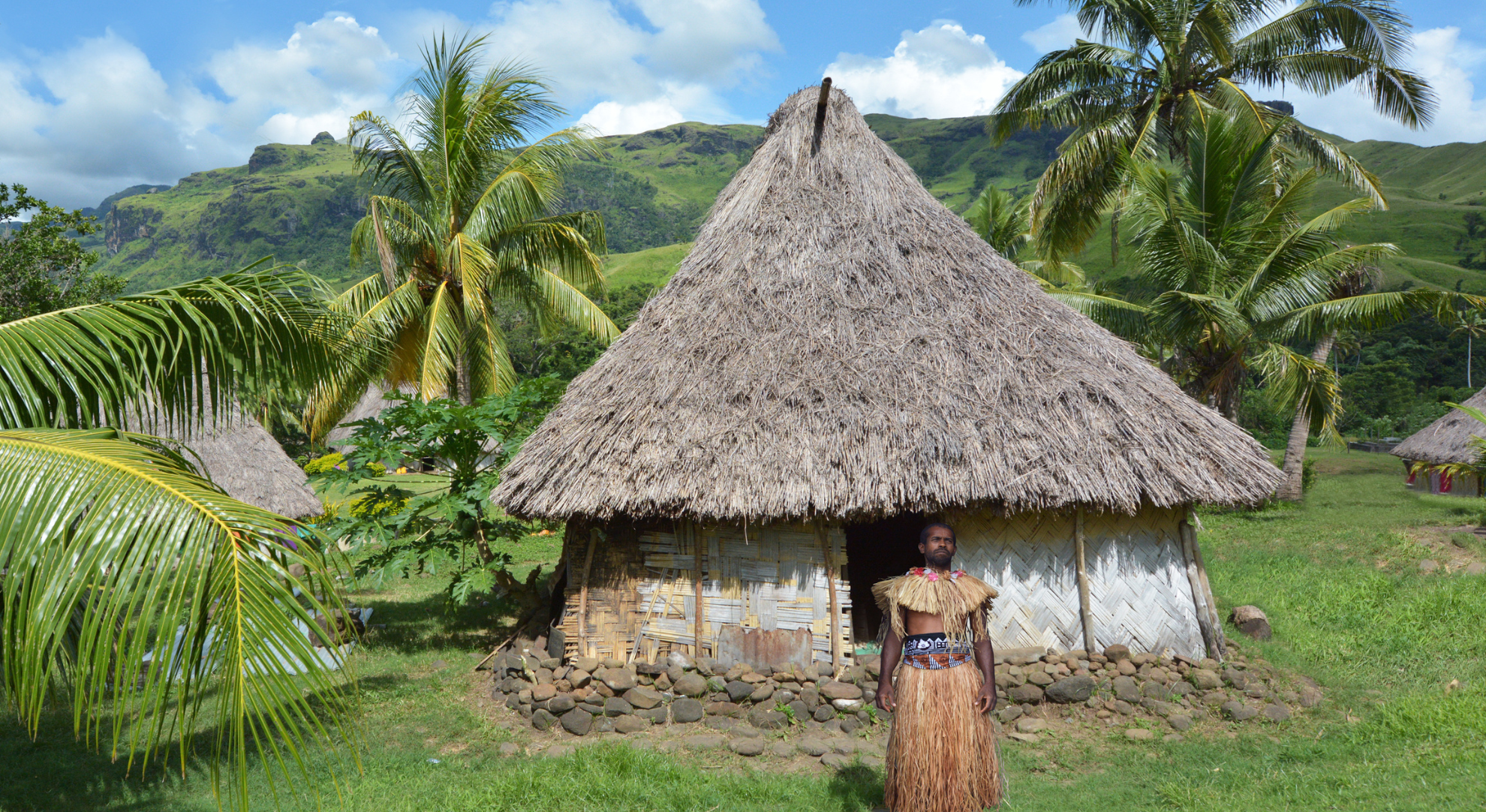
Fiji’s identity is shaped by a deep sense of community, tradition, and connection to the natural world. Village life, ceremonial customs, and a warm spirit of hospitality remain at the heart of Fijian society, creating a country that feels both grounded in its heritage and confidently modern. Today, Fiji is a vibrant Pacific nation where tradition and contemporary life exist in effortless balance.
More about Fiji
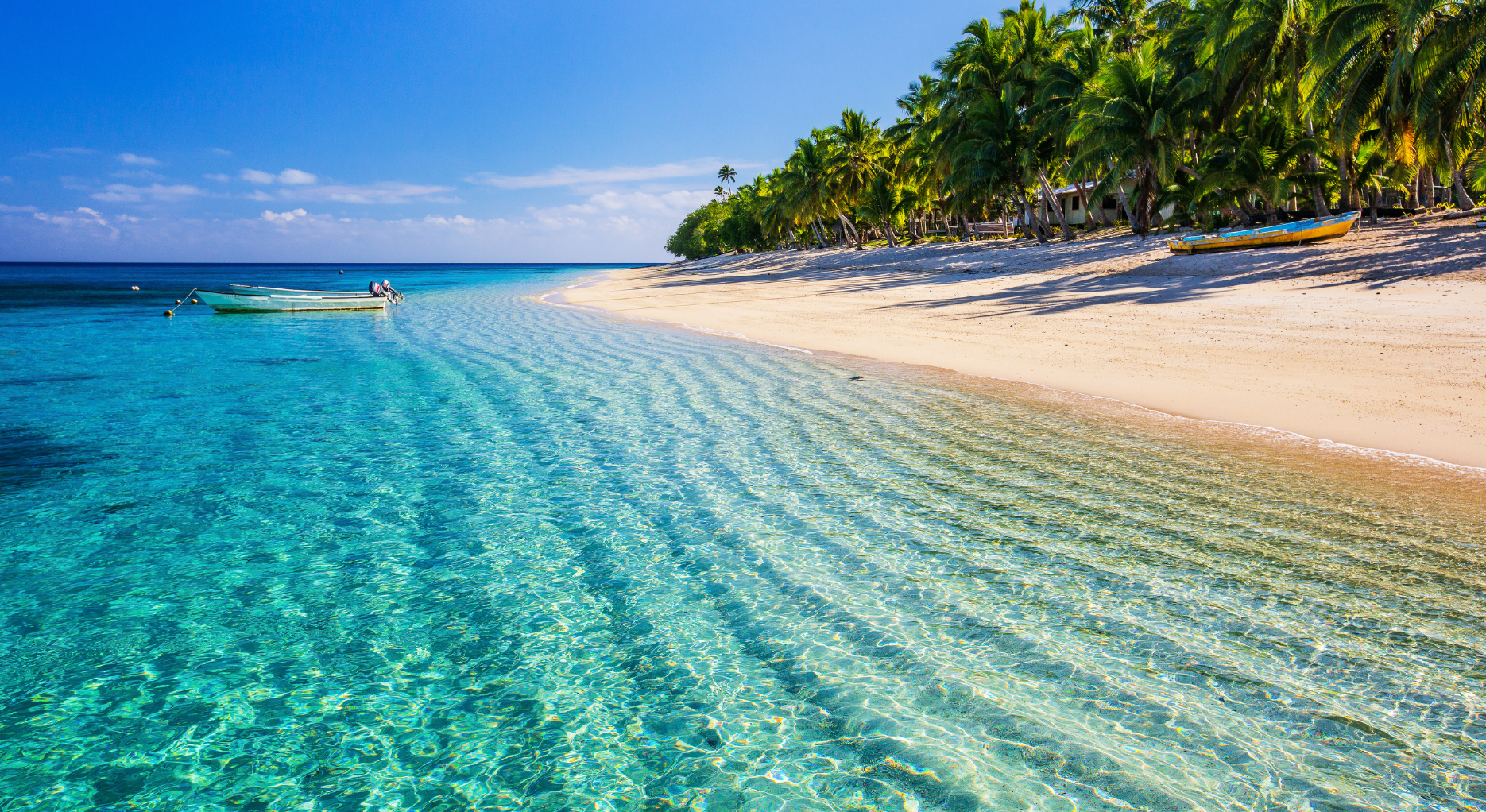
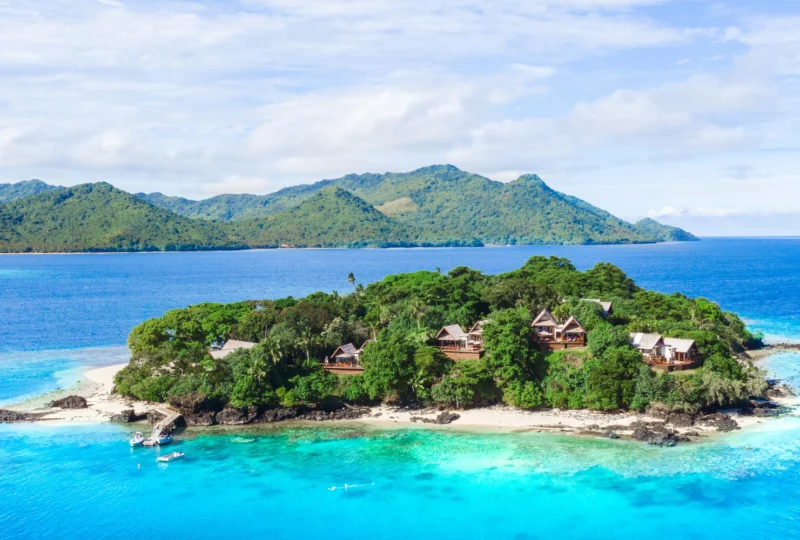
The natural environment is Fiji’s crown jewel, featuring some of the world’s most pristine coral reefs, crystal-clear lagoons, and tropical rainforests. The islands are renowned for their exceptional marine biodiversity, making them a global hotspot for diving and snorkeling enthusiasts who come to explore coral gardens, encounter manta rays and whale sharks, and experience some of the clearest waters on Earth.
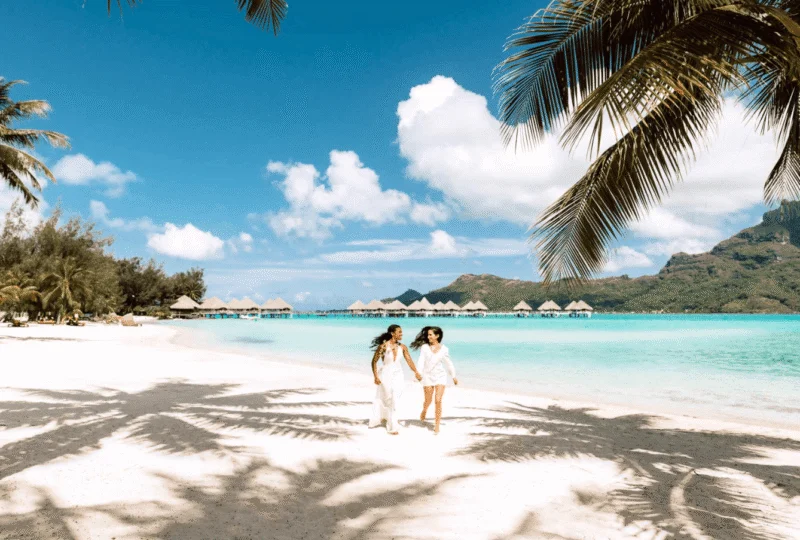
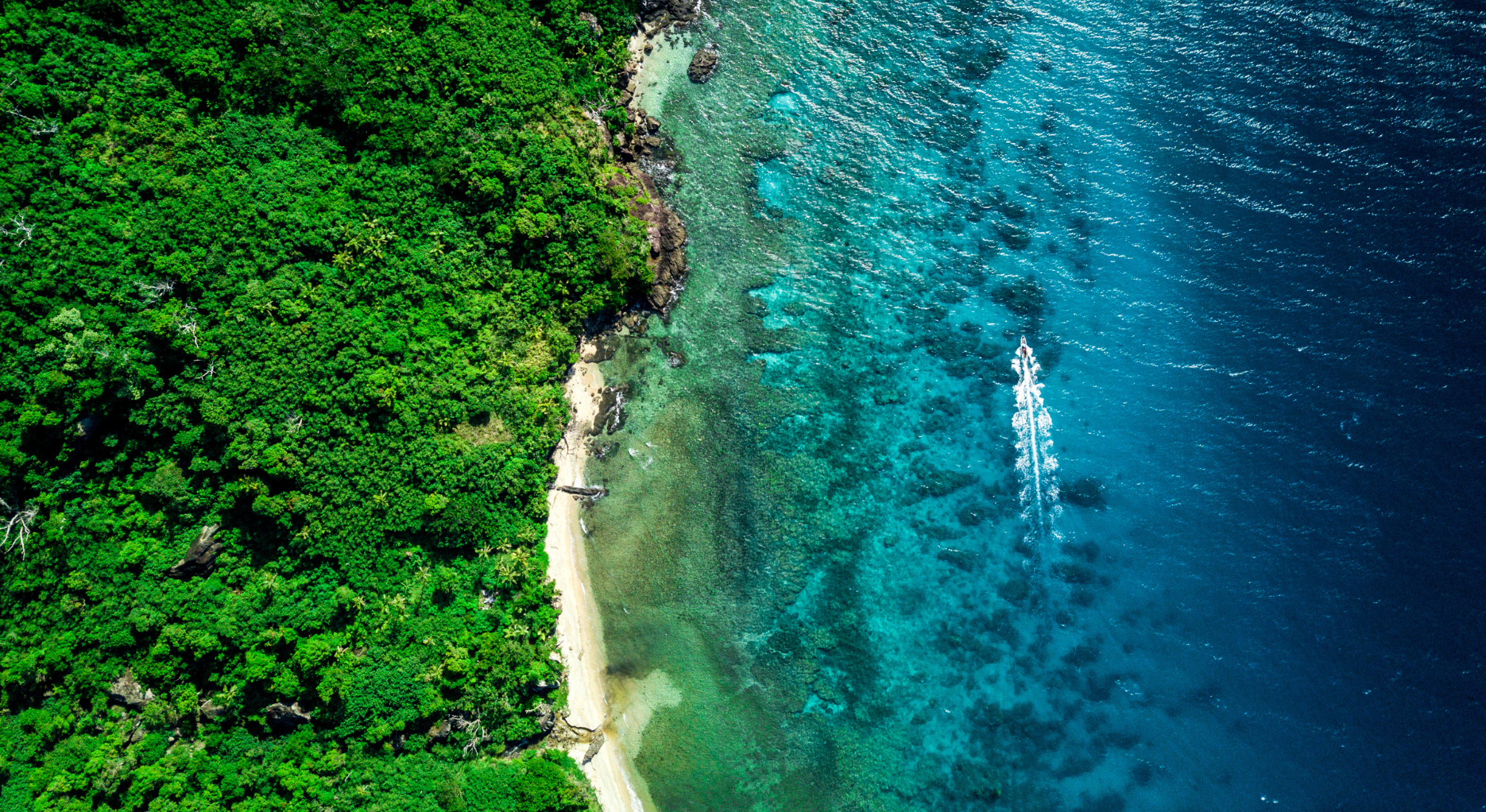
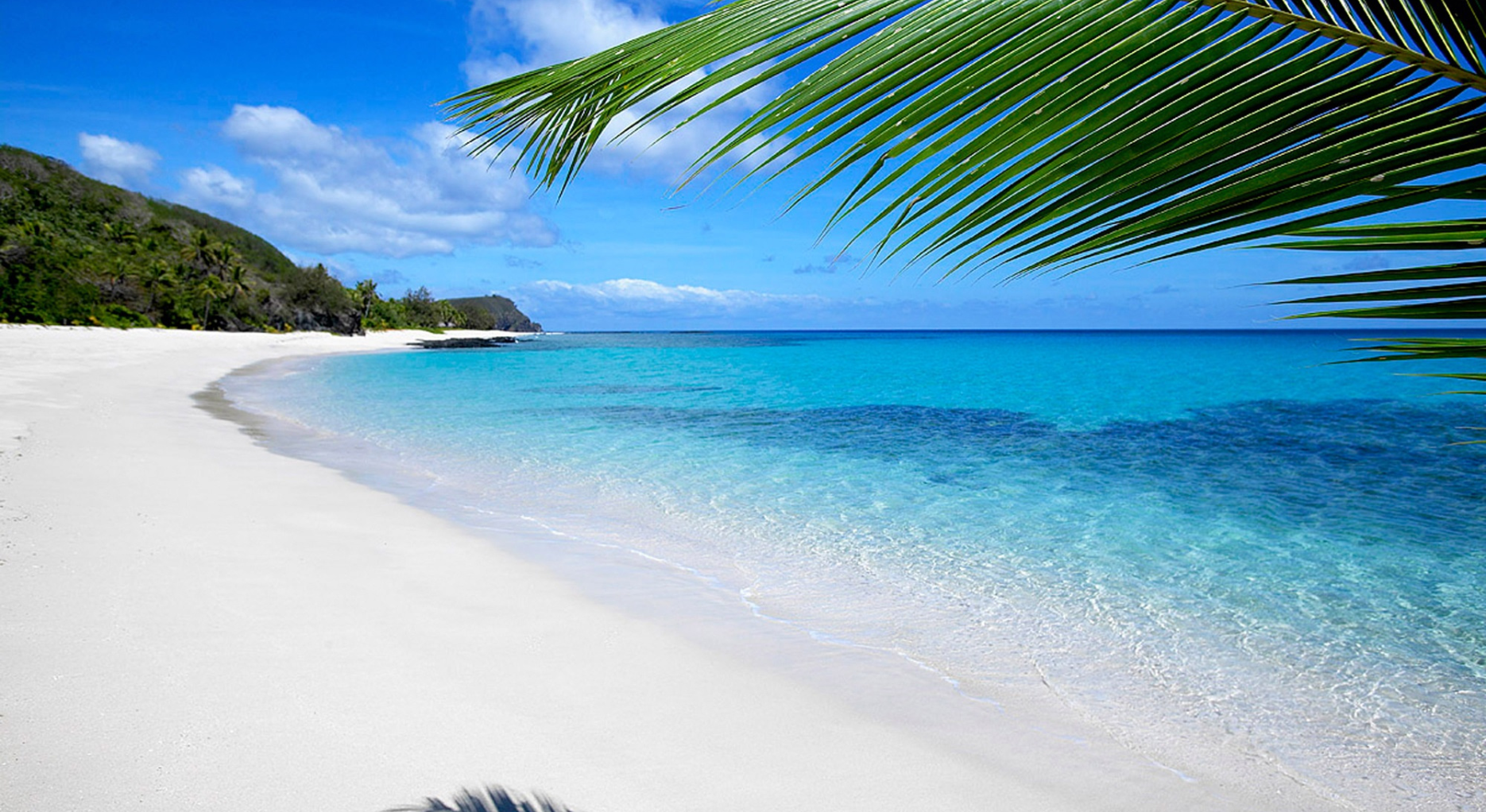
Beyond the underwater wonders, Fiji’s volcanic landscapes are distinguished by dramatic mountain ranges, cascading waterfalls, and pristine beaches with powder-white sand and swaying palm trees that epitomize tropical paradise.
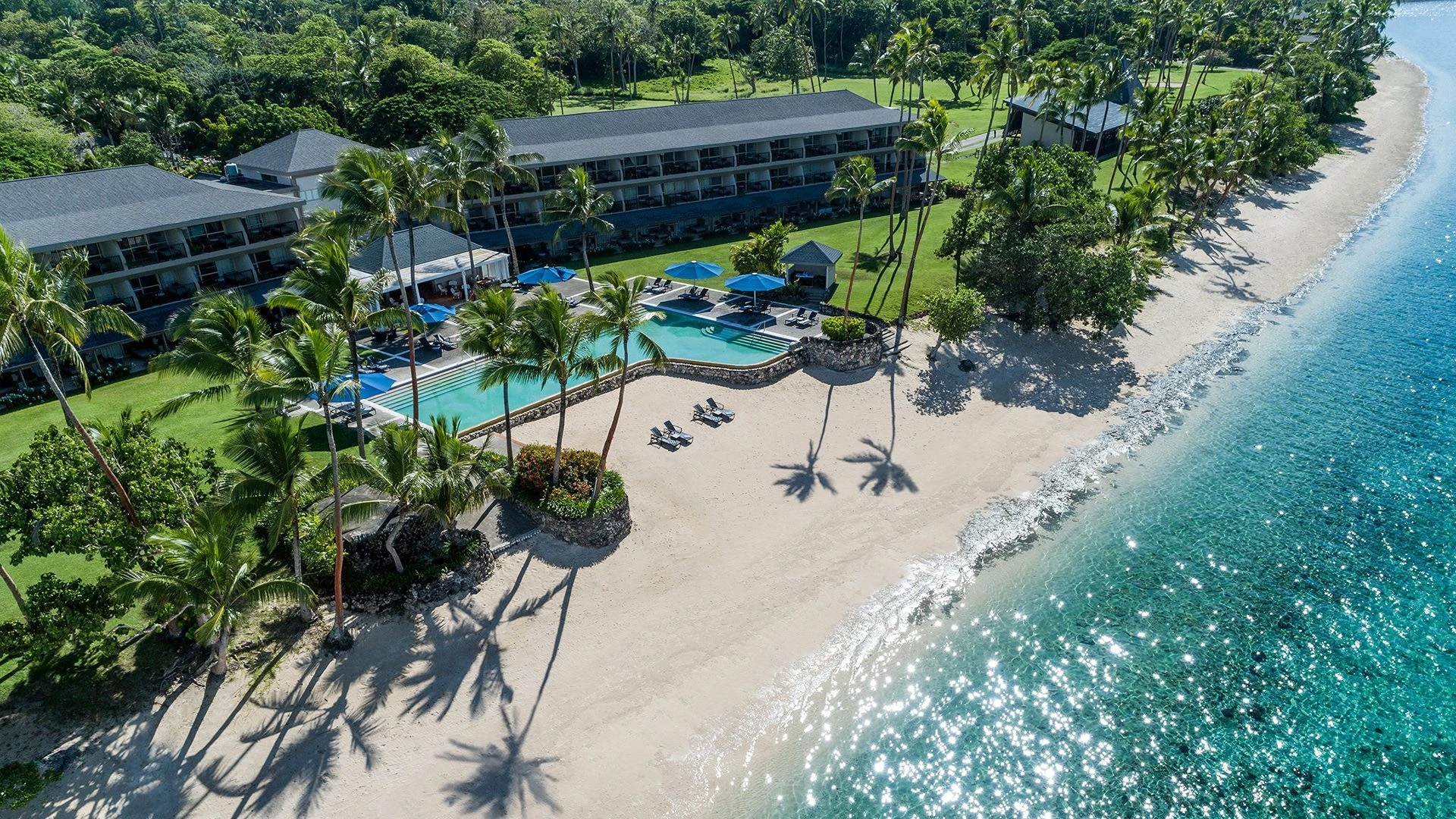
Tourism in Fiji centers around its reputation as both an adventure destination and a luxury escape, attracting everyone from budget-conscious backpackers island-hopping on budget ferries to celebrities staying in exclusive overwater bungalows at world-class resorts.
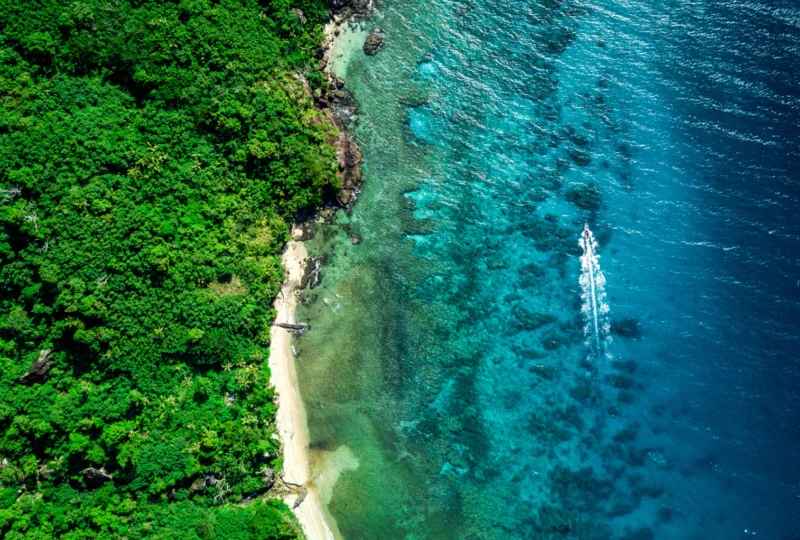
Trips in Fiji
Our itineraries are here to inspire you. Everything we do is tailor-made, so our team will customize one around your dates, pace and preferences.
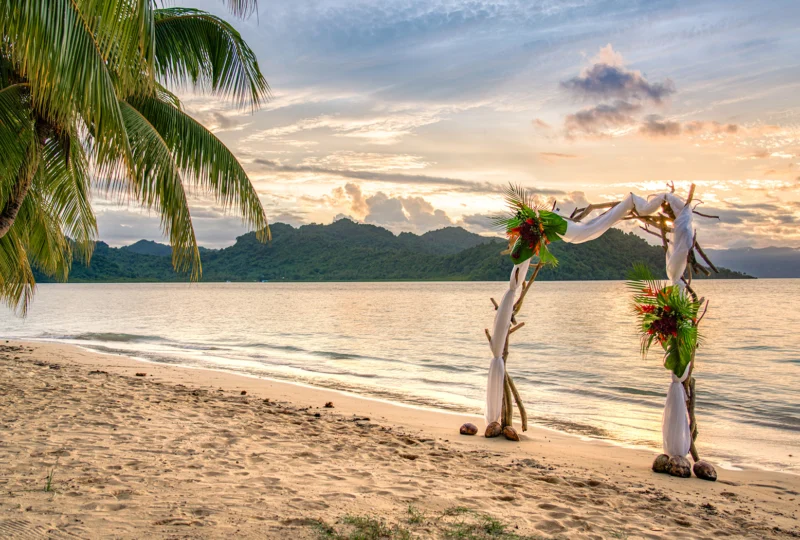
The Happiest Place on Earth: A Honeymoon in Fiji
Tailor-made VacationA honeymoon in Fiji means stepping into a way of life: not just the sunshine and the sea, but a sense of community that Fijians extend to visitors without much hesitation.
9 days View trip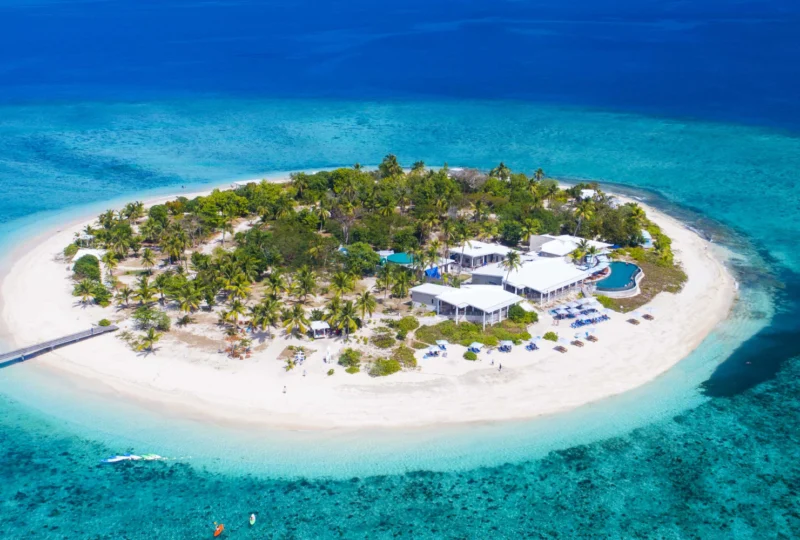
Luxury Fiji Island-Hopping: Mamanuca Islands and Taveuni
Tailor-made VacationTwo islands, two different versions of Fiji, one itinerary. This twelve-day itinerary moves between two regions that show different sides of the country: the Mamanuca Islands, all lagoon and white sand, and Taveuni, known across Fiji as the Garden Island for its waterfalls, rainforest, and reef. Rather than choosing one, this itinerary gives each region enough time to be more than a stop along the way.
12 days tailor-made from $7,920 per person View trip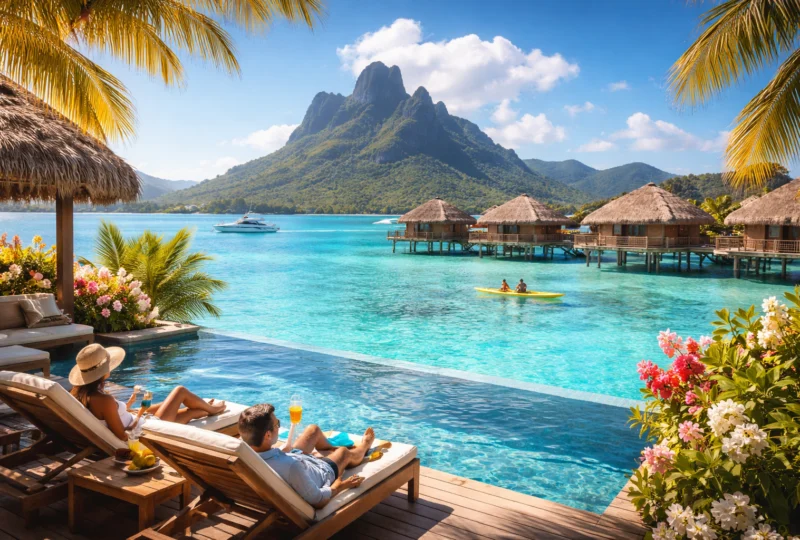
South Pacific Luxury Tour: Explore Fiji, New Zealand and Australia
Tailor-made VacationThree countries, one itinerary, and a private island finale. Embark on a once-in-a-lifetime journey that ventures through the heart of Australia, the wild beauty of New Zealand, and the idyllic islands of Fiji. This 24-day bespoke itinerary has been thoughtfully designed for those seeking both adventure and indulgence. Begin in Queensland’s tropical north, where the Great Barrier Reef and the Daintree Rainforest offer an incredible immersion into two World Heritage wonders.
24 days tailor-made from $17,830 per person View trip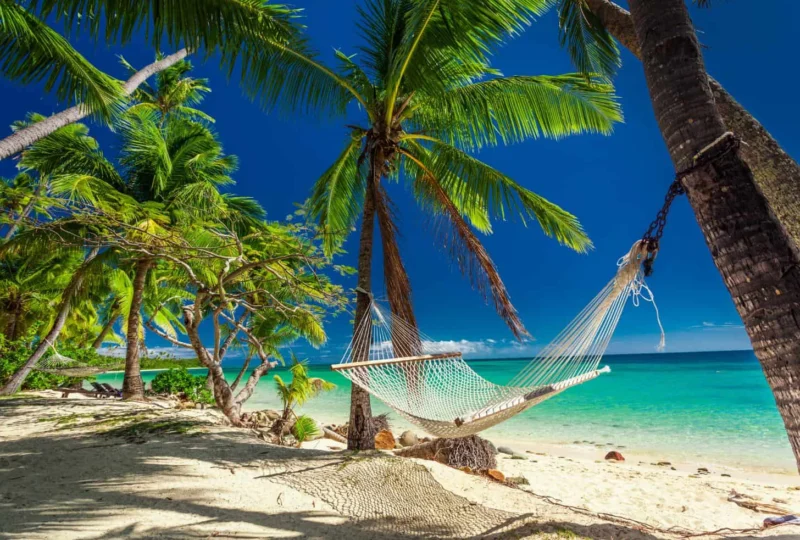
Slow Travel Fiji: A Luxury Long Stay Adventure
Tailor-made VacationMost Fiji itineraries move quickly; this one does not, and that is the entire point. Spend Fifteen days is enough time to complete a full open-water diving certification properly, to move between islands without rushing the ferry transfers, and to stay long enough within one community that a single day trip never allows. The extra time is not spent adding more stops to the schedule; it is spent going deeper into fewer of them.
15 days View trip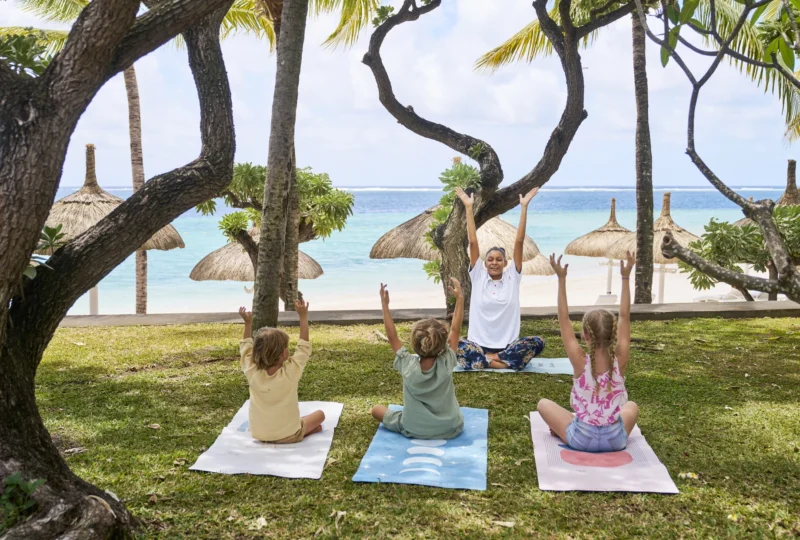
Escape to Fiji with Family: Five-Star Comfort for Every Age
Tailor-made VacationA family trip to Fiji means stepping into a culture that already centers on children, not a resort pretending to. Families who vacation here tend to come back talking about how quickly the resort learned their children's names, not just their room number: a kids' club counselor who knew which child liked which game by the second day and a waiter who started bringing the right order without being asked.
8 days View trip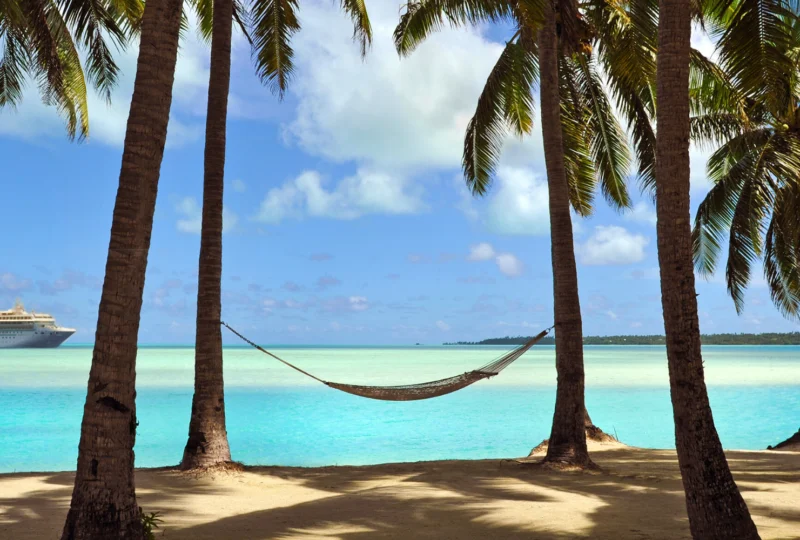
Luxury Australia and Fiji Honeymoon
Tailor-made VacationEmbark on a once-in-a-lifetime honeymoon that brings together the energy of Australia and the serenity of Fiji. This beautifully curated itinerary invites you to explore the world-famous sights of Sydney before unwinding on a private island in the heart of the South Pacific. You and your partner will enjoy luxurious stays, cultural depth and stunning natural beauty. Begin in Sydney, a city that dazzles with its harbourfront beauty.
15 days tailor-made from $7,920 per person View tripStellar service. Stellar products. Stellar people and it gets so much better when you pick up the phone and call.
Anthony S.
Super client centred service. From first contact I have had warm, efficient, friendly and flexible service.
John
I’m confident in giving Out Of Office a 5-star review! They are one of the leaders in this space without a doubt.
Tiberiu
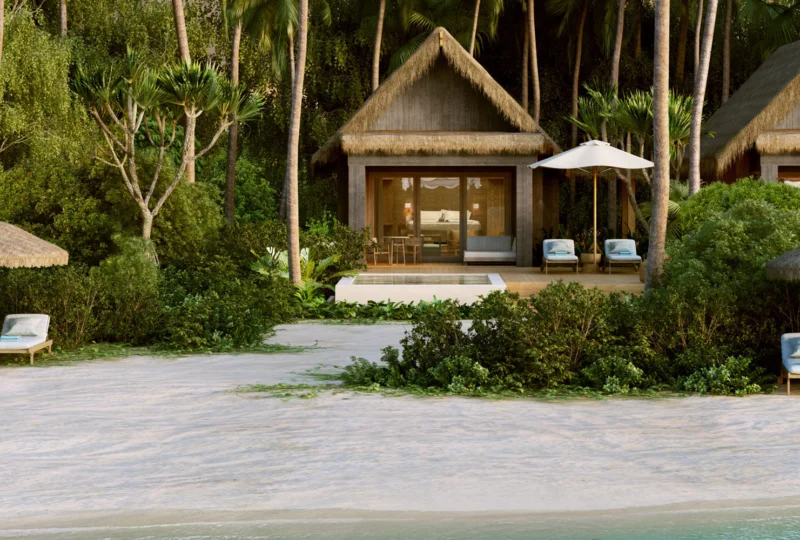
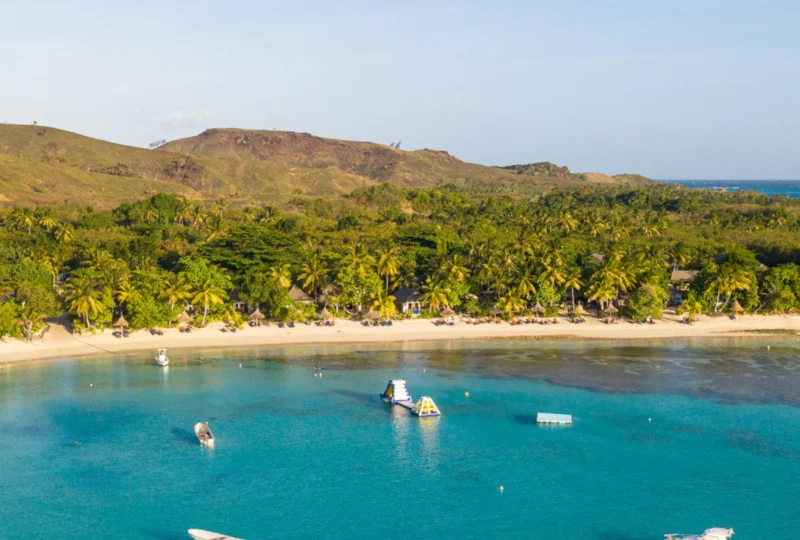
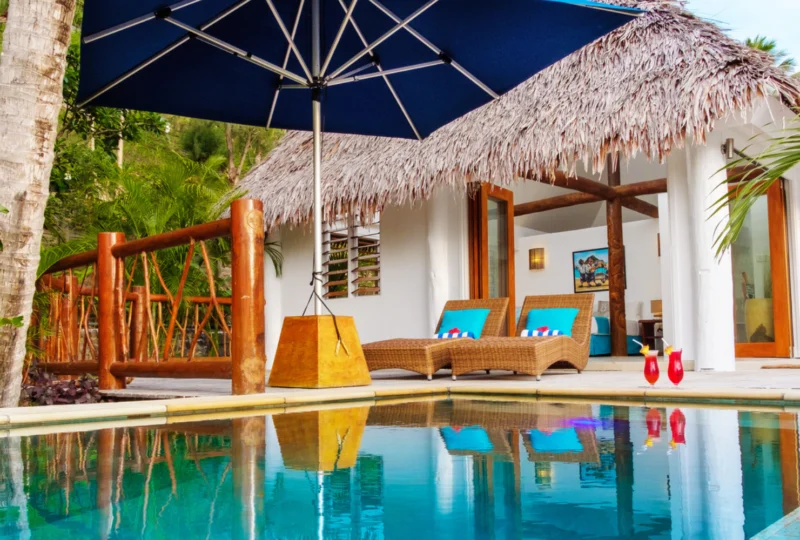
Fiji in pictures
Is Fiji LGBTQ+ friendly?
In Fiji, same-sex relationships are legal, same-sex marriage is banned and discrimination against LGBTQ+ people is prohibited. Equaldex gives Fiji an Equality Index of 52 out of 100.
Source: Equaldex, checked October 3, 2026.
Fiji’s resorts are used to welcoming same-sex couples, and its constitution is unusual in the region in protecting people from discrimination on the grounds of sexual orientation and gender identity. Same-sex relations have been legal since 2010.
The resort islands of the Mamanucas and Yasawas, and the private-island resorts further afield, see plenty of same-sex honeymooners, and the welcome there is warm and easy. There is no gay scene to speak of: Fiji is about the reefs, the beaches and its famously friendly service.
Beyond the resorts, Fiji is a traditional, church-going society, and public affection between any couple is uncommon in villages and towns. Keep it discreet there and follow your hosts’ lead on village visits. Same-sex couples cannot marry in Fiji, so ceremonies here are symbolic.
Travel Guides in Fiji
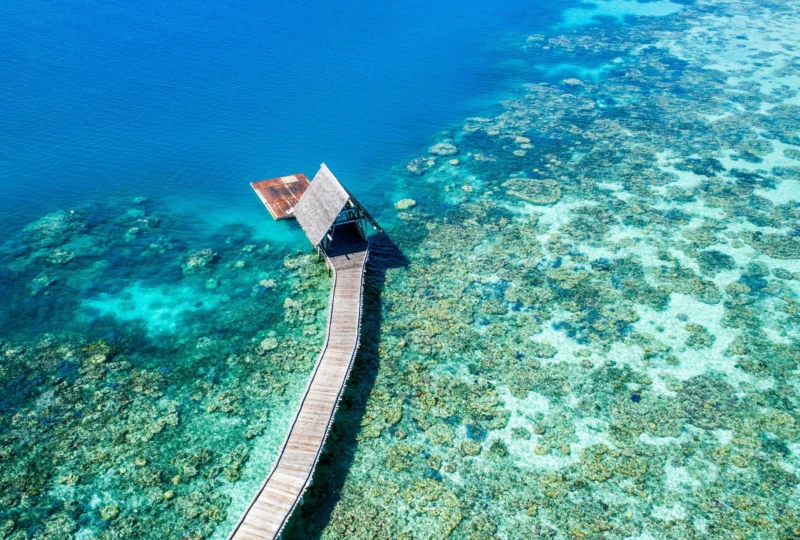
Best Overwater Villas Beyond the Maldives – Seychelles to Fiji
The Maldives may be the gold standard for overwater luxury – and for good reason – but it’s not the only place where you can wake up to the sound of waves beneath your suite and dive straight into turquoise seas. Whether you’re planning a honeymoon, a once-in-a-lifetime celebration, or simply an indulgent break, there are other destinations offering ultra-luxurious overwater villas.
Read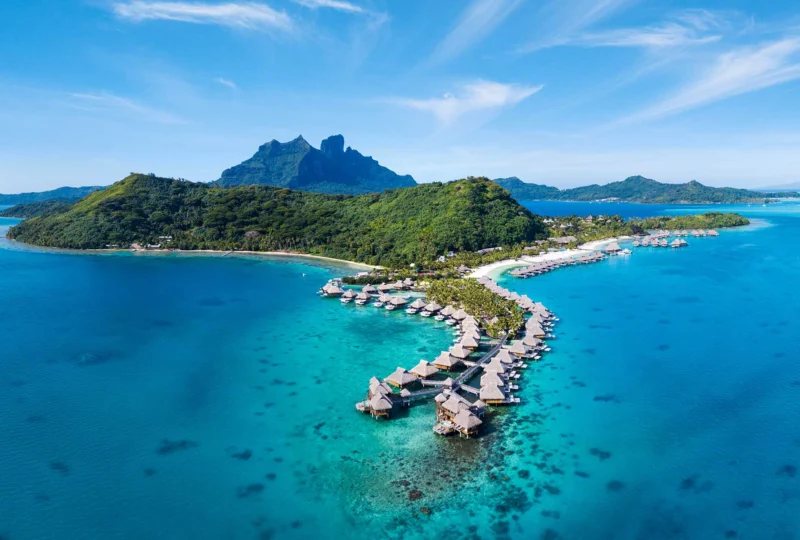
Best Luxury Alternatives to the Maldives
The Maldives has long reigned as the ultimate luxury tropical escape, with its dreamy overwater bungalows, crystal clear waters and coral atolls. However, the Maldives isn’t the last word in tropical island luxury. It also has limited cultural experiences beyond the confines of the luxury resorts. Yet for all its undeniable beauty and refined hospitality, the Maldives represents just one interpretation of tropical luxury.
Read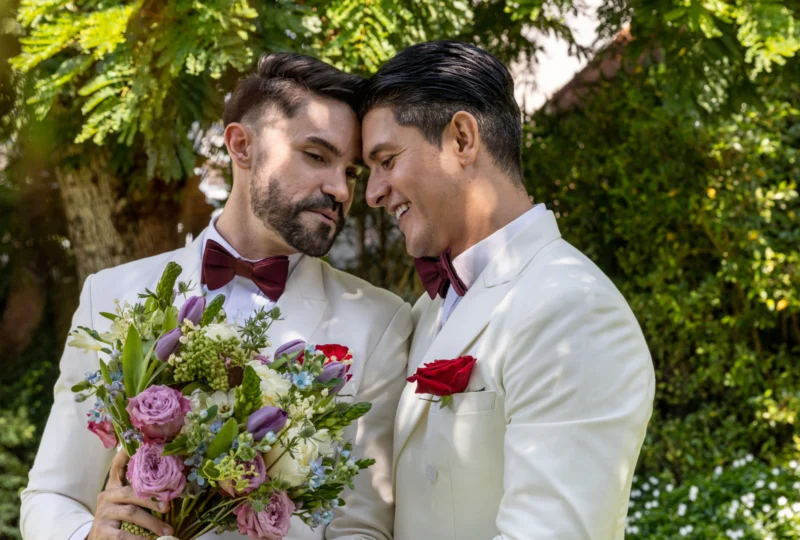
Tropical Destinations Where Gay Couples Can Legally Marry
Thailand became the first Southeast Asian country to legalize same-sex marriage in January 2025, joining a growing list of tropical destinations where gay couples can exchange vows legally. With 38 countries now recognizing marriage equality, LGBTQ+ couples have more stunning tropical options than ever before for their dream destination wedding.
ReadPlanning a Trip to Fiji
General information
Fiji is an archipelago nation in the South Pacific comprising over 300 islands, though only about 110 are permanently inhabited. The two main islands are Viti Levu (home to the capital Suva and international gateway Nadi) and Vanua Levu, which together account for about 85% of the country’s 900,000+ population.
The landscape varies dramatically from volcanic mountains and lush rainforests to pristine coral atolls and white-sand beaches, with the highest peak reaching 1,324 meters on Viti Levu. Fiji uses the Fijian Dollar (FJD), operates on Fiji Time (GMT+12), and English serves as an official language alongside Fijian and Hindi, reflecting the country’s multicultural heritage.
International flights arrive at Nadi International Airport, with domestic flights, ferries, and speedboats connecting the outer islands—though weather can affect schedules.
Infrastructure varies significantly: Viti Levu and Vanua Levu have sealed roads, reliable electricity, and decent internet connectivity, while remote islands may have basic facilities, limited power, and sporadic communication services. Most visitors stay in the developed western corridor around Nadi or the Coral Coast, where tourism infrastructure is well-established with international-standard resorts, restaurants, and services catering to luxury travelers.
Fiji LGBTQ+ rights
Fiji’s resorts are used to welcoming same-sex couples, and its constitution is unusual in the region in protecting people from discrimination on the grounds of sexual orientation and gender identity. Same-sex relations have been legal since 2010.
The resort islands of the Mamanucas and Yasawas, and the private-island resorts further afield, see plenty of same-sex honeymooners, and the welcome there is warm and easy. There is no gay scene to speak of: Fiji is about the reefs, the beaches and its famously friendly service.
Beyond the resorts, Fiji is a traditional, church-going society, and public affection between any couple is uncommon in villages and towns. Keep it discreet there and follow your hosts’ lead on village visits. Same-sex couples cannot marry in Fiji, so ceremonies here are symbolic.
What Everyone Does In Fiji
The overwhelming majority of Fiji visitors spend their time in or around the water, with snorkeling and diving topping nearly every itinerary. The coral reefs surrounding the islands are considered among the world’s best, drawing everyone from beginners taking their first underwater breaths to experienced divers seeking encounters with bull sharks, manta rays, and pristine soft coral gardens.
Island hopping by boat or seaplane is equally popular, allowing you to explore uninhabited islands, discover secluded beaches, and experience the dramatic variety between volcanic islands and low-lying coral atolls. Many travelers combine water sports like kayaking, stand-up paddleboarding, and deep-sea fishing with land-based adventures such as zip-lining through rainforest canopies, hiking to waterfalls, or white-water rafting on the upper Navua River.
What Some People Do In Fiji
A dedicated subset of visitors comes to Fiji specifically for world-class diving experiences that go beyond typical resort snorkeling. These travelers seek out remote dive sites like the Great White Wall in the Somosomo Strait or shark encounters at Beqa Lagoon, often staying at dive-focused resorts or liveaboard boats for multiple days underwater.
A smaller group of travelers opt for deeper cultural engagement, staying in traditional Fijian villages through homestay programs, participating in community development projects, or learning traditional crafts like tapa cloth making and wood carving. Some visitors focus entirely on remote islands with minimal tourism infrastructure, traveling by cargo boat to places like Rotuma or spending weeks in the northern Lau Group experiencing authentic island life.
What No One Else Does In Fiji
For a more niche experience, you can disappear into Fiji’s most remote and forgotten corners, places that even adventurous travelers rarely consider. You charter boats to reach uninhabited volcanic islands in the far northern Lau Group, camping for weeks on beaches where no tourist infrastructure exists and the nearest human contact might be a passing fishing boat.
Some people become fixated on Fiji’s pre-contact archaeology, obtaining research permits to participate in excavations of Lapita pottery sites or ancient fortified villages that predate European arrival by over 3,000 years.
Getting to Fiji
Getting to Fiji requires flying to Nadi International Airport (NAN), the country’s main international gateway located on the west coast of Viti Levu. Direct flights are available from major Pacific Rim cities, including Los Angeles, San Francisco, Vancouver, Auckland, Sydney, Brisbane, Tokyo, and Seoul, with flight times ranging from 4 hours from New Zealand to 10+ hours from North America.
Fiji Airways serves as the national carrier offering the most comprehensive route network, while other airlines like Virgin Australia, Jetstar, Air New Zealand, and seasonal carriers provide additional options. From Europe, Africa, or Asia, travelers typically connect through Australia, New Zealand, Japan, or the US West Coast, making the total journey time 15-24 hours depending on routing and layover duration.
Upon arrival at Nadi, visitors encounter a relatively straightforward immigration process, though peak season periods can create substantial queues. The airport sits conveniently in Fiji’s main tourism corridor, with most major resorts offering direct transfers.
For travelers heading to outer islands, domestic flights operate from the same terminal to destinations like Suva, Savusavu, and Taveuni, while helicopter and seaplane services provide scenic transfers to remote resorts.
The best trips begin with a conversation, not a booking form.
Tell us how you would like the trip to feel, and a specialist will take it from there.
Frequently asked questions
About Fiji
Is Fiji LGBTQ+ friendly?
In Fiji, same-sex relationships are legal, same-sex marriage is banned and discrimination against LGBTQ+ people is prohibited. Equaldex gives Fiji an Equality Index of 52 out of 100.
When is the best time to visit Fiji?
May to October is the best time to visit Fiji: the dry season is cooler and less humid, with clear days ideal for diving, hiking and island-hopping. November to April is warmer and wetter, with short, heavy showers, fewer visitors and better resort availability, and a real cyclone risk from January to March.
Can my trip to Fiji be tailor-made?
Yes. Everything we plan is tailor-made. Our suggested Fiji itineraries are starting points: your specialist shapes the route, the hotels, the pace and the length around your dates and preferences. As a guide, our suggested Fiji itineraries run from 8 to 24 days.
Which luxury hotels do you recommend in Fiji?
Our specialists' current picks in Fiji include Royal Davui Island Resort, Six Senses, Fiji and Yasawa Island Resort and Spa, each handpicked for how it welcomes every guest.
Is Fiji good for a honeymoon?
Yes. We plan honeymoons in Fiji, with 4 suggested honeymoon itineraries as starting points, such as The Happiest Place on Earth: A Honeymoon in Fiji and Luxury Fiji Island-Hopping: Mamanuca Islands and Taveuni.
Can I combine Fiji with another country?
Yes. Every trip we plan is tailor-made, so Fiji can be combined with other countries. Some of our travelers pair it with Australia or New Zealand.
Traveling with Out Of Office
What does Out Of Office do?
Out Of Office is a luxury LGBTQ+ travel company specializing in tailor-made vacations and extraordinary journeys around the world. We create bespoke luxury vacations, LGBTQ+ honeymoons, safaris, cruises, beach escapes, private tours and group trips, with every itinerary designed around you. Our travel specialists combine global expertise, first-hand destination knowledge and trusted local partners to create seamless, highly personalized experiences.
Is Out Of Office a gay travel agency?
Out Of Office is an LGBTQ+ owned and run luxury travel specialist, with particular expertise in gay and LGBTQ+ travel. We understand the additional considerations that can come with traveling as an LGBTQ+ person or couple, from local laws and customs to finding genuinely welcoming hotels and experiences.
We welcome every traveler, including friends, families and allies. Many of our clients are not members of the LGBTQ+ community, but choose Out Of Office for our luxury travel expertise, personalized service and discretion.
Do you create tailor-made LGBTQ+ vacations?
Yes. Every tailor-made trip with Out Of Office is designed from scratch around your interests, travel style, budget and the way you want to experience a destination. We can arrange luxury hotels, private transfers, flights, guides, excursions, cruises and special experiences as part of one personalized itinerary. The journeys shown on our website are there to inspire you rather than restrict you; only clearly identified group departures operate as fixed itineraries.
How do you choose LGBTQ+ friendly hotels and destinations?
We combine first-hand destination knowledge with trusted local expertise to recommend luxury hotels, resorts and experiences where LGBTQ+ travelers can feel informed and welcome. We also consider the laws, customs and attitudes of each destination, because LGBTQ+ rights and experiences differ around the world. Our team regularly visit many of the properties we work with and where a destination requires greater awareness, we give you clear and considered advice so that you can make an informed decision about where and how you travel.
We plant trees for every booking
For every booking made with Out Of Office we commit to planting trees in your name to help reduce the impact of travel on future generations. You'll even get a link to see where your trees are planted in the world via our partner Ecologi.

We donate to Rainbow Railroad with every booking
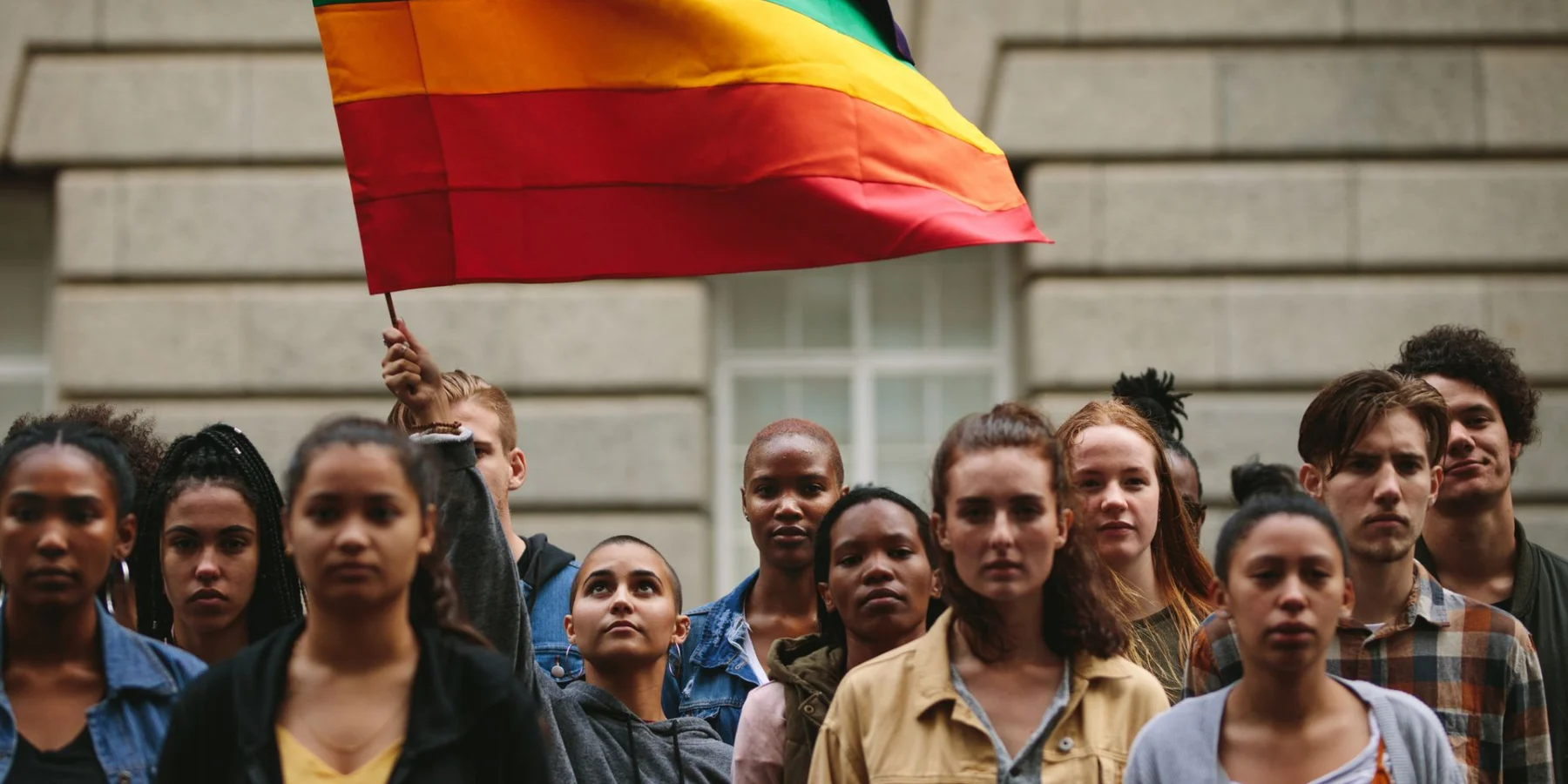
Rainbow Railroad helps LGBTQ+ people escape state-sponsored violence and persecution. A donation goes with every trip we sell, funded by us and never added to your price.

Start Planning Your Trip
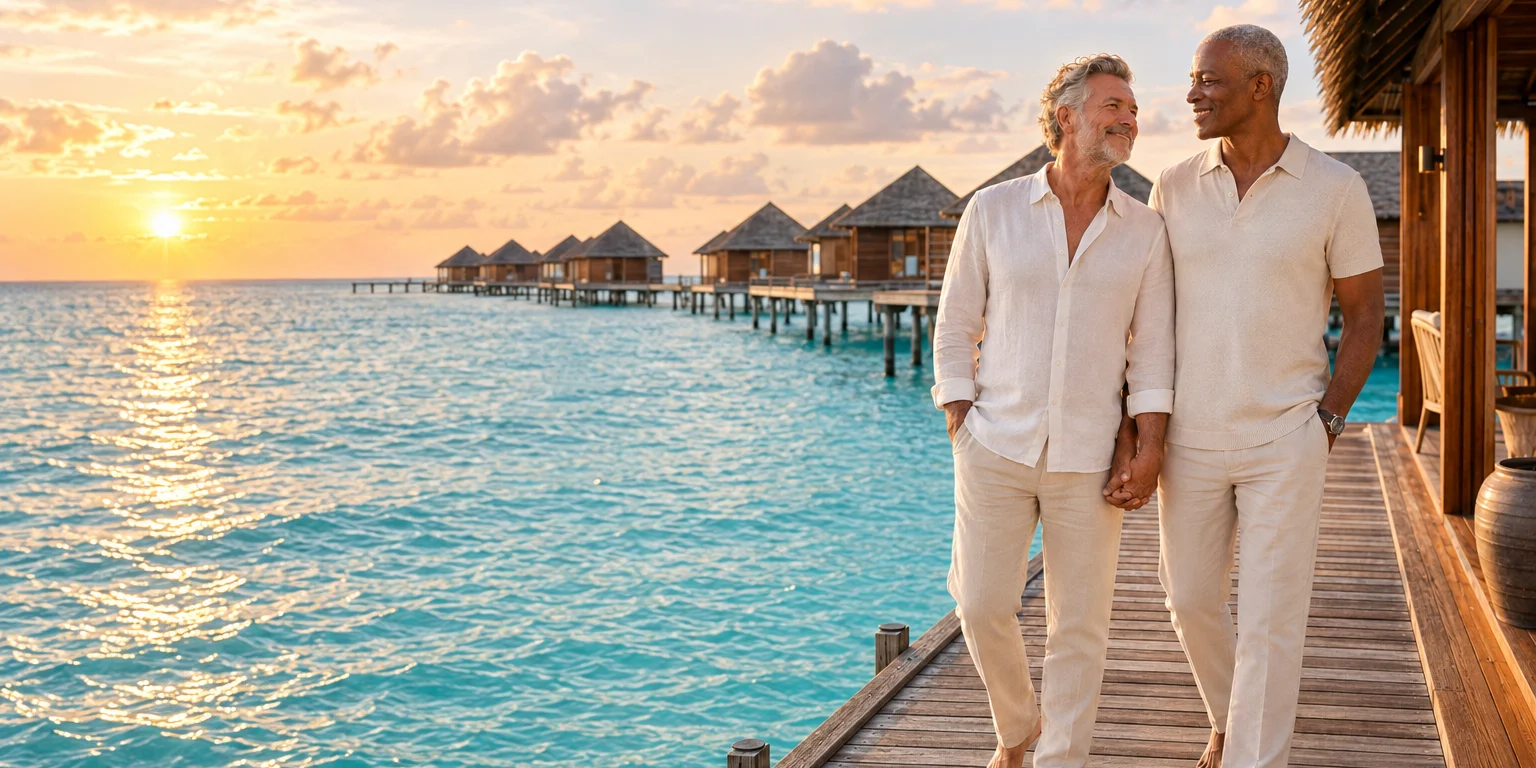
Tell us where you would love to go, when you are thinking of traveling and what kind of trip you have in mind. One of our LGBTQ+ travel specialists will create a tailor-made itinerary designed around your destination, style and preferences.
One named specialist, first inquiry to homecoming. No call center, and nothing is charged until you decide to book.