Japan’s legal landscape around same-sex marriage continues to evolve. Here is what the current situation means in practice for LGBTQ+ travelers and honeymooners.
Japan occupies a fascinating position in the global LGBTQ+ landscape. It is a country known for safety, social harmony and refined hospitality, yet it does not currently have nationwide marriage equality. For same-sex couples considering a honeymoon, wedding celebration or luxury trip, understanding the distinction between legal framework and lived experience is key.
The short version is this: Japan remains one of the safest and most welcoming countries in Asia for LGBTQ+ travelers, even though same-sex marriage has not yet been fully legalized at a national level.
Here is what that means in practical terms.
Japan does romance in a register most destinations can’t match. It is meticulous, visually extraordinary, and has a hospitality culture, omotenashi, that treats every guest as if the stay was designed specifically for them. For couples, that combination is close...We Suggest...
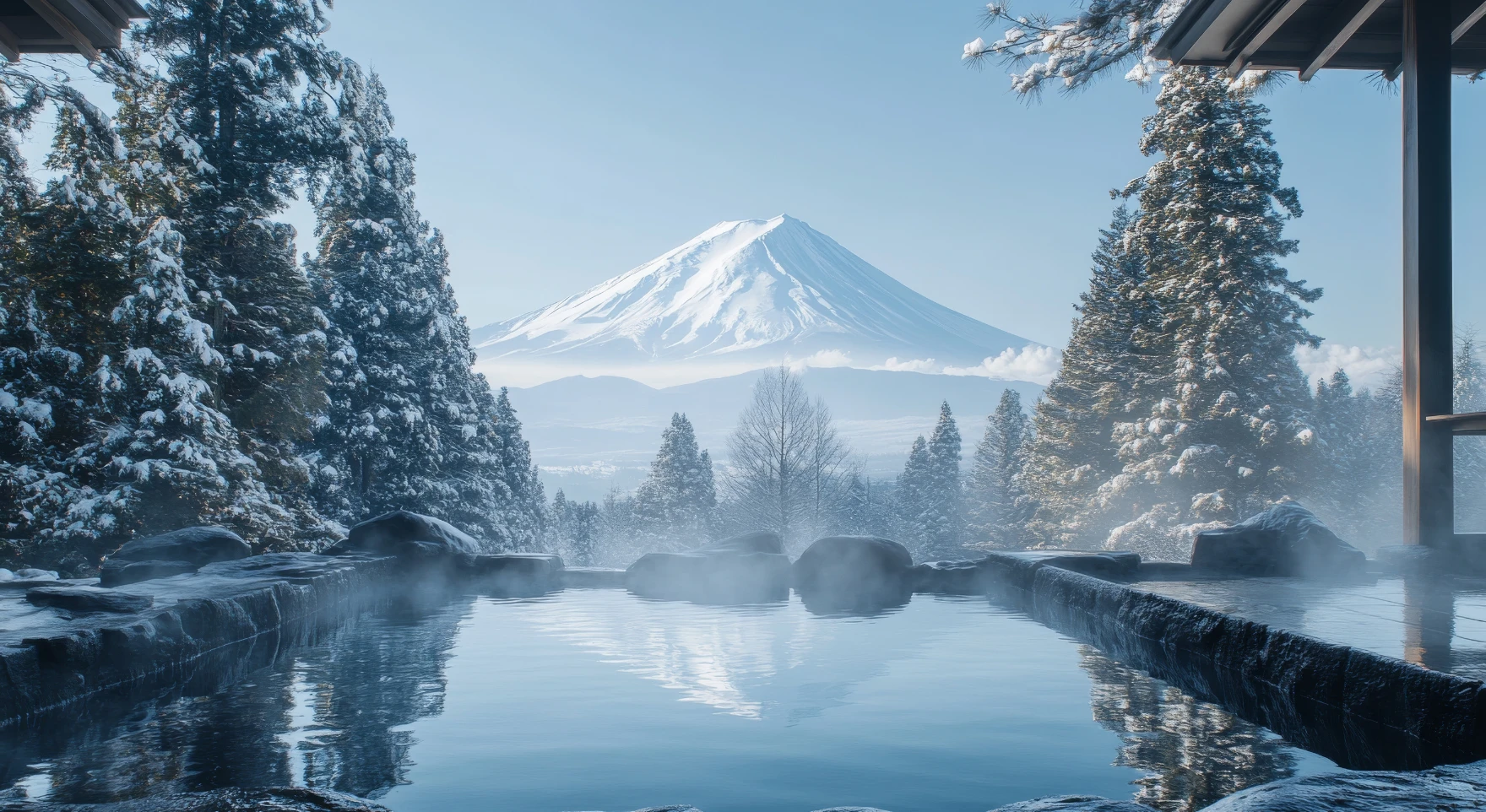
Japan Gay Honeymoon: Tokyo, Kinosaki Onsen & Kyoto
Tailor-Made Vacation
Is Same-Sex Marriage Legal in Japan?
Japan does not yet recognize same-sex marriage nationwide under civil law. The Japanese Constitution defines marriage as based on the mutual consent of both sexes, and although courts have increasingly ruled that the lack of marriage equality is unconstitutional or in a “state of unconstitutionality,” legislation has not fully caught up.
In recent years, multiple district and high courts have issued landmark decisions stating that denying marriage rights to same-sex couples violates constitutional principles of equality. While these rulings have increased pressure on the government, a nationwide marriage law has not yet been enacted.
Japan is currently the only G7 country without full marriage equality, though public opinion polls consistently show growing support for legal reform.
Local Partnership Systems
Although national marriage equality is not yet in place, many cities and prefectures operate partnership certificate systems. These allow same-sex couples to register their relationships locally.
These certificates are not equivalent to marriage. They do not provide full spousal rights under national law, particularly in areas such as taxation or inheritance. However, they can provide limited recognition in practical areas like hospital visitation or housing applications within participating municipalities.
For international visitors, these local systems generally have little direct impact. They are primarily relevant for residents rather than short-term travelers.
What This Means for Visiting Couples
For couples traveling to Japan, the legal situation rarely affects the visitor experience.
Japan is widely regarded as one of the safest countries in the world. Violent crime is extremely rare, and discrimination against foreign same-sex couples in luxury hospitality settings is uncommon. Major international hotels, ryokans and high-end travel providers are accustomed to hosting same-sex couples with professionalism and discretion.
Public displays of affection in Japan tend to be understated for all couples, regardless of orientation. Holding hands or light affection is generally unremarkable in urban areas such as Tokyo and Osaka, particularly in cosmopolitan neighborhoods. More overt displays of affection are uncommon among all couples in traditional or rural settings.
For honeymoons, milestone trips or luxury rail journeys, same-sex couples are treated in the same manner as any other guests. Staff training in international hospitality environments emphasizes privacy and respect.
Most couples who plan a Japan honeymoon spend a long time deliberating between Tokyo and Kyoto, then add Hakone as an onsen option because it appears on every list. Kinosaki Onsen, a small town on the Sea of Japan coast...We Suggest...
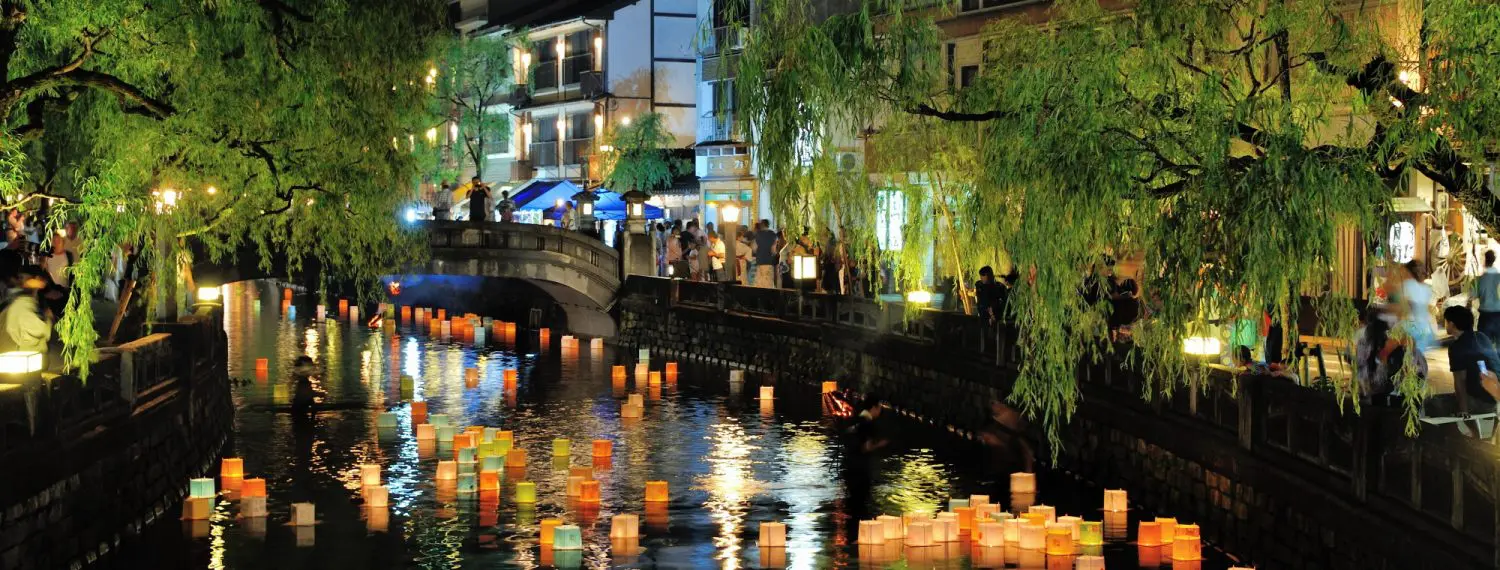
Kinosaki Onsen: Japan’s Most Romantic Town for Gay Couples
Social Climate
Japan’s social environment is often more progressive than its legal framework suggests. Younger generations in particular express strong support for LGBTQ+ equality. Major corporations, including international brands and domestic companies, have implemented diversity policies and sponsor Pride events in cities like Tokyo and Osaka.
Tokyo Rainbow Pride continues to grow in scale and visibility, reflecting a broader cultural shift. Media representation of LGBTQ+ individuals has also increased, contributing to greater normalization in urban areas.
While conservative views still exist in parts of society, they are rarely expressed confrontationally toward visitors.
Japan’s ryokans—traditional Japanese inns—are a quintessential way to immerse yourself in Japanese culture. Ryokans are found across Japan, often in scenic locations such as hot spring (onsen) towns, mountainous regions, and coastal areas. They continue to uphold traditional Japanese hospitality,...We Suggest...
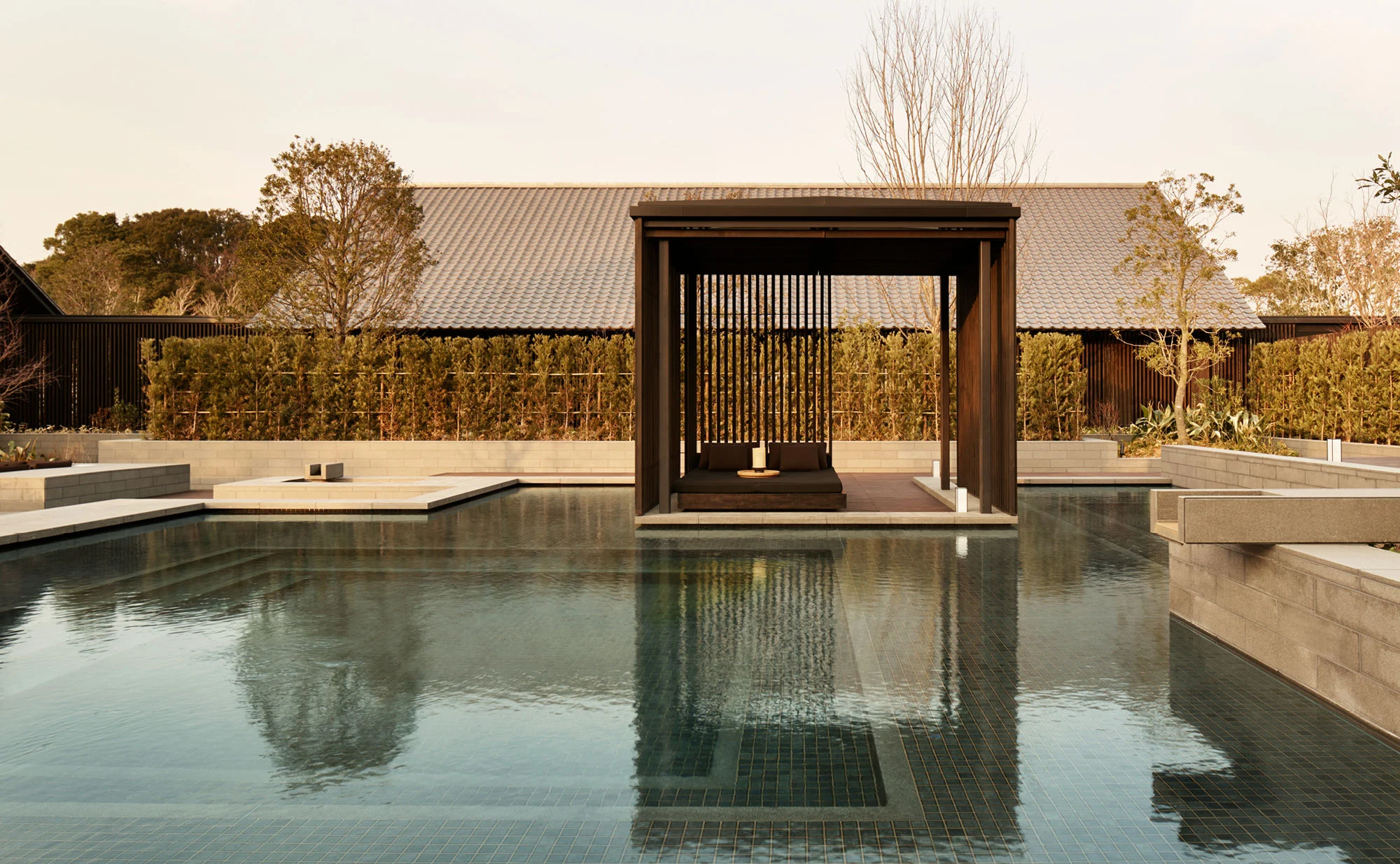
The Most Luxurious Ryokans in Japan
Planning a Gay Honeymoon in Japan
For couples considering Japan as a honeymoon destination, the absence of national marriage equality does not diminish the country’s appeal as a romantic setting.
Japan offers extraordinary privacy, refined service and deeply atmospheric experiences. Whether staying in a secluded ryokan with a private onsen, exploring Kyoto’s temples at dawn or traveling aboard a luxury train such as Seven Stars in Kyushu, the emphasis is on intimacy and immersion.
Japan’s hospitality culture prioritizes discretion and attentiveness. For LGBTQ+ couples, this often translates into a seamless experience where your relationship is acknowledged respectfully without negative comment.
Travel providers specializing in LGBTQ+ travel further ensure that accommodations, guides and experiences are vetted for inclusivity. This adds an additional layer of reassurance for couples seeking peace of mind.
Japan does not yet have national same-sex marriage equality, but that has not stopped it from being one of the most compelling destinations for LGBTQ+ couples considering a wedding or honeymoon abroad. What Japan offers instead is something arguably more...We Suggest...
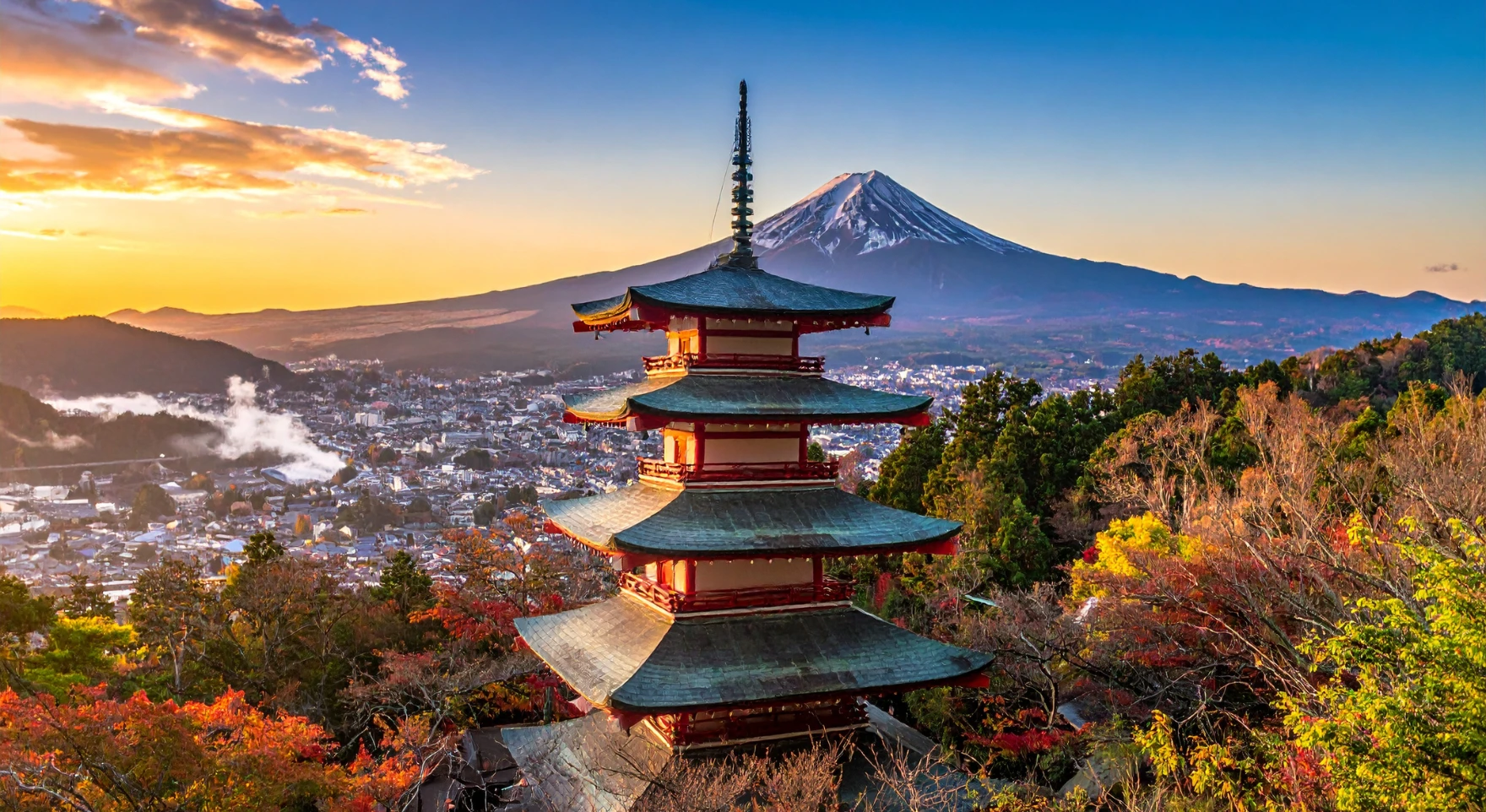
Gay Wedding in Japan: A Luxury Same-Sex Wedding & Ceremony
Tailor-Made Vacation
Symbolic Ceremonies in Japan
While Japan does not yet recognize same-sex marriage at a national level, couples can absolutely celebrate their commitment through beautifully curated symbolic ceremonies.
These ceremonies are not legally binding, but they offer something just as meaningful: a private, personal moment set against one of the world’s most atmospheric backdrops.
Ceremonies can take place in traditional settings such as Kyoto gardens, historic temples that permit private blessings, contemporary design hotels in Tokyo, or scenic coastal and mountain locations. Some ryokans and luxury resorts also offer private vow renewal or commitment-style celebrations designed for international couples.
Symbolic ceremonies in Japan often incorporate elements of local tradition. This may include a sake-sharing ritual inspired by San-san-kudo, seasonal floral arrangements, calligraphy vows, or kimono styling for photography. The tone is typically understated and intimate rather than theatrical.
For LGBTQ+ couples, this approach can feel especially aligned with Japan’s aesthetic. The focus is on meaning, atmosphere and privacy. There is no bureaucracy, only the experience itself.
For many couples, combining a symbolic ceremony with a luxury honeymoon creates a journey that feels both romantic and culturally immersive. It allows you to mark the occasion in a way that is authentic to you while embracing the beauty and ritual of Japan.
Speak to our specialists about creating a luxury Japan honeymoon crafted exclusively for you.