Here's our deep dive into the intricacies of LGBTQ+ travel in India
India’s legal relationship with homosexuality is contradictory in ways that matter directly to how you travel there. Section 377 of the Indian Penal Code technically criminalizes “unnatural offences,” a colonial-era statute that was historically used to prosecute consensual same-sex relationships. In 2018, India’s Supreme Court read down the law to decriminalize consensual sexual acts between adults in private. The statute wasn’t repealed. It still exists. But its application to consensual adult behavior technically changed.
That’s the law. The reality is far more complicated and varies dramatically across geography, class, religion, and visibility. Understanding India as a gay traveler requires understanding that these two things operate almost completely separately.
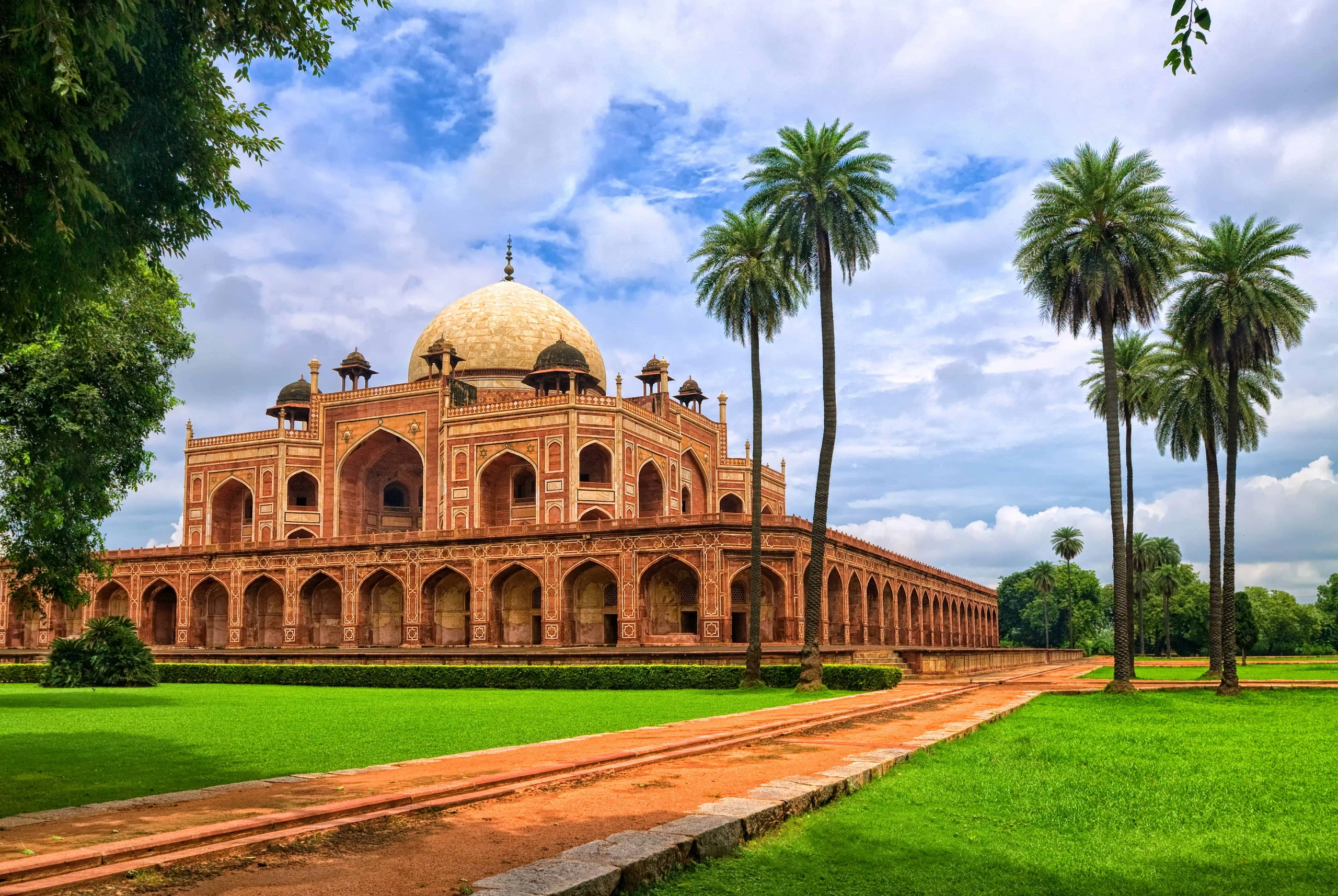
Delhi: Legal Change Doesn’t Equal Social Change
Delhi gay scene is amorphous. As it’s still a socially conservative place, most LGBTQ+ people are in the closet. That makes a fixed, visible gay scene difficult to sustain. Gay events and parties are usually mediated through apps like Grindr. Connecting with LGBTQ+ locals is the best way to navigate the scene, as long as you meet in a public, tourist-friendly place and keep your wits about you.
About Out Of Office
Out Of Office is a luxury tailor-made travel company with a focus on delivering exclusivity and inclusivity. Our passion for global adventure is matched only by our deep commitment to delivering exceptional five-star service.
Everything we do is customised and designed especially for you – our valued customer – based on your exact personal requirements. Each member of our team is widely travelled. This means you get access to first-rate travel insights and the best possible advice from our team of luxury travel experts.
| Enquire Now |
Despite the partial repeal of Section 377, police raids at gay venues and events are still known to happen.
Hindu nationalism has intensified over the past decade in Delhi. The city’s political culture has shifted toward more conservative religious positioning. This shapes attitudes toward sexuality broadly. Traditional Hindu family structures emphasize reproduction and caste continuity.
This, in no small part, explains Delhi’s socially conservative attitudes.
We Suggest...
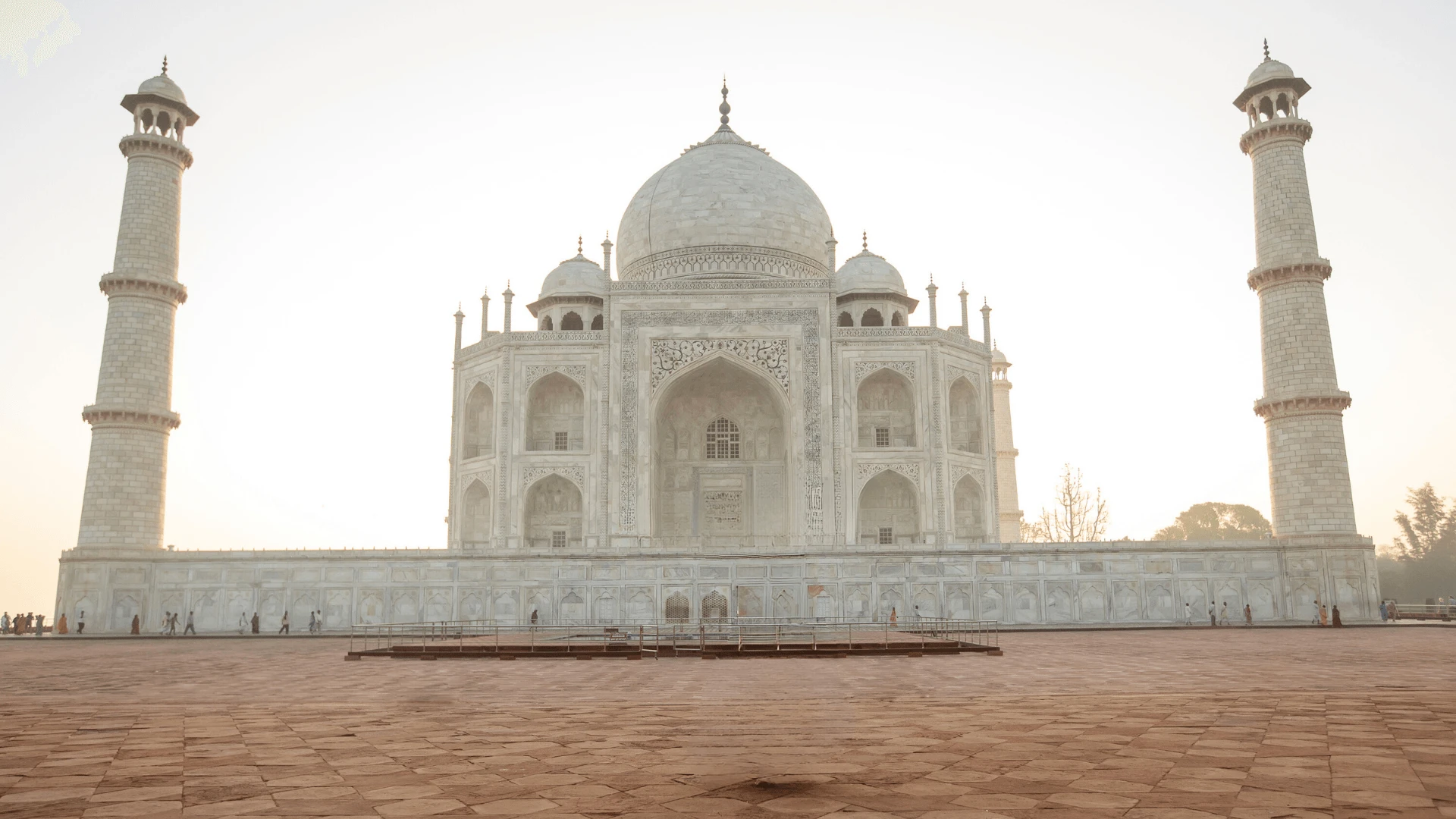
Enchanting India: A Luxury LGBTQ+ Journey
Group TripExperience the magic of India as you embark on an incredible journey through its most iconic destinations with a group of like-minded LGBTQ+ friends. Begin in Delhi, where ancient history meets modern marvels. Explore vibrant bazaars, magnificent monuments, and indulge...
Mumbai: Where Visibility Meets Economics
Mumbai has the most developed gay scene in India. The city is economically powerful enough to absorb cultural diversity in ways most Indian cities can’t match. Same-sex couples can exist relatively openly in specific neighborhoods. Dating apps have thousands of active profiles. There are gay-friendly hotels, restaurants, and social spaces that operate almost entirely openly.
But Mumbai is also where caste, class, and religion matter more than in Delhi. A wealthy gay couple can live relatively openly in Bandra or Worli. A working-class gay person in suburban Mumbai faces completely different social and legal pressure. The law has decriminalized consensual adult behavior, but family structures, neighborhood surveillance, and economic dependence mean that sexuality remains controlled through social mechanisms rather than legal ones. Your freedom depends entirely on your economic independence and social position.
We Suggest...

Golden Triangle with Mumbai and Goa
Tailor-Made VacationEmbark on a luxury journey that encapsulates the best of India, blending rich culture and heritage with serene beach resorts and mountain escapes. In Delhi, uncover the layers of Indian history with guided tours of Old Delhi’s labyrinthine bazaars and...
Mumbai is the few bars that actively advertise LGBT+ events in Indian, Kitty Su being the most notable. It’s located in the Lalit Mumbai Hotel.
Kitty Su has partnered with House of Rage, which hosts parties that draw up to 800 people on Saturdays and about 1,500 people for special events like Pride parties. So it’s not just a venue, it’s actively hosting organized gay parties and events.
Now I can write the Mumbai section accurately. Want me to draft it incorporating Kitty Su and the actual Mumbai LGBTQ+ scene (House of Rage, Gay Bombay, Salvation Star, the class dynamics)?

House of Rage: Mumbai’s Visible LGBTQ+ Scene Organizer
Inder Vhatwar, 43, grew up in the slums of Mumbai and lost his dad when he was three. He was able to go to London, where he did a course in visual merchandising and space management. While in the U.K., he realized that the world was growing more accepting to LGBTQ+ people, and that India could be more open too.
He returned to Mumbai with that vision. He returned to Mumbai and very publicly launched his short-lived boutique (British celebrity Stephen Fry once stopped by). Meanwhile, he founded House of Rage, which now hosts parties pretty much every week.
House of Rage weekday events attract up to 250 people, Saturday events draw up to 800 people, and special events like their Pride party pull about 1,500 people. This is genuinely significant infrastructure for Mumbai. For several years, Inder Vhatwar has been organising easy-going parties at clubs and bars (those in 4- and 5-star hotels as well) all over Mumbai. Rage by D’Kloset has made its name through parties hosted every weekend.
This isn’t just clubbing. Vhatwar is deliberately building access points for LGBTQ+ people who can’t afford entry fees, who need to move through the scene without family knowledge, who need non-nightlife community spaces.
Inder Vhatwar has a sizable Instagram following as @ragebydkloset. If you’re traveling to Mumbai and want to experience the organized queer scene, reaching out through his Instagram to ask about events during your visit is the actual way this works. Party details circulate through social media and Instagram alerts.
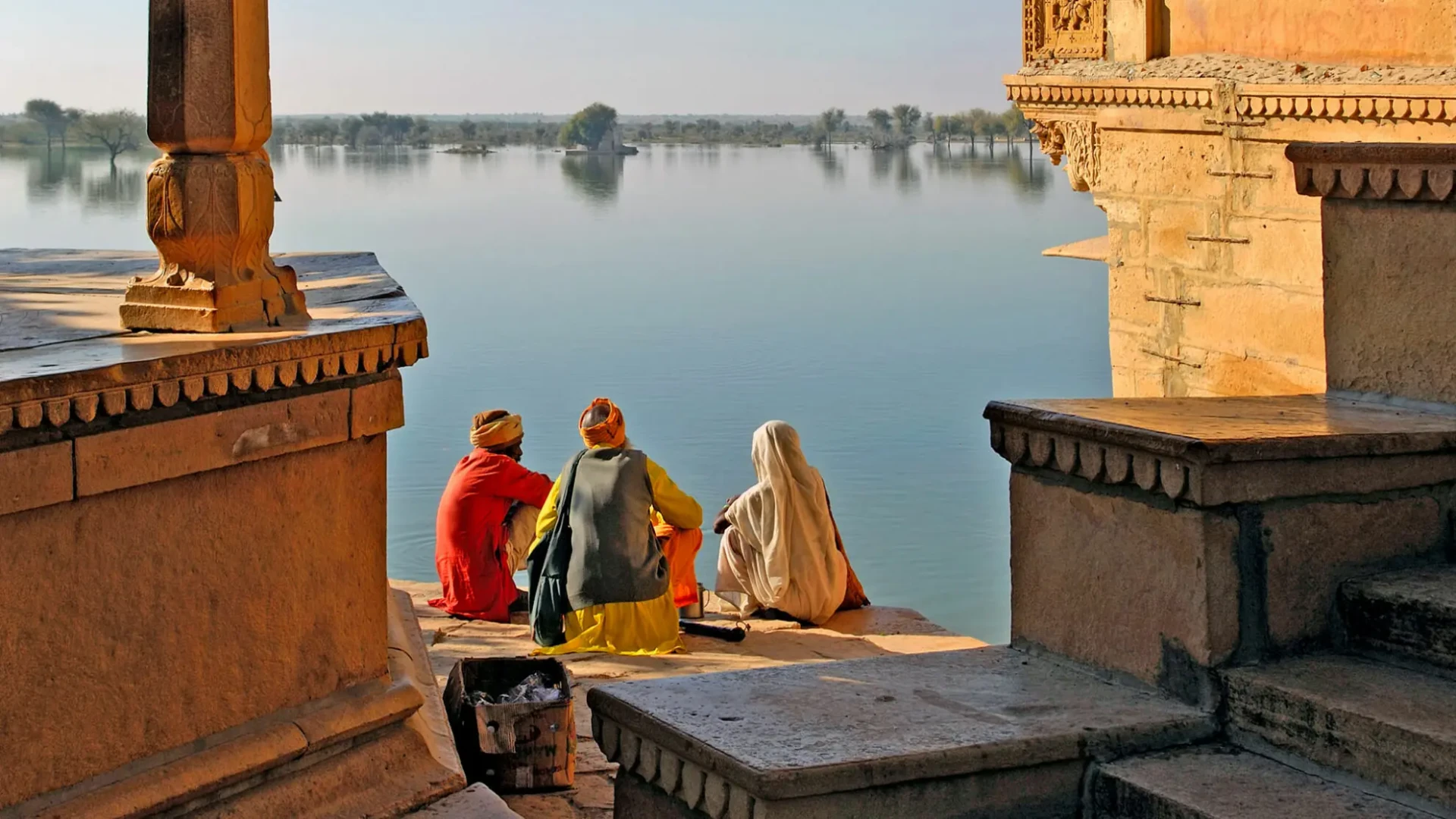
Goa: Tourism Creates Temporary Liberation
Goa operates according to completely different rules than mainland India. It’s a former Portuguese colony with a significant Christian population (unusual in Hindu-majority India), which creates different social baseline assumptions. More importantly, Goa’s entire economy depends on foreign tourism. The state has normalized behaviors and social openness that would generate serious conflict elsewhere in India.
Gay travelers can exist relatively openly in Goa. There are beaches where same-sex couples are visible. There are restaurants and accommodations that explicitly market to LGBTQ+ clientele. The state government has explicitly positioned itself as LGBTQ+-friendly to attract tourism. This is not accidental. It’s deliberate economic calculation.
But this openness is also geographically and temporally bounded. During tourist season (November to February), Goa becomes a space of exceptional freedom. Outside tourist season, the same spaces operate according to different assumptions. The social tolerance exists because tourists spend money and Goan business owners depend on that spending. The local population’s actual relationship to LGBTQ+ identity is far more conservative.
We Suggest...
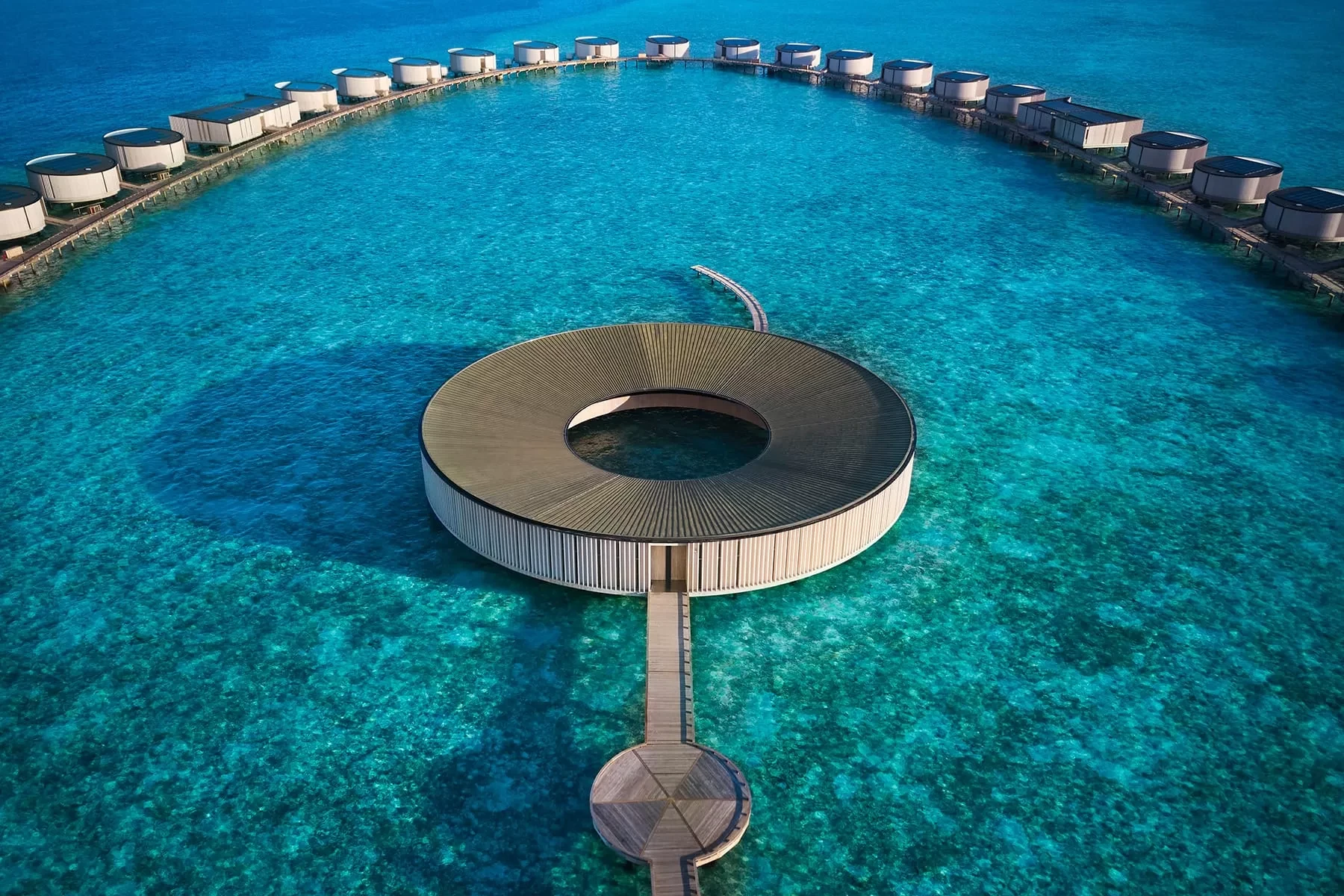
The Law vs. Reality: Gay Travel to the Maldives
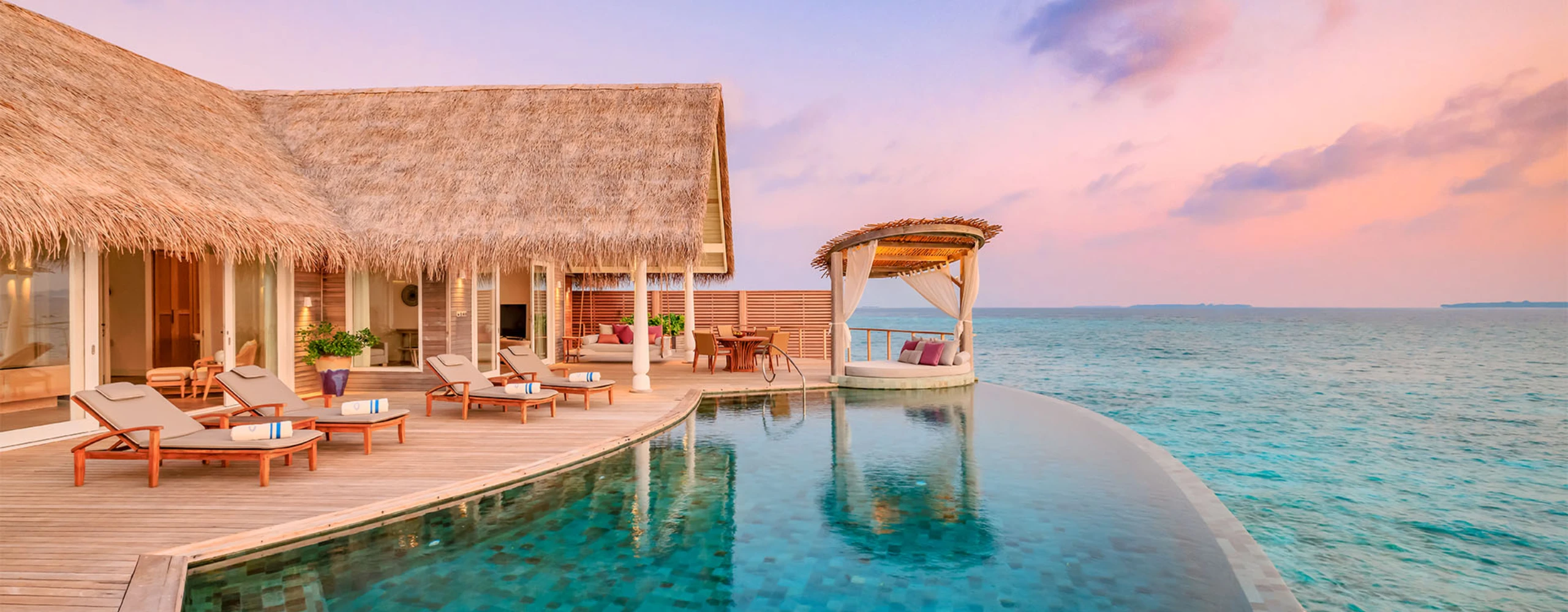
A vacation to the Maldives is certainly something at the top of many people’s bucket lists. Not only does it offer some of the most beautiful resorts on the planet but the people are friendly, the atmosphere laid back and...
Queer Kinara: Goa’s Most Joyfully LGBTQ+ Party
Hosted in Goa several times a year, this independently organised queer gathering blends music, art, performance and community-building into one unforgettable experience. Think of it less as a typical club night and more as a curated safe space that invites joy, connection and unfiltered self-expression.
What makes Queer Kinara so essential is its community-first ethos. It draws LGBTQ+ folks from across India and abroad. People come not only to celebrate but to reclaim space in a country where queer visibility still often comes with risk. Goa, with its relaxed energy and spirit of escape, provides the perfect backdrop.
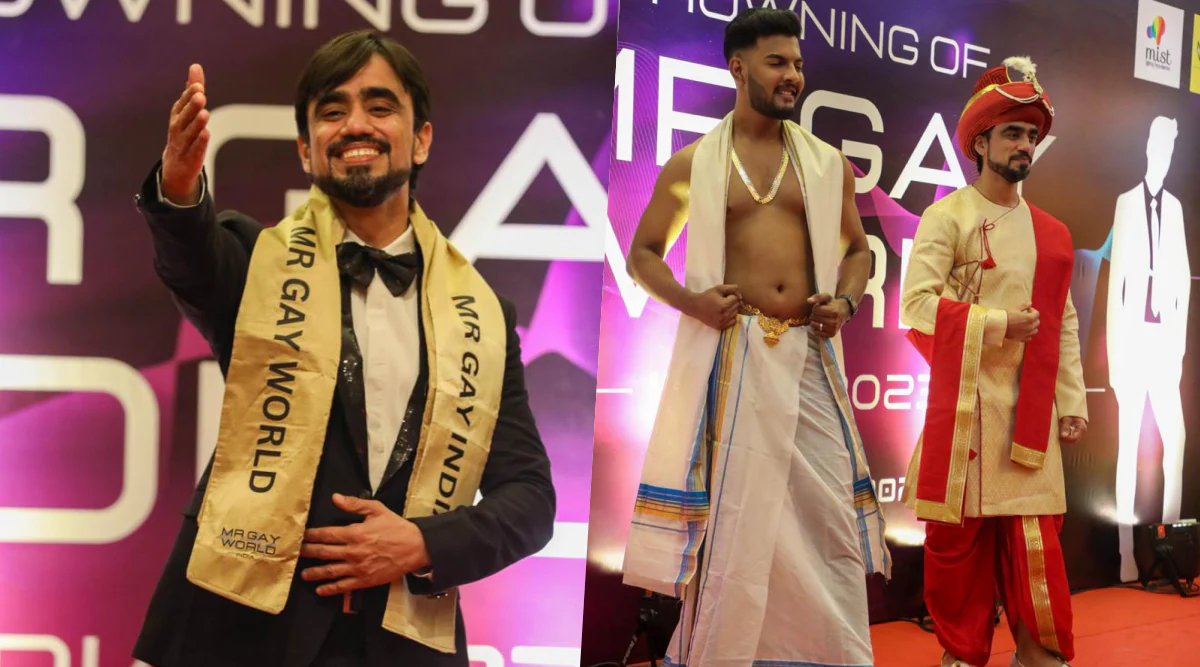
One of the hosts, Vrujen Andhare, won Mr Gay India in 2025.
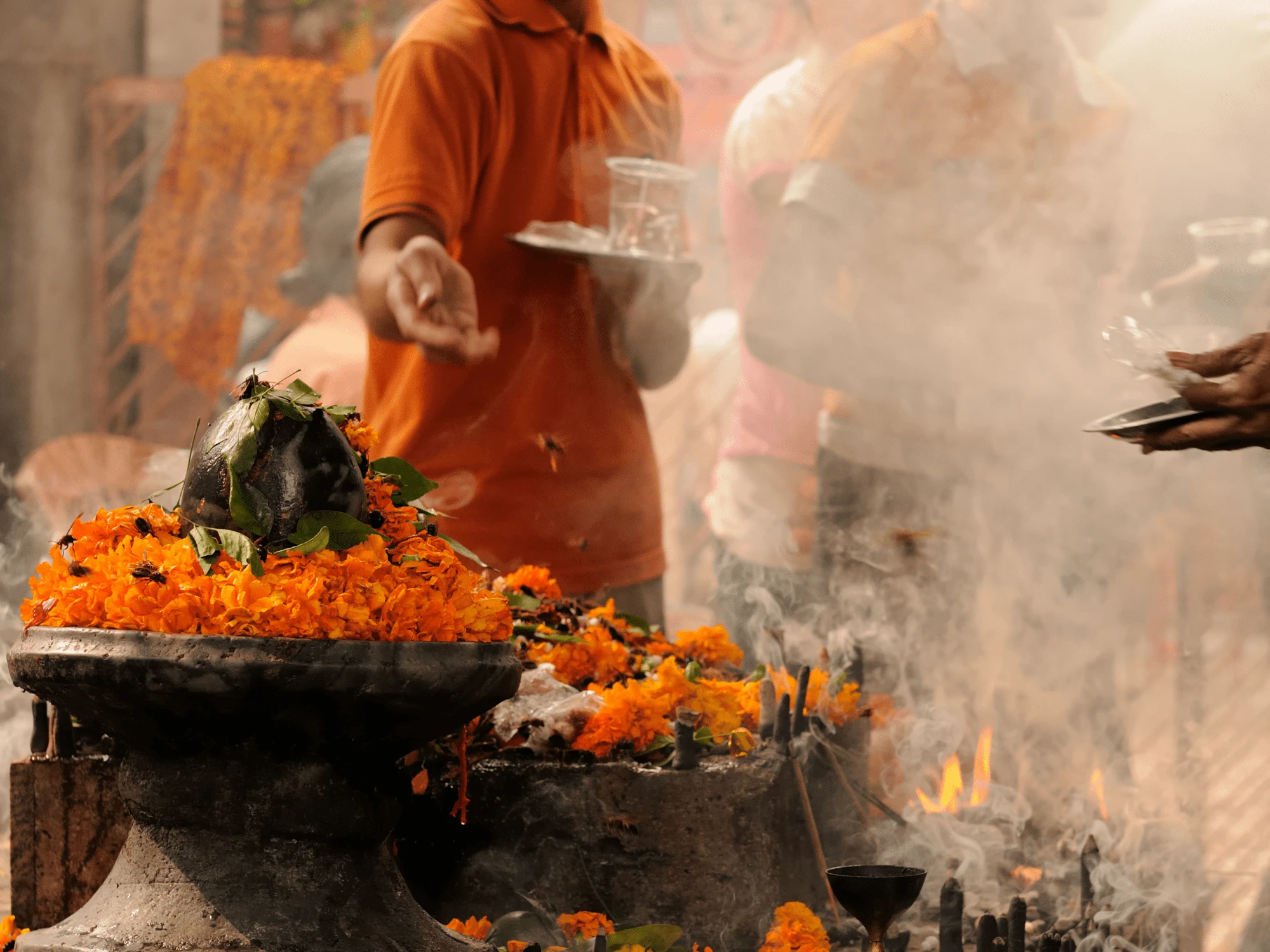
Varanasi: Spiritual Tourism and Socially Conservative Values
Varanasi presents the sharpest contrast to places like Delhi and Mumbai. The city is one of Hinduism’s holiest sites. Religion structures everything. The economy depends on spiritual tourism. Gays and lesbians can technically move through the city without legal prosecution, but social tolerance is minimal and visibility carries real risk.
Varanasi doesn’t have a gay scene. Dating apps show almost no activity.
For gay travelers, Varanasi works fine as a tourist passing through spiritual sites. You can visit temples, take boat rides, experience the city’s spiritual intensity. But Varanasi isn’t a place to be openly gay. The legal framework might technically permit it, but the social structure doesn’t accommodate it. The 2018 Supreme Court decision has almost no practical meaning here.

Kerala: Different Religion, Different Rules
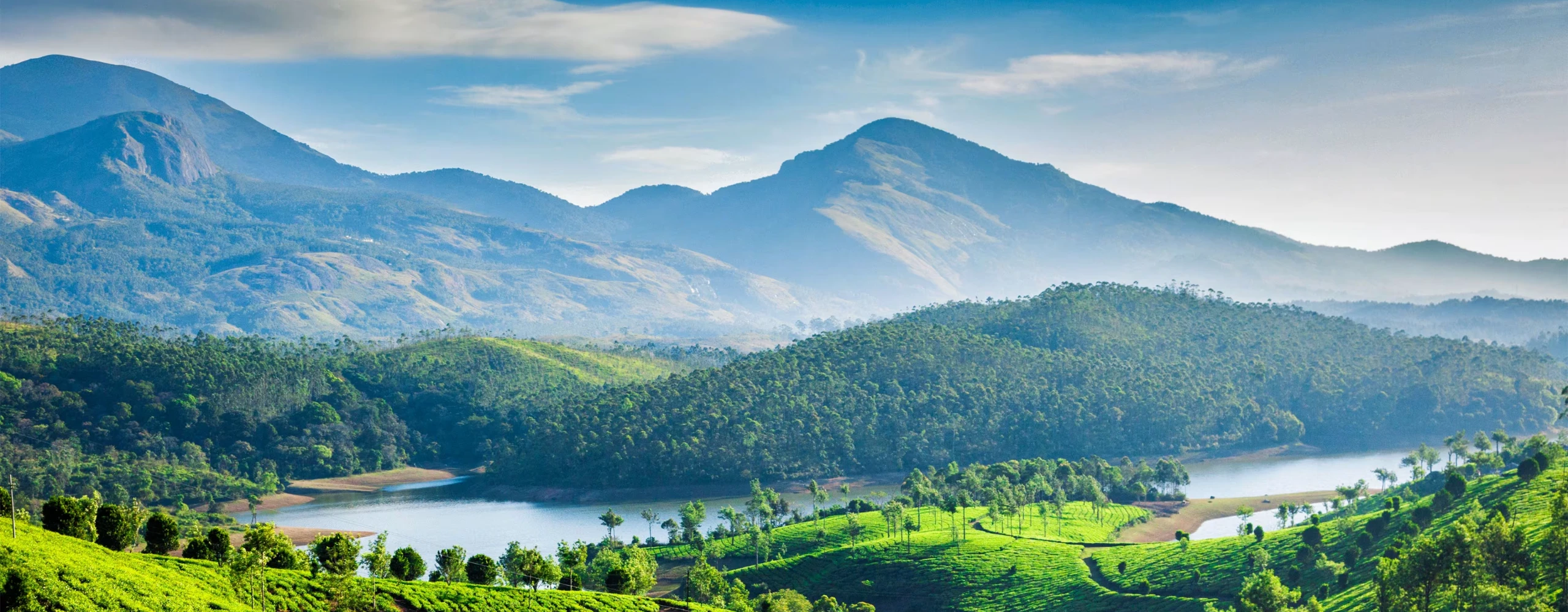
Kerala presents an unusual case. It’s India’s most educated, most gender-egalitarian state. It has significant Muslim and Christian populations alongside Hindu majority. Communism has deeper historical roots here. These factors create different baseline social assumptions than Hindu-majority northern and central India.
Kochi has a small but visible gay scene. Dating apps show activity. There’s less explicit hostility to LGBTQ+ visibility than in most Indian states. Same-sex couples can exist with less friction than elsewhere.
But Kerala remains fundamentally conservative in its approach to sexuality generally. The legal framework (Section 377) exists here as everywhere. The social tolerance is relative, not absolute. You can be more openly gay in Kochi than in Jaipur, but that’s a comparison of degrees within a generally conservative social framework.
The Actual Legal Situation
Understanding the law matters for practical reasons. Section 377 remains on the books. The 2018 Supreme Court decision read down the law but didn’t fully repeal it. In practice, application varies dramatically by location and police department discretion.
Major police departments in Delhi, Mumbai, and Bangalore have organizational culture (developed through activism and elite pressure) that makes prosecution unlikely for consensual adult behavior. Smaller cities lack that institutional culture. Police can choose to enforce Section 377 in ways that generate serious problems for travelers.
The practical implication: you’re not going to be arrested simply for being gay in India’s major cities. The 2018 ruling combined with urban elite pressure creates enough protection that routine enforcement is unlikely. But the law still exists. Police discretion still applies. Same-sex visibility still carries social risk that varies by location.
Dating and Digital Life
Gay dating apps (Grindr, Scruff, Jack’d) show vastly different activity levels across India. Delhi and Mumbai have thousands of active profiles. Medium-sized cities have hundreds. Smaller cities have dozens or zero. This isn’t just about population. It’s about visibility comfort. People will use dating apps where they feel enough social anonymity or safety.
The apps function in India without restriction (the 2018 ruling protects this), but their use reflects how comfortable people feel being visible, even digitally. This provides useful real-time information. If you’re traveling to a city and the dating apps show almost no activity, that’s evidence of how little social tolerance exists.
Religious Variation
Hindu-majority areas (most of India) operate under cultural assumptions shaped by traditional family structures and caste systems. Queerness falls outside these entirely. It’s not explicitly condemned in the way Islamic or Christian traditions often condemn it, but it’s simply not accommodated.
Muslim-majority areas (Kashmir, parts of Kerala and West Bengal) operate under Islamic law frameworks. Homosexuality carries more explicit religious condemnation. Muslim-majority cities have less visible LGBTQ+ infrastructure than Hindu-majority cities of similar size.
Christian-majority areas (Goa, parts of Northeast India) have somewhat more historical experience with LGBTQ+ individuals, but this doesn’t necessarily translate to contemporary tolerance. Colonial-era Christianity brought attitudes about sexuality that persist.
The practical point: your reception varies not just by city but by the religious and cultural composition of specific neighborhoods.
The Class Reality
The most important factor for gay travelers in India is class. Wealth creates isolation from family surveillance, economic dependence, and community judgment. A wealthy gay couple can maintain significant privacy and can access spaces (hotels, restaurants, social circles) that accommodate their sexuality. A working-class gay person in the same city faces completely different pressure.
This means that gay-friendly infrastructure in Indian cities exists primarily for middle and upper-class people. Hotels, restaurants, and tourist spaces accommodate gay clients because tourists spend money. But this infrastructure doesn’t extend to working-class neighborhoods or to LGBTQ+ Indians without economic privilege.
Where to Actually Go
Delhi and Mumbai are genuinely gay-friendly within specific social contexts. You can be openly gay in certain neighborhoods, venues, and social circles. Same-sex couples can travel reasonably comfortably.
Goa works exceptionally well during tourist season. The economy is structured around accommodating international visitors. Gay travelers find genuinely welcoming infrastructure.
Bangalore is emerging as a secondary gay hub. Tech industry concentration creates more progressive attitudes. The city is younger, more economically dynamic, and has growing LGBTQ+ organizing.
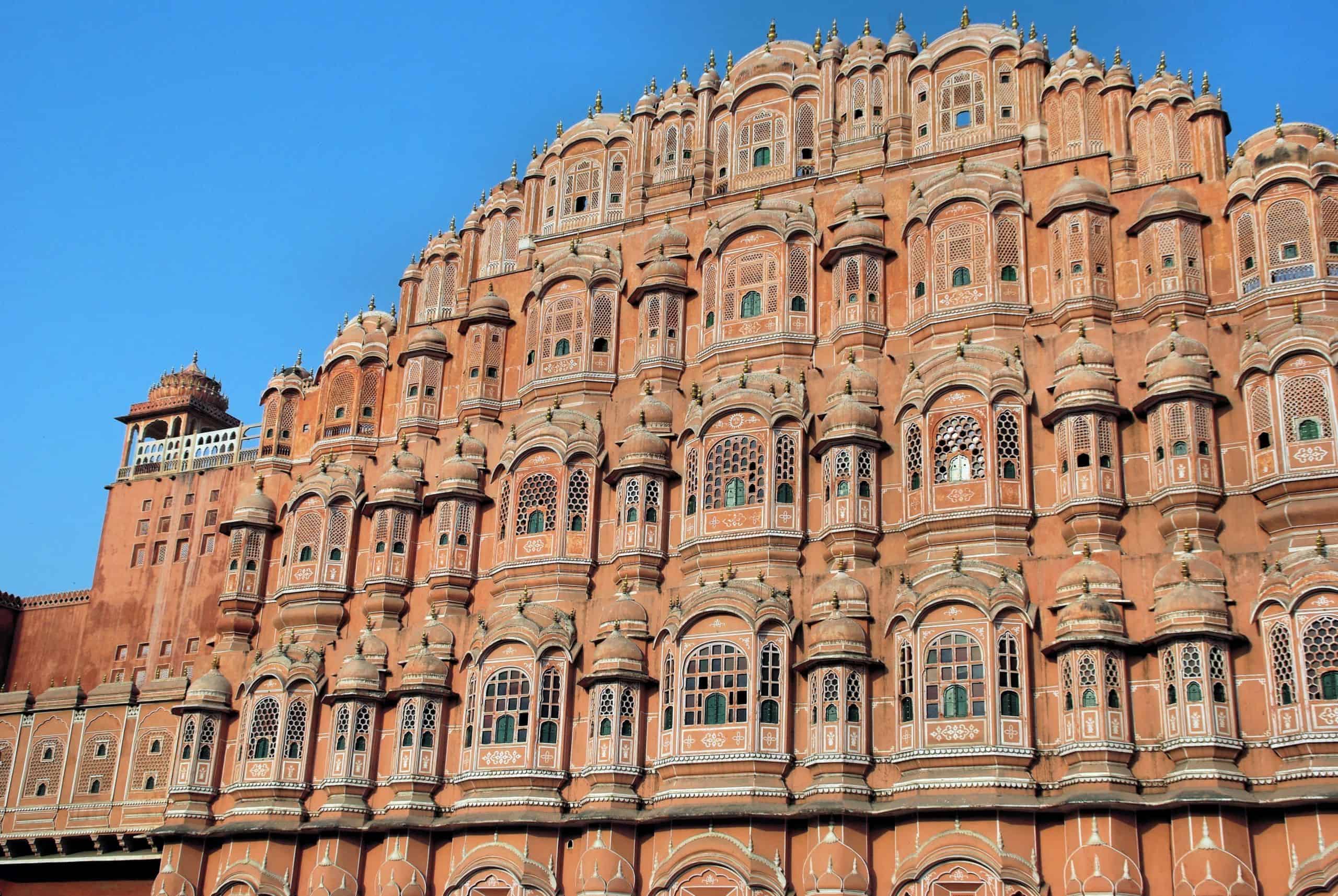
Jaipur, Varanasi, and smaller tourist cities work fine as places to visit culturally and spiritually, but they’re not structured for open gay travel. Same-sex couples should minimize visible affection.
Anywhere outside major cities requires assuming more conservative social norms regardless of legal change.
The Gap Between Law and Life
The 2018 Supreme Court decision was genuinely important. It removed legal criminalization for consensual adult behavior. It created space for organizing and activism that wasn’t legally protected before. But it didn’t instantly change social attitudes or create uniform implementation across India’s vastly diverse states and communities.
The legal change works practically in places where elite power, tourism economics, and urban culture create conditions for implementation. It means much less in areas where traditional family structures, religious conservatism, and economic dependence on community approval create continued social pressure.
For gay travelers, understanding this gap is essential. The law says you shouldn’t be arrested for consensual behavior. The reality is that social consequences, family pressure, and community judgment remain powerful mechanisms of control. Your freedom as a traveler depends on moving through spaces where social acceptance has caught up with legal change.
That’s not true everywhere in India yet. But it’s increasingly true in major cities where international tourism, economic dynamism, and educated elite populations create conditions for visibility and acceptance.
Whether you’re dreaming of sunsets in Goa, cultural immersion in Jaipur, or a luxury city break in Mumbai, we’ll design a journey that allows you to navigate the realities of being LGBTQ+ in complex a destination. Speak to our LGBTQ+ travel experts to craft a bespoke itinerary that reflects both who you are and how you want to travel — safely, stylishly, and without compromise.