Vamos a bailar!
While the world knows tango as Argentina’s passionate dance of heterosexual romance, the true story reveals a far more complex and inclusive history that has been largely hidden from mainstream narratives. From its birth in the working-class neighborhoods of Buenos Aires in the late 19th century to its evolution into a global phenomenon, tango has appealed to LGBTQ+ Argentinians.
Today, Argentina’s tango scene has openly embraced its once hidden queer roots. From underground milongas in San Telmo to world-class LGBTQ+ tango festivals, Argentina’s most famous dance is not limited to same-sex couples.
About Out Of Office
Out Of Office is a luxury tailor-made travel company with a focus on delivering exclusivity and inclusivity. Our passion for global adventure is matched only by our deep commitment to delivering exceptional five-star service.
Everything we do is customised and designed especially for you – our valued customer – based on your exact personal requirements. Each member of our team is widely travelled. This means you get access to first-rate travel insights and the best possible advice from our team of luxury travel experts.
| Enquire Now |
The Underground Origins: Tango’s Birth in Buenos Aires
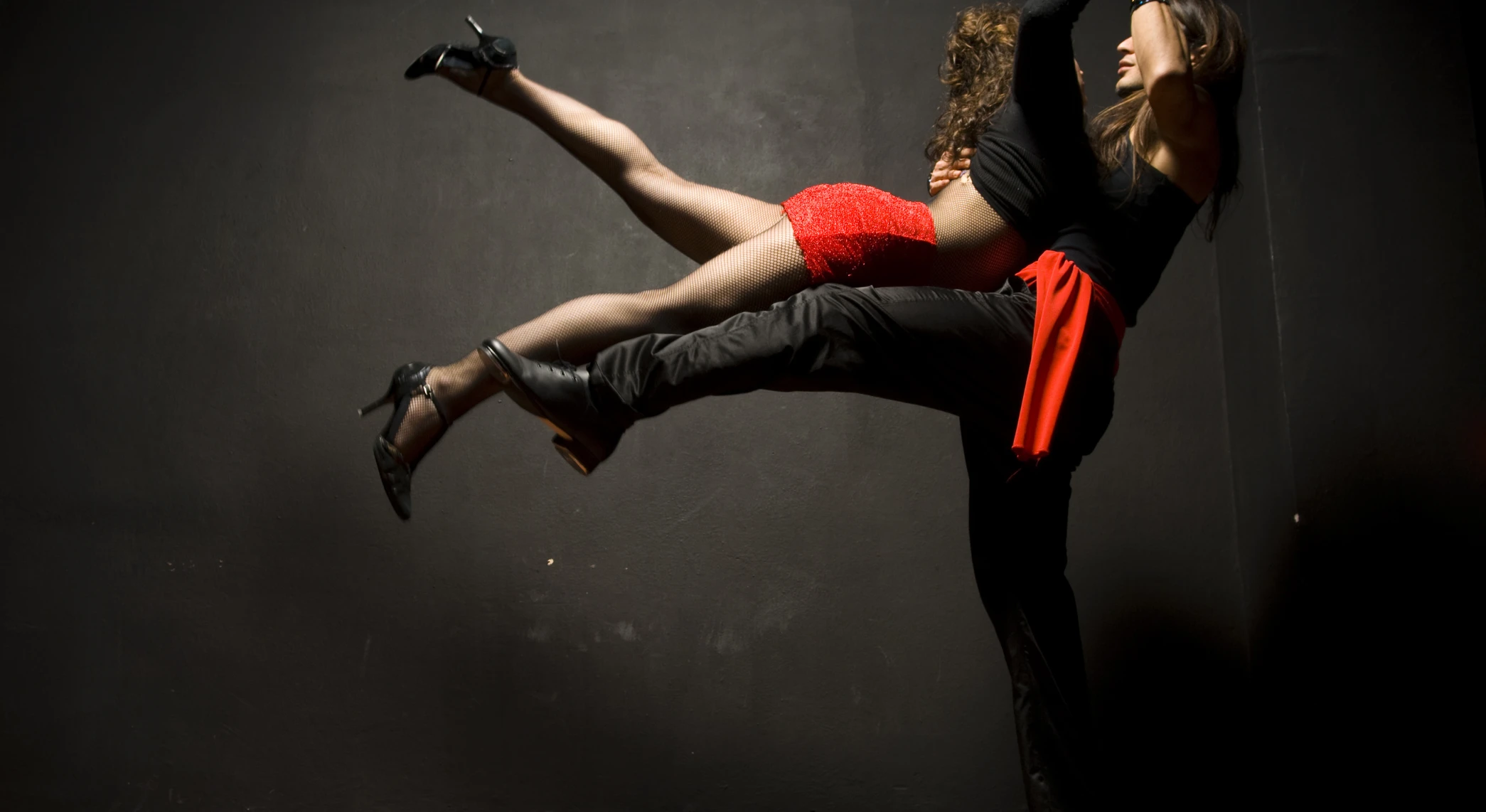
Tango emerged in the 1880s in the conventillos (tenements) and brothels of Buenos Aires’ port neighborhoods, where European immigrants, freed African slaves, and indigenous peoples created a cultural melting pot that operated outside respectable society’s rules. In these spaces, gender roles were fluid by necessity and survival, and the early tango reflected this reality. Historical accounts from the era describe same-sex couples dancing together in the dimly lit corners of cafés and dance halls, particularly when women were scarce or when social circumstances made mixed-gender dancing impossible or dangerous.
The dance’s origins in brothels and lower-class establishments meant that unconventional relationships and expressions of sexuality were not only tolerated but integrated into the fabric of tango culture. Early tango lyrics, often sung in lunfardo (Buenos Aires slang), contained coded references to homosexual relationships and gender-bending characters that would have been scandalous in polite society. Songs like “El Malevo” and various milonga compositions included veiled references to same-sex desire and the complex relationships that flourished in Buenos Aires’ underground world.
The practice of men dancing together was particularly common during tango’s formative years, as aspiring dancers would practice with each other in the absence of female partners, or when social conventions prevented mixed-gender dancing. This male-to-male practice, known as “practicing between men,” was so integral to tango’s development that many of the dance’s most sophisticated techniques and emotional expressions were actually developed through these same-sex partnerships, creating a foundation of intimacy and trust that transcended traditional gender boundaries.

Carlos Gardel and the Coded Language of Desire
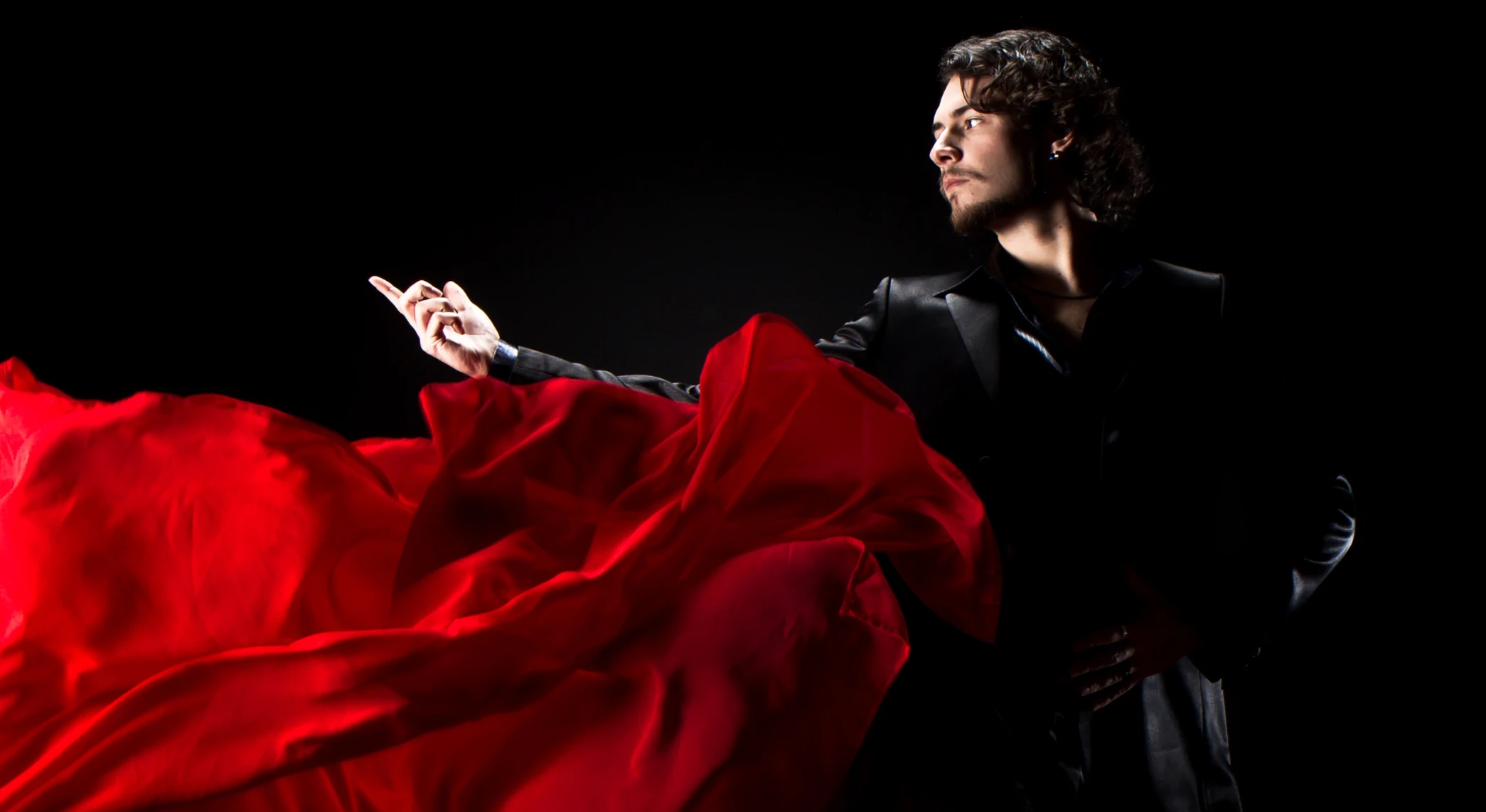
The legendary Carlos Gardel, tango’s most iconic figure, embodied the genre’s complex relationship with sexuality and gender expression. While publicly maintaining a carefully constructed image of heterosexual masculinity, Gardel’s private life and artistic expression revealed a more nuanced reality that reflected tango’s inclusive origins. His close relationships with other male performers, his flamboyant stage presence, and his emotional interpretations of songs dealing with forbidden love resonated particularly strongly with Buenos Aires’ emerging gay community.
Gardel’s repertoire included numerous songs that spoke to experiences of hidden love, social rejection, and the pain of living outside conventional society – themes that resonated powerfully with LGBTQ+ listeners who understood the coded language of desire and secrecy. Songs like “Volver” and “Mi Buenos Aires Querido” contained layers of meaning that spoke to the experience of longing and displacement familiar to those living on society’s margins. His dramatic interpretations and emotional vulnerability challenged traditional notions of masculine expression. The milongas where Gardel performed and the social circles he moved in were notably inclusive for their time, welcoming performers and patrons regardless of their sexual orientation or gender expression.
The Golden Age and Hidden Subcultures
During tango’s Golden Age (1930s-1950s), as the dance gained international recognition and social respectability, its LGBTQ+ elements were deliberately obscured to appeal to mainstream audiences. However, the underground gay tango scene continued to thrive in Buenos Aires’ gay neighborhoods, particularly in San Telmo and Montserrat, where clandestine milongas provided safe spaces for same-sex couples to dance together.
These underground venues, often hidden in basement clubs or private homes, developed their own traditions and etiquette that differed from mainstream tango culture. The emphasis on emotional connection over rigid gender roles created a more fluid dance dynamic where lead and follow roles could be exchanged regardless of gender, and where the intense intimacy of tango could be expressed between same-sex partners.
Embark on an extraordinary journey through Argentina and Uruguay on this luxurious trip that blends fun-filled adventure with cultural immersion. Explore diverse wildlife, pristine wilderness, and historical sites. Start in Puerto Madryn, where you’ll discover Punta Tombo’s largest colony of...We Suggest...
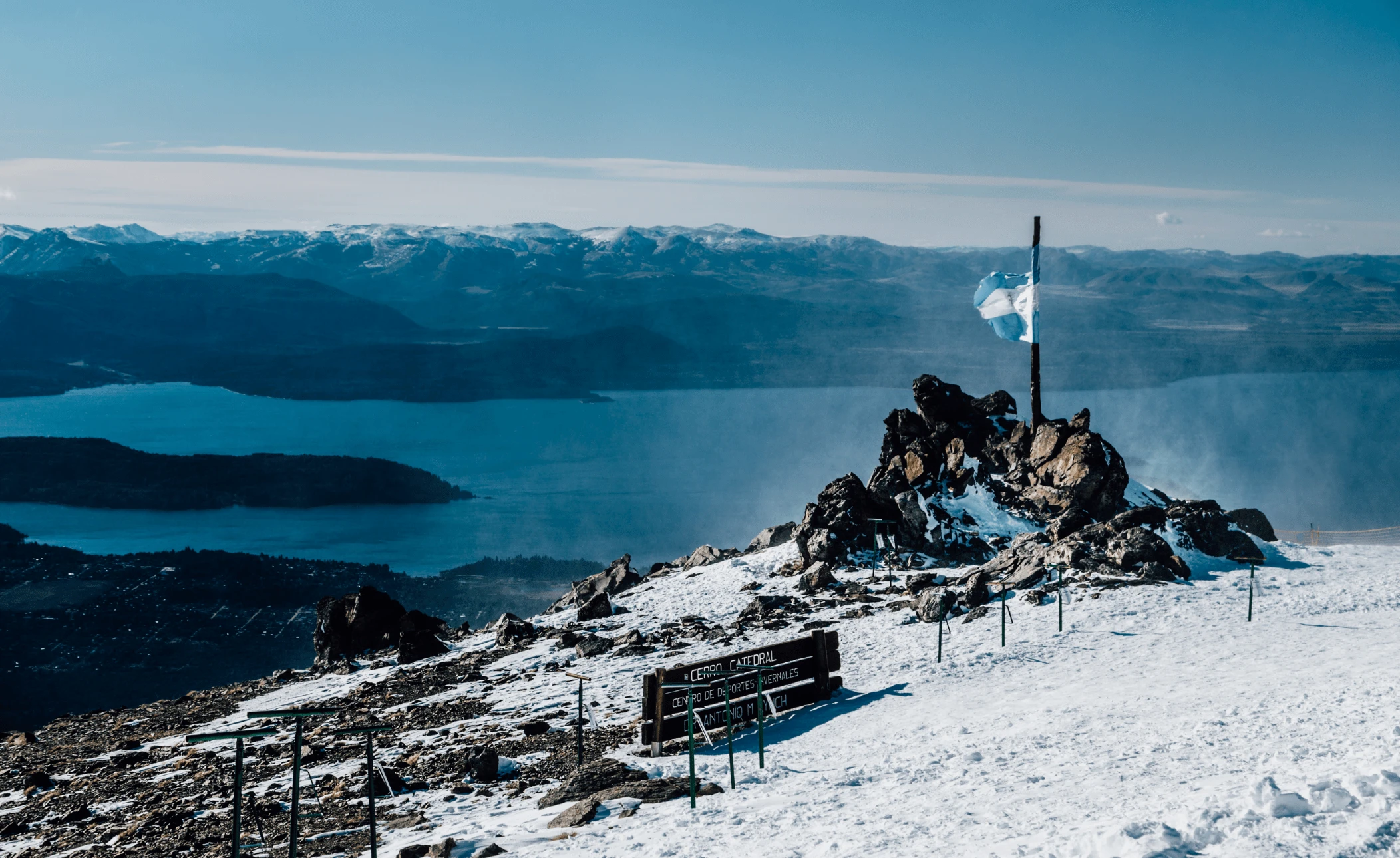
Argentina and Patagonia Adventure
Tailor-Made Vacation
The persecution of LGBTQ+ individuals during various periods of Argentina’s political upheaval meant that these communities often had to operate in extreme secrecy, but the tango provided a form of cultural expression that allowed for emotional and physical intimacy that was otherwise forbidden. The dance’s emphasis on subtle communication, trust, and surrender created a perfect medium for expressing feelings that couldn’t be spoken aloud in a society that criminalized homosexuality.
During this period, several prominent tango musicians and composers were known within the community to be gay or bisexual, though this information was carefully guarded. Their compositions often contained subtle references to same-sex relationships and the challenges of living authentically in a repressive society, creating a body of work that served as both artistic expression and historical documentation of LGBTQ+ experiences in mid-20th-century Argentina.
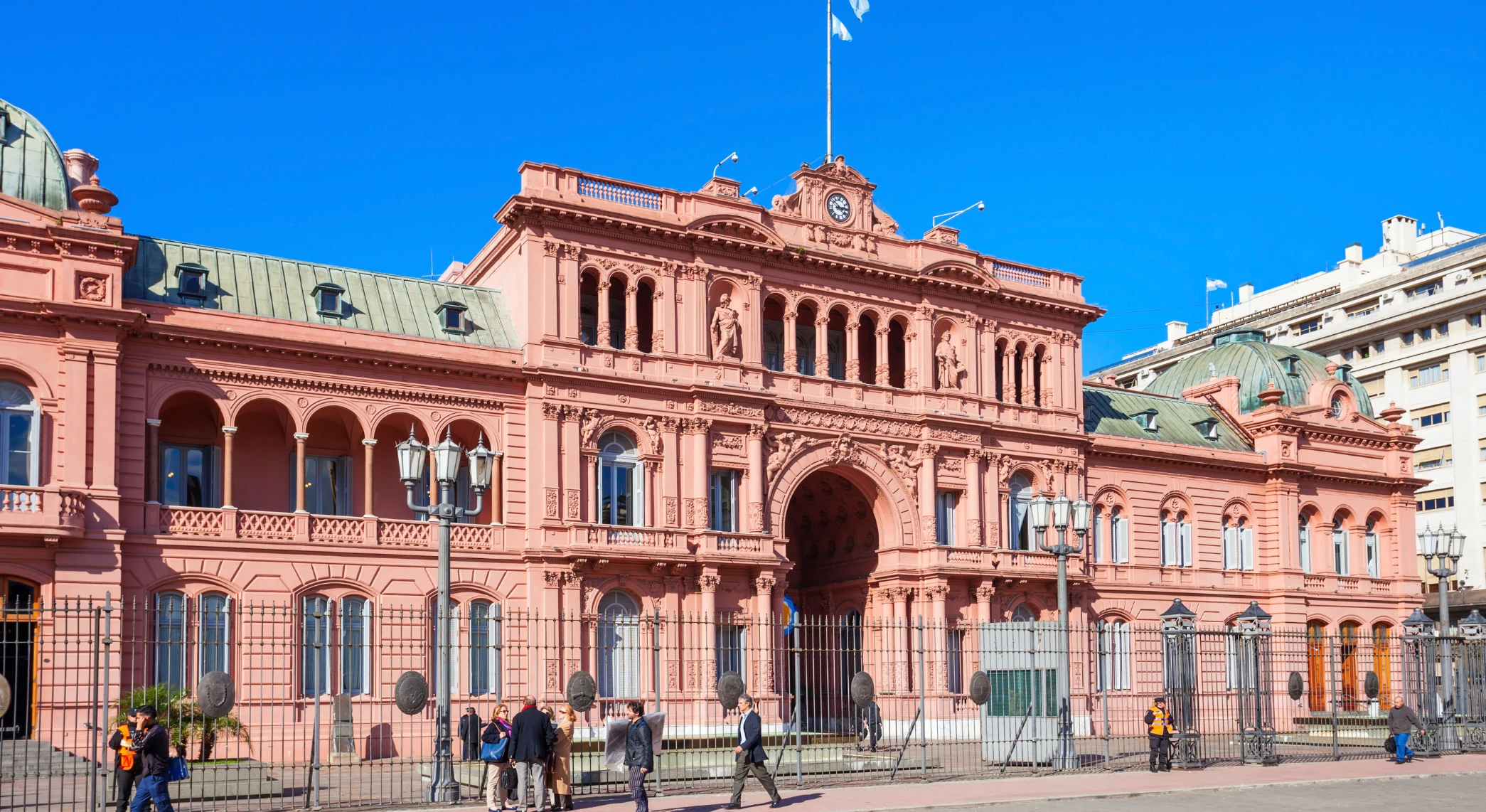
Madonna cycled through more costume changes in Evita than any other leading lady in Hollywood history. She did this as she sang of how Colonel Perón is the “only one man who can lead any workers’ regime”. Evita remains Madonna’s...We Suggest...
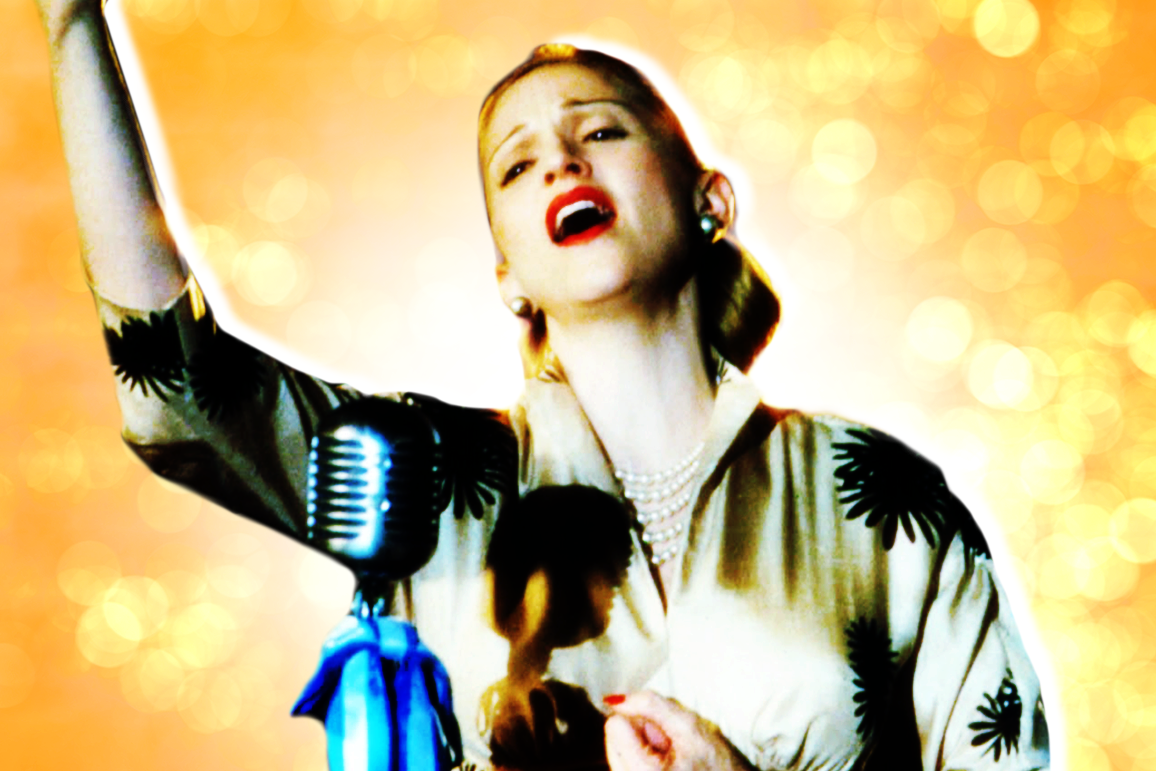
Evita Filming Locations: Madonna’s Buenos Aires Guide
The Revolutionary 1960s-80s: Tango Gets Political
The social upheaval of the 1960s and the military dictatorship that followed created new challenges and opportunities for LGBTQ+ tango communities. As political expression became dangerous, artistic forms like tango provided coded ways to communicate resistance and maintain cultural identity. The underground tango scene became increasingly politicized.
During the darkest years of the military dictatorship (1976-1983), when homosexuality was actively persecuted and cultural expression was heavily censored, clandestine tango gatherings became acts of resistance. These intimate gatherings, often held in private homes or secret venues, maintained the tradition of inclusive tango while providing emotional support and community connection for LGBTQ+ individuals.
The period also saw the emergence of explicitly gay tango compositions and performances, though these were necessarily underground. Composers began creating works that directly addressed same-sex relationships and LGBTQ+ experiences, often using metaphor and coded language to avoid censorship. These works, preserved through oral tradition and private recordings, would later influence the openly gay tango revival that began in the 1990s.
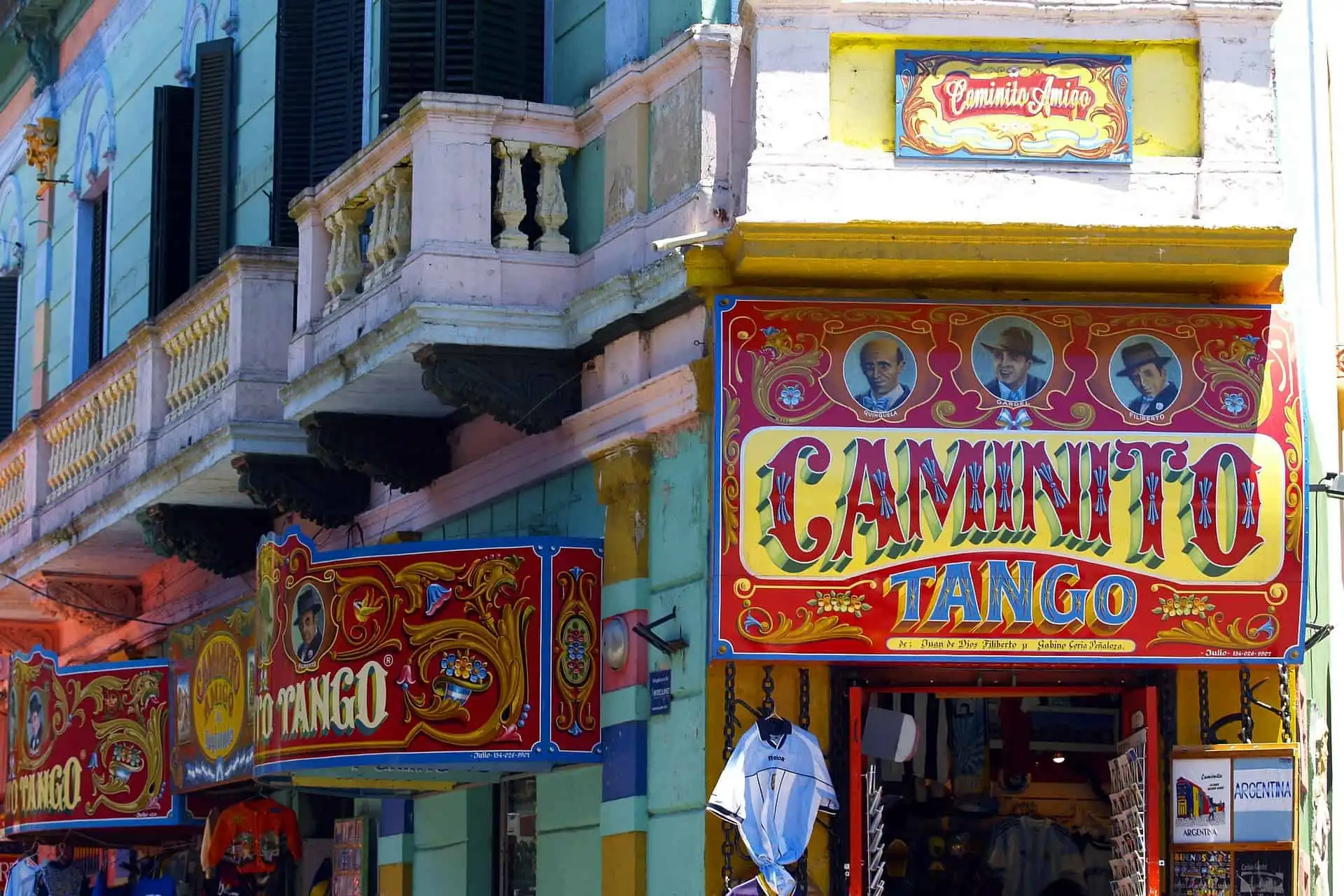
The Modern Renaissance: Gay Tango Comes Out
Argentina’s return to democracy in 1983 and the gradual liberalization of social attitudes created space for the LGBTQ+ tango community to emerge from the shadows. The 1990s saw the first openly gay milongas in Buenos Aires, with venues like “Tango Queer” and “La Marshall” becoming gathering places for the community. These spaces not only provided opportunities for same-sex couples to dance together publicly but also began to challenge traditional gender roles within the dance itself.
The concept of “tango queer” expanded beyond simply allowing same-sex couples to dance together – it fundamentally reimagined the dance’s power dynamics and gender assumptions. In queer tango, the roles of leader and follower are not determined by gender but by choice and feeling, with partners often switching roles during a single dance. This evolution returned tango to its roots as a dance of equality and mutual respect, stripping away the rigid hierarchies that had been imposed during its mainstream commercialization. The establishment of the Queer Tango Movement in the late 1990s, led by pioneers like Mariana Docampo and Alejandra Martínez, created a formal structure for teaching and promoting inclusive tango practices.
Known as the “Paris of South America,” Buenos Aires has an extraordinary collection of luxury hotels. From historic palaces that have hosted royalty to modern design hotels, Buenos Aires Many of the city’s most prestigious hotels occupy grand Belle Époque...We Suggest...
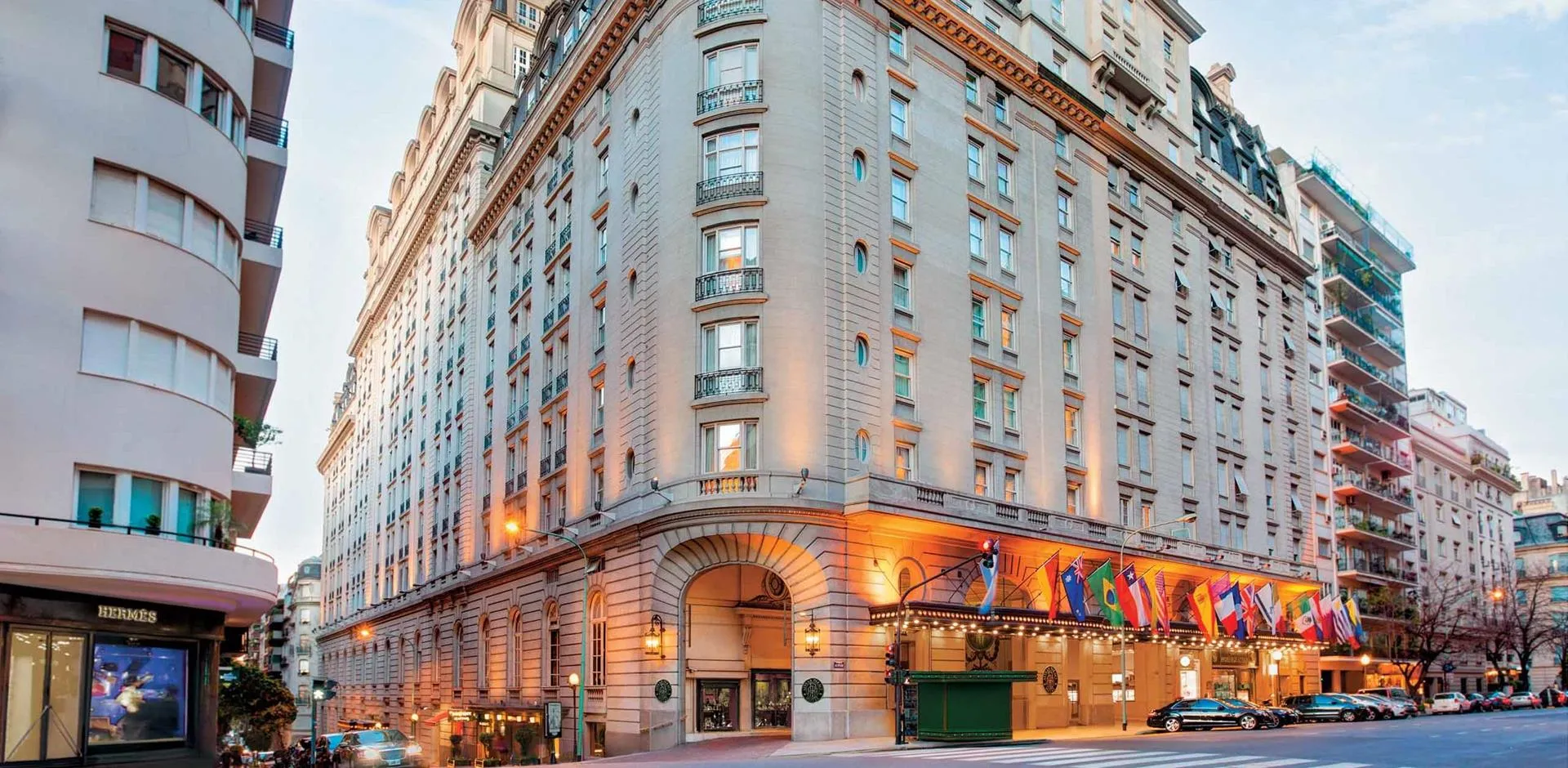
The Best Hotels in Buenos Aires for Gay Travelers
Contemporary Argentina: Where to Experience LGBTQ+ Tango Today
Modern Buenos Aires provides many opportunities for LGBTQ+ travelers to experience queer tango culture. The city’s gay tango scene has emerged from the underground.
La Viruta in Villa Crespo has become one of the most famous gay-friendly milongas in Buenos Aires, hosting regular “Tango Queer” nights where same-sex couples dance openly alongside mixed-gender pairs. The Sunday afternoon milongas at La Viruta are particularly popular.
Milonga La Nacional in Barracas is another excellent option, with its “Tango Diverso” events specifically designed for LGBTQ+ dancers. These gatherings feature live music, professional demonstrations, and same sex tango partners.
Contact our Argentina travel specialists today and start planning your next trip to Argentina, along with inclusive tango experiences.