





Editorials
Salta vs Mendoza: Argentina’s Wine Regions Compared
Ready to discover Argentina's finest wine regions?
Argentina, the native home of Malbec, is one of the world’s top wine-producing countries. Choosing between its premier wine regions can be a tricky decision for wine lovers.
While Mendoza reigns as the undisputed king of Argentine wine production, the northern province of Salta is the spiritual home of Torrontés, Argentina’s signature white grape. Let’s compare Salta and Mendoza and see which wine region is right for you.
 The Tale of Two Terroirs
Mendoza: The Established Empire
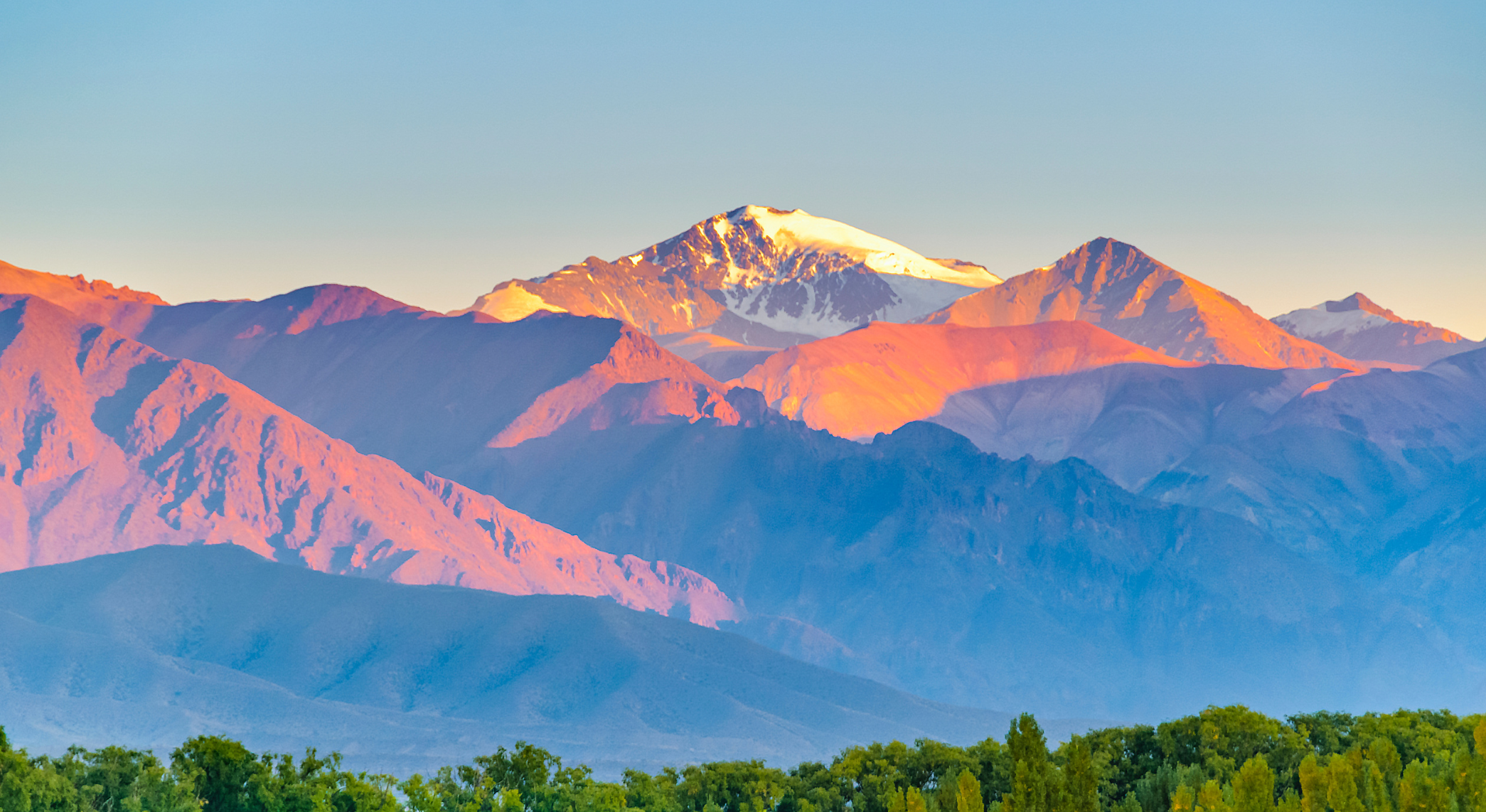
Mendoza produces nearly 70% of Argentina’s wine, sprawling across sun-drenched valleys at the base of the Andes Mountains. This region benefits from a semi-arid climate with abundant sunshine, minimal rainfall, and the crucial snowmelt irrigation from Andean peaks. The terroir varies dramatically across Mendoza’s sub-regions, from the high-altitude vineyards of Uco Valley reaching 5,000 feet above sea level to the warmer, lower elevations of Maipú and Luján de Cuyo.
The region’s clay and alluvial soils, combined with dramatic day-night temperature variations, create ideal conditions for Malbec, Argentina’s flagship grape. Mendoza’s viticultural history spans over 450 years, giving winemakers generations of experience in crafting wines that express this unique terroir.

Salta: The High-Altitude Pioneer
Salta’s wine scene brings you up into the mountains, with vineyards perched between 5,500 and 10,000 feet above sea level in the Calchaquí Valleys. This makes Salta home to some of the world’s highest commercial vineyards, where the extreme altitude creates an almost alien landscape of dramatic red rock formations, desert conditions, and intense solar radiation.
The region’s sandy, limestone-rich soils and extreme diurnal temperature swings produce wines with remarkable concentration and acidity. While Salta represents only about 2% of Argentina’s total wine production, its unique growing conditions yield wines of exceptional character and intensity that are impossible to replicate elsewhere.

Signature Grape Varieties and Wine Styles
Mendoza’s Diverse Portfolio
Mendoza’s size and varied microclimates support an impressive range of grape varieties. Malbec remains the star, producing everything from fruit-forward, approachable wines to complex, age-worthy expressions from high-altitude vineyards. The region excels with Cabernet Sauvignon, Merlot, and increasingly impressive Pinot Noir from cooler areas.
White wine production centers on Chardonnay and Sauvignon Blanc, though innovative winemakers are experimenting with Sémillon, Viognier, and other varieties. Mendoza’s established infrastructure allows for diverse winemaking styles, from large-scale commercial operations to boutique family wineries crafting ultra-premium expressions.
Salta’s Specialty Focus
Salta has carved out its niche with Torrontés, Argentina’s signature white grape that reaches sublime expression in the high-altitude conditions. The region’s Torrontés displays intense floral aromatics, crisp acidity, and mineral complexity that perfectly captures the dramatic landscape where it grows.
Red wine production focuses primarily on Malbec and Cabernet Sauvignon, which develop remarkable concentration and structure in the extreme conditions. The harsh environment naturally limits yields, resulting in wines with exceptional depth and aging potential. Many Salta wines display a distinctive mineral backbone and elegant restraint that sets them apart from their Mendoza counterparts.
The best trips begin with a conversation, not a booking form.
Request a quote →The Visitor Experience
Mendoza: Wine Tourism Paradise
Mendoza has the most developed wine tourism infrastructure in South America, with over 1,200 wineries to explore. The region caters to every type of wine tourist, with luxury seekers staying at vineyard resorts.
The city of Mendoza serves as an excellent base, with world-class restaurants, wine bars, and cultural attractions. You can easily explore multiple sub-regions in a single trip, experiencing the diversity of Mendoza’s terroirs. Many wineries offer comprehensive experiences, including vineyard tours, tastings, and harvest participation during March and April.
Salta: Adventure Wine Tourism
Salta is a great choice if you’re looking for a more adventurous experience. The journey to reach the remote vineyards becomes part of the attraction, with scenic drives through otherworldly landscapes of colored mountains, ancient villages, and dramatic gorges. The Quebrada de Humahuaca, a UNESCO World Heritage site, lies within the same region as many wineries.
Cafayate serves as the wine tourism center, a charming colonial town surrounded by vineyards against a backdrop of red rock formations. The more intimate scale means visitors often interact directly with winemakers and experience a more personal connection to the wine production process.
Practical Considerations for Wine Lovers
Accessibility and Infrastructure
Mendoza wins hands-down for convenience, with international flights arriving daily and excellent road infrastructure connecting wineries. The region offers excellent accommodation options, including luxury wine lodges, plus reliable transportation services and English-speaking guides.
Salta requires more planning but rewards the effort. Most visitors fly into Salta city and drive three hours to reach Cafayate, though the scenic Route 40 journey is spectacular. Accommodation options are more limited but include charming boutique hotels.
Seasonal Considerations
Both regions are best visited during Argentina’s autumn (March-May) and spring (September-November). Mendoza’s harvest season in March offers exciting opportunities to participate in winemaking activities, while Salta’s extreme altitude can make summer visits uncomfortably hot and winter visits quite chilly.

The Verdict: Why Not Both?
Visiting both Salta and Mendoza in a single Argentina wine adventure is absolutely possible and highly rewarding, though it requires careful planning due to the significant distances involved. The two regions are approximately 750 miles apart, making domestic flights the most practical connection – typically routing through Buenos Aires with flight times totaling around 4-5 hours including layovers.
Most wine enthusiasts find that 10-14 days provides adequate time to properly explore both regions without feeling rushed. A typical itinerary might include 3-4 days in Salta’s Cafayate area for the high-altitude experience and intimate winery visits, followed by 5-7 days in Mendoza.
Ready to start planning your luxury wine adventure in Argentina? Get in touch and one of our travel concierges will craft the perfect itinerary for you.




New to Out Of Office?
We are a luxury travel company for LGBTQ+ travelers. Everything we sell is tailor-made, planned by one named member of our team throughout, and nothing on this site is a fixed package unless it says so.
Where exclusivity meets inclusivity
Ten years, hundreds of five-star reviews, and a team who will tell you when a destination is not right for the trip you have in mind.
No two trips we plan are the same. Yours will be no exception.
Every itinerary starts as a blank page and is shaped around your pace, your routing and the places you actually want to see.
Stellar service. Stellar products. Stellar people and it gets so much better when you pick up the phone and call.
Anthony S.
Super client centred service. From first contact I have had warm, efficient, friendly and flexible service.
John
I’m confident in giving Out Of Office a 5-star review! They are one of the leaders in this space without a doubt.
Tiberiu

We plant trees for every booking
For every booking made with Out Of Office we commit to planting trees in your name to help reduce the impact of travel on future generations. You'll even get a link to see where your trees are planted in the world via our partner Ecologi.


We donate to Rainbow Railroad with every booking
Rainbow Railroad helps LGBTQ+ people escape state-sponsored violence and persecution. A donation goes with every trip we sell, funded by us and never added to your price.


Start Planning Your Trip
Tell us where you would love to go, when you are thinking of traveling and what kind of trip you have in mind. One of our LGBTQ+ travel specialists will create a tailor-made itinerary designed around your destination, style and preferences.
One named specialist, first inquiry to homecoming. No call center, and nothing is charged until you decide to book.