Everything you need to know about Japan’s onsen traditions
Japan’s onsen culture represents one of the world’s most sophisticated wellness traditions. For gay travelers exploring Japanese culture, understanding onsen etiquette and selecting the right establishments can unlock profoundly restorative encounters that go far beyond simple relaxation.
Japan has been referred to as “the empire of signs,” as the culture is so ritualistic. In this guide, we’ll introduce you to Japan’s onsen culture with a gay twist.

About Out Of Office
Out Of Office is a luxury tailor-made travel company with a focus on delivering exclusivity and inclusivity. Our passion for global adventure is matched only by our deep commitment to delivering exceptional five-star service.
Everything we do is customised and designed especially for you – our valued customer – based on your exact personal requirements. Each member of our team is widely travelled. This means you get access to first-rate travel insights and the best possible advice from our team of luxury travel experts.
| Enquire Now |
A Tradition Rooted in Sacred Waters
Onsen culture extends back over 1,500 years, emerging from Shinto beliefs that natural hot springs possess purifying powers. These geothermally heated waters, rich in minerals ranging from sulfur to lithium, were initially discovered by Buddhist monks who recognized their therapeutic properties. What began as spiritual cleansing evolved into Japan’s most enduring wellness practice.
The Meiji Restoration of 1868 democratized onsen access, transforming exclusive aristocratic retreats into public institutions. This shift established the communal bathing traditions that define contemporary onsen culture – naked equality where social hierarchies dissolve in mineral-rich waters. For modern Japan, onsen represent essential spaces for mental restoration in an increasingly demanding society.
Japan’s ryokans—traditional Japanese inns—are a quintessential way to immerse yourself in Japanese culture. Ryokans are found across Japan, often in scenic locations such as hot spring (onsen) towns, mountainous regions, and coastal areas. They continue to uphold traditional Japanese hospitality,...We Suggest...
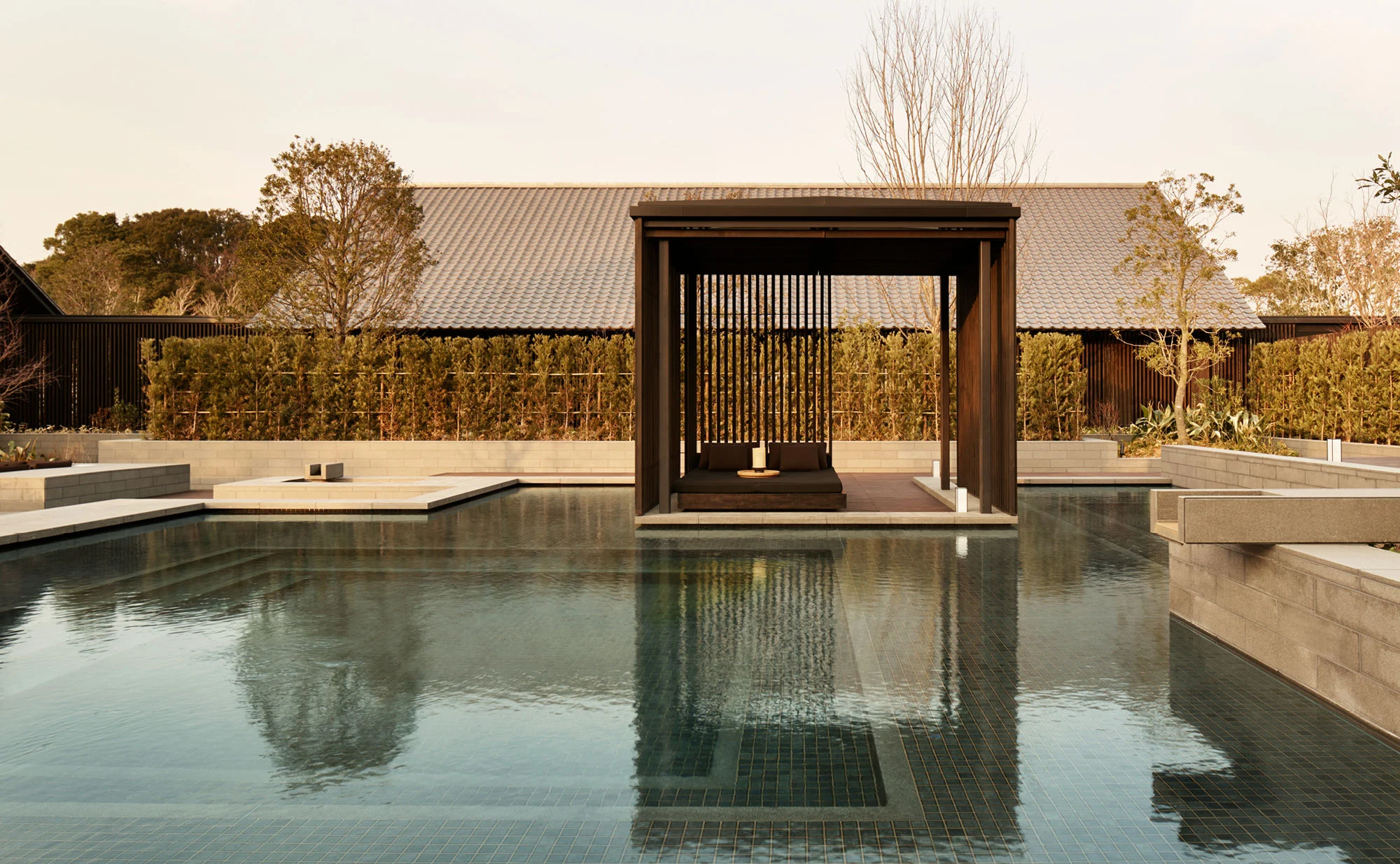
The Most Luxurious Ryokans in Japan
The Philosophy of Hadaka no Tsukiai
Central to onsen culture is the concept of hadaka no tsukiai – literally “naked communion” – which describes the authentic relationships formed when material status symbols disappear. This philosophy creates surprisingly inclusive environments where sexuality and social position become irrelevant, replaced by shared human vulnerability and mutual respect.
Japanese onsen etiquette emphasizes discretion and consideration for others. The absence of conversation, mobile devices, and visible judgment creates meditative spaces where personal reflection takes precedence over social interaction. For gay travelers, this cultural framework often proves more welcoming than anticipated, as the focus remains entirely on individual wellness rather than personal identity.

Is It Awkward if You’re Gay?
For most visitors, being gay in an onsen is not awkward at all — provided you follow the same etiquette as everyone else. Onsen culture is rooted in discretion, and the focus is on shared relaxation rather than personal identity. Locals are generally indifferent to who you are, as long as you respect the rules: wash thoroughly before entering, stay quiet, and avoid drawing attention to yourself.
That said, some gay travelers can feel self-conscious at first, especially since nudity is non-negotiable and same-sex bathing is the norm. It’s worth remembering that in Japan, communal bathing is cultural, not sexual. As long as you approach it in that spirit, you’re unlikely to encounter problems.
For couples, the main limitation is that most public baths are gender-segregated, so you won’t be soaking together unless you book a private onsen at a ryokan or resort. These are widely available, especially in upscale destinations like Hakone, and are the best choice if you’d prefer intimacy and privacy.
Asia is packed with luxury travel opportunities, but beyond the well-known hotspots lies a world of exclusive, offbeat experiences. From soaring above Bhutan’s mystical valleys by helicopter to soaking in private onsen baths at hidden ryokans in Japan. Whether it’s...We Suggest...
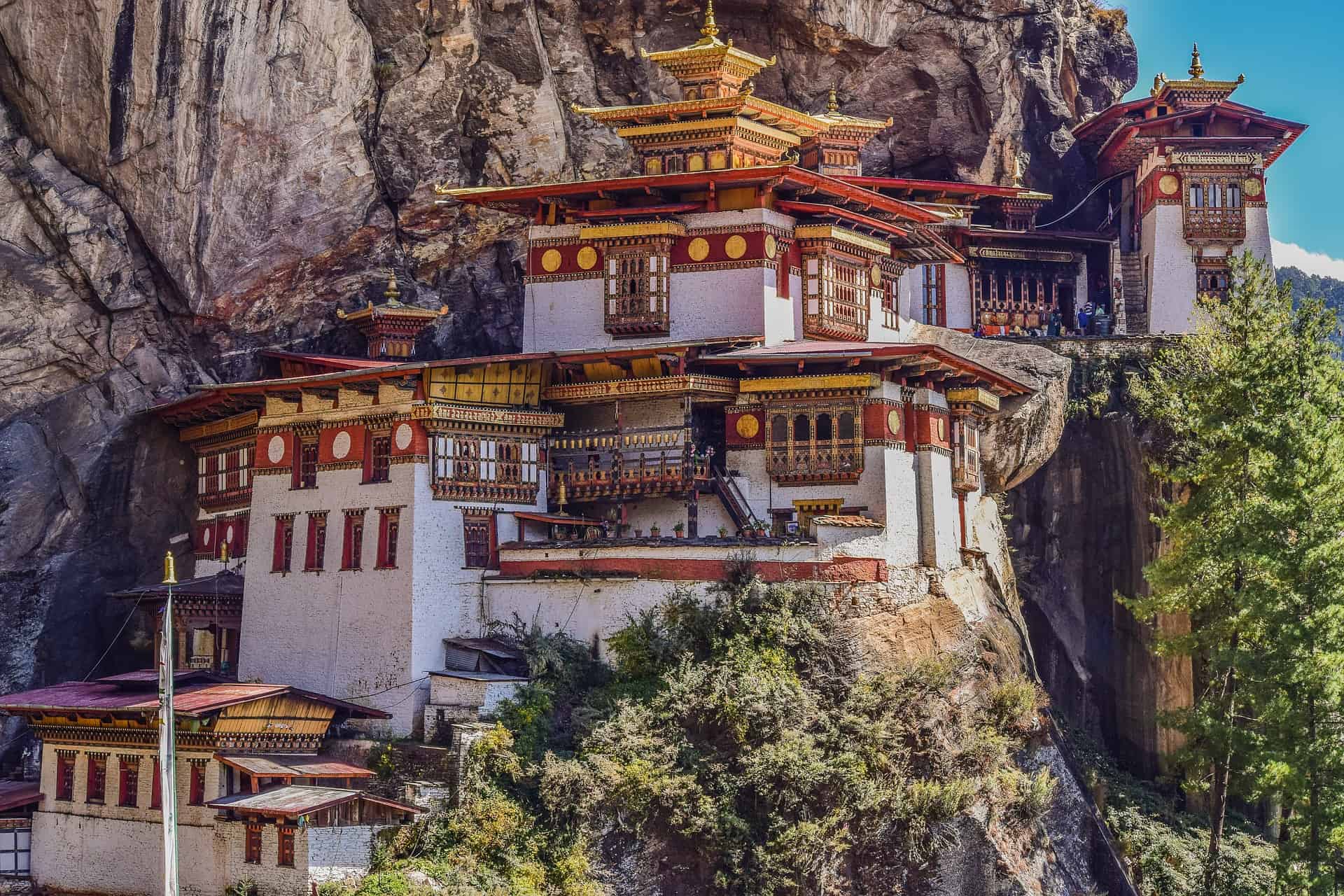
Luxury Travel Experiences in Asia You Haven’t Heard Of
Premier Destinations for Onsen
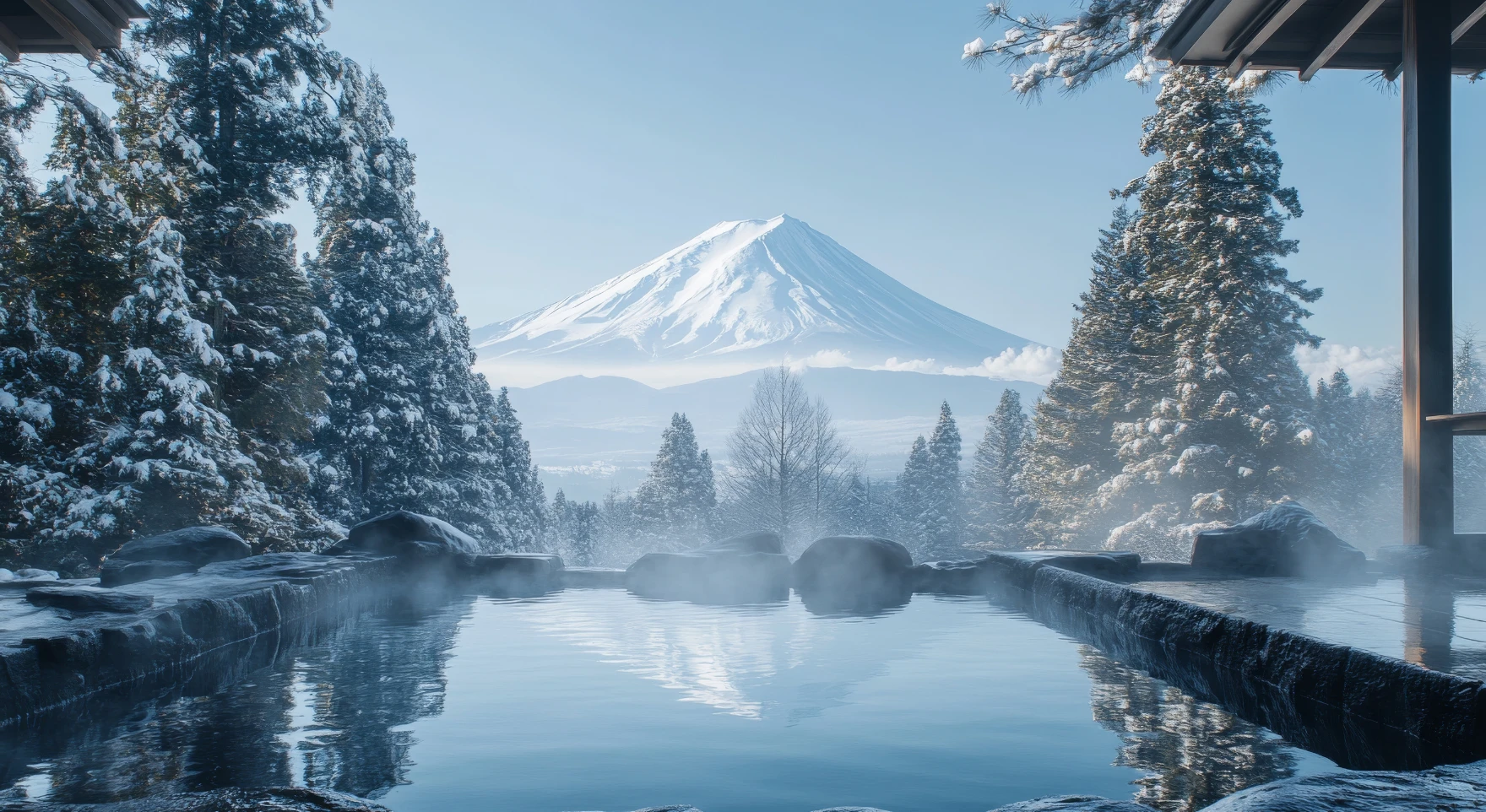
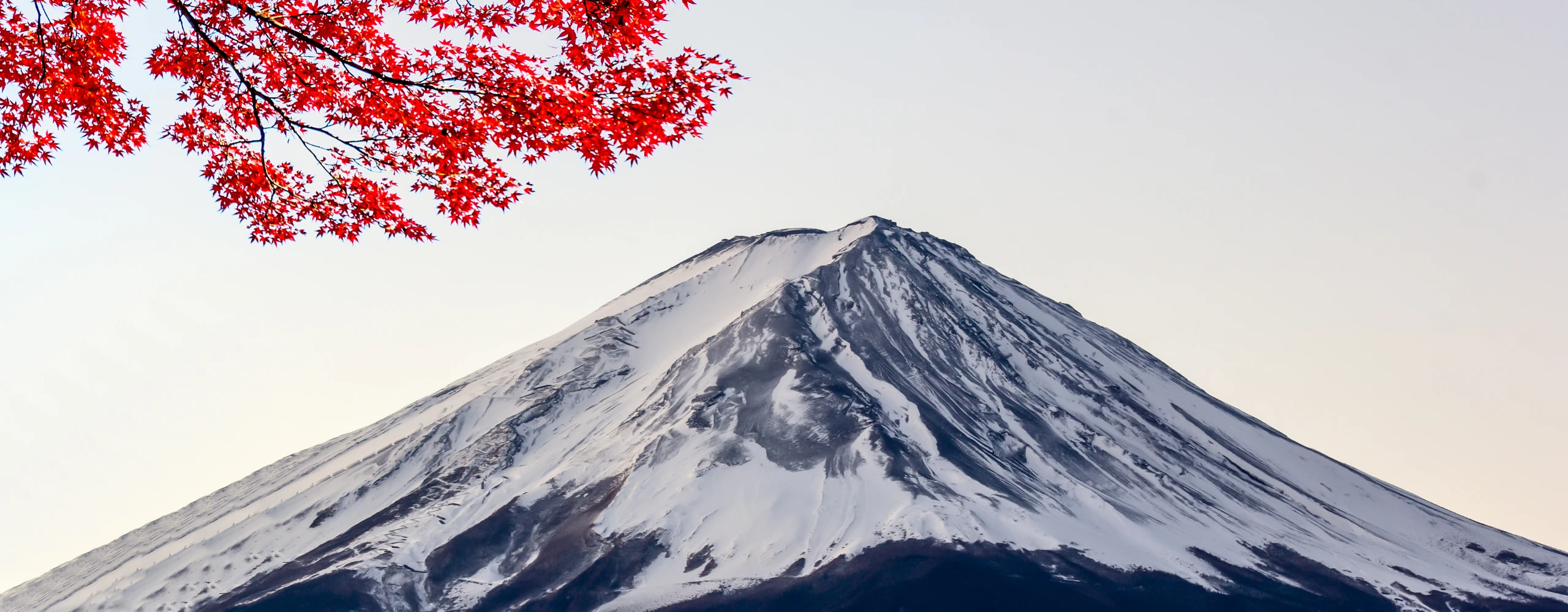
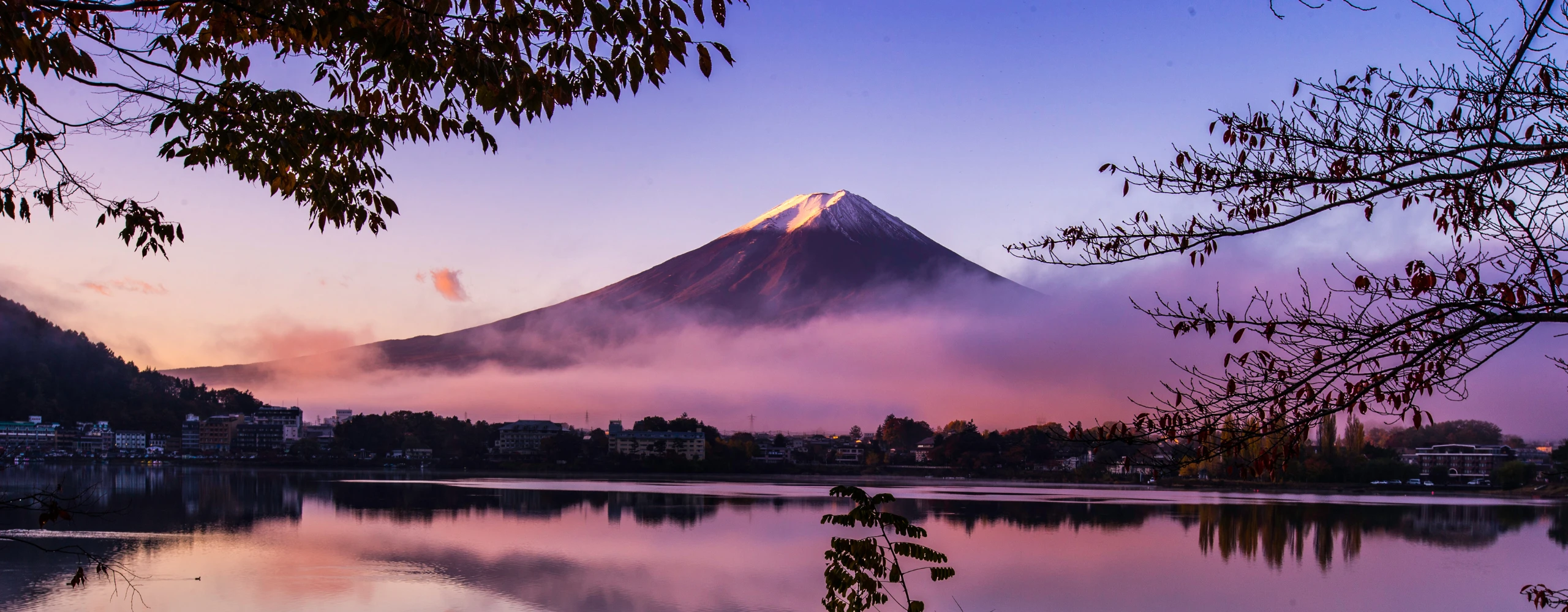
Hakone remains Japan’s most accessible onsen destination, combining therapeutic waters with views of Mount Fuji. The Gora Kadan ryokan offers exceptional privacy and service, while the historic Fujiya Hotel provides Western-style luxury alongside traditional onsen facilities. The region’s proximity to Tokyo makes it ideal for extended weekends.
Kusatsu in Gunma Prefecture has Japan’s most voluminous hot spring output, with waters so acidic they’re said to cure everything except heartbreak. The town’s yumomi performances – traditional water-cooling demonstrations – provide cultural context alongside therapeutic bathing.
Beppu on Kyushu Island offers the world’s second-largest hot spring output, featuring diverse spring types from mud baths to sand bathing. The city’s international outlook and established tourism infrastructure create welcoming environments for all visitors.
The Therapeutic Science Behind the Experience
Modern research validates what Japanese culture has understood for centuries: onsen bathing provides measurable health benefits. The hydrostatic pressure improves circulation, while mineral absorption through the skin addresses everything from arthritis to skin conditions. The heat therapy releases endorphins and reduces cortisol levels, creating natural stress relief that rivals modern wellness treatments.
Different spring types offer specific benefits. Sulfur springs, common in volcanic regions, improve circulation and skin health. Sodium chloride springs provide muscle relaxation and improved sleep quality. Iron-rich springs boost energy levels and support immune function. Understanding these properties allows travelers to select onsen that address particular wellness goals.
Luxury train travel in Asia was pioneered by trains like the Eastern & Oriental Express, which debuted in the early 1990s. Tracing routes through Southeast Asia’s rainforests, ancient temples, and cities, the Eastern & Oriental Express set the standard for...We Suggest...
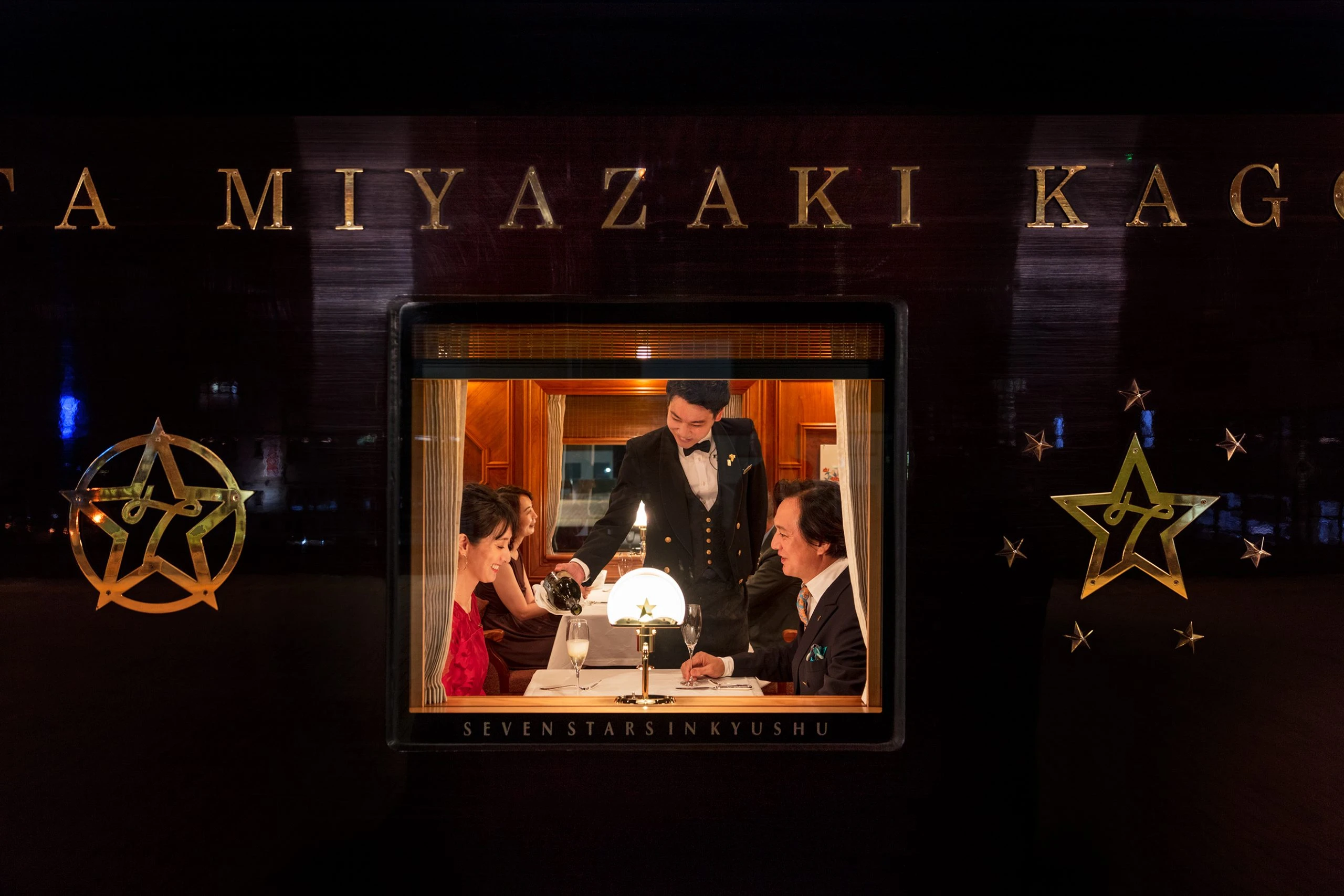
The Best Luxury Sleeper Trains in Asia
Onsen Etiquette for the Uninitiated
Proper onsen protocol begins before entering the bathing area. Thorough washing at provided stations is mandatory – this isn’t mere hygiene but respect for shared space and other bathers. Hair must be tied back, and small modesty towels are permitted in bathing areas but never in the actual springs.
Entering the water requires slow submersion to allow temperature adjustment. Silence or very quiet conversation maintains the meditative atmosphere. Photography is strictly forbidden, and mobile devices are banned from bathing areas. These rules apply universally, creating predictable environments where all visitors understand expectations.
Tattoos present the primary challenge for international visitors, as most traditional onsen maintain blanket prohibitions due to historical associations with organized crime. However, private onsen at upmarket ryokan often provide accommodation for tattooed guests, particularly international visitors. Always inquire in advance to avoid disappointment.
Beyond Bathing: The Complete Onsen Experience
Sophisticated onsen experiences extend far beyond the baths themselves. Traditional ryokan provide kaiseki dining – multi-course meals showcasing seasonal ingredients and regional specialties. These culinary experiences represent high art, with presentation and flavors that rival Michelin-starred restaurants.
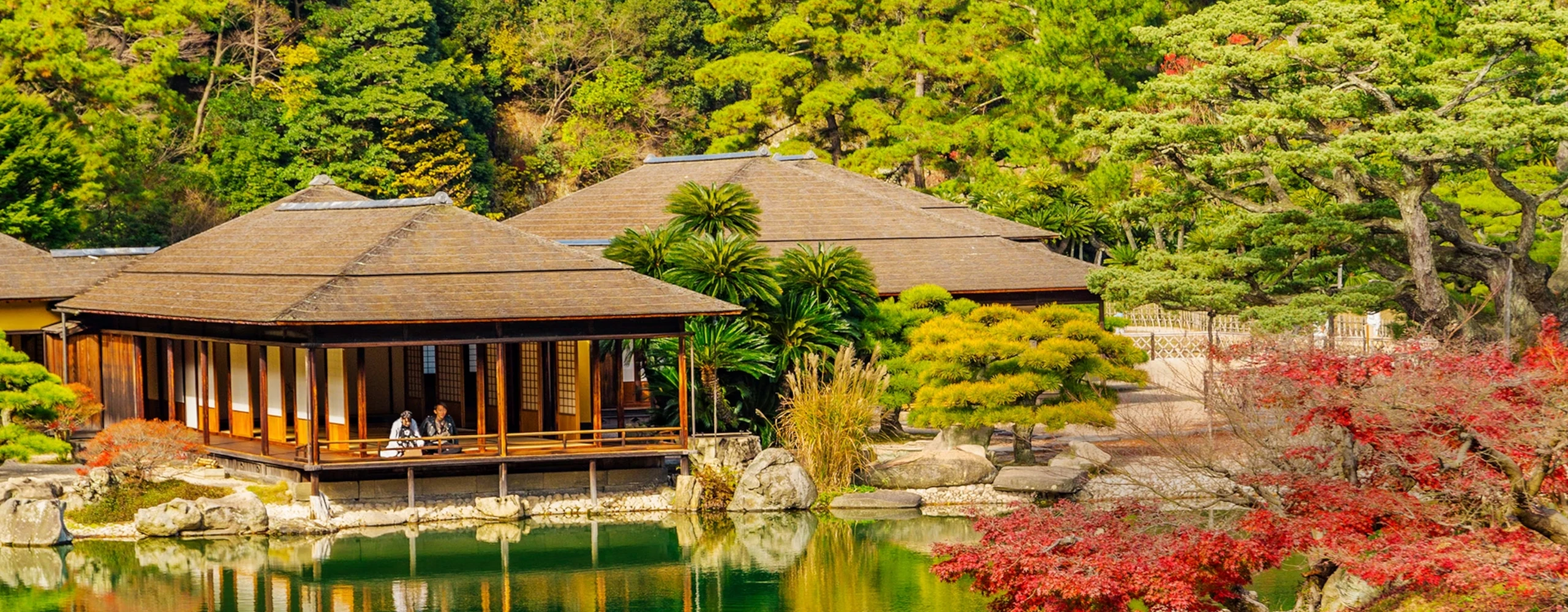
The accommodation itself becomes part of the therapy. Tatami mat rooms with futon bedding, sliding shoji screens, and carefully curated views create spaces designed for contemplation and rest. Many establishments offer additional treatments including traditional massage, meditation sessions, and cultural activities like tea ceremony or calligraphy.
Planning Your Onsen Journey
The best onsen experiences require advance planning, particularly for upmarket establishments. Spring and autumn offer ideal weather for outdoor bathing, while winter provides dramatic snow-covered landscapes. Summer brings festivals and longer daylight hours but higher temperatures that may make hot spring bathing less appealing.
Booking through us takes the stress out of your hands. We’re familiar with the nuances of Japan’s hospitality industry so we can ensure proper communication regarding dietary requirements, accessibility needs, and service expectations. Many premium establishments have limited English-speaking staff, making professional booking services valuable for seamless experiences.