The South Island has the fiords and the lodges. The North Island has the volcanoes, the culture, and the vineyards.
Planning a trip to New Zealand usually starts with one question: North Island or South Island?
The country may look compact on a map, but the two islands offer distinctly different atmospheres. One is shaped by coastline, culture, and wine. The other is defined by mountains, fjords, and vast, cinematic landscapes. Choosing between them is less about right or wrong and more about the kind of experience you want to have.
The case for the South Island
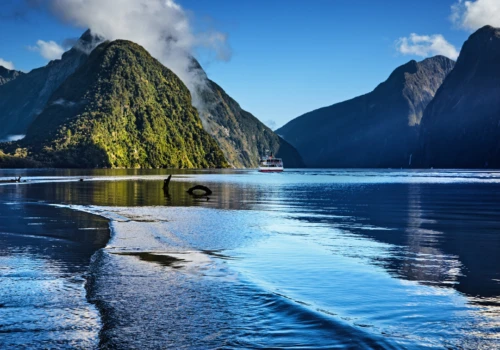
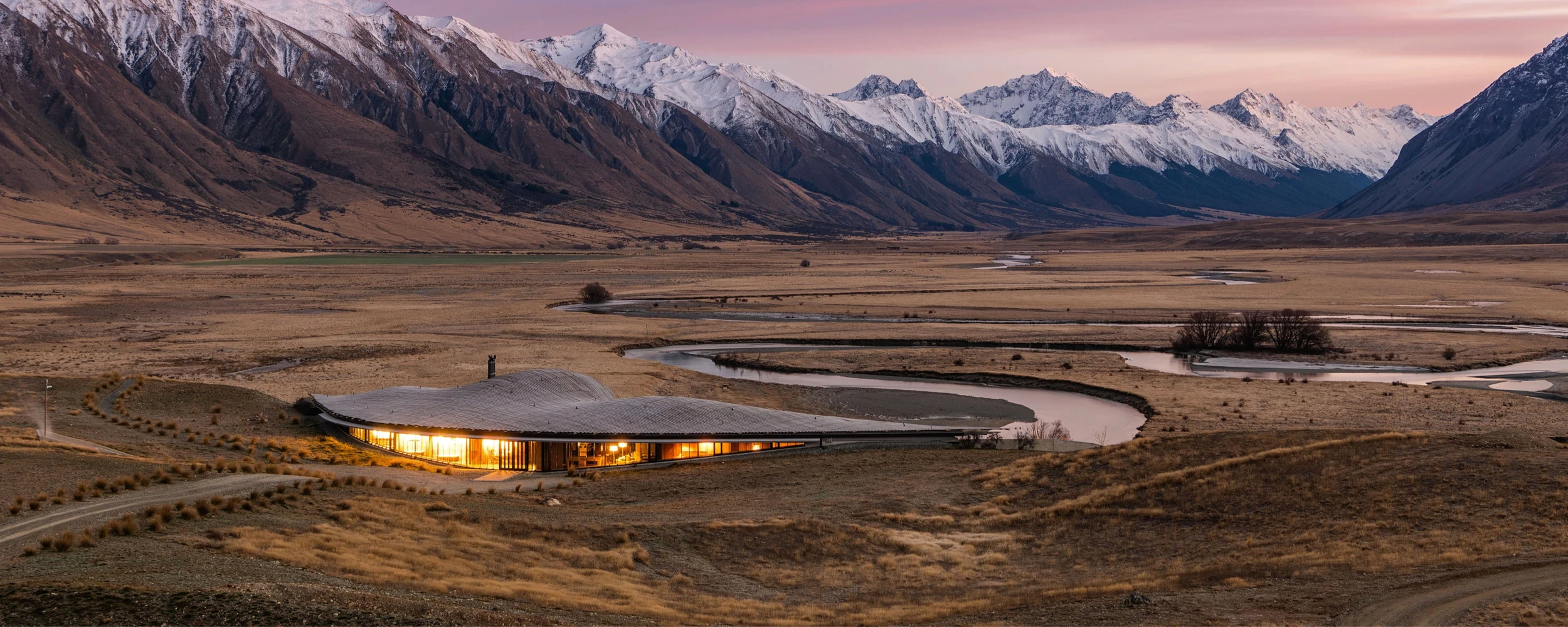
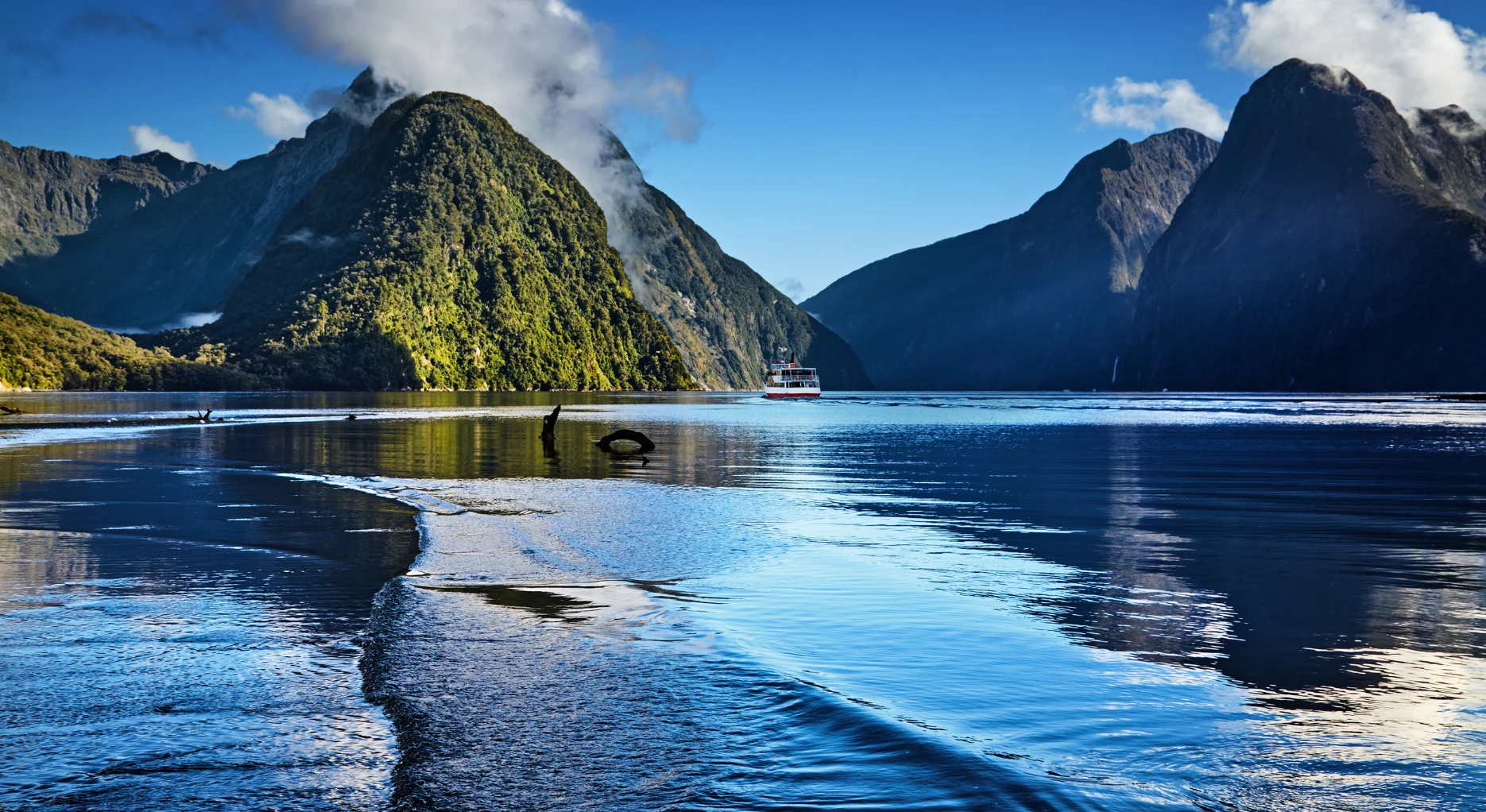
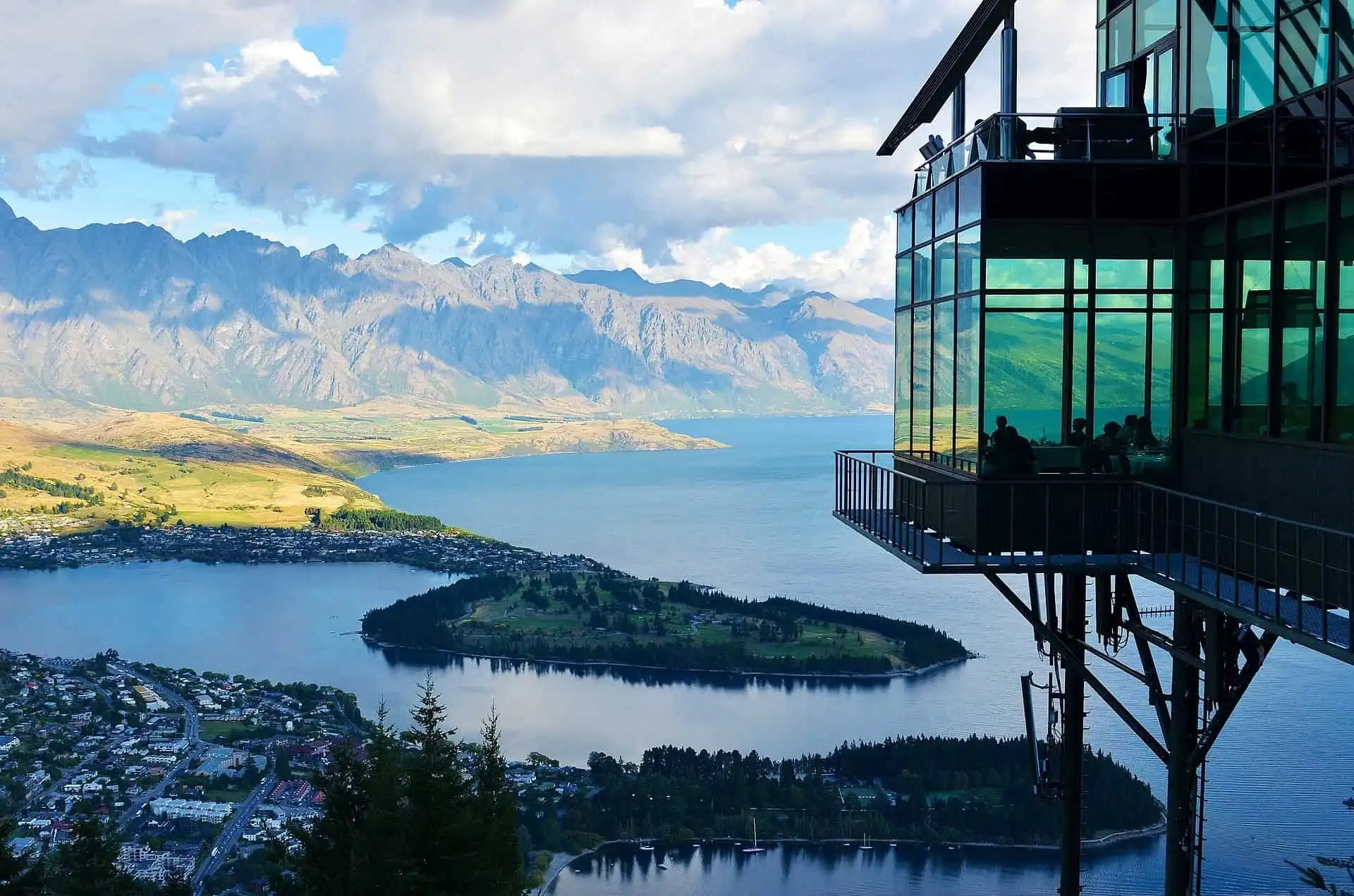
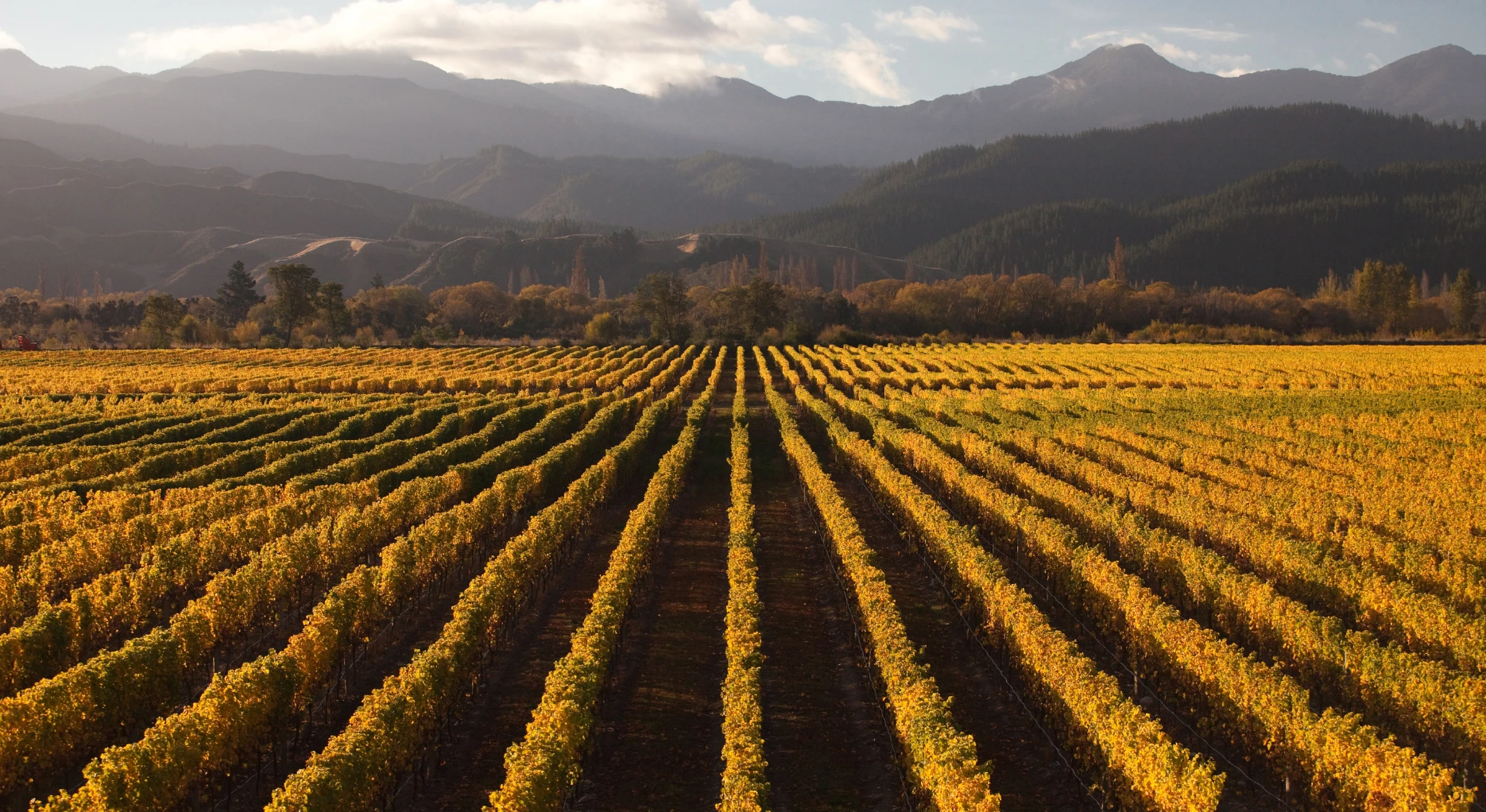
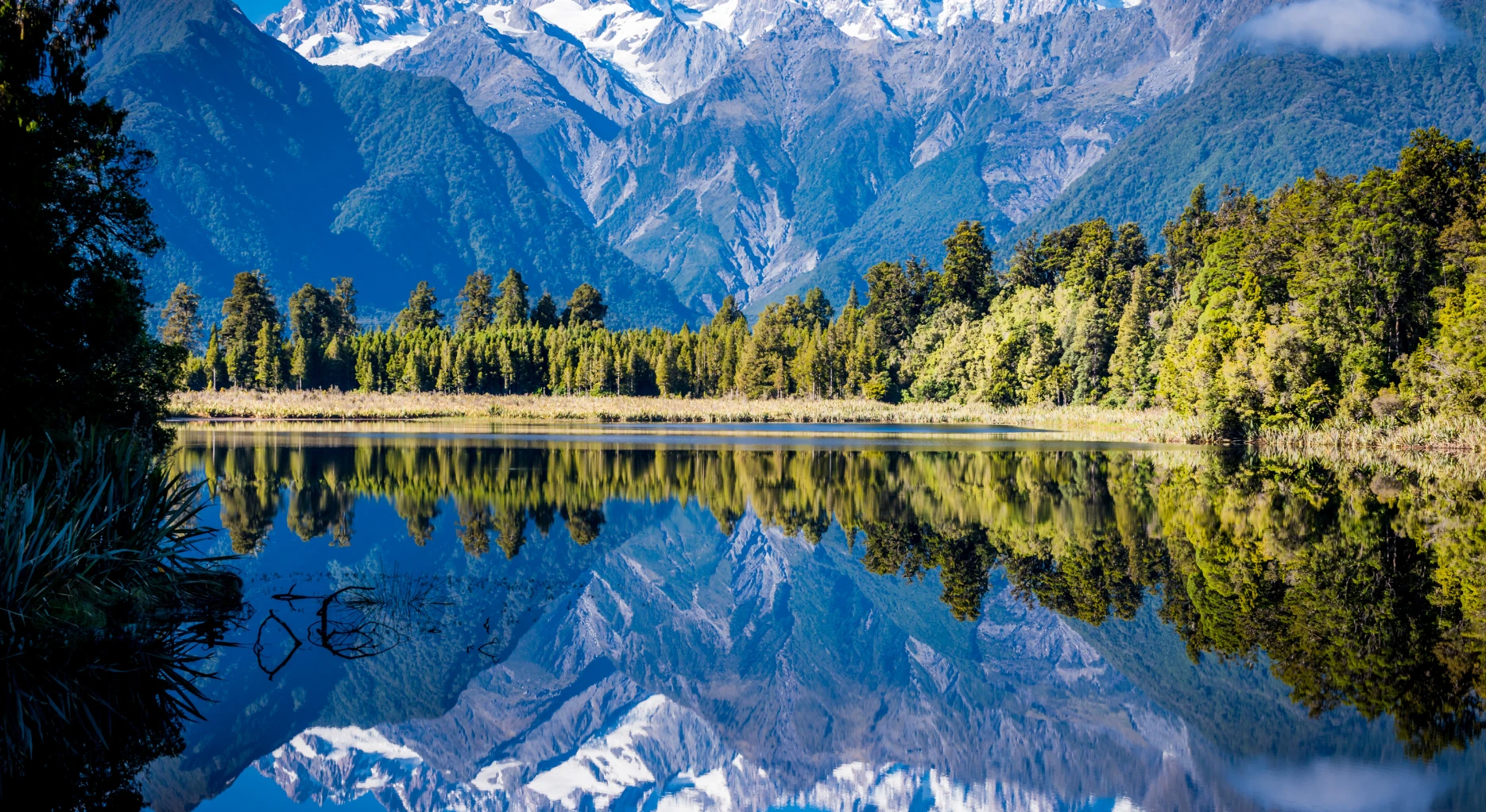
The South Island is where New Zealand’s scenery reaches its most extreme. Fiordland in the southwest contains Milford Sound and Doubtful Sound, two of the most dramatic bodies of water on the planet. The Southern Alps run the length of the island’s spine, topped by Aoraki Mount Cook, the country’s highest peak. The Marlborough Sounds in the north are a drowned river valley system navigable by kayak and private charter, surrounded by vineyards producing the country’s best sauvignon blanc. Central Otago is semi-arid wine country that turns spectacular shades of gold and amber in autumn.
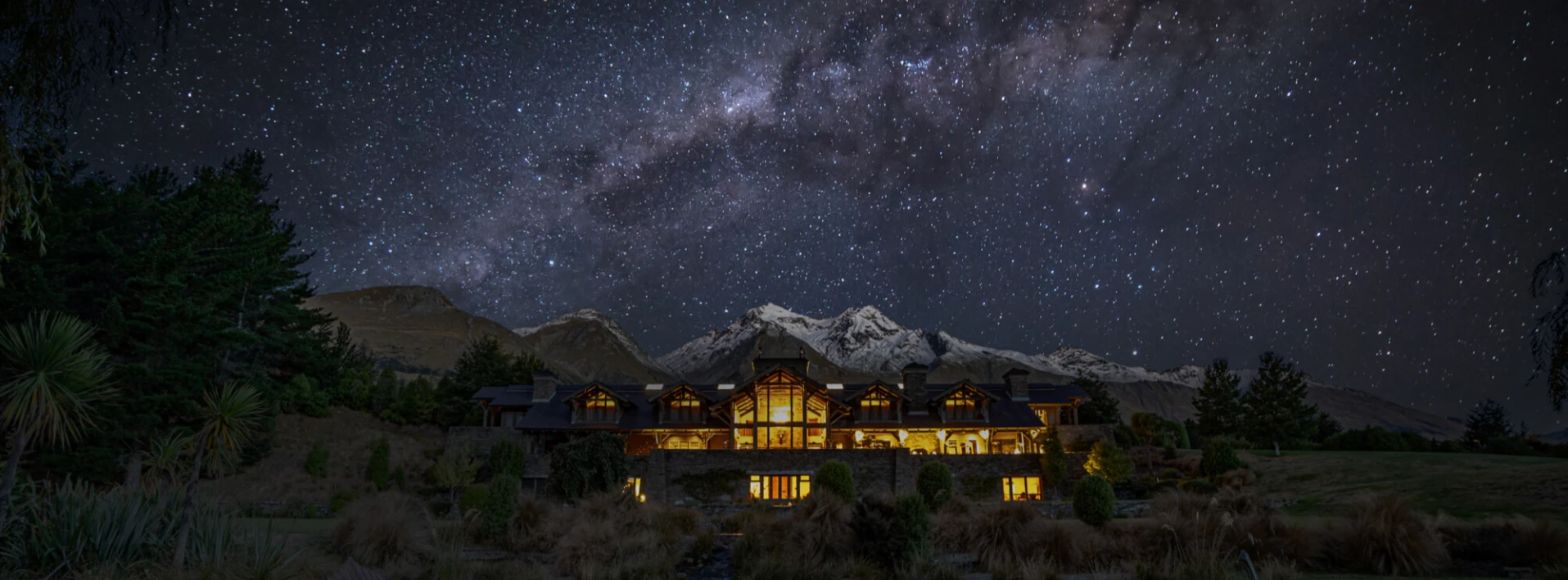
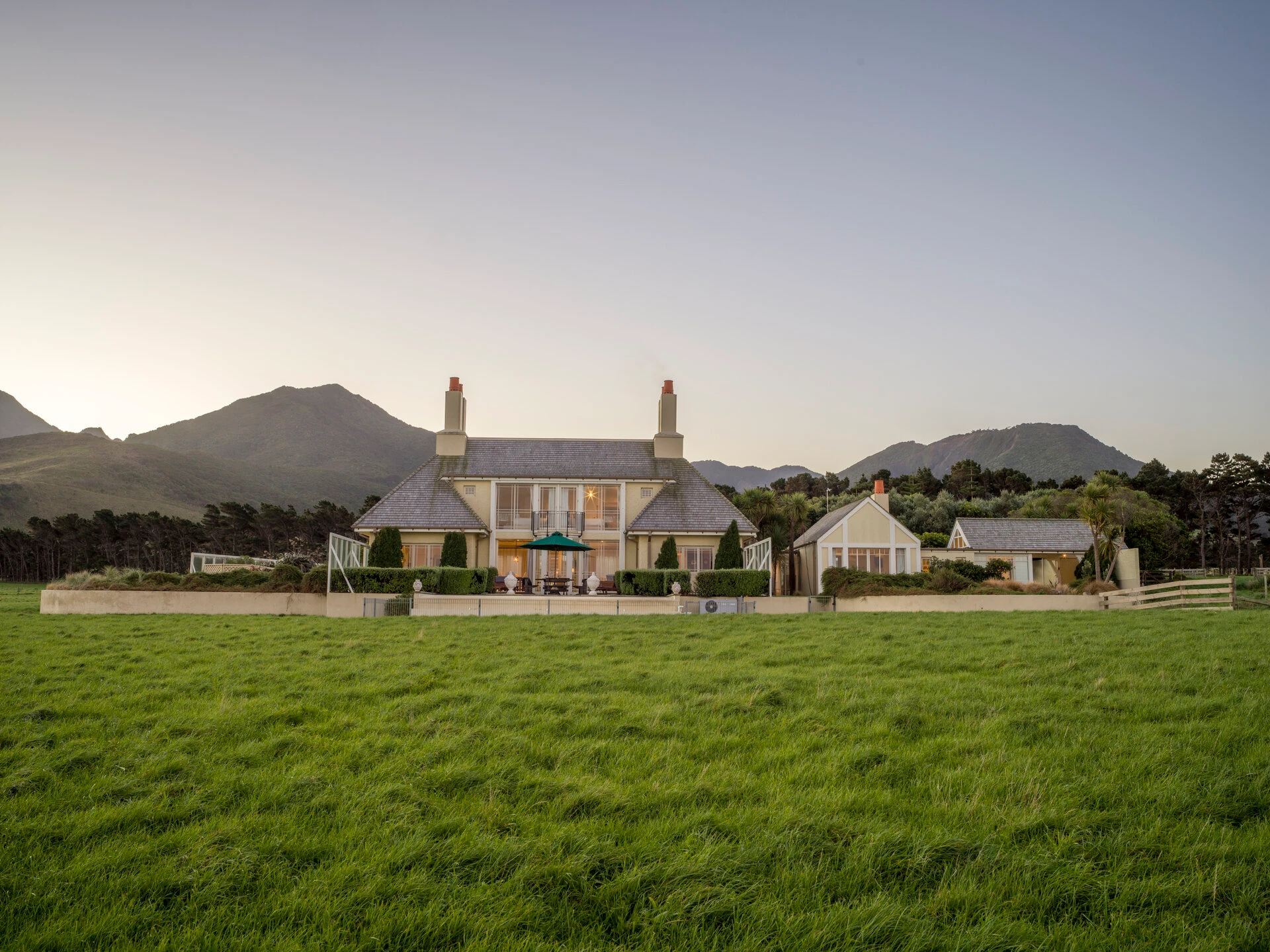
The luxury lodge scene is concentrated here. Blanket Bay on Lake Wakatipu, The Farm at Cape Kidnappers (just over the Cook Strait in Hawke’s Bay), and a cluster of smaller properties around Queenstown and Wanaka represent some of the best small lodge accommodation in the world.
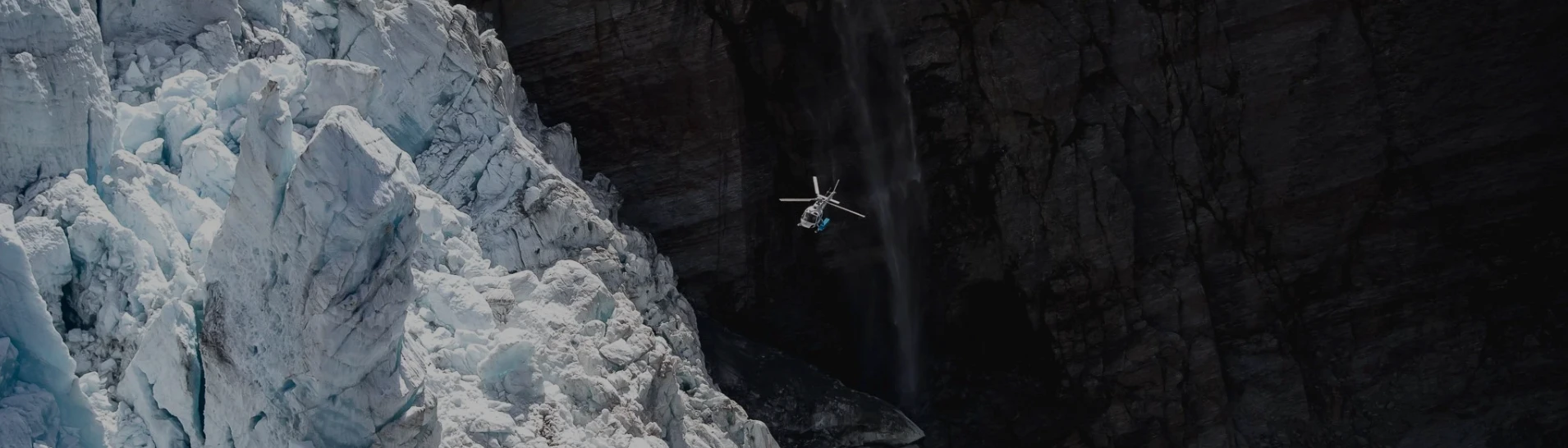
Queenstown is the South Island’s main hub: adventure activities, a lively restaurant scene, and direct connections to Milford Sound by road, small aircraft, and helicopter. It suits couples who want to be active. Wanaka, 45 minutes away, is quieter and increasingly well served by good restaurants and boutique accommodation.
The main limitation of the South Island is weather. Fiordland receives some of the highest rainfall in the world, which is partly why the waterfalls are so impressive, but which also means visits to Milford Sound can be obscured by low cloud. The flip side is that rain in Fiordland is atmospheric rather than merely inconvenient: the light shifts quickly, and a wet day at Milford is often more memorable than a clear one.
The case for the North Island
The North Island is warmer, more culturally layered, and more varied than its reputation suggests. It contains New Zealand’s two largest cities, its most active volcanic landscape, the heartland of Maori culture, and some of the country’s best beaches.
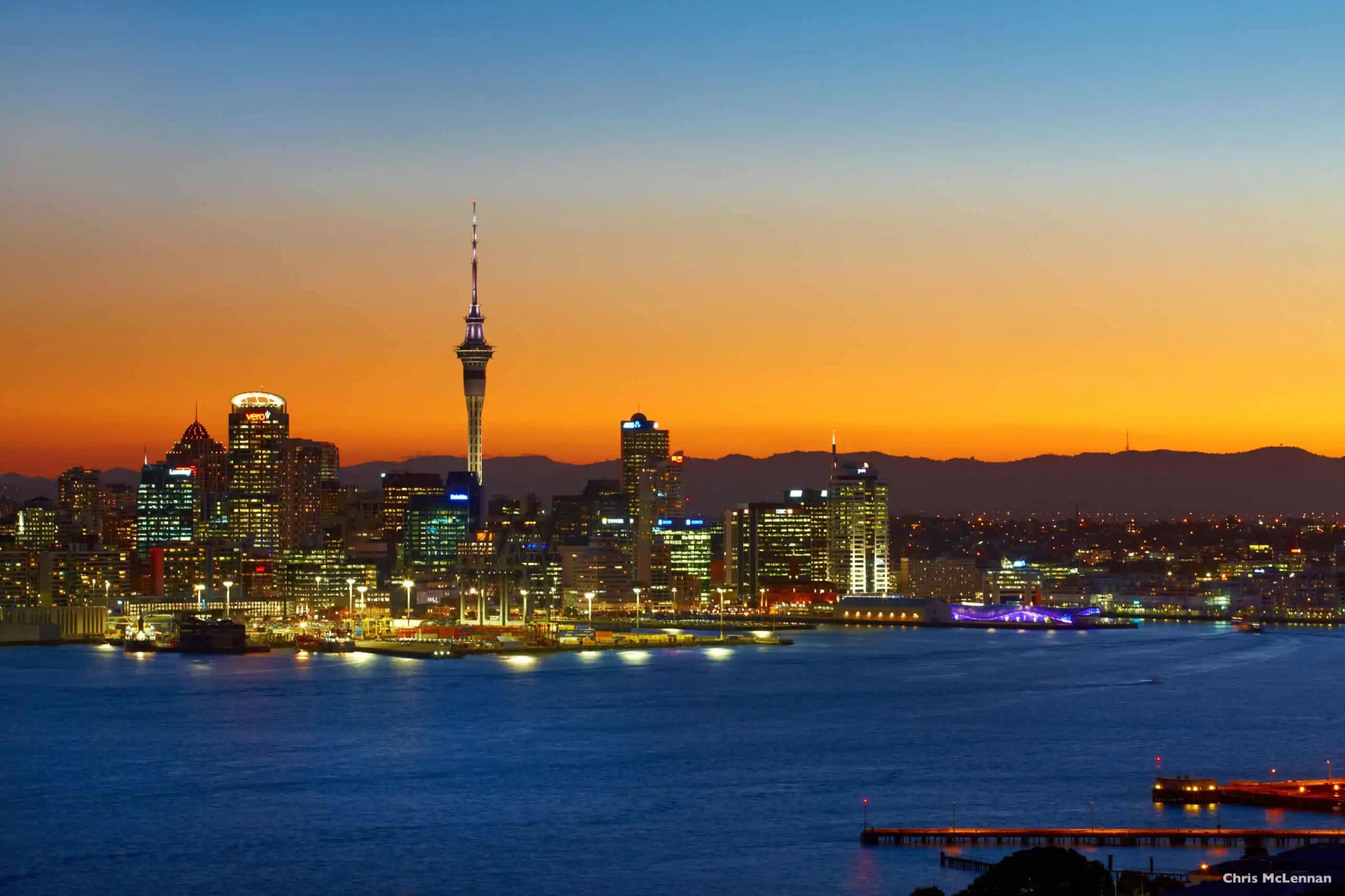
Auckland is am underrated city for a travel stop. The Waitemata Harbour and Hauraki Gulf provide an exceptional urban waterfront. Waiheke Island, a 35-minute ferry ride from the city center, combines serious wine estates with good beaches and a pace that feels removed from the mainland. The city’s restaurant scene, shaped by Pacific and Asian influences, is among the best in the southern hemisphere.
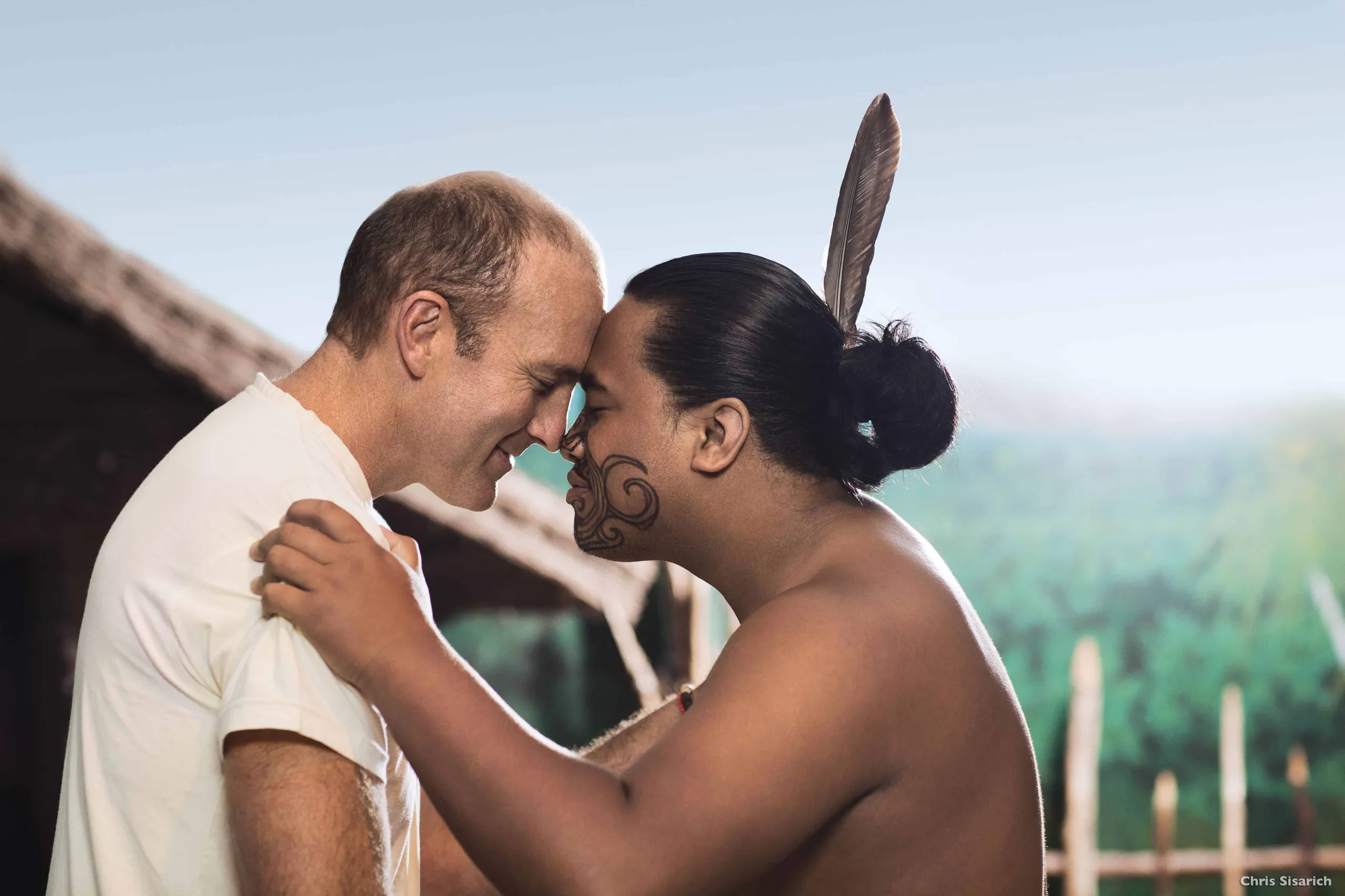
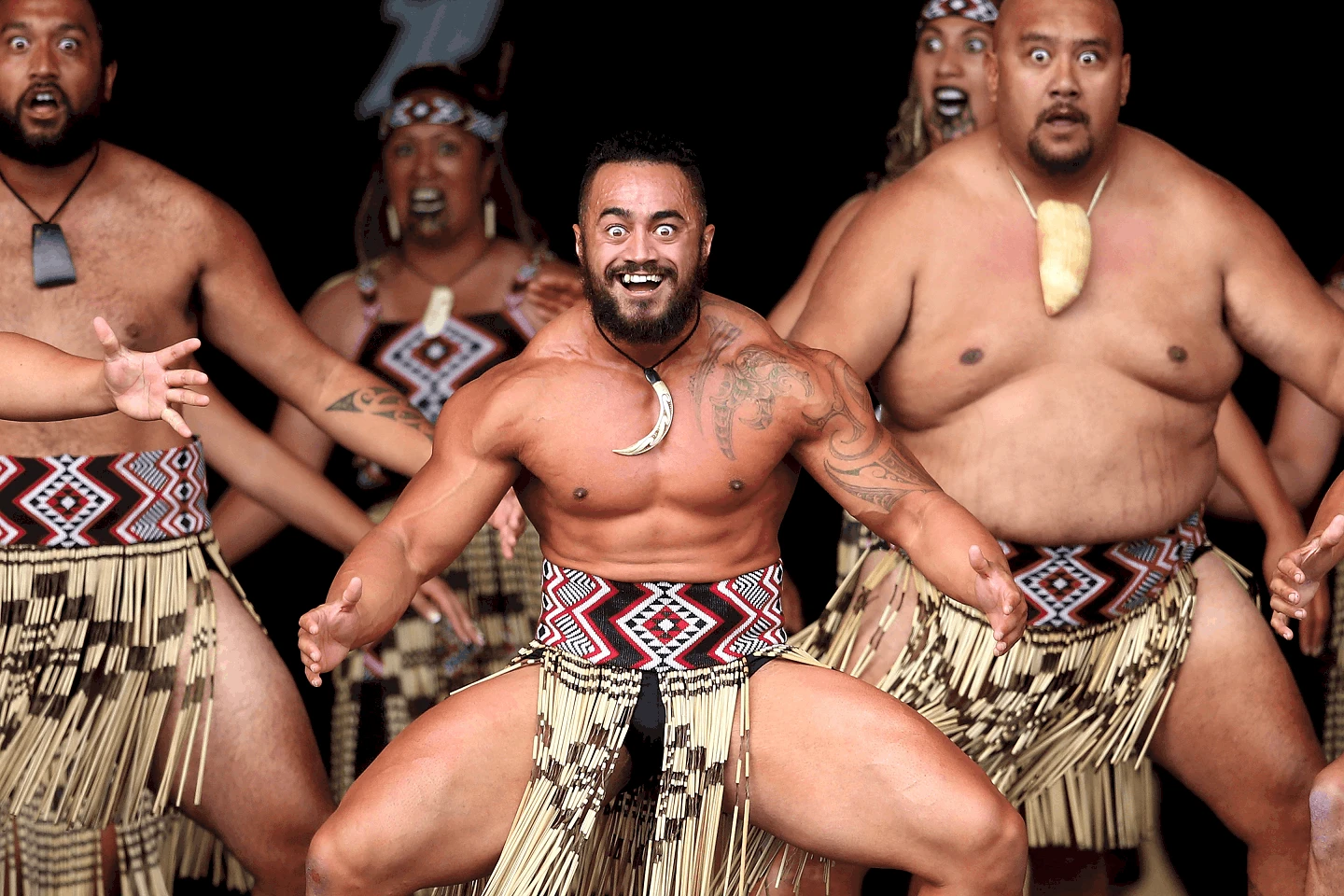
Rotorua sits over one of the most active geothermal fields in the world, with boiling mud pools, erupting geysers, and natural hot springs that have been developed into some very good spa facilities. It is also the most accessible place in New Zealand to engage with Maori culture in a meaningful way: the Te Puia geothermal park and Whakarewarewa living village both offer context that goes beyond performance, and a traditional Hangi dinner makes for a distinctive evening.
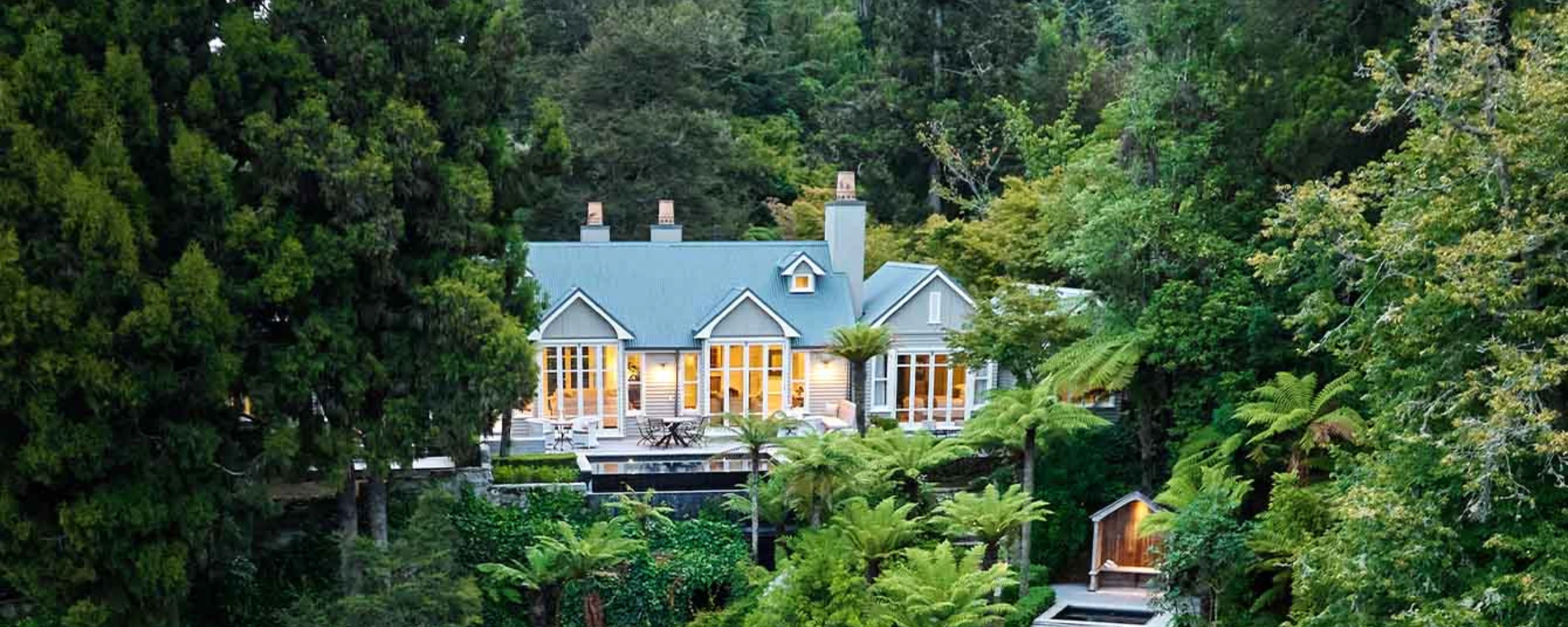
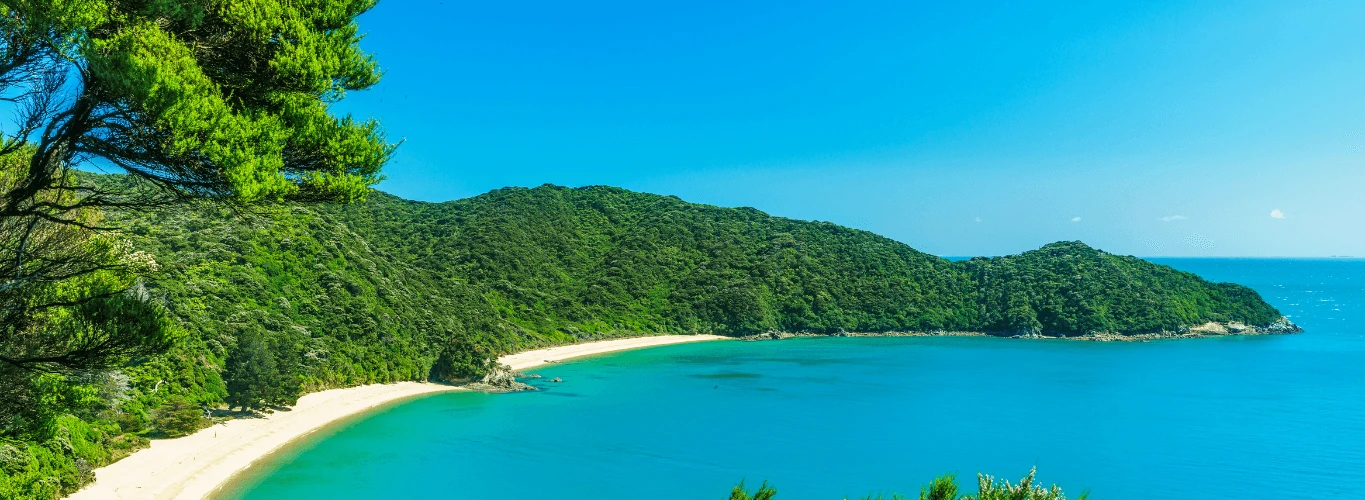
The Coromandel Peninsula, east of Auckland, offers some of the North Island’s best coastal scenery: steep, forested hills dropping to white sand beaches, with Cathedral Cove accessible only on foot or by boat. Northland, at the country’s tip, is warmer still, and home to Kauri Cliffs, the lodge most often cited alongside the South Island’s best properties.
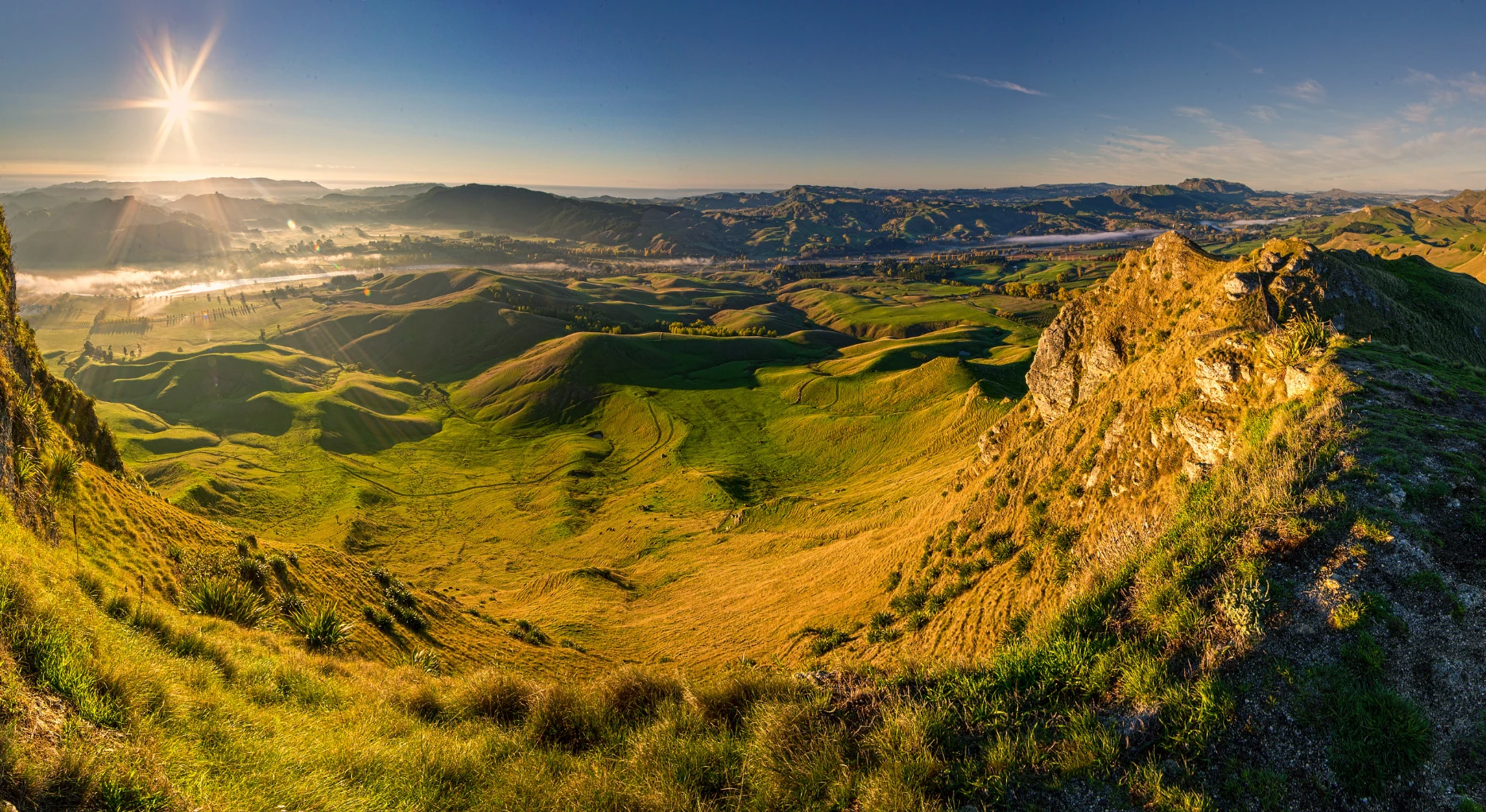
Hawke’s Bay on the east coast deserves particular attention. Art Deco Napier, olive groves, a wine region that produces excellent reds as well as whites, and a slower pace than almost anywhere else in the country. For couples who want to end a trip in relaxation rather than catching flights from Queenstown, Hawke’s Bay is the right choice.
New Zealand makes three wines worth traveling for, and they come from three regions that could not be more different from each other. Hawke’s Bay on the North Island is the oldest and most established, a sun-drenched coastal bowl of...We Suggest...
New Zealand Wine Tour: Marlborough, Hawke’s Bay and Central Otago
Tailor-Made Vacation
The key differences
- Landscape: The South Island is more dramatic. Mountains, fiords, glaciers, and a scale that can feel overwhelming. The North Island’s landscape is more varied in character: volcanic, coastal, subtropical in places.
- Weather: The North Island is warmer and drier overall, particularly in the northeast. The South Island has more extreme weather, which adds to the drama but requires flexible planning, particularly in Fiordland.
- Culture: The North Island is where Maori culture is most present and most accessible. It is also where New Zealand’s urban life is concentrated, which matters if you want good restaurants, galleries, and city energy as part of your trip.
- Pace: The South Island rewards active travel. The North Island is better for couples who want to mix activity with time spent in one place.
- Crowds: Both islands have busy periods in summer. Milford Sound in January can feel very different from Milford Sound in April. The North Island is generally less congested outside of Auckland.
The South Island of New Zealand does not need much help setting a romantic scene. The landscapes are vast and quietly overwhelming, the lodges are exceptional, and the combination of mountains, lakes, fjords, and wine country gives a 12-night honeymoon...We Suggest...
Gay Honeymoon in New Zealand: A Luxury South Island Tour
Tailor-Made Vacation
LGBTQ+ travel in New Zealand
New Zealand is one of the most straightforwardly welcoming countries in the world for LGBTQ+ travelers. Same-sex marriage has been legal since 2013, and New Zealand was the first country in the Asia-Pacific region to legalize it. There is no meaningful distinction between how same-sex and opposite-sex couples are treated in hotels, restaurants, or day-to-day life across both islands.
Auckland has the most established LGBTQ+ scene, centered on the Karangahape Road area, with a Pride festival each February that draws visitors from across the region. Wellington, the capital, has a similarly relaxed and inclusive culture in a more compact setting.
Outside the cities, New Zealand’s LGBTQ+ friendliness is less about visible scene and more about the absence of the awareness or caution that some destinations require. Couples traveling through rural areas, checking into lodges in Fiordland or wine estates in Central Otago, will find no meaningful difference in how they are received.
Which island to prioritize
If you have two weeks, the South Island should take the larger share of your time, with two to three nights in Auckland at the start or end. The South Island’s headline experiences, Milford Sound, Queenstown, the Marlborough wine region, are unmissable on a first visit.
If you have three weeks, a more even split works well. Add Rotorua and Hawke’s Bay on the North Island, and you come away with a trip that reflects the full range of what New Zealand offers rather than its most photographed corners.
If you have ten days or less, pick one island and do it properly. The South Island is the more obvious choice, but the North Island, Auckland plus Rotorua plus Hawke’s Bay, makes for a coherent and deeply enjoyable trip in its own right.
Out Of Office plans bespoke New Zealand itineraries for couples and independent travelers. Talk to us about where to go and how to make the most of the time you have.