Discover the complex reality of gay travel in Kenya. From legal challenges to safari experiences - your complete LGBTQ+ travel guide
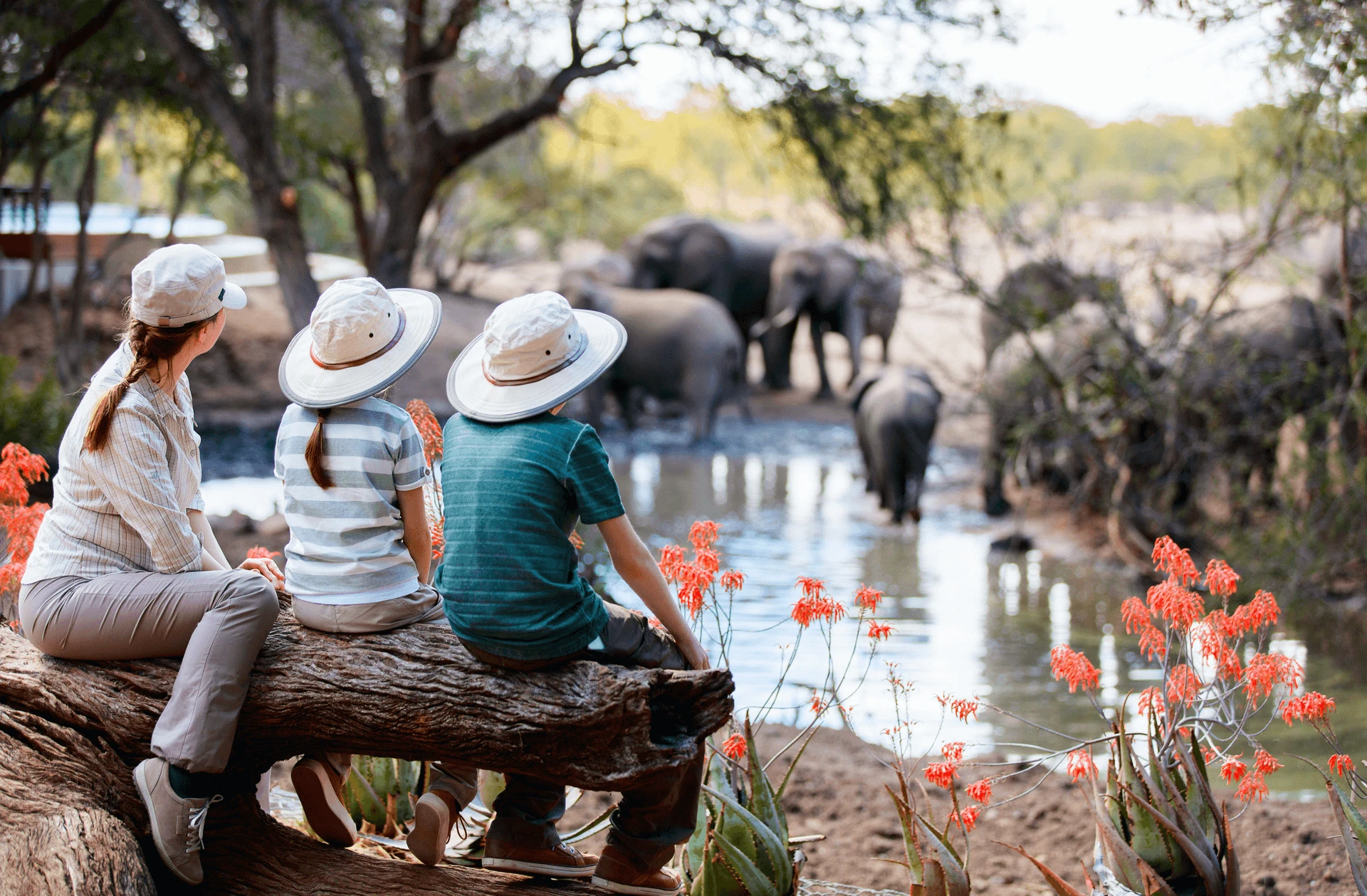
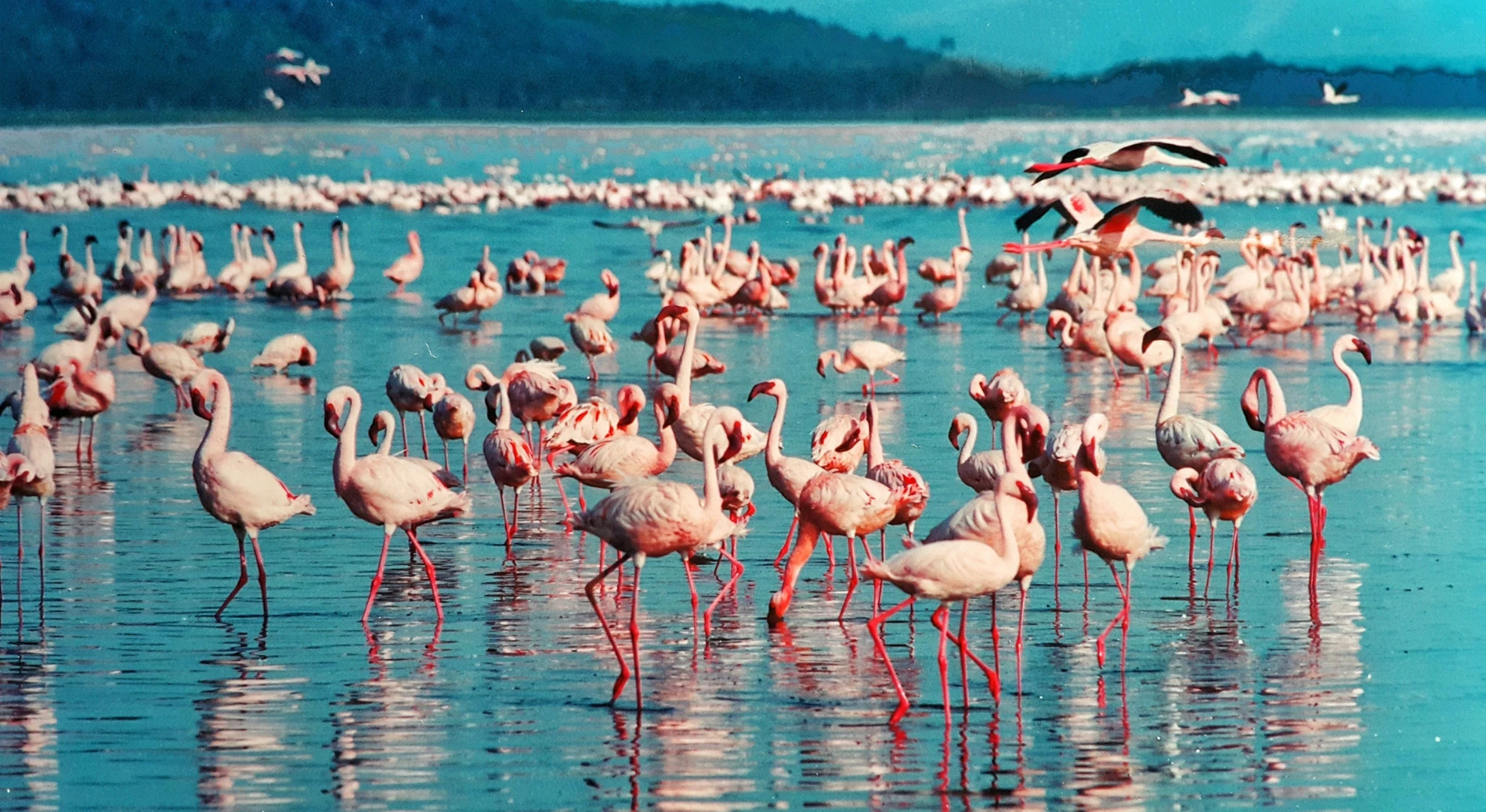
From the vast savannas of the Masai Mara to the shores of Lake Nakuru with millions of flamingos, Kenya is an unbeatable safari destination. It can be something of a minefield for LGBTQ+ travelers, with colonial-era laws criminalizing homosexuality with penalties up to 14 years imprisonment. Nonetheless, thousands of gay travelers visit annually through specialized tour operators who navigate this challenging landscape with remarkable success.
The reality on the ground differs dramatically from the legal framework, creating opportunities for safe travel alongside genuine risks that require careful navigation.
The disconnect between Kenya’s harsh legal stance and its growing LGBTQ+ tourism industry reflects broader tensions in a country where Supreme Court victories for gay rights organizations coexist with proposed legislation that would introduce the death penalty for “aggravated homosexuality.” For travelers, understanding this complexity is essential for making informed decisions about visiting one of Africa’s premier safari destinations.
The legal landscape: harsh laws, inconsistent enforcement
Kenya criminalizes same-sex activity under three sections of its colonial-era Penal Code. Section 162 prescribes up to 14 years imprisonment for “carnal knowledge against the order of nature,” with penalties increasing to 21 years under aggravating circumstances. Sections 163 and 165 target attempted same-sex acts and “gross indecency” between men, respectively.
Yet enforcement tells a different story. Despite 595 “unnatural offenses” cases opened since 2010, only two prosecutions under Section 162 have been documented in the past decade. Police more commonly use public order laws – loitering, disturbing the peace, solicitation – to harass LGBTQ+ individuals, often demanding bribes or sexual favors rather than pursuing formal charges.
The legal landscape shifted dramatically in February 2023 when Kenya’s Supreme Court ruled 3-2 that the National Gay and Lesbian Human Rights Commission (NGLHRC) must be allowed to register as an NGO. The Court declared it “unconstitutional to limit the right to associate purely on the basis of sexual orientation.” This landmark victory established legal space for LGBTQ+ advocacy despite criminalization laws.
However, darker clouds loom. MP Peter Kaluma’s proposed Family Protection Bill 2023 would impose minimum 10-year sentences for consensual same-sex activity, introduce the death penalty for “aggravated homosexuality,” and criminalize LGBTQ+ advocacy itself. President William Ruto has stated that Kenya has “culture and traditions” that reject same-sex relationships, declaring in March 2023 that “we cannot allow our women to get competition from men who chase after men.”
Cultural attitudes: religion, tradition, and generational divides
Religious opposition dominates Kenya’s cultural landscape, with leaders across Christian, Islamic, and traditional faiths condemning homosexuality as “signs of decadence, disease, and immorality.” A 2017 study of 212 religious leaders found 37% endorsed violence for maintaining social values regarding homosexuality. The 2010 Mtwapa incident exemplified this hostility when rumors of a gay wedding led to house-to-house witch hunts and radio stations promoting homophobic discourse.
Public opinion remains overwhelmingly negative, with 83% of Kenyans opposing the acceptance of homosexuality according to 2020 Pew research. However, acceptance has grown from just 1% in 2002 to 14% in 2020, suggesting gradual change. Younger, more educated, and less religious Kenyans show greater tolerance, creating pockets of acceptance in urban areas and university communities.
Many Kenyans consider homosexuality “un-African,” despite historical evidence of same-sex relations in pre-colonial communities including the Nandi, Kipsigis, Gikuyu, and Swahili peoples. This narrative of homosexuality as foreign has been perpetuated by political leaders, with former President Kenyatta claiming “there is no African word for homosexuality.”
The disconnect between public hostility and private reality is stark. Among LGBTQ+ individuals who came out to family members, 89% reported being disowned. Yet vibrant underground communities exist, with organizations like the Gay and Lesbian Coalition of Kenya (GALCK+) serving over 25,000 gay and bisexual men across 19 counties.
The tourism industry response: discretion and dollars
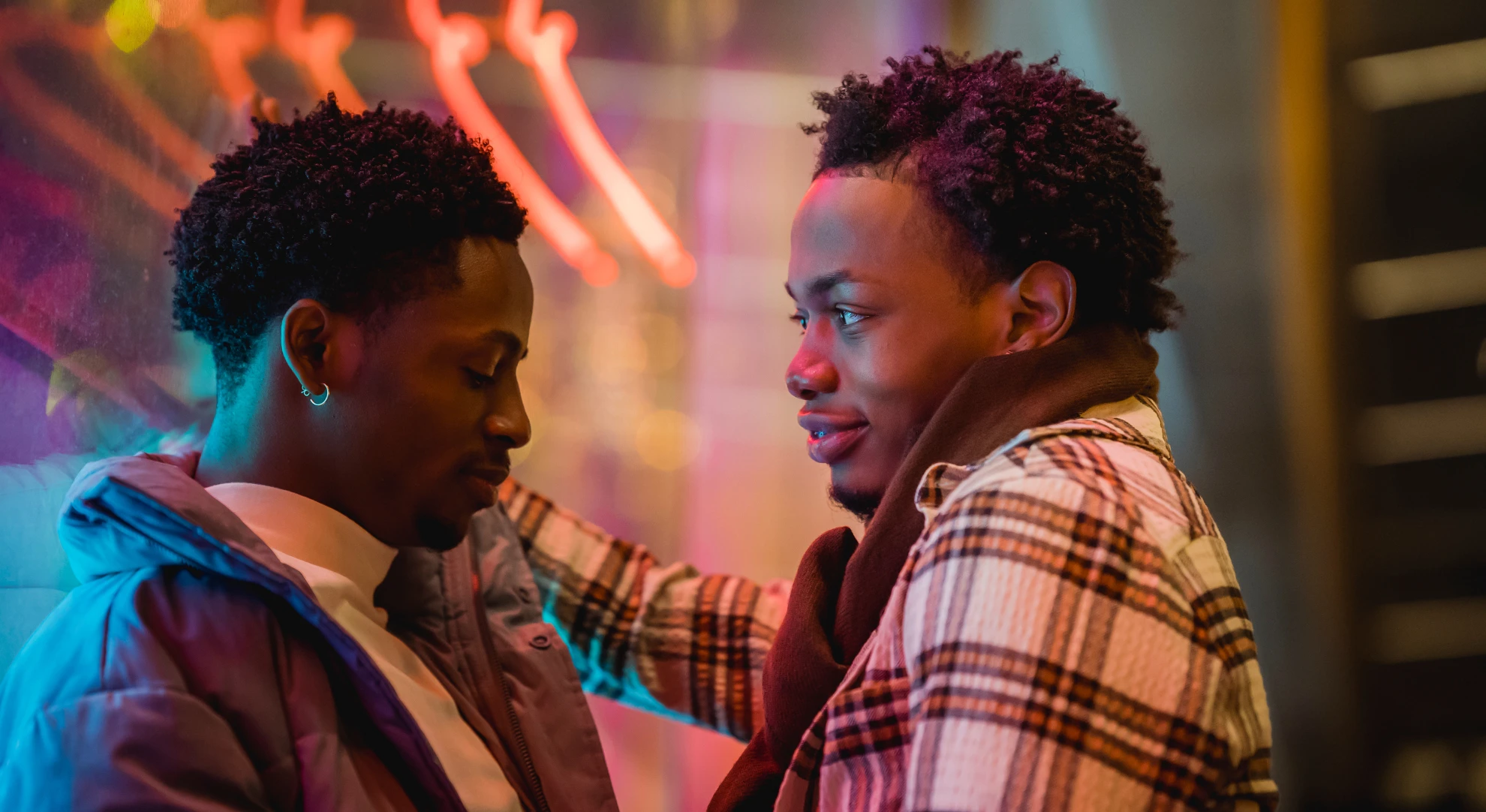
Kenya’s tourism industry has developed sophisticated approaches to serving LGBTQ+ travelers while navigating legal and cultural constraints. Specialized tour operators, including Out Of Office, have conducted successful safari tours for over a decade, with groups of 16+ LGBTQ+ travelers reporting no incidents when working with vetted accommodations and trained guides.
International hotel chains apply global non-discrimination policies in Kenya. Marriott, which achieved a perfect 100 score on the Human Rights Campaign’s Corporate Equality Index, began offering same-sex domestic partner benefits in 1999. Hilton operates inclusivity programs and partners with LGBTQ+ travel organizations. Safari lodges, particularly luxury properties, generally accommodate same-sex couples without question when bookings are made through established operators.
The industry increasingly recognizes the economic value of LGBTQ+ travelers. Expert Africa, a leading African tour operator, reports “tacit acceptance” in the safari sector and feels “increasingly encouraged” about progress. Tourism professionals estimate that anti-LGBTQ+ discrimination costs East African countries billions in lost economic development.
However, discrimination persists. In 2017, prominent gay rights attorney Eric Gitari was denied hotel accommodation with his partner, with staff claiming “two men sharing a room might lead to illegal sexual acts.” Such incidents highlight the importance of booking through vetted channels rather than independently.
This carefully crafted itinerary offers a truly exclusive and boutique experience of South Africa, allowing you to immerse yourself in the country’s finest boutique hotels. Your adventure begins with five days in a beautiful boutique hotel, nestled on the slopes...We Suggest...
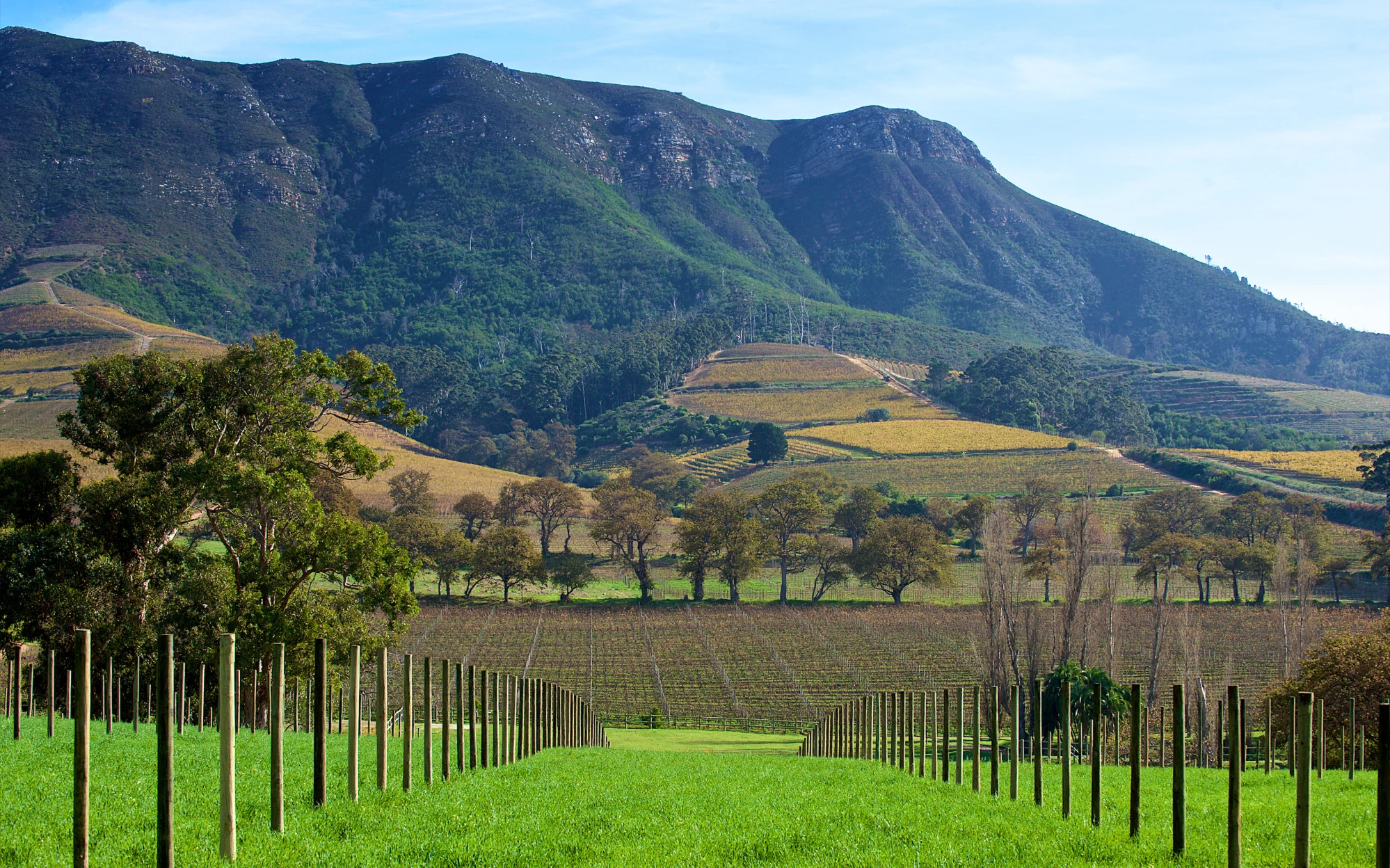
Cape Town & Franschhoek: Wine Region Tour
Tailor-Made Vacation
Regional realities: where you go matters enormously
Geography determines safety in Kenya more than any other factor. Nairobi emerges as the country’s most LGBTQ+-friendly city, hosting headquarters for major advocacy organizations like GALCK+ and NGLHRC. The capital offers established safe spaces including The Alchemist art space, Cookie & Coffee (an LGBTQ+-owned café), and Kenya’s first LGBTQ+ church, the Cosmopolitan Affirming Community.
Mombasa presents a more dangerous environment. Human Rights Watch documented significantly higher rates of anti-LGBTQ+ violence in coastal regions, with at least six major mob attacks between 2008-2015 in Kilifi, Kwale, and Mombasa counties. Religious leaders in coastal areas play more prominent roles in inciting violence, and the intersection with sex work creates additional vulnerabilities for LGBTQ+ individuals.
Rural areas require extreme caution. Traditional communities maintain strong conservative attitudes with limited tolerance for gender or sexual nonconformity. LGBTQ+ individuals in rural areas often remain completely closeted with no access to support services.
The urban-rural divide is profound. Cities offer anonymity, diverse economic opportunities, and access to healthcare and legal resources. Rural areas provide none of these protections, forcing LGBTQ+ individuals to depend entirely on family and community systems that may reject them completely if their orientation becomes known.
Gondwana Game Reserve is an 11,000-hectare private reserve. It’s a great place to pursue the Big 5 and discover the magic of the African bush. You’ll be staying in luxury accommodation in a place of great natural beauty. A full...We Suggest...

Gondwana Game Reserve
Accommodation
Local activism and the fight for rights
The Gay and Lesbian Coalition of Kenya (GALCK+), founded in 2006, serves as an umbrella organization for 16 member groups across three regional clusters. Its Nairobi resource center, opened in 2008, provides comprehensive rights-based services and stigma reduction programs.
The National Gay and Lesbian Human Rights Commission (NGLHRC), founded in 2012 by six legal advocates, has handled over 7,000 legal cases. Its decade-long battle for legal registration culminated in the landmark 2023 Supreme Court victory. NGLHRC attorney Eric Gitari, who co-founded the organization, has led the legal fight to decriminalize homosexuality through his 2016 petition challenging the Penal Code.
Activist stories reflect both progress and ongoing dangers. Fashion designer Edwin Chiloba used fashion to deconstruct gender and advocate for marginalized groups until his brutal murder in January 2023 sparked national and international outcry. His killer was sentenced to 50 years imprisonment in December 2024, representing rare justice for anti-LGBTQ+ violence.
Cultural activism flourishes despite censorship. Director Wanuri Kahiu’s lesbian love story “Rafiki” was banned by Kenya’s Film Classification Board but played to sold-out crowds during its brief Oscar-qualifying run in 2018. The film’s popularity demonstrated significant hunger for authentic LGBTQ+ storytelling.
Pride celebrations occur annually through “Closetless Pride” events organized by GALCK+, featuring community networking, healing circles, and outdoor activities like climbing Mount Kenya. Events are often held at undisclosed locations for security reasons.
Lemala is a collection of lodges, tented camps and luxury villas in Northern Tanzania. There are Lemala properties in Tarangire, Arusha, Ngorongoro and the Serengeti, covering much of the famed Northern Circuit. This is one of the best luxury options...We Suggest...
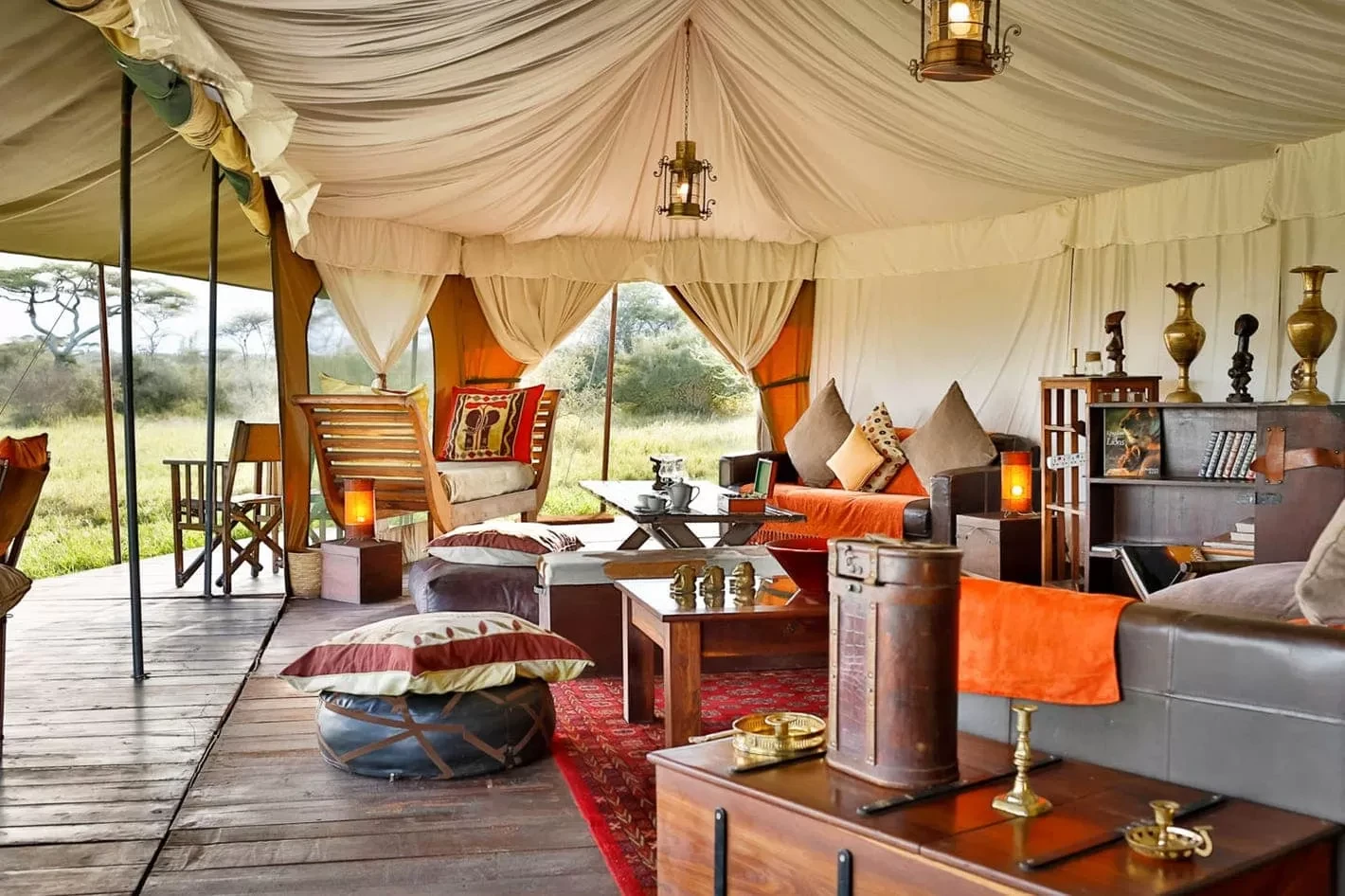
Lemala
Accommodation
Recent developments and changing dynamics
The situation for LGBTQ+ individuals in Kenya continues evolving rapidly. April 2024 saw Mombasa High Court issue an interim order protecting LGBTQ+ people from incitement to violence, while October 2024 brought a landmark $31,000 compensation award to two gay men whose rights were violated during arrest.
However, political rhetoric has intensified. President Ruto’s March 2023 statements rejecting same-sex relationships, combined with the proposed Family Protection Bill that would introduce death penalties, signal potential regression. Following the Supreme Court’s NGO registration ruling, LGBTQ+ organizations reported a four-fold increase in harassment cases and 65% were forced to shut down due to increased hostility.
Cultural change occurs gradually but measurably. Public acceptance has increased fourteen-fold since 2002, though from an extremely low baseline. Generational differences suggest continued progress as younger, more educated Kenyans enter positions of influence. Films like “Rafiki” demonstrate significant appetite for LGBTQ+ content despite official restrictions.
Planning your visit: practical recommendations
Choose tour operators with established LGBTQ+ experience and local partnerships. Out Of Office is the world’s largest LGBTQ+ tour operator, so we’re uniquely placed to arrange a gay-friendly trip to Kenya. Time your visit carefully. Monitor political developments and avoid periods of heightened tension. Religious holidays and political campaigns may increase risks. The dry season (June-October) offers optimal wildlife viewing but also peak tourist traffic.