




Moment · Spain
The Sagrada Família at First Light, with a Private Guide
Enter Gaudí's basilica with the first visitors of the day, as early sun pours through the stained glass into an almost empty nave.
A Masterpiece Still Rising
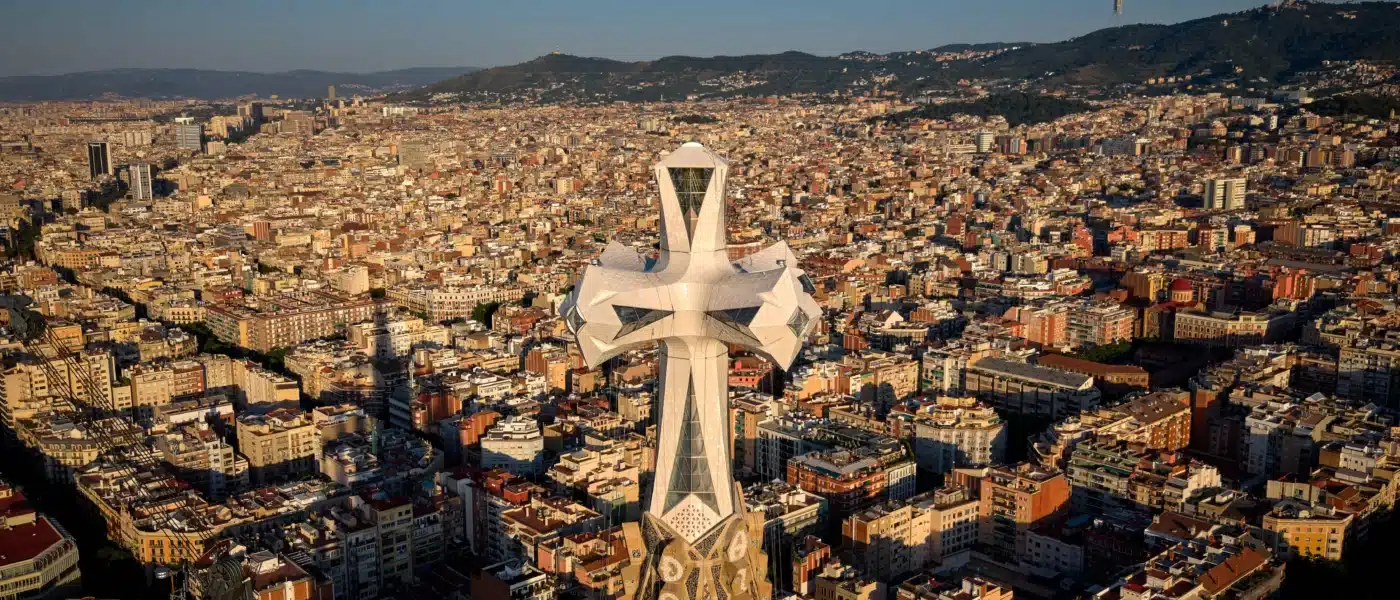
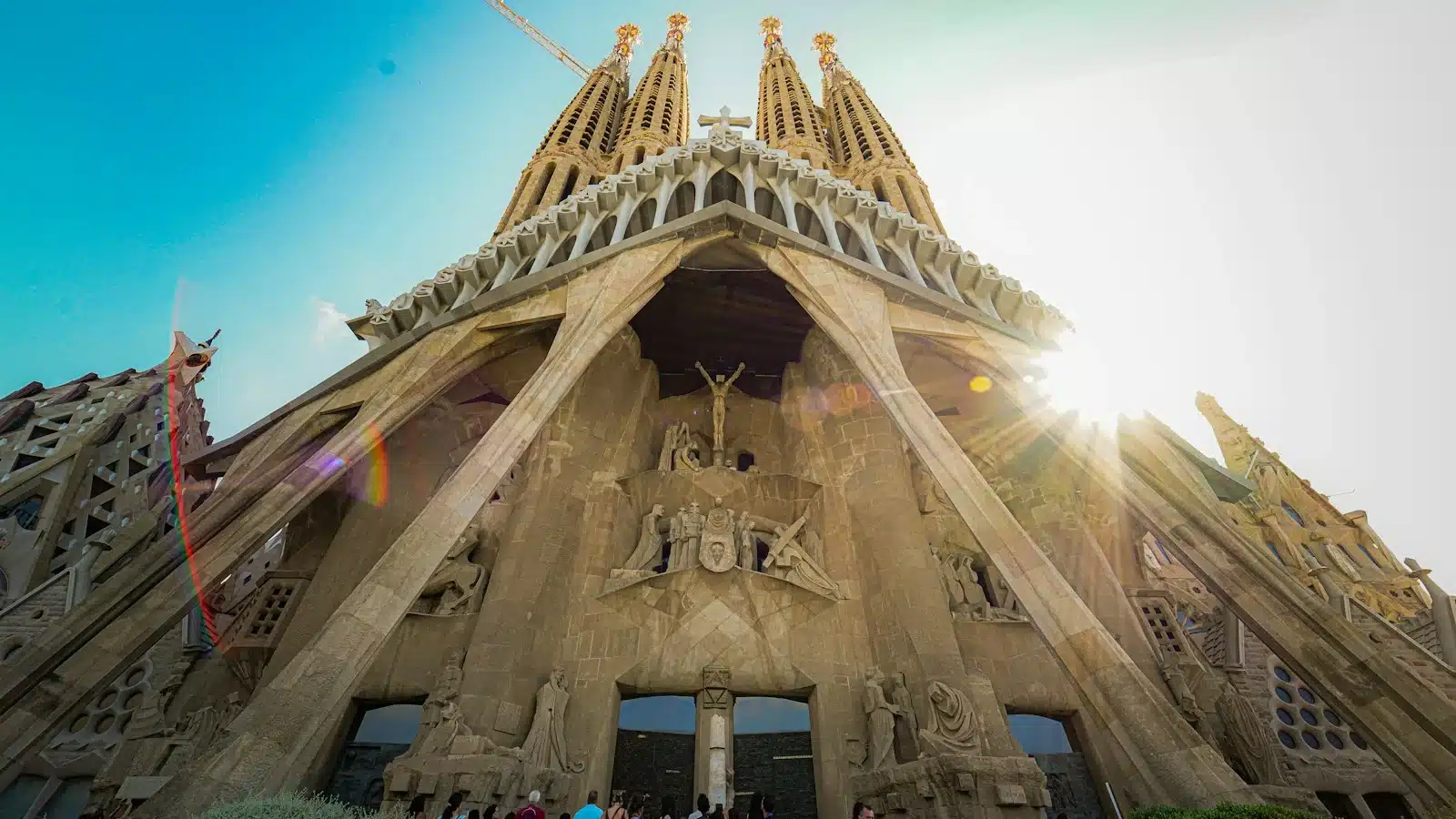
Few buildings anywhere in Europe are as audacious as Gaudí’s great basilica, officially the Basílica i Temple Expiatori de la Sagrada Família. Work began in 1882 and has never stopped; it’s a church in daily use and a work of art that keeps growing.
Gaudí spent his final fifteen years on nothing else, marrying Gothic heritage with flowing, nature-inspired modernism. UNESCO lists it; it’s the emblem of Barcelona, and millions come every year, most of them turning up in the late morning or after lunch, just as the queues lengthen and the hubbub builds.
The Basilica Before the Crowds
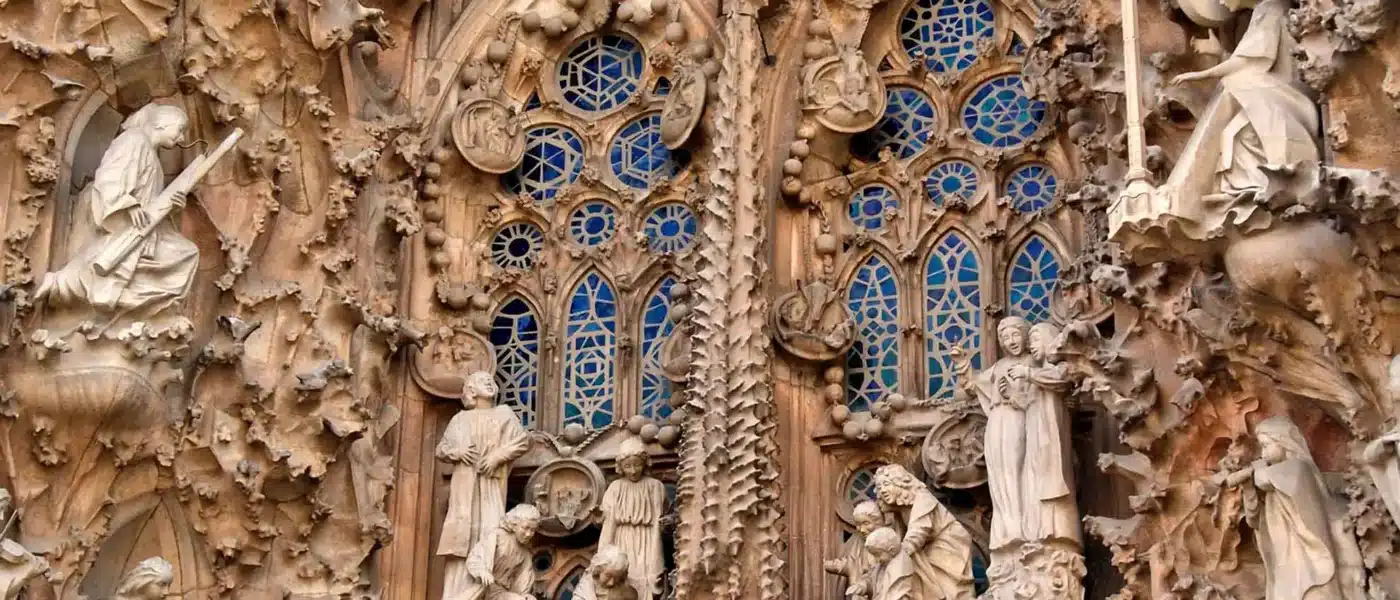
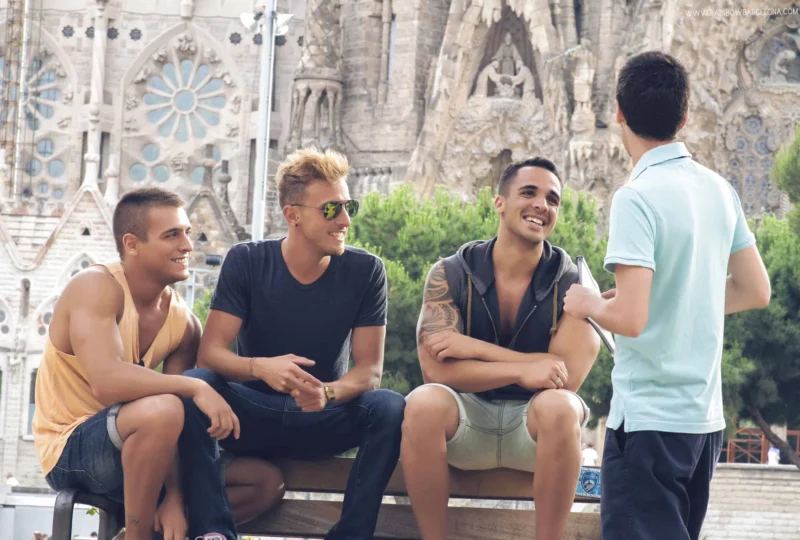
First thing, the basilica has a serenity that rarely survives past the first hour. You’ll meet your private guide close by, usually with tickets sorted in advance, and start outside: with so few others about, you can stand under the Nativity Facade and read its crowded Bible stories in stone without anyone in the way.
Once inside, the windows, the immense nave, and the cadence of Gaudí’s design are far easier to take in with nothing else vying for your eye, and your guide follows your interests, from architectural theory and Gaudí’s life to the long construction story that continues today. For a couple or friends, it’s the calmest way to meet Barcelona’s most famous building.
Tell us where your mind keeps going back to. We will do the rest.
Request a quote →Coloured Light and a Forest of Stone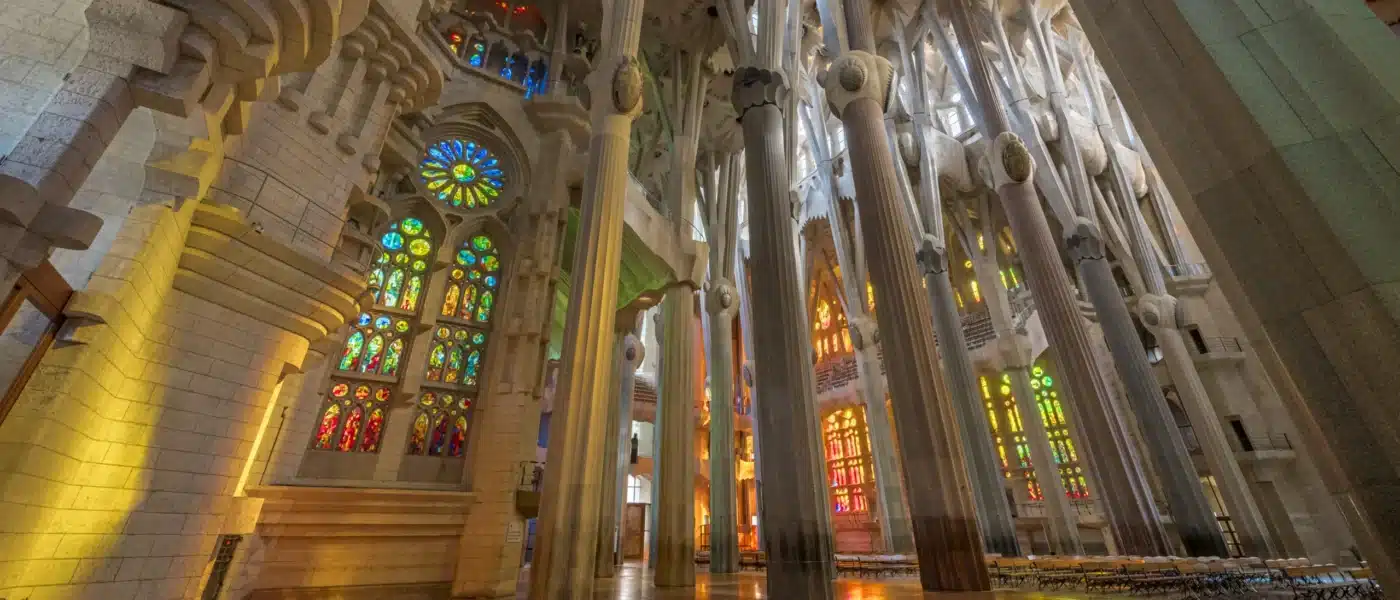
Outside it seems almost dreamlike, its towers twisting upward like tree trunks and its carved fronts appearing to move as the sun changes, but the true wonder is within.
In the early hours, light floods through the windows in gentle pools of emerald, amber, and sapphire, and the tree-like pillars lead your gaze up to vaults far loftier than pictures suggest, in a space immense yet perfectly proportioned. Your guide might explain Gaudí’s catenary arches, or show you which parts are only now being finished from his models.
If time allows, you can go up one of the towers for a view across Barcelona, or visit the museum under the nave, whose drawings and plaster models reveal how much had to be reinterpreted after Gaudí died.
Well over a century on, the building still follows the models and plans he left, every added spire and facade combining his ideas with the skills of today’s craftsmen, a rare chance to watch a masterpiece being completed.
Time and Space of Your Own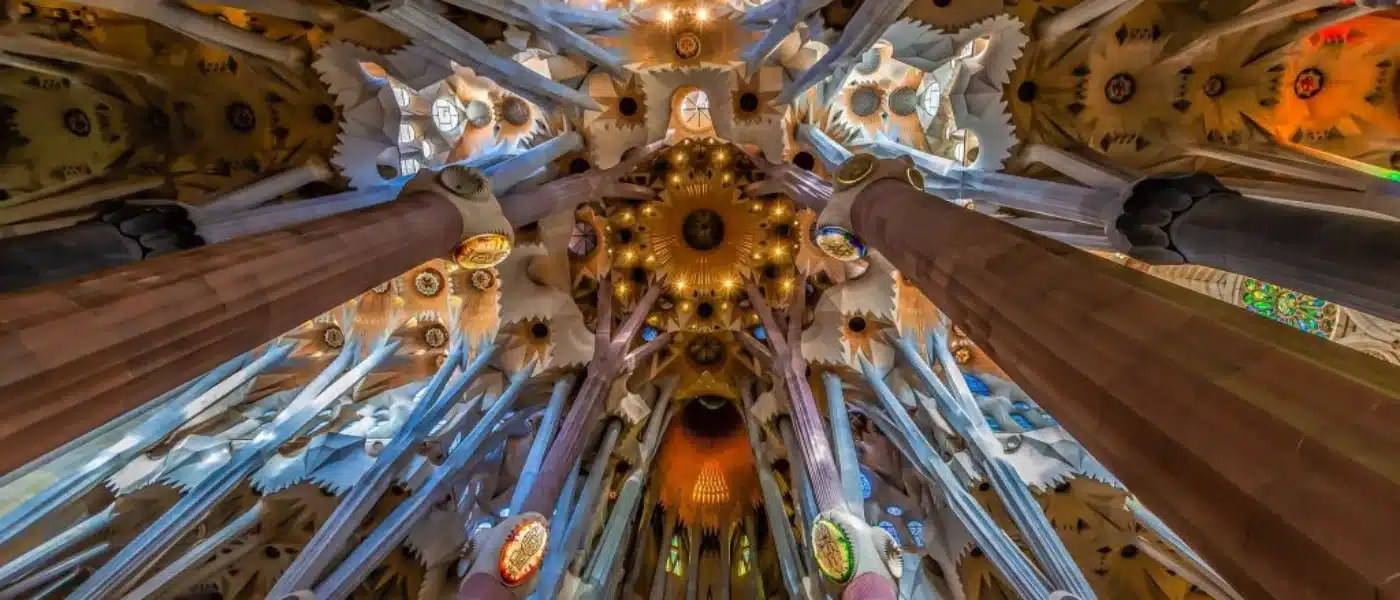
By midday this is one of the most crowded places in Spain, and even timed tickets can’t stop it feeling cramped and anonymous, with guided groups hurrying through with little room for stillness.
Booking the very first slot gets you through security faster and into a nave that’s nearly empty, with time to wander at leisure and take photos without dodging strangers, so the basilica can show itself on its own terms.
Your Out Of Office LGBTQ+ travel specialist can pair the visit with a welcoming hotel in Barcelona, and our Spain guide covers LGBTQ+ rights and travel advice.

The best trips begin with a conversation, not a booking form.
Tell us how you would like the trip to feel, and a specialist will take it from there.
More Moments in Spain
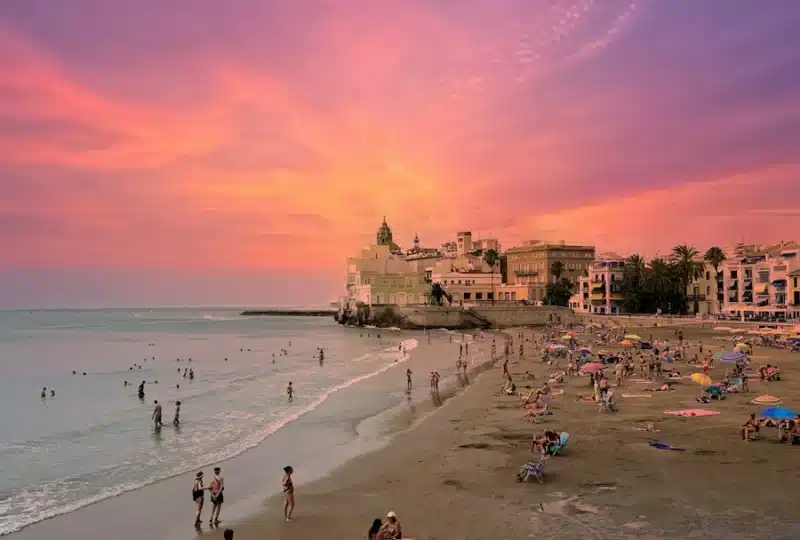
Sitges: Carnival on the Catalan Coast
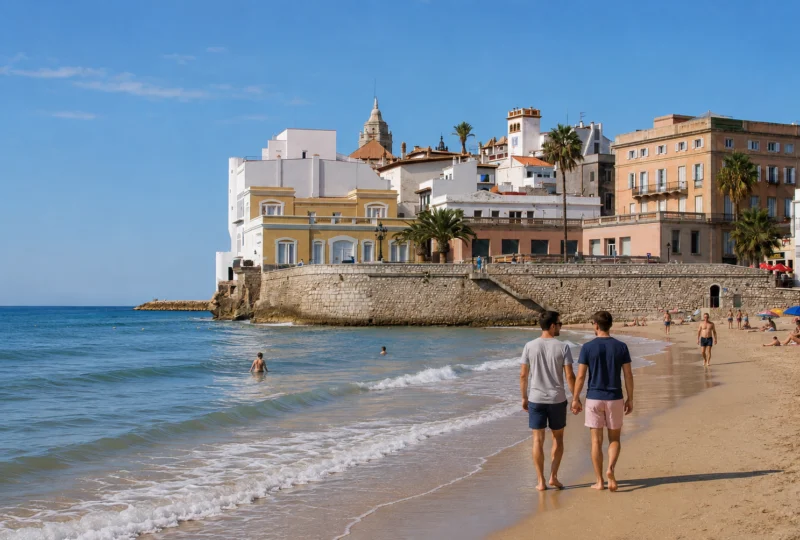
A Queer Spanish Haven Sitges is a small seaside town around 40 minutes south of Barcelona, with whitewashed streets, a church on a headland, and a long stretch of beaches. Its LGBTQ+ community has been part of the town for generations. For one week each February or early March, before Lent, Sitges hosts Carnival. Hundreds of thousands of visitors arrive for the parades, and the town gives itself over to costume and celebration.
Discover more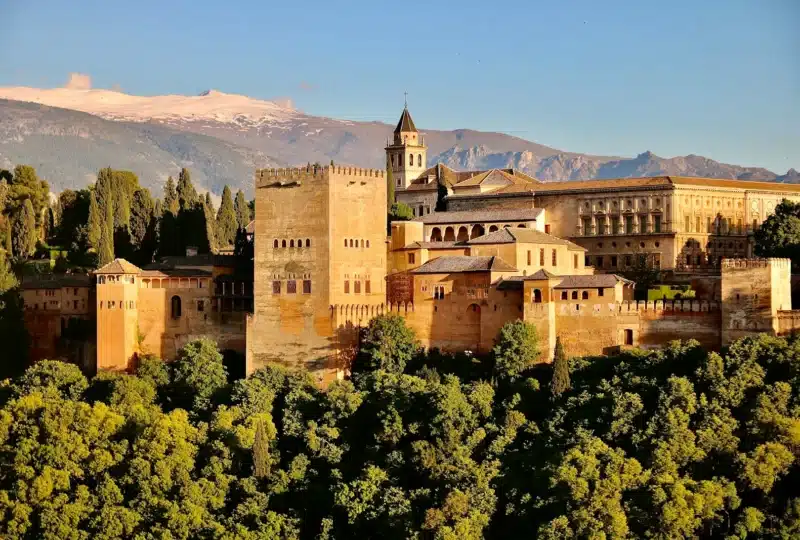
Granada: In the Footsteps of Federico García Lorca
Federico García Lorca was born on June 5, 1898, in Fuente Vaqueros, a village on the fertile plain outside Granada. He became one of the great writers of the twentieth century and the most translated Spanish poet of all time. He was also a gay man, and much of his work carries a longing he could not express openly.
Discover more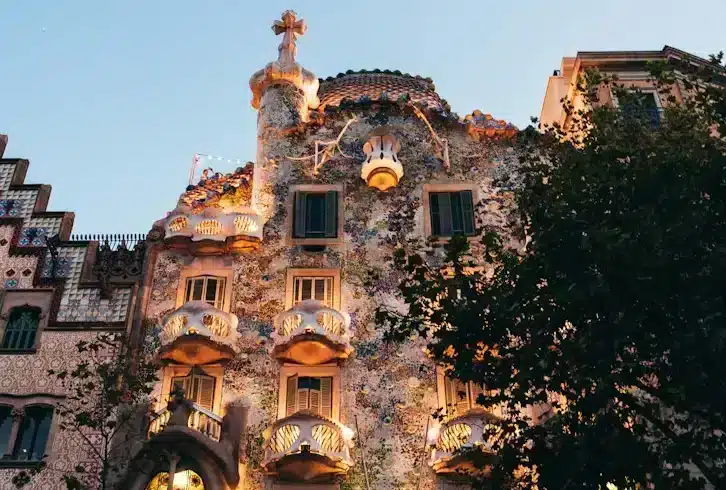
Barcelona: A Private Walk Through Queer History
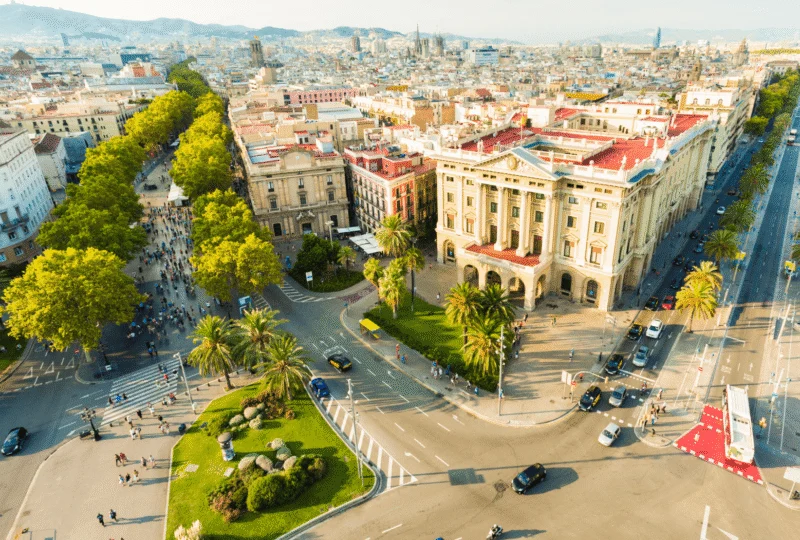
Barcelona's queer history is easy to miss. Few of its landmarks carry plaques, and much of the story was lived under a dictatorship that treated gay and trans people as a danger to society. In June 1977, two years after Franco's death, around 4,000 people marched along the Rambla in the first major LGBTQ+ demonstration in Spain. Today the city is one of the most welcoming in Europe.
Discover more
We plant trees for every booking
For every booking made with Out Of Office we commit to planting trees in your name to help reduce the impact of travel on future generations. You'll even get a link to see where your trees are planted in the world via our partner Ecologi.

We donate to Rainbow Railroad with every booking
Rainbow Railroad helps LGBTQ+ people escape state-sponsored violence and persecution. A donation goes with every trip we sell, funded by us and never added to your price.

Start Planning Your Trip
Tell us where you would love to go, when you are thinking of travelling and what kind of trip you have in mind. One of our LGBTQ+ travel specialists will create a tailor-made itinerary designed around your destination, style and preferences.
One named specialist, first enquiry to homecoming. No call centre, and nothing is charged until you decide to book.