







Moment · Spain
Granada: In the Footsteps of Federico García Lorca
Follow Federico García Lorca from his birthplace on the Vega to his summer home in Granada and the quiet hills of Alfacar.
Federico García Lorca was born on June 5, 1898, in Fuente Vaqueros, a village on the fertile plain outside Granada. He became one of the great writers of the twentieth century and the most translated Spanish poet of all time.
He was also a gay man, and much of his work carries a longing he could not express openly. In August 1936, in the first weeks of the Spanish Civil War, he was arrested and killed near Granada. His remains have never been found.
With a guide and a driver, you can follow his life from the village where he was born to the hills where it ended.
Fuente Vaqueros
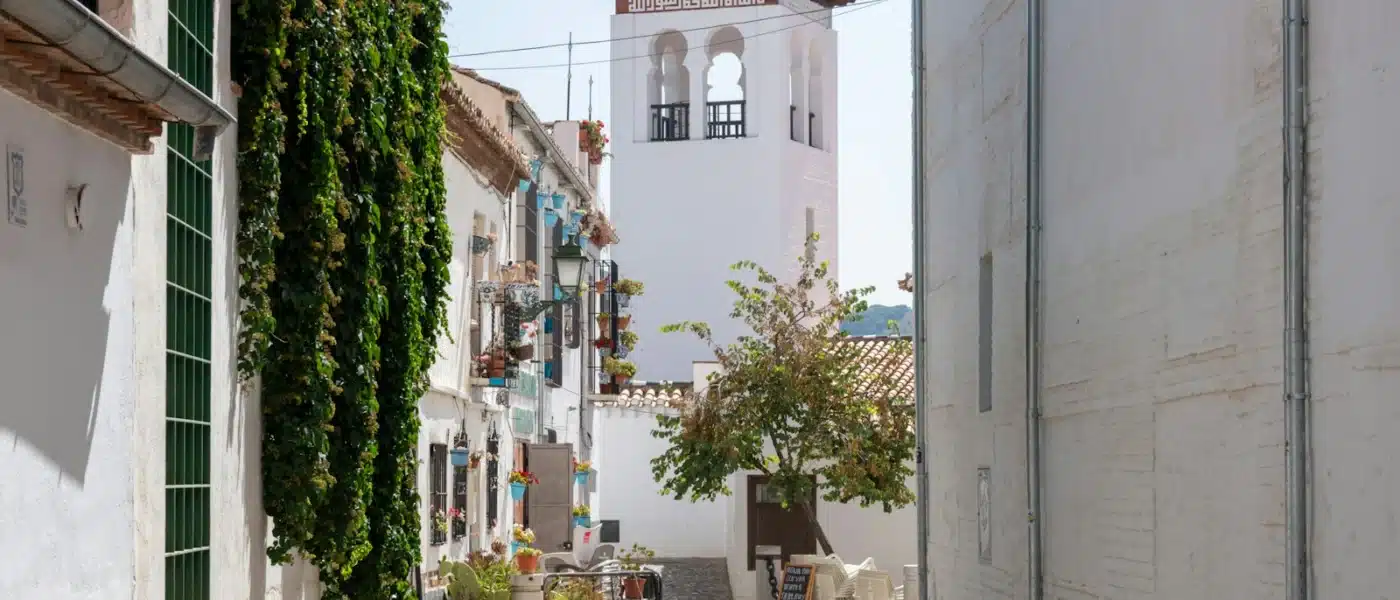
Fuente Vaqueros sits about 12 miles from Granada, among poplars, irrigation channels, and old tobacco-drying sheds. The house where Lorca was born is now a museum, with family rooms, photographs, and his cradle.
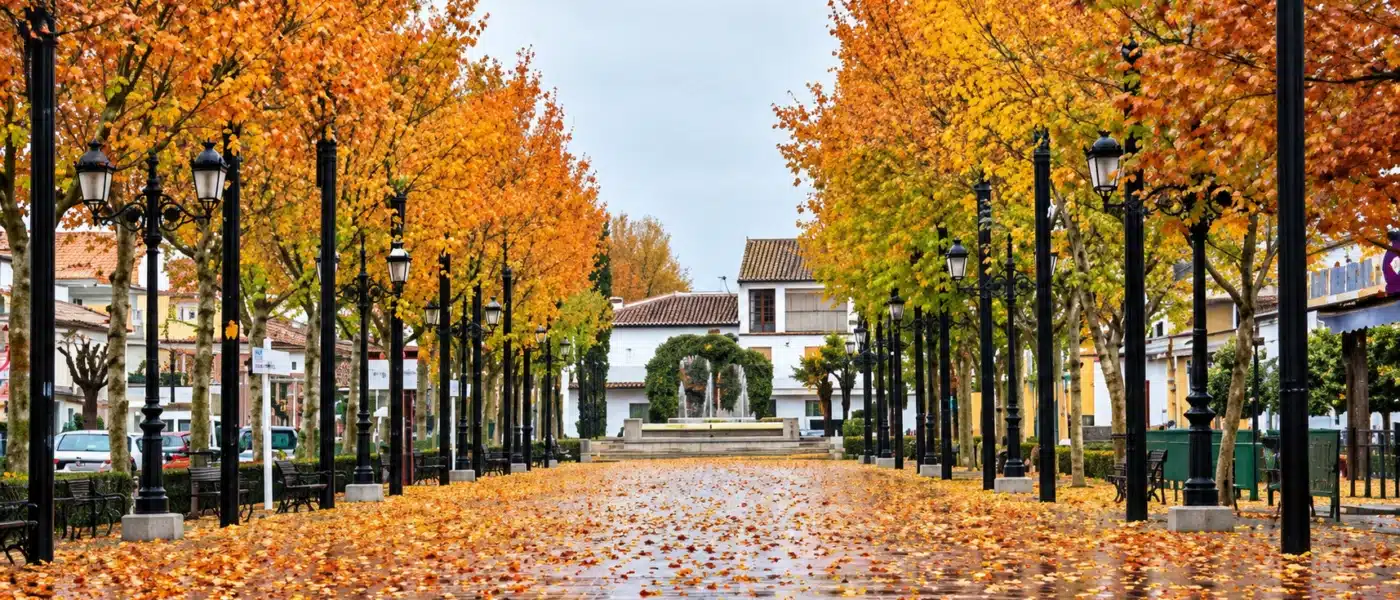
The landscape around it matters as much as the house. The plain, known as the Vega, runs through his plays and poems, and seeing it explains a great deal about the rural worlds of Blood Wedding and Yerma.
The Huerta de San Vicente
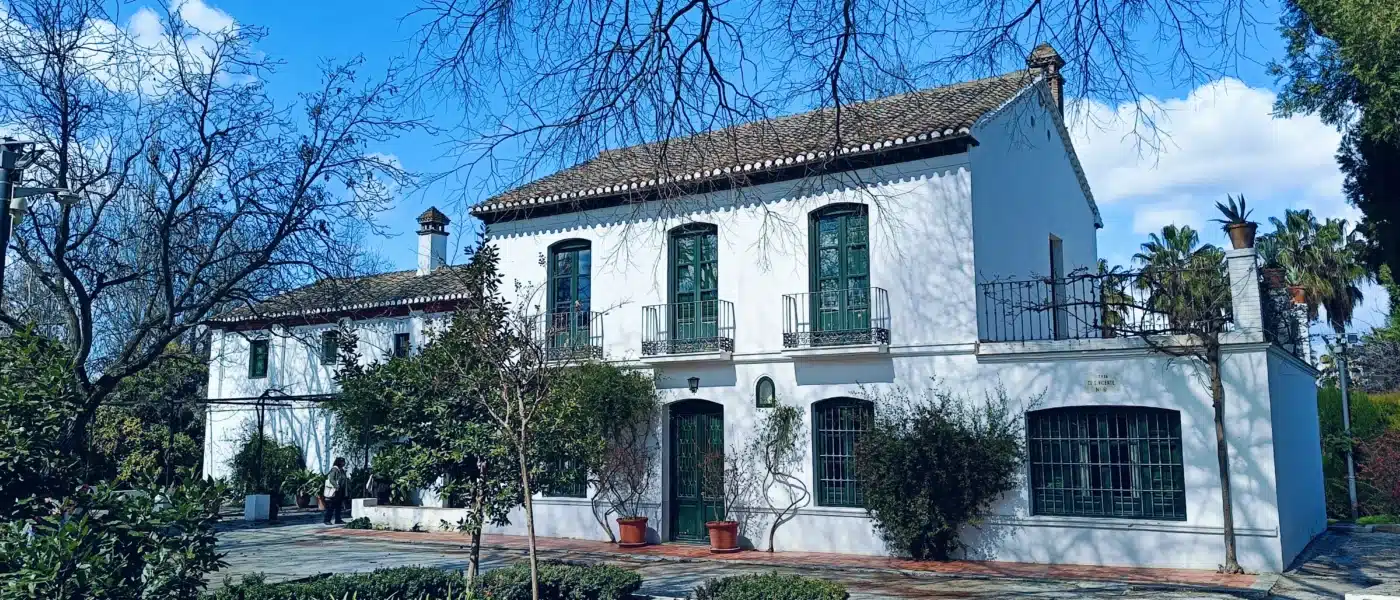
From 1926 to 1936, the García Lorca family spent their summers at the Huerta de San Vicente, a white farmhouse that now sits in a large park in Granada named after him. Lorca wrote all or part of some of his best-known works here, and the house keeps its original furniture, including his desk, his bedroom, and the grand piano.
This is also where he was staying in the days before his arrest. Standing in his room, it is hard not to feel how close the city came to keeping him.
Lorca in New York
In 1929, Lorca travelled to New York and enrolled at Columbia University. The city overwhelmed and fascinated him, and the poems he wrote there were published after his death as Poet in New York.
Among them is his Ode to Walt Whitman, one of the most direct pieces he ever wrote about desire between men. For American travellers, it is a striking connection: the Spanish poet who found in New York, and in Whitman, a language for parts of himself.
See your complete itinerary before you decide.
Request a quote →The Sonnets of Dark Love
In the last years of his life, Lorca wrote a group of love sonnets now known as the Sonnets of Dark Love. They were kept private for decades and were not published in full until the 1980s.
Historians believe both his politics and his sexuality made him a target in 1936. Your guide can talk through his relationships, the friends who protected and failed him, and how Spain has come to remember him since.
Víznar and Alfacar
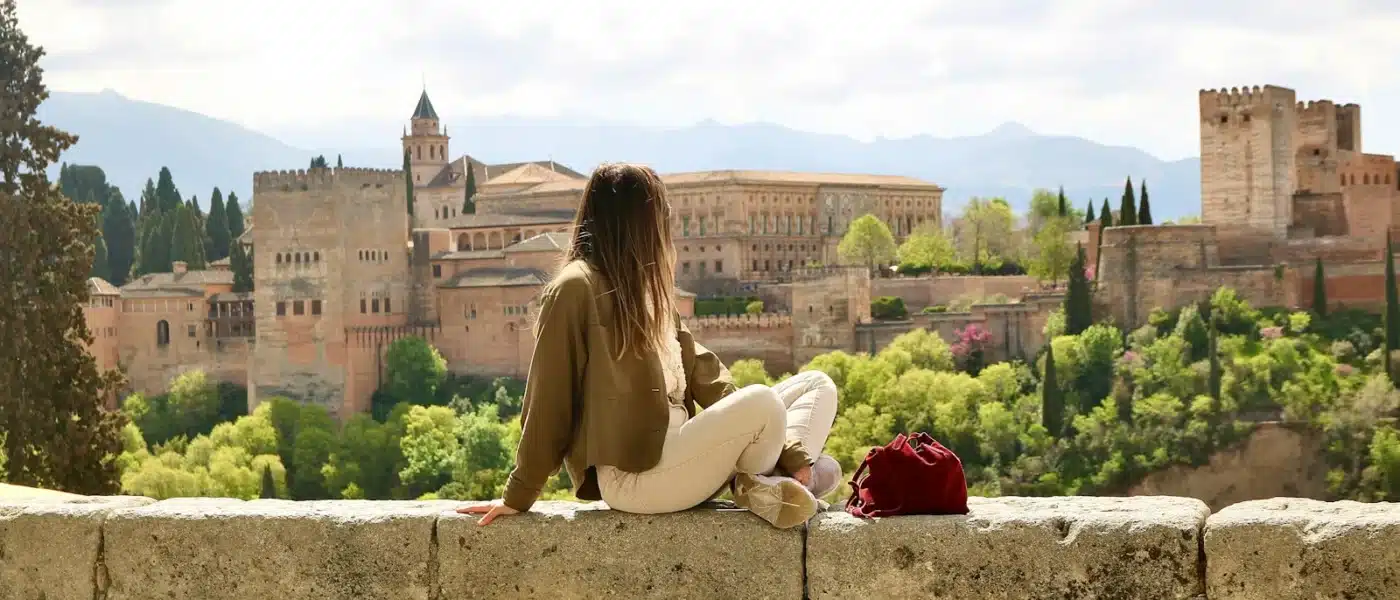
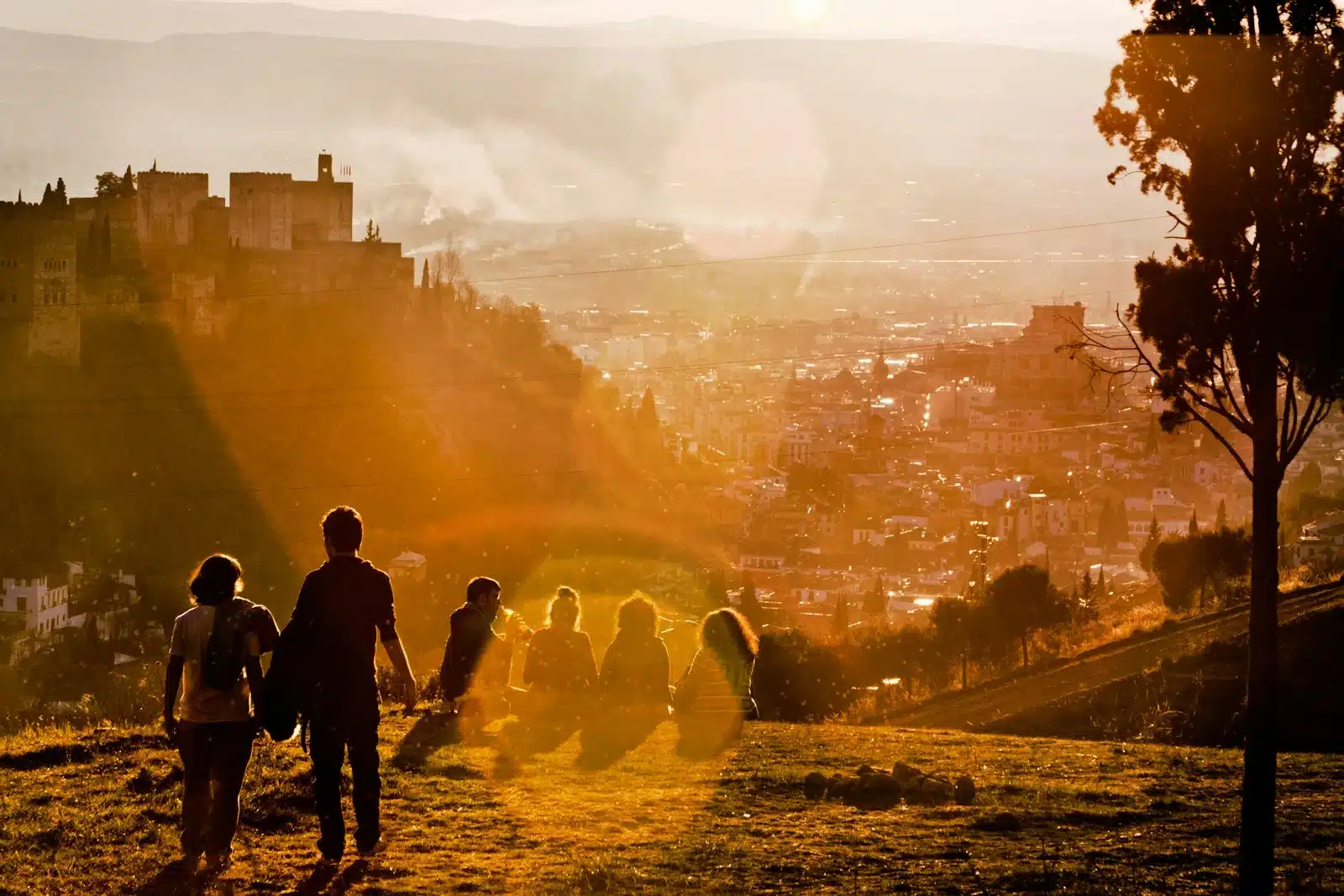
The day ends in the hills above Granada, near the villages of Víznar and Alfacar. The ravine at Víznar is believed to hold the graves of many victims of the war, and a memorial park at Alfacar, opened in 1986, is dedicated to Lorca and to all who died in the conflict.
It is a quiet place, with olive trees and wide views back over the plain. Many visitors find it the most moving stop of the day, a place to think about what was lost.
Planning Your Lorca Experience
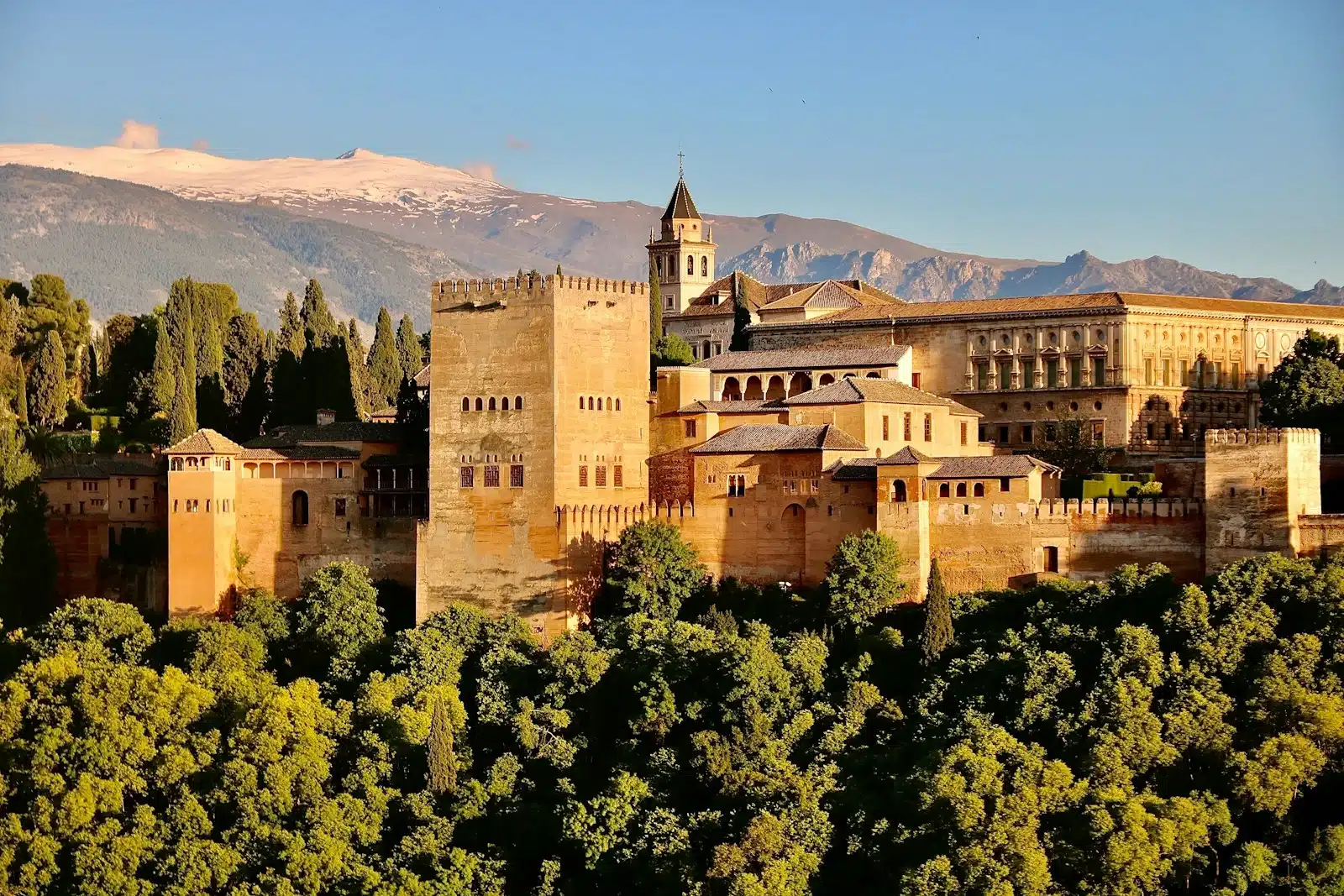
The route works best as a full day with a private driver, starting in Fuente Vaqueros and ending in the hills. The Huerta de San Vicente is visited by guided tour, so it is worth booking ahead. Granada is around an hour and a half from Málaga by road, and the day pairs well with a visit to the Alhambra.
Out Of Office can arrange a private driver and a specialist guide who knows Lorca’s life and work in depth. Your LGBTQ+ travel specialist can also build the day into a longer journey through Andalusia.
We know where you will be welcome, and where to take more care.
It shapes the hotels we use, the guides we work with and the routes we suggest.
More Moments in Spain
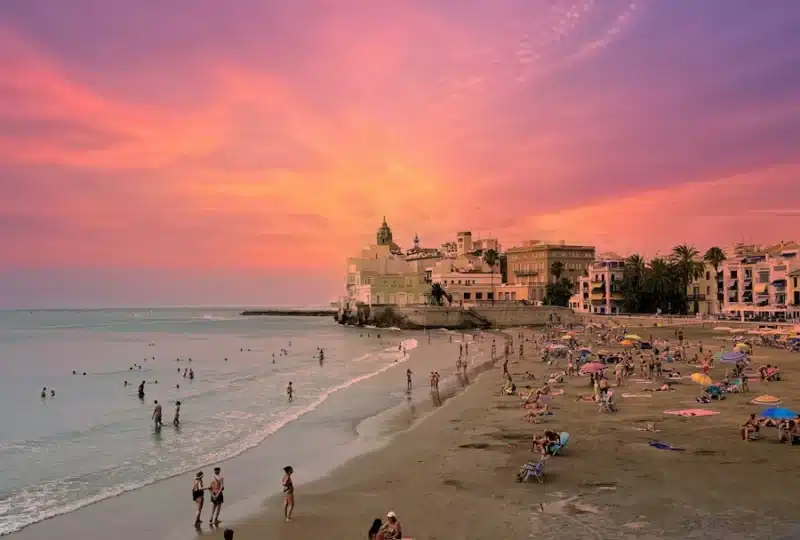
Sitges: Carnival on the Catalan Coast
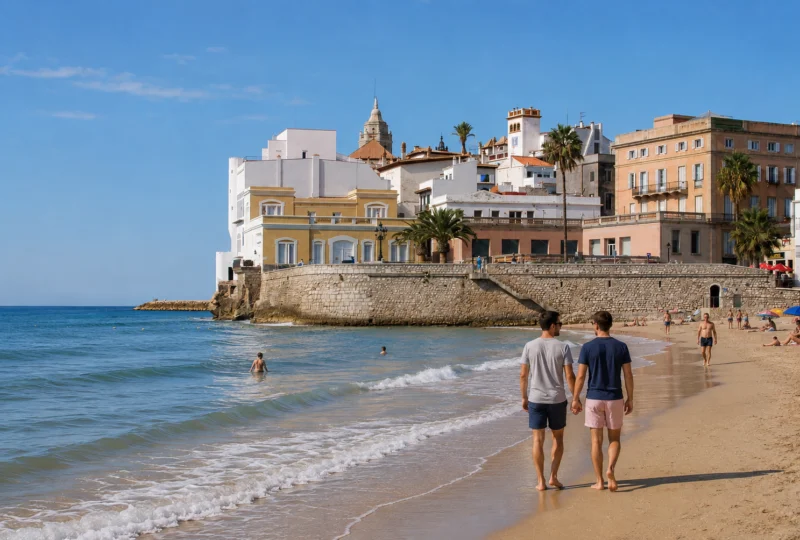
A Queer Spanish Haven Sitges is a small seaside town around 40 minutes south of Barcelona, with whitewashed streets, a church on a headland, and a long stretch of beaches. Its LGBTQ+ community has been part of the town for generations. For one week each February or early March, before Lent, Sitges hosts Carnival. Hundreds of thousands of visitors arrive for the parades, and the town gives itself over to costume and celebration.
Discover more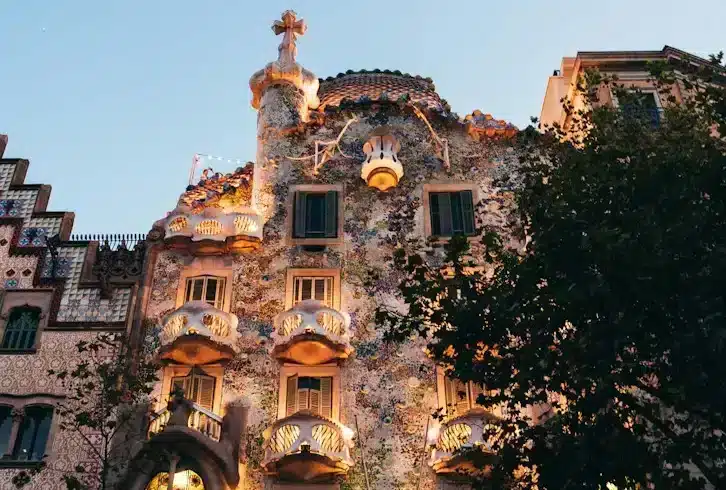
Barcelona: A Private Walk Through Queer History
Barcelona's queer history is easy to miss. Few of its landmarks carry plaques, and much of the story was lived under a dictatorship that treated gay and trans people as a danger to society. In June 1977, two years after Franco's death, around 4,000 people marched along the Rambla in the first major LGBTQ+ demonstration in Spain. Today the city is one of the most welcoming in Europe.
Discover more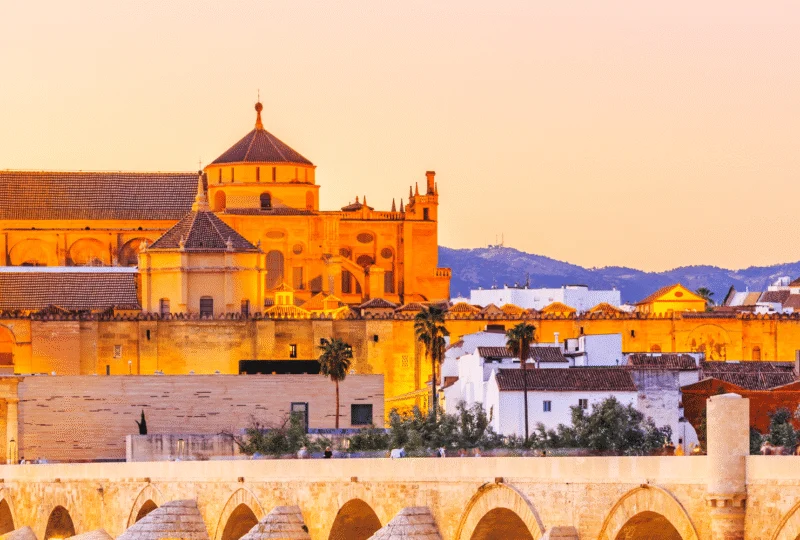
The Mezquita of Córdoba After Dark: El Alma de Córdoba
Córdoba After Dark After dark, Córdoba slows. The day's heat lifts, the old town's streets grow quiet, and the great mosque-cathedral beside the Guadalquivir settles into a stillness you'd never guess at during opening hours. Then the evening programme starts. Called El Alma de Córdoba, the Soul of Córdoba, it admits between 80 and 100 people per session once the day's visitors have gone.
Discover more
We plant trees for every booking
For every booking made with Out Of Office we commit to planting trees in your name to help reduce the impact of travel on future generations. You'll even get a link to see where your trees are planted in the world via our partner Ecologi.


We donate to Rainbow Railroad with every booking
Rainbow Railroad helps LGBTQ+ people escape state-sponsored violence and persecution. A donation goes with every trip we sell, funded by us and never added to your price.


Start Planning Your Trip
Tell us where you would love to go, when you are thinking of travelling and what kind of trip you have in mind. One of our LGBTQ+ travel specialists will create a tailor-made itinerary designed around your destination, style and preferences.
One named specialist, first enquiry to homecoming. No call centre, and nothing is charged until you decide to book.