




Editorials
Rome for Repeat Visitors: What to Do After the Main Sights
The main sights are worth every visit. But Rome reveals itself most fully to the traveler who comes back.
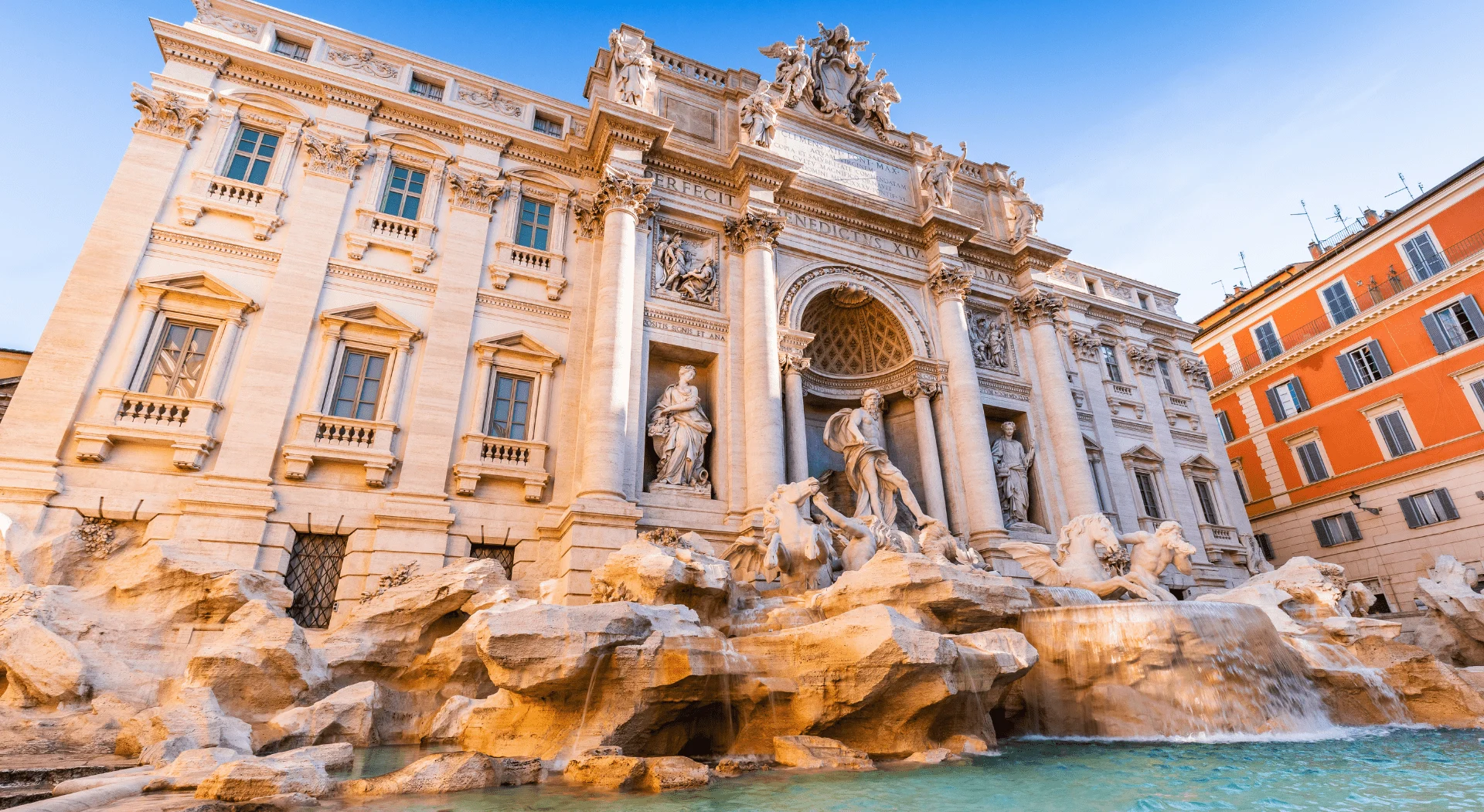
Rome is one of those cities that most travelers feel they have not finished with after a first visit. The Colosseum, the Vatican, the Trevi Fountain: these are genuinely extraordinary things and deserve the attention they get. But the city that Romans actually live in, the one that operates beneath and around the tourist circuit, takes longer to find and rewards the effort considerably.
A second or third visit is where Rome starts to make sense as a place rather than a collection of monuments. The neighborhoods have distinct characters. The food culture runs deeper than most visitors realize on a first trip. And the layers of history that make the city so overwhelming initially become, with familiarity, the thing that makes it unlike anywhere else in the world.
Here is where to start.
Trastevere and the Gianicolo
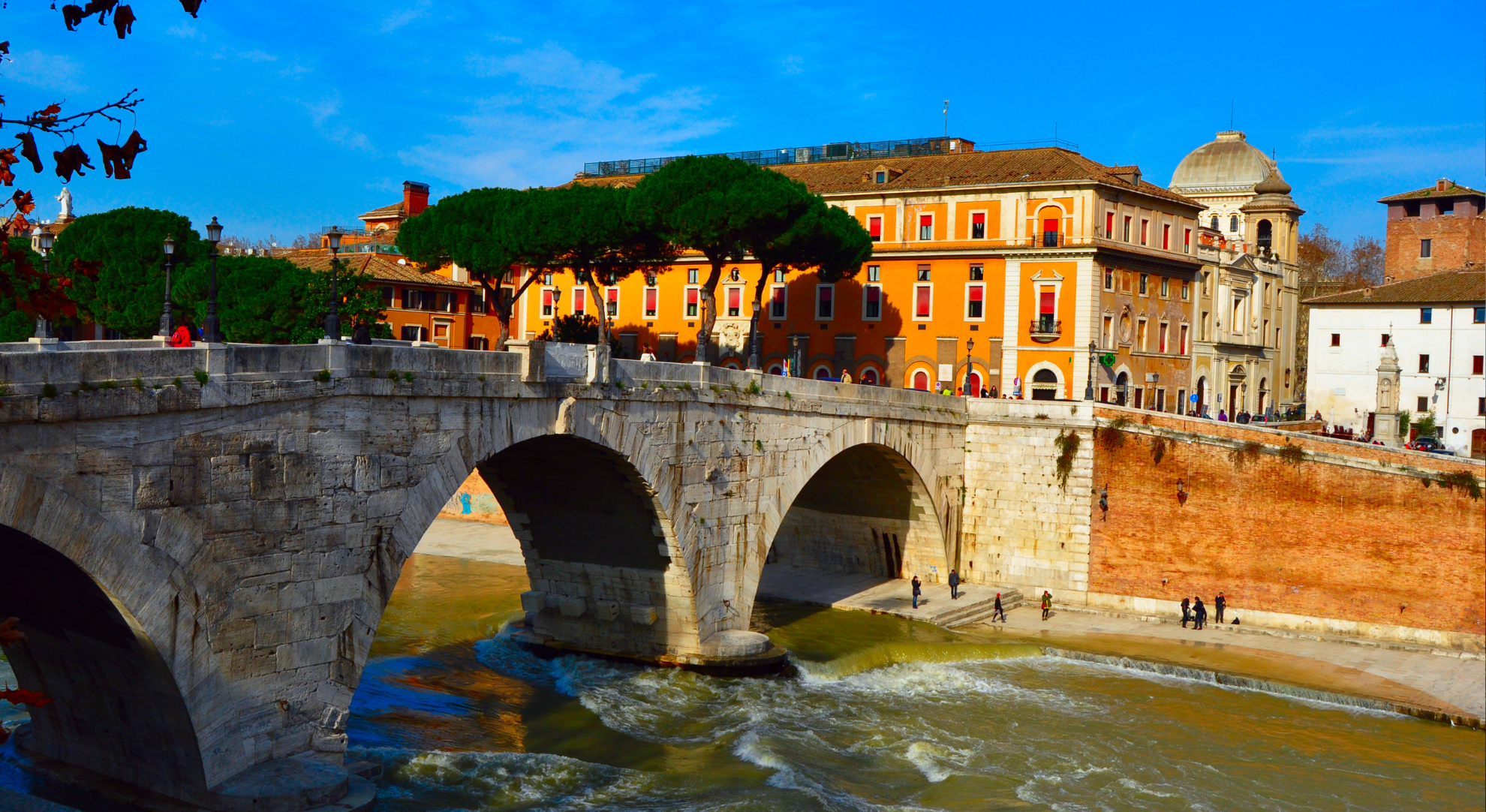
Trastevere is the neighborhood most repeat visitors gravitate toward, and with good reason. The medieval street plan has survived largely intact, the ochre and terracotta buildings are some of the most photogenic in the city, and the concentration of restaurants and wine bars makes it the best area in Rome for an evening without a fixed plan. The Basilica di Santa Maria in Trastevere is one of the oldest churches in the city and worth twenty minutes of anyone’s time for the twelfth-century mosaics alone.
Above Trastevere, the Gianicolo hill offers the best panoramic view of the city, and because it sits outside the ancient city walls it tends to be quieter than the more obvious viewpoints. Walk up through the neighborhood in the morning before the heat builds, take in the view, and come back down for a late breakfast.
The Aventine Hill
The Aventine is one of the seven hills of Rome and one of the least visited, which makes it a reliable escape from the crowds. The garden of the Knights of Malta on the Piazza dei Cavalieri di Malta contains one of the city’s more celebrated curiosities: a keyhole in a wooden door through which the dome of St. Peter’s is perfectly framed at the end of a long avenue of trees.
The queue to look through it is short and the payoff is considerable. The Basilica di Santa Sabina next door is an early Christian church from the fifth century with a wooden door that is among the oldest in existence and an interior of such calm austerity that it stops most visitors in their tracks.
Pigneto and Ostiense
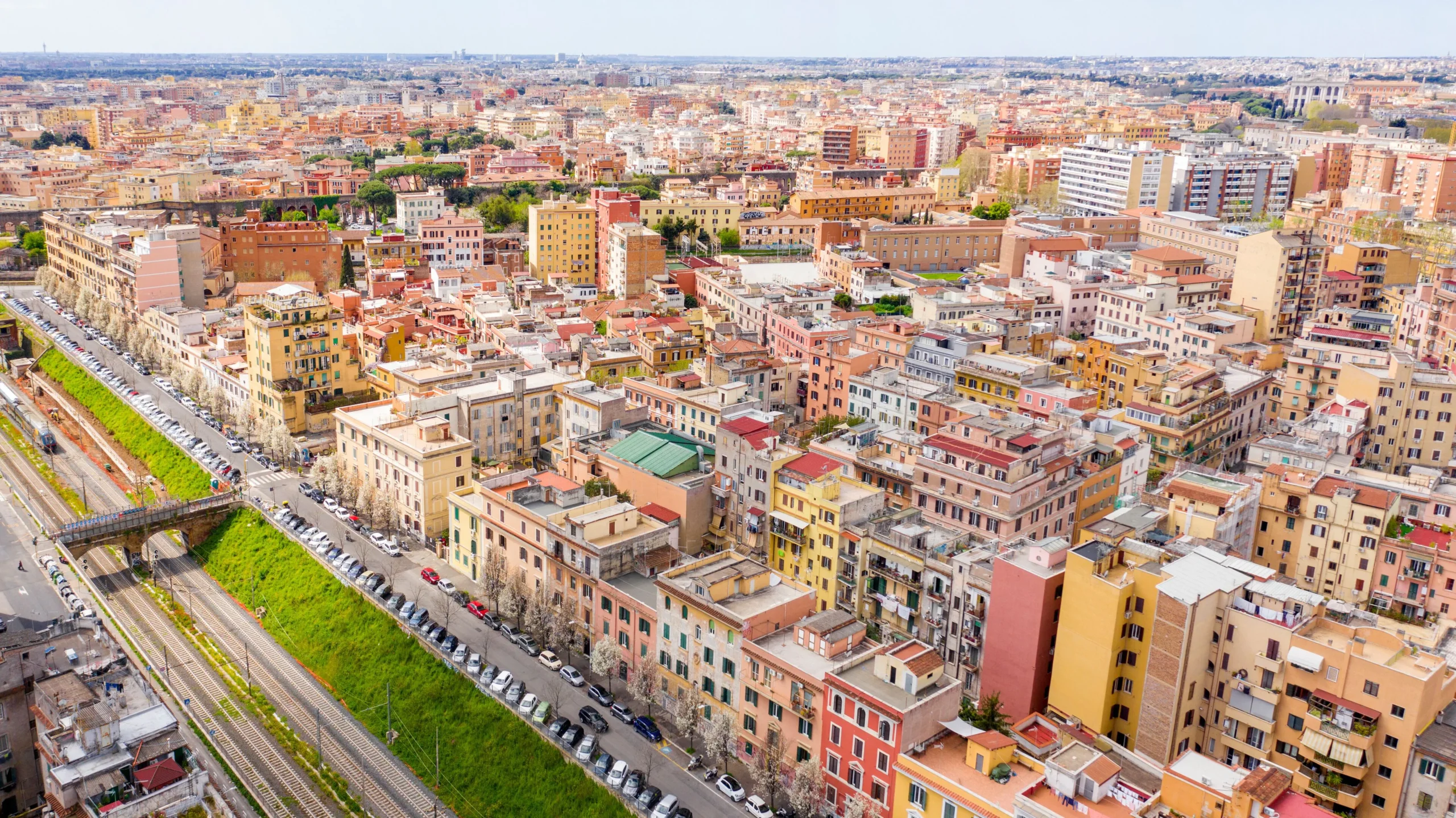
Rome’s more contemporary creative energy has shifted east and south of the center, and Pigneto and Ostiense are the neighborhoods that reflect it most clearly. Pigneto is a working-class district that has developed a strong bar and restaurant culture without losing its local character, and an evening here feels entirely different from the historic center.
Ostiense, built around a former industrial zone south of the city, is home to the Centrale Montemartini, a museum that houses classical sculpture inside a converted power station, with marble gods and emperors displayed against the backdrop of original turbines and generators. It is one of the more memorable museum experiences in a city full of them.
The best trips begin with a conversation, not a booking form.
Request a quote →The Borghese Gallery
The Borghese Gallery is not a hidden gem, but it is consistently underused by first-time visitors who prioritize the Vatican and the Colosseum and run out of time. Entry is by timed ticket and numbers are strictly limited, which means the experience of standing in front of Bernini’s Apollo and Daphne or his Pluto and Persephone is nothing like the Vatican Museums. These are among the greatest sculptures ever made and you see them at close range in a room with a handful of other people. Book well in advance.
The food Rome doesn’t advertise
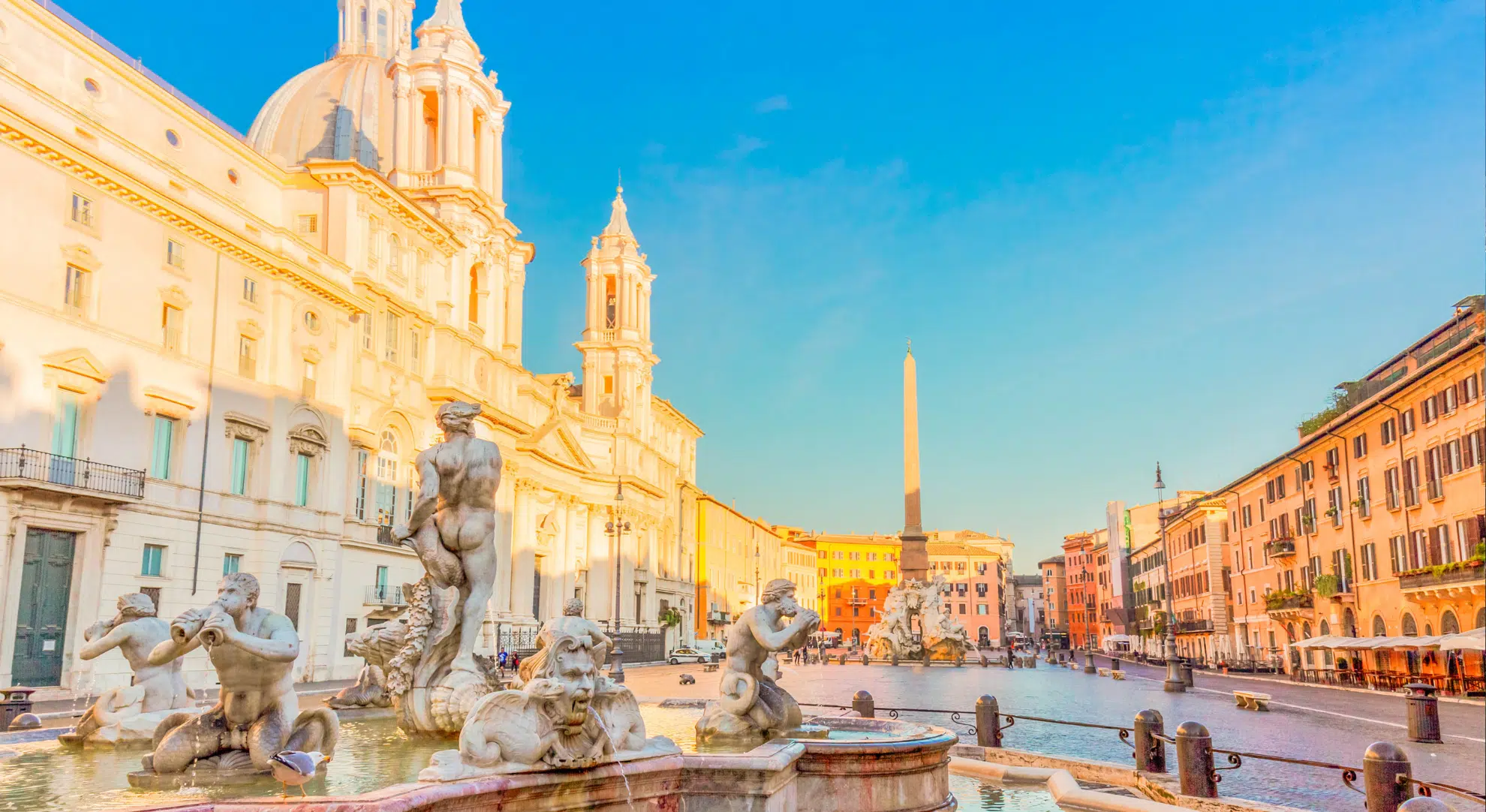
Roman food culture is more interesting than its reputation suggests, partly because the reputation has been built around a handful of dishes that do not represent the full picture. Cacio e pepe and carbonara are both worth eating well, and the versions served at Roscioli and Da Enzo al 29 are the benchmarks. But the deeper food culture runs through the old Jewish quarter around Via del Portico d’Ottavia, where the fried artichokes and salt cod have been done the same way for centuries, and through the market at Campo de’ Fiori, which rewards an early morning visit before the tourist trade takes over.
The wine bars, or enoteche, are where Rome reveals itself most sociably. Ferrazza in Prati, Il Sorì near the Pantheon, and the wine list at Salumeria Roscioli are all worth knowing about for an evening that starts with a glass and ends several hours later.
Rome for LGBTQ+ travelers
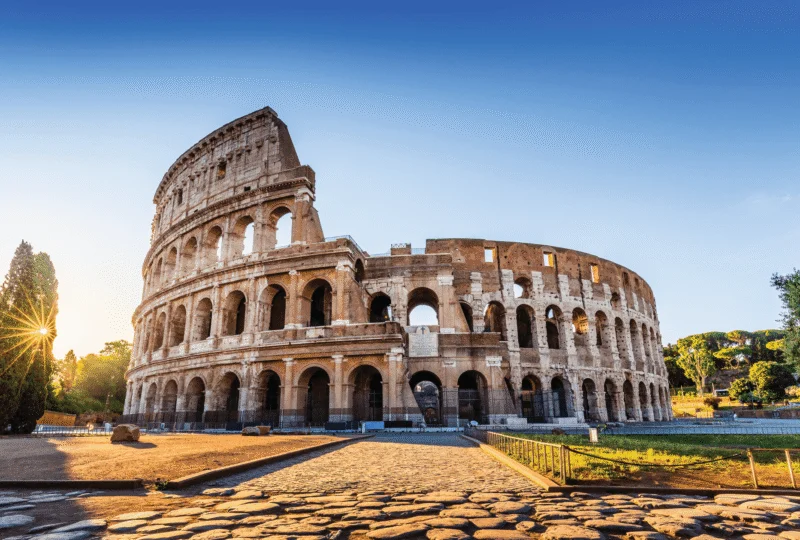
Rome has a visible and well-established LGBTQ+ scene centered on the Colosseum neighborhood, particularly around the Via di San Giovanni in Laterano, known locally as the Gay Street, and the bars and clubs that run south from it. Coming Out, directly opposite the Colosseum, is the most famous and most photogenic gay bar in the city, with outdoor seating that puts you within sight of one of the ancient world’s great structures while you drink. The surrounding streets have a concentration of LGBTQ+ bars and venues that makes the area worth an evening on any visit.
Beyond the scene itself, Rome is a naturally welcoming city for LGBTQ+ travelers. Italy’s legal framework for same-sex couples remains behind much of western Europe, but on the ground in Rome the experience is relaxed and unremarkable in the best sense. The city’s long history of attracting artists, writers, and creative travelers of every persuasion has given it an openness that feels embedded rather than performed. The Grand Tour brought generations of LGBTQ+ visitors to Rome long before the terminology existed, and that tradition of welcome has not really changed.
Where to stay on a return visit
A repeat visitor to Rome benefits from staying somewhere that puts them inside a neighborhood rather than adjacent to the main sights. The First Roma Arte in the Prati district, J.K. Rome in the historic center, and Portrait Roma near the Spanish Steps all offer a more residential feel than the larger landmark hotels, and the neighborhoods around them reward the kind of aimless walking that a second visit to Rome allows.
Rome does not run out of things to offer. The city is too layered, too various, and too alive for that. What changes on a return visit is the quality of attention you can bring to it, and the things that reward that attention most fully are rarely the ones on the list you made the first time around.
A second visit to Rome is where the city starts to open up. For a more considered way to experience it, explore our luxury Italy itineraries or speak to our team about creating something tailored to you.

On this page
- Trastevere and the Gianicolo
- Exploring LGBTQ+ Art in Italy: From the Romans to the Renaissance
- The Aventine Hill
- Pigneto and Ostiense
- Rome’s Gay Legacy: A Luxury LGBTQ+ Tour Through the Roman Empire
- The Borghese Gallery
- The food Rome doesn’t advertise
- Rome for LGBTQ+ travelers
- Ancient Rome Luxury Tour: The Colosseum to Pompeii
- Where to stay on a return visit
New to Out Of Office?
We are a luxury travel company for LGBTQ+ travelers. Everything we sell is tailor-made, planned by one named member of our team throughout, and nothing on this site is a fixed package unless it says so.
Where exclusivity meets inclusivity
Ten years, hundreds of five-star reviews, and a team who will tell you when a destination is not right for the trip you have in mind.
No two trips we plan are the same. Yours will be no exception.
Every itinerary starts as a blank page and is shaped around your pace, your routing and the places you actually want to see.
Stellar service. Stellar products. Stellar people and it gets so much better when you pick up the phone and call.
Anthony S.
Super client centred service. From first contact I have had warm, efficient, friendly and flexible service.
John
I’m confident in giving Out Of Office a 5-star review! They are one of the leaders in this space without a doubt.
Tiberiu
We plant trees for every booking
For every booking made with Out Of Office we commit to planting trees in your name to help reduce the impact of travel on future generations. You'll even get a link to see where your trees are planted in the world via our partner Ecologi.

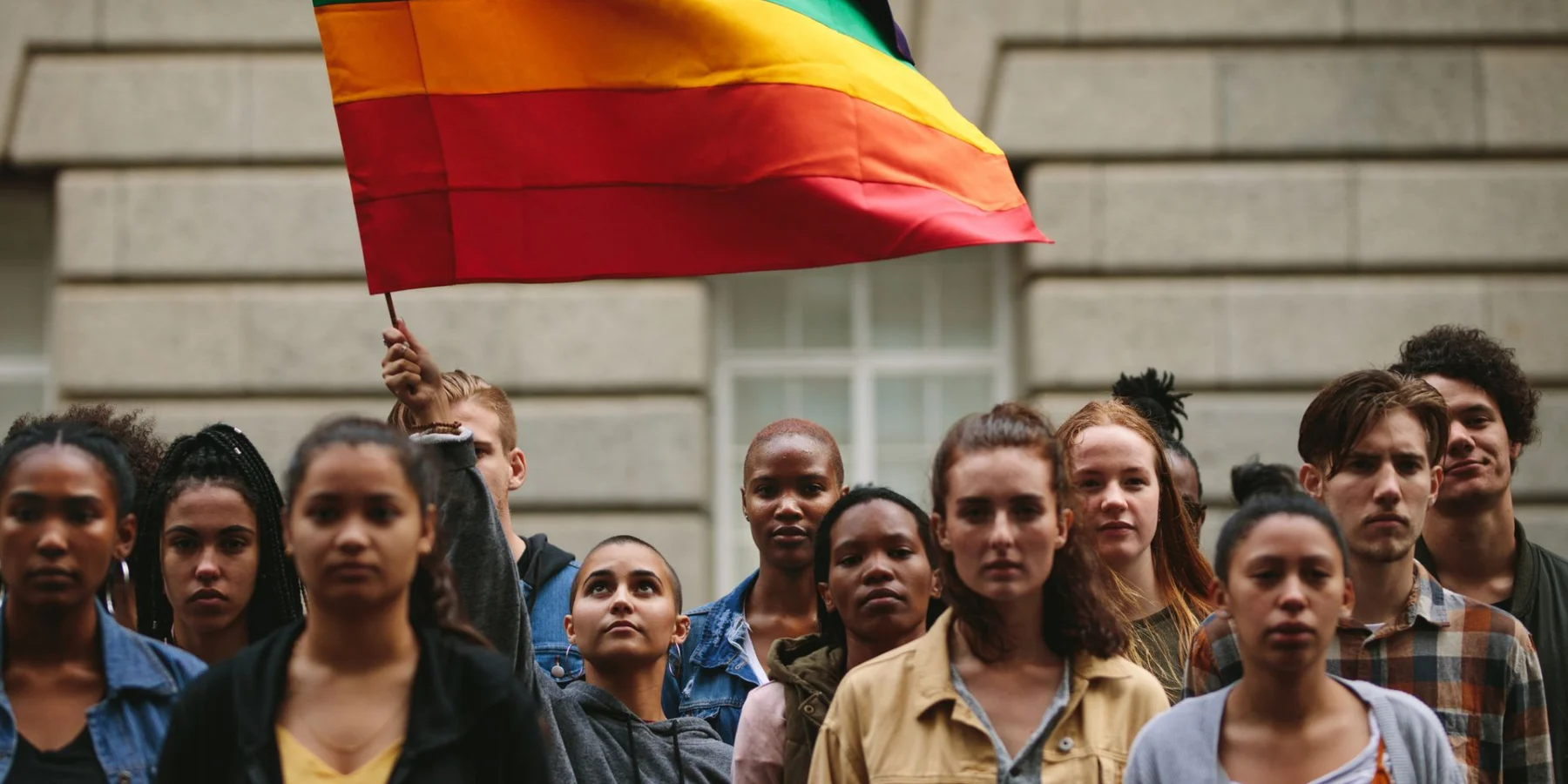
We donate to Rainbow Railroad with every booking
Rainbow Railroad helps LGBTQ+ people escape state-sponsored violence and persecution. A donation goes with every trip we sell, funded by us and never added to your price.

Start Planning Your Trip
Tell us where you would love to go, when you are thinking of traveling and what kind of trip you have in mind. One of our LGBTQ+ travel specialists will create a tailor-made itinerary designed around your destination, style and preferences.
One named specialist, first inquiry to homecoming. No call center, and nothing is charged until you decide to book.