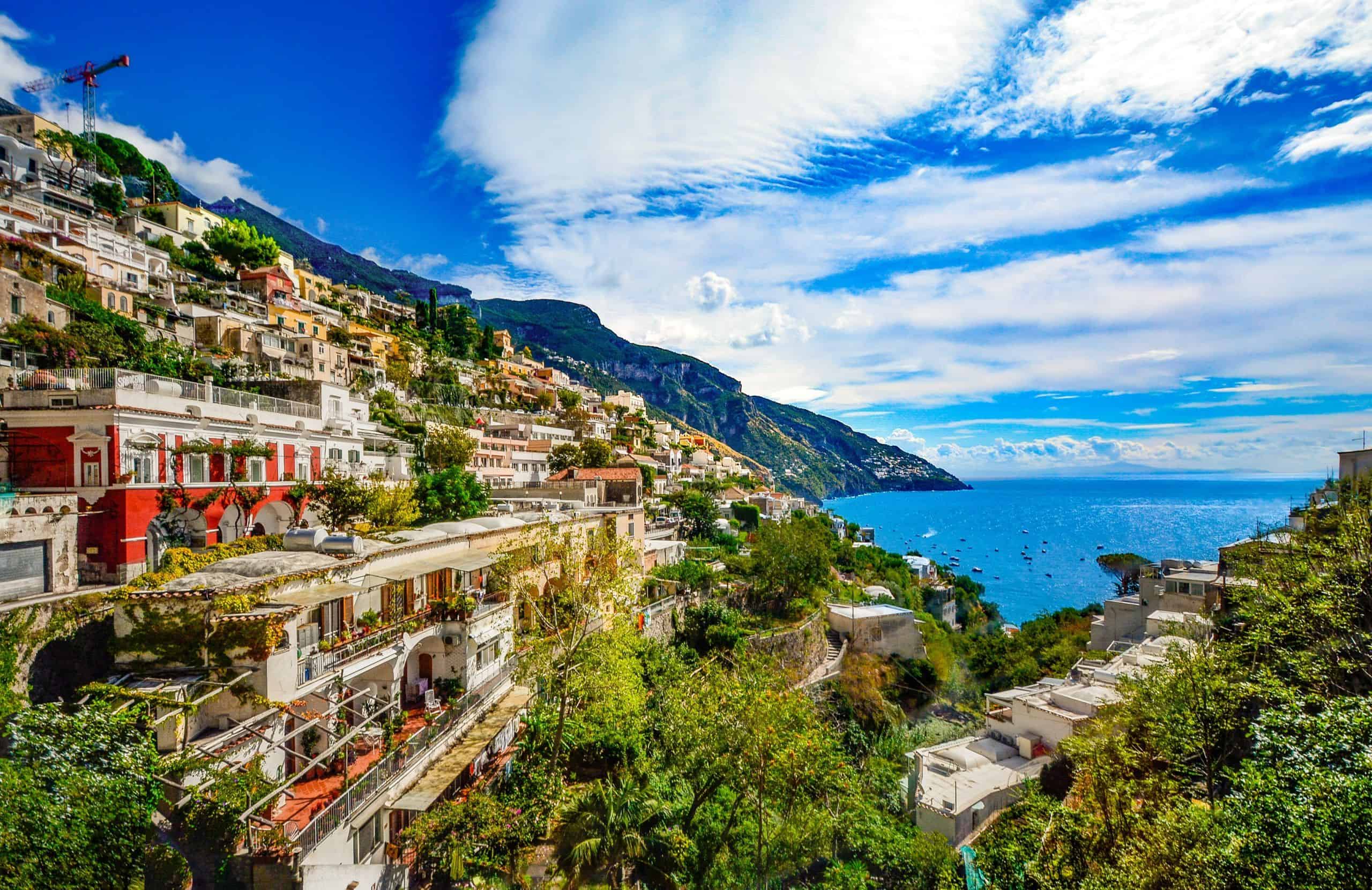
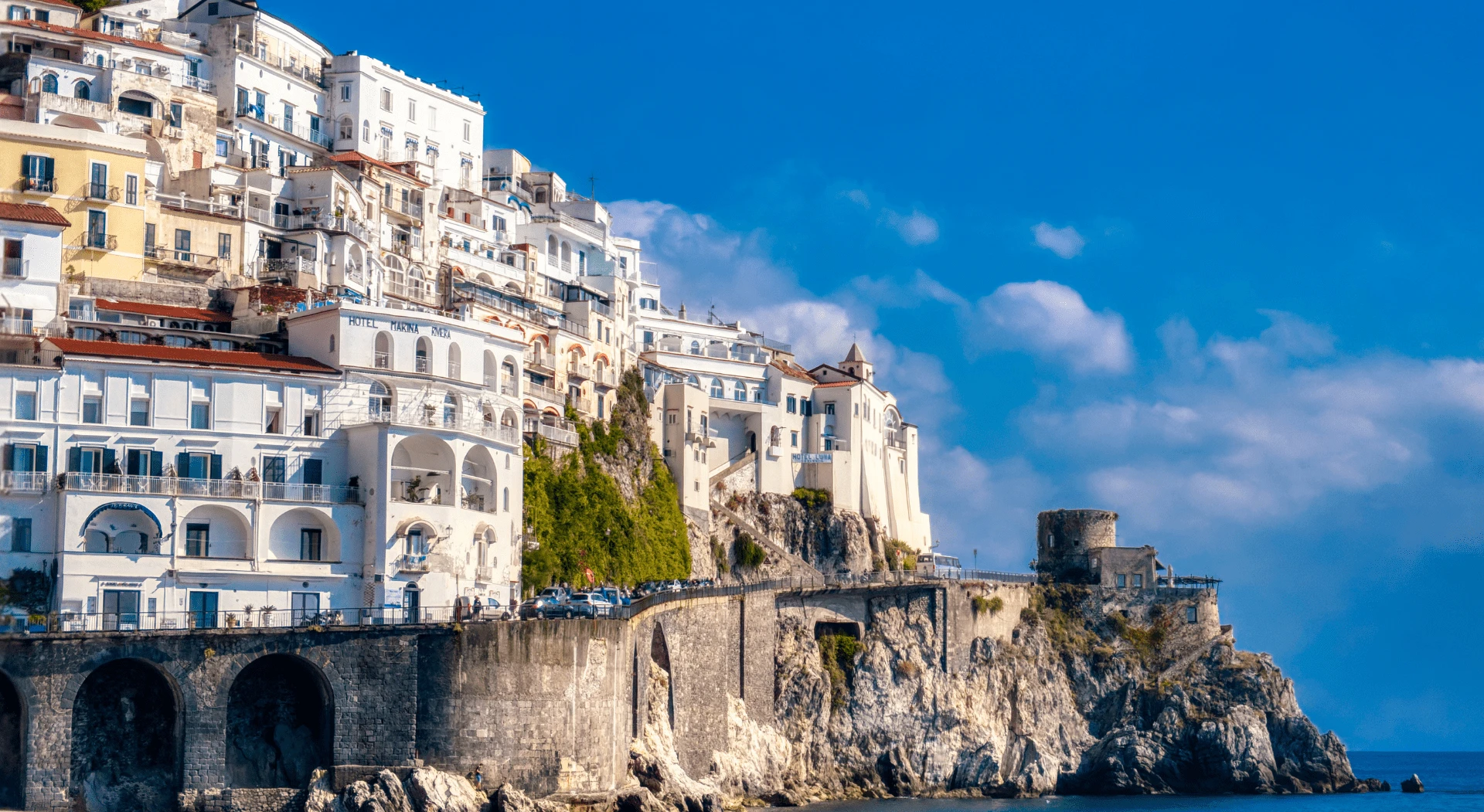
Discover the Amalfi Coast's best-kept secrets: six charming villages that locals treasure for their authentic character, spectacular views, and peaceful beaches - all without the crowds
While Positano captures millions of Instagram posts with its pastel houses, the Amalfi Coast is home to six enchanting villages that only locals whisper about. From Atrani’s claim as Italy’s smallest municipality to Vietri sul Mare’s centuries-old ceramic workshops, these hidden gems offer the same breathtaking Mediterranean beauty without the crowds. Each village tells its own story – whether it’s Scala’s ancient hiking trails, Minori’s foodie credentials, Conca dei Marini’s emerald cave, or Praiano’s legendary sunsets. Here traditional Italian coastal life continues undisturbed by tourist buses and cruise ship crowds.
You can spend a night or two in one of these towns if you’d like to stay on the Amalfi Coast. You can also stay in Sorrento and take a day trip to the Amalfi Coast to see the highlights. In this guide, we’ll introduce you to a hidden gem that’s long been a draw for LGBTQ+ writers and socialites.
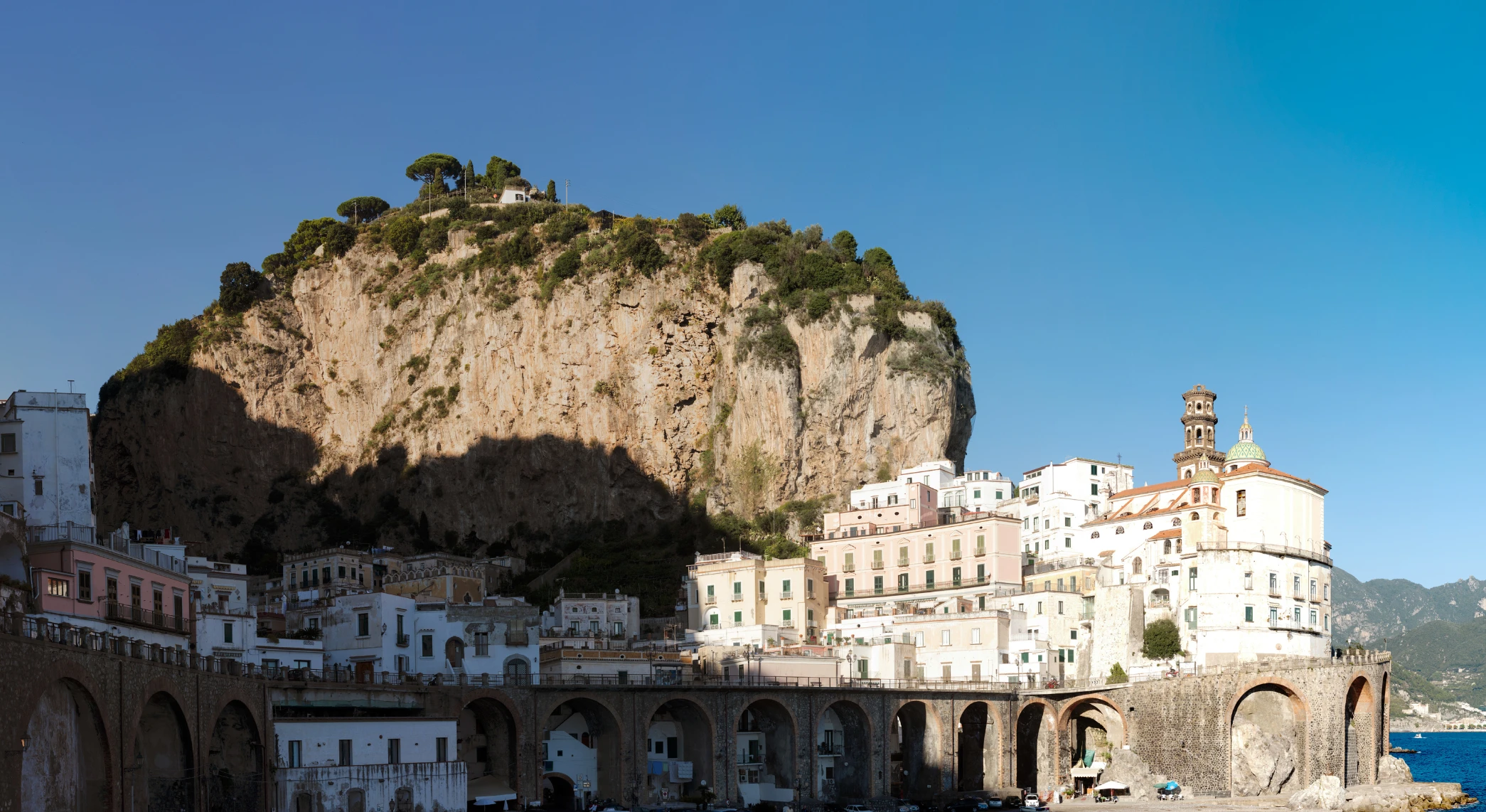
Atrani: Italy’s Smallest Municipality
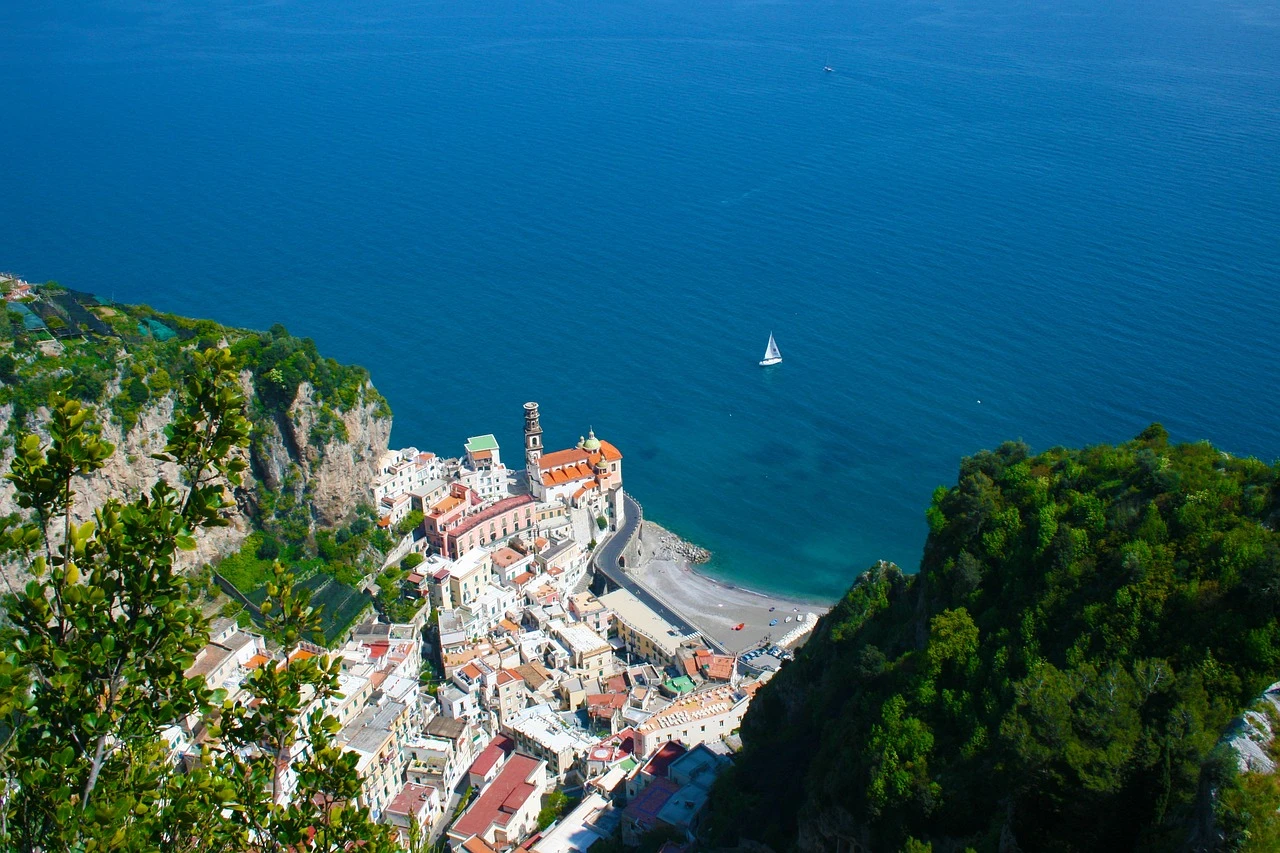
Why Locals Love It: With just 0.12 square kilometers and 832 residents, Atrani holds the title of Italy’s smallest municipality. Situated between Amalfi and Ravello, this tiny fishing village feels like a hidden secret tucked into a dramatic ravine. Unlike many of the other pebble beaches on the Amalfi Coast, Atrani’s small stretch of shoreline has soft sand, making it perfect for a peaceful swim away from the crowds.
The Secret: During the day the beach is a corner of peace to cool off from the summer heat, while at night it becomes a starting point for the lampare: the small fishing boats. The sight of countless little lights bobbing about on the seas is unforgettable.
As Atrani is perched steeply on the cliff, it can be tricky to get around if you have mobility issues. Be prepared for lots of steps. If you can brave the walk, Atrani is an unmissable highlight of the Amalfi Coast.
Luxury Tip: Perched at the peak of a cliff and under a mountain, the view you get from la Casa di Masaniello might be the best in the entire Amalfi coast. The 500-step climb rewards you with panoramic vistas that rival any five-star hotel terrace.
Where to Stay: Book a balcony room at one of the intimate B&Bs for sunrise views that paint the medieval facades in golden light.
The Amalfi Coast is one of the most romantic destinations in Italy, with its clifftop villages and terraced lemon groves. You’ll be greeted with arguably the best views in Europe when you arrive. Make your way through the winding streets...We Suggest...
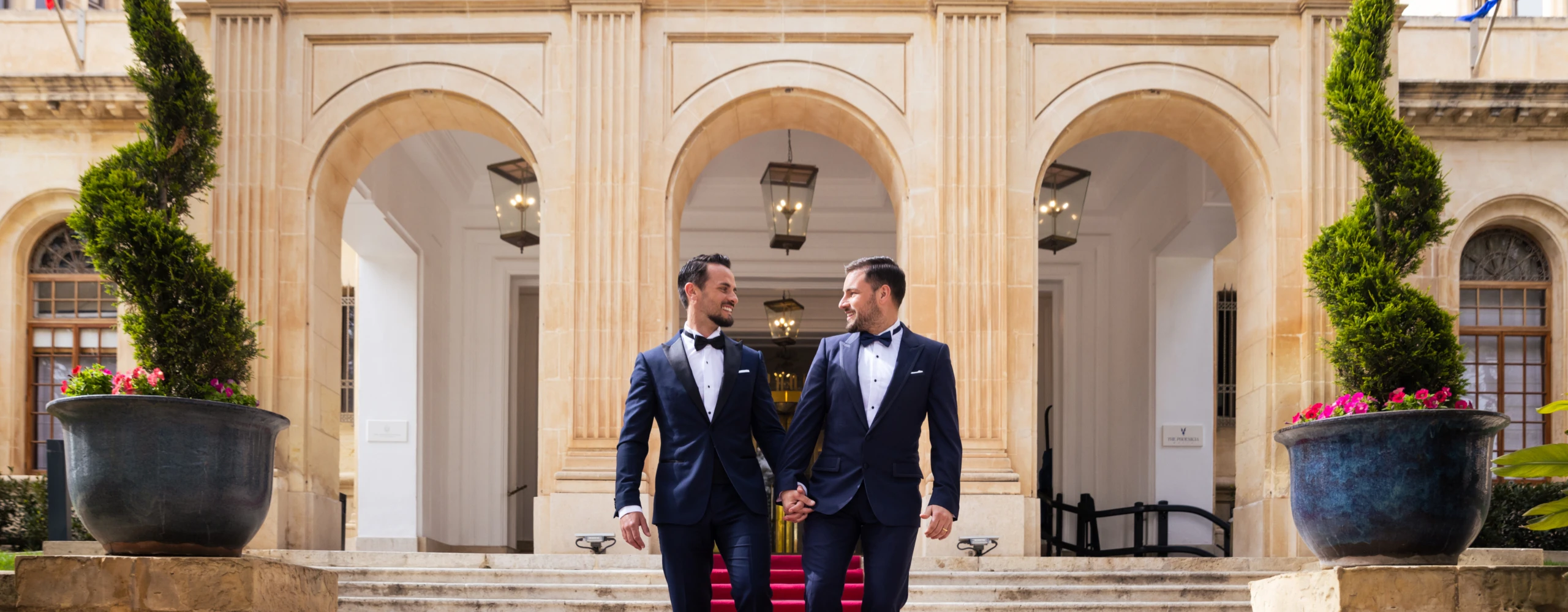
Plan Your Gay Honeymoon on the Amalfi Coast
Ravello: The Amalfi Coast’s Most Glamorous Writer’s Retreat
Why It’s Special: Perched 365 metres above the Mediterranean, Ravello has enchanted visitors for over a thousand years with its breathtaking clifftop position. It’s like having a front row seat to the best view of the Mediterranean.
Ravello became a haven for well-heeled artists, writers, and musicians who were drawn to its otherworldly beauty. Wagner composed parts of “Parsifal” here, whilst LGBTQ+ writers like Virginia Woolf and Gore Vidal found inspiration in Ravello’s terraced gardens. Vidal used to host his high society friends at his Ravello home, so it became a sort of unofficial US embassy. At his flat in Rome, Vidal hosted less salubrious gatherings with attractive, available gentlemen, but that’s a story for another day.
Hidden Experiences: Explore the crypt beneath Ravello’s 11th-century cathedral, where ancient Roman columns support medieval arches in a space that feels frozen in time. The cathedral’s bronze doors, cast in Constantinople in 1179, tell biblical stories through intricate metalwork that rivals anything in Europe. For a truly secret experience, we can arrange a private tour of the Oscar Niemeyer Auditorium, the controversial modernist concert hall that locals initially resisted but now embrace.
Take the hidden path from Villa Cimbrone that leads to the abandoned monastery of Santa Rosa, where you can explore ruins whilst enjoying private views over the coastline. The walk through ancient olive groves and terraced lemon gardens is very scenic.
Luxury Accommodation: Stay at Palazzo Avino, a 12th-century aristocratic residence transformed into a Michelin-starred hotel with terraced gardens that rival those of the famous villas, or experience Villa Cimbrone itself as an exclusive hotel where you can wake up in rooms once occupied by royalty and literary legends.
Scala: The Amalfi Coast’s Oldest Village
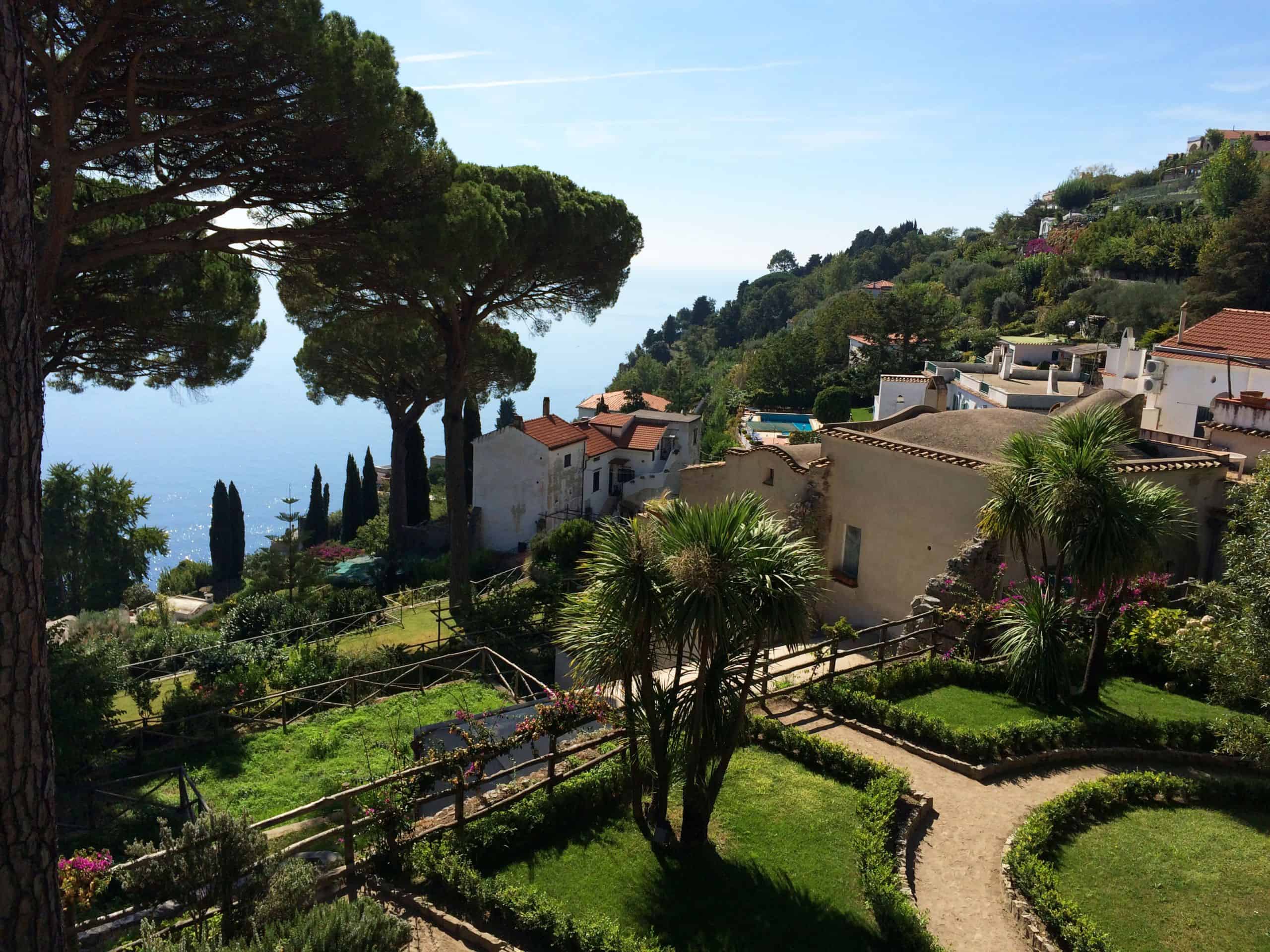
Why It’s Special: Known as the oldest village on the Amalfi Coast, Scala has a long and fascinating history tied very closely with the medieval Republic of Amalfi. Its narrow streets wind between traditional stone houses, whilst terraced gardens cascade down the mountainside. The town is particularly famous for its excellent hiking trails, including paths that connect to Ravello and the famous Walk of the Gods (Sentiero degli Dei).
The Local Secret: Most people visit Ravello for the incredible views, but one of the local secrets is that the views from Scala are even better. From near the top of Scala in the hamlet of Campidoglio, the panoramic view includes all of Ravello, with the lush green gardens of the Villa Cimbrone at the tip of the promontory, the rugged mountains and coastline and the Bay of Salerno.
Hidden Experiences: Explore the ruins of the Basilica of Saint Eustachio, which dates back to the 12th century and offers a haunting glimpse into the town’s ancient religious heritage. The crumbling stone walls and weathered arches create an atmospheric setting that’s well worth exploring.
Discover the Annunziata Church in the Minuta district, where you can experience an almost unreal silence that envelops this sacred space. You can also hike through Valle delle Ferriere, a pristine nature reserve that stretches between the mountains of Scala. This protected valley showcases the region’s incredible biodiversity, with rare ferns, cascading waterfalls, and endemic plant species thriving in the humid microclimate created by the surrounding peaks.
Luxury Accommodation: Stay in a restored medieval palazzo with terraced gardens overlooking the Dragon Valley.

Minori: The Home of Gnocchi
Why Locals Choose It: Minori is considered to be the Amalfi Coast’s culinary capital, a charming seaside town that locals call “the city of taste.” Unlike its more famous neighbors, Minori maintains an authentic Italian seaside atmosphere where family-run restaurants serve some of the coast’s finest cuisine and the pace of life flows as gently as the Reginna Minor river that runs through its heart.
The town boasts one of the best-preserved Roman archaeological sites on the Amalfi Coast. The Villa Romana Marittima, a first-century villa complex, features stunning mosaics, frescoes, and thermal baths that demonstrate how wealthy Romans once vacationed along this spectacular coastline.
The Insider Experience: Minori’s main beach offers something rare along the Amalfi Coast – a genuine sandy shoreline rather than the typical pebbles. This 300-meter stretch of golden sand is backed by colorful beach clubs and family-run trattorias. The beach’s protection within a natural bay means calmer waters ideal for swimming.
Best-Kept Secret: Connecting Minori to another Amalfi Coast city of Maiori, Sentiero dei Limoni (The Path of the Lemons) is undeniably the most scenic hike in the area. As you climb the over 400 steps you’ll take in panoramic views of the Mediterranean, terraced hillsides, and, of course, groves of sfusato lemon trees which are used in limoncello.
Conca dei Marini: The Emerald Secret
Why It’s Hidden: The tiny, quaint fishing village of Conca dei Marini is often overlooked by tourists en route to the larger and more famous Amalfi Coast towns of Amalfi and Positano (the village is nestled between the two). Unlike the other towns, Conca dei Marini doesn’t feel like a tourist destination at all.
Explore some of Italy’s most beautiful regions with our carefully crafted Southern Italy and Amalfi Coast Explorer itinerary. Embark on an eight-day journey through Southern Italy and the Amalfi Coast, where ancient ruins, dramatic coastlines, and timeless Italian charm come...We Suggest...
Southern Italy and Amalfi Coast Explorer
Tailor-Made Vacation
The Magical Experience: The Grotta dello Smeraldo (Emerald Cave) is a natural wonder where the water and wind have chiseled the walls into stalactites, stalagmites and extraordinary shapes. The depths have another surprise in store: an underwater nativity scene made in 1964 to commemorate those who have died at sea.
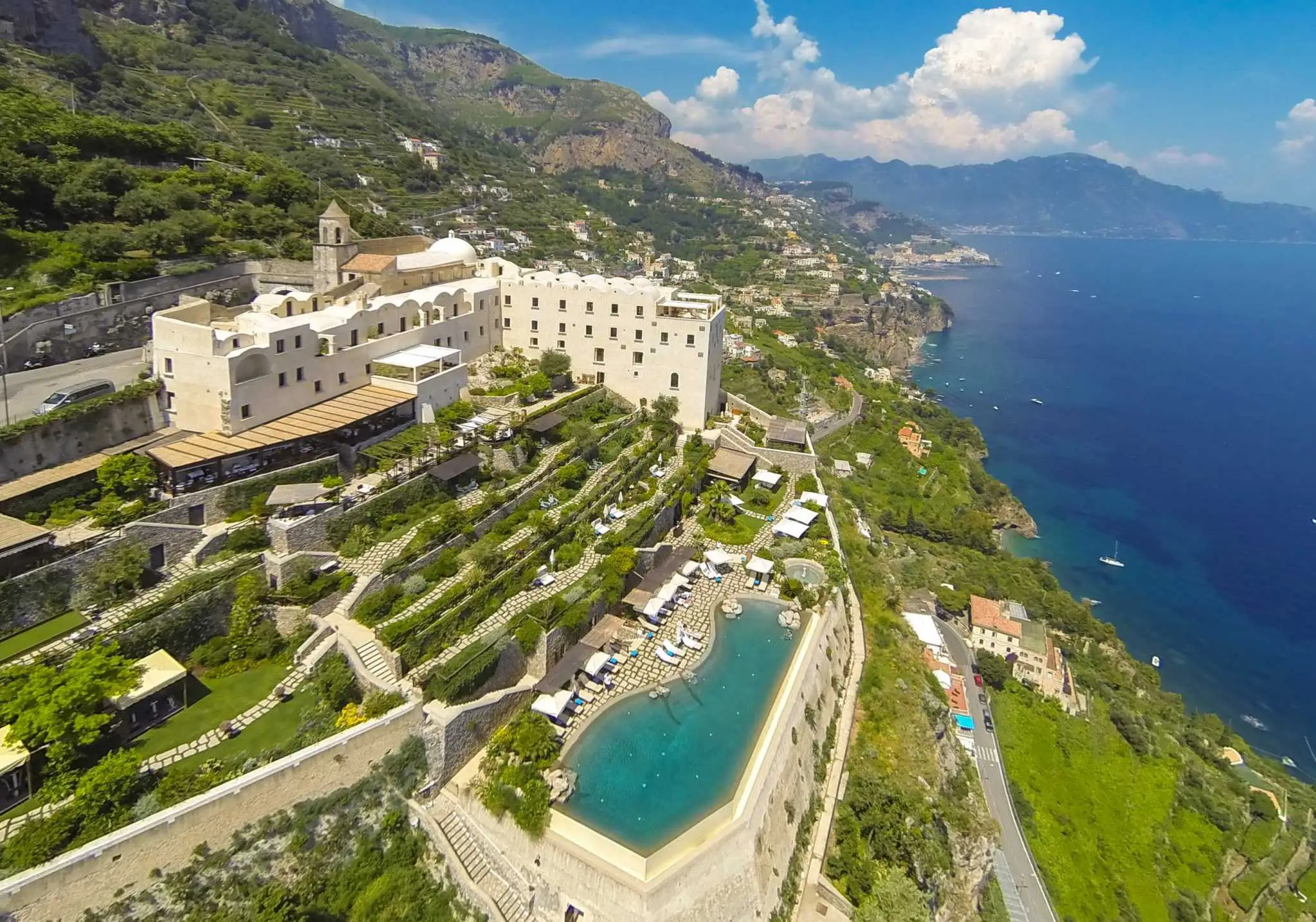
Exclusive Luxury: Perched on the hills high above Conca dei Marini, you’ll find Monastero Santa Rosa, a 17th-century convent-turned-luxury hotel. With just 20 rooms, this recently opened hotel doesn’t have the renown of Ravello’s Hotel Caruso or Positano’s beloved La Sirense – yet.
Praiano: The Sunset Village
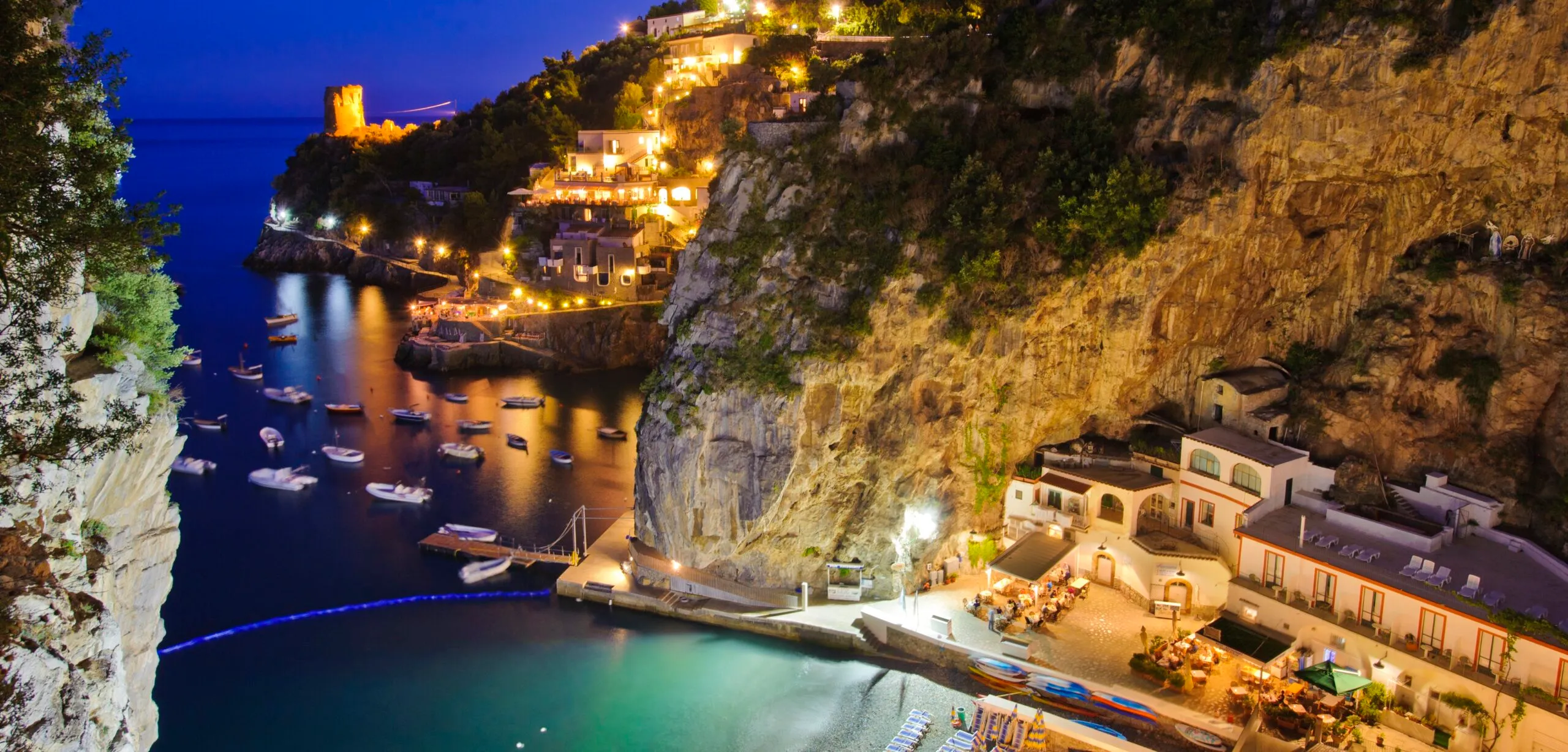
Why Locals Treasure It: Like Conca dei Marini, Praiano is a tiny but beautiful fishing village overlooked by tourists. The town is known for its steps – there are steep stairways all across Praiano, which lead down to peaceful Vettica beach, 300 feet below the town’s center.
The Golden Secret: But what you’re really here for are the sunsets – they are, according to locals, the best on the Amalfi Coast thanks to the town’s optimal west-facing position. Don’t miss: La Cala Gavitella, the only beach on the Amalfi Coast that stays unshaded until sunset.
Local Recommendation: Il Pirata Restaurant in Praiano. Besides unbelievable views and great food, they also rent lounge chairs for the day in a separate “solarium” area.
Hidden Charm: Praiano boasts pretty pastel cottages, colorful mazes, and majolica-tiled votive shrines, constructed by local families to protect their houses.
Plan Your Gay Honeymoon on the Amalfi Coast
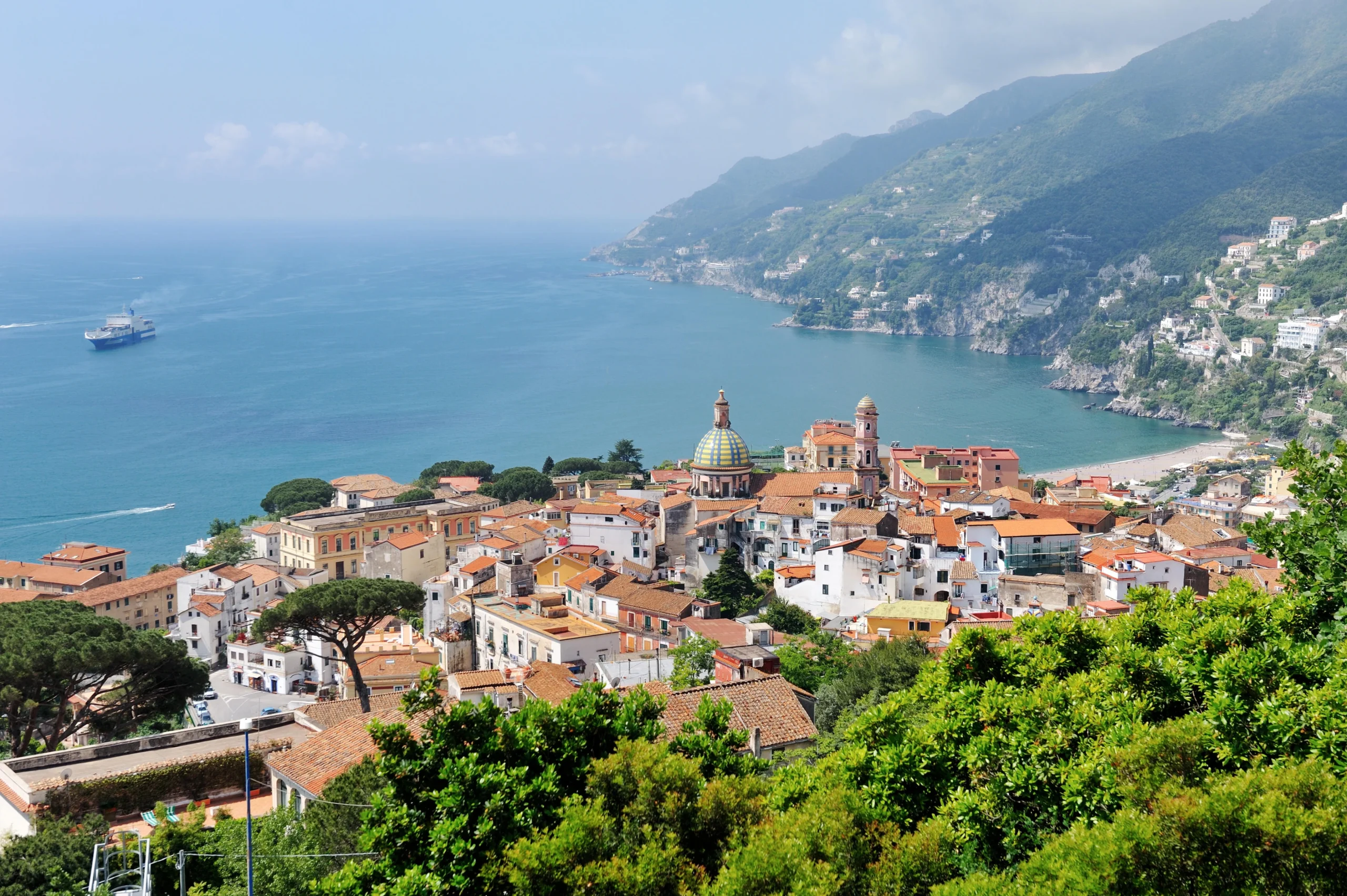
Vietri sul Mare: An Amalfi Treasure
Why It’s Off the Radar: Known as the “first pearl of the Amalfi Coast,” this colorful seaside community has been creating the region’s most beautiful pottery since medieval times, transforming clay from local hills into the brilliant majolica ceramics that define southern Italian coastal style. Because it’s situated at the end of the Coast and is quite far from the more popular towns, most tourists skip Vietri sul Mare and it is more popular amongst locals.
The Artistic Secret: With a ceramics tradition dating back to the Medieval period, you can learn so much about the traditional craft, including a tour of the ceramics museum, and browse some truly incredible works of art.
Beach: You’ll also find an amazing sandy beach (Spiaggia della Crestarella) away from all the tourists!
Ready to discover the Amalfi Coast’s hidden treasures? Contact Out of Office to craft your bespoke Italian adventure, complete with exclusive access to local experiences and accommodations that showcase the beauty of these secret coastal villages.