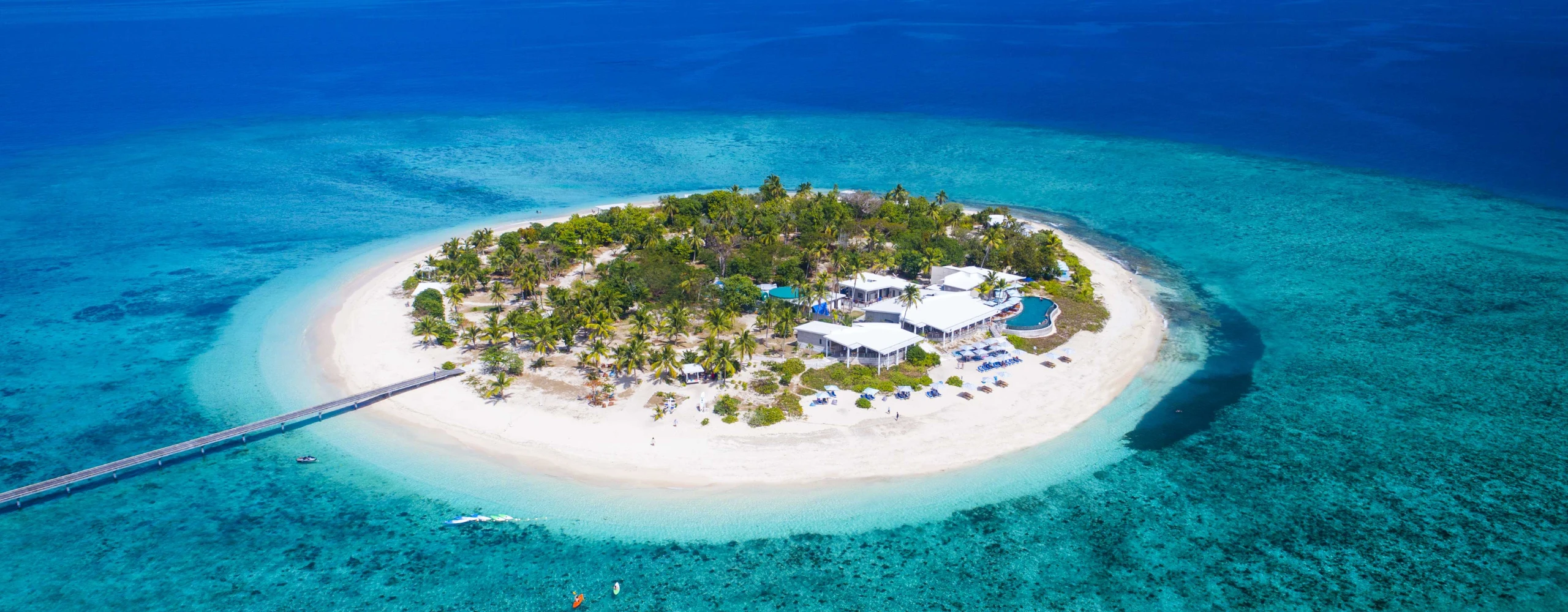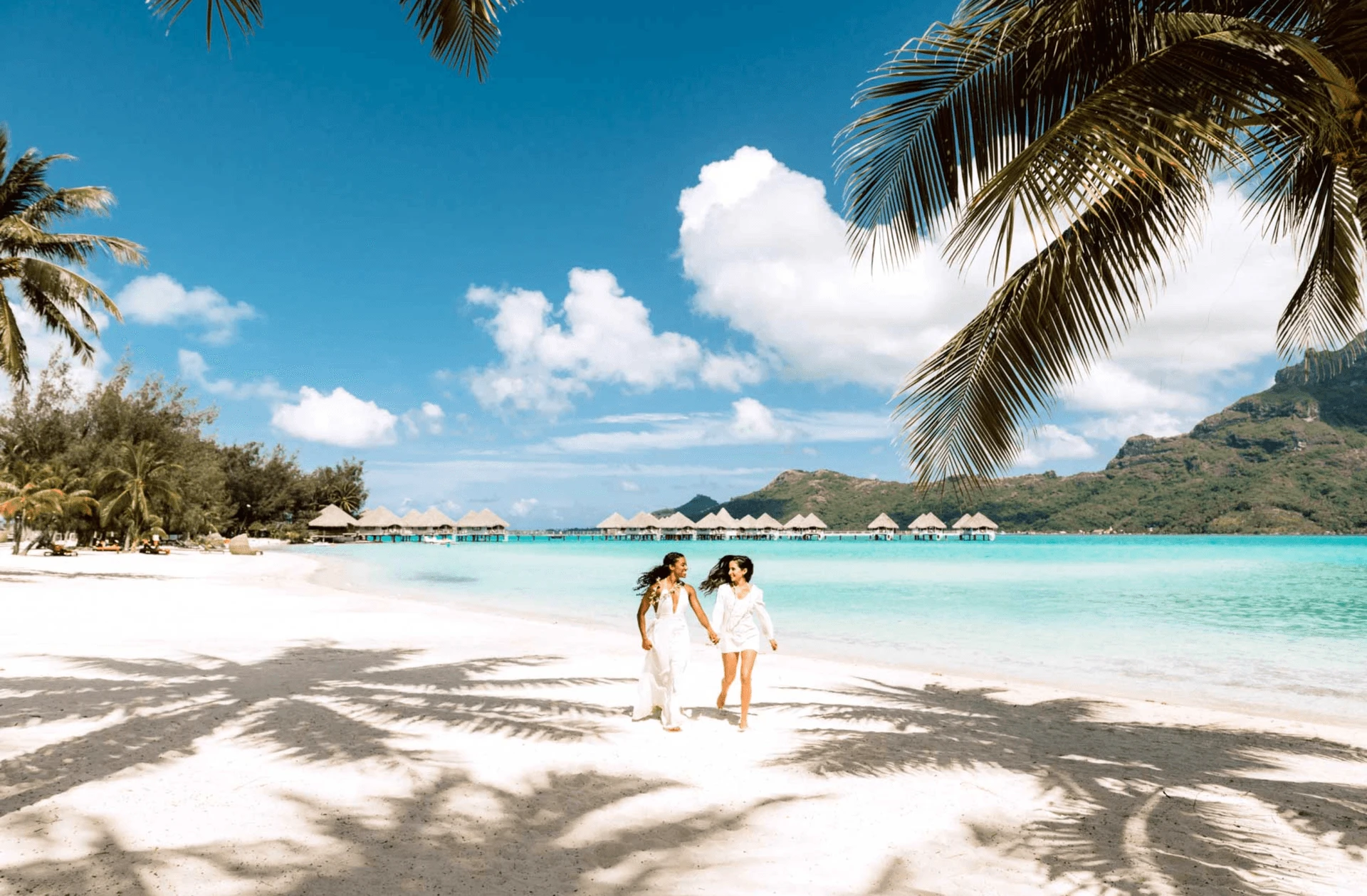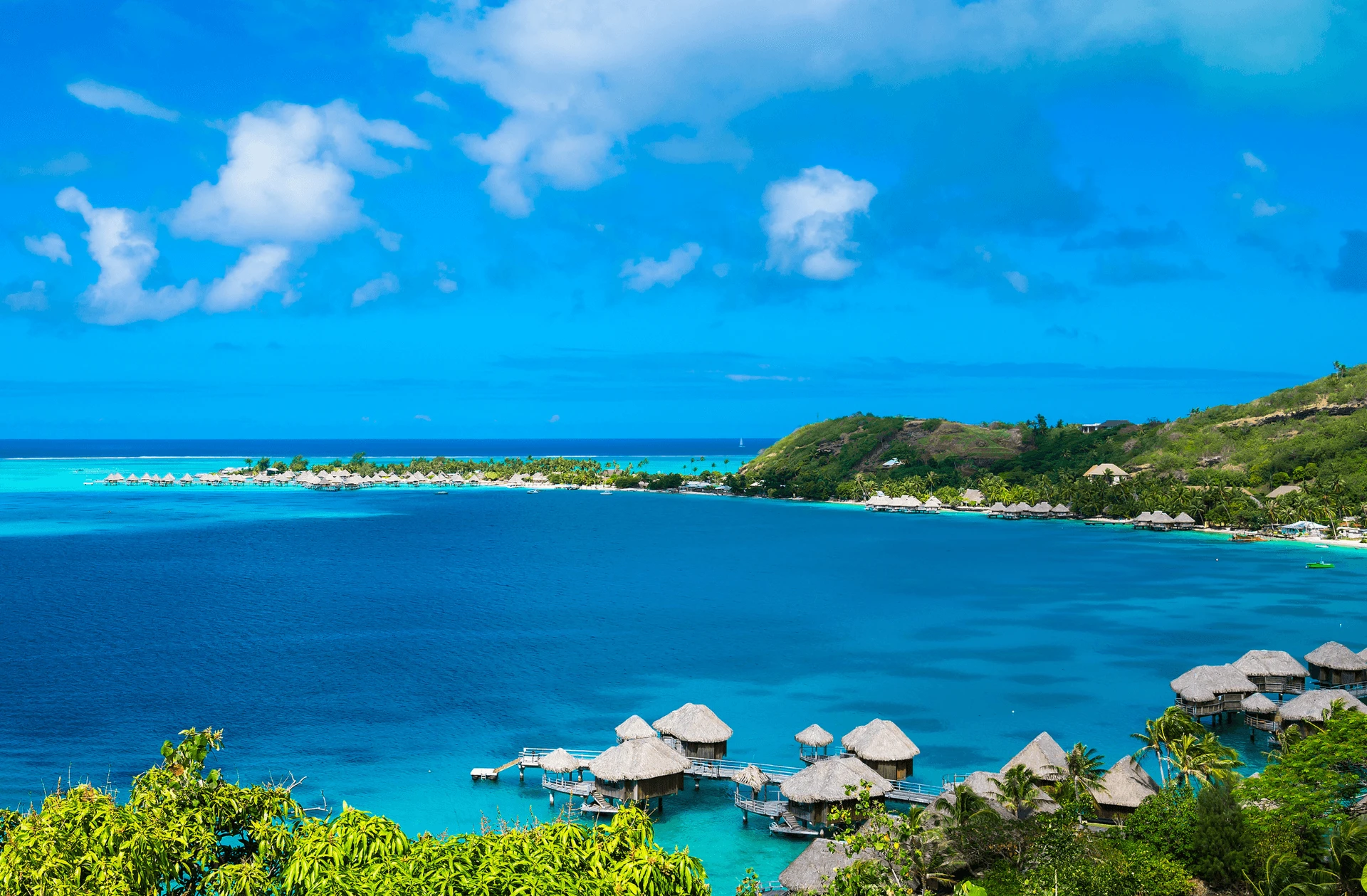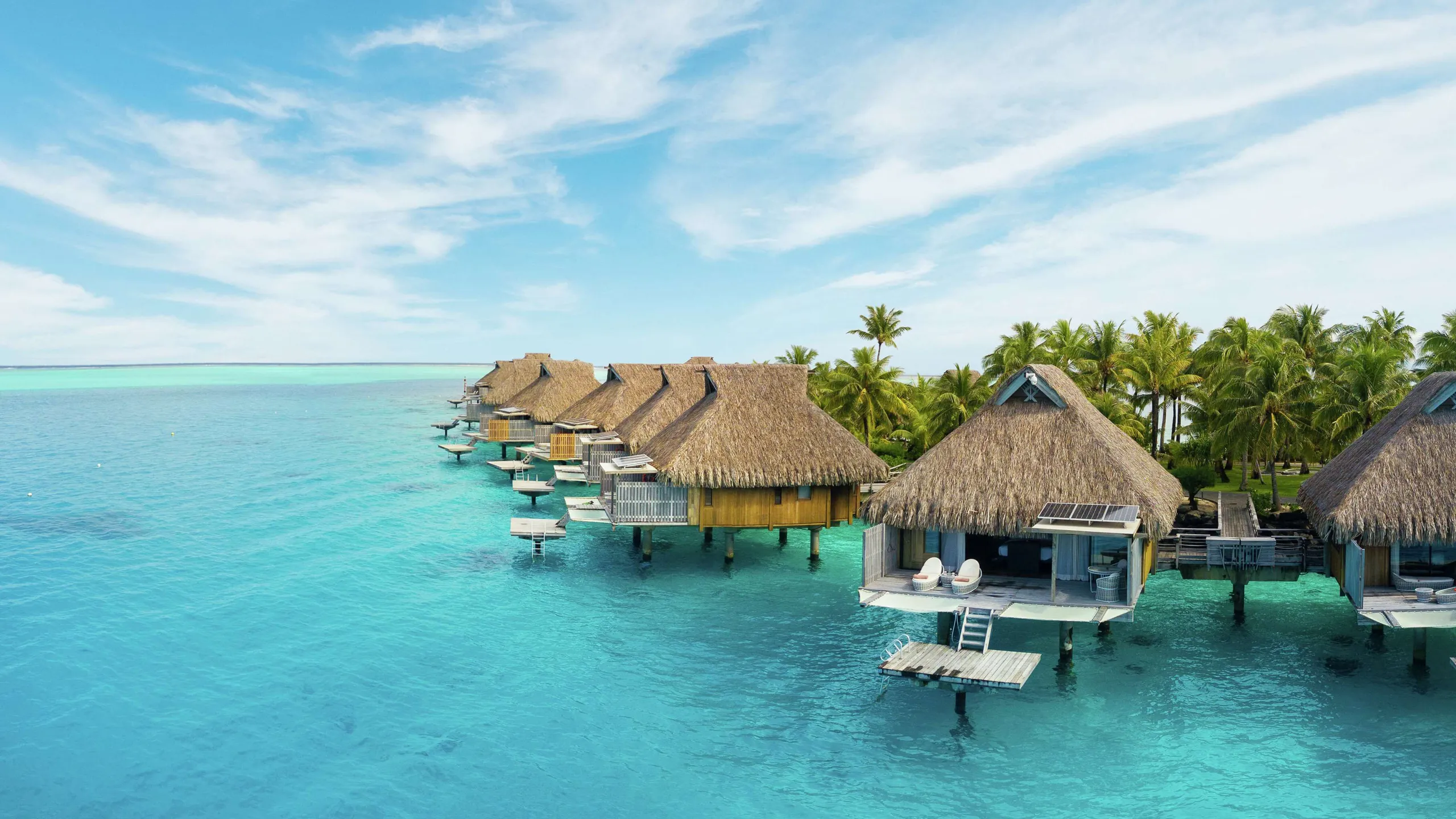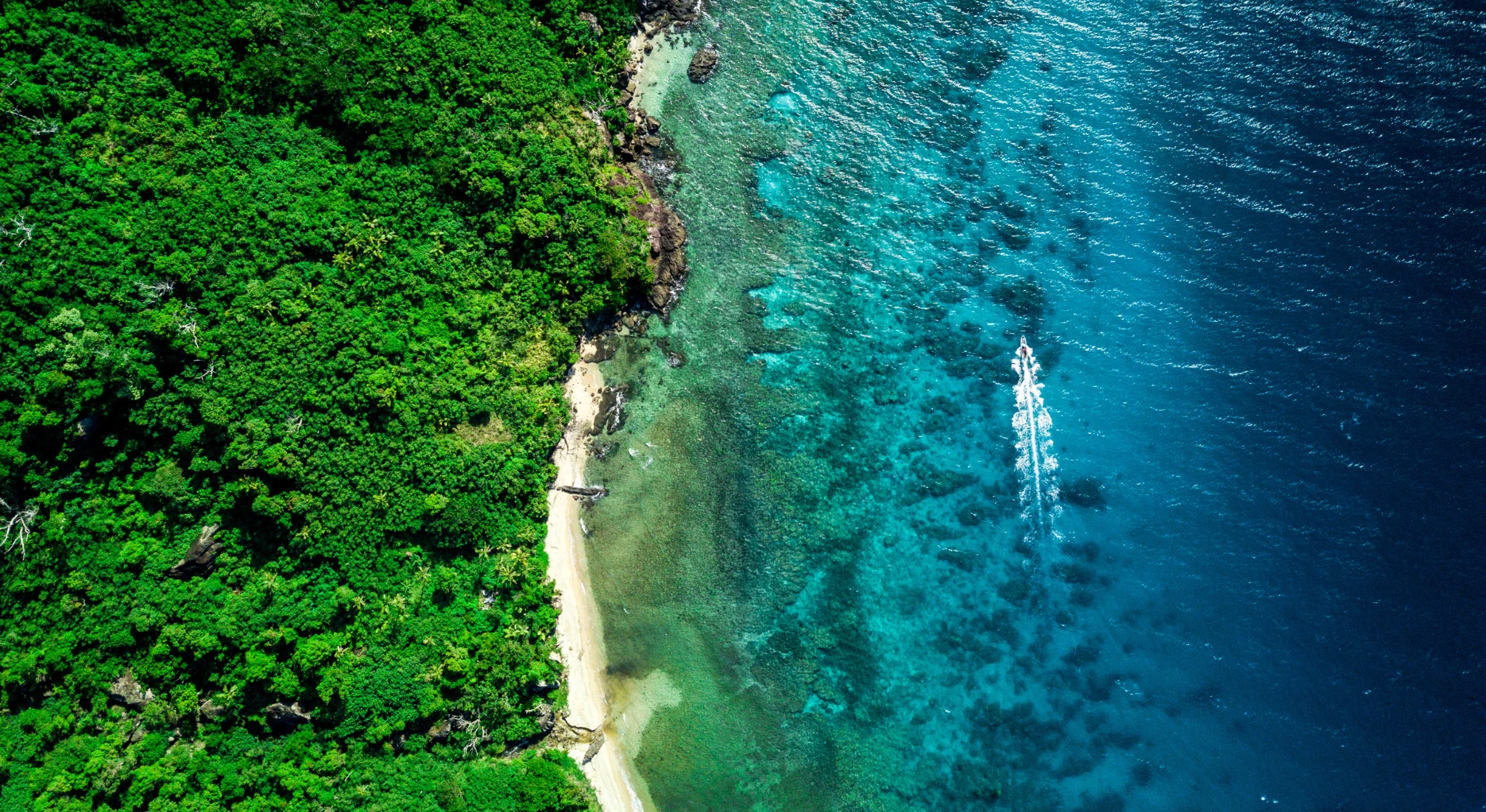
Fiji or Tahiti are the definitive paradise islands in the South Pacific, but which one will you choose?
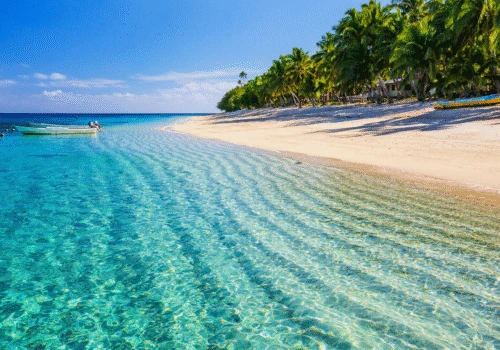
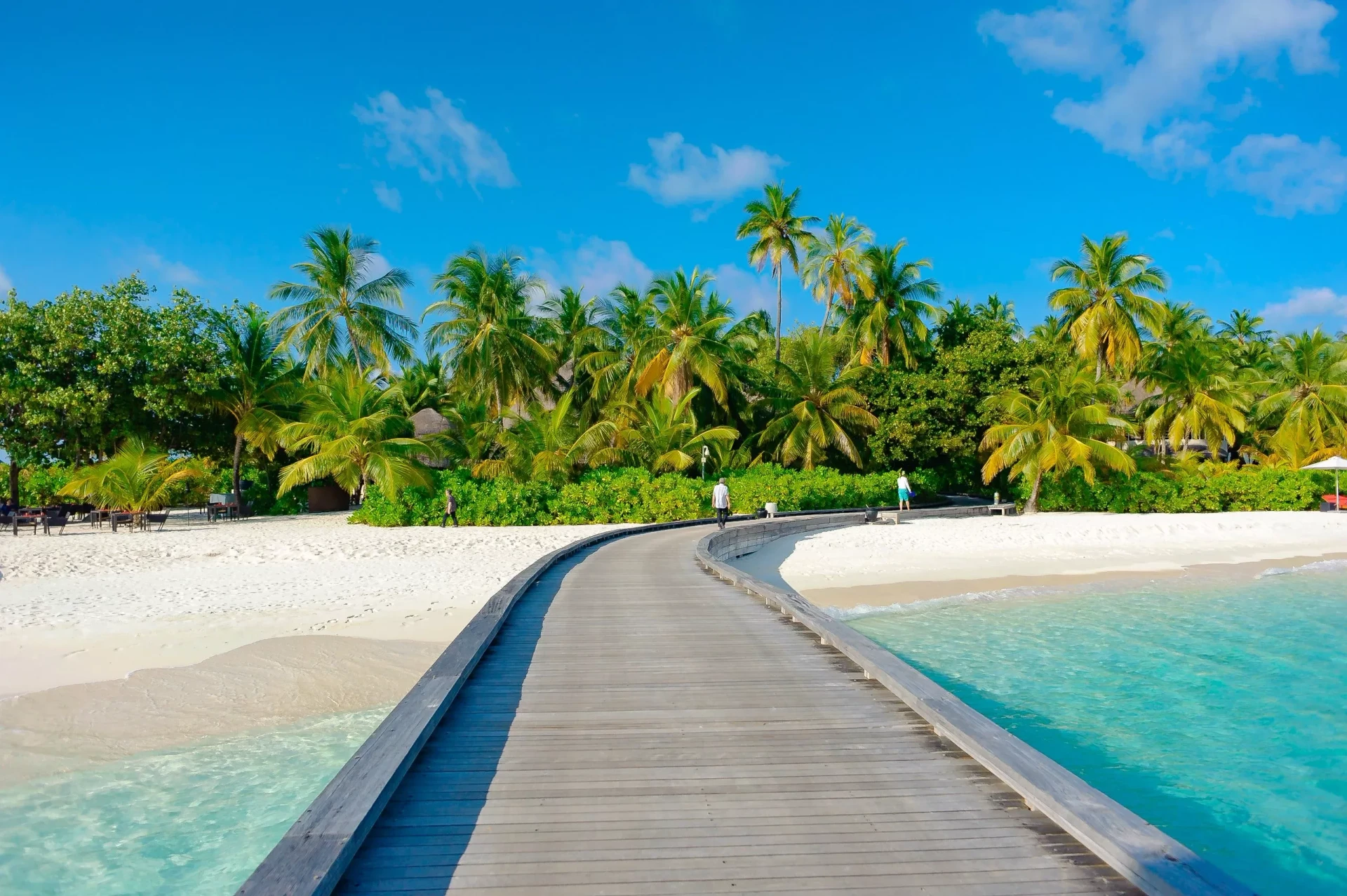
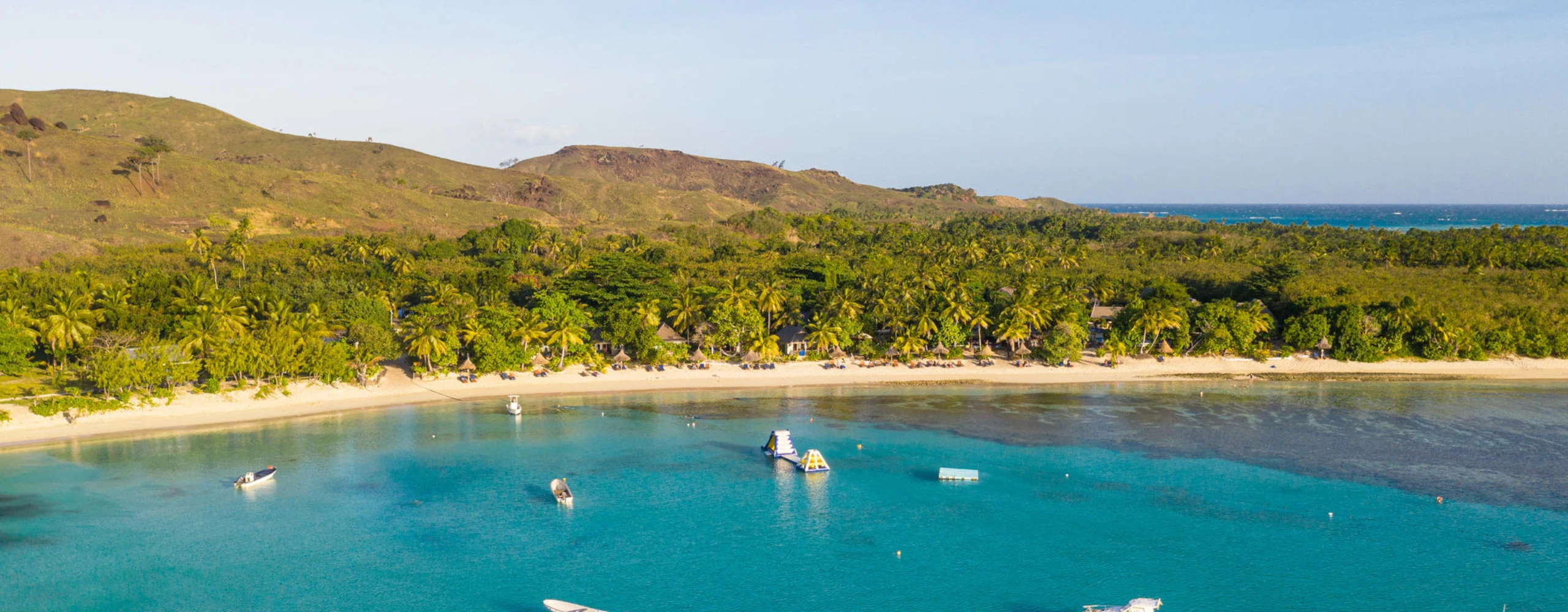
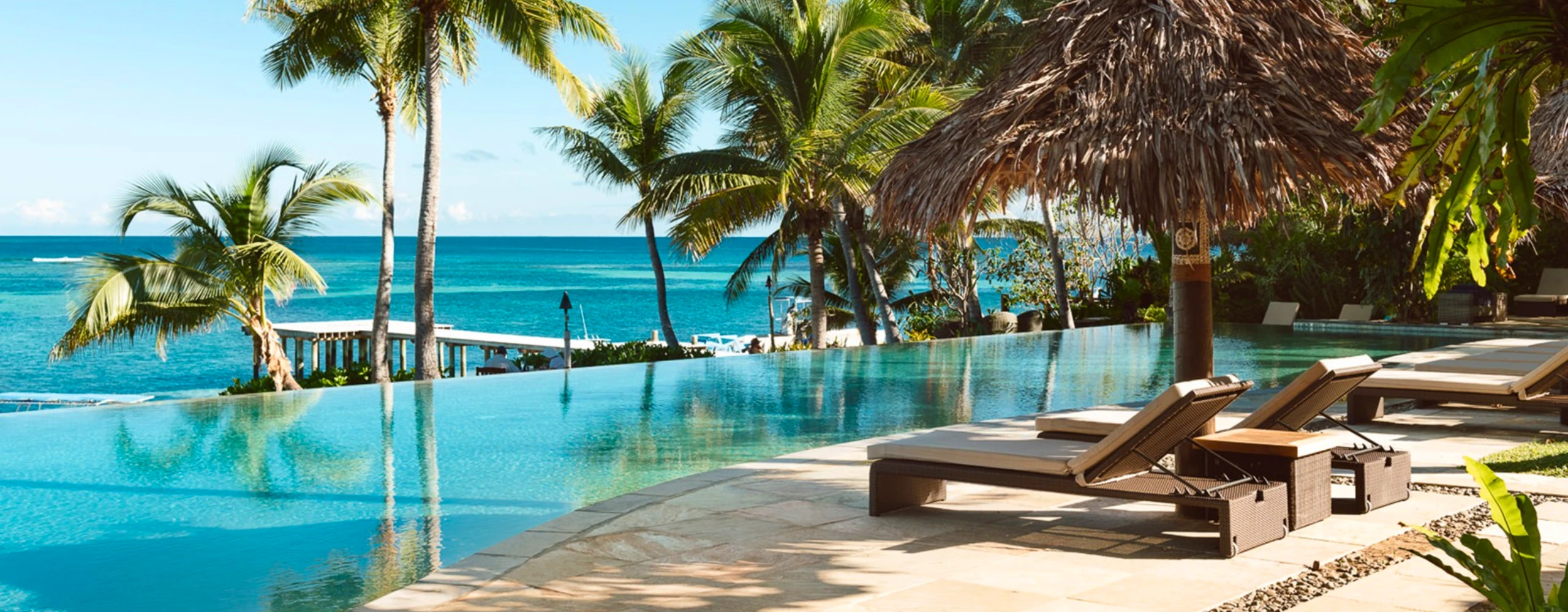
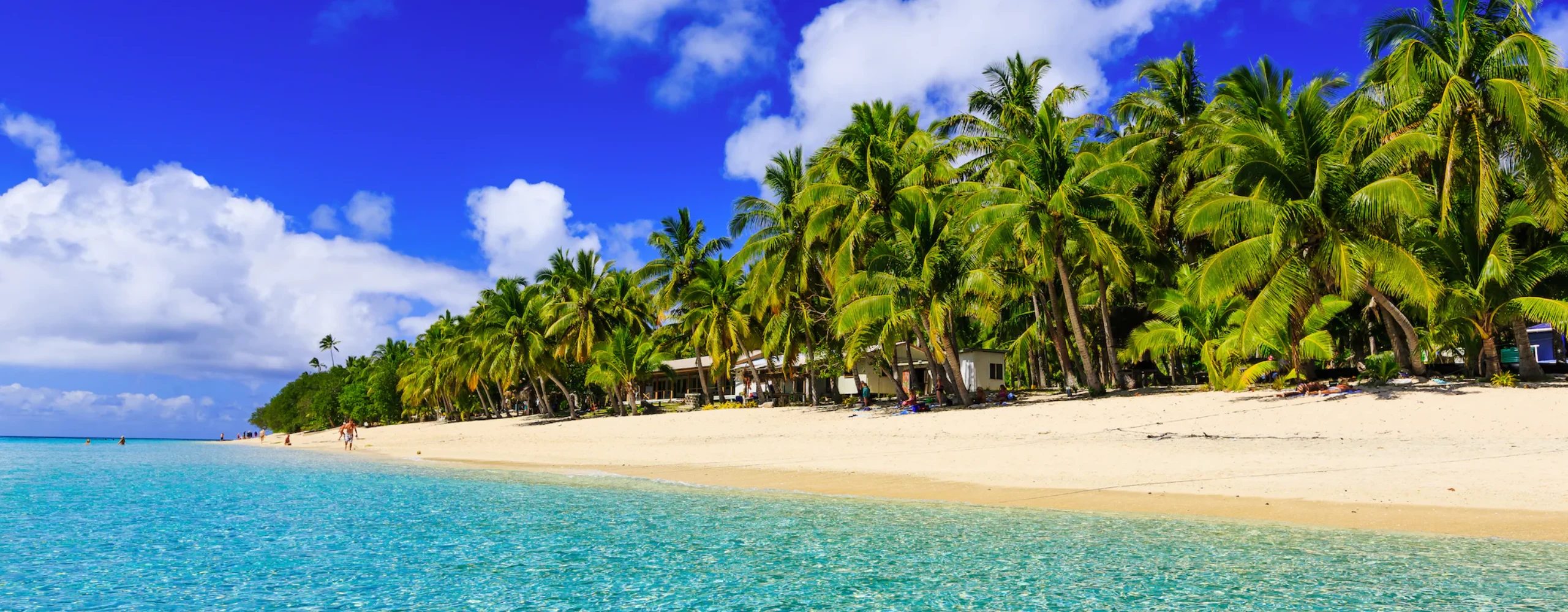
The South Pacific is where you’ll find the ultimate tropical paradise experience. Its beaches are among the most beautiful in the world, with powdery white sands that stretch endlessly beneath swaying palms and turquoise waters so clear they seem otherworldly. Beyond the shoreline, vast lagoons shimmer in shades of blue and green, their calm, shallow waters protected by coral reefs that create natural swimming pools.
Picking the right island to visit in the South Pacific is key to making your trip a success. In this article, we’ll contrast our favorite South Pacific islands Fiji vs Tahiti (French Polynesia), and find out which one is better for your tropical escape.
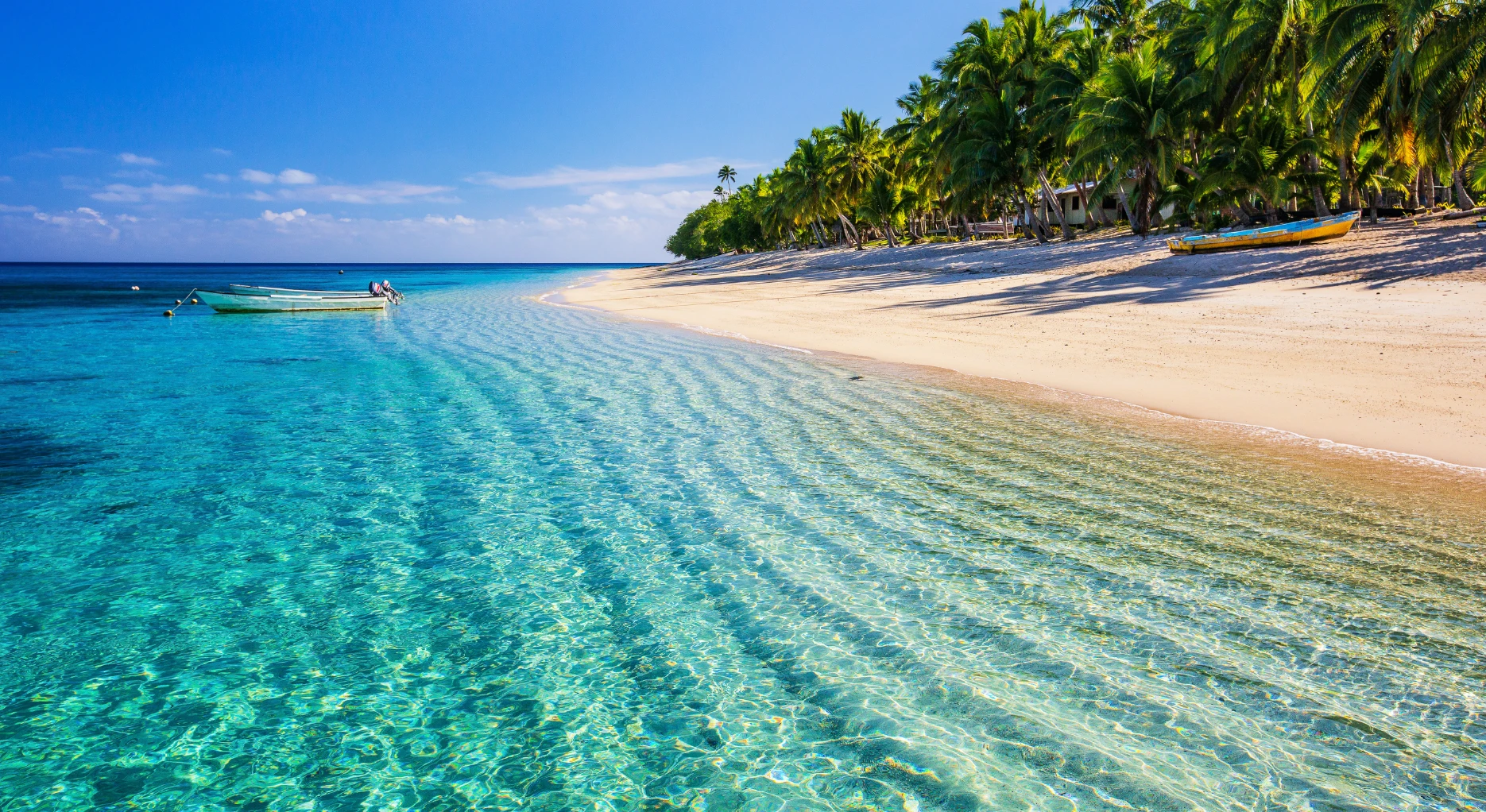
The Geographic Reality: Distance and Accessibility
Before diving into the details, it’s important to understand the geography. Both destinations are significantly far from the US mainland – we’re talking 8-12 hour flights with connections. However, they’re much more accessible from Australia, with direct flights from Sydney and Brisbane taking just 3-4 hours to Fiji, making it a popular weekend getaway for Aussies.
For UK travelers, Fiji offers better routing options. You can combine Fiji with stops in Singapore, Hong Kong, or Dubai, creating an excellent round-the-world itinerary. Many British travelers pair Fiji with Southeast Asia or use it as a stopover on routes to Australia and New Zealand.
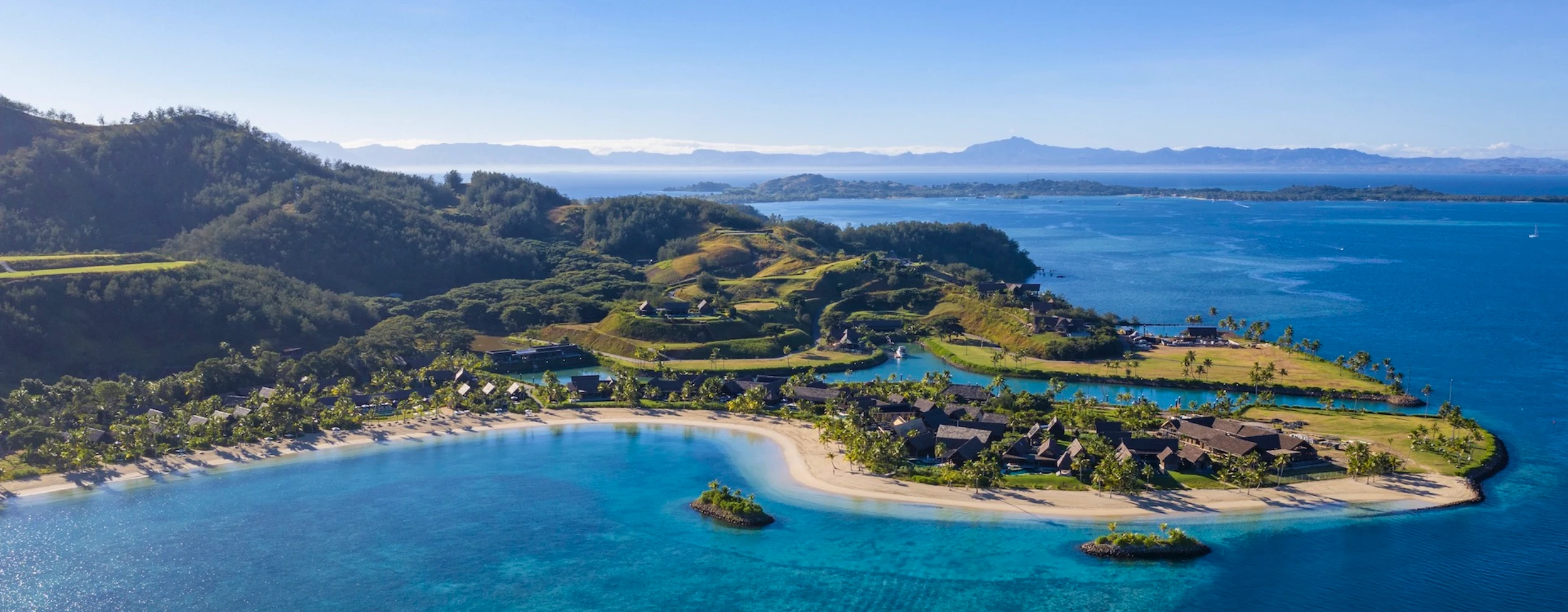
Fiji: The Warm Heart of the Pacific
Fiji’s greatest treasure is not only its idyllic setting but its people. The famous “Bula!” greeting, delivered with genuine warmth, sets the tone for a journey that feels both personal and welcoming.
Unlike many destinations, Fiji offers extraordinary variety across its 333 islands, allowing you to find exactly the pace and style of vacation you crave – whether that means secluded barefoot luxury, cultural discovery, or adrenaline-fueled adventure.
On the main island of Viti Levu, the Coral Coast beckons with golden beaches, traditional cultural villages, and the bustle of Suva, the country’s capital. It’s an ideal introduction to Fiji, offering a sense of place without requiring multiple island hops.
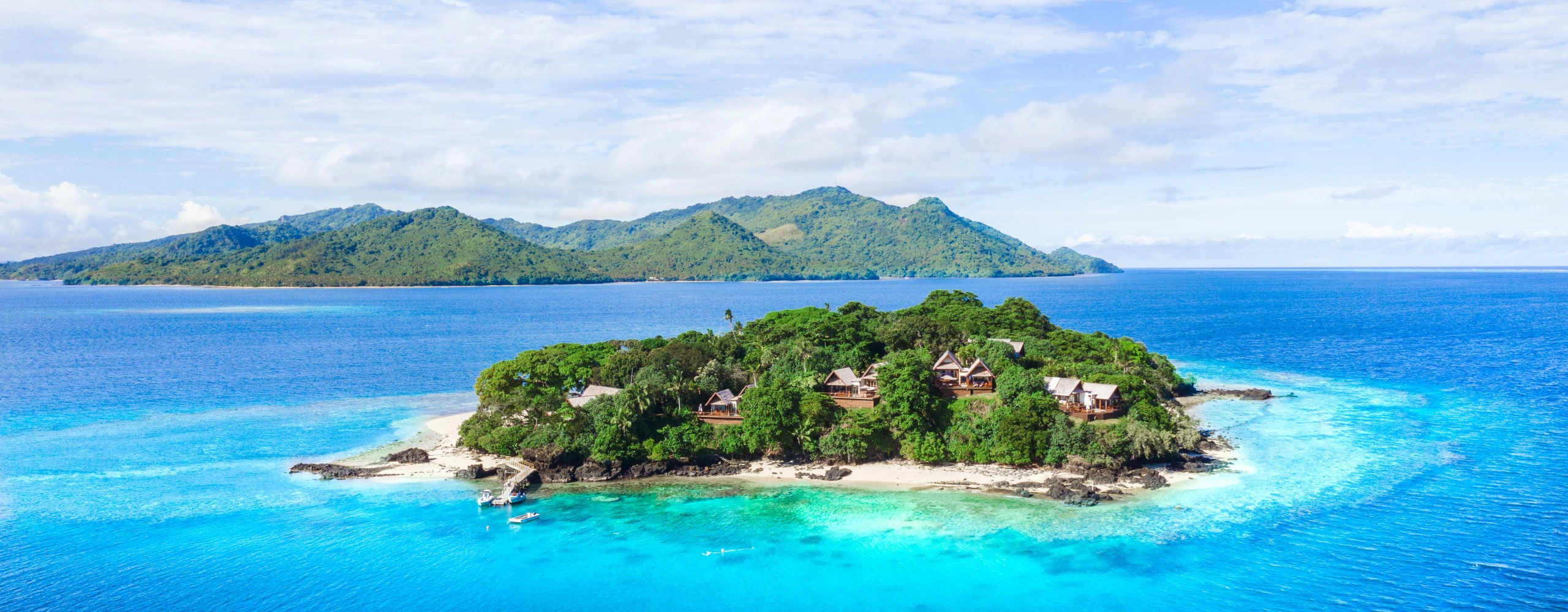
Yet if you’re seeking that quintessential South Pacific dreamscape, the Mamanuca Islands and Yasawa Islands deliver in spades. The Mamanuca Islands mix lively, sociable resorts with indulgent hideaways, while the Yasawas feel untouched, their long swathes of sand and cerulean lagoons.
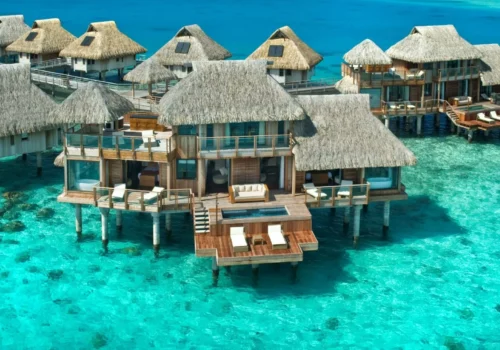
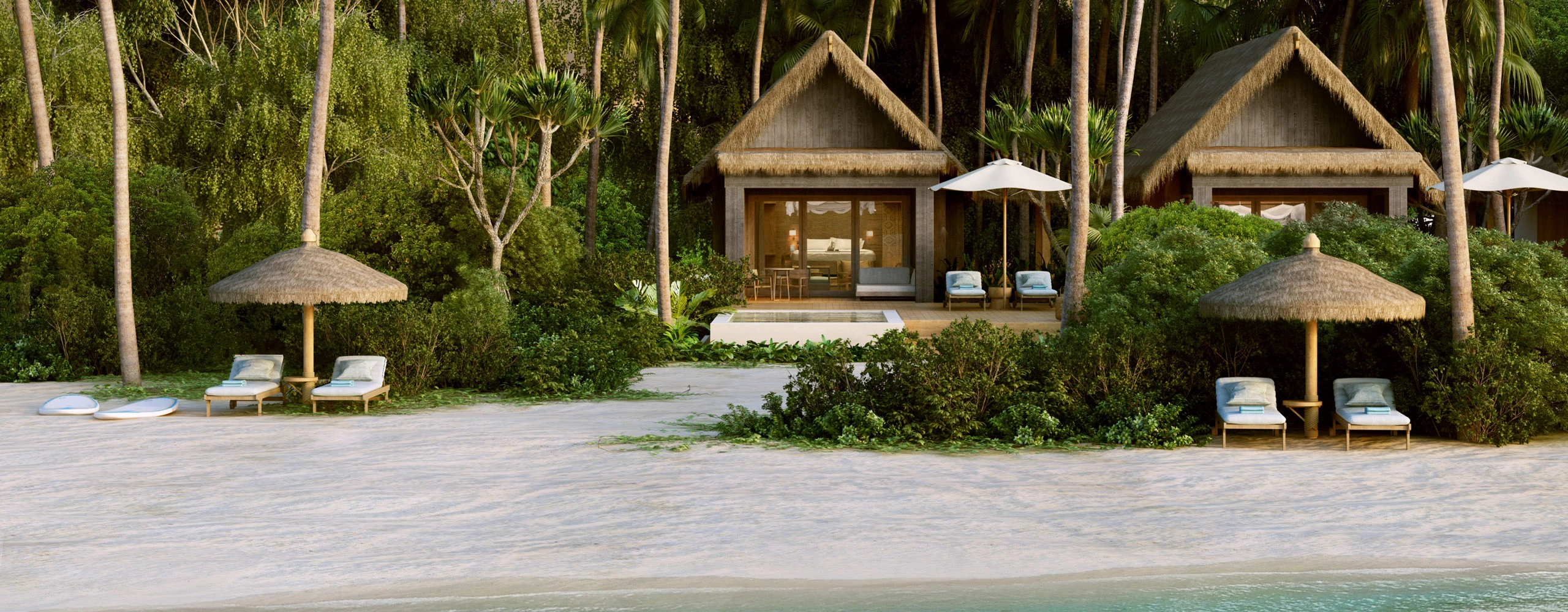
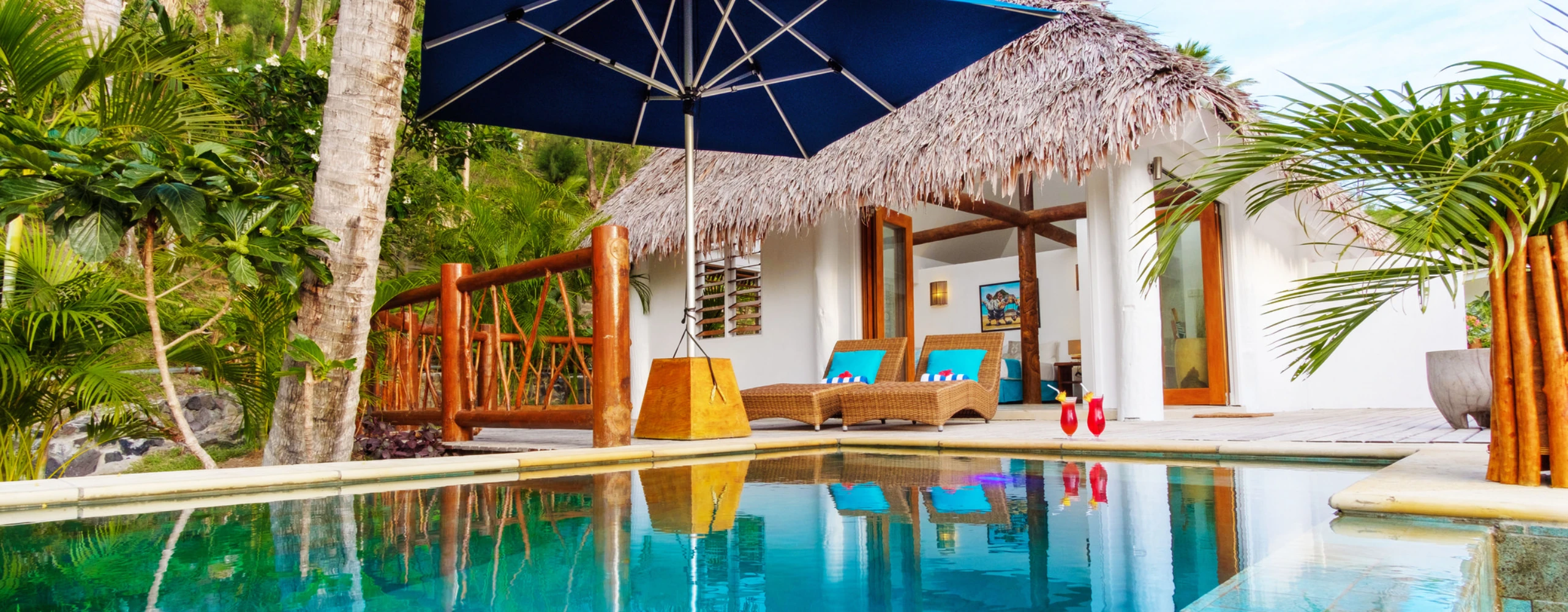
While overwater bungalows are a hallmark of French Polynesia, Fiji offers a more understated take on barefoot luxury. There are only two resorts in the country with overwater villas: Likuliku Lagoon Resort, set in the Mamanuca Islands and famed for its authentic Fijian style and ocean-facing decks, and Marriott Momi Bay on Viti Levu, where the overwater villas sit above serene saltwater lagoons.
For travelers who want more than sun loungers and sunsets, Fiji is also an adventure playground. Beyond its world-renowned soft coral diving sites – often ranked among the best in the world – guests can white-water raft through untamed valleys, zip-line across rainforest canopies, or even share the waters with reef sharks in carefully managed diving encounters. It is this balance of heart-stopping thrills, pristine beauty, and heartfelt hospitality that sets Fiji apart as one of the South Pacific’s most rewarding luxury destinations.
We Suggest...
French Polynesia: The Out Of Office Collection
Tailor-Made VacationFrench Polynesia is a French overseas territory comprised of just over 100 islands. It’s a tropical paradise and one of the top luxury destinations on earth. The first European travelers believed they’d stumbled upon something resembling heaven on earth. Marlon...
Tahiti (French Polynesia): Sophistication in Paradise
This far-flung collection of 118 islands and atolls represents the South Pacific at its most polished, where dramatic volcanic landscapes meet lagoons so vivid they seem digitally enhanced. French Polynesia has become synonymous with luxury travel, offering some of the world’s most coveted overwater bungalows and a sense of privacy that feels almost cinematic: fitting, as Marlon Brando put Tahiti on the map when he filmed Mutiny on the Bounty.
Tahiti itself serves as the gateway, with Papeete introducing visitors to a blend of French-influenced culture, markets, and botanical gardens. Black pearl shopping here is a rite of passage, but for most travelers the journey continues to the outer islands.
We Suggest...

The Brando
AccommodationThe Brando sits on Onetahi, one of 12 motus forming Tetiaroa Atoll, a 20-minute private plane transfer from Tahiti’s departure lounge. Marlon Brando discovered Tetiaroa while filming Mutiny on the Bounty in 1962 and spent the rest of his life...
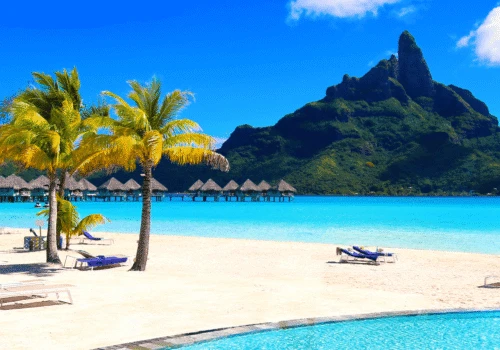
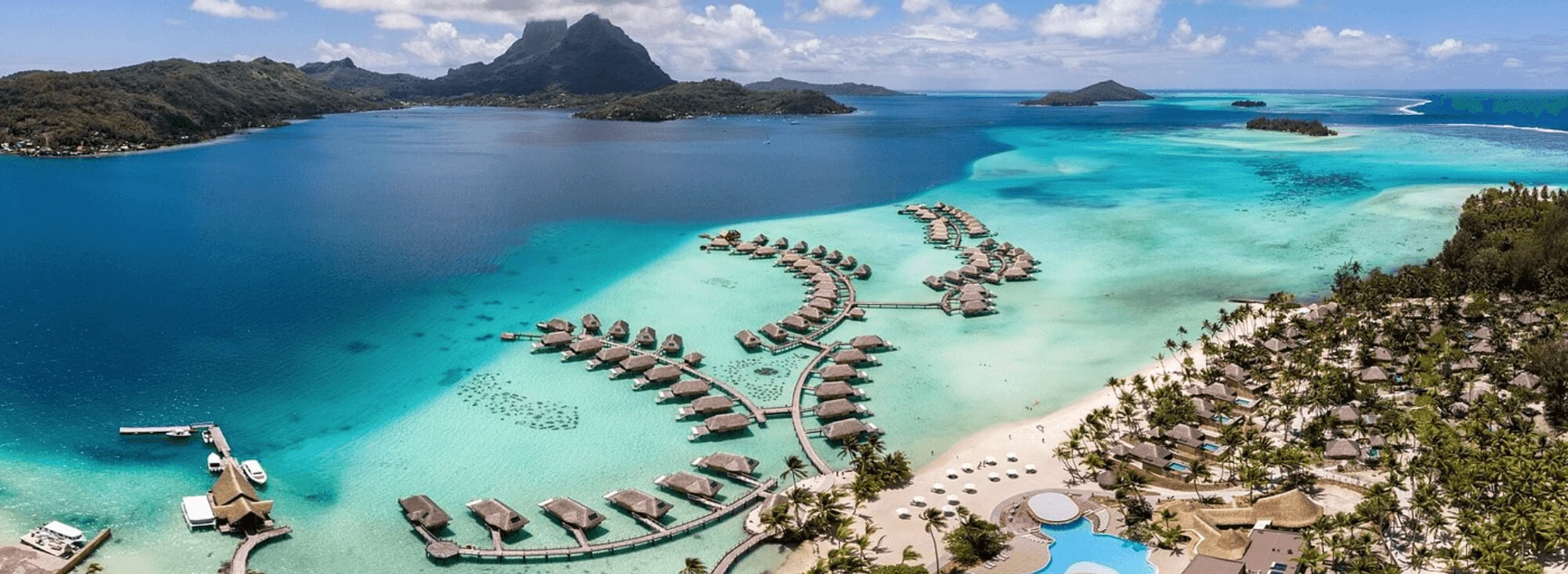
Bora Bora, perhaps the most famous of them all, is the stuff of legend: its towering Mount Otemanu rising above a turquoise lagoon has become an icon of tropical fantasy. Moorea, just a short hop from Tahiti, is less touristed but equally breathtaking, with volcanic peaks, pineapple plantations, and hiking trails that offer a deeper connection to the land.
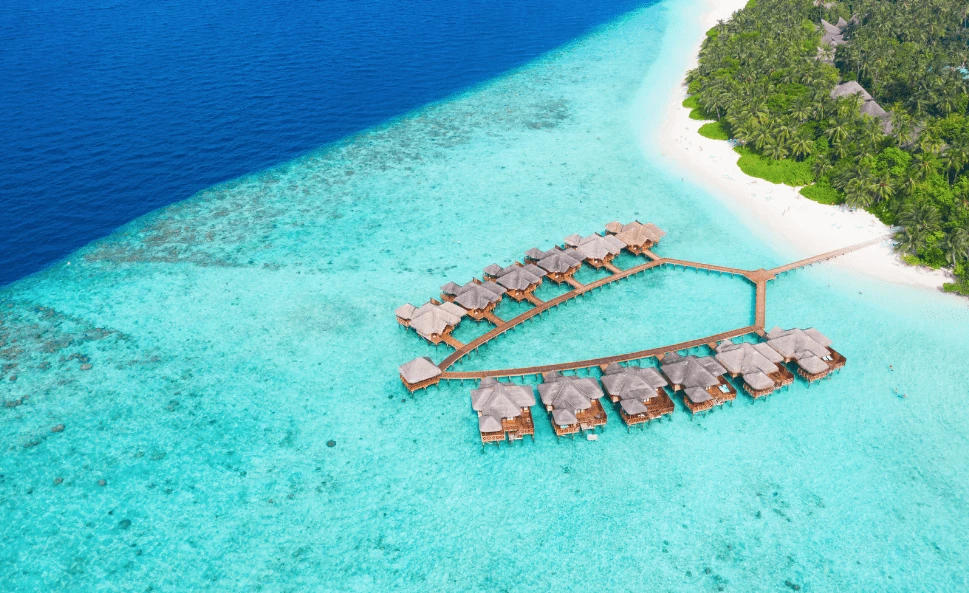
What truly sets French Polynesia apart is its mastery of the overwater bungalow. First conceived here, these villas remain the pinnacle of barefoot luxury, placing guests directly above luminous lagoons with steps leading down to the water.
It’s an experience that is as romantic as it is indulgent, though it comes with a price tag to match – expect to pay anywhere from $500 to over $2,000 per night for the privilege. For honeymooners, photography enthusiasts, or anyone seeking a once-in-a-lifetime escape, Tahiti and its sister islands deliver sophistication in paradise like nowhere else on Earth.
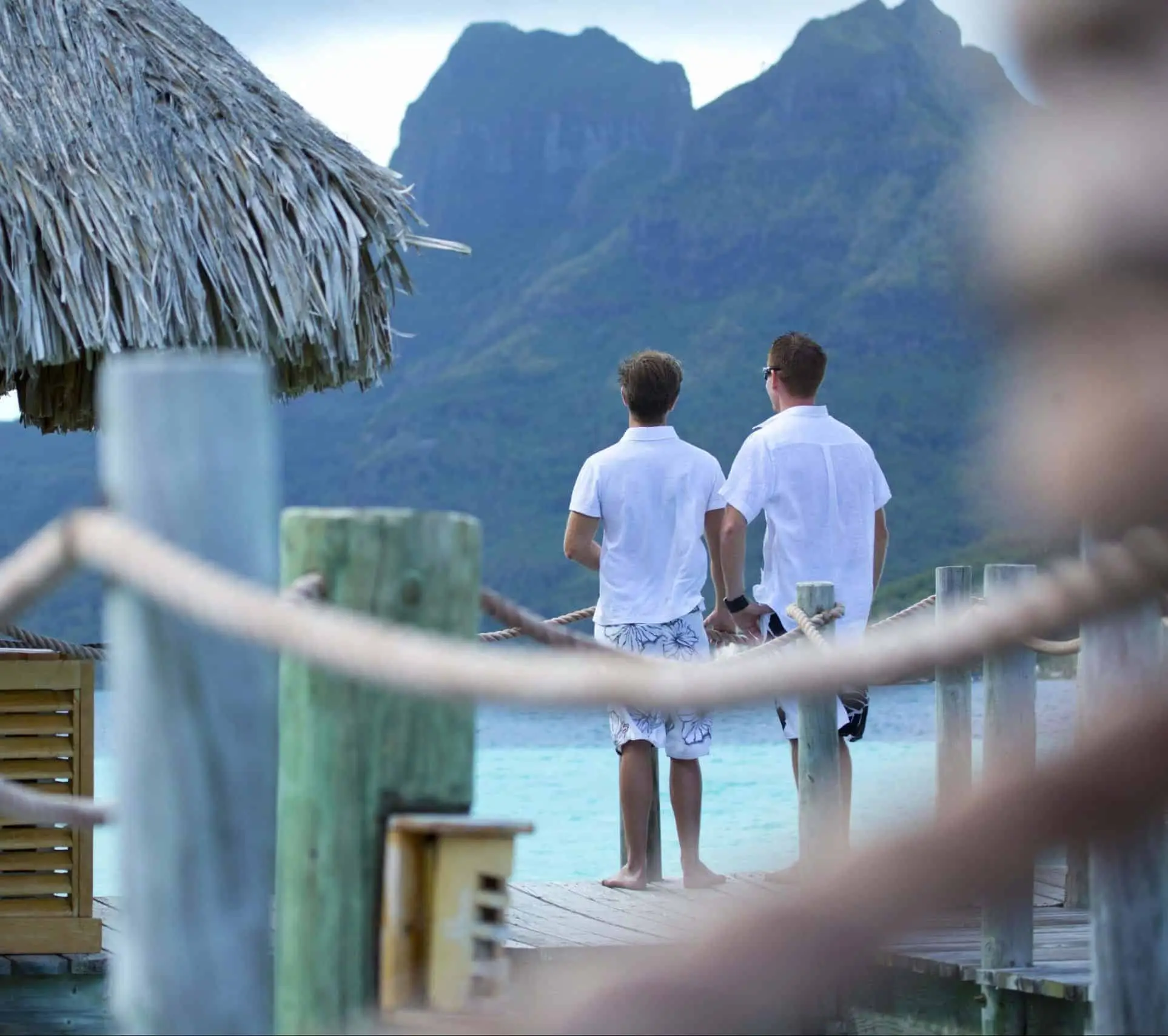
LGBTQ+ Considerations
Both destinations are generally LGBTQ+-friendly, but with distinct cultural and legal contexts:
Fiji has made significant progress in recent years. While traditional society can be conservative, the tourism industry is welcoming and inclusive. Many resorts explicitly market themselves as LGBTQ+-friendly, particularly in the Mamanuca Islands and Yasawa island groups. Same-sex relationships were decriminalized in 2010, and anti-discrimination laws are now in place.
French Polynesia offers a uniquely progressive environment in the Pacific region. As an overseas collectivity of France, it follows French law and cultural attitudes, making it one of the most LGBTQ+-friendly destinations in Oceania. Same-sex marriage has been legal since 2013, and the French-influenced culture tends to be more liberal regarding sexuality and gender expression.
What makes French Polynesia particularly remarkable is its historical stance: it has never criminalized homosexuality, making it extraordinarily rare among Pacific Island nations and indeed most countries worldwide. This progressive position dates back centuries, reflecting traditional Polynesian cultural attitudes that were more fluid regarding gender and sexuality – a perspective that was preserved rather than suppressed under French colonial influence.
Additionally, French Polynesia recognizes a traditional third gender category called “māhū,” historically respected in Tahitian society as individuals embodying both masculine and feminine qualities. This cultural acceptance, combined with French legal protections, creates an unusually welcoming environment for LGBTQ+ travelers. Tahiti and Bora Bora’s luxury resorts are particularly inclusive, with many staff trained in LGBTQ+ hospitality standards.
Activities and Experiences
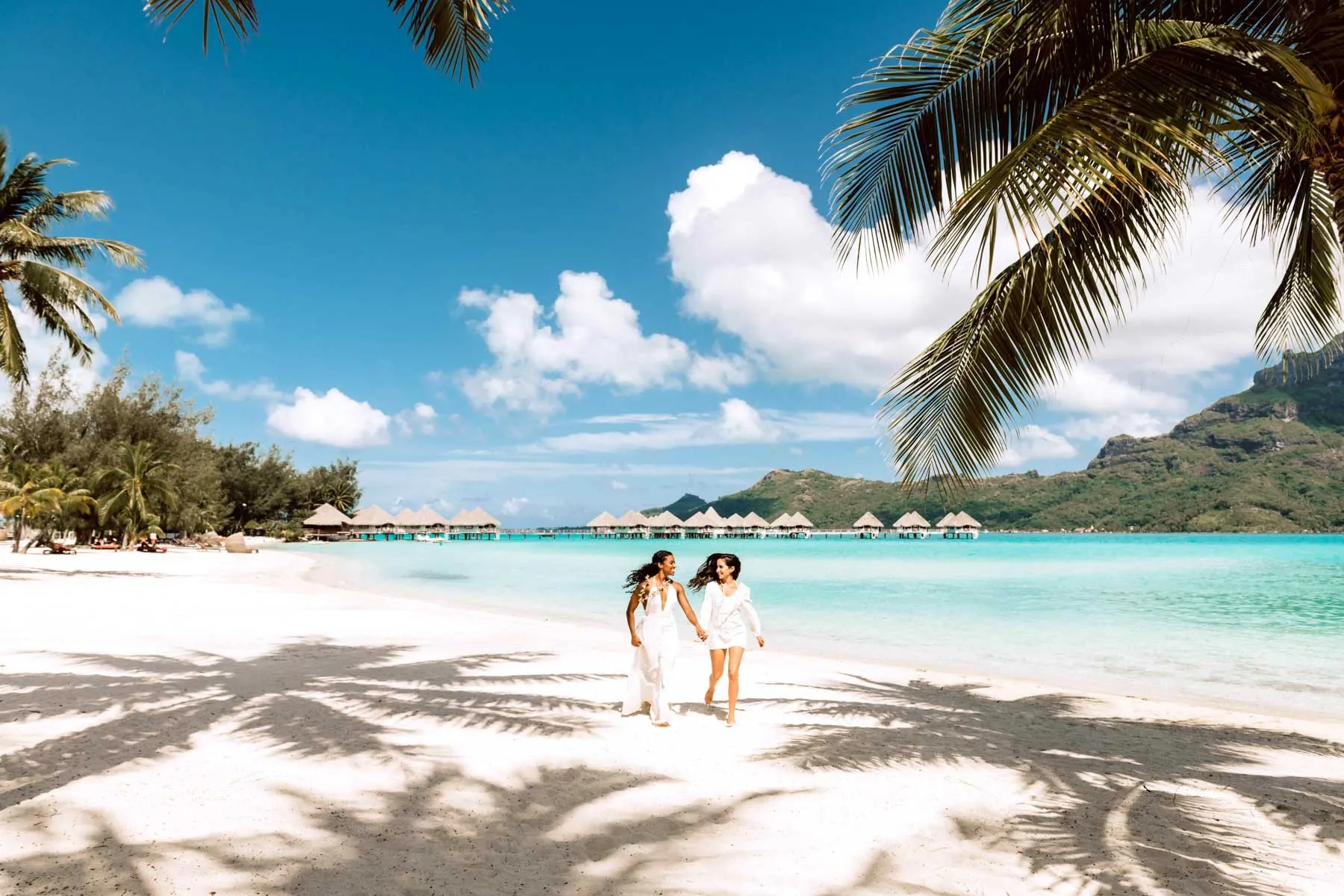
Fiji is world-renowned for its diving, with kaleidoscopic soft corals that make it one of the planet’s premier underwater destinations. Snorkeling is equally rewarding, while traditional sailing on handcrafted bilibili rafts offers an authentic way to experience island life. Tahiti, by contrast, sets the stage with its crystal-clear lagoons. Swimming with rays and reef sharks in the shallow waters is unforgettable, while jet skiing across the glassy surface beneath is a must if you’re feeling adventurous.
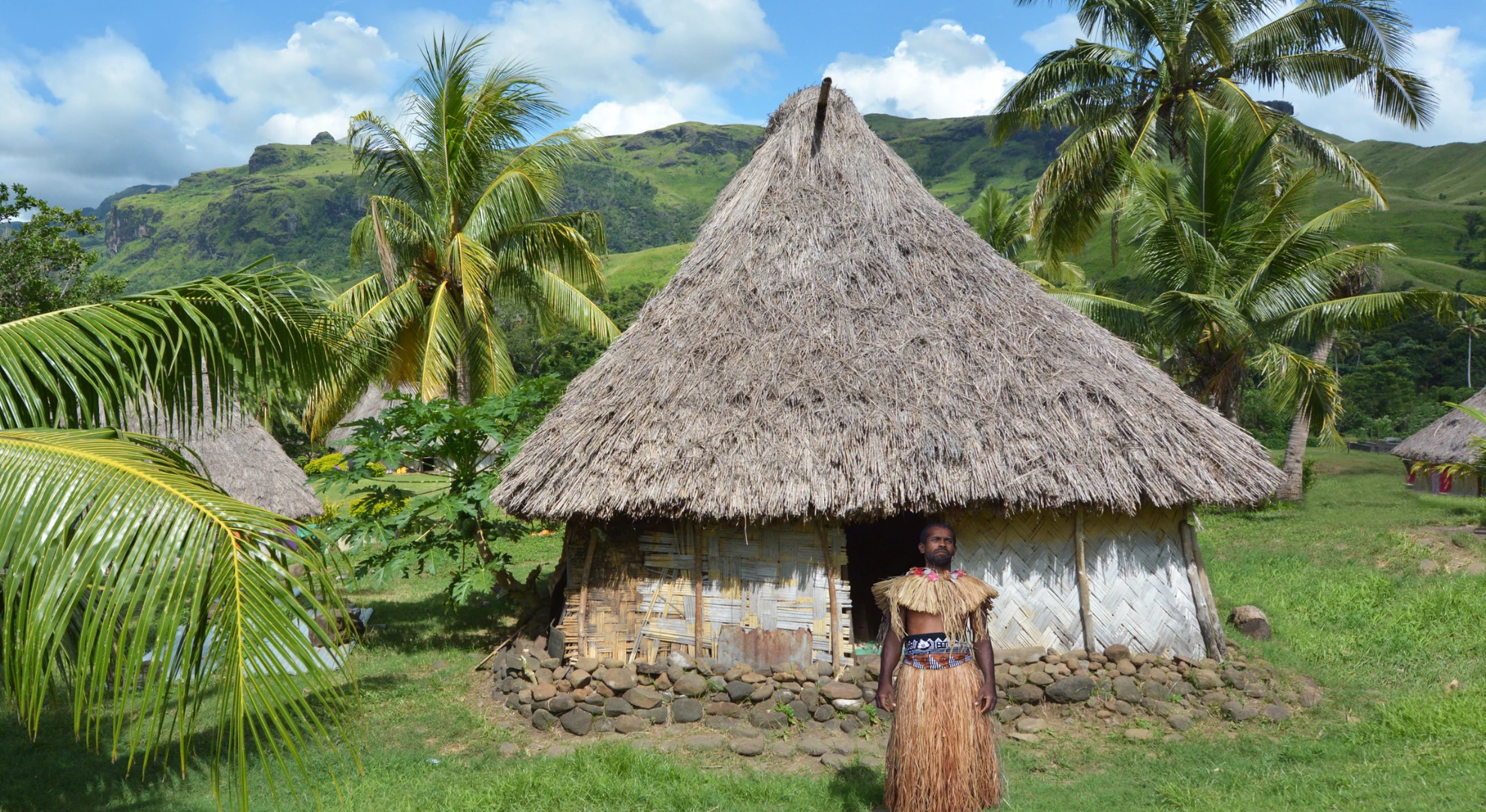
For culture, Fiji is unmatched in its opportunities to connect with local traditions. You can join kava ceremonies in remote villages, learn the art of traditional bure construction, or witness the extraordinary practice of fire walking.
In Tahiti, French-Polynesian culture shines through in a different way: visits to pearl farms reveal one of the region’s most precious exports, while archaeological sites and traditional dance performances connect you with the islands’ ancient past. French influences add another layer, especially when it comes to cuisine, creating a unique cultural fusion.
Adventure is a natural part of both destinations, though expressed differently. Fiji is an outdoor playground, offering white-water rafting, zip-lining through lush rainforests, and hikes to hidden waterfalls, not to mention the ease of island-hopping by ferry across its many archipelagos.
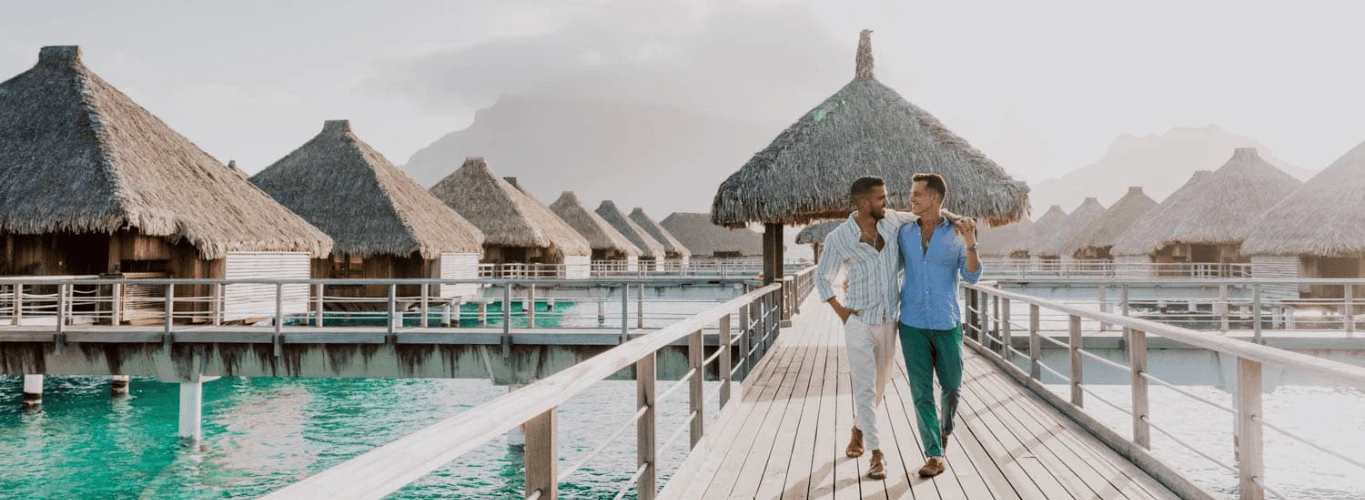
Tahiti’s adventures lean into its dramatic volcanic landscapes, with hiking trails that climb steep peaks, 4WD tours that reveal lush interiors, and helicopter rides that give a bird’s-eye view of its striking lagoons and mountains. Deep-sea fishing and sailing excursions add further allure for those who crave time on the open ocean.
When it comes to climate, both Fiji and Tahiti enjoy tropical weather but follow slightly different patterns. Fiji experiences a dry season from May to October with lower humidity and minimal rainfall, making it the perfect time to visit.
The wet season, from November to April, brings higher temperatures, afternoon showers, and occasional cyclones. Tahiti’s dry season also runs from May to October, offering cooler, less humid conditions ideal for luxury escapes, while its wet season mirrors Fiji’s with hotter, more humid weather and heavier rainfall. For both destinations, the dry season is considered peak time, though the shoulder months often reward travelers with fewer crowds and more attractive rates.
The Verdict
While Fiji and Tahiti both showcase the natural beauty that has made the South Pacific legendary, the experiences they offer are worlds apart. Fiji is defined by its people. The warmth of Fijian culture is felt in every “Bula!” greeting, every kava ceremony, and every welcome into village life. It is a destination of variety and connection, where a single day might combine world-class diving, rainforest adventures, and evenings spent under the stars with fire dancers.
Tahiti, by contrast, is all about polish and sophistication. Privacy and spectacle define its allure. Bora Bora’s Mount Otemanu rising over a sapphire lagoon is the ultimate symbol of South Pacific glamour, while French Polynesia’s overwater bungalows remain the benchmark for romance and exclusivity.
Logistics also shape the choice. From the UK, Fiji is the more accessible option and easier to combine with Australia or New Zealand. From the US West Coast, Tahiti offers a faster, more seamless journey, making French Polynesia the convenient choice for an ultra-luxury island escape.
Whichever island paradise speaks to you, we’ll take care of every detail. Speak to our luxury travel team today and let us design the perfect Fiji or Tahiti escape.