






Moment · Costa Rica
The Arribada: Mass Turtle Nesting at Ostional With a Biologist
On certain nights, hundreds of thousands of olive ridley turtles come ashore on one black-sand beach, and you're there with an expert.
When the Beach Begins to Move
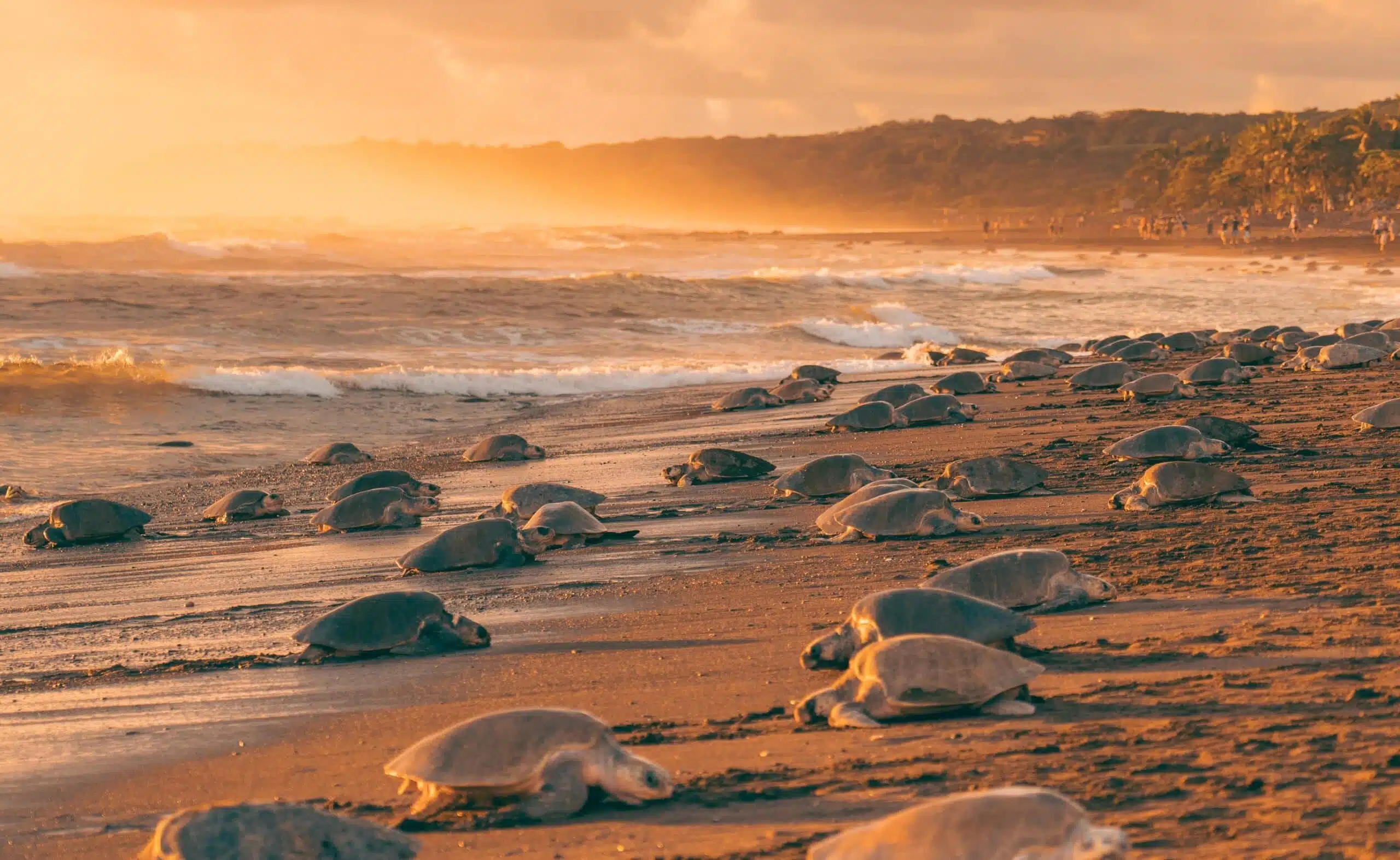
Playa Ostional, on Costa Rica’s Nicoya Peninsula, is a long curve of black volcanic sand that looks ordinary for most of the year. Then, on certain nights, the waterline starts to stir. One olive ridley turtle hauls herself out of the surf, then another, and another, until the beach becomes an arribada, Spanish for “arrival”: a mass nesting that can bring hundreds of thousands of turtles ashore over a few days.
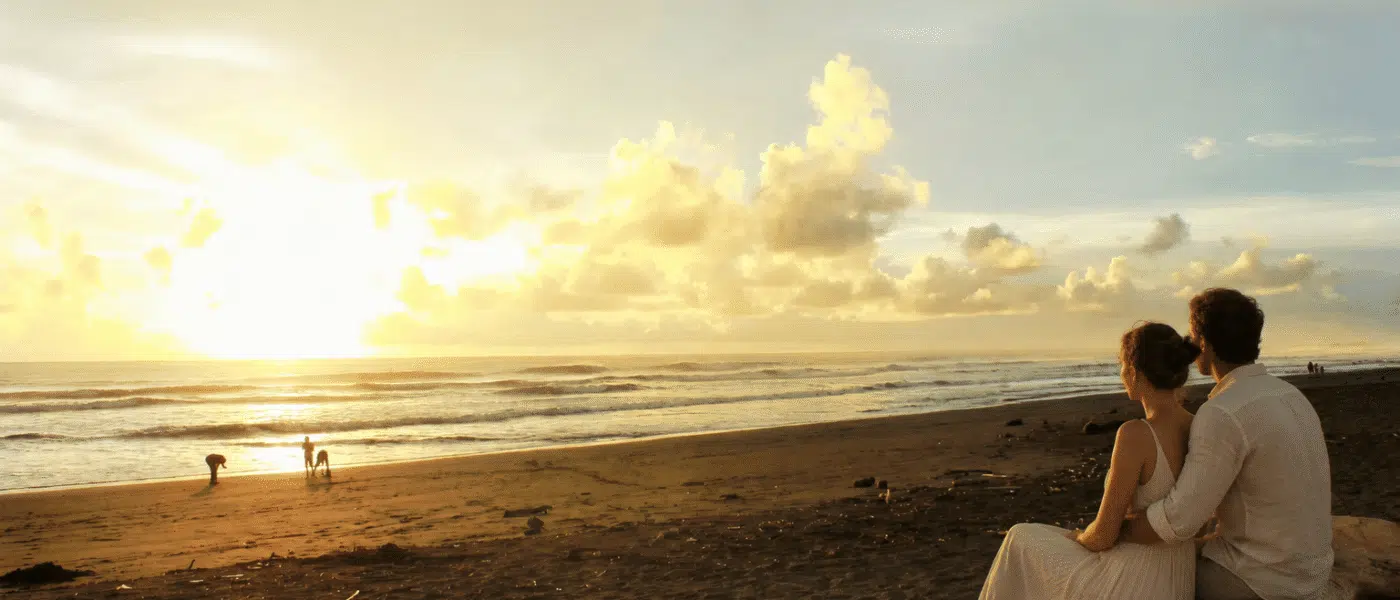
Watching from above the tide line with a biologist who has studied this coast for decades, there’s an unexpected calm, and without crowds you have time to understand why it matters so much.
Safety in Numbers
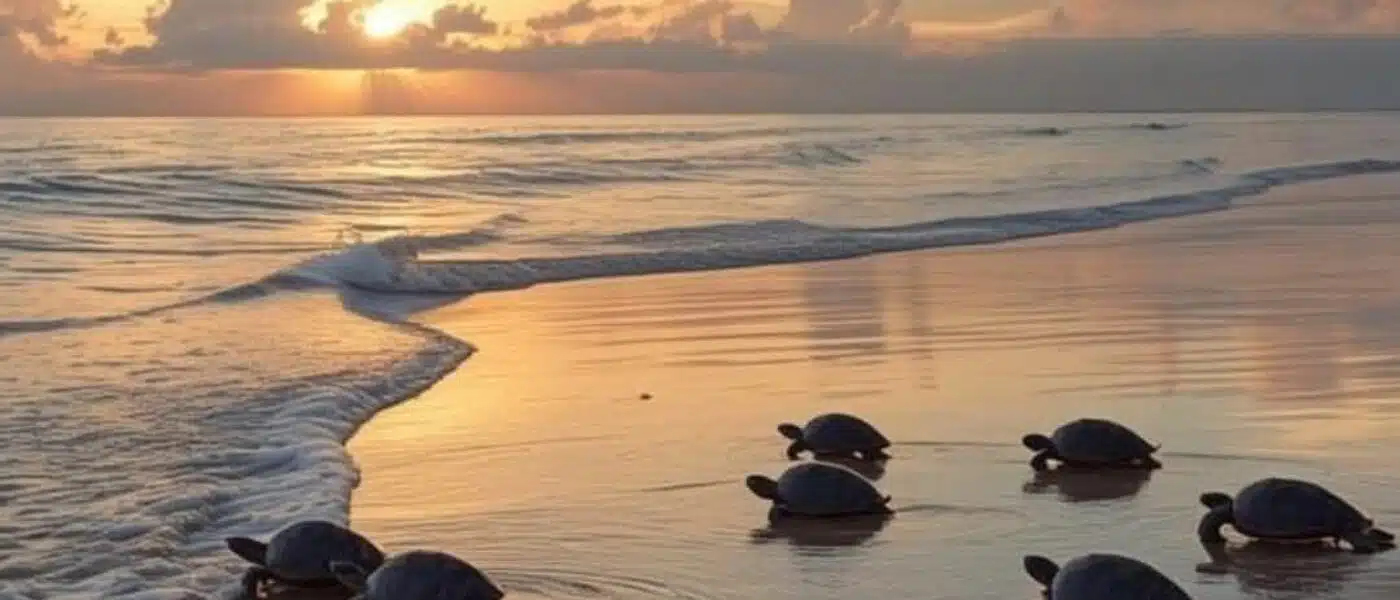
The olive ridley is the world’s most numerous sea turtle, but it still faces bycatch, coastal development and climate change across the Pacific. Several times a year, most spectacularly in September and October, vast numbers of females arrive within days, sometimes half a million in one event. It’s a strategy called predator satiation: vultures, coatis and ghost crabs feast, but can eat only a fraction of the eggs.
The black sand matters too. Nest temperature decides whether hatchlings are male or female, so scientists watch these nests closely for signs of a changing climate. Most arribadas start in the last quarter of the moon and peak on the darkest nights around the new moon, so reliably that research is planned around it.
Why You Need an Expert Beside You
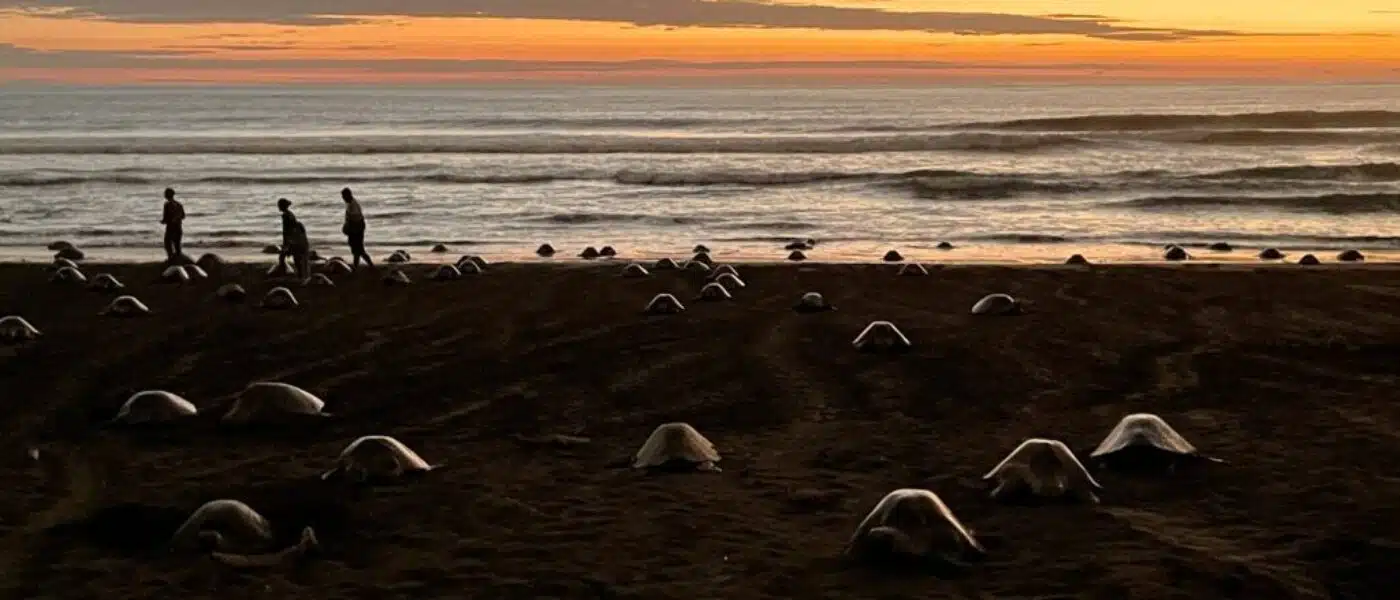
Access to the refuge is regulated, and rightly. On peak nights hundreds of turtles may be nesting within a few metres of each other, and it would be easy to block their path or crush nests just below the surface. With a long-time researcher, you learn to read the tracks, why red-filtered light is used, and why silence matters once a turtle enters her egg-laying trance.
When a late arrival digs up a nest laid earlier that night, your guide explains why this apparent destruction is part of a bigger pattern, and how it led to Ostional’s much-debated way of protecting its turtles.
See your complete itinerary before you decide.
Request a quote →A Harvest That Protects the Beach
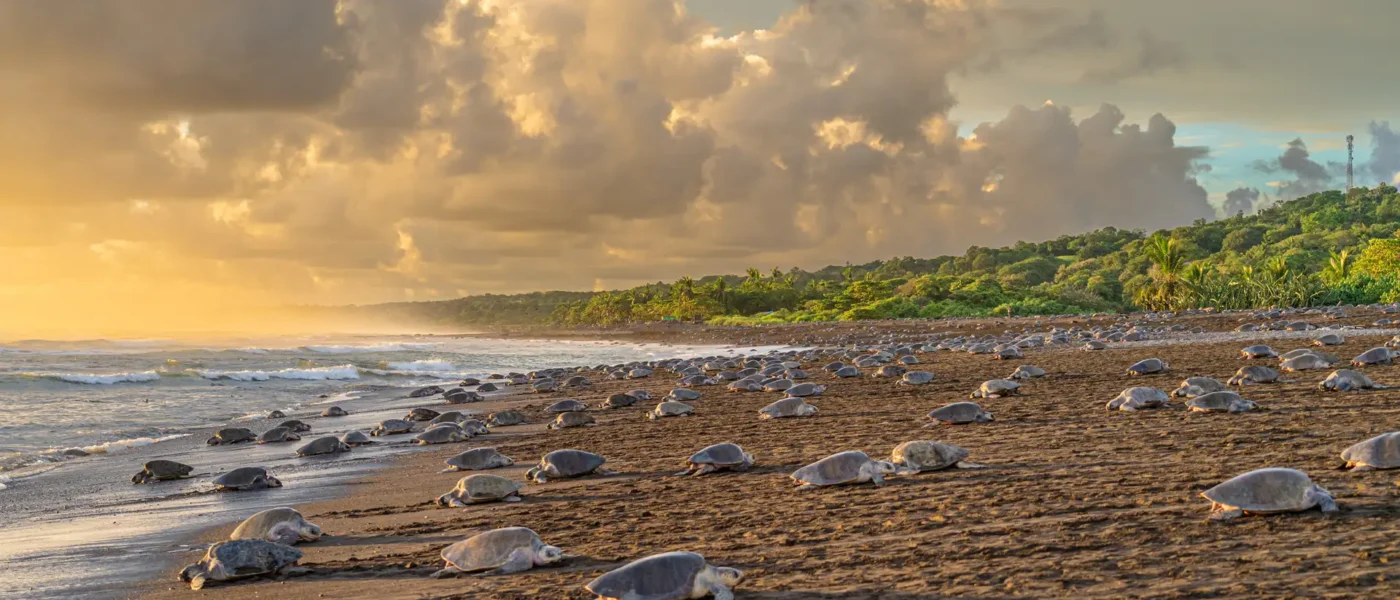
Unusually, Ostional allows a legal, government-approved egg harvest. Early nests are often dug up by later waves of turtles and, left exposed, those eggs would rot and draw even more predators. Letting the community collect a regulated share of these vulnerable eggs cuts waste and predator pressure, and gives the village a real reason to guard the beach against poachers. Residents patrol the shore and work with biologists, and the turtle population has held steady, in some cycles even grown: one of marine conservation’s rare success stories.
A Night on the Sand
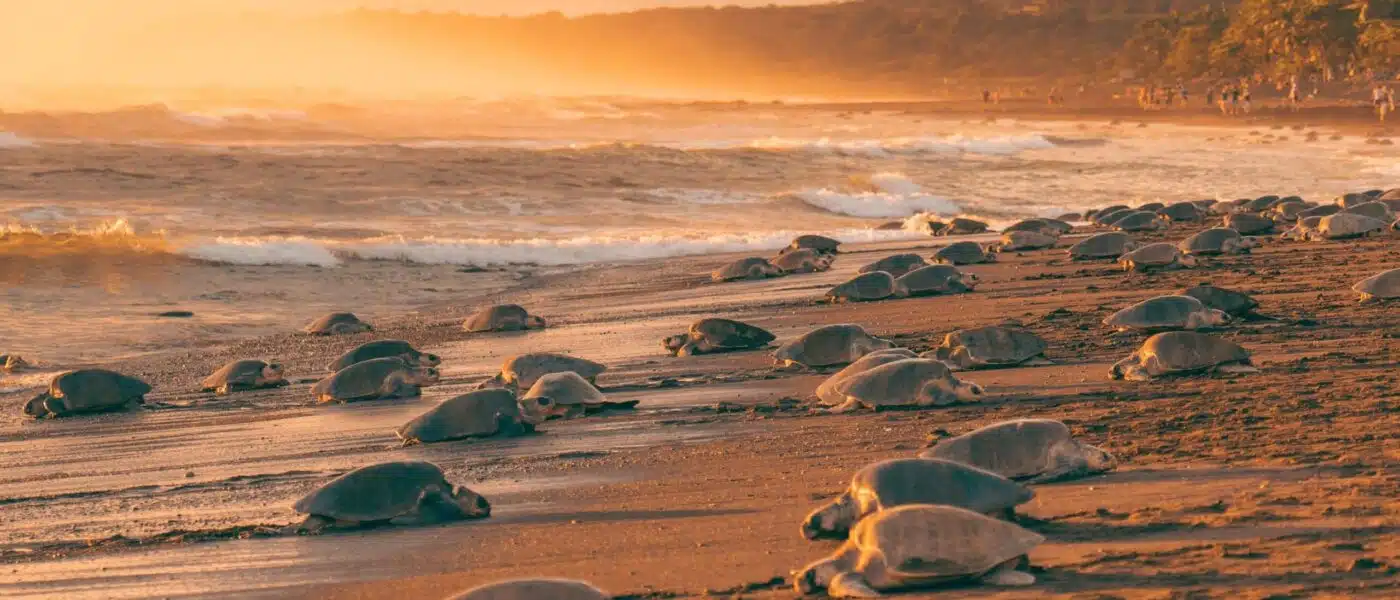
As the tide drops, tracks overlap across the beach. Some turtles dig steadily, scooping a flask-shaped chamber with their back flippers; others rest before the slow crawl back to sea. When a turtle lays, she goes almost still, eggs dropping in a soft rhythm. On a new-moon night there’s only starlight, warm sand, the beat of the surf and the scrape of flippers.
Your Out Of Office specialist times your visit to the moon and tides, with a briefing beforehand, transfers and permits arranged, and flexibility if the turtles are late. Costa Rica was the first country in Central America to legalise same-sex marriage, and our Costa Rica guide covers LGBTQ+ rights and practical advice.


We know where you will be welcome, and where to take more care.
It shapes the hotels we use, the guides we work with and the routes we suggest.
More Moments in Costa Rica
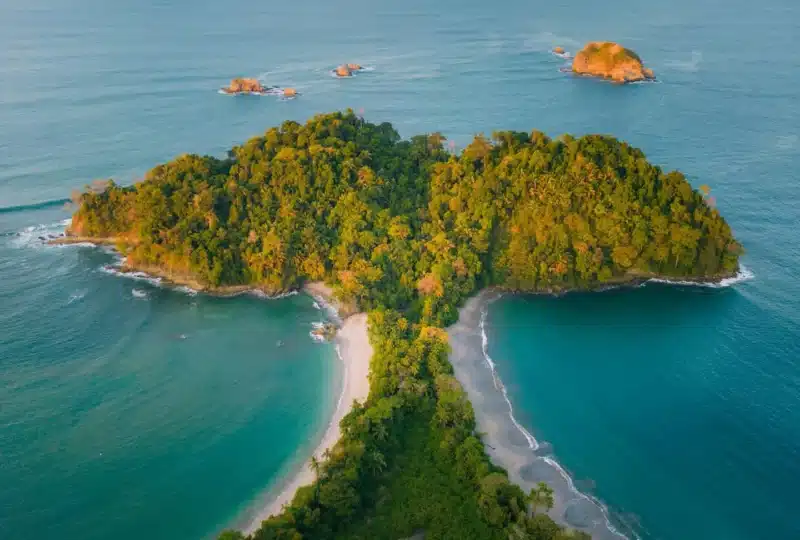
Manuel Antonio: Costa Rica’s Gay Coast
Where the Rainforest Meets the Pacific Manuel Antonio sits on Costa Rica's central Pacific coast, just south of the town of Quepos. Rainforest runs right down to white-sand beaches, and monkeys and sloths live in the trees above the hotels. It has also long been one of the most popular places in Central America for gay travellers, with a relaxed, welcoming atmosphere along the road between Quepos and the park.
Discover more
Costa Rica: Marrying on the Pacific Coast
A First for Central America On May 26, 2020, same-sex marriage became legal in Costa Rica when a ruling by the country's Supreme Court took effect. Costa Rica was the first country in Central America to recognise it. The first couple, Alexandra Quirós and Dunia Araya, married just after midnight in a ceremony streamed live online. Since then, couples from around the world have come to marry here.
Discover more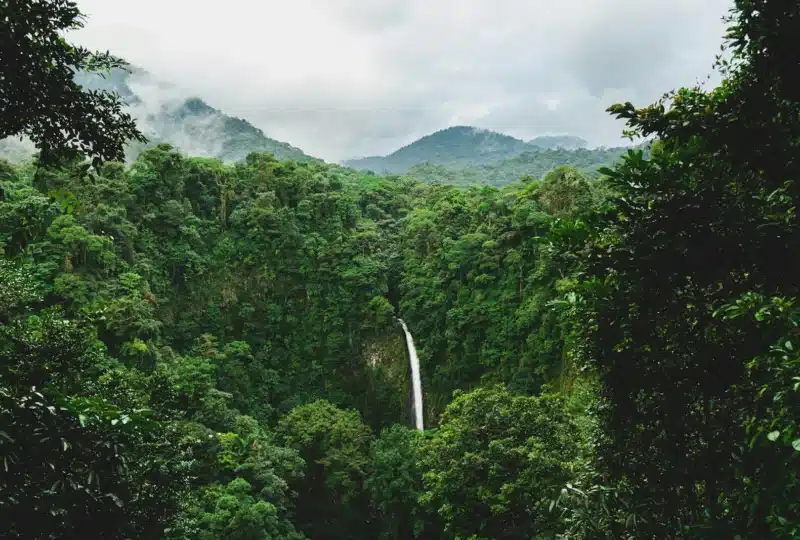
Ziplining the Costa Rican Canopy, Privately
Born From Science Ziplining started as research, not recreation. In 1974 biologist Donald Perry came to a rainforest research station in Costa Rica to study the upper canopy, then thought almost unreachable and called "the last biological frontier." He fired lines over the tallest trees with a crossbow and rigged ropes and steel pulleys so scientists could glide quietly above the forest floor.
Discover more
We plant trees for every booking
For every booking made with Out Of Office we commit to planting trees in your name to help reduce the impact of travel on future generations. You'll even get a link to see where your trees are planted in the world via our partner Ecologi.


We donate to Rainbow Railroad with every booking
Rainbow Railroad helps LGBTQ+ people escape state-sponsored violence and persecution. A donation goes with every trip we sell, funded by us and never added to your price.


Start Planning Your Trip
Tell us where you would love to go, when you are thinking of travelling and what kind of trip you have in mind. One of our LGBTQ+ travel specialists will create a tailor-made itinerary designed around your destination, style and preferences.
One named specialist, first enquiry to homecoming. No call centre, and nothing is charged until you decide to book.