





Moment · United Kingdom
Titanic Belfast: The Ship’s Story on the Slipways Where She Was Built
Stand where the Titanic was laid down and follow her from Belfast's shipyards to the ocean floor, then board the last White Star Line ship.
On the Ground Where It Happened
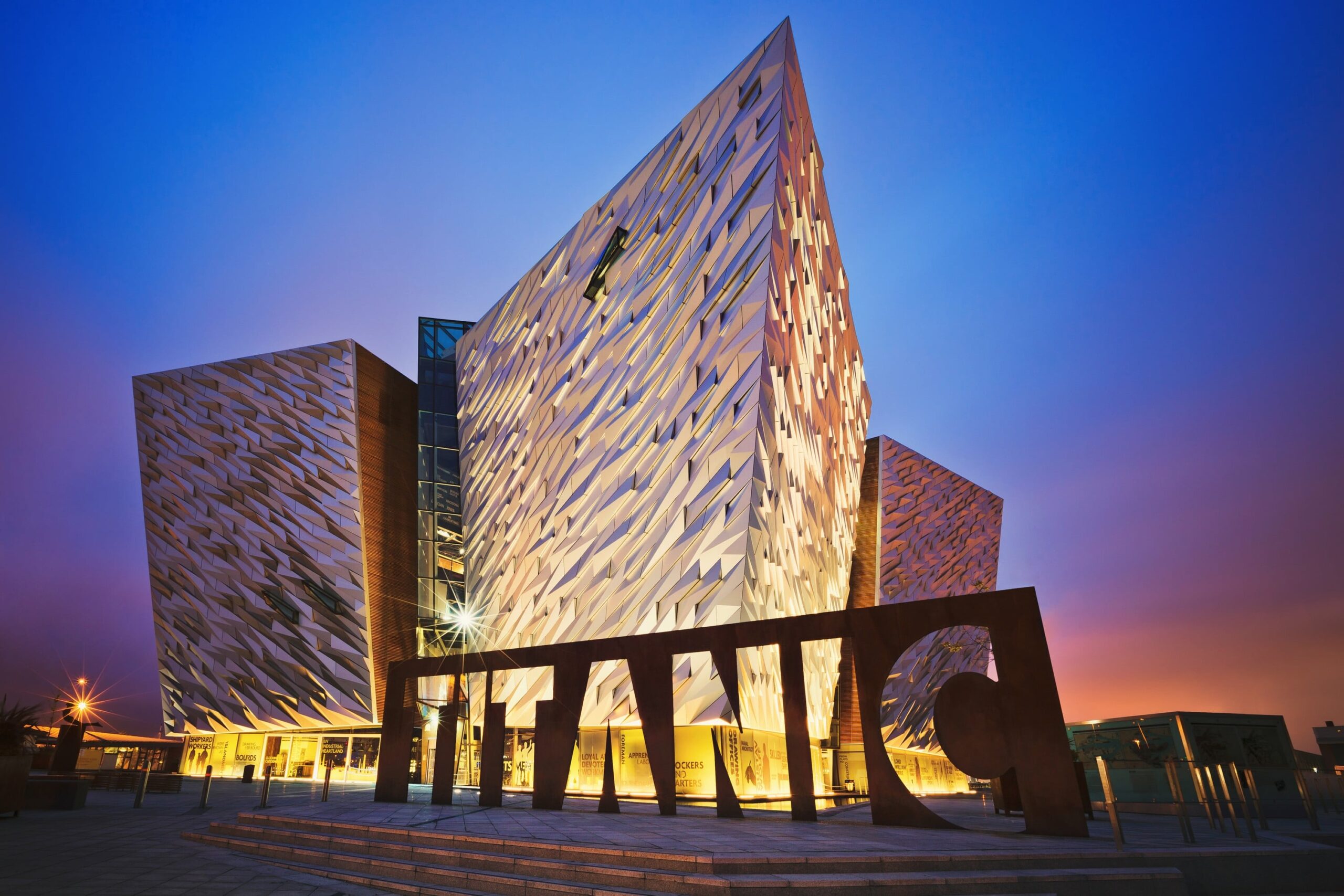
Titanic Belfast is built on the old Harland and Wolff slipways, the exact spot where work began on the Titanic and her twin, Olympic, in 1909, using steel shaped just a short walk from the museum door. Above the Titanic Quarter, the shipyard’s two great yellow cranes, Samson and Goliath, still dominate the view from the museum’s top floors, just as they have for generations.
Inside, the atrium rises the full height of the building, with nine galleries set around a central void that conveys the scale. The visit is self-guided and takes about two hours, moving in order from Belfast in the early 1900s through the ship’s construction, launch, voyage and sinking to the aftermath and everything that followed, all told from the spot where it began.
The Largest Moving Object Ever Built
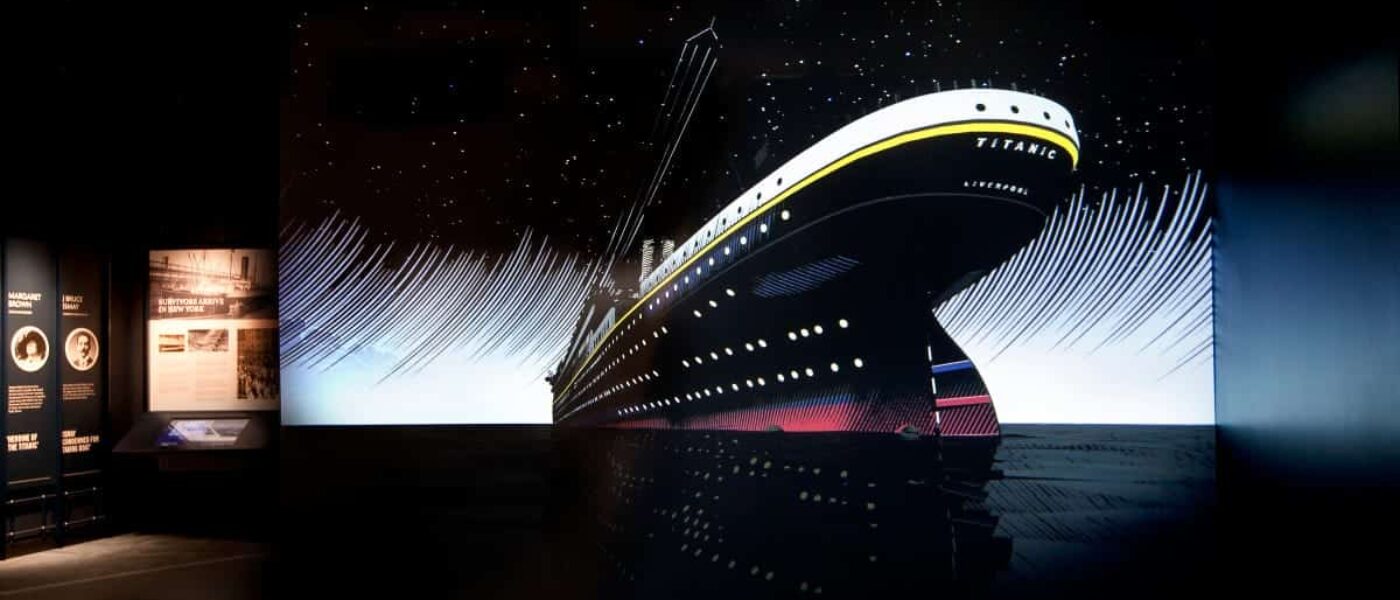
In the early 1900s Belfast was an industrial powerhouse, and on Queen’s Island the Harland and Wolff yard gave work to many thousands, turning out some of the largest vessels afloat. The Titanic was its most ambitious, begun in March 1909 next to Olympic on side-by-side slipways in a yard extended especially to build them.
About Out Of Office
Out Of Office is a luxury tailor-made travel company with a focus on delivering exclusivity and inclusivity. Our passion for global adventure is matched only by our deep commitment to delivering exceptional five-star service.
Everything we do is customised and designed especially for you – our valued customer – based on your exact personal requirements. Each member of our team is widely travelled. This means you get access to first-rate travel insights and the best possible advice from our team of luxury travel experts.
| Enquire Now |
At 269 meters long, 53 meters from keel to the top of her funnels and 46,000 tonnes, she was the biggest thing ever to move when she went down the slipway in May 1911, and more than three thousand men had built her. She was designed for luxury as much as speed, and first class had its own pool, squash court, gymnasium and Turkish bath, plus a dining saloon for 550.
She sailed from Belfast to Southampton on April 2, 1912, and left for New York on April 10. Four nights later, at around 11:40 pm, she struck ice in the North Atlantic, and by roughly 2:20 the next morning she was gone. Of 2,208 people aboard, 1,496 died. Her lifeboats could carry 1,178; she was certified for 3,547 passengers and crew.
No two trips we plan are the same. Yours will be no exception.
Request a quote →How to Get the Most from Your Visit
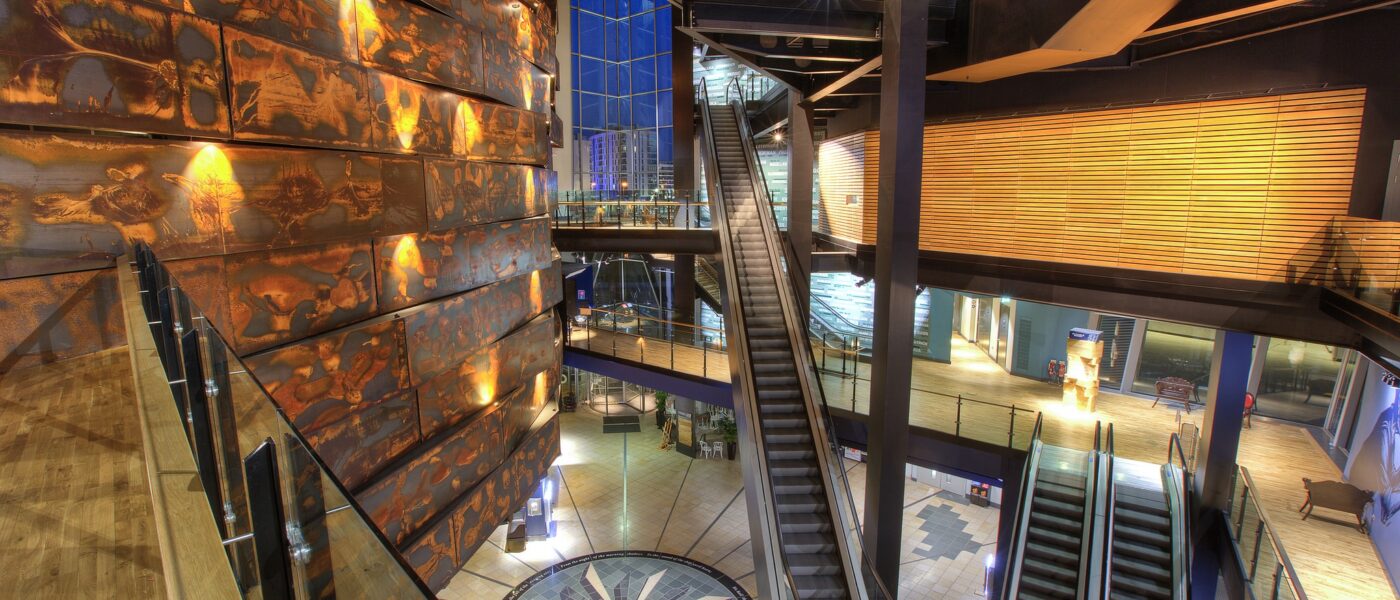
With more than 800,000 visitors a year, it’s among the busiest attractions anywhere on the island of Ireland or in the UK. From mid-morning to mid-afternoon, crowds build in the busiest galleries, especially the Shipyard Ride and the fourth-floor sinking gallery. Come at opening time or late afternoon and it’s calmer, the interactive displays are easier to use and the story is easier to follow. The Shipyard Ride, a darkened journey through a life-size re-creation of the shipyard, with moving cars, real sounds and period scenery, suffers most at peak times; when it’s quiet you can take in each stage rather than being carried through on a cycle. An early start makes it an easy day out for a couple or friends.
Don’t miss SS Nomadic, moored outside and too often ignored. She’s the last White Star Line vessel left anywhere, the tender that carried first- and second-class passengers out to the Titanic at Cherbourg on April 10, 1912, and a self-guided look around her decks takes about 40 minutes.
Nine Galleries, from Shipyard to Seabed
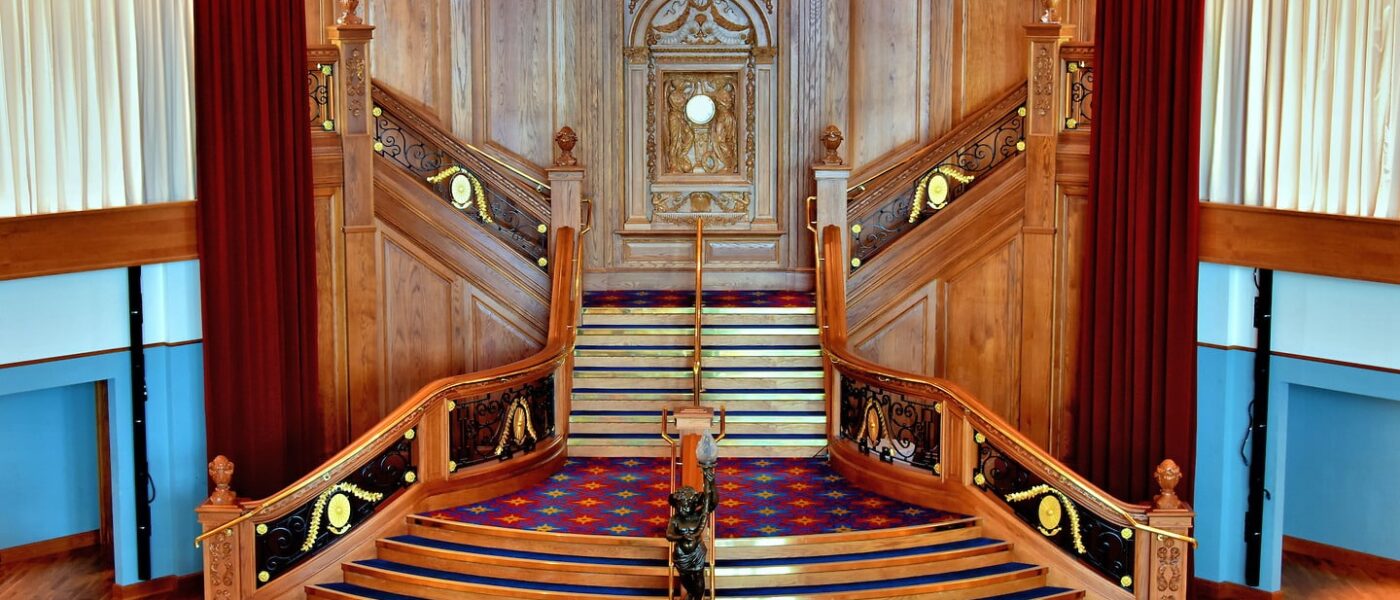
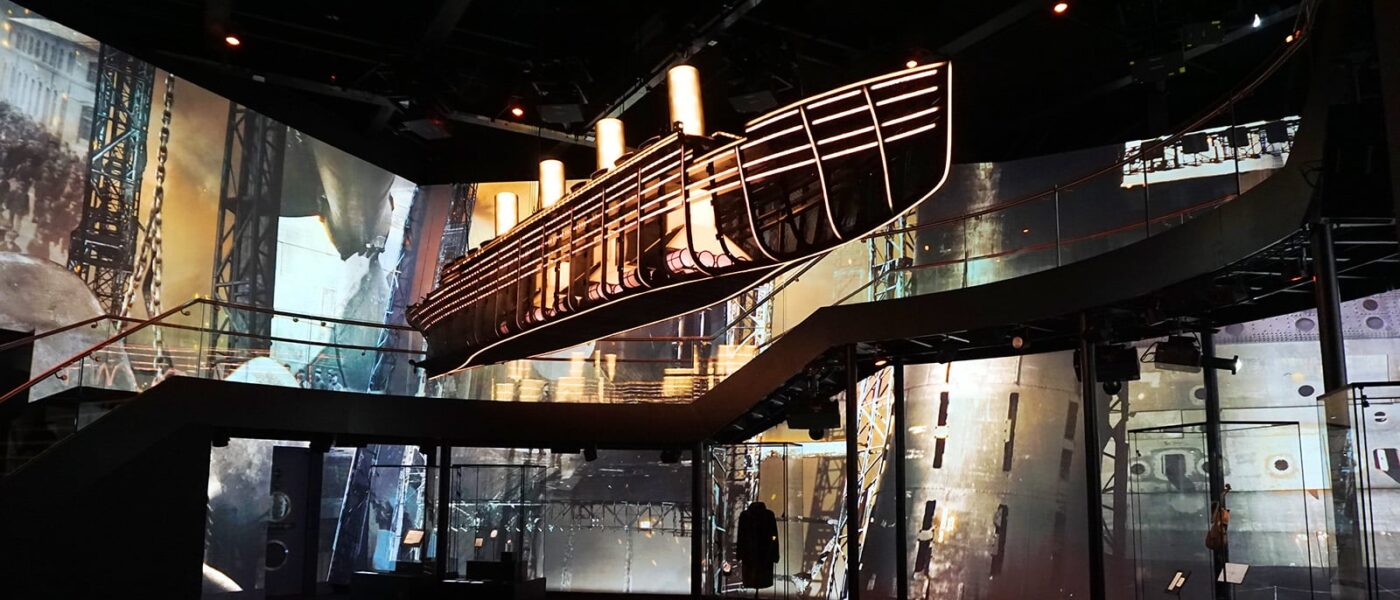
The galleries unfold in order, beginning with the city itself and then the building of the ship, told through models, period photographs and the original plans. The Shipyard Ride sets off from here, with period sounds, smells and lighting. Fitting-out rooms take you from the engine spaces to the finest cabins, each rebuilt at full size, and the gap in comfort between steerage and the best suites speaks volumes.
In the darkened collision gallery, the night of April 14 plays out in real time: the lookout’s warning, the impact, the checks on the damage, the launch of the boats and the 160 minutes before she disappeared.
Next come the rescue and the official enquiries on both sides of the Atlantic, whose conclusions pleased almost nobody. The final room follows Robert Ballard’s 1985 find of the wreck, with film from the seabed and objects brought up from it, among them a rare surviving life jacket and a pocket watch whose hands stopped at 1:37 am.
Your Out Of Office LGBTQ+ travel specialist can pair the day with a luxury hotel in Belfast and plan the rest of your time in the United Kingdom.


One named specialist, from the first conversation to the flight home.
You will deal with one named member of our team throughout your interactions with us, and nothing is charged until you decide to book.
More Moments in United Kingdom
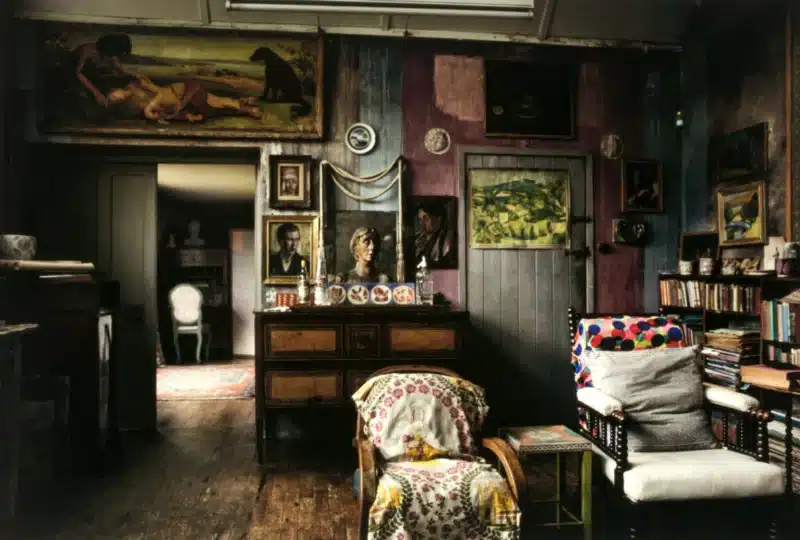
Charleston: A Private Journey into Gay Bloomsbury
Charleston sits beneath the South Downs, surrounded by the Sussex countryside. From the outside, it has the charm of an English country home. Inside, almost nothing is conventional. Artists Vanessa Bell and Duncan Grant moved here in 1916, and Charleston soon became a gathering place for the Bloomsbury Group. Virginia Woolf, John Maynard Keynes, Lytton Strachey and other leading writers, artists and intellectuals of the period were part of its orbit.
Discover more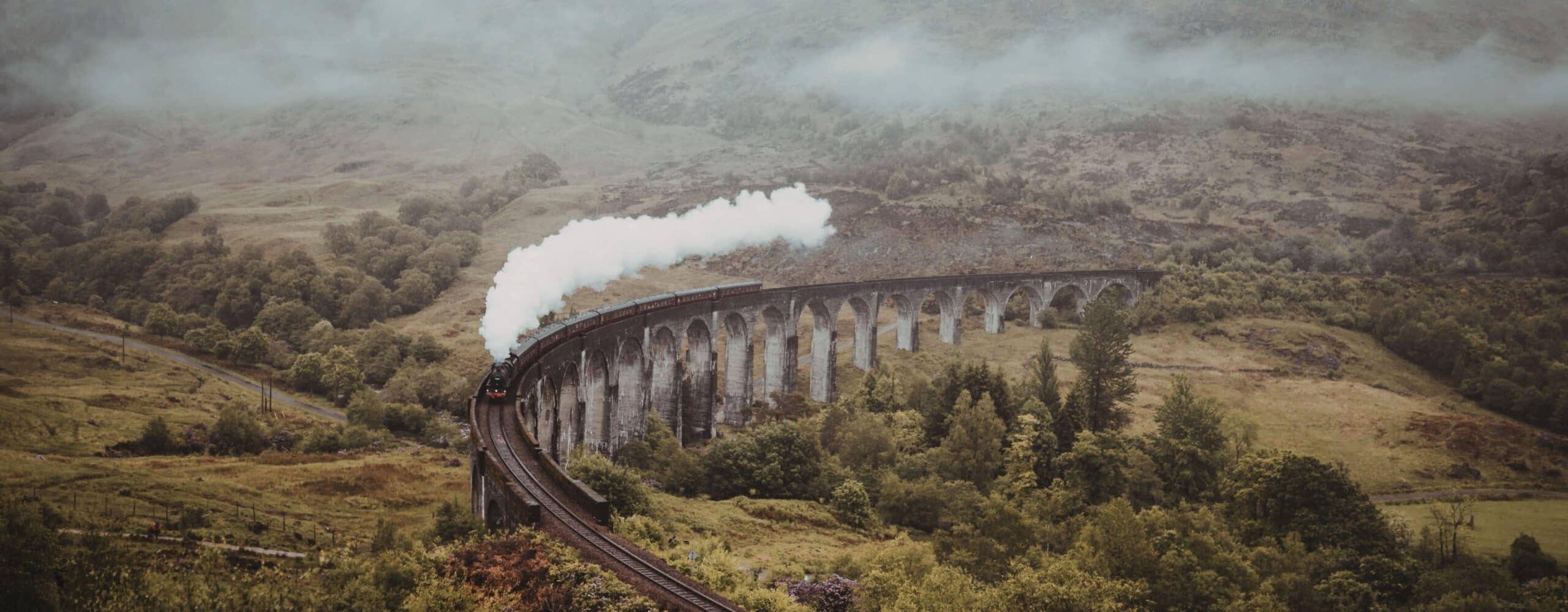
The Jacobite Steam Train over Glenfinnan, in a Private Carriage
A Line Carved Through the Highlands The Jacobite runs along part of the West Highland Line, finished around 1900 to link the remote fishing harbor of Mallaig with the rest of Scotland's railways, a daring piece of engineering through some of the country's toughest terrain.
Discover more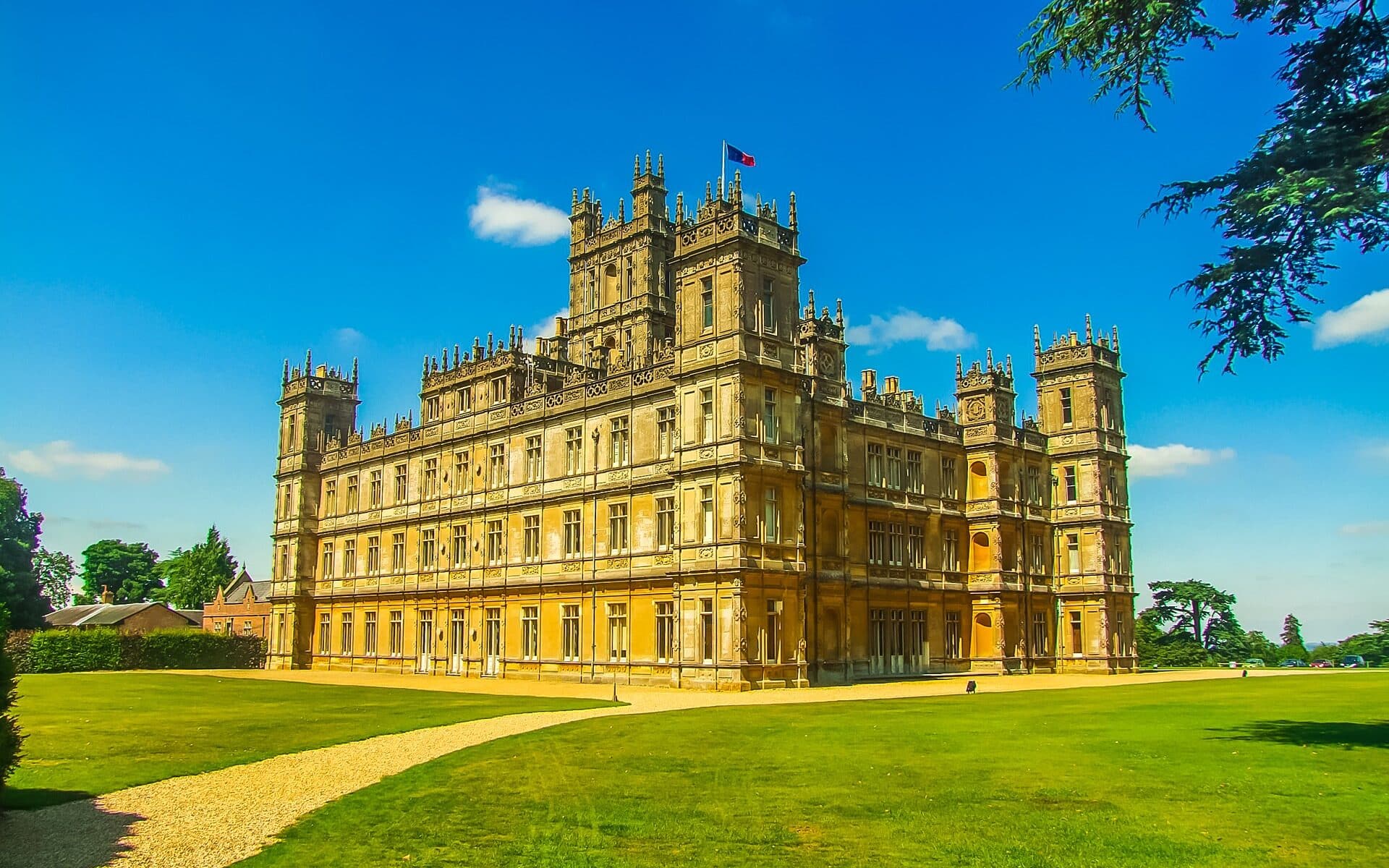
Highclere Castle and the Real World of Downton Abbey
A Family Home Since 1679 The Carnarvon family has called Highclere home since 1679, a house of Gothic and Italianate flourishes in rolling Hampshire parkland where family life has carried on almost without a break for over three centuries. From 2010, millions more came to know it as Downton Abbey, and the role introduced the estate to fans across the globe.
Discover more
We plant trees for every booking
For every booking made with Out Of Office we commit to planting trees in your name to help reduce the impact of travel on future generations. You'll even get a link to see where your trees are planted in the world via our partner Ecologi.


We donate to Rainbow Railroad with every booking
Rainbow Railroad helps LGBTQ+ people escape state-sponsored violence and persecution. A donation goes with every trip we sell, funded by us and never added to your price.

Start Planning Your Trip
Tell us where you would love to go, when you are thinking of travelling and what kind of trip you have in mind. One of our LGBTQ+ travel specialists will create a tailor-made itinerary designed around your destination, style and preferences.
One named specialist, first enquiry to homecoming. No call centre, and nothing is charged until you decide to book.