






Moment · London
Princes in the Tower: Solve a Royal Mystery in London
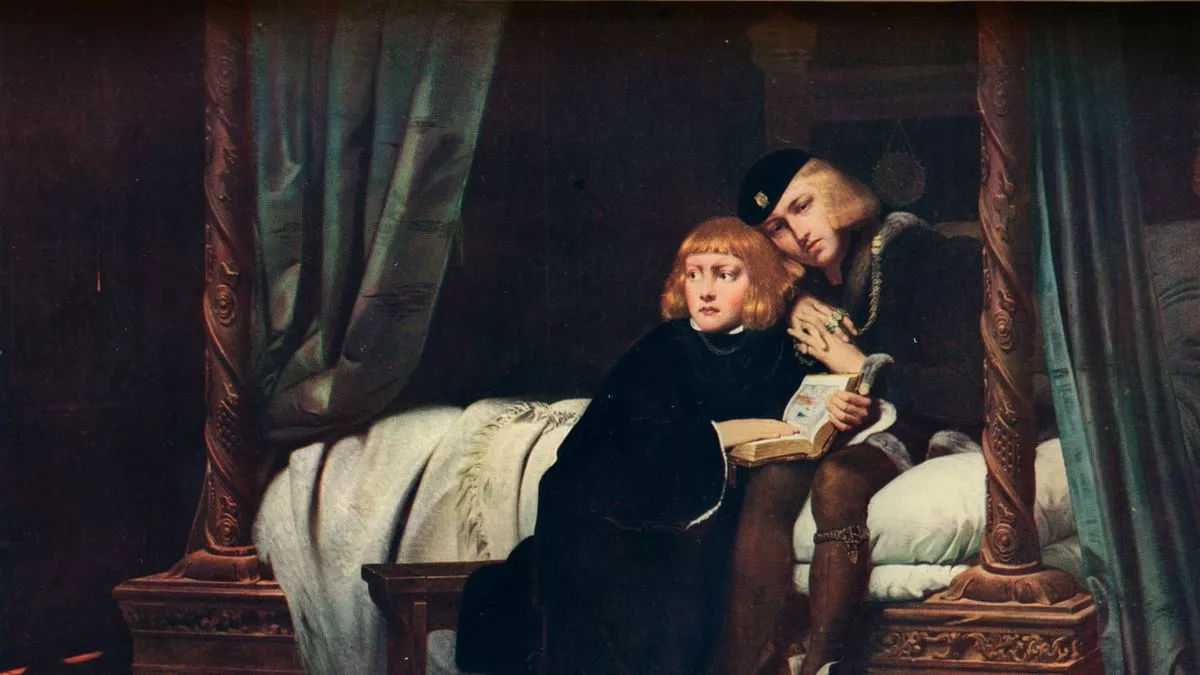
The disappearance of the Princes in the Tower remains one of English history’s most compelling unsolved mysteries, a 500-year-old cold case that continues captivating historians, mystery lovers, and visitors to London. The story of twelve-year-old King Edward V and his nine-year-old brother Richard, Duke of York, who vanished from the Tower of London in 1483, offers modern travellers a fascinating journey through medieval intrigue, political manipulation, and enduring questions that no amount of historical research has definitively answered.
The Mystery Unfolds: What Actually Happened
In April 1483, young Edward V inherited the throne after his father Edward IV’s sudden death, with his uncle Richard, Duke of Gloucester, appointed as Lord Protector. The two princes were housed in the Tower of London, then a royal residence rather than the fortress prison it later became. Initially, the boys were seen playing in the Tower gardens and appearing at windows, but by late summer 1483, sightings ceased entirely.
Richard of Gloucester claimed the princes were illegitimate due to their father’s secret marriage, declared himself King Richard III, and the boys simply disappeared from history. No bodies were ever found, no official explanation given, and no credible witness ever came forward. The mystery deepened when, in 1674, workmen discovered two small skeletons buried beneath a staircase in the White Tower, though modern forensic analysis remains inconclusive about their identity or cause of death.
Exploring the Crime Scene: The Tower of London
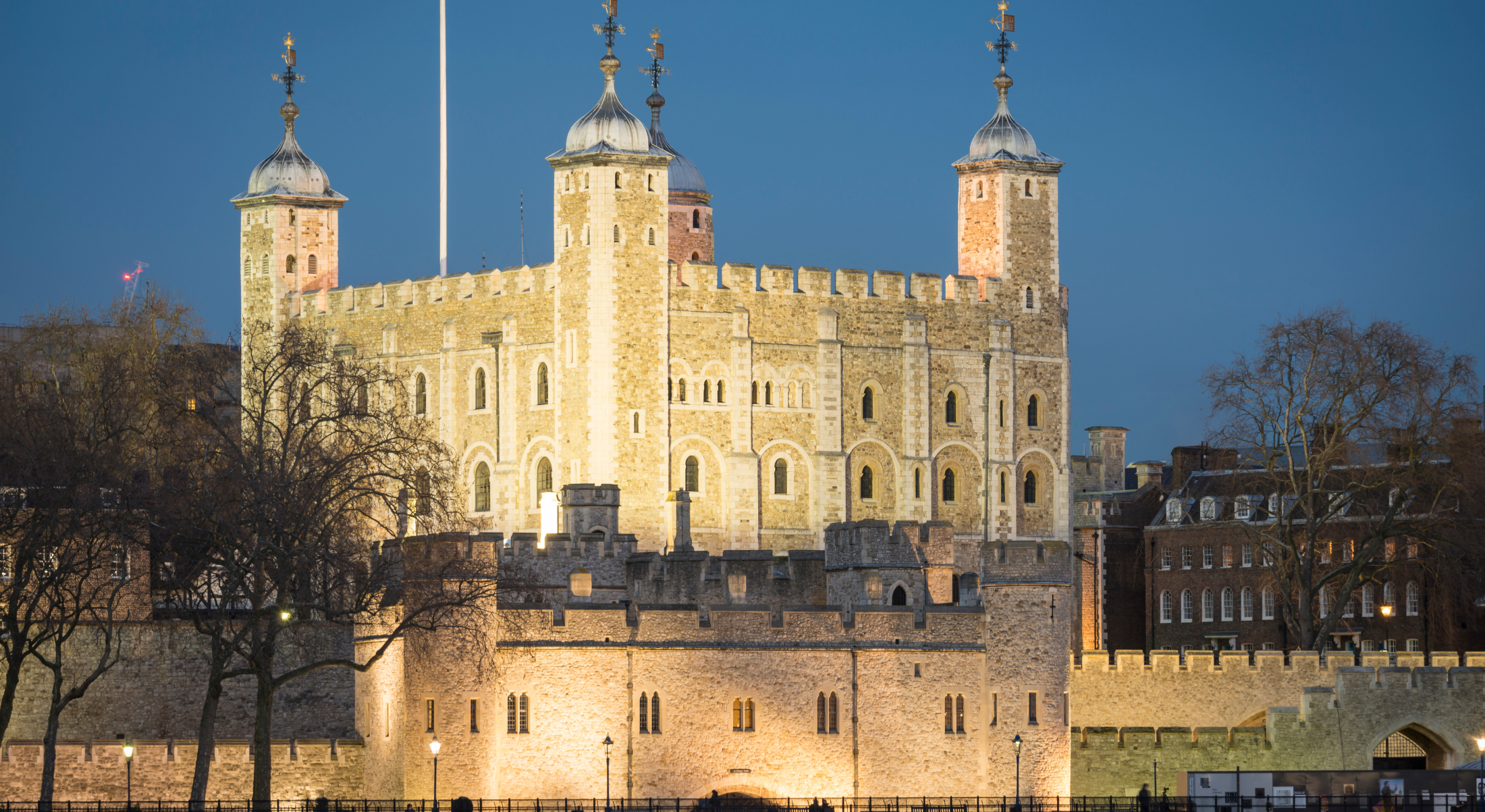
The Tower of London provides the perfect starting point for any investigation into the princes’ fate. Begin your detective work in the Bloody Tower, where the boys were allegedly housed during their final months. This medieval fortress, with its thick stone walls and narrow windows, helps visitors understand the isolation these young royals experienced while political machinations swirled around them.
The Wakefield Tower houses an exhibition dedicated to the princes’ story, featuring contemporary accounts, artistic depictions, and the ongoing historical debate about their disappearance. Interactive displays allow you to examine evidence and draw your own conclusions about this enduring mystery.
Don’t miss the White Tower, where those mysterious skeletal remains were discovered. The exact location remains marked, though the bones themselves now rest in Westminster Abbey after centuries of speculation about their identity. The Tower’s Yeoman Warder tours provide expert insights into the medieval politics and daily life that shaped the princes’ final days.
Following the Historical Trail: Key London Locations
Westminster Abbey holds crucial pieces of the puzzle, housing not only the controversial remains found in the Tower but also the magnificent tomb of Henry VII, who defeated Richard III at the Battle of Bosworth Field. The Abbey’s Lady Chapel contains the tombs of many Tudor monarchs who rose to power after the princes’ disappearance, creating a tangible connection to how this mystery shaped English royal succession.
The National Portrait Gallery showcases contemporary depictions of the key players in this historical drama. Portraits of Richard III, Henry VII, and the princes themselves provide faces to match the names, while artistic interpretations from later centuries reveal how each generation reimagined this mysterious tale.
Visit the Museum of London to explore the broader context of late medieval London, understanding the political climate and social conditions that made such disappearances possible. The museum’s medieval galleries provide insight into how rumours, propaganda, and political necessity shaped public perception during this turbulent period.
We know where you will be welcome, and where to take more care.
Request a quote →The Suspects: Examining Motives and Opportunities
Richard III remains the prime suspect in most historical accounts, with clear motives for eliminating potential rivals to his throne. His rapid ascension to power, combined with his declaration that the princes were illegitimate, suggests a carefully orchestrated political coup. However, supporters argue that Richard had already secured his position legally and had no need for murder.
Henry Tudor (later Henry VII) presents another compelling suspect, as the princes’ survival would have threatened his own claim to the throne after defeating Richard III. Some historians suggest Henry eliminated the princes after gaining power, then conveniently blamed his predecessor for their disappearance.
Margaret Beaufort, Henry Tudor’s ambitious mother, possessed both motive and opportunity to orchestrate the princes’ disappearance. Her political maneuvering and connections within the Tower’s administration could have provided access to the princes while deflecting suspicion onto Richard III.
Even more intriguing theories suggest the Duke of Buckingham, Richard III’s former ally turned rebel, or various European powers with interests in English succession may have played roles in this mysterious disappearance.
Creating Your Own Investigation
Approach this historical mystery like a detective, examining evidence, weighing testimonies, and considering alternative theories. London’s museums and historic sites provide all the clues needed for forming your own conclusions about what happened to the Princes in the Tower.
Join specialised walking tours that focus specifically on the princes’ story, led by historians who can provide expert context and answer questions about the latest research and theories.
The investigation continues, and every visitor to London can join the ranks of amateur detectives trying to solve a mystery that has puzzled experts for over 500 years.
Tell us where your mind keeps going back to. We will do the rest.
A line or two is enough to start. A specialist will pick it up from there.
More Moments in London
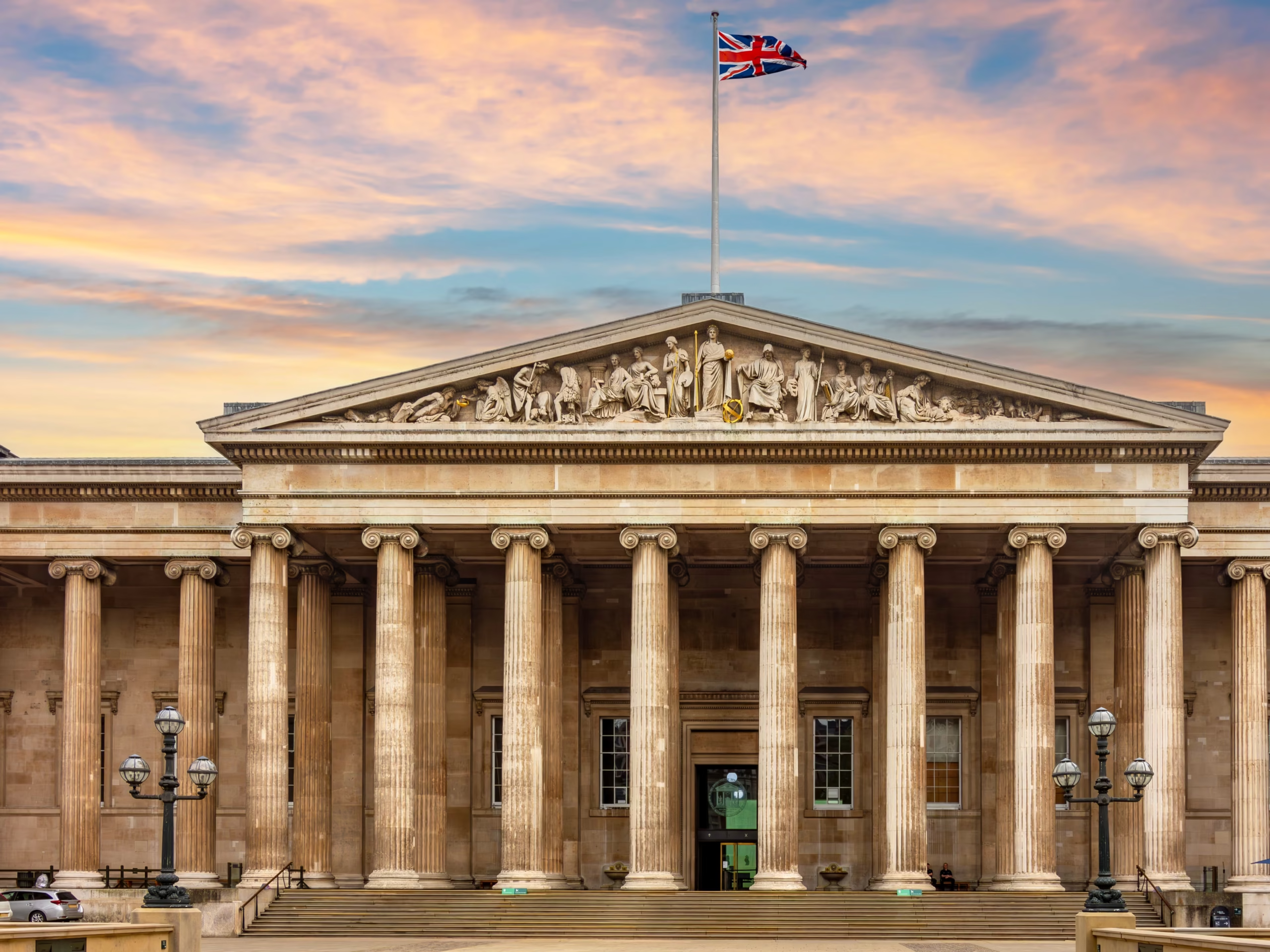
The British Museum in Private, Before the Doors Open
London's Great Museum, Briefly Yours Soon after dawn, hours before the lines begin, the Great Court sits silent under its glass roof. Nobody drifts through the Enlightenment Gallery, and no one is waiting in front of the Rosetta Stone. This isn't a shortened version of the public visit; it's another visit entirely, timed to the single hour when a museum that draws millions is held by only the handful of people already inside.
Discover more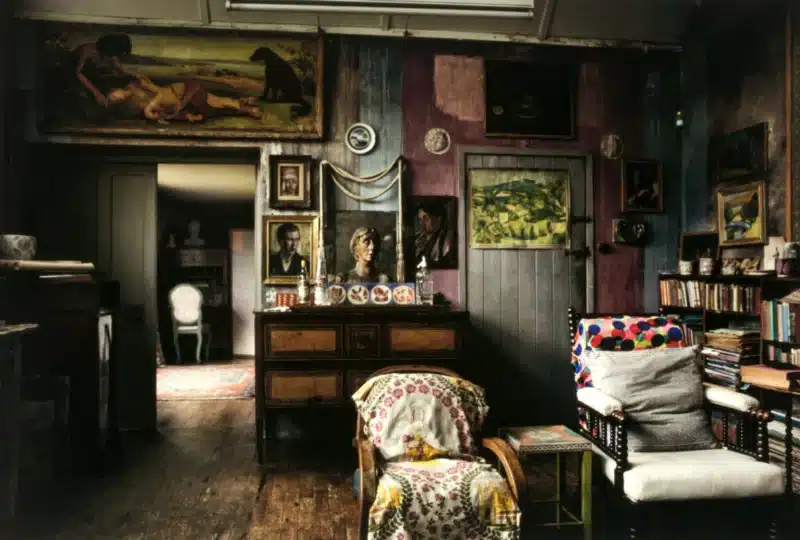
Charleston: A Private Journey into Gay Bloomsbury
Charleston sits beneath the South Downs, surrounded by the Sussex countryside. From the outside, it has the charm of an English country home. Inside, almost nothing is conventional. Artists Vanessa Bell and Duncan Grant moved here in 1916, and Charleston soon became a gathering place for the Bloomsbury Group. Virginia Woolf, John Maynard Keynes, Lytton Strachey and other leading writers, artists and intellectuals of the period were part of its orbit.
Discover more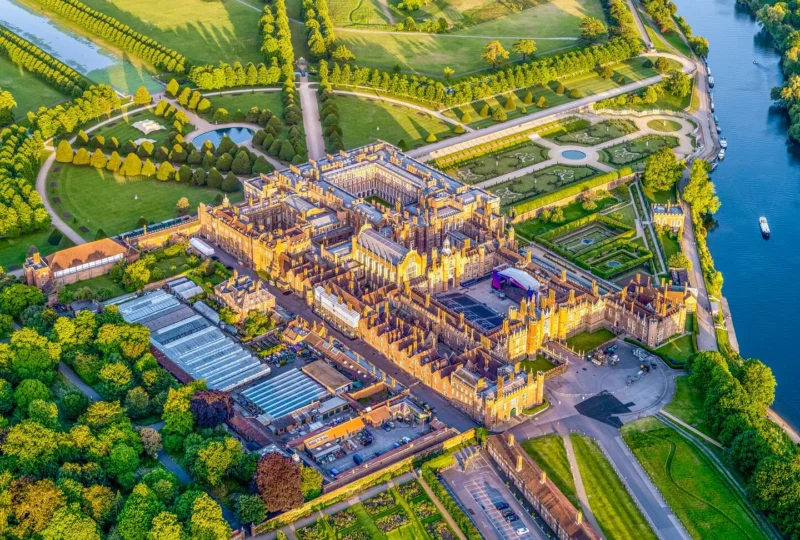
Hampton Court Palace Before Opening, with a Private Guide
Two Palaces in One Hampton Court stands on the Thames's south bank in Surrey. Built for Cardinal Wolsey, it was taken over by Henry VIII in 1529, who spent years enlarging it into the grandest of all his residences. Some 150 years on, William III brought in Christopher Wren to remodel the eastern range in the Baroque manner, so a newer royal house now stands shoulder to shoulder with the Tudor one.
Discover more
We plant trees for every booking
For every booking made with Out Of Office we commit to planting trees in your name to help reduce the impact of travel on future generations. You'll even get a link to see where your trees are planted in the world via our partner Ecologi.


We donate to Rainbow Railroad with every booking
Rainbow Railroad helps LGBTQ+ people escape state-sponsored violence and persecution. A donation goes with every trip we sell, funded by us and never added to your price.


Start Planning Your Trip
Tell us where you would love to go, when you are thinking of travelling and what kind of trip you have in mind. One of our LGBTQ+ travel specialists will create a tailor-made itinerary designed around your destination, style and preferences.
One named specialist, first enquiry to homecoming. No call centre, and nothing is charged until you decide to book.