







Moment · Japan
A Private Kintsugi Lesson in Kanazawa, Japan
Mend a broken bowl with urushi lacquer and gold in the city of gold leaf, guided one to one by a traditional artisan.
Honouring the Break
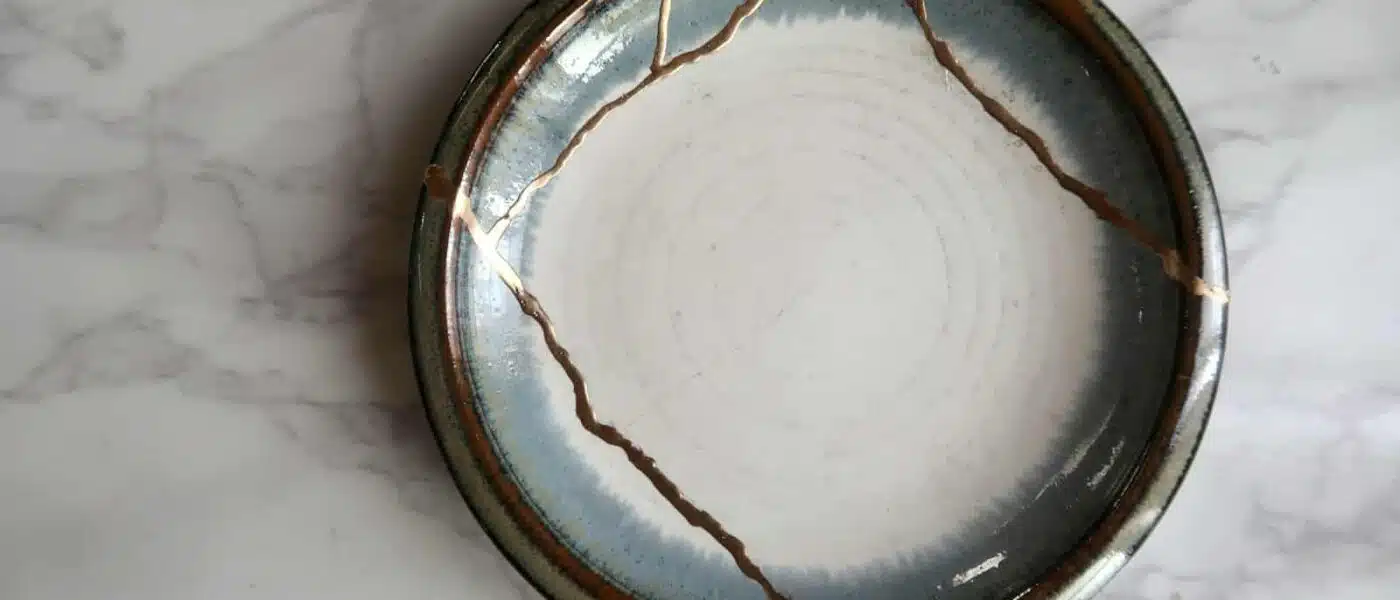
Kintsugi took shape in the Muromachi period, when broken ceramics began to be mended not to hide the damage but to honour it as part of the object’s story. The best-known tale involves Ashikaga Yoshimasa, a fifteenth-century shogun who sent a treasured tea bowl to China for repair; it came back held together with metal staples, the usual method then but clumsy to look at. Dissatisfied, he asked Japanese craftsmen for something more refined.
They joined the pieces with natural urushi lacquer and finished the seams with gold powder. The mended bowl became more valuable than before, for its beauty and for the idea behind it, that breakage can be embraced rather than concealed, a thought in tune with the tea ceremony’s love of simplicity, imperfection and endurance. Kanazawa’s place in the story comes from its long tradition of gold-leaf making, which made it central to kintsugi’s materials and an ideal place to learn from artisans who keep the original techniques alive.
Why One to One
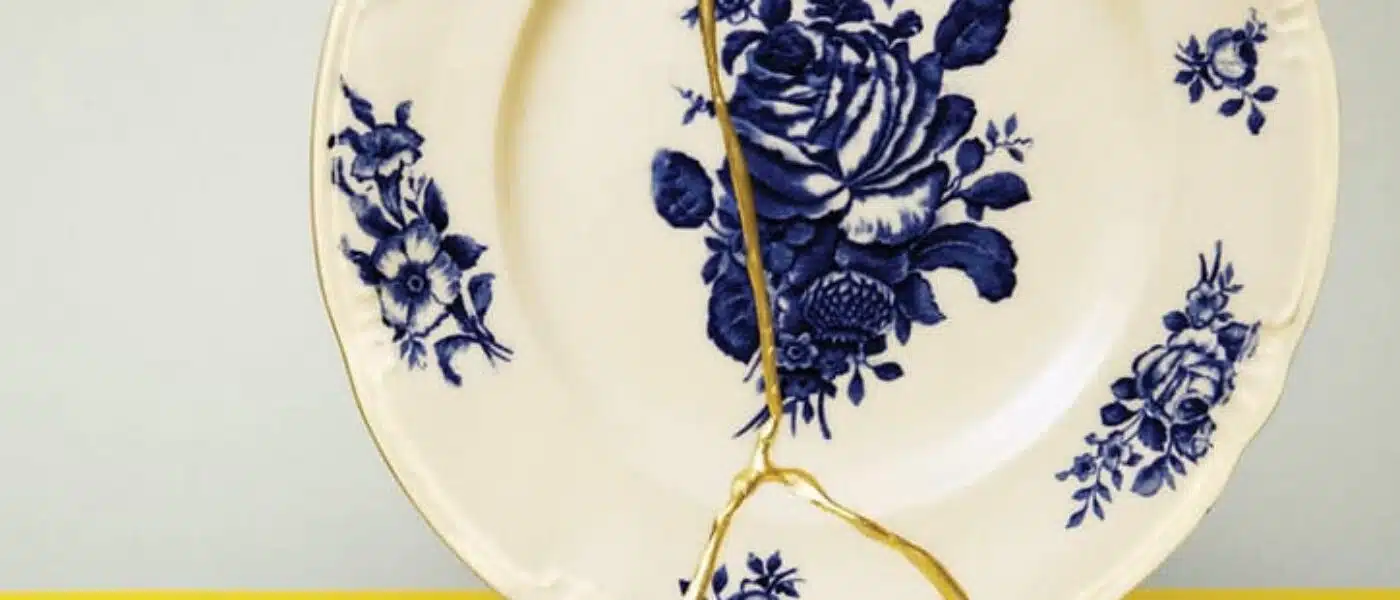
Kintsugi demands focus and guidance, and in a group the pace can feel hurried or split between people. In a private lesson, your teacher matches every step to your speed and comfort with the materials, explaining the urushi, the traditional adhesive mix and how the gold is applied, answering questions as they come and adjusting the order of steps to how quickly you pick things up. You don’t share tools or table space, and it feels less like a demonstration than a short apprenticeship, a quiet, absorbing couple of hours for a couple or a solo traveller.
You come away understanding how artisans think about repair and composition, and the balance between precision and acceptance of imperfection.
See your complete itinerary before you decide.
Request a quote →Lacquer, Gold and Patience
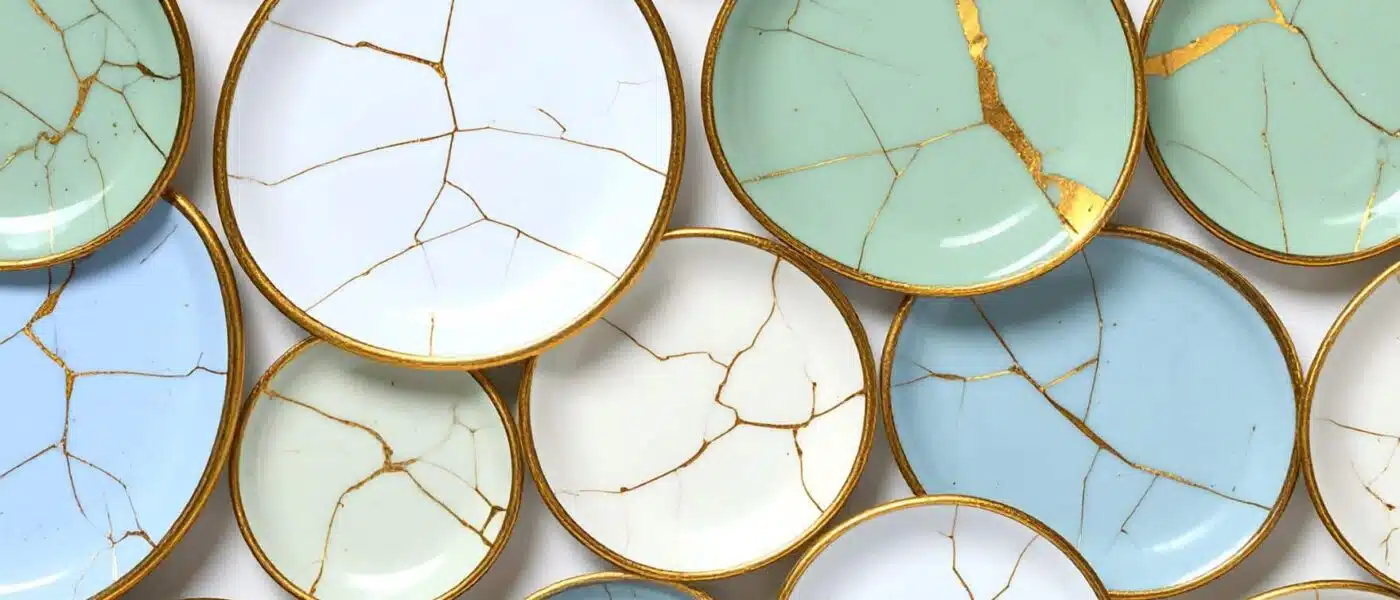
The materials are simple but exact. Urushi has a deep natural lustre that only shows once it’s applied, the gold powder glows brighter under careful lighting, and the broken ceramic reveals its structure once it’s in pieces. Your teacher shows you how to mix the adhesive, spread a fine layer on each edge and press the fragments together gently, and you discover how little lacquer you need and how slowly it sets.
The Line That Tells the Story
Once the join has formed, you trace the seam with a slender brush and dust gold powder over it, then sweep away the excess with a soft stroke to reveal the line of the repair. Throughout, the craft rewards patience. The aim isn’t a flawless finish but a clear, honest mend that makes the piece stronger while letting its history show. Your Out Of Office LGBTQ+ travel specialist can arrange the lesson within a Kanazawa stay, and our Japan guide covers LGBTQ+ rights and travel advice.

We know where you will be welcome, and where to take more care.
It shapes the hotels we use, the guides we work with and the routes we suggest.
More Moments in Japan
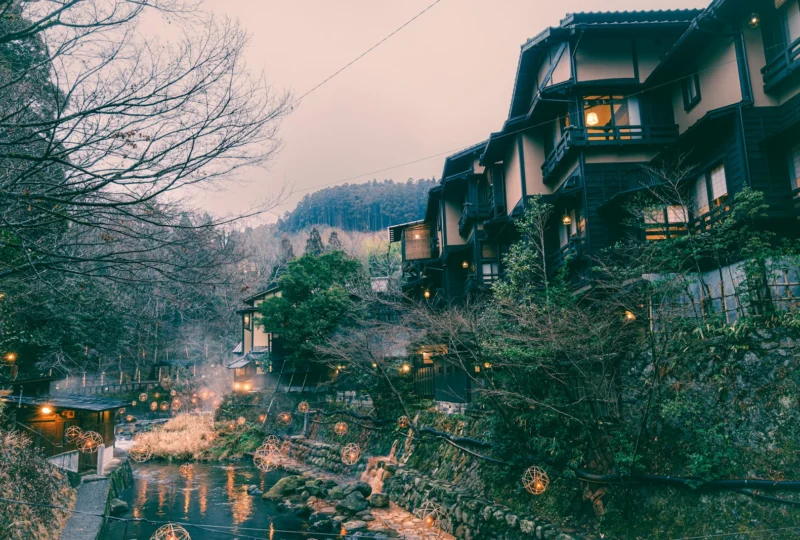
Kinosaki Onsen After Hours, with a Private Bath for Two
A Town Built for Bathing Kinosaki Onsen is a small canal town on the north coast of Hyogo Prefecture, shaped almost entirely by water. For over 1,300 years people have come not for temples or views but to bathe. Its seven public bathhouses line a willow-edged canal, all fed from the same geothermal source and each with its own history and character.
Discover more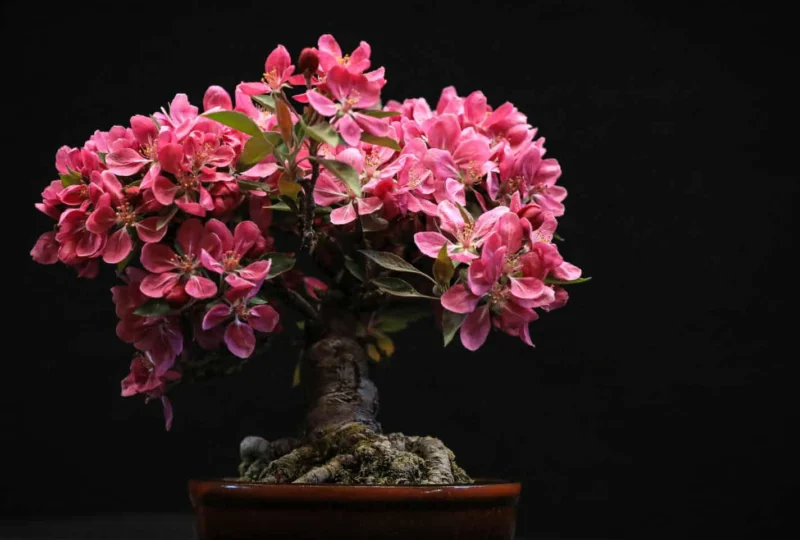
A Private Bonsai Workshop with a Master in Omiya Bonsai Village
From Chinese Penjing to Zen Discipline Bonsai began in Tang dynasty China as penjing, miniature landscapes arranged in trays. Buddhist monks brought it to Japan in the Heian period, where it became an art of the single tree rather than the composed scene, closely linked to Zen: simplicity, restraint and balance as expressions of a worldview, not mere style.
Discover more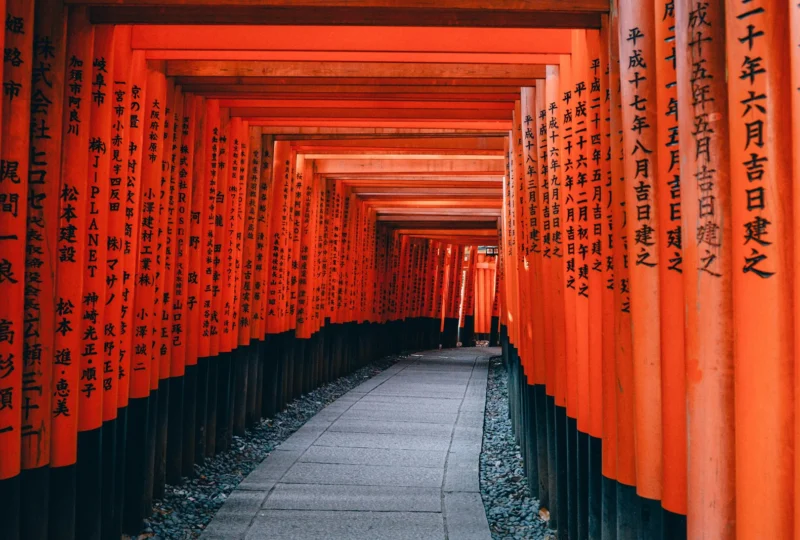
Arashiyama’s Bamboo Grove at First Light, with a Private Photographer
A Courtly Retreat and a Famous Sound Arashiyama became a favourite escape in the Heian period, when members of the imperial court came to flee the summer heat and enjoy nature. The bamboo that defines the grove was first grown for practical things like baskets and fencing, but it gained cultural meaning as nearby temples, including Tenryu-ji, brought it into their practice.
Discover more
We plant trees for every booking
For every booking made with Out Of Office we commit to planting trees in your name to help reduce the impact of travel on future generations. You'll even get a link to see where your trees are planted in the world via our partner Ecologi.


We donate to Rainbow Railroad with every booking
Rainbow Railroad helps LGBTQ+ people escape state-sponsored violence and persecution. A donation goes with every trip we sell, funded by us and never added to your price.


Start Planning Your Trip
Tell us where you would love to go, when you are thinking of travelling and what kind of trip you have in mind. One of our LGBTQ+ travel specialists will create a tailor-made itinerary designed around your destination, style and preferences.
One named specialist, first enquiry to homecoming. No call centre, and nothing is charged until you decide to book.