




Editorials
Curating a Private Tokyo Art and Design Trail
Explore Tokyo's art museums, independent galleries and design stores on a tailored cultural itinerary for LGBTQ+ travellers and couples.
Tokyo is perfect for travellers interested in art, with a layered creative landscape that stretches from Roppongi’s landmark contemporary institutions to quiet, appointment-only ateliers tucked inside Daikanyama’s residential backstreets; it has a bit of everything. For couples who want more than a museum map, the city offers private tours, exclusive preview access, and a concentration of design-forward hotels that place you inside the culture rather than beside it. Building that kind of itinerary requires local knowledge, advance planning, and a clear sense of which experiences justify the premium.
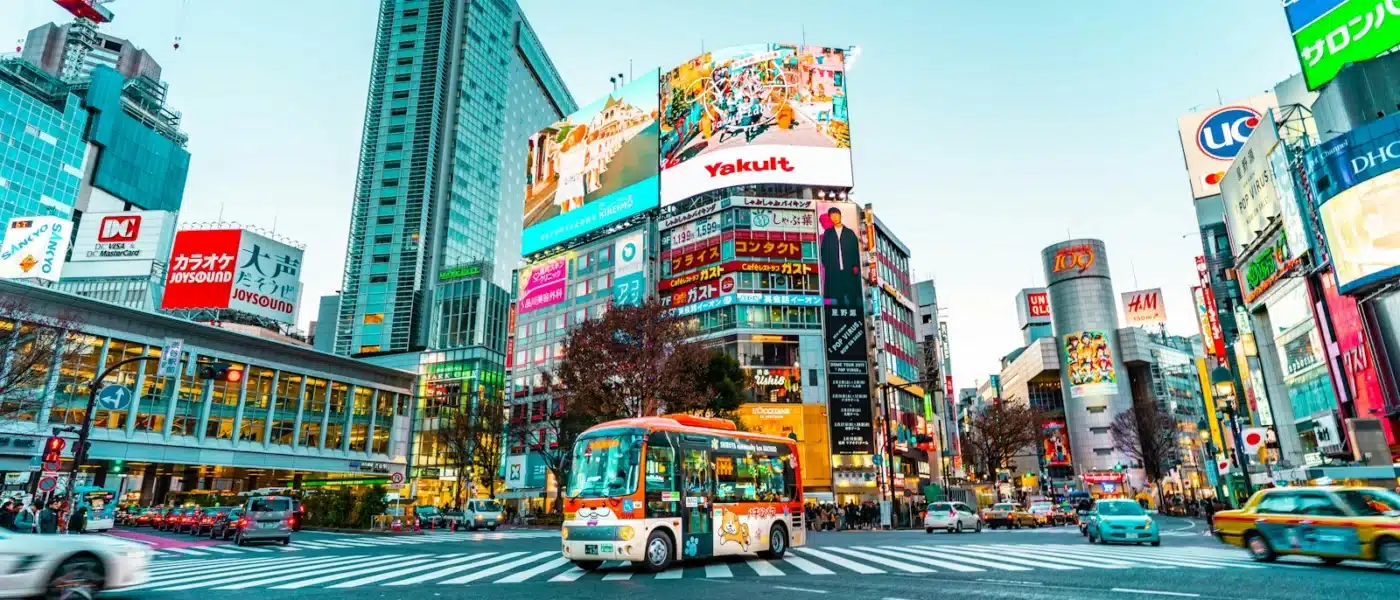
Roppongi’s Major Institutions: What to Prioritise and How to Access Them Privately
The Roppongi Art Triangle, anchored by the Mori Art Museum, the National Art Center Tokyo, and 21_21 Design Sight, forms the most concentrated gallery district in the city. General admission rarely does them justice. The Mori Art Museum, perched on the 53rd floor of Mori Tower with views across the city, can be arranged for private after-hours access through specialist fixers who hold relationships with the museum’s international liaison office. The lead time for this kind of arrangement is typically six to eight weeks, and the experience of moving through a major contemporary exhibition in near-silence, with the Tokyo skyline as a backdrop, is difficult to replicate.
At the National Art Center Tokyo, curator-led walkthroughs are occasionally available for private groups and can be coordinated through the museum’s international programming contacts. The building itself, designed by Kisho Kurokawa and completed in 2007, is worth extended attention independent of whatever is on the walls. At 21_21 Design Sight, architect-guided visits to Tadao Ando’s partially subterranean structure are bookable through specialist channels and offer a level of architectural context that a self-guided visit cannot provide. For a half-day in Roppongi, the most effective sequence moves from 21_21 in the morning, when the light through the concrete courts is at its best, through the National Art Center, and into the Mori for a late afternoon or early evening visit.
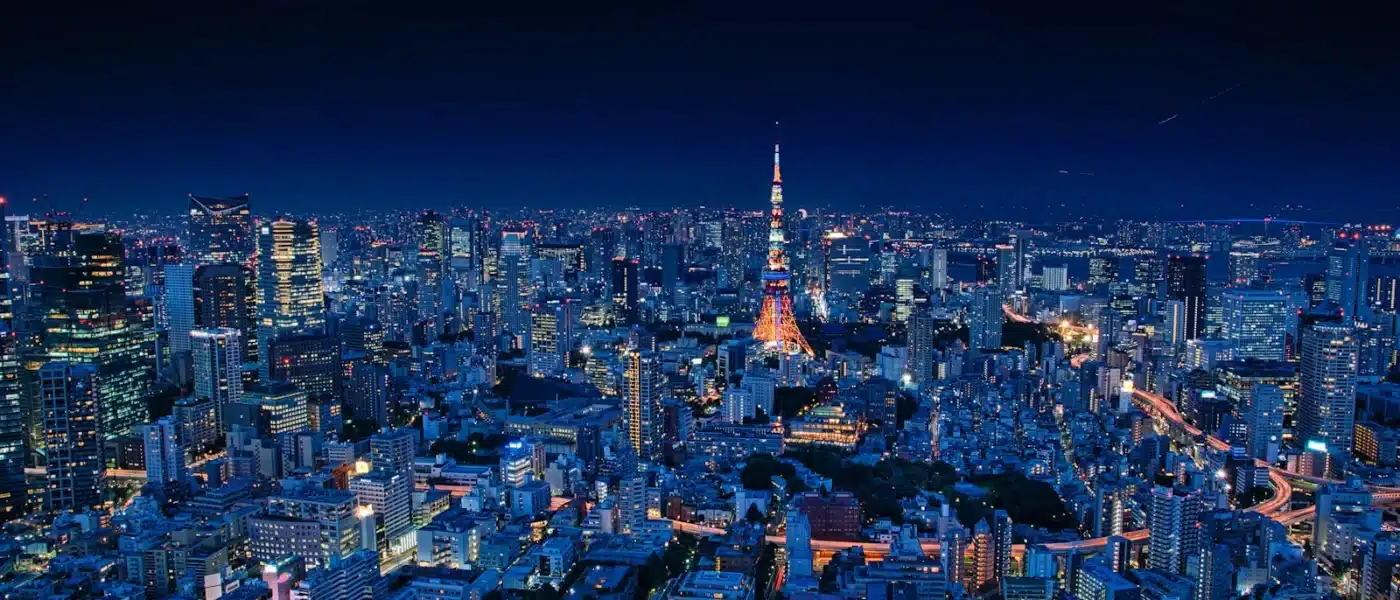
Hidden Ateliers and Independent Galleries in Daikanyama, Nakameguro, and Yanaka
Beyond the headline institutions, Tokyo’s most interesting contemporary work is in neighbourhood galleries and working studios that rarely appear on standard itineraries. Daikanyama’s Hillside Forum has long been a venue for design-adjacent exhibitions and cultural programming, and the surrounding streets reward slow exploration. Near Nakameguro’s canal, a cluster of artist-run spaces operates on irregular schedules and limited English-language communication, making a knowledgeable local contact not merely convenient but essential for the best experience.
Yanaka, a pre-war neighbourhood that survived both the 1923 Great Kanto Earthquake and the firebombing of 1945, offers something qualitatively different: craft-focused galleries and studios operating within a streetscape that feels continuous with an older Tokyo. The pace here is unhurried, and an afternoon on foot through Yanaka Ginza and the surrounding lanes, with a guide who can open studio doors and provide context for the work inside, is among the more quietly memorable experiences the city offers. These are not spaces that advertise; they reward the traveller who arrives with an introduction.
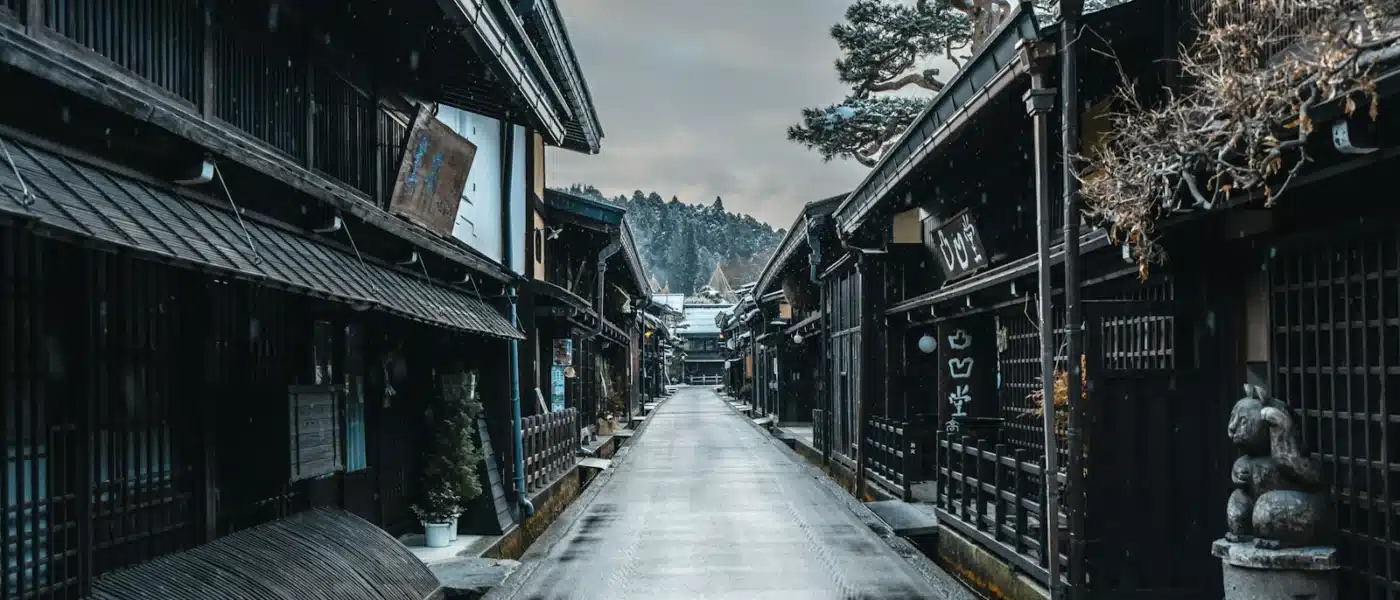
Design Stores and Object Culture: Where Serious Collectors Shop
Tokyo’s design retail culture operates at a level of curation that makes browsing feel like an extension of gallery-going. Dover Street Market Ginza, spread across seven floors of a Ginza building, brings together fashion, art objects, and installation in a format that has no real equivalent elsewhere. Cibone in Aoyama functions as a gallery-retail hybrid, presenting furniture, ceramics, and design objects with the same seriousness a gallery applies to fine art. For craft objects specifically, spaces such as Musubi present work by Japanese artisans in a context that foregrounds the object’s making as much as its appearance.
The architecture-driven floors of Isetan Shinjuku’s menswear building are worth a visit for couples interested in how Japanese retail design thinks about space and sequence. For those building a collection or simply looking to bring home something that reflects the city’s design intelligence, the most rewarding approach is to move by neighbourhood rather than category: Aoyama and Minami-Aoyama for design and contemporary craft, Ginza for the more established names, and Daikanyama for the smaller, more idiosyncratic finds. The Design Art Fair Tokyo and satellite programming around Tokyo Designers Week both concentrate activity in autumn and are worth building an itinerary around if the timing aligns.
No two trips we plan are the same. Yours will be no exception.
Request a quote →Where to Stay: Design-Forward Hotels Near the Creative Quarters
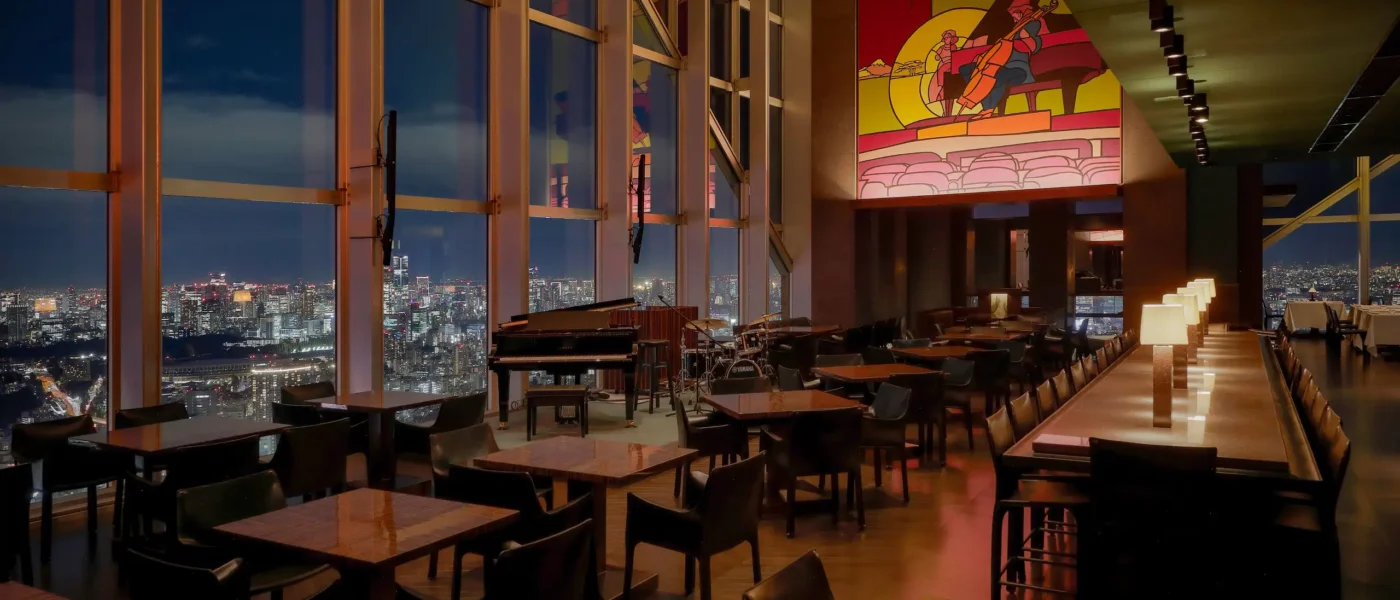
Accommodation choice materially affects how an art itinerary flows. The Park Hyatt Tokyo, now associated with the Azabudai Hills development, positions guests within reach of the Roppongi circuit while offering the kind of suite quality and concierge depth that supports a demanding cultural programme. The Trunk Hotel in Shibuya takes a different approach, with a design sensibility rooted in local creative culture and a location that works well for the Daikanyama and Nakameguro portions of an itinerary. Both properties have experience with same-sex couples and international guests.
For couples who want something architecturally distinct, Hoshinoya Tokyo in Otemachi offers a ryokan-influenced design experience within a contemporary tower, with kaiseki dining and a rooftop onsen that make it the immersive choice rather than simply a well-appointed place to sleep. The property’s aesthetic coherence, from the entrance sequence through to the room detailing, makes it feel continuous with the kind of design attention you bring to the rest of the itinerary. Whichever property you choose, the concierge relationship matters: a team with cultural knowledge and existing contacts in the gallery world is worth more than an extra room category.
LGBTQ+ Travellers in Tokyo: A Grounded Assessment
Japan does not currently recognise same-sex marriage at the national level, though a growing number of municipalities, including Tokyo, issue partnership certificates. The legal landscape is shifting incrementally, and travellers should verify the current status before departure rather than relying on information that may be out of date by the time they travel.
Tokyo is widely regarded as one of Asia’s more socially relaxed cities for same-sex couples. The neighbourhoods covered in this itinerary, including Roppongi, Daikanyama, Nakameguro, and Aoyama, are international in character and unremarkable in their response to same-sex couples. Public discretion is the general norm in Japan for all couples, and this applies equally to LGBTQ+ visitors without placing a specific or disproportionate burden on them. Shinjuku Ni-chome, Tokyo’s established LGBTQ+ neighbourhood, is close to several of the design retail stops in this guide and worth an evening visit on its own terms.
Art and design spaces in Tokyo are generally welcoming environments, and the city’s international hotel properties are experienced with same-sex couples and honeymoon guests. For couples travelling on honeymoon, it is worth communicating this clearly at the time of booking so that properties can respond appropriately. What Tokyo offers, in practical terms, is a city where the art itinerary described in this guide can be pursued without meaningful concern, and where the quality of the cultural experience is the primary variable.
Planning the Trail: Timing, Operators, and Itinerary Structure
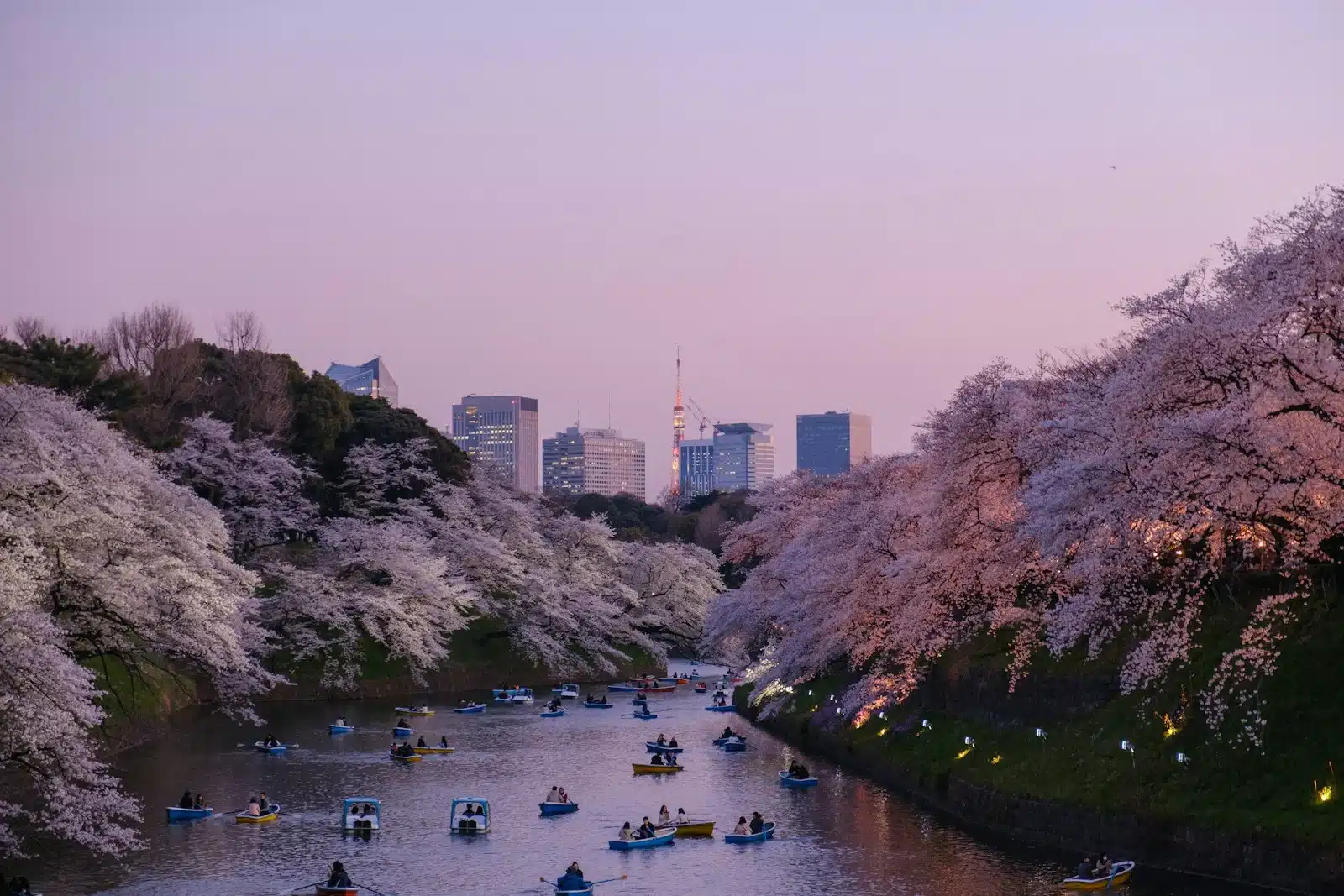
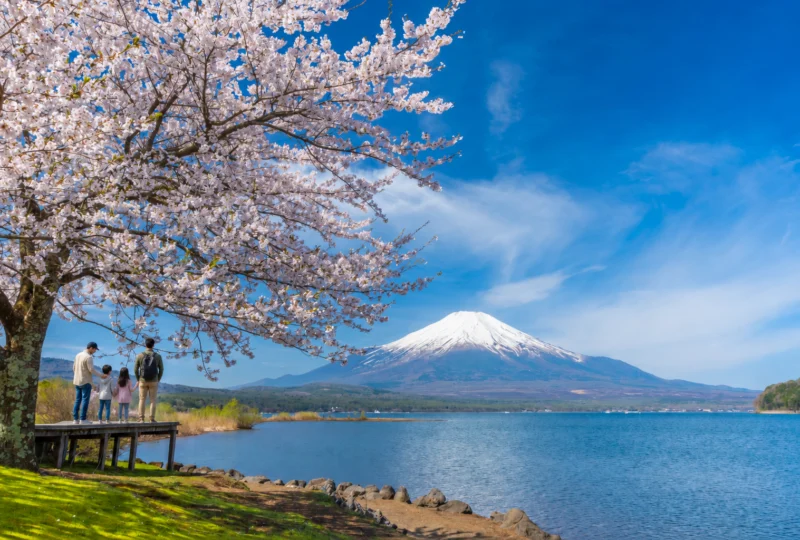
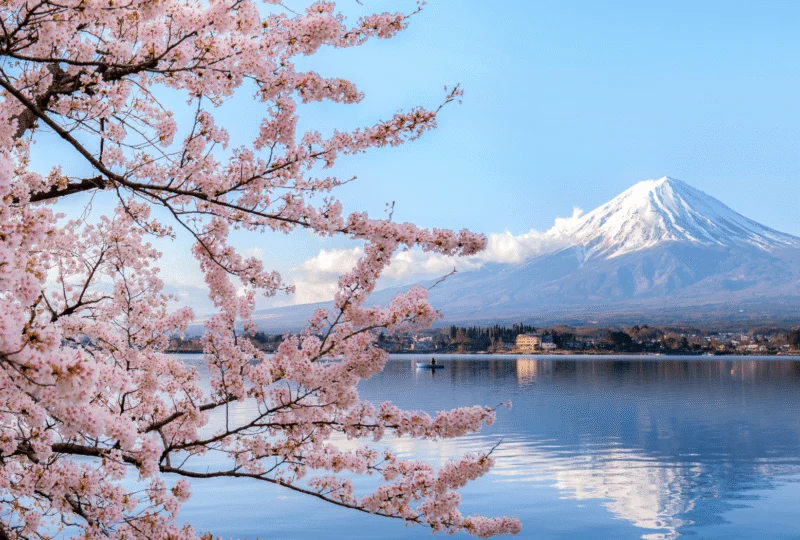
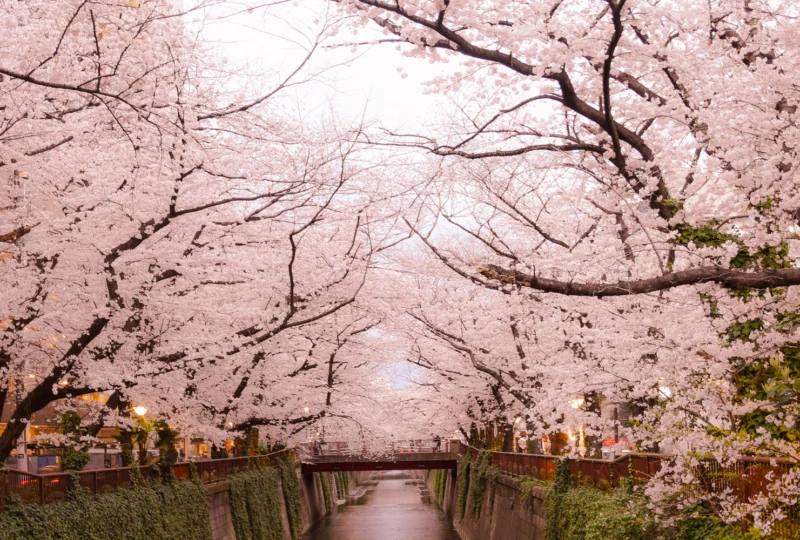
Tokyo’s gallery calendar peaks in spring around Art Fair Tokyo in March and again in autumn when museum programming intensifies ahead of the year-end. Both periods coincide with the city’s most photogenic seasonal conditions, cherry blossoms in spring and the foliage of Yanaka and Shinjuku Gyoen in November, though they require earlier booking for hotels and private access. A lead time of three months is a reasonable minimum for a well-structured private itinerary; six months is more comfortable if you want flexibility on accommodation and specific private access experiences.
A three-to-five-day art itinerary benefits from a single specialist point of contact who can sequence venues intelligently, arrange transport between neighbourhoods, and hold the relationships with fixers and gallery directors that make private access possible. The most useful thing to communicate when briefing a specialist planner is not a list of venues but a sense of what kind of art and design you respond to, how much time you want to spend on foot versus in transit, and whether you are building a collection, seeking architectural experiences, or simply wanting to move through the city with depth and purpose. The itinerary follows from that conversation.
Tokyo, approached this way, offers something that very few cities can match: a creative culture of extraordinary range and seriousness, accessible to the traveller who arrives with the right preparation and the right introductions.
Out Of Office specialises in tailor-made itineraries for art-focused and LGBTQ+ travellers across Asia and beyond. Speak with one of our consultants to begin planning your Tokyo art and design trail.
On this page
- Roppongi’s Major Institutions: What to Prioritise and How to Access Them Privately
- Hidden Ateliers and Independent Galleries in Daikanyama, Nakameguro, and Yanaka
- Design Stores and Object Culture: Where Serious Collectors Shop
- Where to Stay: Design-Forward Hotels Near the Creative Quarters
- LGBTQ+ Travellers in Tokyo: A Grounded Assessment
- Planning the Trail: Timing, Operators, and Itinerary Structure
New to Out Of Office?
We are a luxury travel company for LGBTQ+ travellers. Everything we sell is tailor-made, planned by one named member of our team throughout, and nothing on this site is a fixed package unless it says so.
Where exclusivity meets inclusivity
Ten years, hundreds of five-star reviews, and a team who will tell you when a destination is not right for the trip you have in mind.
Your personal travel specialist, from the first conversation to the flight home.
From your first conversation, you’ll have one dedicated expert looking after your trip from start to finish, getting to know you and taking care of every detail along the way. Your journey starts with a complimentary, no-obligation consultation.
Stellar service. Stellar products. Stellar people and it gets so much better when you pick up the phone and call.
Anthony S.
Super client centred service. From first contact I have had warm, efficient, friendly and flexible service.
John
I’m confident in giving Out Of Office a 5-star review! They are one of the leaders in this space without a doubt.
Tiberiu
We plant trees for every booking
For every booking made with Out Of Office we commit to planting trees in your name to help reduce the impact of travel on future generations. You'll even get a link to see where your trees are planted in the world via our partner Ecologi.

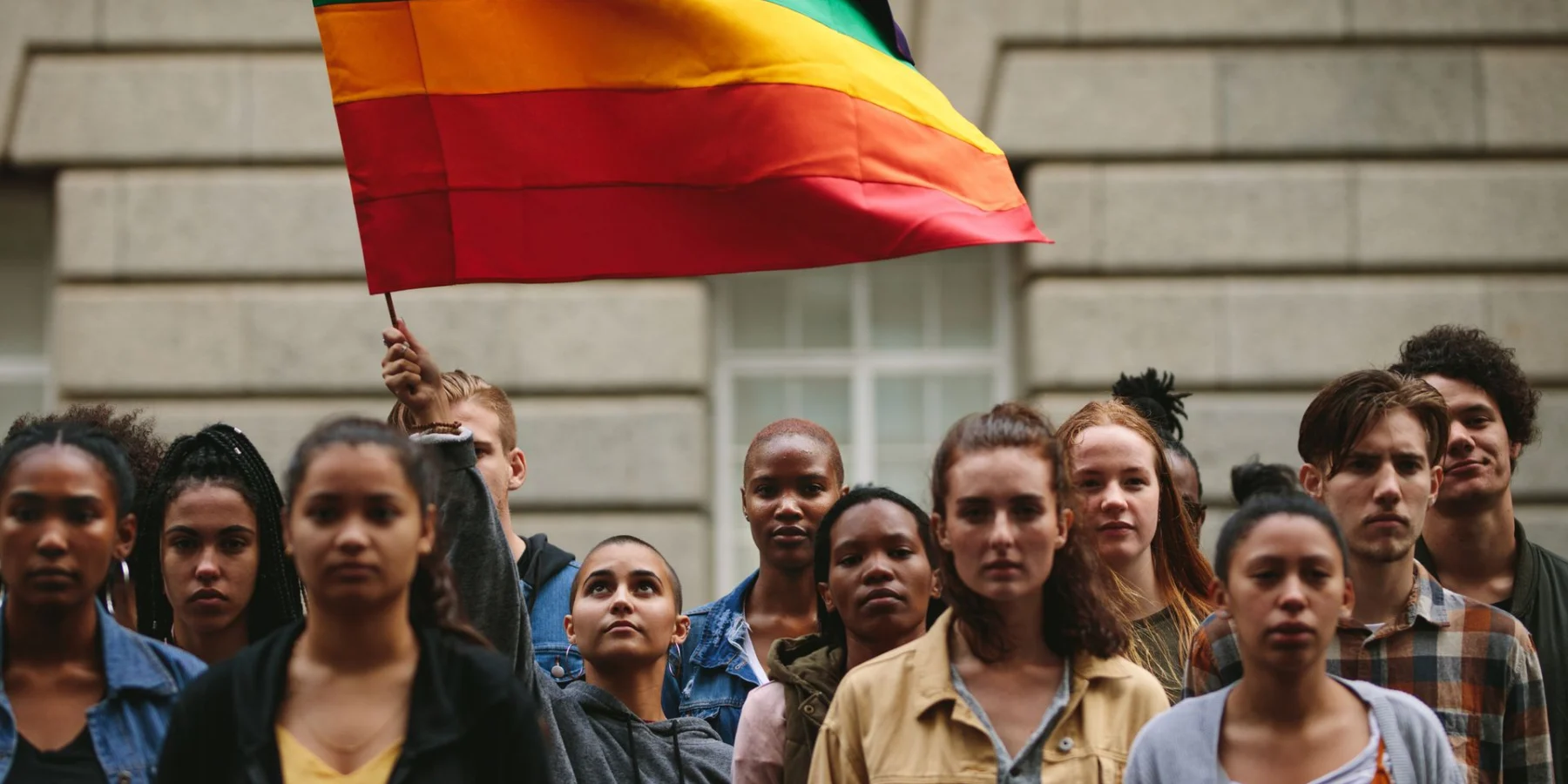
We donate to Rainbow Railroad with every booking
Rainbow Railroad helps LGBTQ+ people escape state-sponsored violence and persecution. A donation goes with every trip we sell, funded by us and never added to your price.

Start Planning Your Trip
Tell us where you would love to go, when you are thinking of travelling and what kind of trip you have in mind. One of our LGBTQ+ travel specialists will create a tailor-made itinerary designed around your destination, style and preferences.
One named specialist, first enquiry to homecoming. No call centre, and nothing is charged until you decide to book.