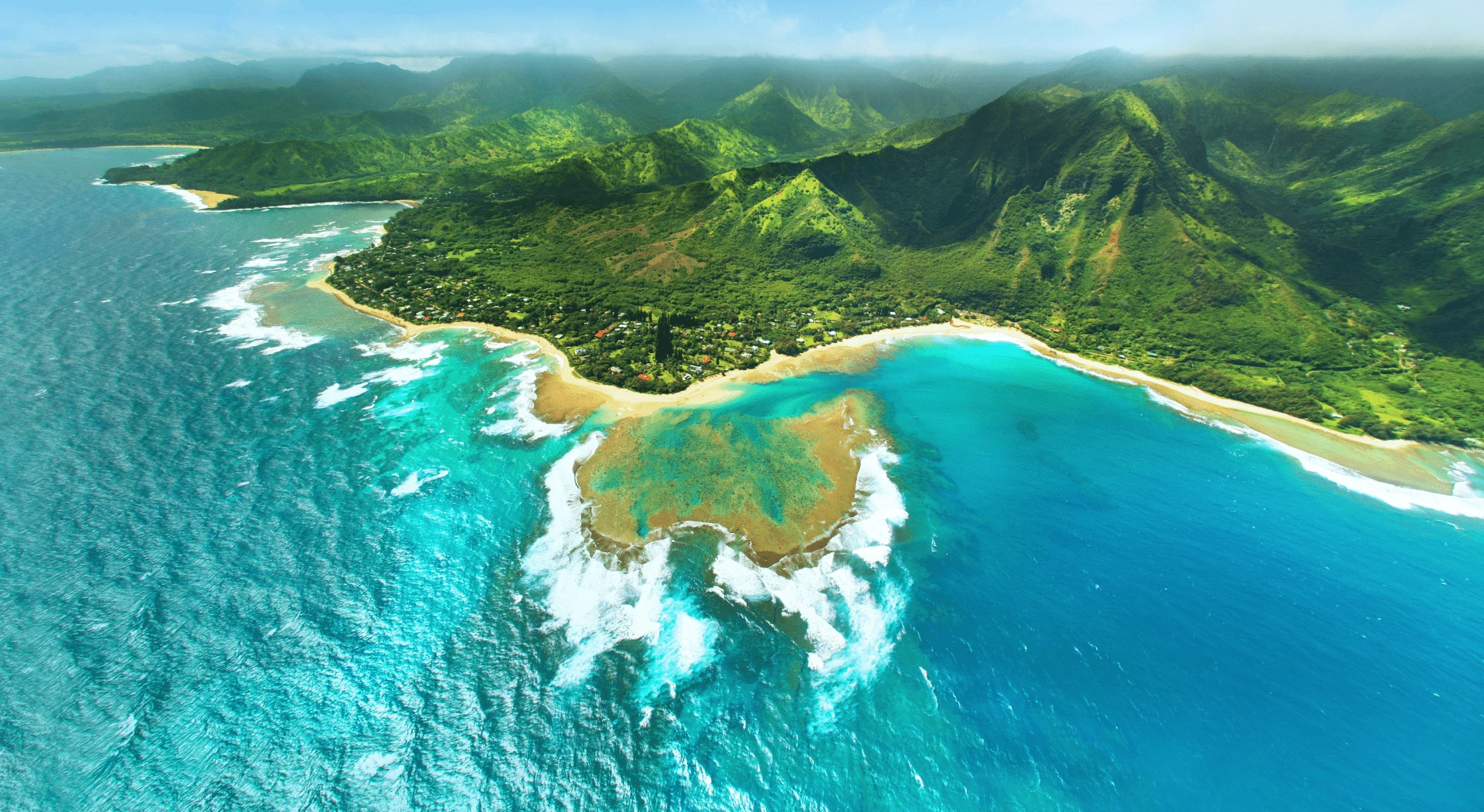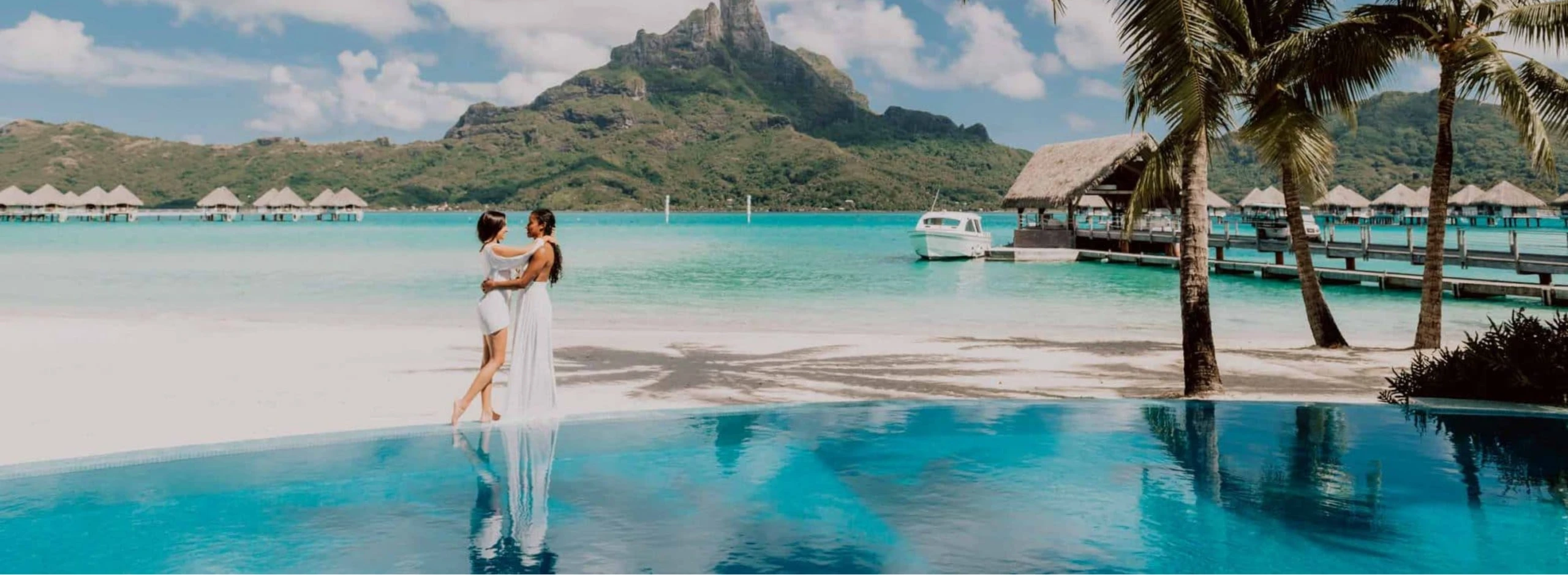
Hawaii and Bora Bora occupy the same space in the luxury travel imagination. Both mean turquoise water, high-end resorts, and the kind of trip people spend years planning. Both deliver on the promise of the Pacific. And both attract LGBTQ+ couples looking for a honeymoon or a milestone trip that feels exceptional.
But they are very different propositions, and the differences matter when you are spending serious money.
Hawaii is a state with six major islands, each with its own character, culture, and travel offering. It has airports, highways, towns, restaurants, gay bars, national parks, and a daily life that exists independently of tourism. Bora Bora is a small island in French Polynesia with one road, no town to speak of, and an economy built almost entirely around one of the world’s great resort experiences.
About Out Of Office
Out Of Office is a luxury tailor-made travel company with a focus on delivering exclusivity and inclusivity. Our passion for global adventure is matched only by our deep commitment to delivering exceptional five-star service.
Everything we do is customised and designed especially for you – our valued customer – based on your exact personal requirements. Each member of our team is widely travelled. This means you get access to first-rate travel insights and the best possible advice from our team of luxury travel experts.
| Enquire Now |
For the purposes of a luxury comparison, Hawaii’s relevant islands are Maui and Kauai. Oahu has Honolulu and the beaches of Waikiki, which are worth your time, but the luxury resort experience is concentrated elsewhere. The Big Island has remarkable landscape and some strong properties but lacks the beach quality of the other islands. Maui and Kauai are where Hawaii’s luxury credentials are strongest, and they are the islands that LGBTQ+ couples most commonly consider for a honeymoon or high-end trip.
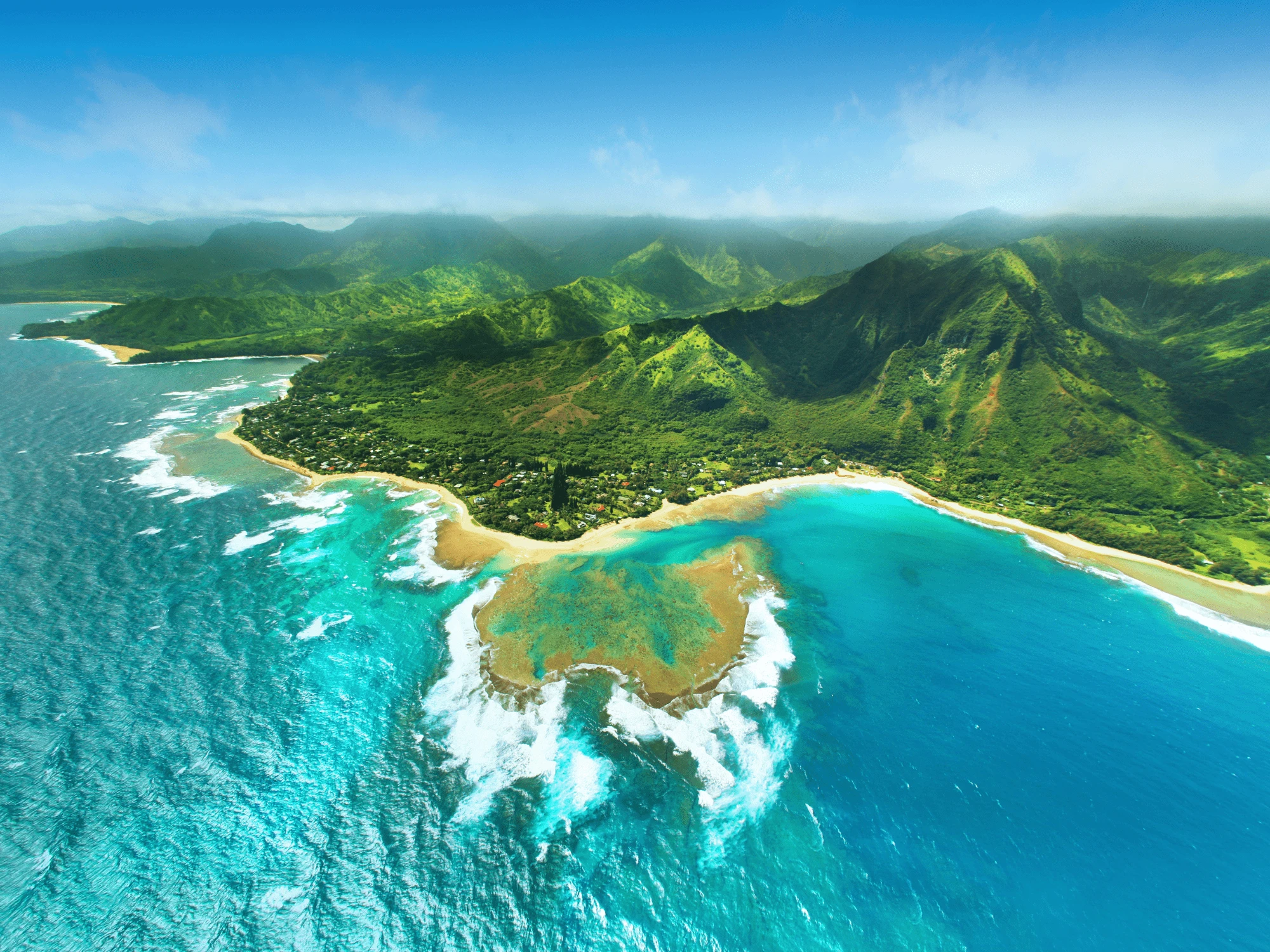
Hawaii for Luxury: Maui and Kauai
Maui is Hawaii’s most established luxury destination and the one with the broadest offering. The west coast resort corridor between Lahaina and Kapalua concentrates the island’s best hotels along a stretch of calm, west-facing coastline that catches the sunset over Lanai and Molokai every evening. The Road to Hana, one of the most celebrated coastal drives in the United States, winds for fifty-two miles along the island’s northeastern shore past waterfalls, black sand beaches, and rainforest.
Haleakala National Park covers the island’s dormant volcano and offers sunrise views above the cloud line that have no equivalent in the Pacific. Maui also has a functioning food and wine scene, good shopping, and enough infrastructure to feel like a place rather than just a resort zone.
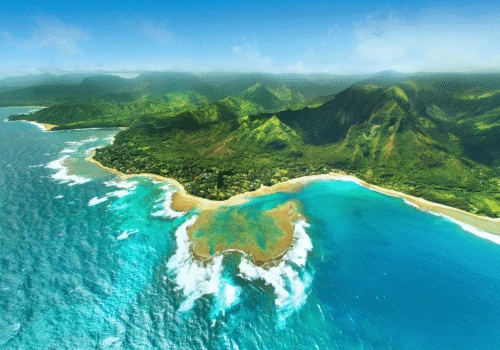
Kauai is smaller, less developed, and in the eyes of many who have visited both, more beautiful. The Na Pali Coast, accessible only by boat, helicopter, or a demanding trail, is one of the most striking pieces of coastline in the world. The Hanalei Valley, a flat green plain of taro fields surrounded by ridgelines, looks like something that should not exist outside of fiction. Poipu Beach on the south shore is consistently rated among the best beaches in the United States. Kauai has fewer hotels than Maui and a more limited dining scene, but for couples prioritizing landscape and seclusion over variety, that is often the point.
Top properties across both islands include the Montage Kapalua Bay and the Ritz-Carlton Kapalua on Maui, and the St. Regis Princeville and the Grand Hyatt Kauai on the north and south shores respectively. All operate at a standard that competes with the best resort hotels anywhere in the world.
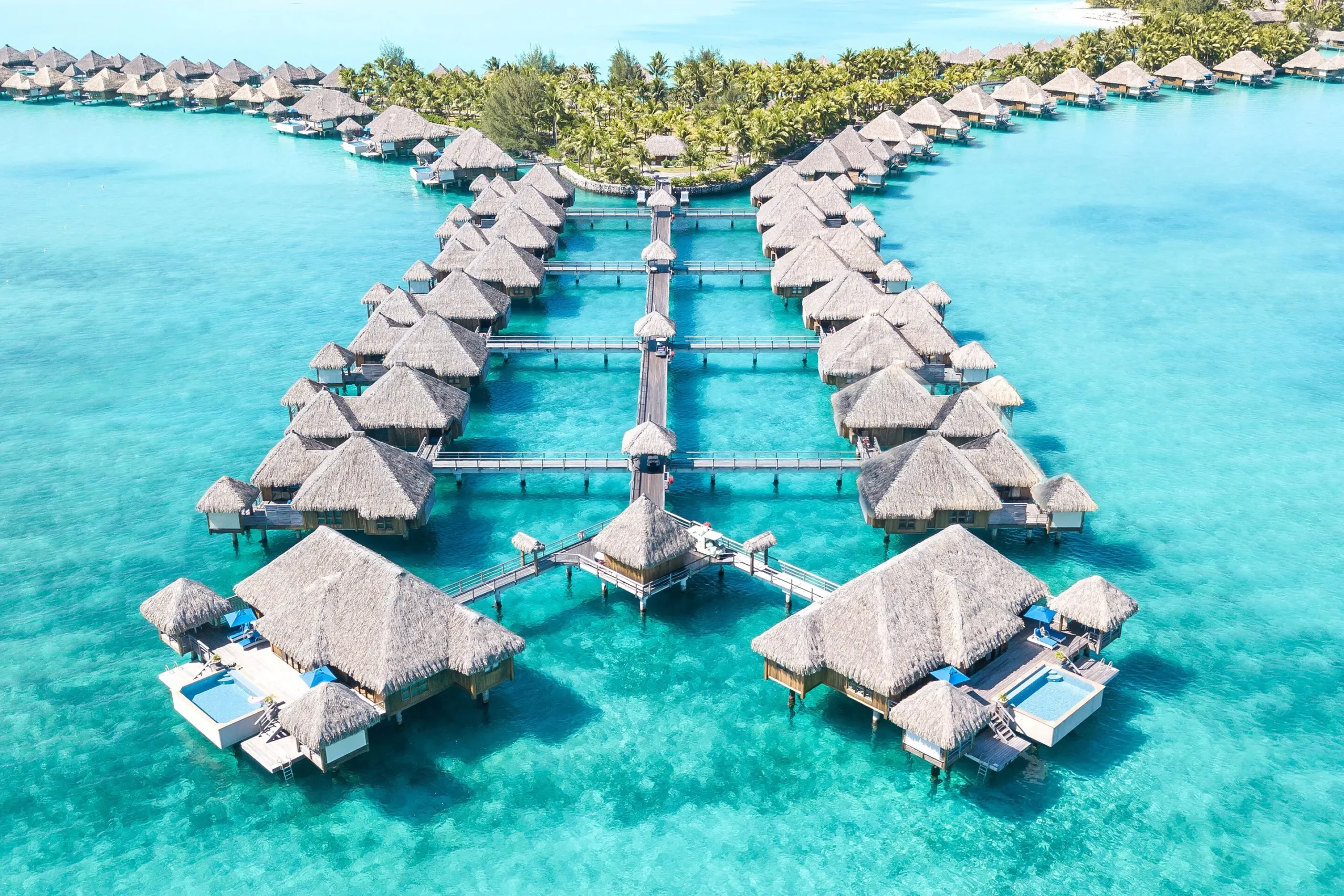
Bora Bora
Hawaii has range. Bora Bora has one thing, and it does that one thing better than anywhere else on earth.
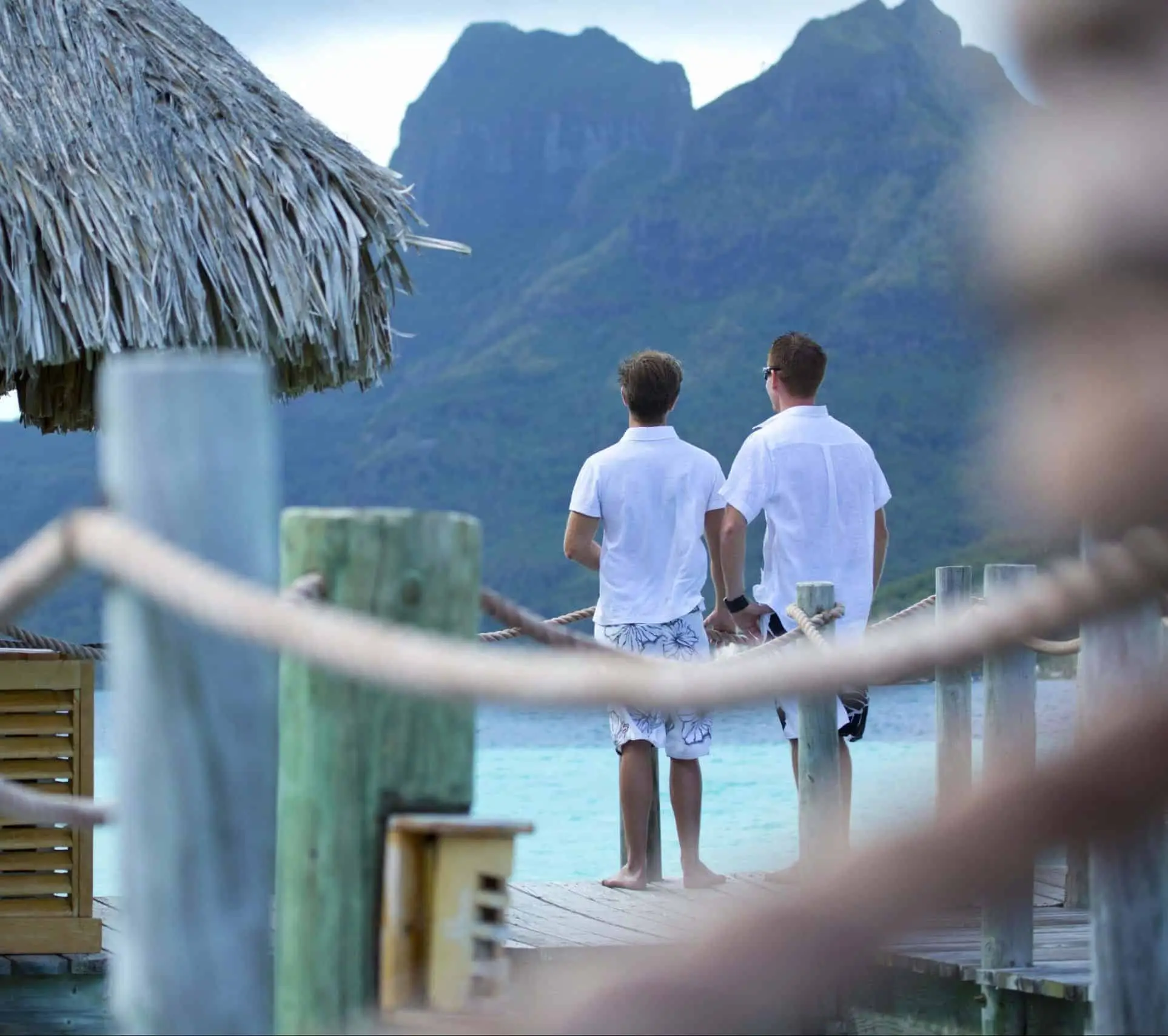
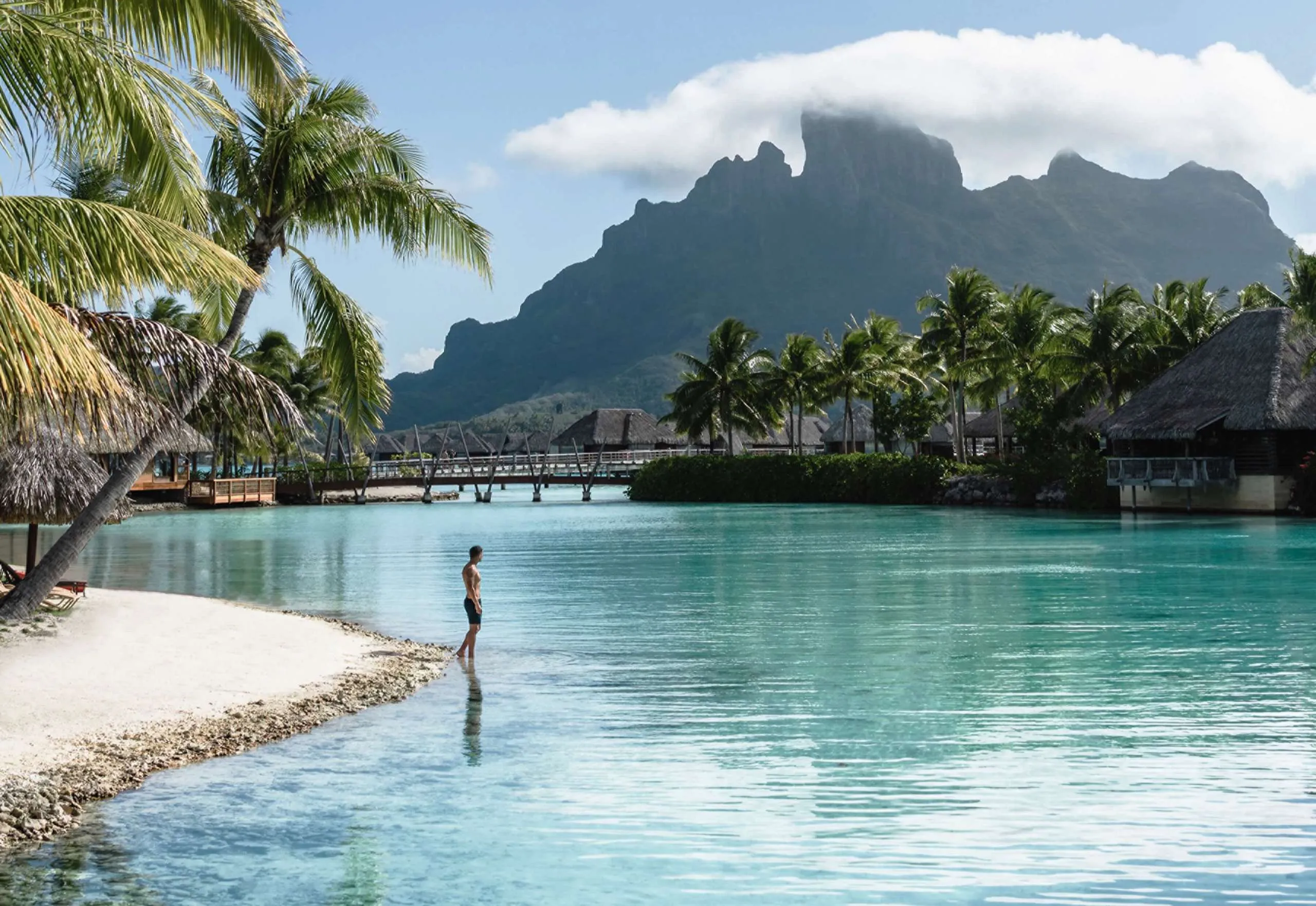
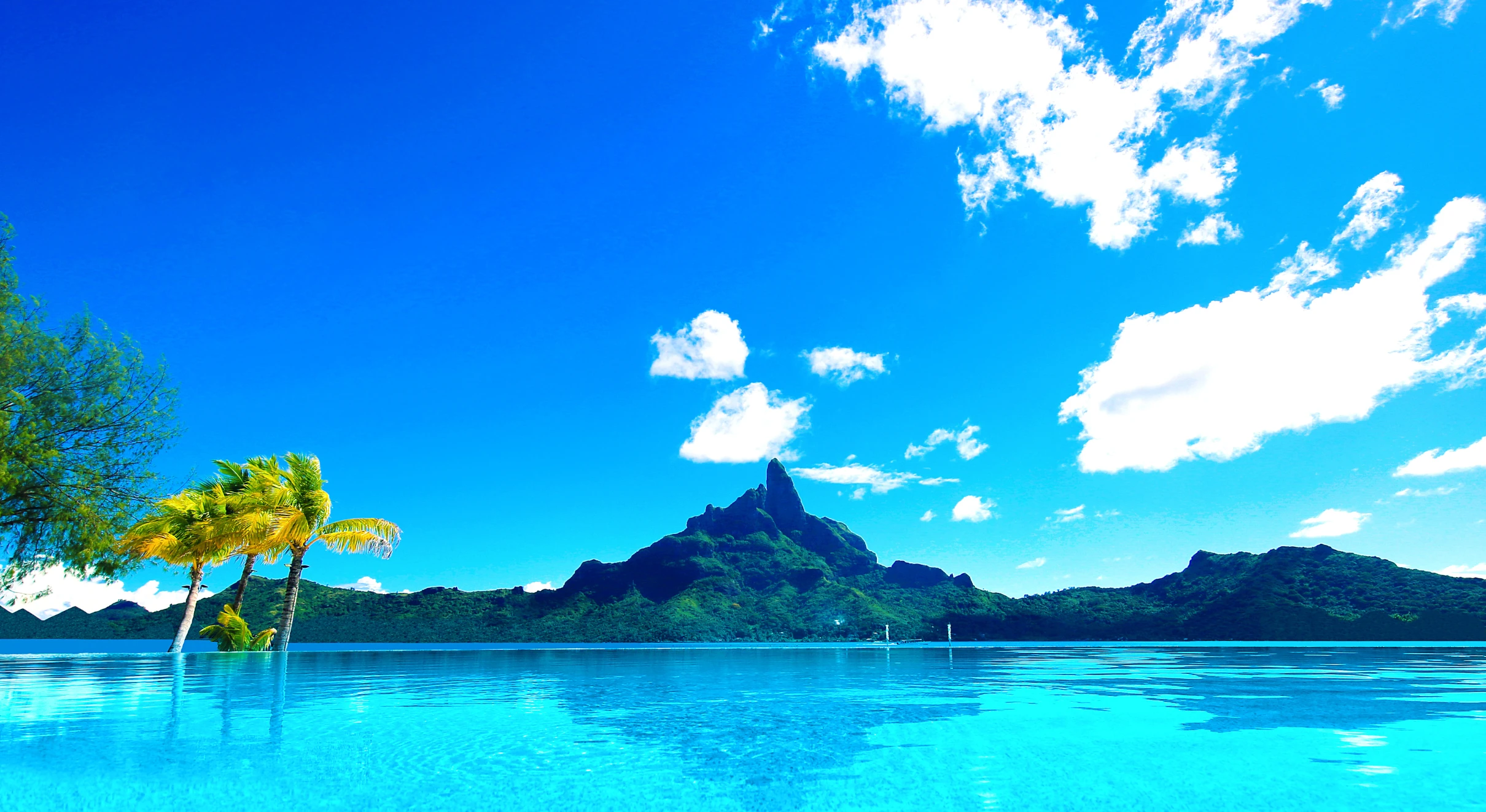
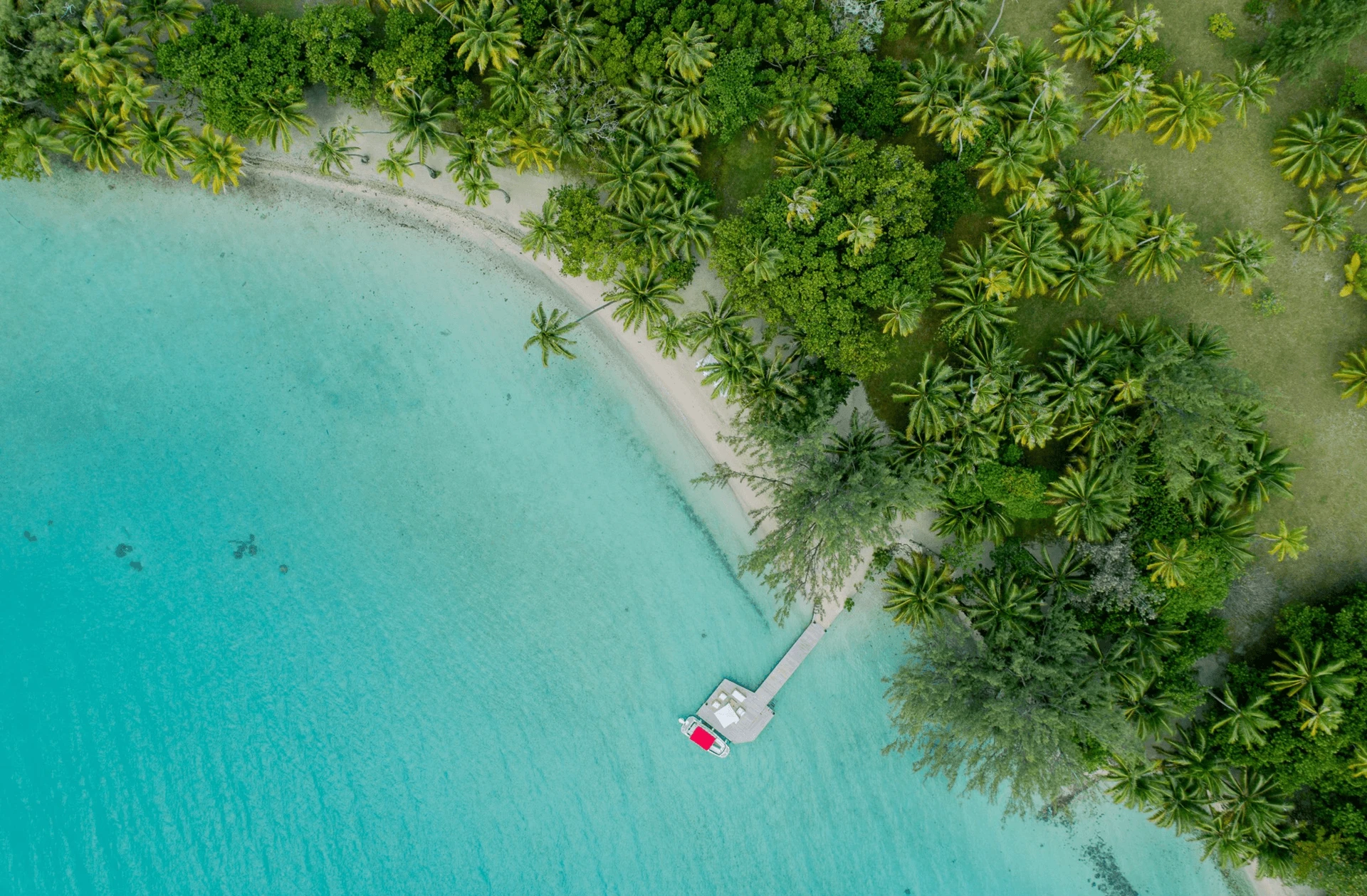
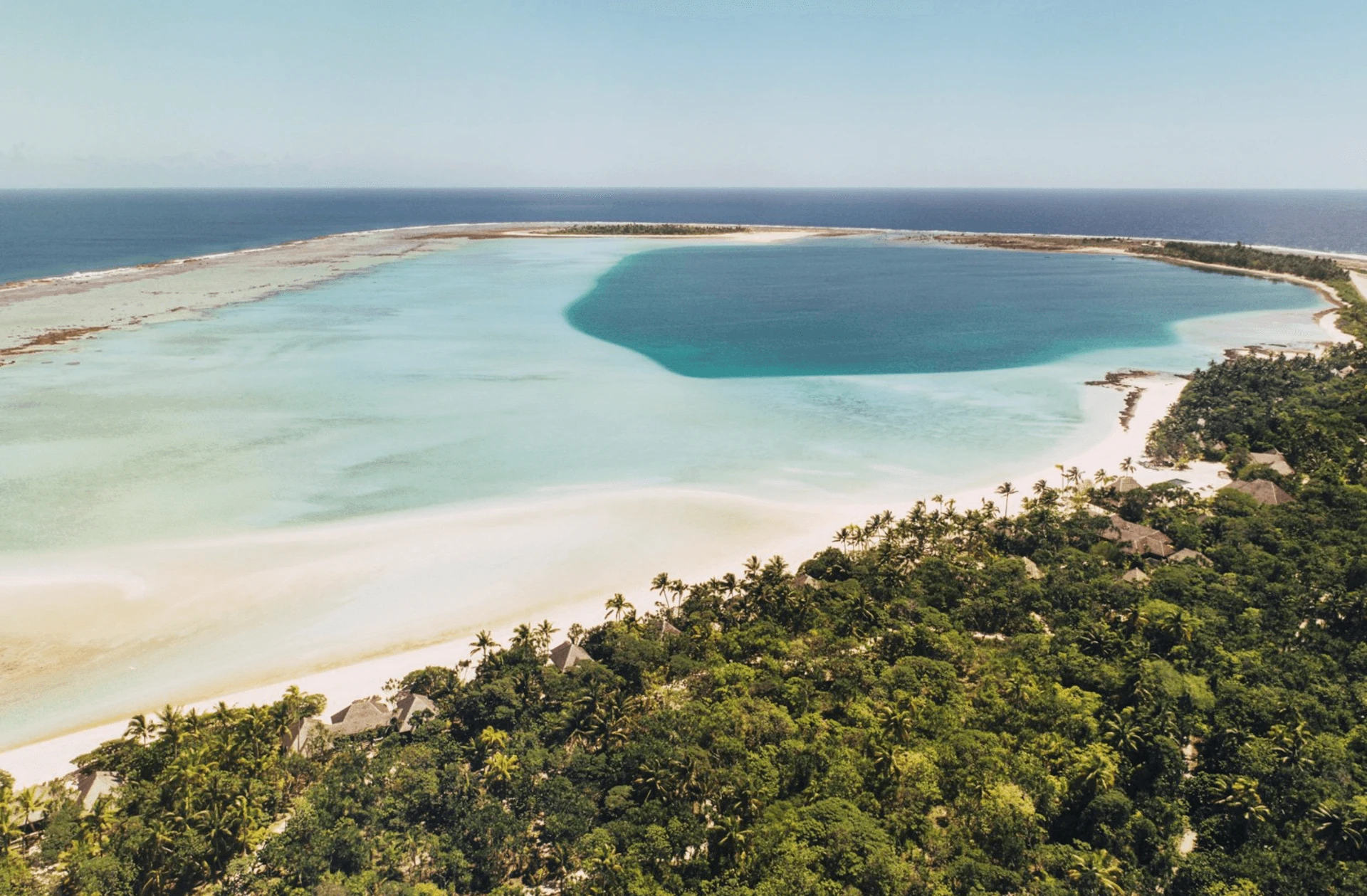
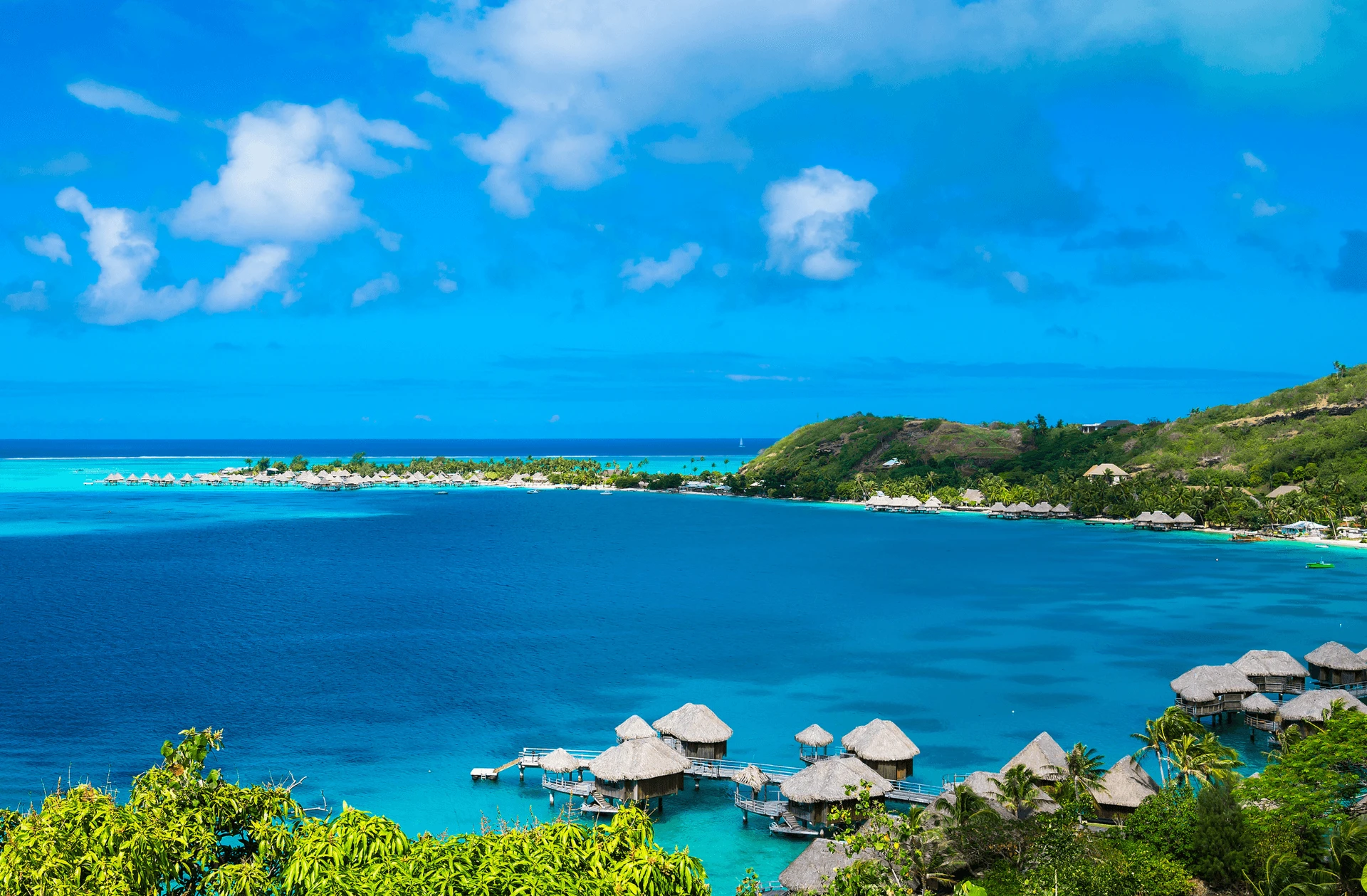
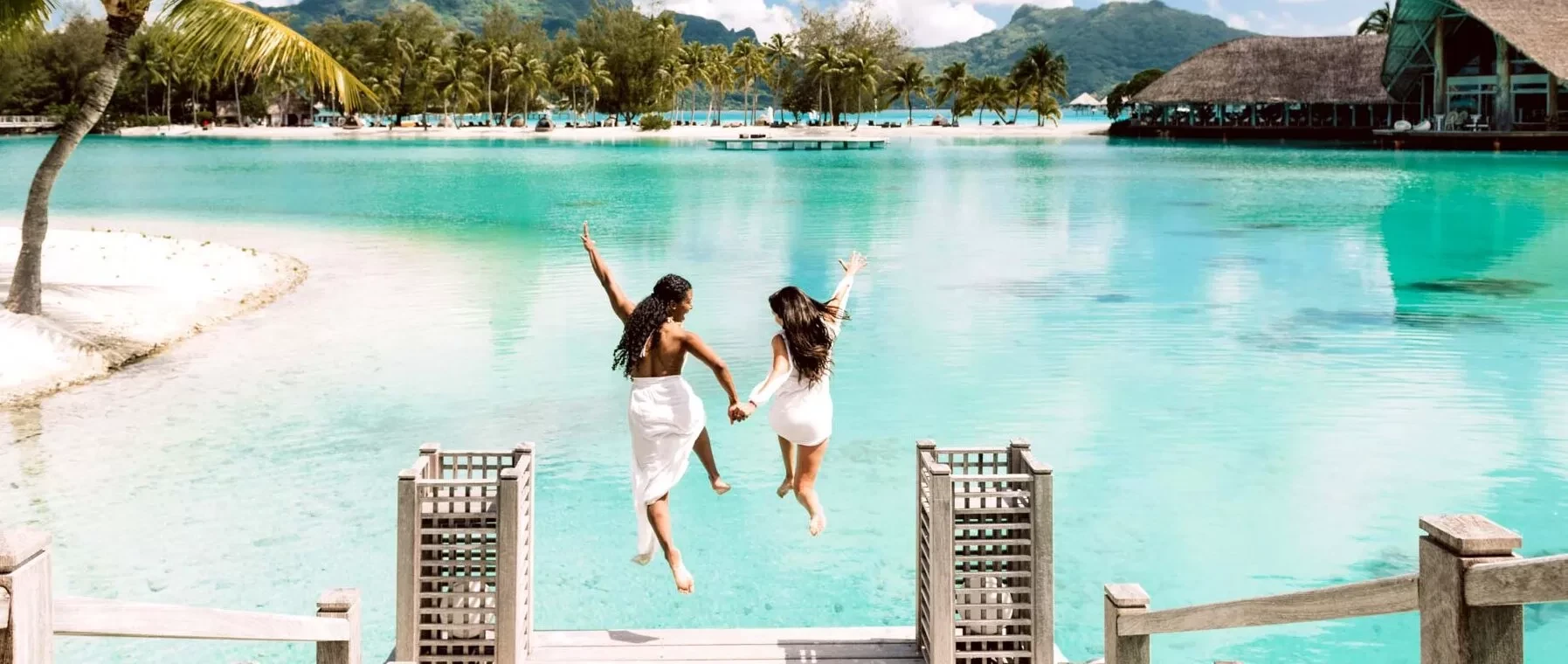
The lagoon here is not something you can adequately prepare for. Enclosed by a barrier reef, sheltered from the open Pacific, it sits in colors that shift from near-white over the sand flats to a deep, almost impossible blue further out. Mount Otemanu rises above the island’s interior at 727 meters, and from an overwater bungalow deck the whole picture, peak, lagoon, reef, motu, open ocean beyond, assembles itself in a way that makes the price of the flight feel immediately justified.
Where Hawaii asks you to engage with it, Bora Bora asks very little. There is no town worth mentioning, no nightlife, no itinerary. The Four Seasons, Conrad, and St. Regis all deliver at the level the setting demands. But the hotel is almost secondary to the experience of simply being here, above that water, with nowhere to be.
For couples arriving off the back of a wedding, that is often exactly the right setup.
Hotels
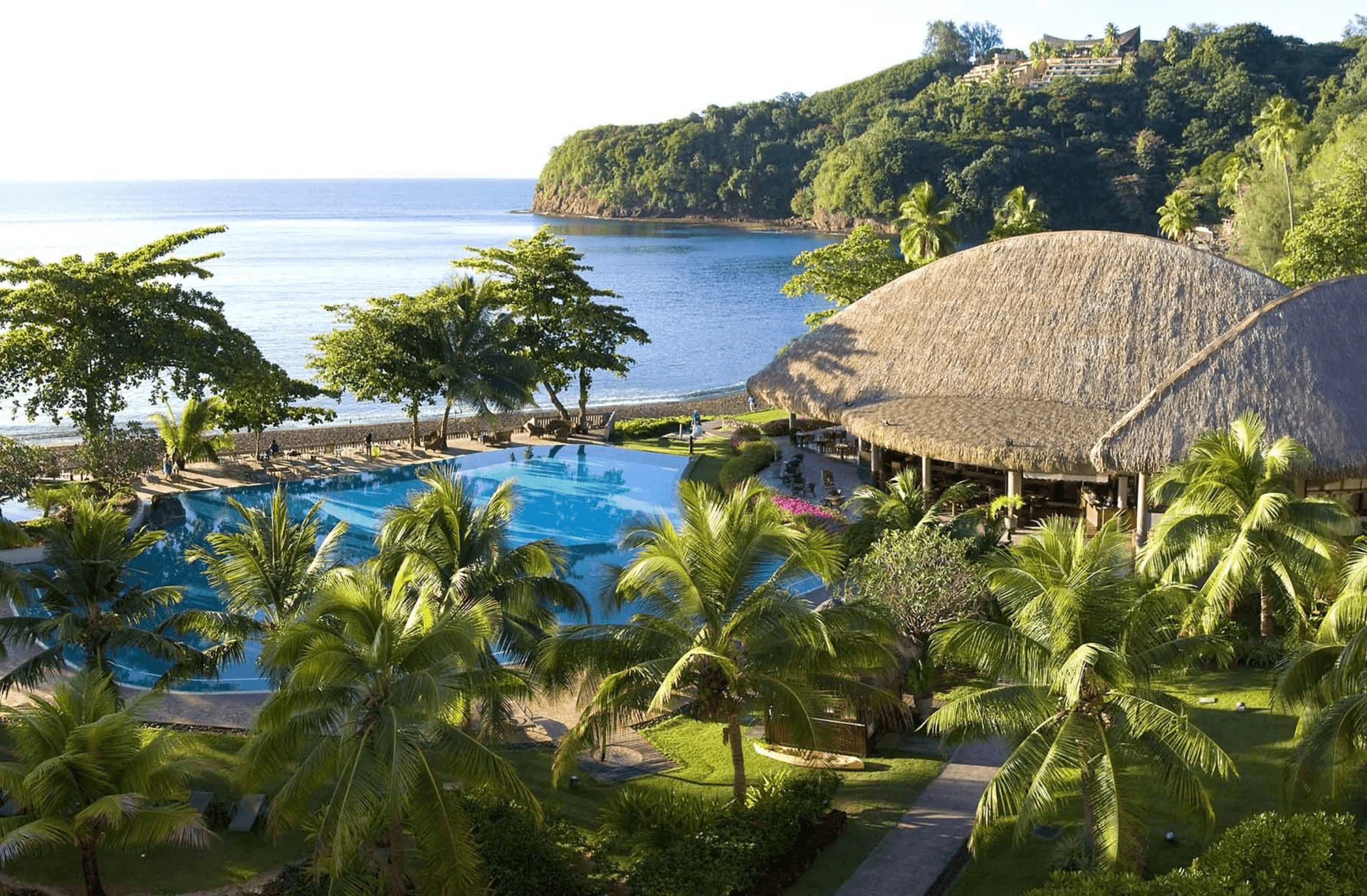
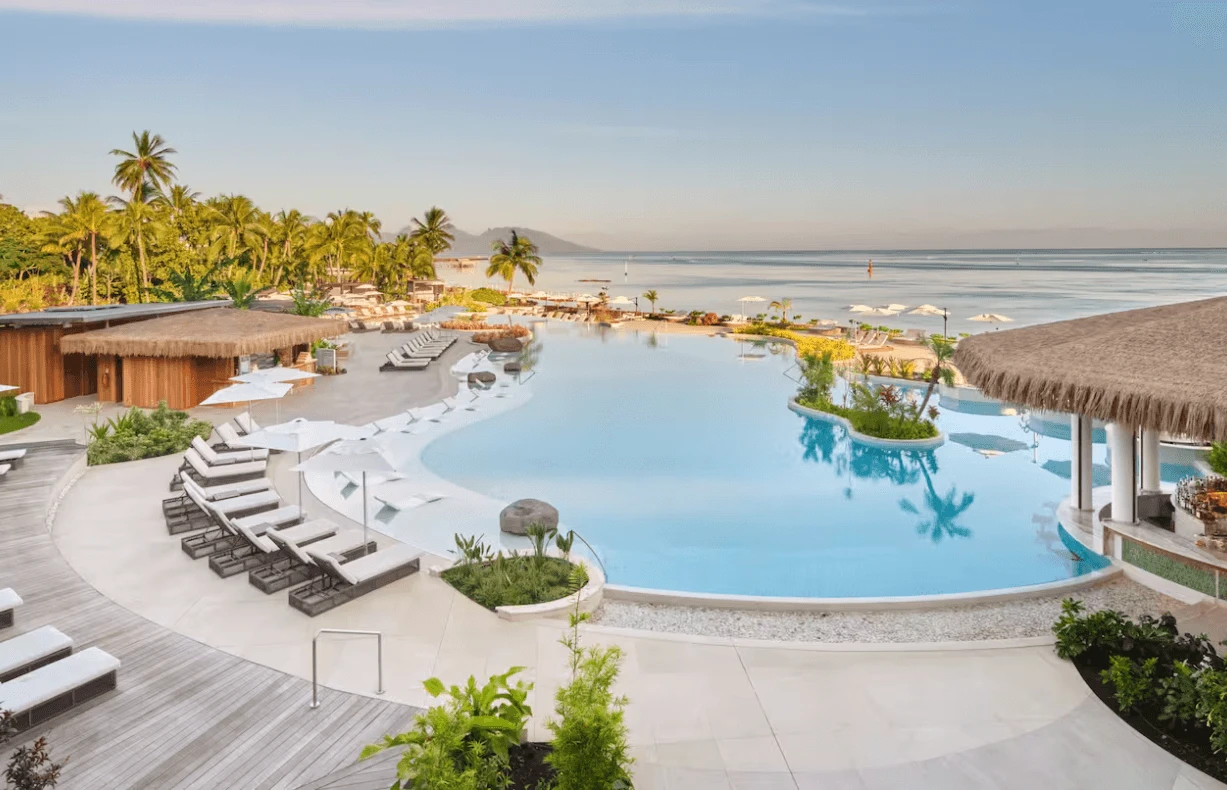
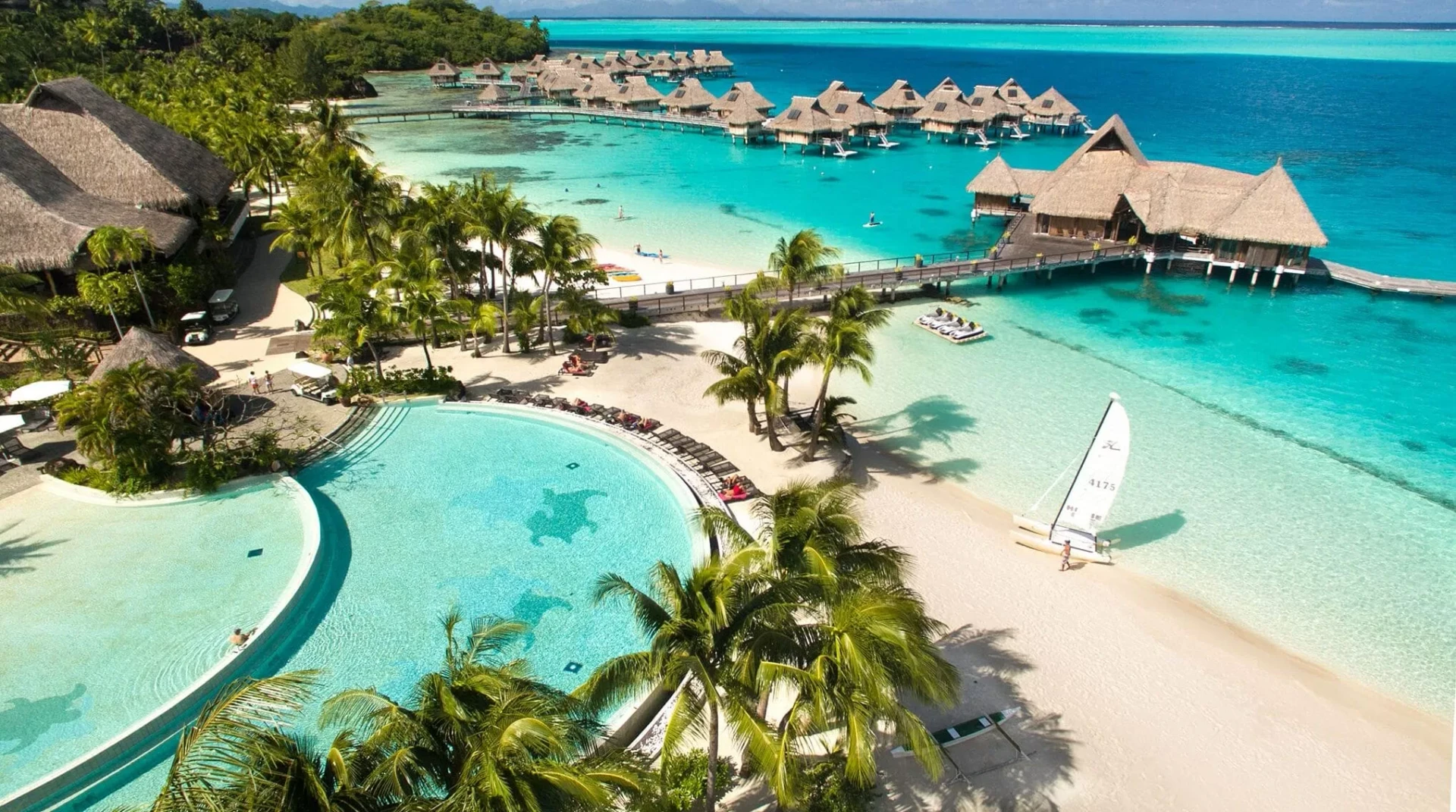
Hawaii wins on variety and the ability to combine different property types across an island-hopping itinerary. Maui and Kauai between them offer a range of luxury options from intimate boutique properties to sprawling full-service resorts with multiple pools, restaurants, and beach frontage measured in hundreds of meters. The Montage Kapalua Bay on Maui, with its suite-only configuration and clifftop setting above the ocean, is one of the strongest luxury properties in the United States.
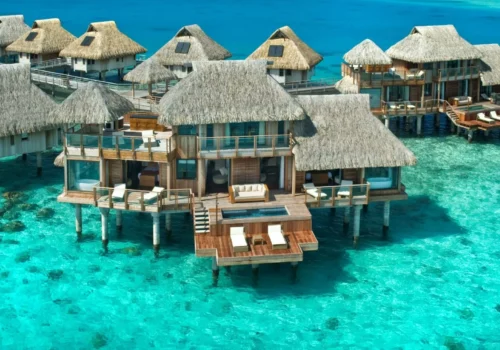
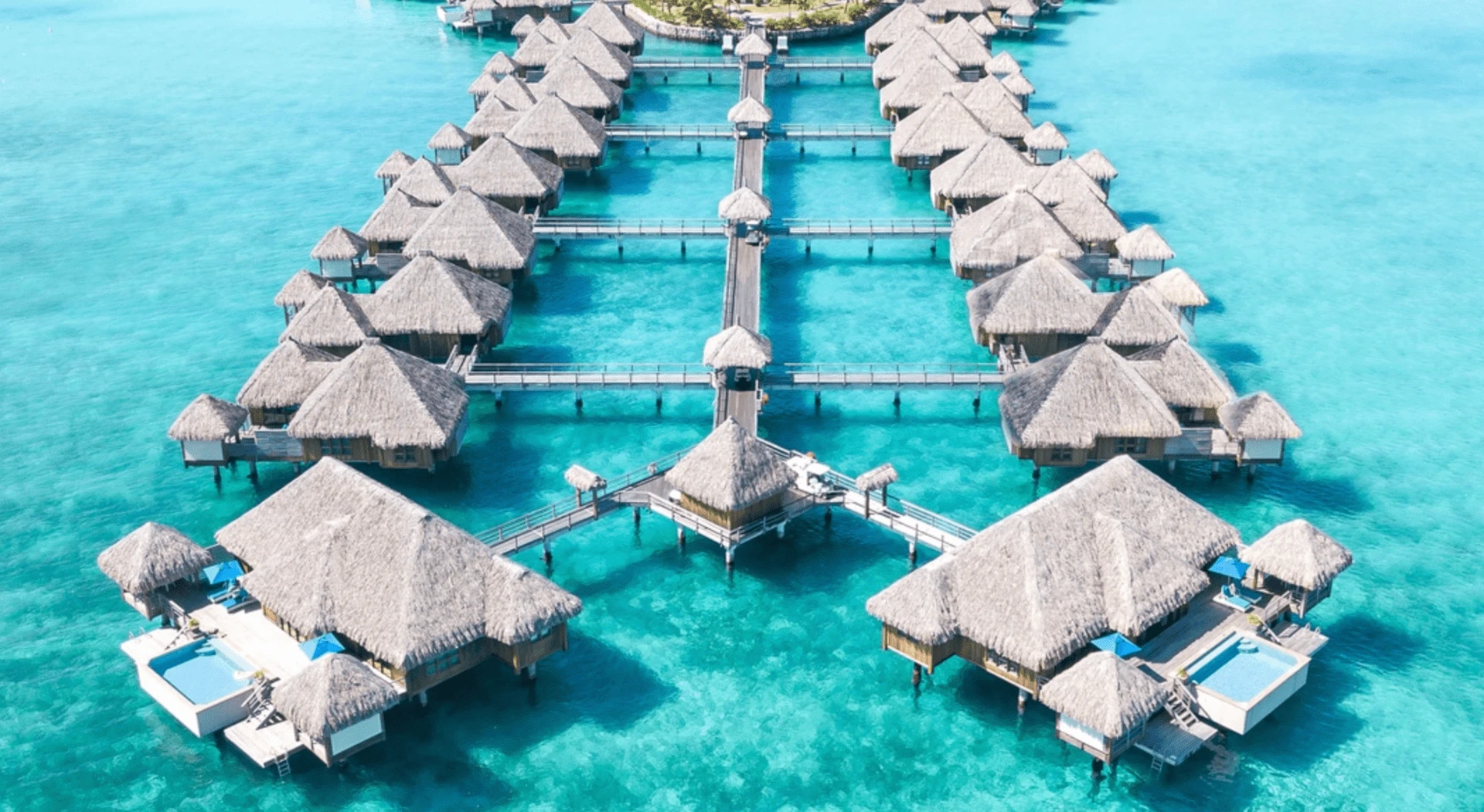
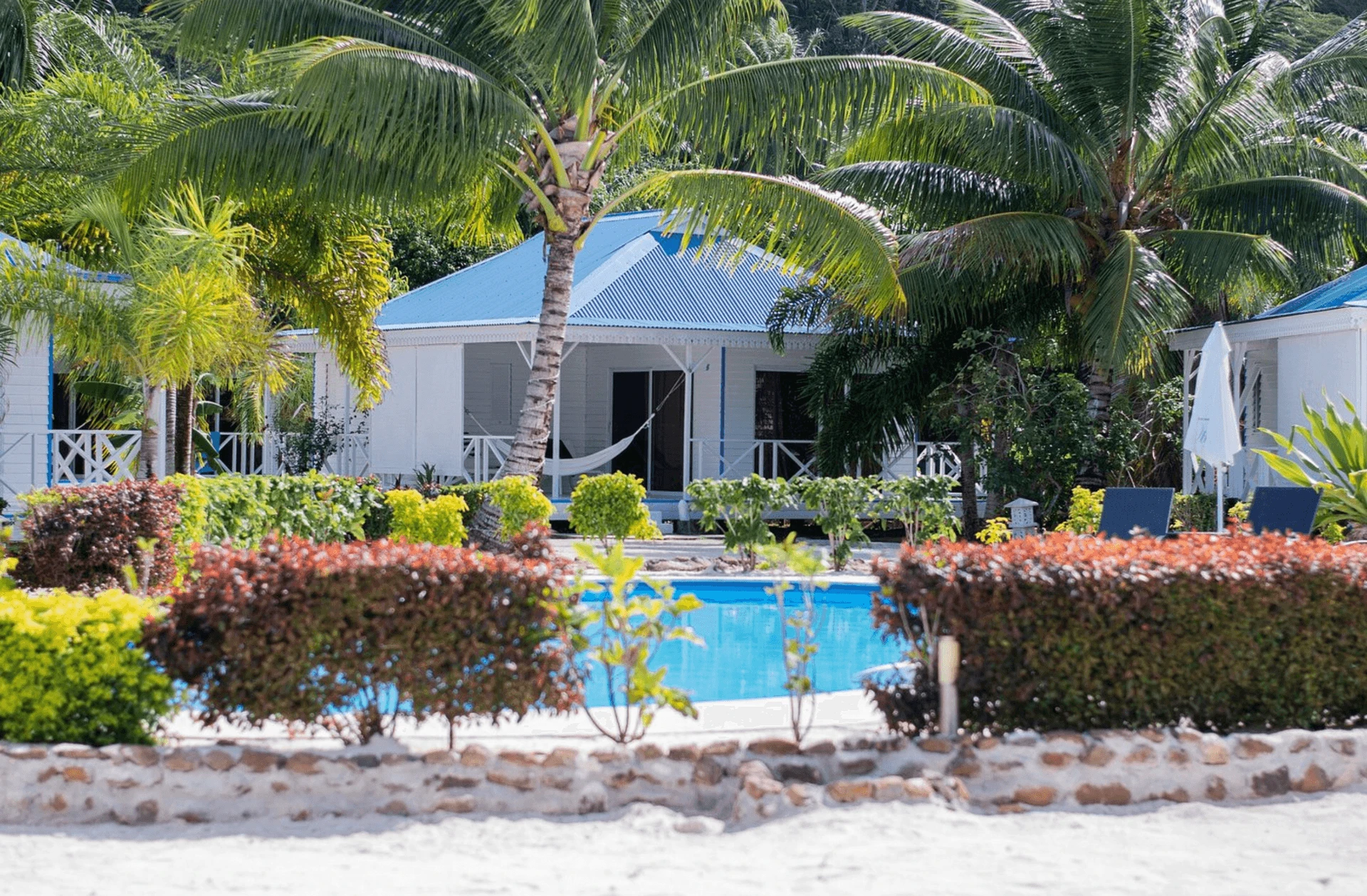
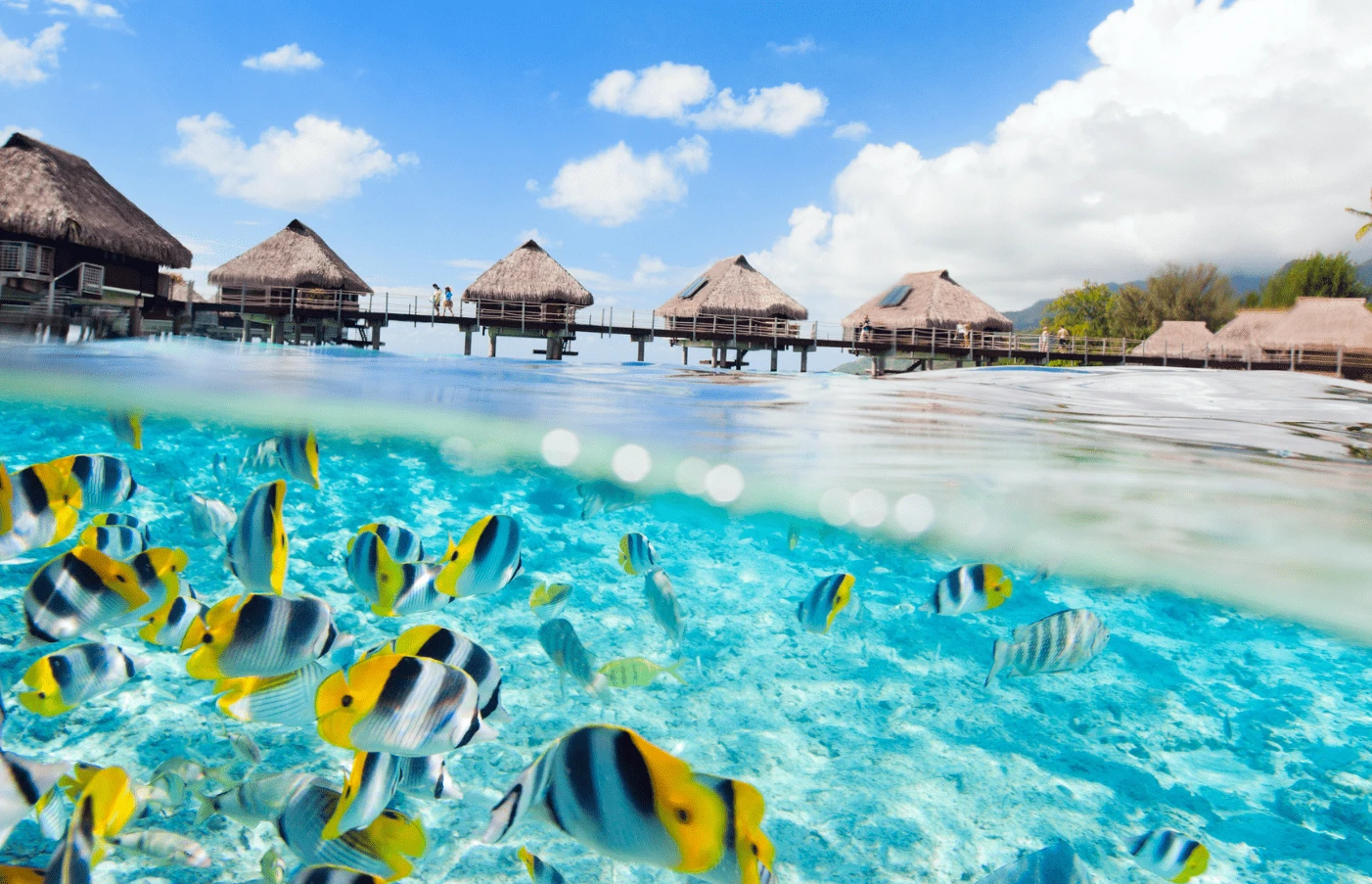
Bora Bora’s hotel offering is smaller but operates at a consistently high level. The Four Seasons, Conrad, and St. Regis all deliver experiences that are difficult to replicate elsewhere. The overwater villa format, done properly in a lagoon like this one, is something Hawaii simply cannot offer. For travelers whose priority is that specific experience, Bora Bora’s properties are purpose-built around it in a way that no Hawaiian resort can match.
For breadth and variety, Hawaii. For the overwater villa experience specifically, Bora Bora.
Beaches
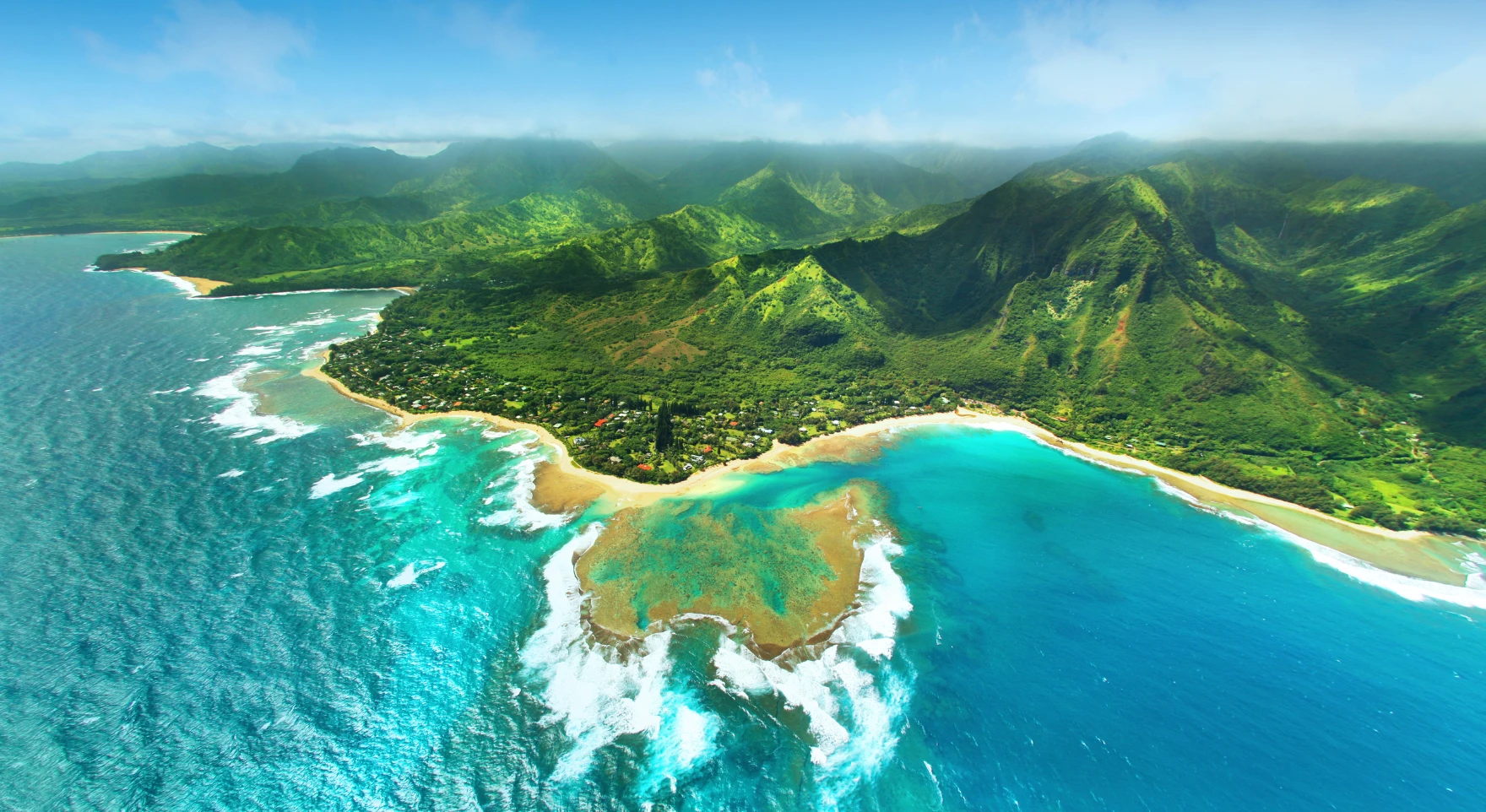
Hawaii’s natural variety is genuinely hard to overstate. Maui alone has white sand beaches on the west coast, a black sand beach at Waianapanapa, and a red sand cove near Hana that feels like a secret even when you know where to look. Kauai adds the Na Pali Coast, 17 miles of sea cliffs accessible only by boat, helicopter, or a demanding two-day trail, and Waimea Canyon, which cuts 3,600 feet through the island’s interior.
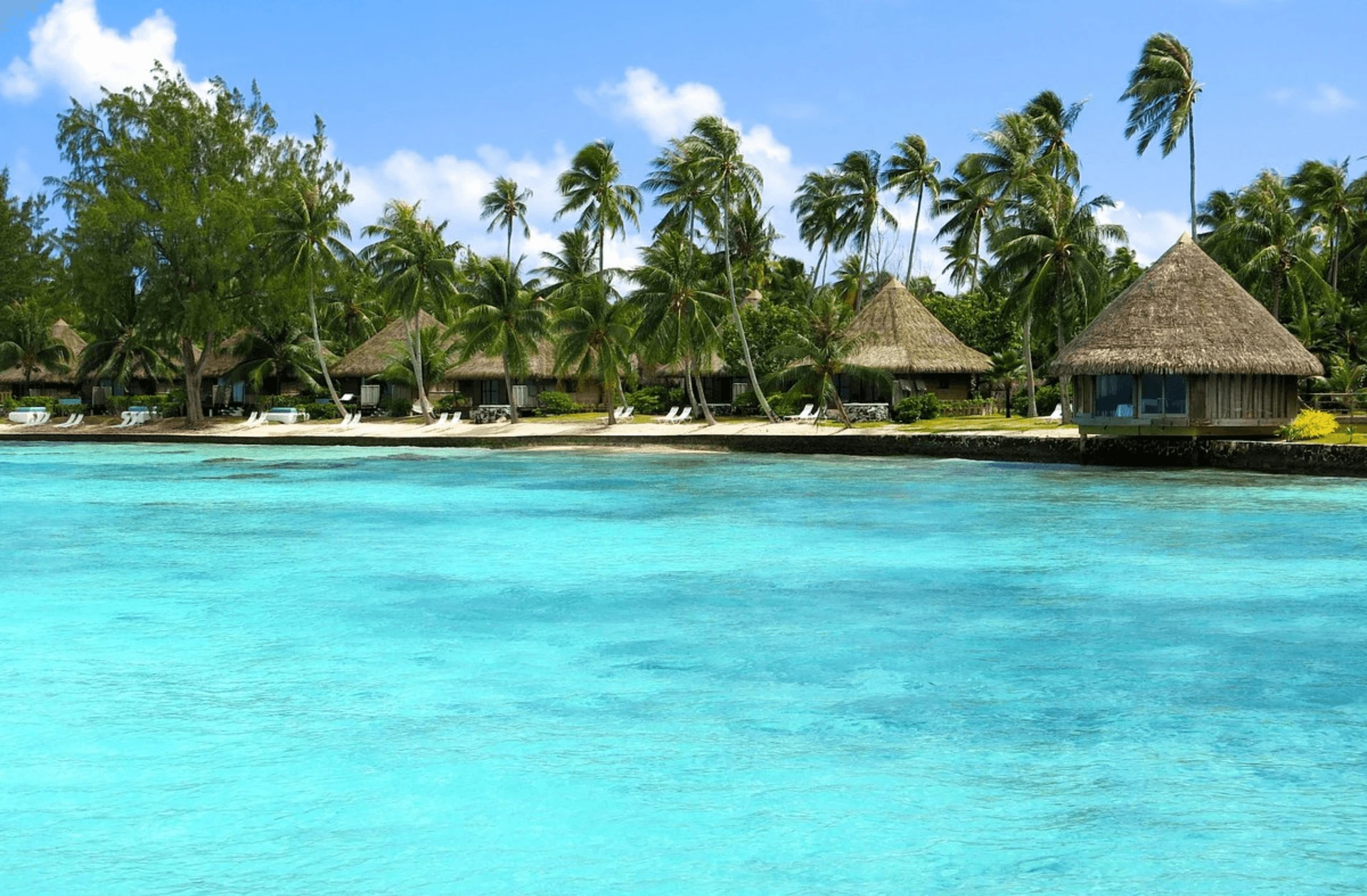
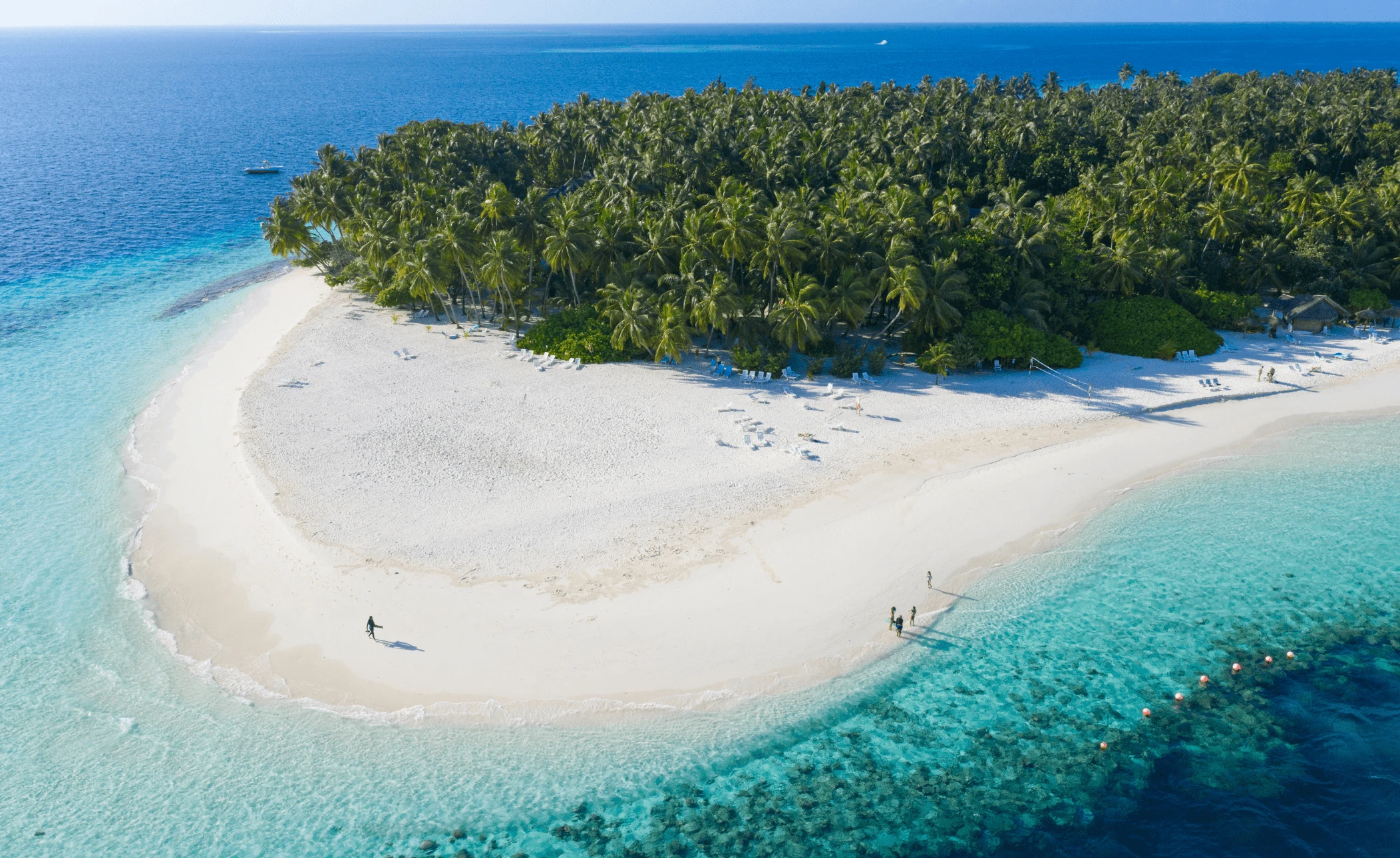
Bora Bora offers none of that variety and needs none of it. The lagoon, enclosed by its barrier reef and ringed by motus, is one of the most complete natural environments in the Pacific. The beaches are modest. The landscape beyond the water is largely inaccessible. But the water itself, and the way it sits against the reef and the peak, is what people fly this far to see.
Activities
Hawaii’s activity offering is effectively unlimited. Maui has world-class surfing on the north shore at Peahi, known as Jaws, road cycling down Haleakala from the crater summit, whale watching from December through April when humpbacks migrate through the channel, helicopter tours over the volcano and the coastline, and a food and drink scene that has grown over the past decade. Kauai adds kayaking on the Hanalei River, hiking the Kalalau Trail along the Na Pali Coast, and boat tours that access sea caves and waterfalls unreachable any other way.
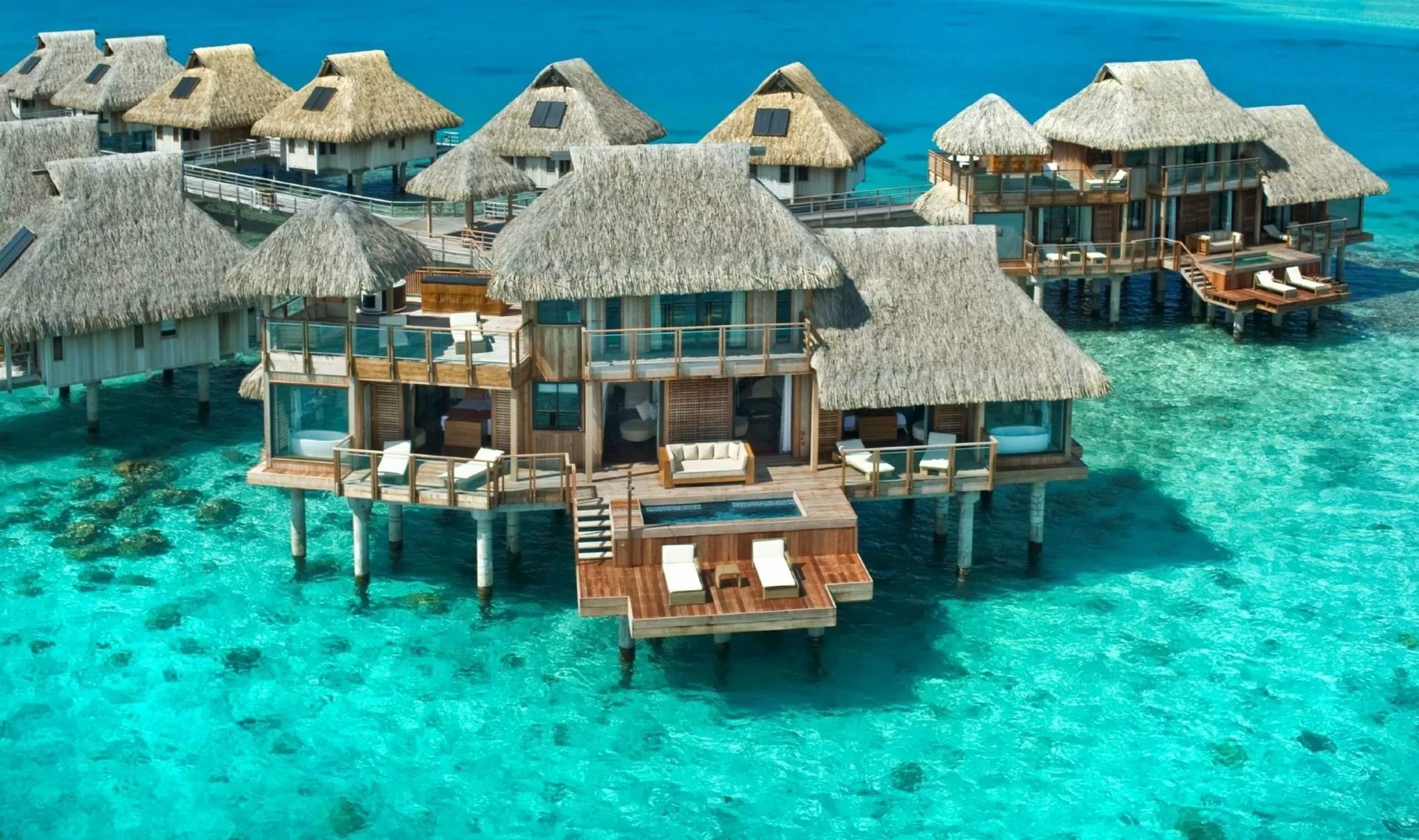
Bora Bora’s activity offering centers on the lagoon. Shark and ray feeding excursions in the shallow water are a consistent highlight, with large numbers of blacktip reef sharks and stingrays concentrated in specific areas of the lagoon. Jet skiing, parasailing, paddleboarding between motus, outrigger canoe trips, and snorkeling across the barrier reef fill the days for those who want them filled. For those who do not, the overwater deck and the lagoon view are the activity.
For couples who want to be busy and explore, Hawaii is the stronger choice. For couples who want to do very little in a very beautiful place, Bora Bora delivers that without distraction.
LGBTQ+ Considerations
Hawaii has been one of the most LGBTQ+-friendly destinations in the United States for decades. Same-sex marriage has been legal in the state since 2013, and Hawaii was among the earlier states to move toward legal recognition well before the federal ruling. Maui’s Wailea and Lahaina areas have long been popular with LGBTQ+ couples, and Oahu’s Waikiki neighborhood has a visible and established gay scene centered around Kuhio Avenue. The broader Hawaiian culture is shaped by Indigenous values of inclusion and the mahuwahine and aikane traditions of gender and sexual diversity.
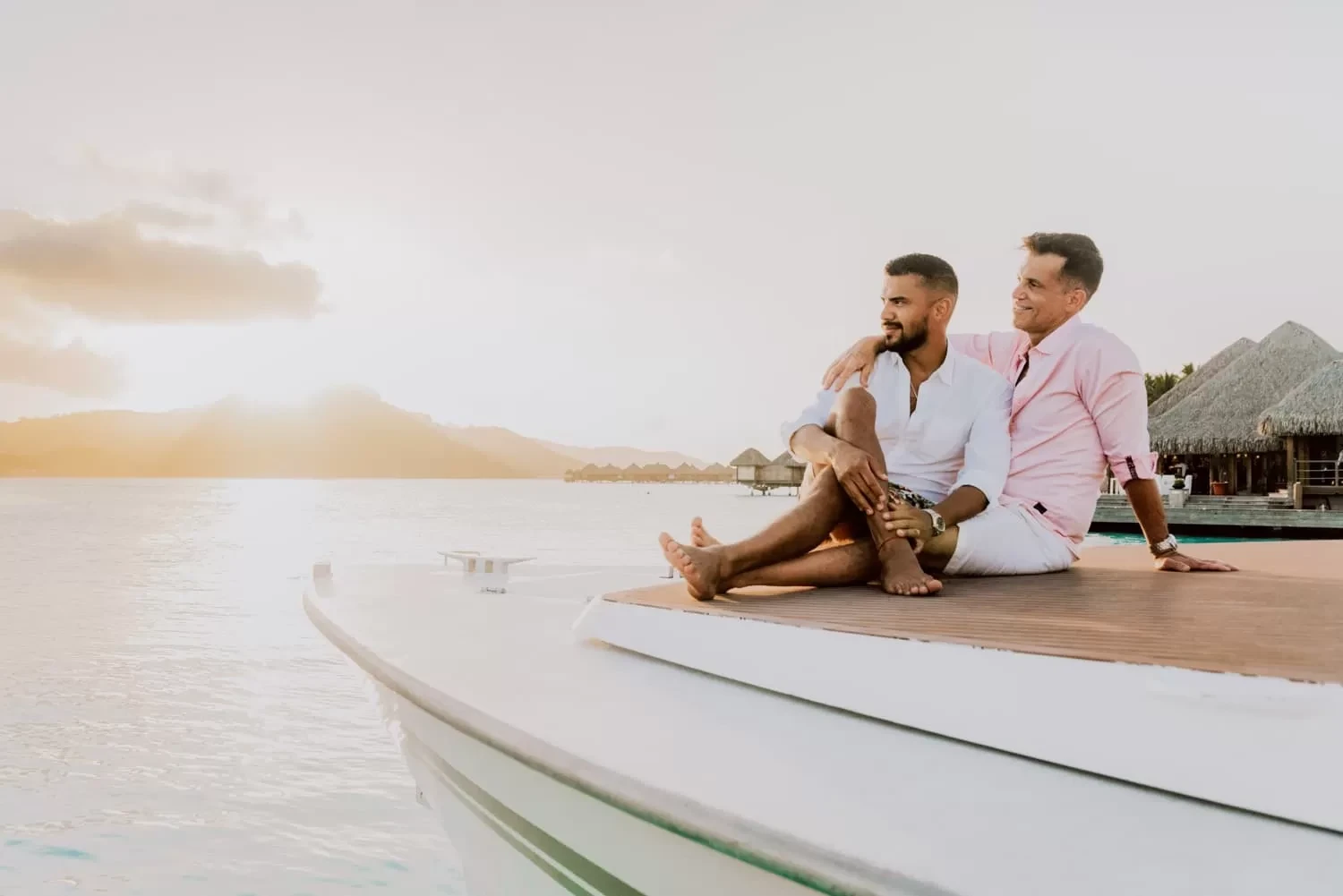
As a French overseas collectivity, Bora Bora operates under French law. Same-sex relationships have never been criminalized, anti-discrimination protections are in place, and same-sex civil partnerships are recognized. LGBTQ+ couples can expect the same treatment as any other couple at the island’s hotels. What Bora Bora does not have is any gay scene or visible LGBTQ+ community life. The experience is entirely resort-based, which for many couples is exactly the point.
Both destinations are safe and welcoming for LGBTQ+ travelers. Hawaii offers more in the way of community, visibility, and the ability to find gay-specific spaces and events. Bora Bora offers seclusion and a resort environment where the couple is the focus and everything else falls away.
Honeymoons
Both destinations are well-suited to honeymoon travel, but they suit different couples.
Hawaii is the right choice for couples who want a honeymoon that feels like an experience as well as a retreat. Island-hopping between Maui and Kauai, spending days hiking, eating, exploring, and evenings at the kind of table that requires a reservation, building a trip with genuine variety and momentum. The luxury hotels on both islands deliver the romance without requiring you to stay put.
Bora Bora is the right choice for couples who want to stop. The overwater bungalow, the lagoon, the complete absence of anywhere to be and nothing to do that cannot wait, that is the Bora Bora honeymoon.
Logistics
Hawaii is a domestic flight from anywhere in the US. Direct services to Maui and Kauai run from most major cities, with flight times from Los Angeles around five to six hours.
Bora Bora is a longer commitment. Almost all international flights arrive at Papeete on Tahiti first, with Air Tahiti operating connecting flights to Bora Bora at around fifty minutes. Total travel time from the West Coast runs to around twelve hours. Most travelers add a night or two in Tahiti to break the journey, and French Polynesia rewards those who do. Moorea is a twenty-minute ferry from Papeete.
The atolls of Rangiroa and Fakarava are short hops beyond that. Island hopping across French Polynesia is straightforward and builds a trip with considerably more range than Bora Bora alone.
The Verdict
Hawaii wins on variety, culture, activities, and gay scene. Bora Bora wins on the lagoon, the overwater villa experience, and romantic seclusion that is hard to find elsewhere.
Both are trips Out Of Office builds regularly and knows well. Tell us what you are looking for and we will tell you which one fits.