







Moment · Japan
Kinosaki Onsen After Hours, with a Private Bath for Two
Walk Japan's great bath town by lantern light with an onsen curator after the bathhouses close, then end in a private bath of your own.
A Town Built for Bathing
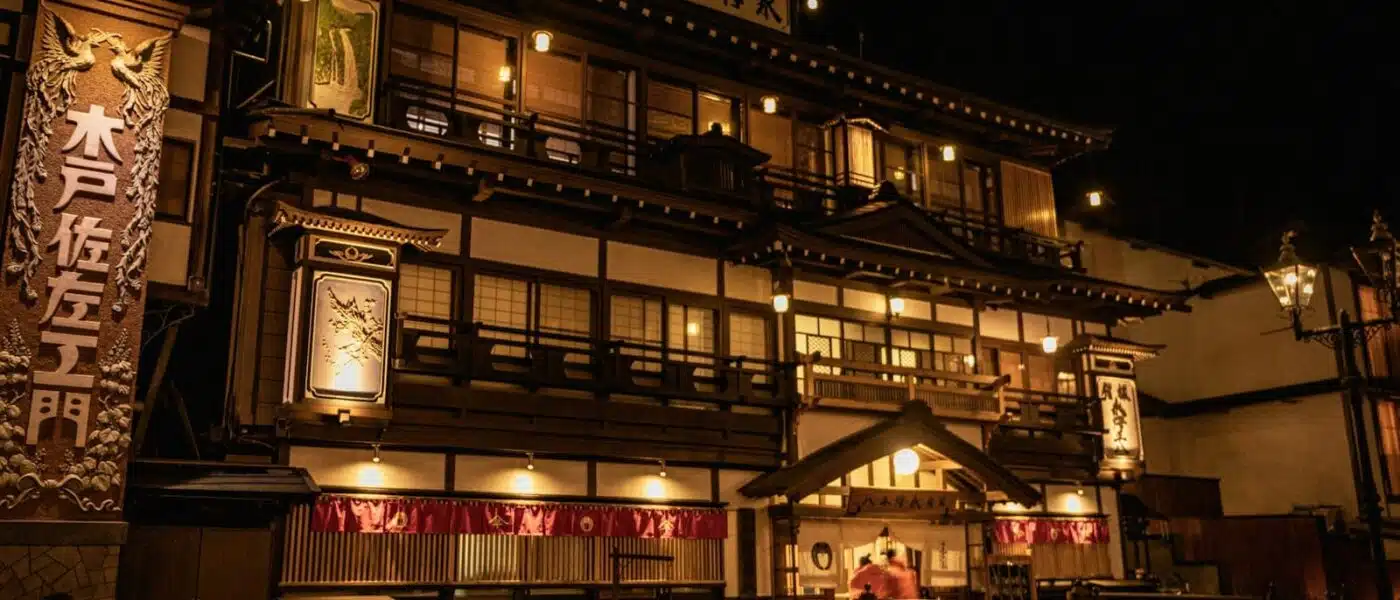
Kinosaki Onsen is a small canal town on the north coast of Hyogo Prefecture, shaped almost entirely by water. For over 1,300 years people have come not for temples or views but to bathe. Its seven public bathhouses line a willow-edged canal, all fed from the same geothermal source and each with its own history and character.
By day the town bustles, guests clattering between baths in cotton yukata and wooden geta. By early evening the tempo changes: doors close, the steam thins, the streets empty and Kinosaki returns to itself. This experience begins once the bathhouses have closed to the public. The lights stay low and the water stays hot, and in the quiet you find what onsen bathing was always meant to be: deliberate, unhurried and part of everyday life.
The Monk, the Stork and the Bath Walk
In Japan, onsen bathing is less a luxury than a practical tradition. Volcanic land makes hot water plentiful, and over centuries bathing became central to health, hygiene and social life; Kinosaki is one of its clearest surviving expressions. Legend says a Buddhist monk, Dochi Shonin, prayed for a thousand days in the eighth century to ease local suffering until the spring at Mandara-yu opened, its water thought to heal body and spirit. Another story tells of a white stork soothing its injured leg in the waters of Kono-yu. Both link the town to renewal and care.
Unlike resort onsen built around private tubs, Kinosaki grew around shared bathhouses. Guests stay in ryokan and walk from bath to bath, sotoyu meguri, treating the whole town as a changing room: the onsen as part of society, not an escape from it. Each bath has its own purpose, whether recovery, longevity or contemplation, and the sodium-calcium chloride water holds its heat and eases tired muscles, which once drew injured samurai, laborers and travellers seeking restoration. After the 1925 earthquake the town rebuilt with its culture in mind, keeping the wooden fronts and narrow lanes. Tourism has preserved the system but brought crowds, schedules and time limits; after hours, the old rhythm returns.
Why After Hours Changes Everything
During opening hours the bathhouses are lively and social, which is part of their charm but also shapes how people move. After closing, attention turns to the water, the architecture and how your body responds to the heat, and silence becomes part of the ritual.
Your curator also gives you the etiquette, so often rushed or unexplained: why the washing area faces inward, why towels never go into the bath, why you soak still rather than swim. Knowing these details takes away the self-consciousness many first-timers feel, and after hours there’s no sense of watching or being watched, only calm.
Tell us how you like to travel. We will shape the trip around it.
Request a quote →Lanterns, Cedar and Clear Water
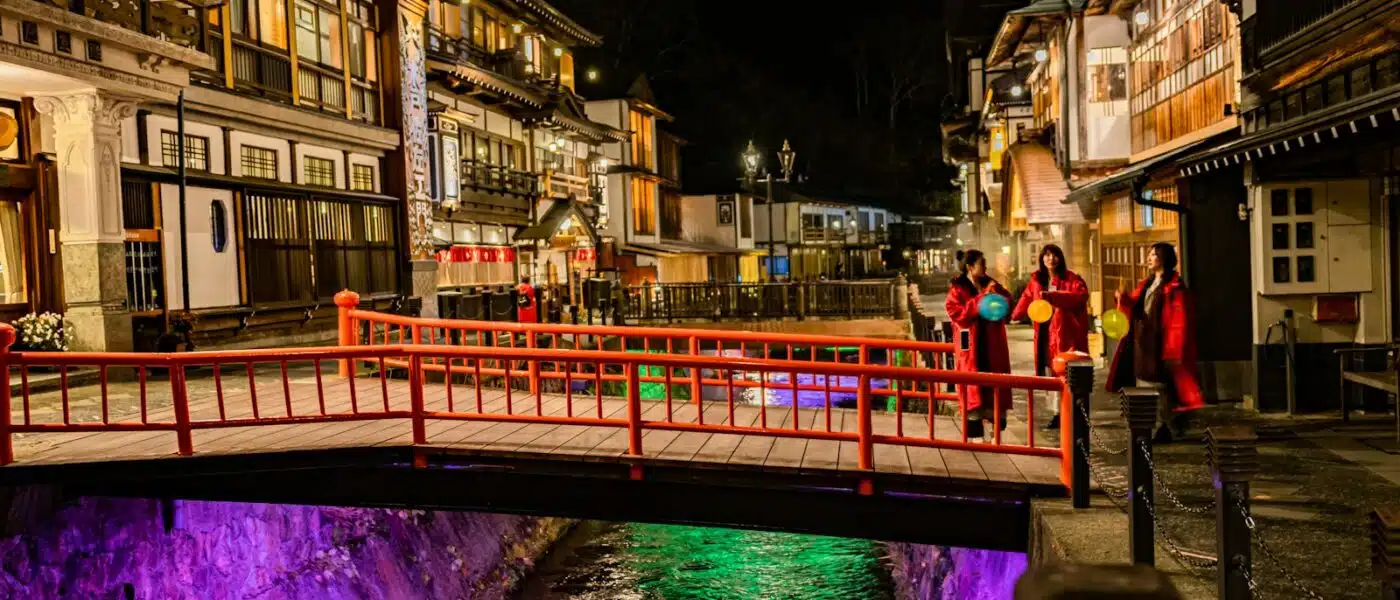
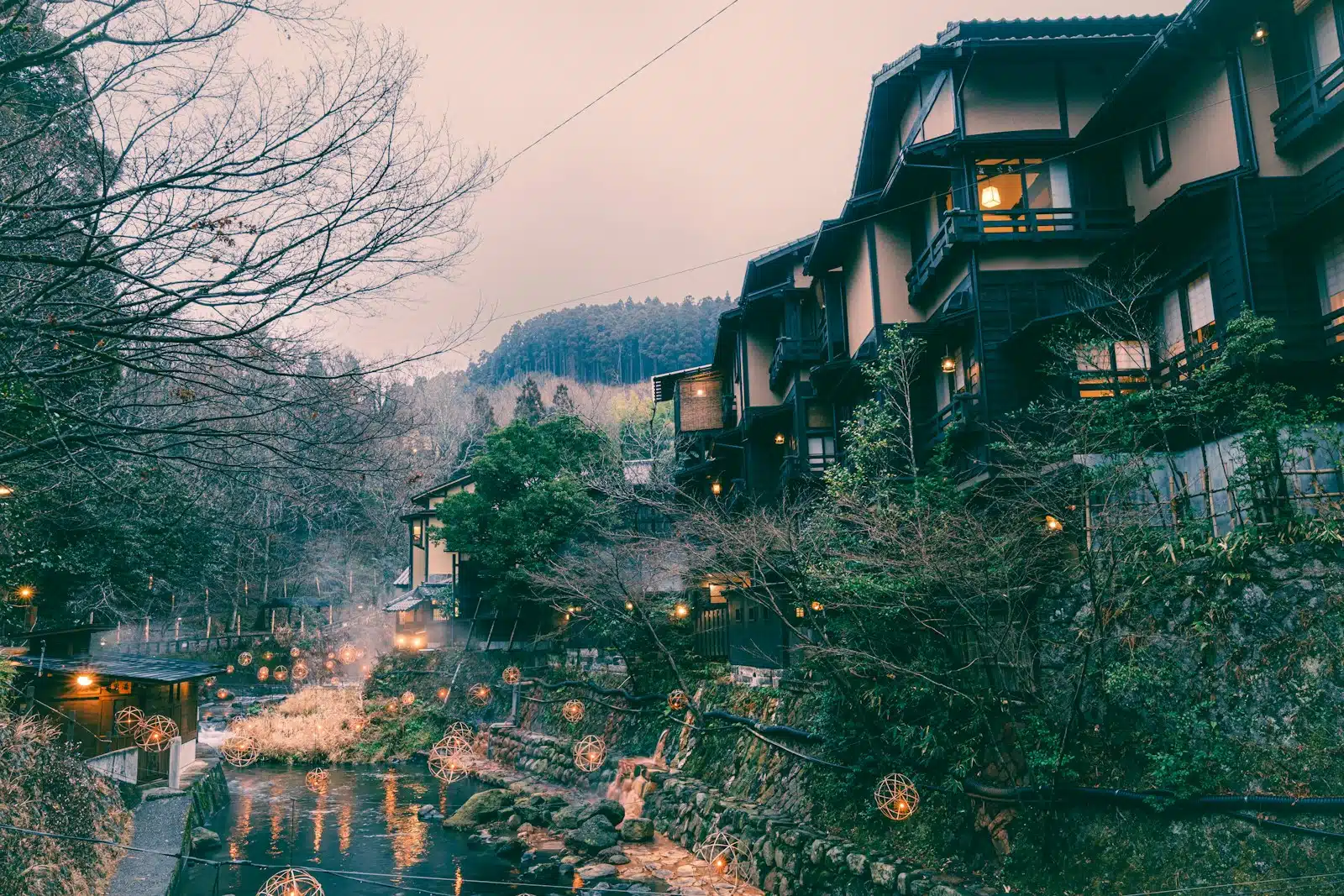
The evening starts with a walk through town, lanterns reflected in the canal, wooden facades creaking as the air cools and steam drifting from vents in the street, a reminder of the water moving underfoot. Inside, the bathhouses are simple and purposeful, cedar beams darkened by decades of humidity and changing rooms laid out in quiet symmetry. One bath opens to the night, cool air mixing with the steam; another wraps you in stone, deepening the heat and the stillness. The light is indirect, meant to soothe rather than show.
The water is clear with a faint mineral scent. Ease in slowly and the heat sinks into your muscles instead of shocking your skin; your breathing slows and you barely move. Between baths, cool corridors and short walks outside sharpen your sense of temperature and sound, a rhythm of transitions rather than accumulation.
A Private Bath to End the Night
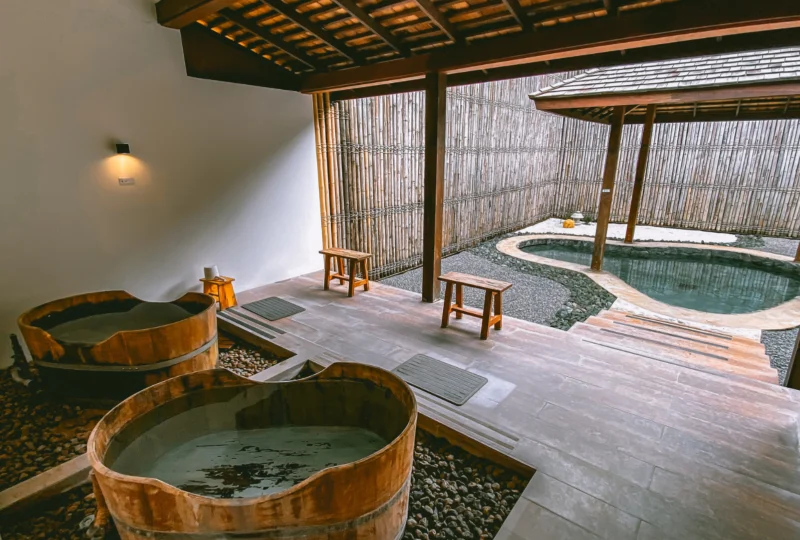
For a couple, the evening can finish in a reserved private bath of stone, hinoki or ceramic, warm light on tiled walls and steam rising over the water, perhaps open to a small garden where you hear the leaves move. There’s no one to match your pace and no waiting for a free tub; you choose the temperature, sink in together, talk softly or not at all, and step out only when you’re ready.
After-hours access to Kinosaki’s bathhouses is unadvertised, granted selectively and depends on long local relationships, because the baths are run by the municipality and bound up with the town’s identity. Out Of Office works directly with Kinosaki’s onsen custodians and cultural guides to arrange access that respects its traditions, timed to avoid disruption and kept to a small group, with a curator fluent in bathing culture and local history. Your LGBTQ+ travel specialist handles the ryokan, walking routes and private bath discreetly, and our Japan guide covers LGBTQ+ rights and travel advice.
The hard part is not finding a beautiful place. It is finding the right one for you.
Every property we suggest is handpicked by our team. Twenty minutes with a specialist will tell you which ones are worth your time.
More Moments in Japan
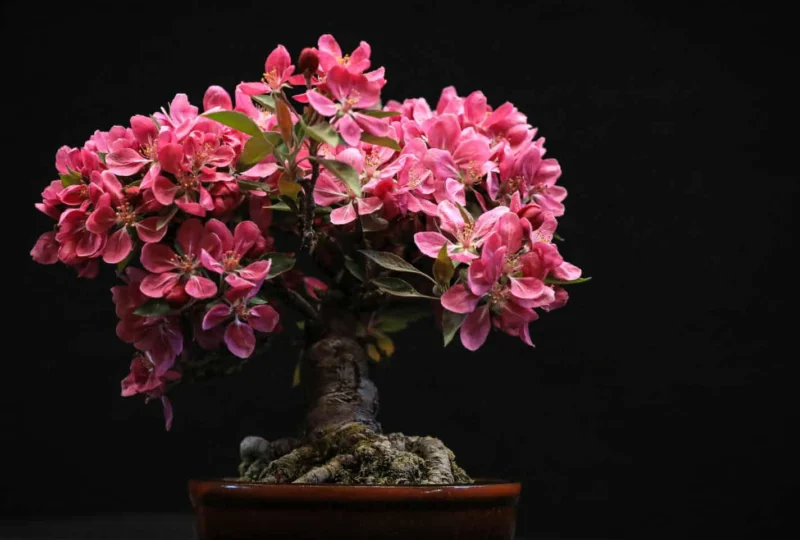
A Private Bonsai Workshop with a Master in Omiya Bonsai Village
From Chinese Penjing to Zen Discipline Bonsai began in Tang dynasty China as penjing, miniature landscapes arranged in trays. Buddhist monks brought it to Japan in the Heian period, where it became an art of the single tree rather than the composed scene, closely linked to Zen: simplicity, restraint and balance as expressions of a worldview, not mere style.
Discover more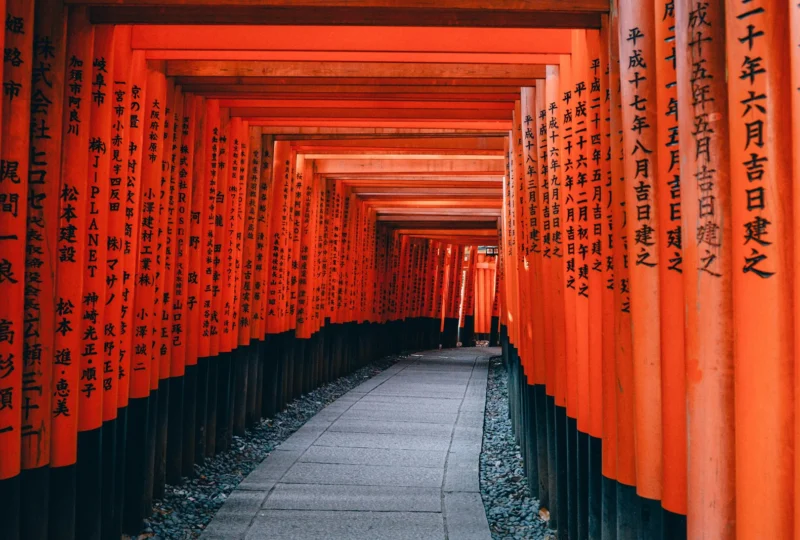
Arashiyama’s Bamboo Grove at First Light, with a Private Photographer
A Courtly Retreat and a Famous Sound Arashiyama became a favourite escape in the Heian period, when members of the imperial court came to flee the summer heat and enjoy nature. The bamboo that defines the grove was first grown for practical things like baskets and fencing, but it gained cultural meaning as nearby temples, including Tenryu-ji, brought it into their practice.
Discover more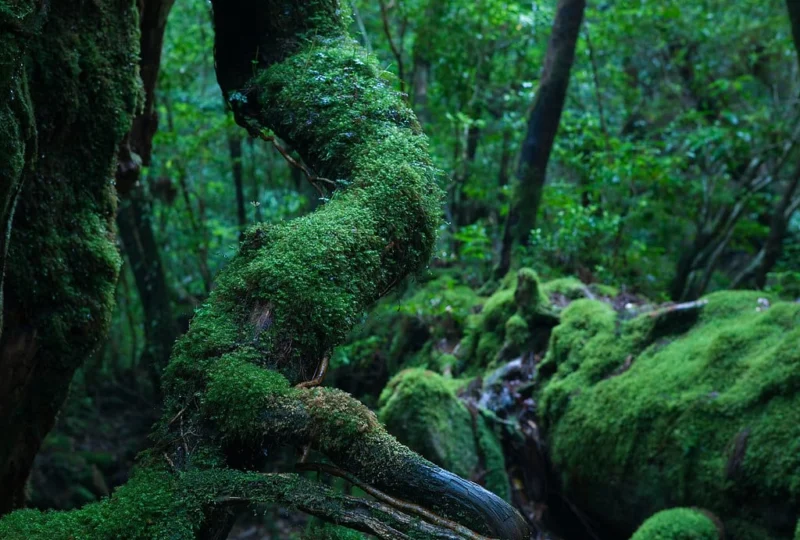
Shinrin-Yoku: Guided Forest Bathing on Yakushima Island
An Island of Rain and Cedar Off the southern coast of Kyushu, Yakushima climbs steeply out of the sea and receives heavy rain all year, feeding rivers that cut through primary forest. About 30 percent of its 503 square miles is protected as Yakushima National Park, with large areas kept free of development and vehicles; roads only ring the coast, and the interior can be reached only on foot.
Discover more
We plant trees for every booking
For every booking made with Out Of Office we commit to planting trees in your name to help reduce the impact of travel on future generations. You'll even get a link to see where your trees are planted in the world via our partner Ecologi.


We donate to Rainbow Railroad with every booking
Rainbow Railroad helps LGBTQ+ people escape state-sponsored violence and persecution. A donation goes with every trip we sell, funded by us and never added to your price.


Start Planning Your Trip
Tell us where you would love to go, when you are thinking of travelling and what kind of trip you have in mind. One of our LGBTQ+ travel specialists will create a tailor-made itinerary designed around your destination, style and preferences.
One named specialist, first enquiry to homecoming. No call centre, and nothing is charged until you decide to book.