




Editorials
Plan Your Gay Honeymoon in Argentina
Plan a gay honeymoon in Argentina, from Buenos Aires' grand hotels and queer tango history to Mendoza wine country and Patagonia's glaciers.
Few honeymoon destinations offer as much variety as Argentina. Start in Buenos Aires with grand hotels, late dinners and neighbourhoods made for exploring on foot. From there, you can fly west to Mendoza for vineyard stays beneath the Andes, or south to Patagonia for glaciers, mountains and remote luxury lodges.
Argentina is also a great choice for LGBTQ+ honeymooners. Same-sex marriage has been legal since 2010, and particularly in Buenos Aires, LGBTQ+ travellers are part of the everyday fabric of the city rather than confined to a single neighbourhood or scene.
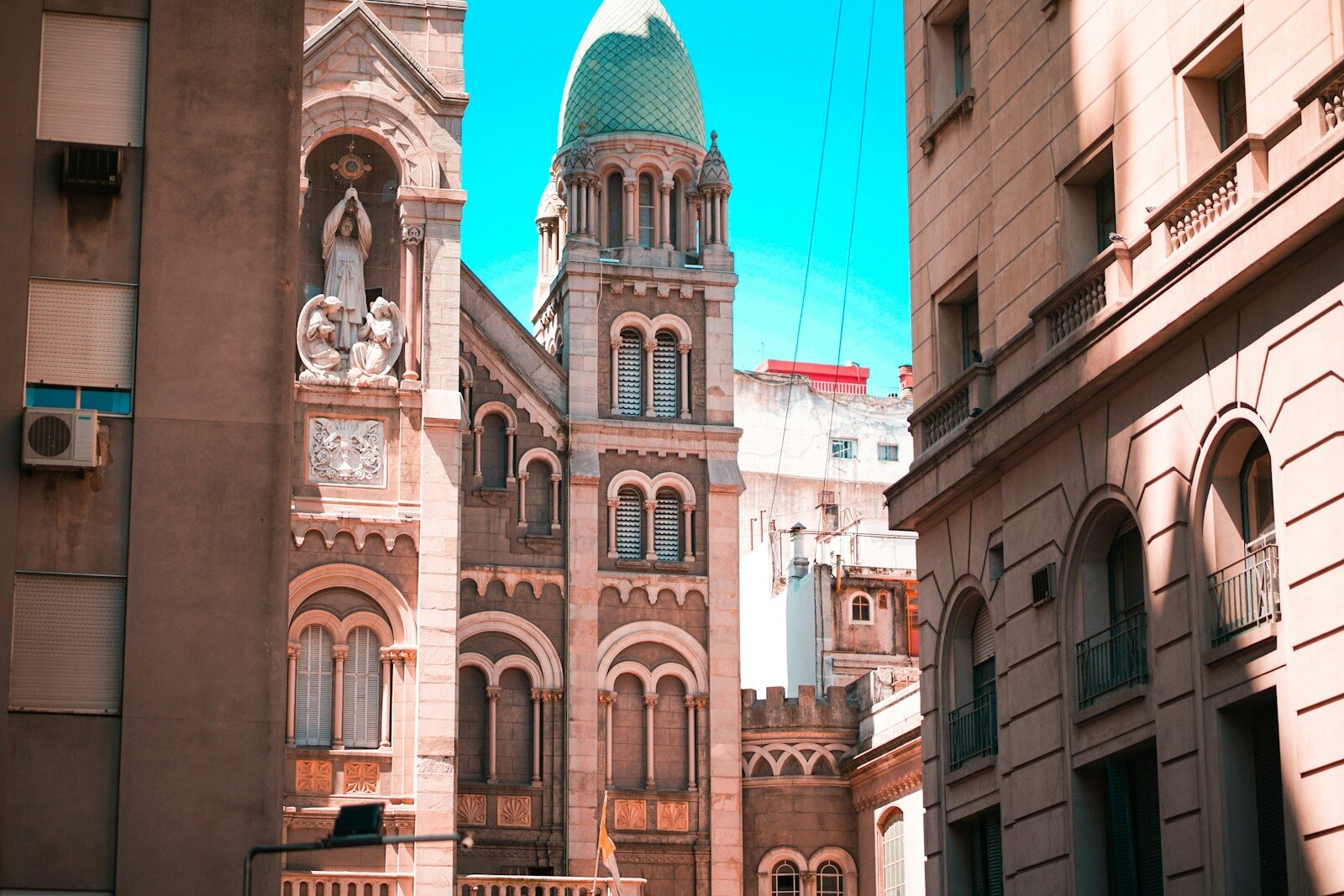
Buenos Aires: tango, cafés, grand architecture and a city with layers
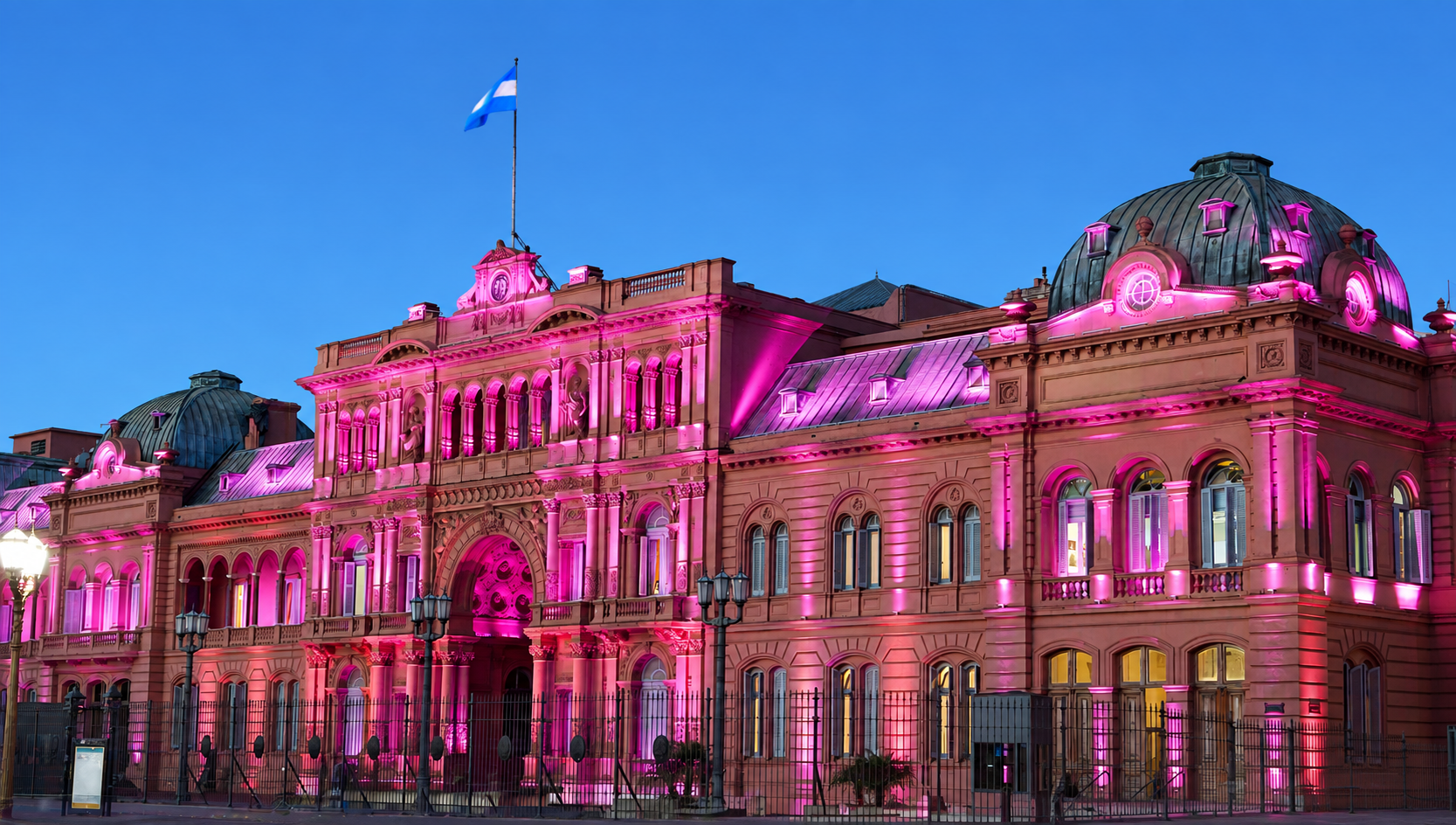
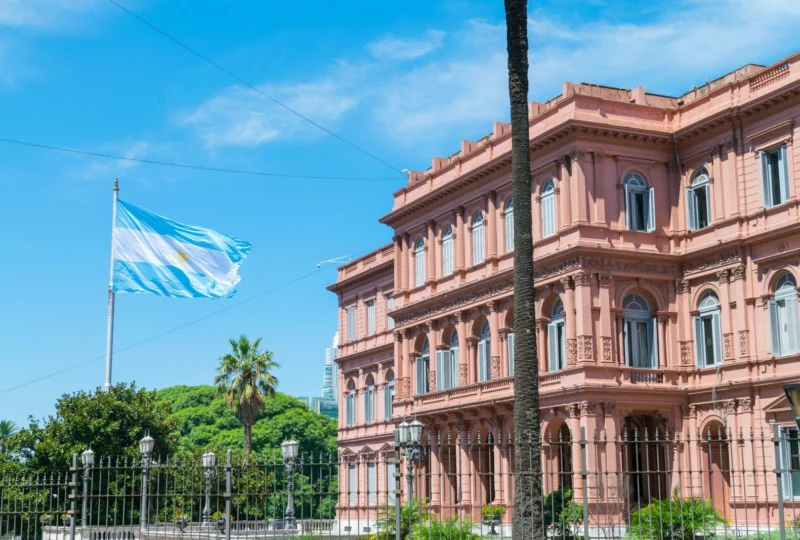
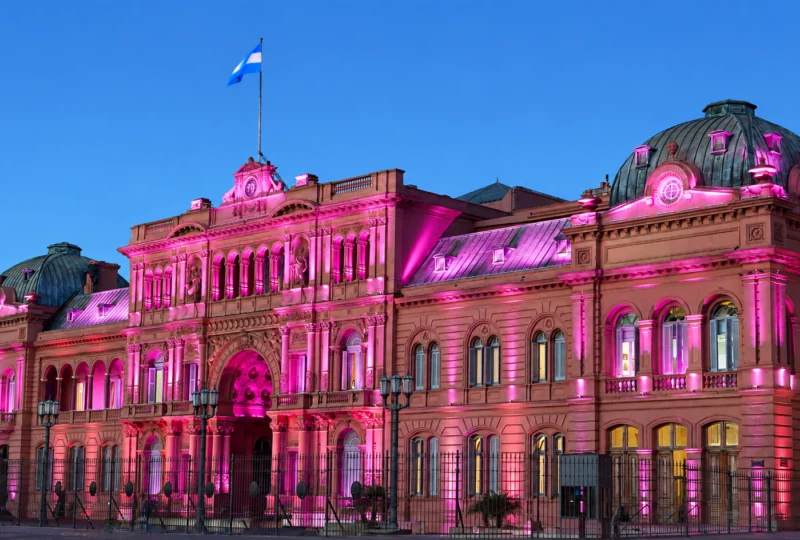
Buenos Aires is a city with plenty to fill several honeymoon days. Recoleta, San Telmo and Palermo each show a different side of the capital, and much of the pleasure comes from moving between them rather than staying inside one neighbourhood.
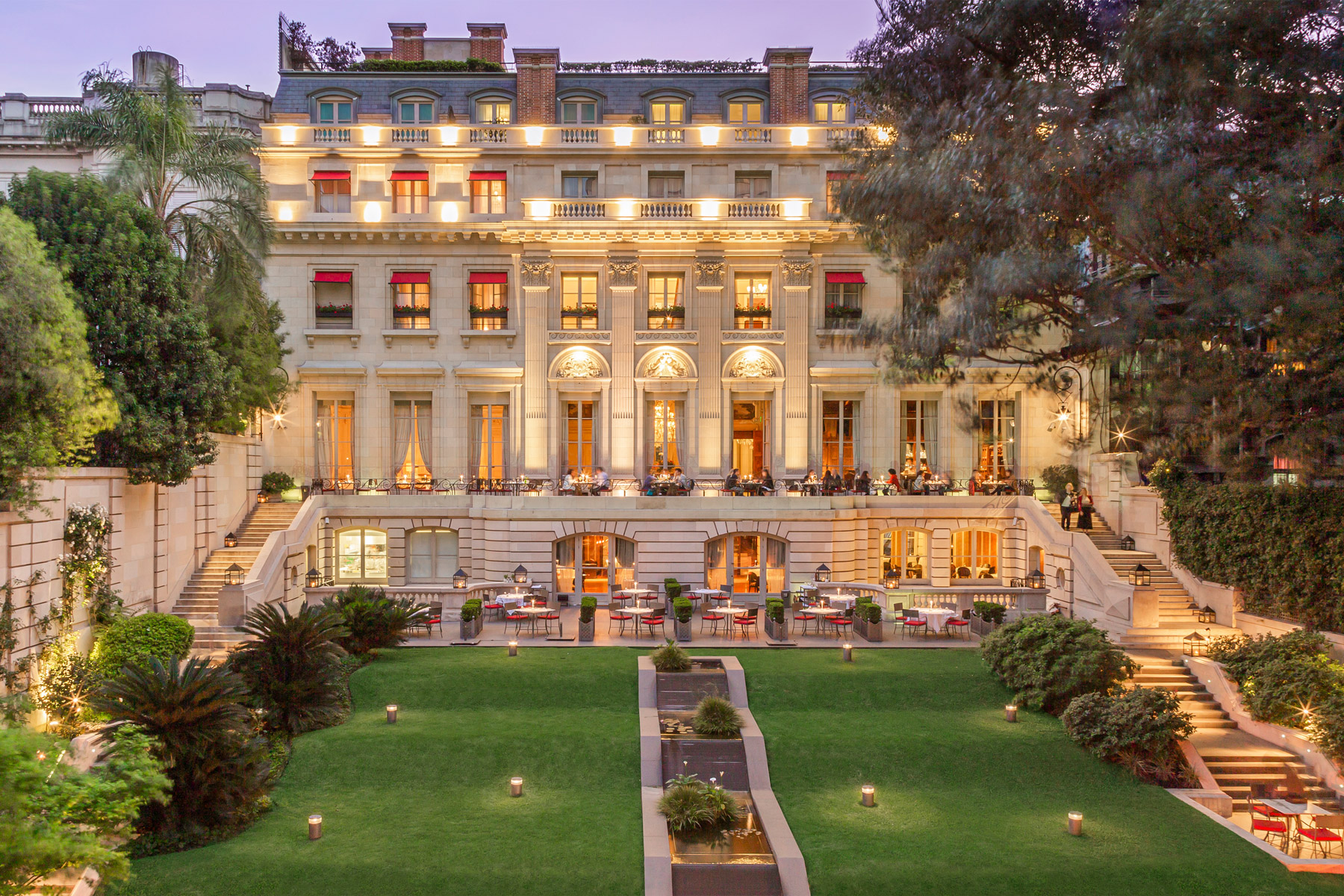
Recoleta is Buenos Aires at its grandest. The money made from cattle and grain in the late nineteenth and early twentieth centuries helped reshape this part of the city with broad avenues, French-influenced apartment buildings and elaborate private mansions. Some of that world survives in its hotels, but it is also there in the streets themselves, around the cemetery, in the old residential blocks and in institutions such as the Museo Nacional de Bellas Artes.
Food in Buenos Aires is a big part of the city’s identity. There are neighbourhood bodegones serving enormous plates of familiar Argentine cooking, old cafés where coffee and medialunas still come with a sense of ritual, parrillas built around beef and fire, and a newer generation of restaurants looking more widely across Argentina for ingredients and ideas. Add the city’s wine bars, vermouth culture and habit of eating late, and meals quickly become a significant part of a stay.
There is also a strong literary streak. Buenos Aires has an unusually dense bookshop culture, with Avenida Corrientes still lined with places to browse long after many other shops have closed. El Ateneo Grand Splendid, a former theatre turned bookshop, is the famous example, but the more interesting pleasure is how normal books still feel as part of everyday city life.
A honeymoon stay works best when it is not reduced to a checklist of hotels and sights. Buenos Aires is interesting because there is enough substance to spend several days eating, walking, visiting museums, seeing tango and exploring different neighbourhoods before the trip moves on to the vineyards of Mendoza or the much larger landscapes of Patagonia.
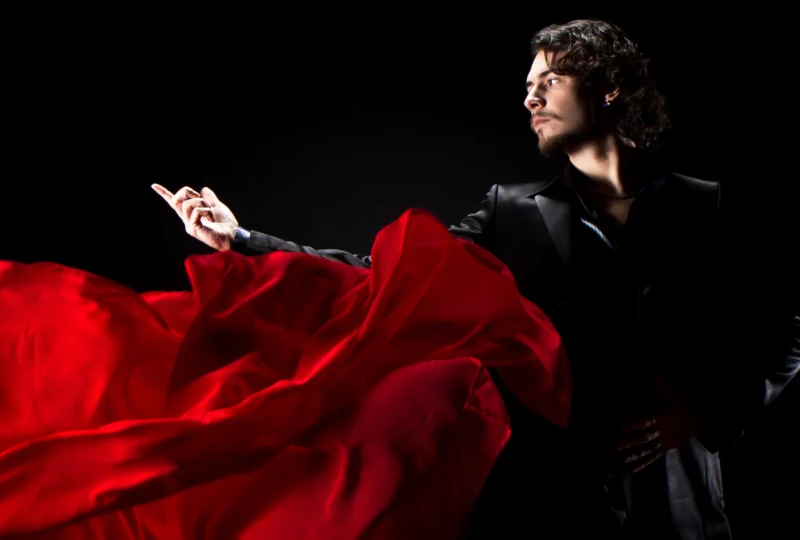
The Tango has its own LGBTQ+ history
Tango’s popular image, a man and woman locked in a dramatic embrace, only tells part of the story. The dance was born in the 1880s in the working-class port neighbourhoods of Buenos Aires, in a world of immigrants, freed slaves and dockworkers where women were often scarce. Men frequently learned and practiced the dance with each other simply because there was no one else to practice with, and that same-sex practice became so embedded in tango’s early development that some of its technique grew directly out of it.
That thread never fully disappeared, and Argentina’s return to democracy in 1983 eventually let it surface properly. The 1990s saw the first openly LGBTQ+ milongas open in Buenos Aires, built around a version of the dance now known as tango queer, where the traditional lead and follow roles are assigned by choice rather than gender and partners often switch mid-dance.
La Viruta in Villa Crespo runs regular queer tango nights that draw same-sex and mixed-gender couples onto the same floor, and Milonga La Nacional in Barracas hosts its own dedicated LGBTQ+ tango evenings.
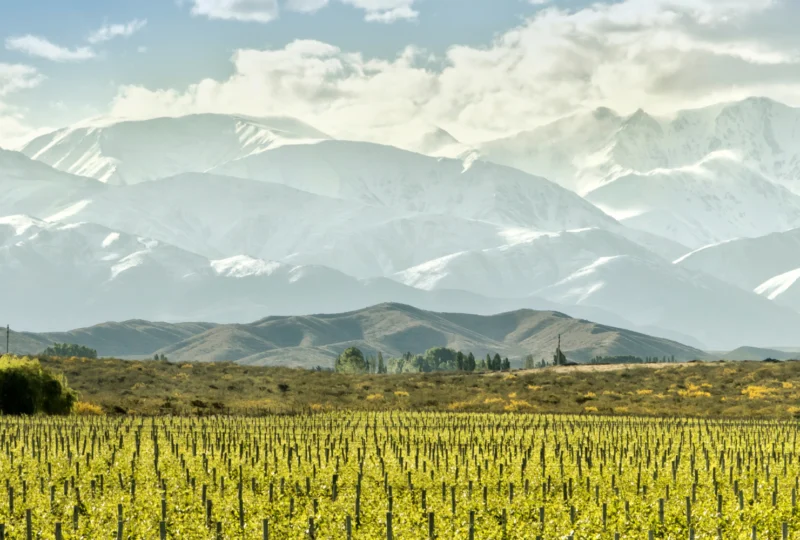
Mendoza: the slower half of the trip
After a few days of Buenos Aires’ pace, Mendoza resets the tone entirely. This is Argentina’s wine country, laid out on the eastern edge of the Andes, where vineyard estates double as small luxury hotels and dinner is built around a tasting menu paired to whatever the estate has bottled that year.
Days here move around long lunches, wine tours through Malbec country and, for couples who want to add some movement to the trip, hikes and horseback rides with the mountains as a constant backdrop. It is the honeymoon equivalent of Tuscany, if Tuscany came with an Andean skyline.
See your complete itinerary before you decide.
Request a quote →Patagonia: glaciers, granite peaks and the end of the road
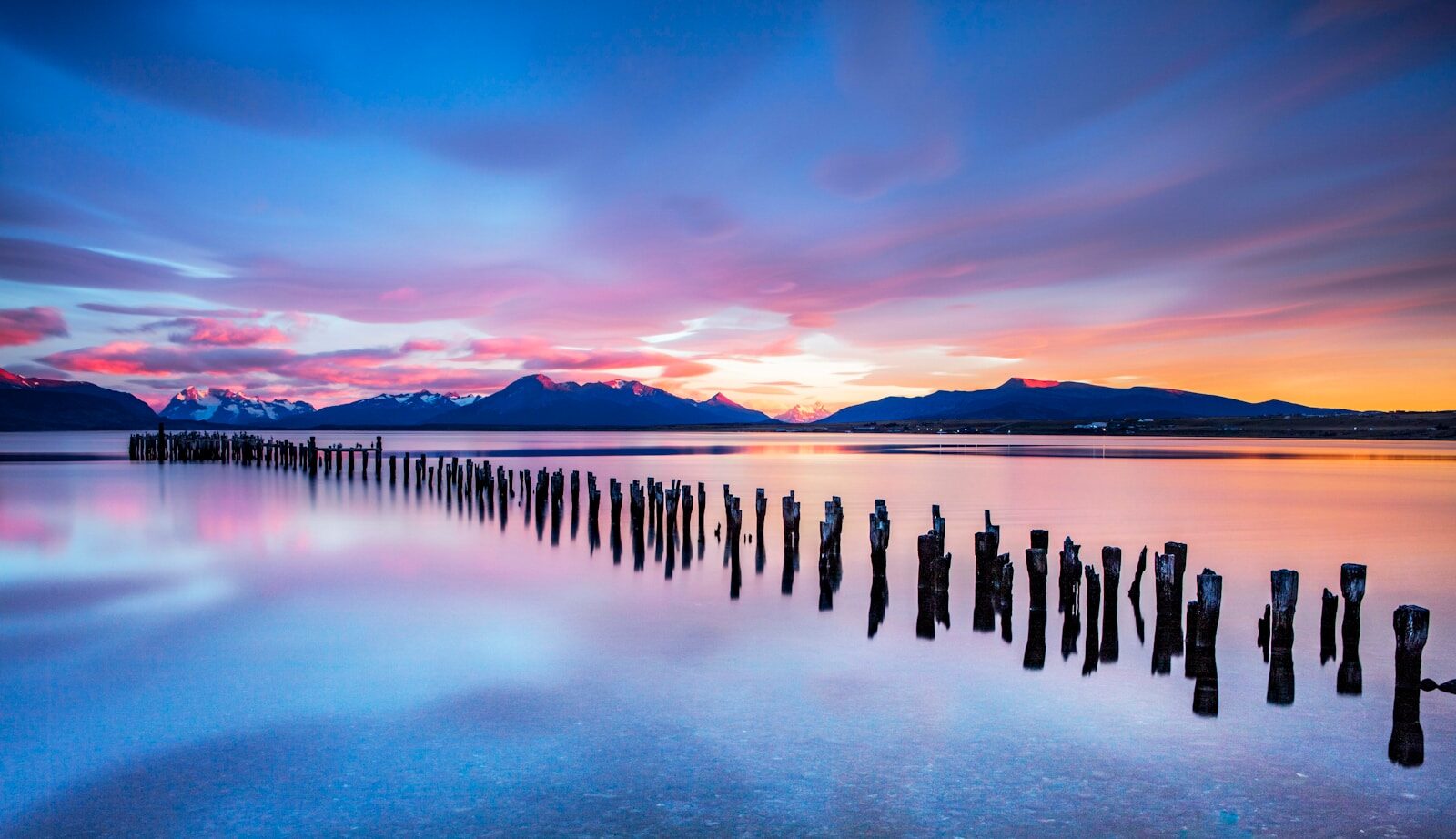
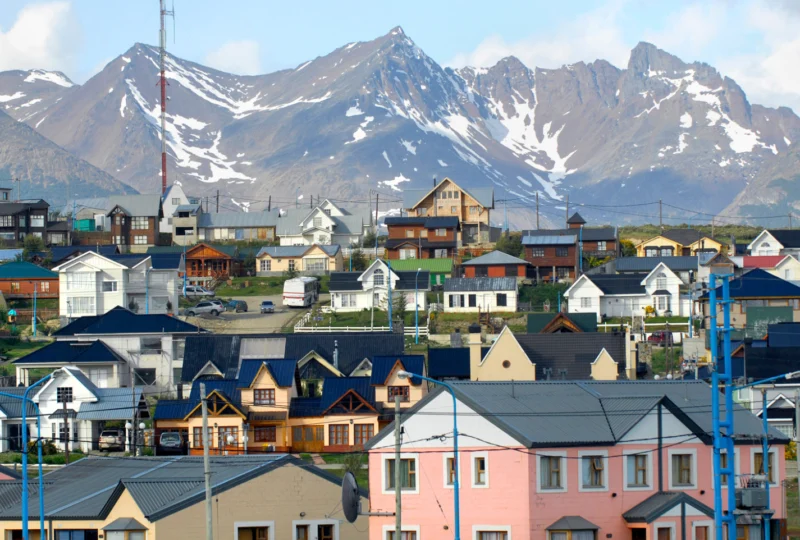
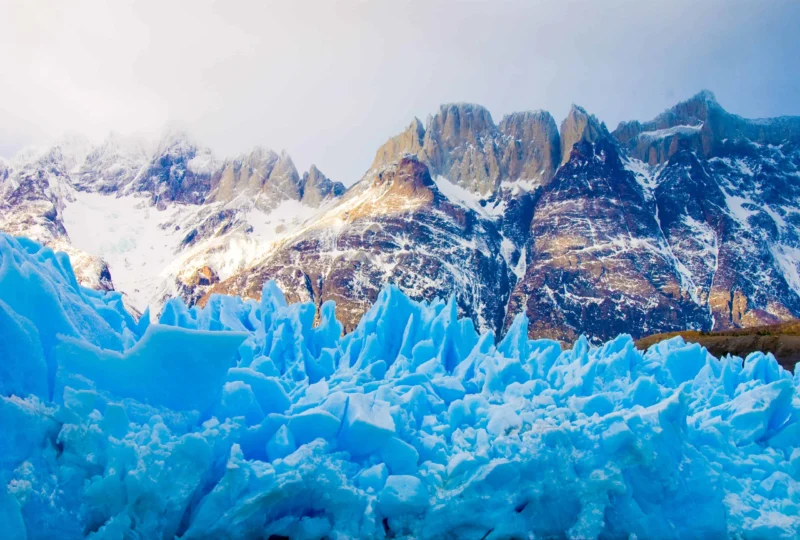
Patagonia changes the pace of an Argentina honeymoon completely. Around El Calafate and El Chaltén, the landscape takes over: open steppe, turquoise lakes, enormous glaciers and the jagged outline of the Andes rising almost abruptly from the plains.
Perito Moreno Glacier is the obvious landmark, but it earns its place. You can approach it from the walkways opposite the ice face or get out onto the water to see just how vast it is from below. Further north, El Chaltén is Argentina’s trekking capital, sitting beneath the peaks of Fitz Roy and Cerro Torre, with trails beginning almost directly from town.
The appeal here is not about filling every hour. Days tend to revolve around one experience — a long hike, a glacier excursion, a boat journey across a lake — followed by a return to a lodge where the emphasis is on warmth, food, wine and the view outside. That pace makes Patagonia particularly good at the end of a honeymoon, when the city and vineyard stages have already provided the restaurants, bars and late nights.
There is also something distinctive about the scale of southern Argentina. Roads run for miles through almost empty country. Estancias still sit across huge tracts of land. The weather can change quickly, and even the best-known places retain a sense that you are travelling through a much larger wilderness rather than moving between conventional resorts.
An honest note on the beach
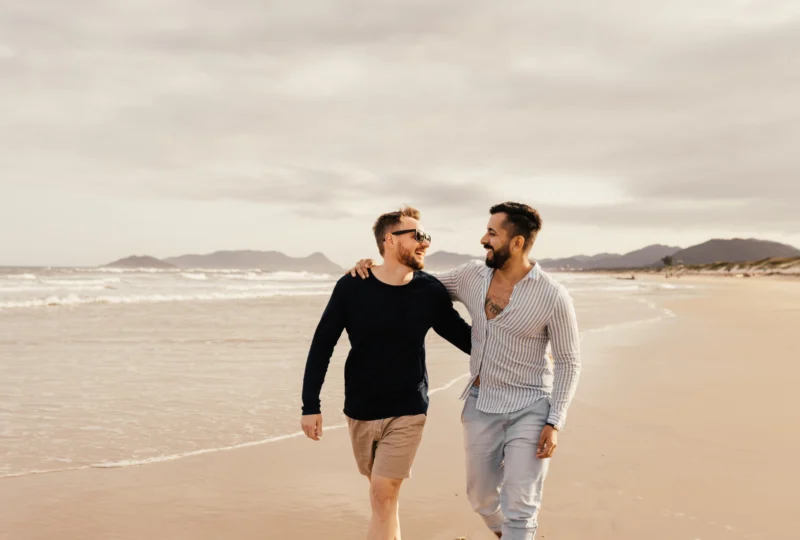
Argentina is not the obvious choice if your idea of a honeymoon is two weeks of white sand and warm water. But it does have a beach culture of its own, particularly around Mar del Plata on the Atlantic coast.
The city comes alive in the Argentine summer, from December to February, when porteños head south for long weekends and beach holidays. For LGBTQ+ travellers, Playa Escondida is the best-known clothing-optional beach with a long-established gay following, while Playa Chica is closer to town.
It is unlikely to be the main reason you choose Argentina for a honeymoon, but that is also the point. If your trip already includes Buenos Aires, Mendoza or Patagonia, a few summer days on the coast can add a completely different side of the country.
When to go
Argentina changes dramatically with the seasons, which is part of what makes planning a honeymoon here so interesting. Spring and autumn, roughly March to May and September to November, are particularly good for Buenos Aires and Mendoza, with milder temperatures and an easier pace than the height of summer.
If Patagonia is central to the trip, November through March gives you the longest days and the best access to hiking routes and excursions. December to February is also when Mar del Plata and the Atlantic coast are at their liveliest, although it is the busiest period across much of the country.
The real question is less when is Argentina best? and more which version of Argentina do you want? A honeymoon here can begin with galleries, tango and long lunches in Buenos Aires, move into the vineyards beneath the Andes, and finish among glaciers and mountain peaks in Patagonia.
Very few trips can change character that completely without crossing a border.
That is what makes Argentina such a strong honeymoon choice. You do not have to decide between culture, food, wine, wilderness and luxury. You can build one journey that includes all of them.

On this page
- Buenos Aires: tango, cafés, grand architecture and a city with layers
- Hidden LGBTQ+ History of Tango and Milongas in Argentina
- The Tango has its own LGBTQ+ history
- Mendoza & Iguazu Tour: Argentina Wine & Falls
- Mendoza: the slower half of the trip
- Patagonia: glaciers, granite peaks and the end of the road
- The Best Gay Beaches in Argentina
- An honest note on the beach
- When to go
New to Out Of Office?
We are a luxury travel company for LGBTQ+ travellers. Everything we sell is tailor-made, planned by one named member of our team throughout, and nothing on this site is a fixed package unless it says so.
Where exclusivity meets inclusivity
Ten years, hundreds of five-star reviews, and a team who will tell you when a destination is not right for the trip you have in mind.
We know where you will be welcome, and where to take more care.
It shapes the hotels we use, the guides we work with and the routes we suggest.
Stellar service. Stellar products. Stellar people and it gets so much better when you pick up the phone and call.
Anthony S.
Super client centred service. From first contact I have had warm, efficient, friendly and flexible service.
John
I’m confident in giving Out Of Office a 5-star review! They are one of the leaders in this space without a doubt.
Tiberiu
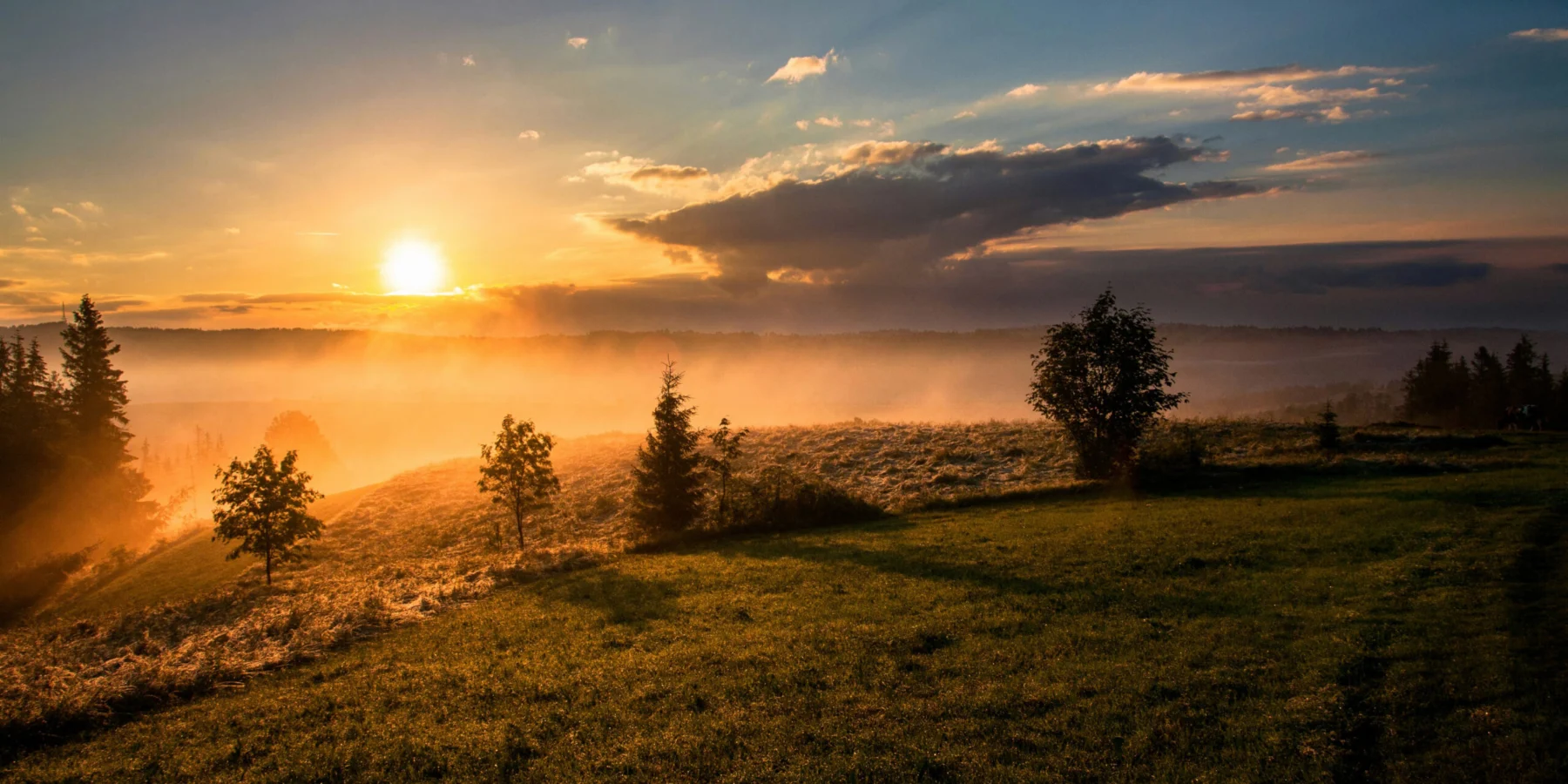
We plant trees for every booking
For every booking made with Out Of Office we commit to planting trees in your name to help reduce the impact of travel on future generations. You'll even get a link to see where your trees are planted in the world via our partner Ecologi.

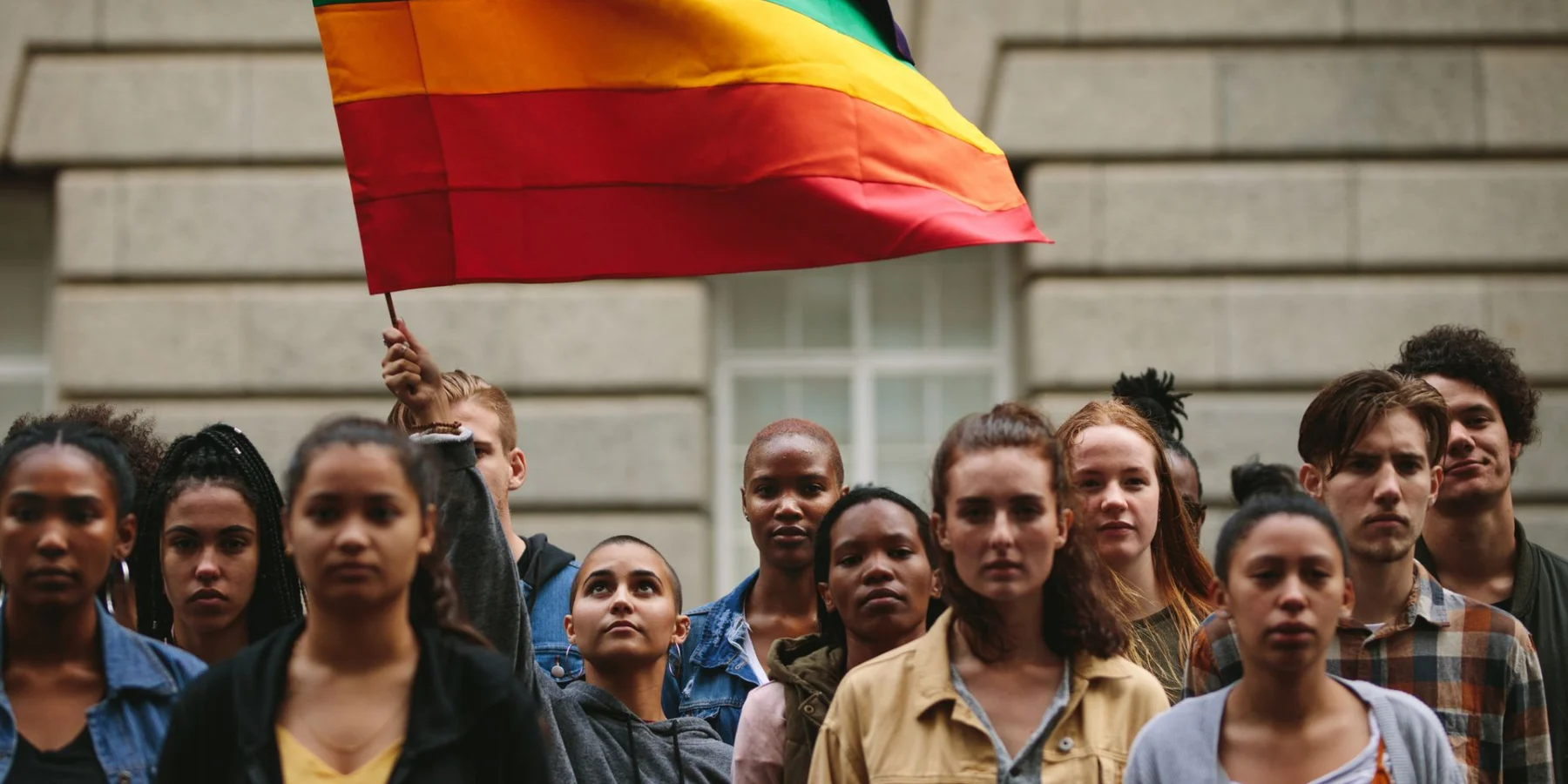
We donate to Rainbow Railroad with every booking
Rainbow Railroad helps LGBTQ+ people escape state-sponsored violence and persecution. A donation goes with every trip we sell, funded by us and never added to your price.

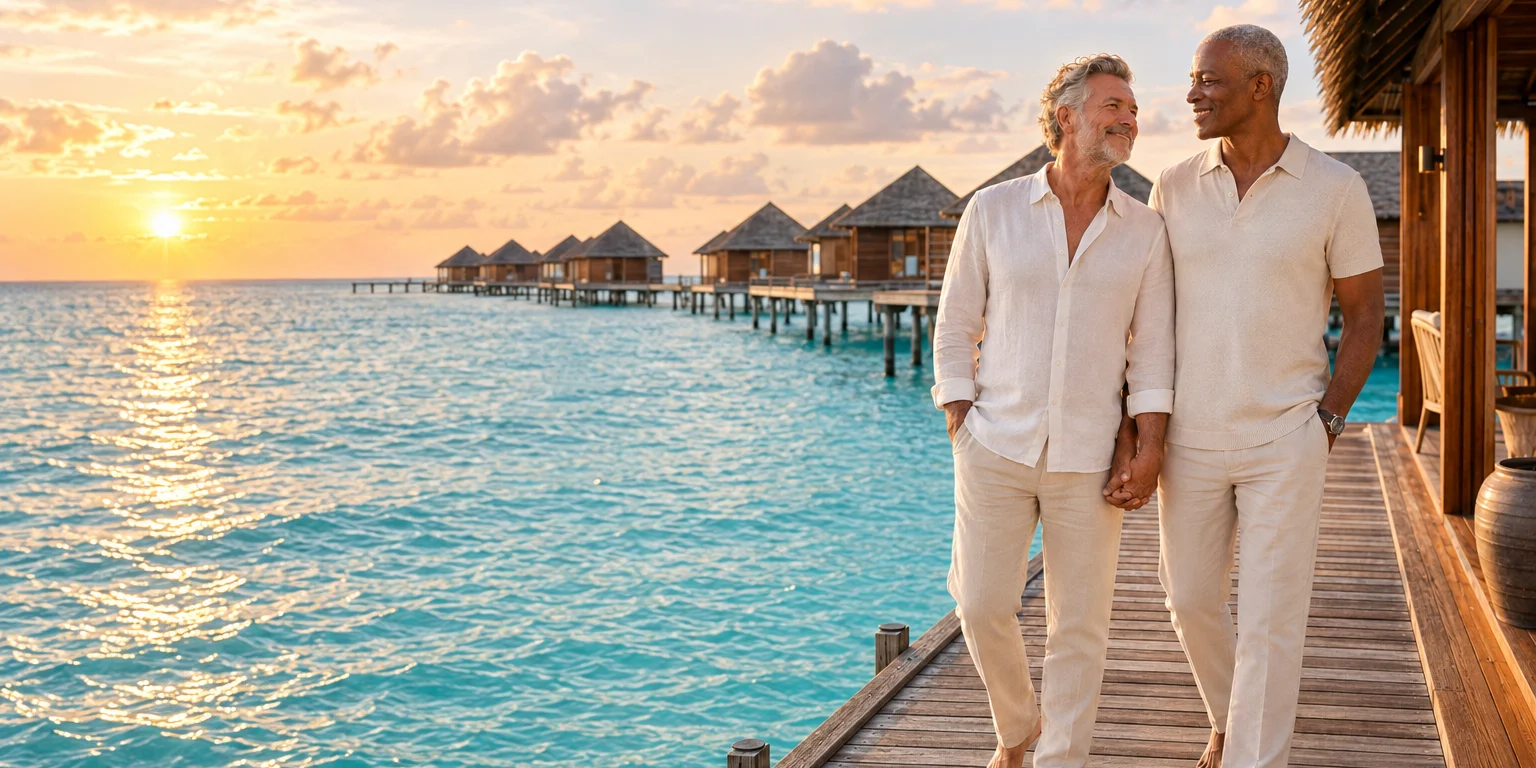
Start Planning Your Trip
Tell us where you would love to go, when you are thinking of travelling and what kind of trip you have in mind. One of our LGBTQ+ travel specialists will create a tailor-made itinerary designed around your destination, style and preferences.
One named specialist, first enquiry to homecoming. No call centre, and nothing is charged until you decide to book.