




Editorials
The Best Gay Beaches in South Korea
Discover South Korea's emerging gay beach culture - where modesty, tradition, and LGBTQ+ identity quietly intersect.
South Korea’s beach culture presents a fascinating paradox—a country that’s technologically advanced and culturally sophisticated yet remains socially conservative, especially around LGBTQ+ issues. While Haeundae Beach in Busan attracts a small gay following during summer months, South Korean beach culture is defined more by covered-up Confucian modesty than Western-style beach liberation.
Understanding how gay beachgoers navigate this conservative coastal landscape reveals much about LGBTQ+ life in one of Asia’s most socially complex societies.
South Korea’s relationship with beach culture is unlike anywhere else in Asia. In a country where tradition and modernity coexist in fascinating tension, beaches become spaces where conservative social norms, emerging LGBTQ+ communities, and unique Korean cultural practices create a distinctly Korean coastal experience.
About Out Of Office
Out Of Office is a luxury tailor-made travel company with a focus on delivering exclusivity and inclusivity. Our passion for global adventure is matched only by our deep commitment to delivering exceptional five-star service.
Everything we do is customised and designed especially for you – our valued customer – based on your exact personal requirements. Each member of our team is widely travelled. This means you get access to first-rate travel insights and the best possible advice from our team of luxury travel experts.
| Enquire Now |
Haeundae Beach, Busan: South Korea’s Subtle Gay Gathering
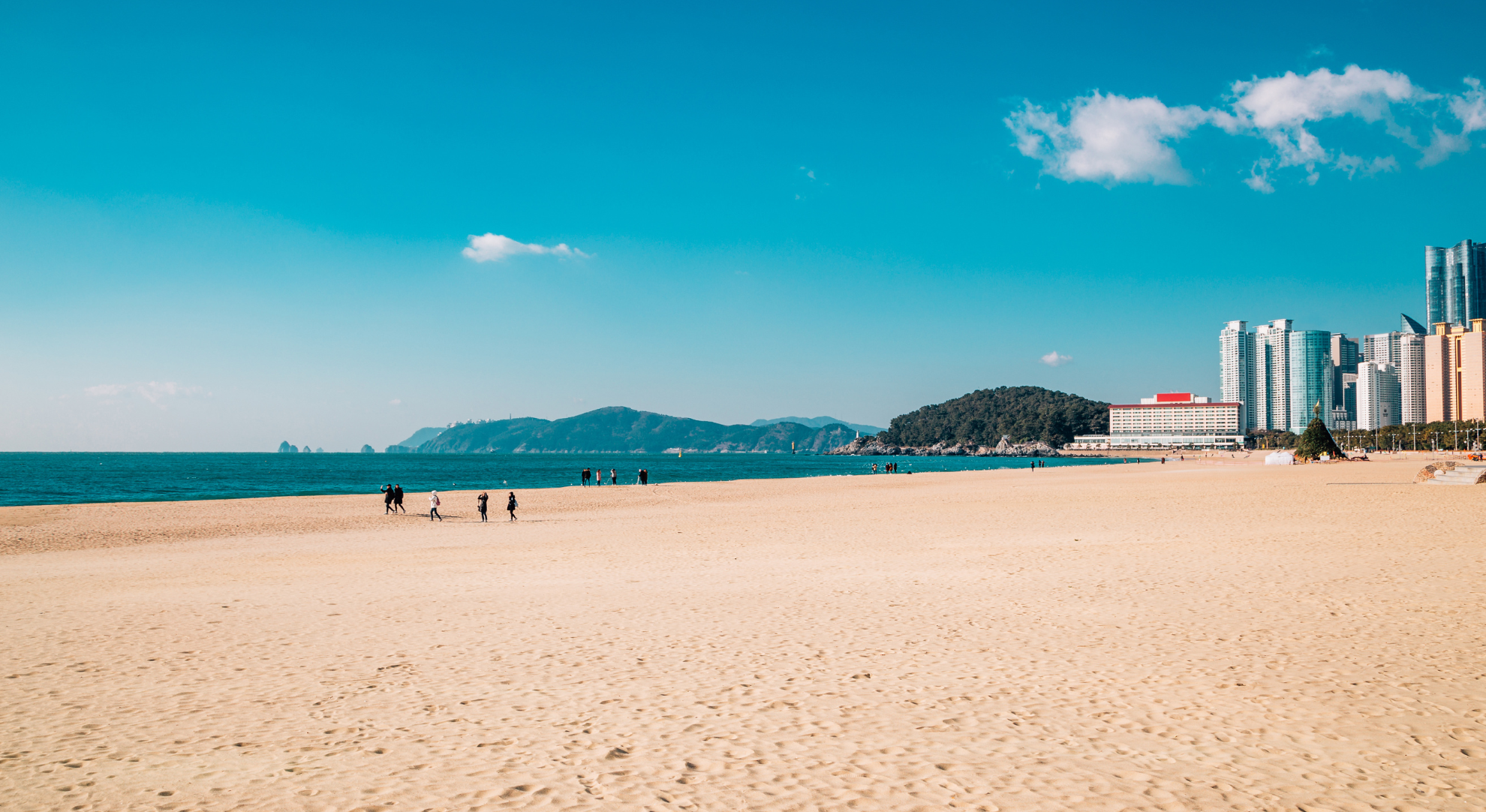
Haeundae Beach (해운대해수욕장) in Busan stands as South Korea’s most famous beach and the closest thing the country has to a gay beach destination. During the peak summer season, this iconic stretch of golden sand transforms into what locals describe as “a rainbow of umbrellas” lined up neatly up and down the entire beach, attracting a small but dedicated gay following among its millions of annual visitors.
The Gay Scene Reality
Unlike the explicit gay beaches found in other Asian destinations, Haeundae’s LGBTQ+ presence operates within the broader context of South Korean society’s conservative approach to sexuality. The gay following here is understated—woven into the fabric of South Korea’s most popular beach destination rather than existing as a separate, identifiable community.
Gay beachgoers at Haeundae blend seamlessly into the massive crowds that descend on the beach each summer. The beach’s popularity actually provides a form of camouflage, allowing LGBTQ+ individuals to enjoy the coast without standing out in a society where public displays of same-sex affection remain uncommon.
The gay presence is most notable during the peak summer months when Busan’s beach culture reaches its zenith. This seasonal concentration reflects broader patterns in Korean leisure culture, where specific times and places become socially acceptable for relaxation and mild deviation from everyday social norms.
Haeundae’s appeal to gay visitors connects to Busan’s small but established LGBTQ+ community centred in the Beomil-dong district. The beach serves as an extension of the city’s gay social spaces, providing a coastal complement to the intimate gay bars and clubs found in the city centre.
As South Korea’s premier beach destination, Haeundae offers world-class facilities including luxury hotels, international restaurants, and modern amenities.
The hard part is not finding a beautiful place. It is finding the right one for you.
Request a quote →Other Potential LGBTQ+ Friendly Beach Destinations
While Haeundae stands as the most notable gay-frequented beach in South Korea, the country’s conservative social climate means that explicit gay beaches are virtually non-existent. However, certain coastal destinations offer environments that are more welcoming to LGBTQ+ travellers:
Jeju Island: While lacking a specific gay scene, Jeju’s status as South Korea’s premier tourist destination creates a more diverse and potentially accepting environment. The island’s beaches, including Hyeopjae Beach and Jungmun Saekdal Beach, attract international visitors and offer the kind of cosmopolitan atmosphere where LGBTQ+ travellers might feel more comfortable.
Gangneung Beaches: Including Gyeongpo Beach and Anmok Beach (famous for its coffee culture), these East Coast destinations attract a younger, more educated demographic that tends to be more socially liberal. While not specifically gay destinations, they represent the type of locations where LGBTQ+ individuals might find acceptance within broader Korean society.
The Importance of Context
Understanding South Korean gay beach culture requires recognising that LGBTQ+ visibility operates differently here than in Western contexts or even other Asian countries. The emphasis is on integration rather than separation, discretion rather than celebration.
South Korea’s Unique Beach Culture
South Korea’s beach culture is fundamentally shaped by Confucian values and social conservatism that make it unique among Asian coastal destinations. This conservatism manifests in several distinctive ways.
South Korean beach culture emphasizes coverage over exposure. Men commonly wear t-shirts while swimming, and women often opt for rash guards or full-coverage swimwear. This preference for modesty stems from Confucian ideals that “stressed the importance of looking neat and tidy according to social status.”
Korean beaches operate with a level of organisation and structure that’s uncommon elsewhere in Asia. Beach umbrellas are “lined up neatly,” and beachgoers sit “blanket to blanket” in organised rows. This structured approach reflects broader Korean cultural values emphasizing order, hierarchy, and collective behaviour.
Ready to explore South Korea? Get in touch and one of our LGBTQ+ travel experts will design a beautifully curated journey for you.

New to Out Of Office?
We are a luxury travel company for LGBTQ+ travellers. Everything we sell is tailor-made, planned by one named member of our team throughout, and nothing on this site is a fixed package unless it says so.
Where exclusivity meets inclusivity
Ten years, hundreds of five-star reviews, and a team who will tell you when a destination is not right for the trip you have in mind.
See the whole trip, priced in full, before anything is confirmed.
You will have the itinerary and the price in front of you, and the final word on both.
Stellar service. Stellar products. Stellar people and it gets so much better when you pick up the phone and call.
Anthony S.
Super client centred service. From first contact I have had warm, efficient, friendly and flexible service.
John
I’m confident in giving Out Of Office a 5-star review! They are one of the leaders in this space without a doubt.
Tiberiu

We plant trees for every booking
For every booking made with Out Of Office we commit to planting trees in your name to help reduce the impact of travel on future generations. You'll even get a link to see where your trees are planted in the world via our partner Ecologi.

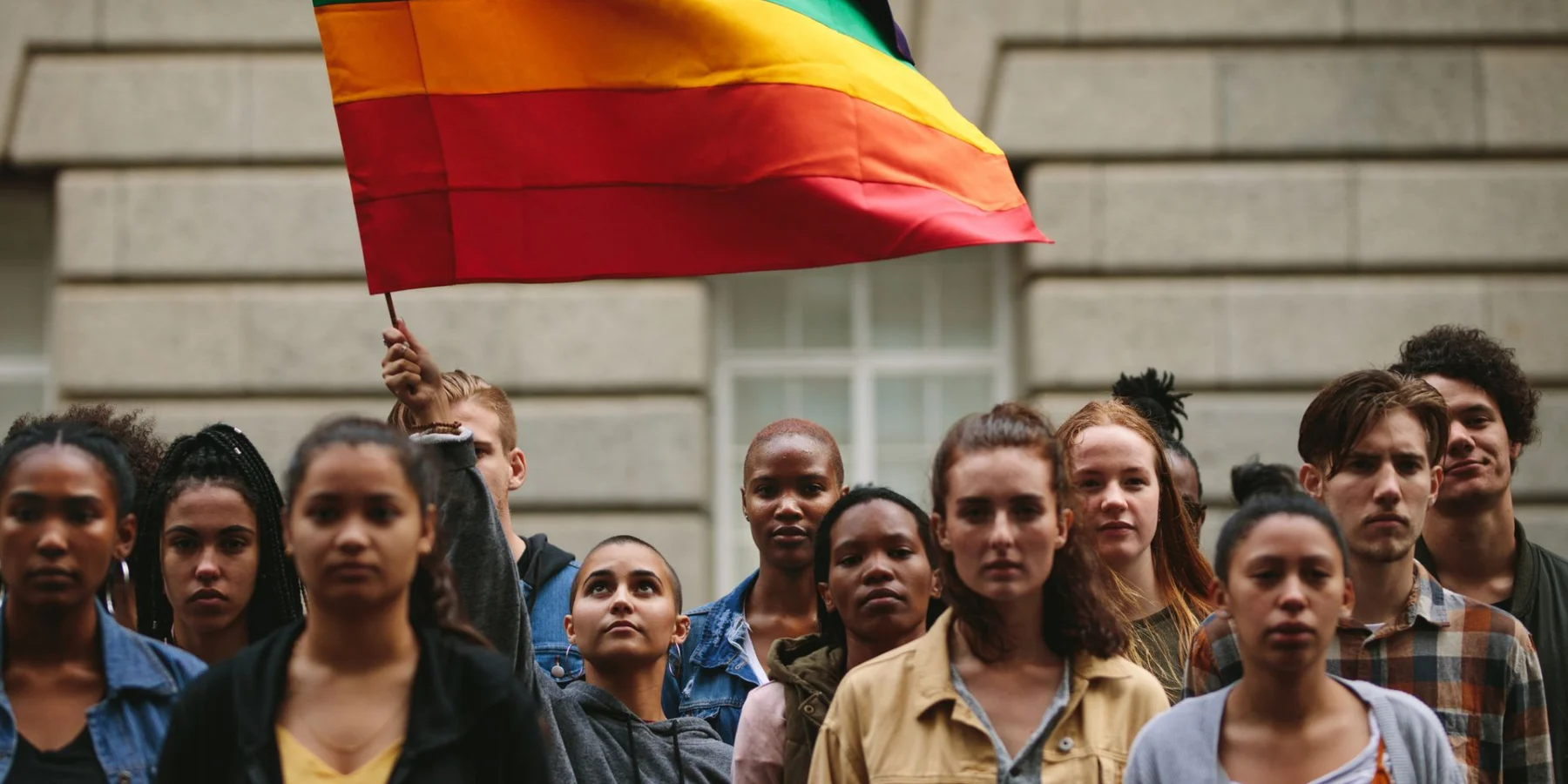
We donate to Rainbow Railroad with every booking
Rainbow Railroad helps LGBTQ+ people escape state-sponsored violence and persecution. A donation goes with every trip we sell, funded by us and never added to your price.

Start Planning Your Trip
Tell us where you would love to go, when you are thinking of travelling and what kind of trip you have in mind. One of our LGBTQ+ travel specialists will create a tailor-made itinerary designed around your destination, style and preferences.
One named specialist, first enquiry to homecoming. No call centre, and nothing is charged until you decide to book.