




Tailor-made trips for 2027 & 2028
Gay South Korea Luxury Tours & Holidays
Tailor-made, always
Every trip built from scratch around your dates, pace and preferences.
Your own specialist
One named person and a 24-hour number while you travel.
Hundreds of five-star reviews
Rated Excellent on Trustpilot across ten years of LGBTQ+ luxury travel.
South Korea is a dynamic East Asian nation that has transformed from war-torn country to global cultural powerhouse in a matter of decades. Located on the Korean Peninsula, it’s home to over 51 million people and boasts a unique blend of ancient traditions and cutting-edge technology.
The country is known for its rich history spanning thousands of years, vibrant cities like Seoul and Busan, and stunning natural landscapes from mountains to coastal areas.
More about South Korea
The nation has become a major tourist destination largely thanks to the global Korean Wave (Hallyu), which has popularised K-pop, K-dramas, Korean cinema, and Korean cuisine worldwide.
Visitors flock to experience everything from the bustling streets of Gangnam and historic palaces like Gyeongbokgung, to the colourful Gamcheon Culture Village and the natural beauty of Jeju Island. South Korea offers an incredibly efficient infrastructure with high-speed trains, excellent public transportation, and ultra-fast WiFi.
What makes South Korea particularly appealing to tourists is its accessibility and contrast – you can explore 600-year-old temples in the morning and shop in ultra-modern districts by afternoon, sample street food in traditional markets then enjoy world-class spas and entertainment.
The country is also relatively safe, affordable compared to other developed nations, and increasingly foreigner-friendly with growing English signage and services. Whether you’re interested in history, technology, food, nature, or pop culture, South Korea delivers an intense and memorable travel experience.

Trips in South Korea
Our itineraries are here to inspire you. Everything we do is tailor-made, so our team will customise one around your dates, pace and preferences.
Stellar service. Stellar products. Stellar people and it gets so much better when you pick up the phone and call.
Anthony S.
Super client centred service. From first contact I have had warm, efficient, friendly and flexible service.
John
I’m confident in giving Out Of Office a 5-star review! They are one of the leaders in this space without a doubt.
Tiberiu
South Korea in pictures


Is South Korea LGBTQ+ friendly?
In South Korea, same-sex relationships are legal, same-sex couples cannot adopt and legal gender changes are permitted. Equaldex gives South Korea an Equality Index of 43 out of 100.
Source: Equaldex, checked 29 September 2026.
South Korea presents a complex landscape for LGBTQ+ travellers, with Seoul being relatively progressive while more conservative attitudes persist in rural areas and among older generations. The country has no specific anti-discrimination laws protecting LGBTQ+ individuals, and same-sex marriage isn’t recognised, yet there’s generally little overt hostility toward foreign LGBTQ+ visitors, especially in major cities.
Seoul’s Itaewon district has long been home to a small but visible gay scene with several bars and clubs, while the annual Seoul Queer Culture Festival (though sometimes met with counter-protests) has grown in size and visibility over the years. Public displays of affection between same-sex couples might draw stares or discomfort, particularly outside Seoul and Busan, so many LGBTQ+ travellers exercise discretion. The same applies to straight couples.
The generational divide is significant – younger Koreans, especially those in their twenties and thirties, tend to be much more accepting and open-minded about LGBT issues, influenced by global media and changing social attitudes. However, Korea’s traditional emphasis on family lineage and marriage expectations means that local LGBTQ+ individuals often face significant pressure to remain closeted, especially in professional and family settings.
Travel Guides in South Korea
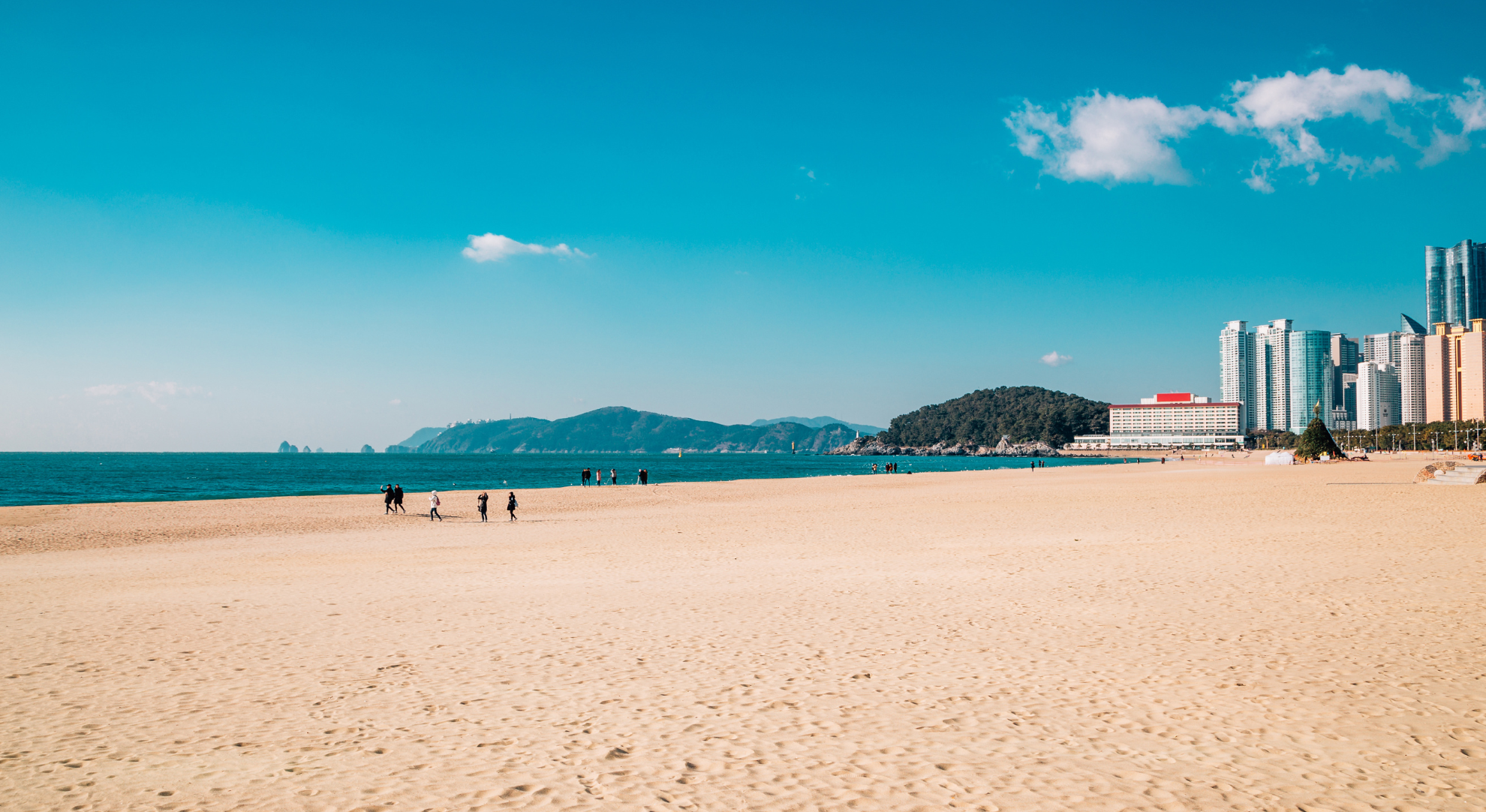
The Best Gay Beaches in South Korea
South Korea's beach culture presents a fascinating paradox—a country that's technologically advanced and culturally sophisticated yet remains socially conservative, especially around LGBTQ+ issues. While Haeundae Beach in Busan attracts a small gay following during summer months, South Korean beach culture is defined more by covered-up Confucian modesty than Western-style beach liberation. Understanding how gay beachgoers navigate this conservative coastal landscape reveals much about LGBTQ+ life in one of Asia's most socially complex societies.
Read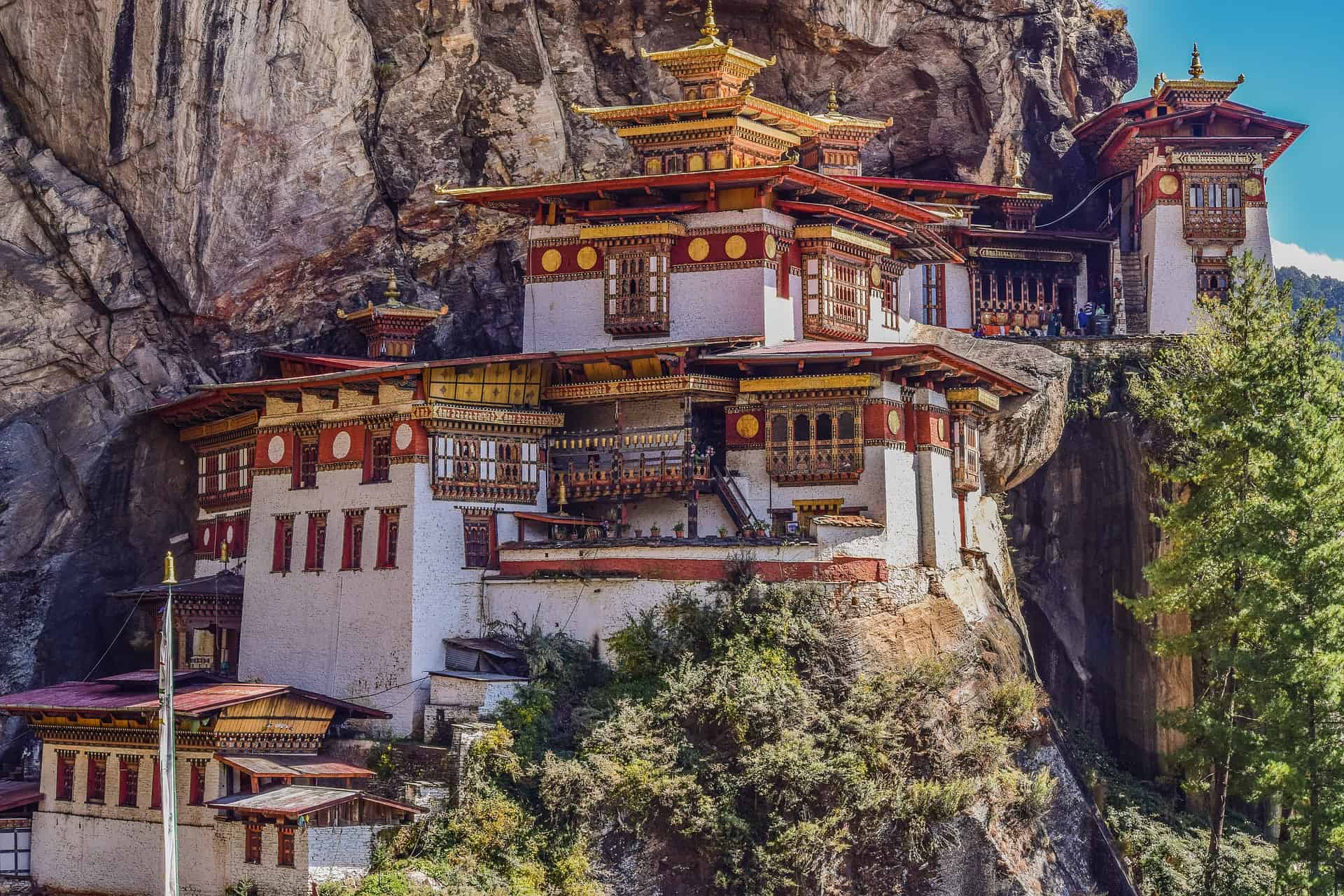
Luxury Travel Experiences in Asia You Haven’t Heard Of
Asia is packed with luxury travel opportunities, but beyond the well-known hotspots lies a world of exclusive, offbeat experiences. From soaring above Bhutan’s mystical valleys by helicopter to soaking in private onsen baths at hidden ryokans in Japan. Whether it’s exploring Taiwan’s centuries-old tea culture in boutique mountain retreats or sleeping in a luxury tented camp in Thailand’s jungles, these handpicked experiences offer a fresh perspective on luxury travel in Asia.
Read
Cherry Blossom Season in Japan: A Gay Travel Guide
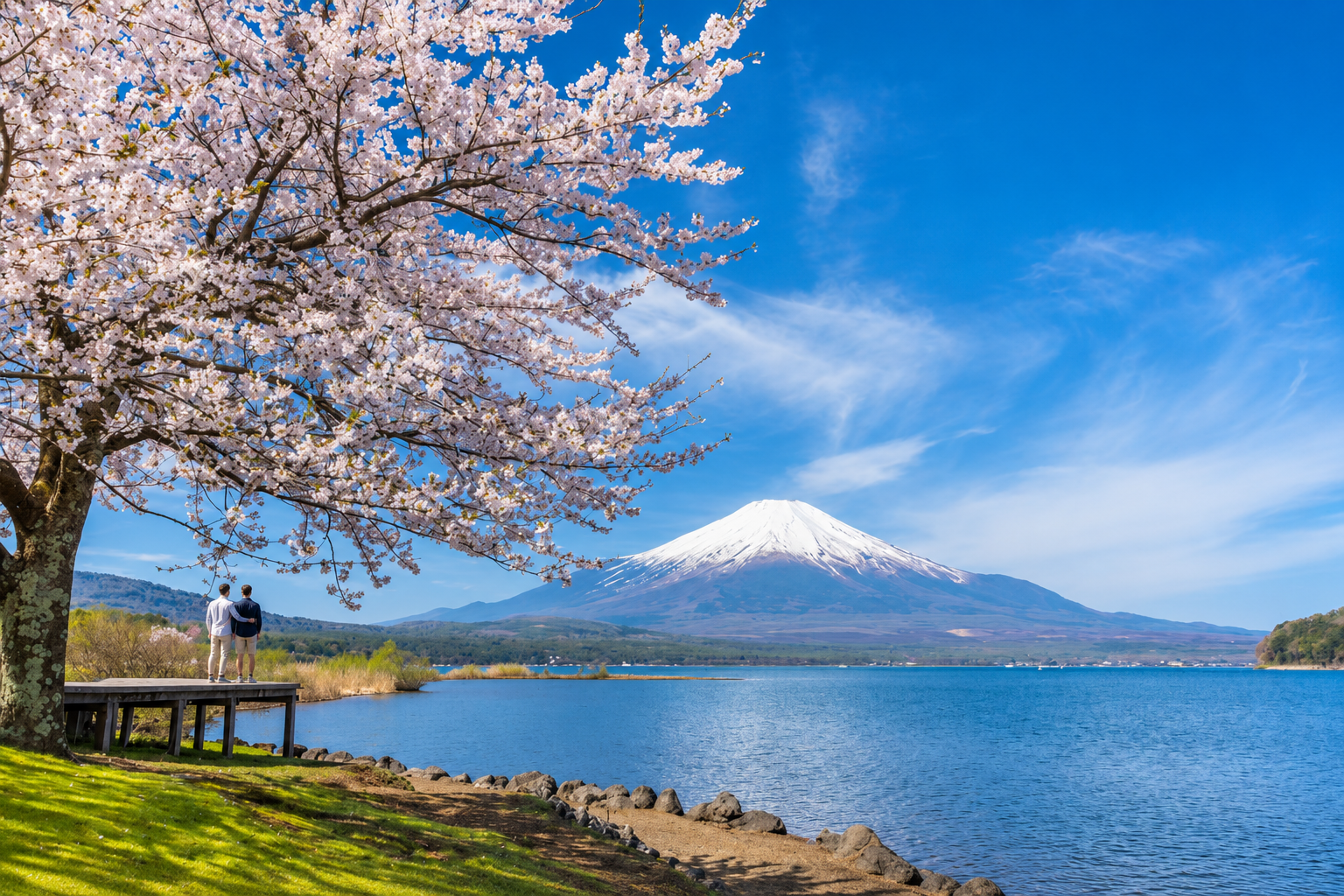
Cherry blossom season is one of the busiest and most exciting times to visit Japan. Each spring, the bloom moves north through the country, usually reaching Tokyo and Kyoto from late March into early April before appearing later in northern regions such as Aomori. Exact dates change every year, sometimes significantly, which is why planning around the forecast matters.
ReadSouth Korea Travel Guide
General information
South Korea’s currency is the Korean Won (KRW), and the country is highly accessible through two major international airports: Incheon International Airport near Seoul (one of the world’s best airports) and Gimpo Airport for domestic and some regional flights, plus Busan’s Gimhae Airport in the south.
Most visitors can enter visa-free for 30–90 days depending on nationality. The country operates on Korea Standard Time (KST) and uses 220V electricity with Type C and F plugs. Credit cards are widely accepted, though cash is still useful for street vendors and some smaller establishments.
Getting around South Korea is remarkably easy thanks to excellent infrastructure. The KTX high-speed rail connects major cities like Seoul, Busan, and Daegu in just 2–3 hours, while an extensive subway system serves metropolitan areas.
For broader exploration, consider the Korea Rail Pass for unlimited train travel, or rent a car for rural areas and islands like Jeju. Popular multi-city routes include Seoul (3–4 days) combined with Busan (2–3 days) and Jeju Island (2–3 days), or adding historic Gyeongju and coastal Sokcho for a well-rounded 10–14 day trip.
Domestic flights are affordable for reaching Jeju Island, and ferry connections serve various islands and even routes to Japan and China for extended regional travel.
South Korea LGBTQ+ rights
South Korea presents a complex landscape for LGBTQ+ travellers, with Seoul being relatively progressive while more conservative attitudes persist in rural areas and among older generations. The country has no specific anti-discrimination laws protecting LGBTQ+ individuals, and same-sex marriage isn’t recognised, yet there’s generally little overt hostility toward foreign LGBTQ+ visitors, especially in major cities.
Seoul’s Itaewon district has long been home to a small but visible gay scene with several bars and clubs, while the annual Seoul Queer Culture Festival (though sometimes met with counter-protests) has grown in size and visibility over the years. Public displays of affection between same-sex couples might draw stares or discomfort, particularly outside Seoul and Busan, so many LGBTQ+ travellers exercise discretion. The same applies to straight couples.
The generational divide is significant – younger Koreans, especially those in their twenties and thirties, tend to be much more accepting and open-minded about LGBT issues, influenced by global media and changing social attitudes. However, Korea’s traditional emphasis on family lineage and marriage expectations means that local LGBTQ+ individuals often face significant pressure to remain closeted, especially in professional and family settings.
What to do in South Korea
What Everyone Does In South Korea
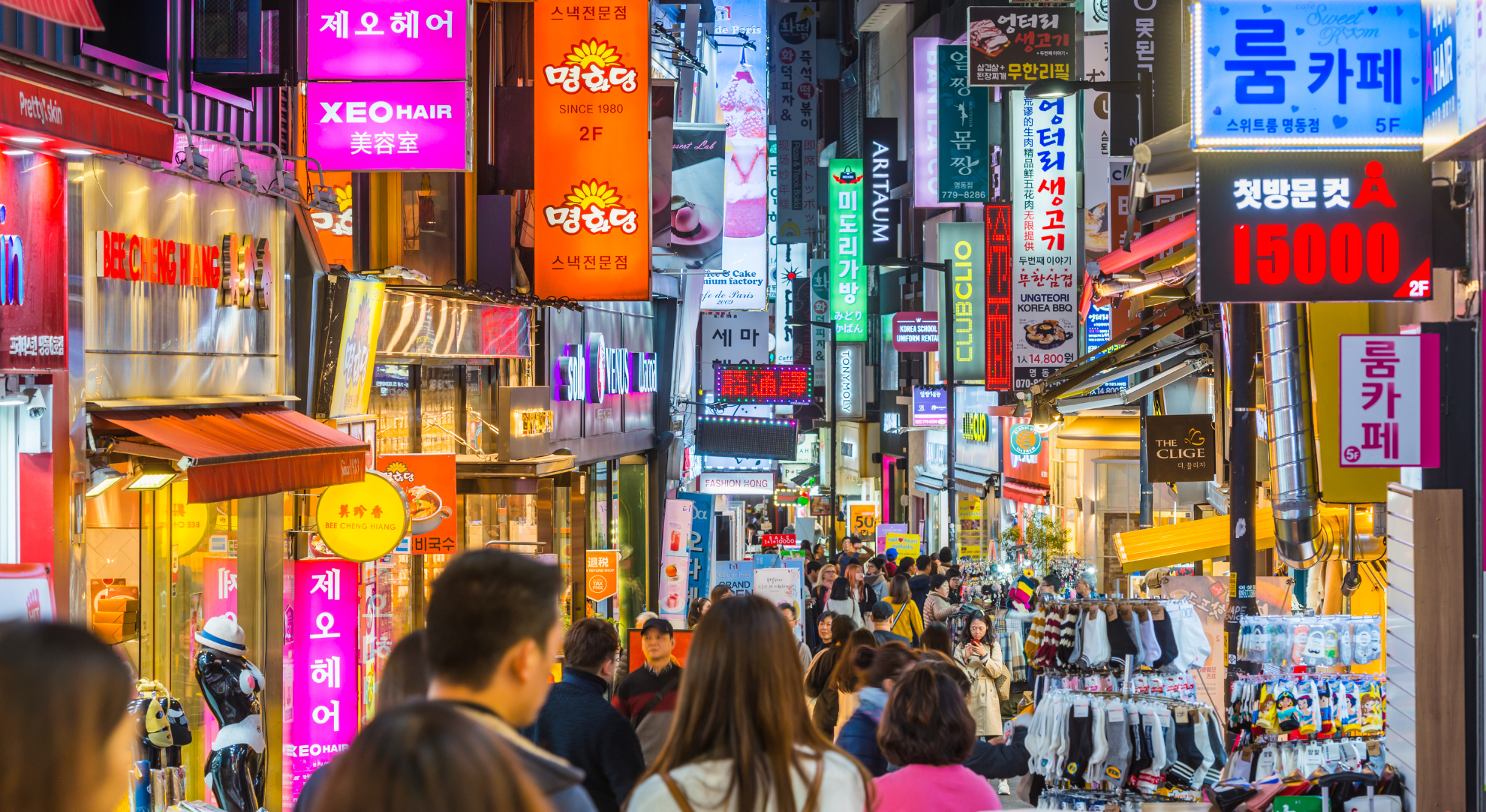
The quintessential South Korean tourist experience centres around Seoul’s famous neighbourhoods. Nearly every visitor explores Myeongdong for shopping and street food, visits at least one of the grand palaces like Gyeongbokgung or Changdeokgung (often timing it with the colourful changing of the guard ceremony), and wanders through the trendy Hongdae or Gangnam districts.
The Bukchon Hanok Village offers Instagram-perfect traditional architecture, while N Seoul Tower provides panoramic city views. Food experiences are equally universal – from Korean BBQ and hot pot to street food markets like Gwangjang, plus the obligatory Korean fried chicken and soju night out.
What Everyone Does In South Korea
Beyond the standard tourist trail, many visitors dive deeper into Korea’s unique subcultures and specialised experiences. K-pop enthusiasts make pilgrimages to entertainment company buildings like SM, YG, and HYBE, hunt for idol merchandise in Hongdae’s underground shopping centres, and time their visits around music show tapings or concerts. Others immerse themselves in Korean beauty culture, spending entire days in Myeongdong’s cosmetics shops, getting professional skincare treatments, or learning K-beauty routines.
Food adventurers venture beyond BBQ to try more challenging dishes like live octopus, fermented skate, or regional specialities, while some travellers focus entirely on temple stays, meditation retreats, or hiking the extensive mountain trail networks.
What No One Does In South Korea
Despite the curiosity surrounding North Korea, virtually no tourists actually cross the border into North Korea from South Korea – it’s essentially impossible due to the heavily militarised DMZ and political restrictions.
While many visit the DMZ for tours and glimpses across the border, the idea of popping over to Pyongyang for a day trip remains firmly in the realm of fantasy. Similarly, few visitors venture to Korea’s more remote islands or rural farming communities in the deep countryside, where language barriers are significant and tourist infrastructure is minimal.
Most travellers also skip Korea’s lesser-known UNESCO sites like the Gochang Dolmen sites or avoid the more challenging hiking trails that require serious mountaineering experience.
Getting to South Korea
Flying to South Korea is straightforward with excellent connectivity from most major global hubs. Incheon International Airport (ICN), about an hour from Seoul, serves as the primary gateway and consistently ranks among the world’s best airports with efficient immigration, extensive duty-free shopping, and even cultural performances in the terminals. Major airlines like Korean Air, Asiana, and numerous international carriers offer direct flights from cities across North America, Europe, Asia, and Australia.
Flight times vary dramatically – around 2 hours from Tokyo or Beijing, 10–14 hours from major US cities, and 10–12 hours from European capitals.
Once you land, getting from Incheon to Seoul is seamless via the Airport Railroad Express (AREX) which takes 43 minutes to Seoul Station, or you can take buses, taxis, or the slightly slower all-stop train that serves more neighbourhoods.
Many airlines also offer stopover programmes – Korean Air’s Seoul Stopover and Asiana’s Stopover Holiday allow free or discounted hotel stays if you have a layover of 10+ hours, making South Korea an excellent addition to trips heading elsewhere in Asia. For those coming from Japan, there are also ferry options from cities like Fukuoka to Busan, though flying remains faster and often cheaper.
Tell us where your mind keeps going back to. We will do the rest.
A line or two is enough to start. A specialist will pick it up from there.
Frequently asked questions
About South Korea
Is South Korea LGBTQ+ friendly?
In South Korea, same-sex relationships are legal, same-sex couples cannot adopt and legal gender changes are permitted. Equaldex gives South Korea an Equality Index of 43 out of 100.
Can my trip to South Korea be tailor-made?
Yes. Everything we plan is tailor-made. Our suggested South Korea itineraries are starting points: your specialist shapes the route, the hotels, the pace and the length around your dates and preferences.
Travelling with Out Of Office
What does Out Of Office do?
Out Of Office is a luxury LGBTQ+ travel company specialising in tailor-made holidays and extraordinary journeys around the world. We create bespoke luxury holidays, LGBTQ+ honeymoons, safaris, cruises, beach escapes, private tours and group trips, with every itinerary designed around you. Our travel specialists combine global expertise, first-hand destination knowledge and trusted local partners to create seamless, highly personalised experiences.
Is Out Of Office a gay travel agency?
Out Of Office is an LGBTQ+ owned and run luxury travel specialist, with particular expertise in gay and LGBTQ+ travel. We understand the additional considerations that can come with travelling as an LGBTQ+ person or couple, from local laws and customs to finding genuinely welcoming hotels and experiences.
We welcome every traveller, including friends, families and allies. Many of our clients are not members of the LGBTQ+ community, but choose Out Of Office for our luxury travel expertise, personalised service and discretion.
Do you create tailor-made LGBTQ+ holidays?
Yes. Every tailor-made trip with Out Of Office is designed from scratch around your interests, travel style, budget and the way you want to experience a destination. We can arrange luxury hotels, private transfers, flights, guides, excursions, cruises and special experiences as part of one personalised itinerary. The journeys shown on our website are there to inspire you rather than restrict you; only clearly identified group departures operate as fixed itineraries.
How do you choose LGBTQ+ friendly hotels and destinations?
We combine first-hand destination knowledge with trusted local expertise to recommend luxury hotels, resorts and experiences where LGBTQ+ travellers can feel informed and welcome. We also consider the laws, customs and attitudes of each destination, because LGBTQ+ rights and experiences differ around the world. Our team regularly visit many of the properties we work with and where a destination requires greater awareness, we give you clear and considered advice so that you can make an informed decision about where and how you travel.

We plant trees for every booking
For every booking made with Out Of Office we commit to planting trees in your name to help reduce the impact of travel on future generations. You'll even get a link to see where your trees are planted in the world via our partner Ecologi.

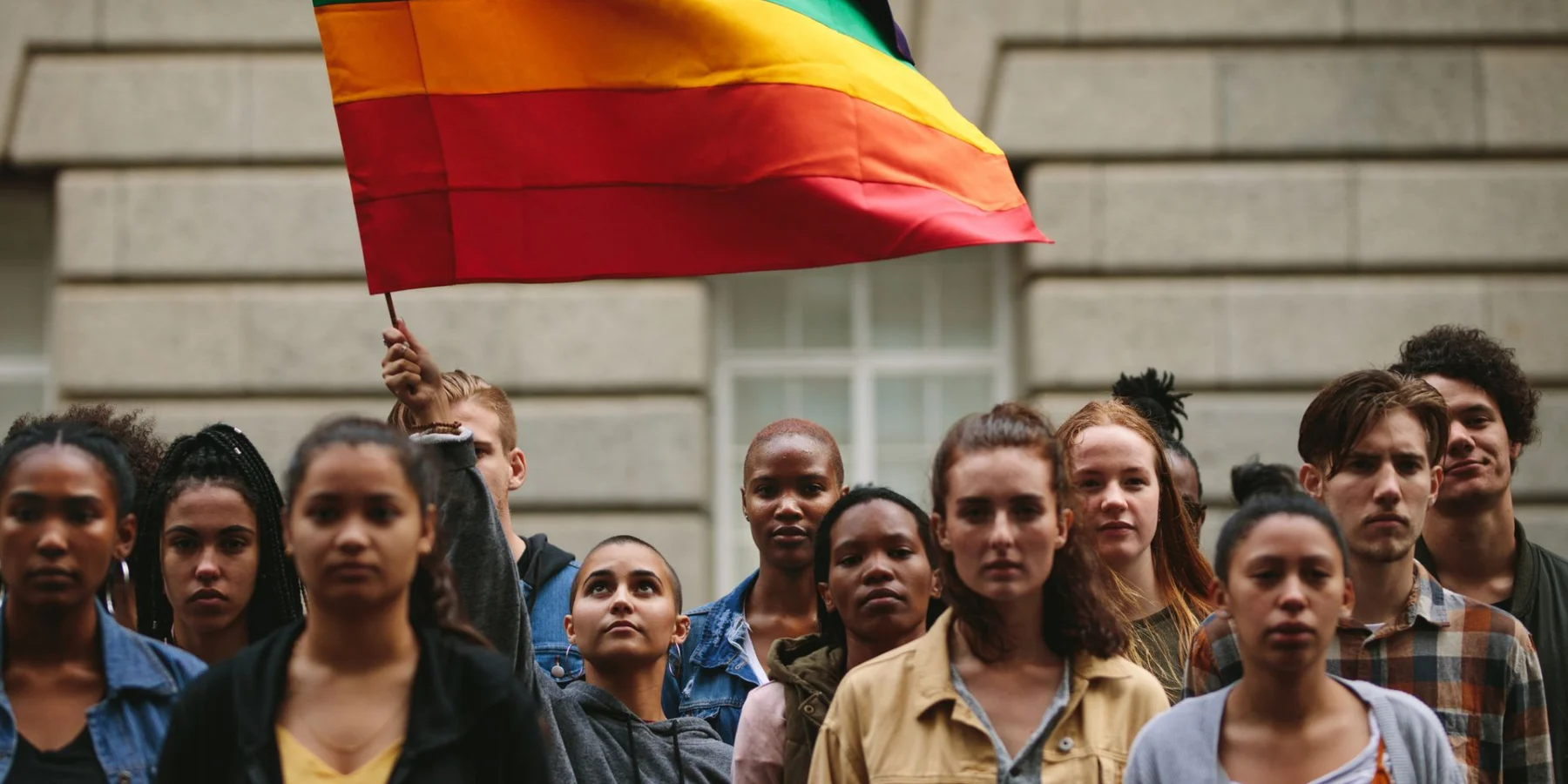
We donate to Rainbow Railroad with every booking
Rainbow Railroad helps LGBTQ+ people escape state-sponsored violence and persecution. A donation goes with every trip we sell, funded by us and never added to your price.

Start Planning Your Trip
Tell us where you would love to go, when you are thinking of travelling and what kind of trip you have in mind. One of our LGBTQ+ travel specialists will create a tailor-made itinerary designed around your destination, style and preferences.
One named specialist, first enquiry to homecoming. No call centre, and nothing is charged until you decide to book.