






Editorials
Which Side of Iguazu Falls Is Better: Argentina or Brazil?
Argentina or Brazil for Iguazu Falls? Compare the Devil's Throat, walking circuits, panoramic views, luxury hotels and visa requirements on both sides.
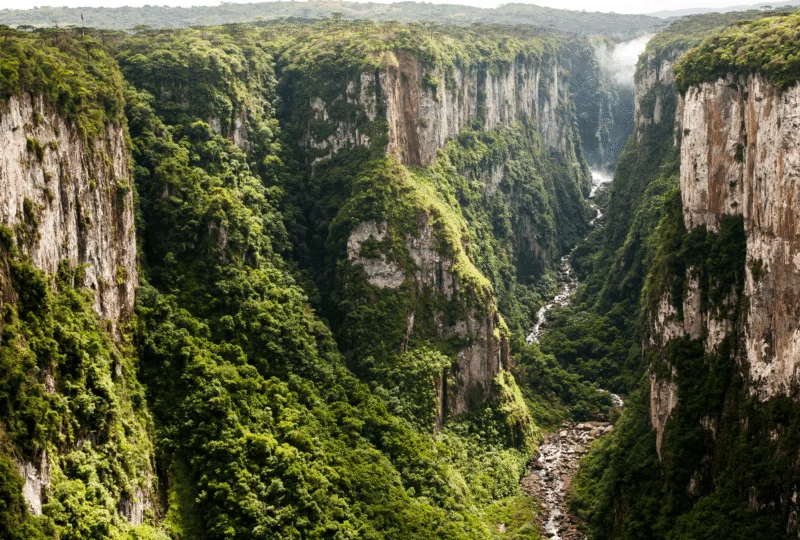
Iguazu Falls is one of those places that feels almost impossible to take in at once. Hundreds of cascades thunder through the rainforest on the border of Argentina and Brazil, sending mist high above the river and turning even a short walk into something cinematic.
But the two sides offer surprisingly different experiences. Argentina brings you right into the heart of the falls, along catwalks where you can feel the spray and hear the water crashing beneath you. The Brazilian side gives you the wider perspective, with sweeping views that reveal the scale of Iguazu against the surrounding rainforest.
If you only have time for one side, the choice shapes the whole experience. So which side of Iguazu Falls is better: Argentina or Brazil?
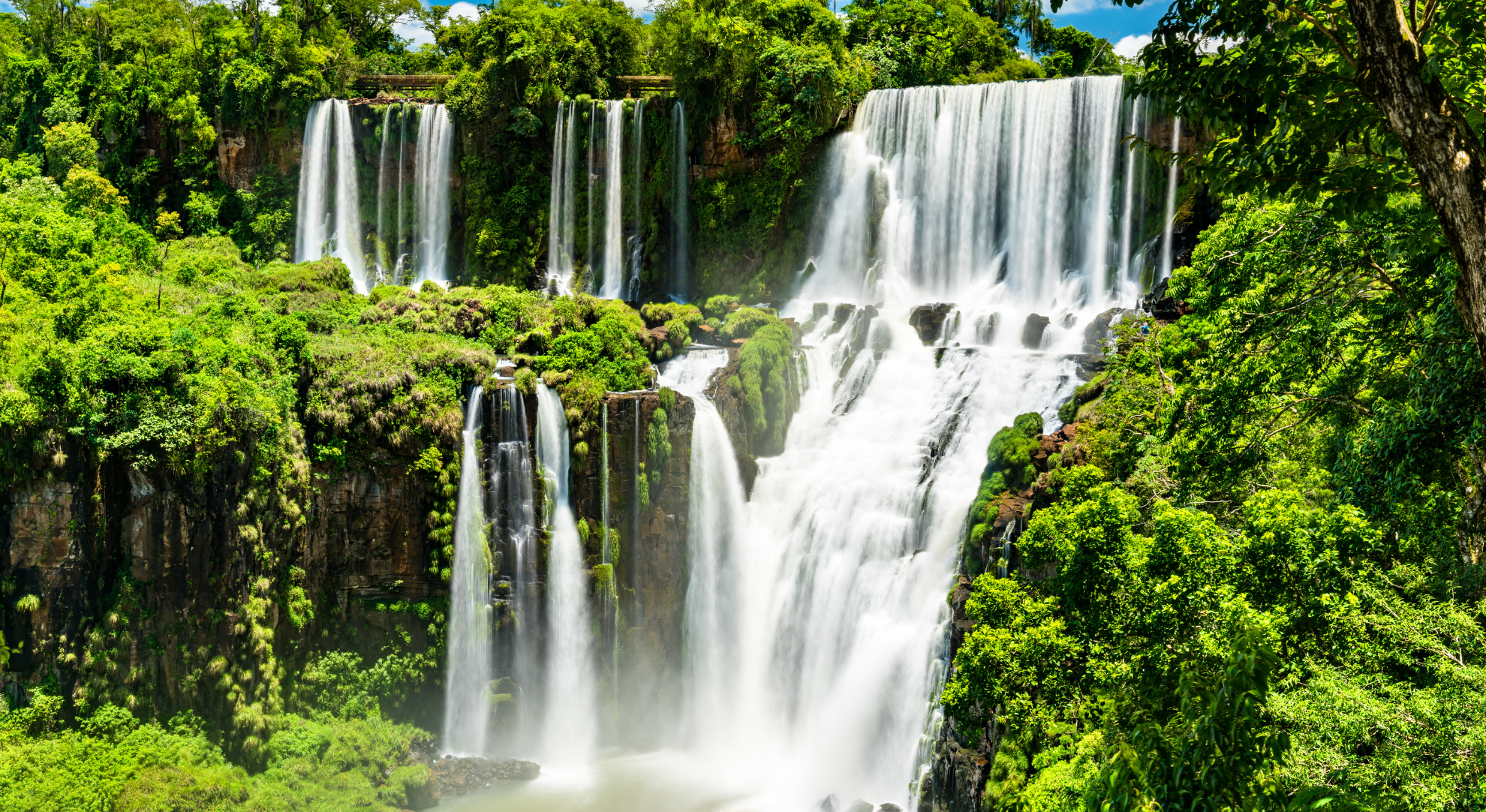
Argentina puts you inside the falls
About 80 percent of Iguazu’s cascades sit on the Argentine side, inside Iguazú National Park, and the park is built around getting close to them. Metal catwalks run within a couple hundred metres of the falls, close enough that the spray reaches you at several points on the walk.
The main highlight is the Devil’s Throat, Garganta del Diablo, a horseshoe of fourteen falls dropping 80 metres into the canyon below. A free jungle train and a flat 1.1-kilometre walkway lead out to a platform directly over the drop. Two further circuits, Upper and Lower, cover the rest of the park from different heights and distances. Between the three, a full day goes by easily, and some visitors come back for a second.
The park also has more wildlife than the Brazilian side, with coatis on the walkways and butterflies and toucans through the trails. This is the side to pick if the rainforest matters to you as much as the water.

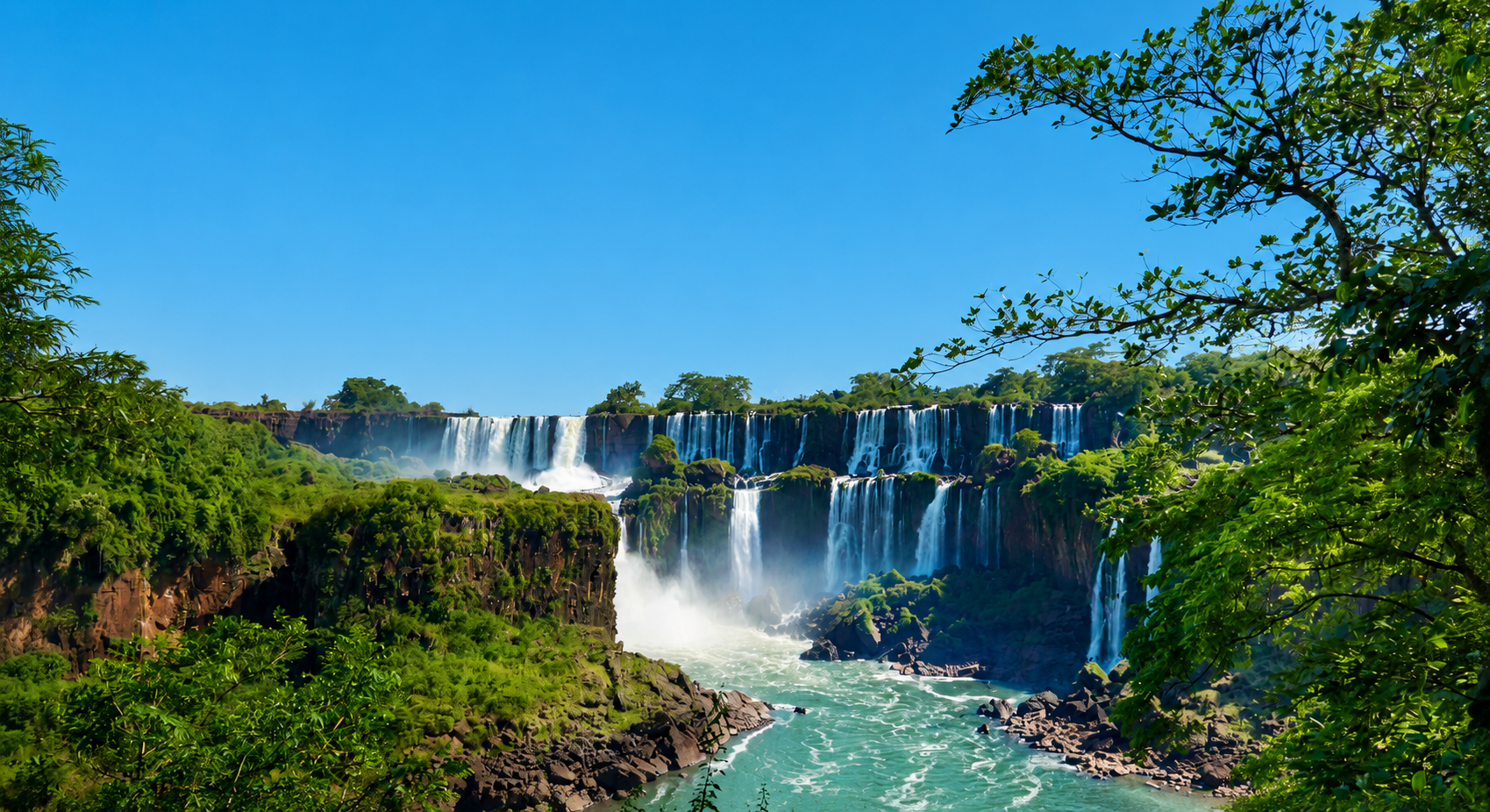
Brazil gives you the whole view at once
The Brazilian side takes a simpler approach. Instead of multiple circuits, there is one paved trail, the Trilha das Cataratas, about 1.4 kilometres long, running along the canyon rim with the falls visible the whole way. It takes two to three hours rather than a full day, and it ends at its own platform facing the Devil’s Throat from below.
Because most of the falls sit across the river in Argentina, Brazil is the only place to see the entire horseshoe in one frame. That’s the view used in nearly every photograph of Iguazu you’ve seen. It’s also the easier side for travellers short on time or with mobility considerations, since the paths are wider and flatter, with elevators at the main viewpoints.
We know where you will be welcome, and where to take more care.
Request a quote →Where to stay
Both national parks let you stay inside them, which is rare for a natural landmark this size.
On the Brazilian side, Belmond Hotel das Cataratas sits inside Iguaçu National Park, with rooms looking directly onto the falls. Gran Meliá Iguazú, also inside the park, offers the same proximity with a more modern build.
In Argentina, Loi Suites Iguazú sits inside the national park’s rainforest, connected by raised walkways, with a pool built into the tree canopy. Staying inside either park means reaching the gates before the tour buses arrive, which at the Devil’s Throat platform is the difference between a quiet moment and a crowd of several hundred.

Getting between the two, and what to know before you go
The two sides are a short drive apart, connected by the Tancredo Neves Bridge, so seeing both in one trip is straightforward. Most nationalities don’t need a visa for Argentina. Brazil is different: since April 2025, US, Canadian and Australian citizens need an eVisa, so sort that before you travel rather than at the border.
With one day, do Brazil first, while the morning light is good, then Argentina in the afternoon for the train ride to the Devil’s Throat. With two days, there’s no real trade-off left. A full day in Argentina and a half day in Brazil covers both sides properly.
Argentina gets you closer. Brazil gives you the better view. If you can, do both. Iguazu is worth seeing from both sides.




New to Out Of Office?
We are a luxury travel company for LGBTQ+ travellers. Everything we sell is tailor-made, planned by one named member of our team throughout, and nothing on this site is a fixed package unless it says so.
Where exclusivity meets inclusivity
Ten years, hundreds of five-star reviews, and a team who will tell you when a destination is not right for the trip you have in mind.
Tell us where your mind keeps going back to. We will do the rest.
A line or two is enough to start. A specialist will pick it up from there.
Stellar service. Stellar products. Stellar people and it gets so much better when you pick up the phone and call.
Anthony S.
Super client centred service. From first contact I have had warm, efficient, friendly and flexible service.
John
I’m confident in giving Out Of Office a 5-star review! They are one of the leaders in this space without a doubt.
Tiberiu

We plant trees for every booking
For every booking made with Out Of Office we commit to planting trees in your name to help reduce the impact of travel on future generations. You'll even get a link to see where your trees are planted in the world via our partner Ecologi.


We donate to Rainbow Railroad with every booking
Rainbow Railroad helps LGBTQ+ people escape state-sponsored violence and persecution. A donation goes with every trip we sell, funded by us and never added to your price.


Start Planning Your Trip
Tell us where you would love to go, when you are thinking of travelling and what kind of trip you have in mind. One of our LGBTQ+ travel specialists will create a tailor-made itinerary designed around your destination, style and preferences.
One named specialist, first enquiry to homecoming. No call centre, and nothing is charged until you decide to book.