







Moment · Ireland
EPIC The Irish Emigration Museum, Dublin, with an Expert Guide
Follow the story of the Irish diaspora through twenty interactive galleries in Dublin's Docklands vaults, with a specialist to bring it alive.
A Passport in the Vaults
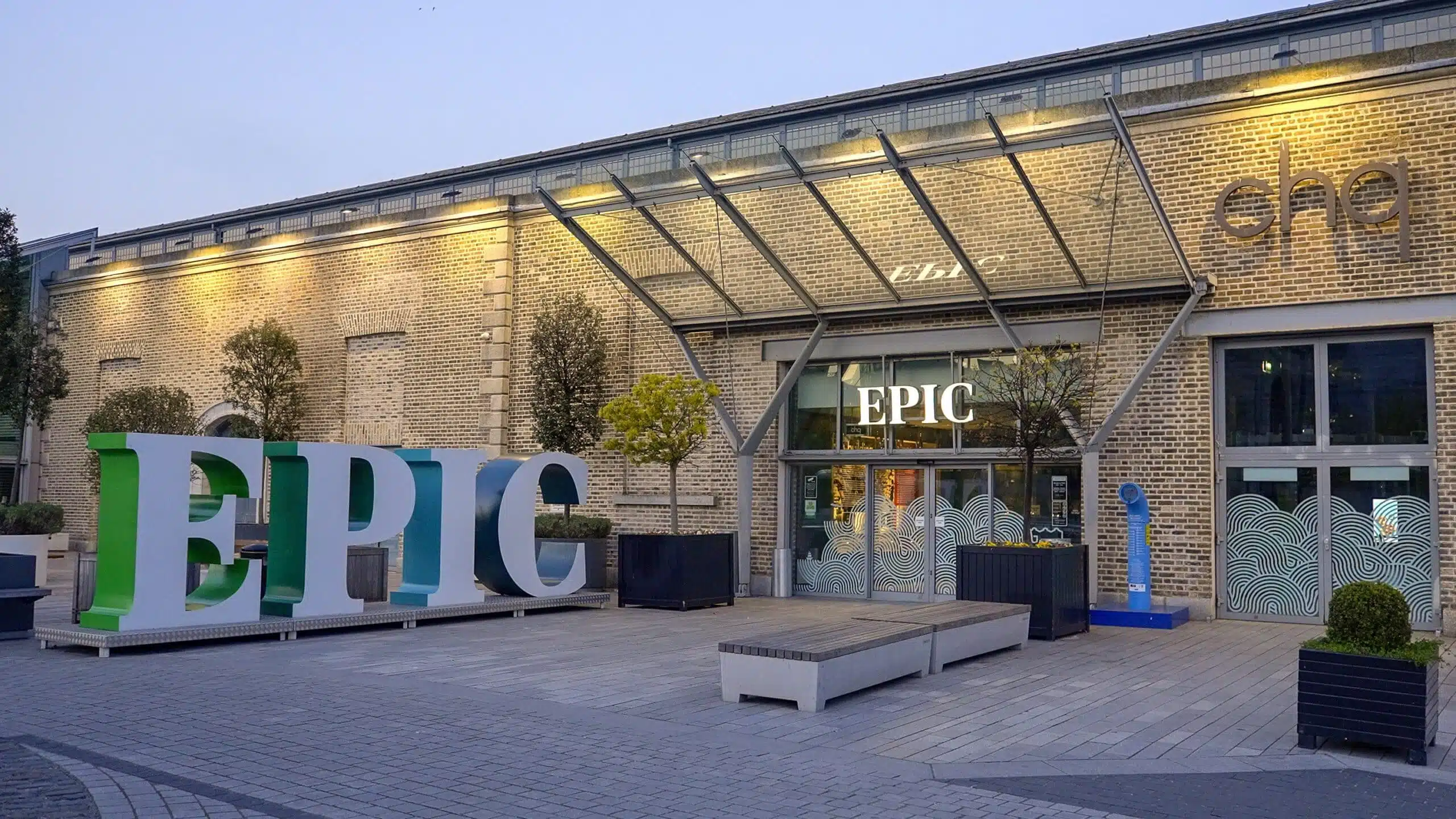
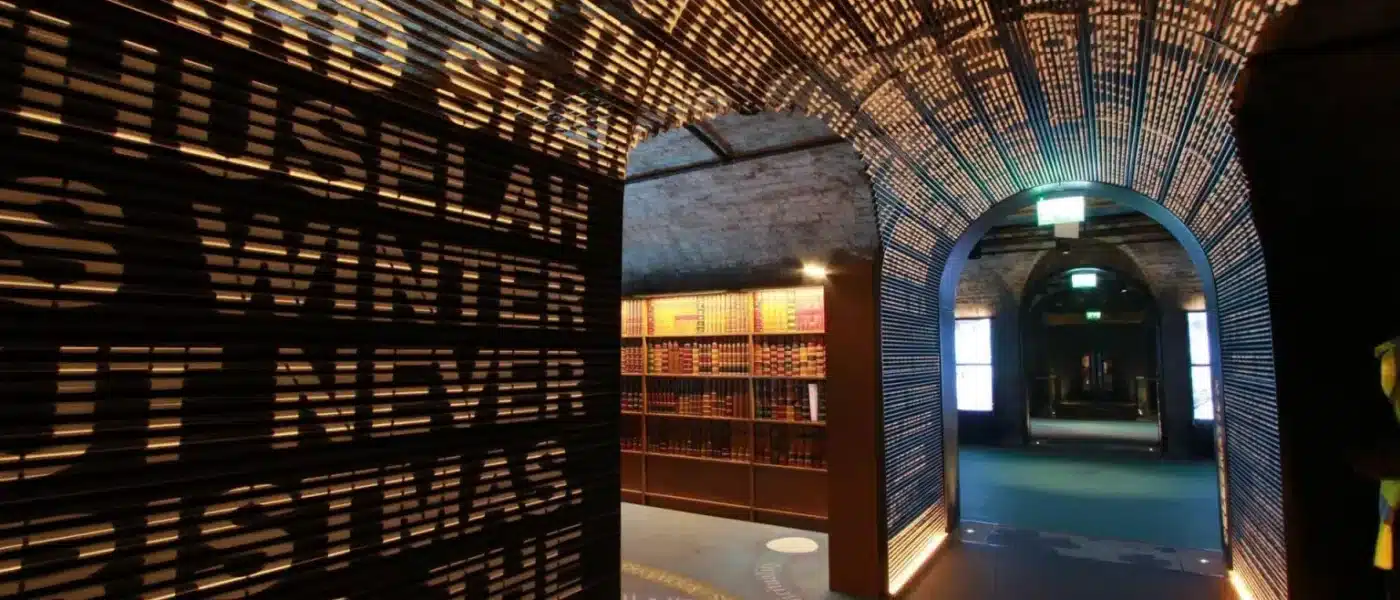
EPIC occupies the stone-vaulted cellars beneath CHQ on Custom House Quay in Dublin’s Docklands, a riverside store for tobacco and wine dating from 1820. Those heavy old vaults give it an atmosphere no purpose-built visitor centre could fake.
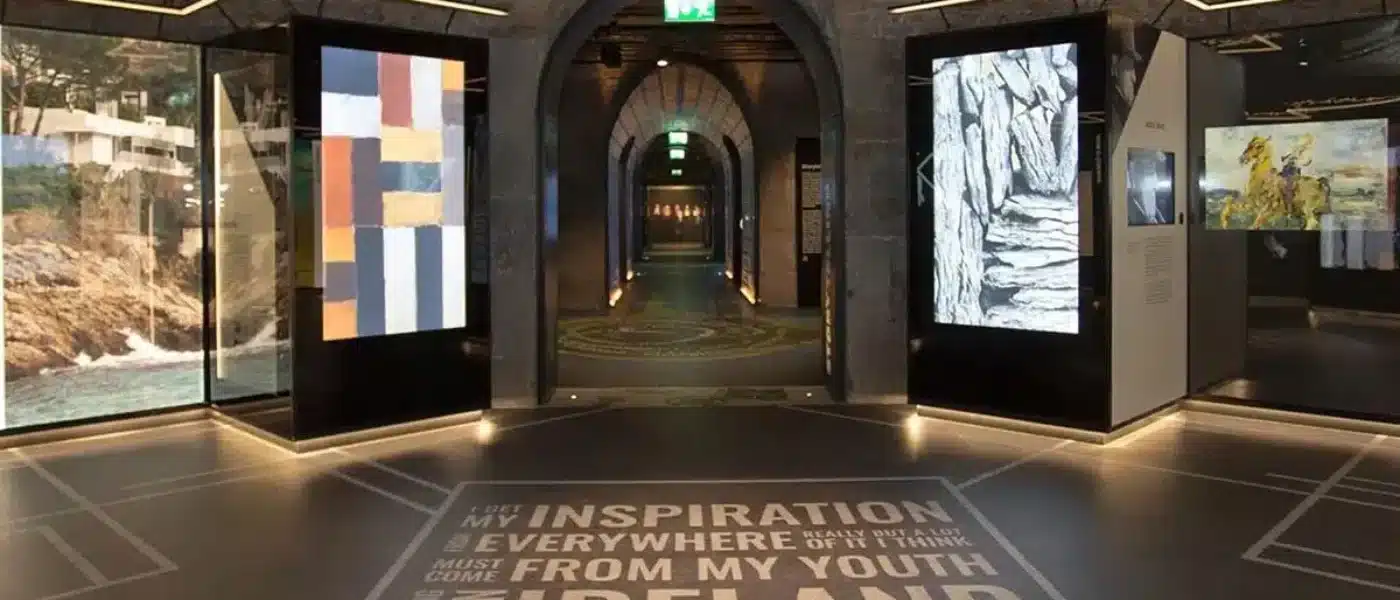
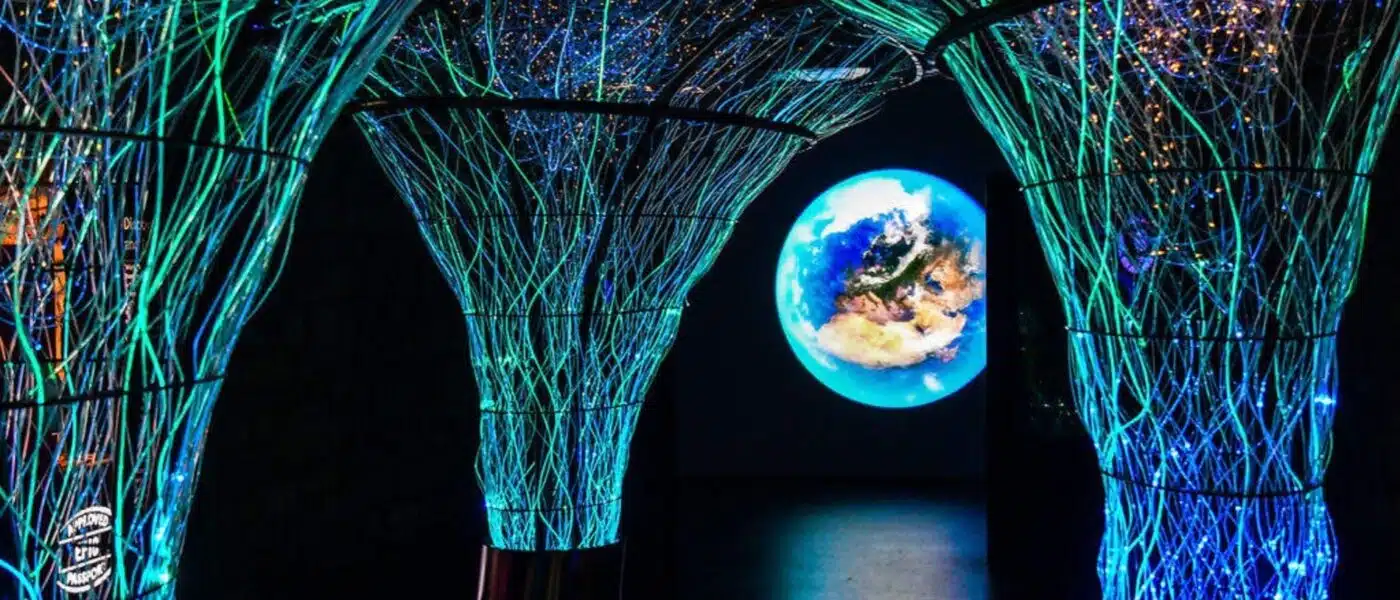
Everyone receives a small green passport, stamped in each gallery, which captures the shape of the visit: a journey in a set order, from leaving to legacy. There are very few objects. Instead, screens, projections, audio, motion sensors and immersive installations put individual stories first, ahead of any list of names and dates. The guided tour runs daily at 1 pm, Monday to Friday, covering all twenty galleries in about an hour led by an expert whose insight goes much further than wandering alone.
Five Million at Home, Seventy Million Abroad
About 5 million people live in Ireland, yet some 70 million worldwide claim Irish roots, the legacy of hundreds of years of departures, whether forced by hunger, hardship, war, persecution for faith or exile for politics, or, lately, chosen for work or simply a new life.
It began long before the Famine. People were already leaving in large numbers before 1845, after the risings of 1798 and 1803 collapsed, while the Penal Laws hemmed in Catholic life, and by a rural economy that couldn’t support its people. The Famine years of 1845 to 1852, when a million died and another million left, sped up a process already underway. A century and a half of scattering followed, one of the longest of any nation in modern times. Irish emigrants laid railroads, nursed in hospitals, entered politics and wrote books across America, Britain, Canada, Australia and Argentina, often in places that didn’t want them.
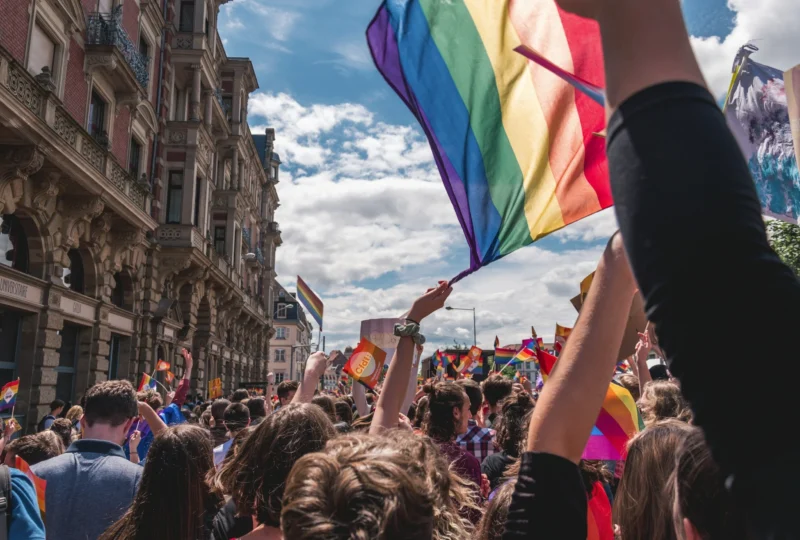
The museum tells it without sentiment or simplification. A whole gallery is given to the Famine, the Magdalene Laundries are faced head-on, and another gallery traces Ireland’s journey from deep social conservatism to becoming the first nation anywhere whose voters chose marriage equality at the ballot box, a chapter LGBTQ+ visitors will find especially moving.
See your complete itinerary before you decide.
Request a quote →Why Take the Guided Tour
The self-guided route takes about 90 minutes and works well for independent visitors, but on busy days the first galleries get crowded, and the fixed order makes it hard to linger where it matters without falling out of step. The guided visit covers the same ground with personal and historical context the displays can’t give. Your guide is a trained specialist, and the hour is built around conversation and storytelling rather than moving from screen to screen. If you’re tracing your own family’s emigration, or want to grasp the social and political pressures that made people go, there’s room for questions and connections the solo route doesn’t offer.
From Leaving to Belonging
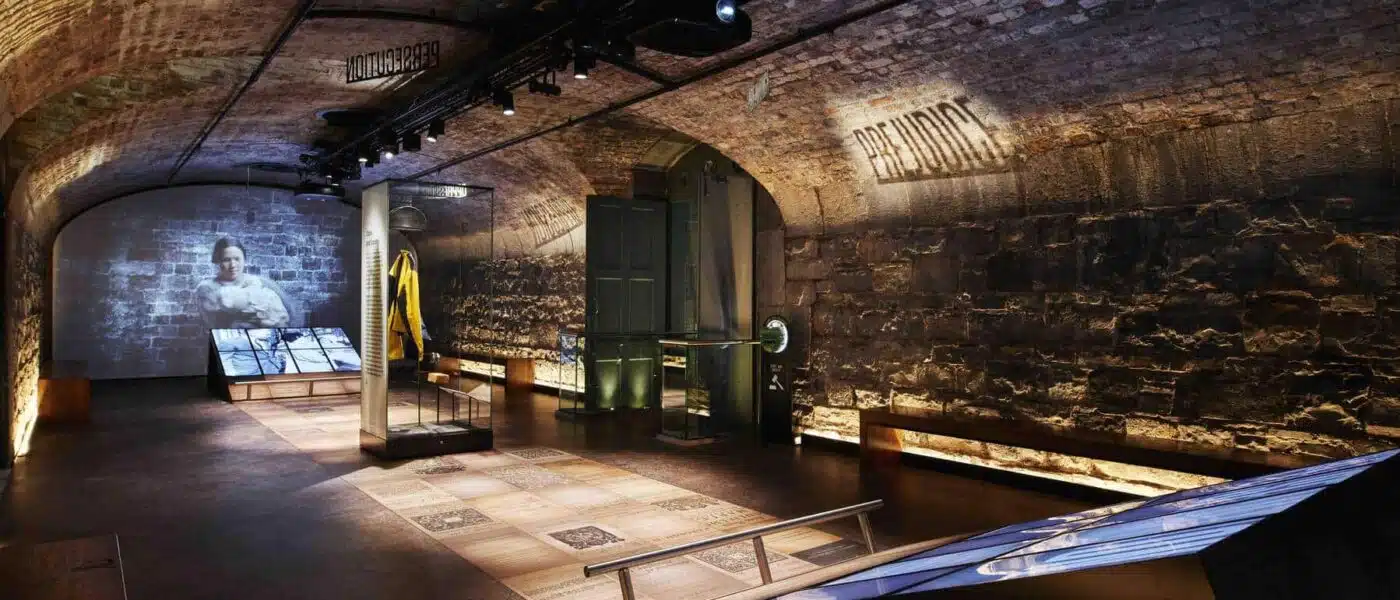
The route runs from the decision to go, through the crossing and arrival, to what Irish people built overseas. Galleries one to three look at what pushed people out and what drew them to particular places, and galleries four to seven examine the forces behind different waves: religion, politics, economics and the state. Most powerful is the Famine room, kept dark, with a soundscape and the words of people who lived through it, taken from their own diaries and letters.
Galleries eight to eighteen follow Irish influence around the world: in the White House, where over twenty presidents have traced Irish roots; in Australia, where the Irish formed a large share of early settlers; in Britain’s National Health Service, heavily staffed by Irish nurses and doctors through the twentieth century; and in culture, where authors, musicians and film-makers with Irish blood shaped the countries they came to call home. The last galleries turn to today’s diaspora, Ireland’s shift into a country people move to as well as leave, and what Irish identity means now. Your Out Of Office LGBTQ+ travel specialist can fit the visit into a stay at a welcoming Dublin hotel.
We know where you will be welcome, and where to take more care.
It shapes the hotels we use, the guides we work with and the routes we suggest.
More Moments in Ireland

Treetop Ziplines in Tibradden Woods, Dublin Mountains
A Forest on Dublin's Doorstep Tibradden Woods belongs to the historic forest network of the Dublin Mountains, once worked for timber and now cared for as a place for conservation and recreation. Old oaks and conifers shelter foxes, badgers and many woodland birds, and the woods have long been a green escape for Dubliners. A treetop adventure course lets you experience this rich, historic forest from high among its branches.
Discover more
Michelin Dining on the Wild Atlantic Way: Aniar and Chestnut
Two Kitchens, One Idea In the West End of Galway, on Lower Dominick Street, Aniar is a small, unfussy room of wood and stone. Dinner runs to 24 courses, each built from whatever the west's farms, wild land, shore and sea gave up that week. A fresh menu is drawn up each morning, so no two nights are the same.
Discover more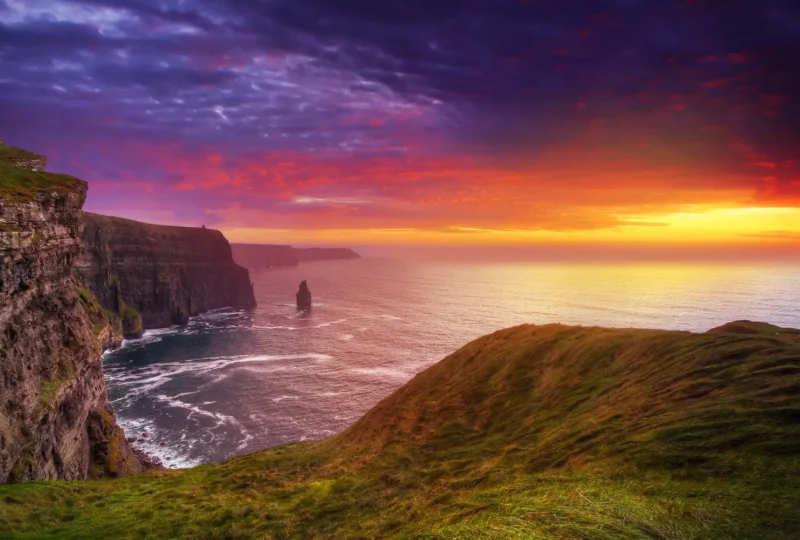
A Private Sunset Picnic on the Cliffs of Moher
A Ledge of Your Own The Cliffs of Moher soar out of the Atlantic on Ireland's west coast, running for eight kilometres from Hag's Head to O'Brien's Tower. Finding a secluded place to watch the sunset takes planning: a local guide leads you along hidden paths, well away from the main viewing platforms and their crowds.
Discover more
We plant trees for every booking
For every booking made with Out Of Office we commit to planting trees in your name to help reduce the impact of travel on future generations. You'll even get a link to see where your trees are planted in the world via our partner Ecologi.


We donate to Rainbow Railroad with every booking
Rainbow Railroad helps LGBTQ+ people escape state-sponsored violence and persecution. A donation goes with every trip we sell, funded by us and never added to your price.


Start Planning Your Trip
Tell us where you would love to go, when you are thinking of travelling and what kind of trip you have in mind. One of our LGBTQ+ travel specialists will create a tailor-made itinerary designed around your destination, style and preferences.
One named specialist, first enquiry to homecoming. No call centre, and nothing is charged until you decide to book.