




Moment · Morocco
Marrakech: Jardin Majorelle with Yves Saint Laurent and Pierre Bergé
Walk the cobalt-blue Jardin Majorelle that Yves Saint Laurent and Pierre Bergé saved, then see his couture in the museum next door.
Marrakech’s Blue Garden
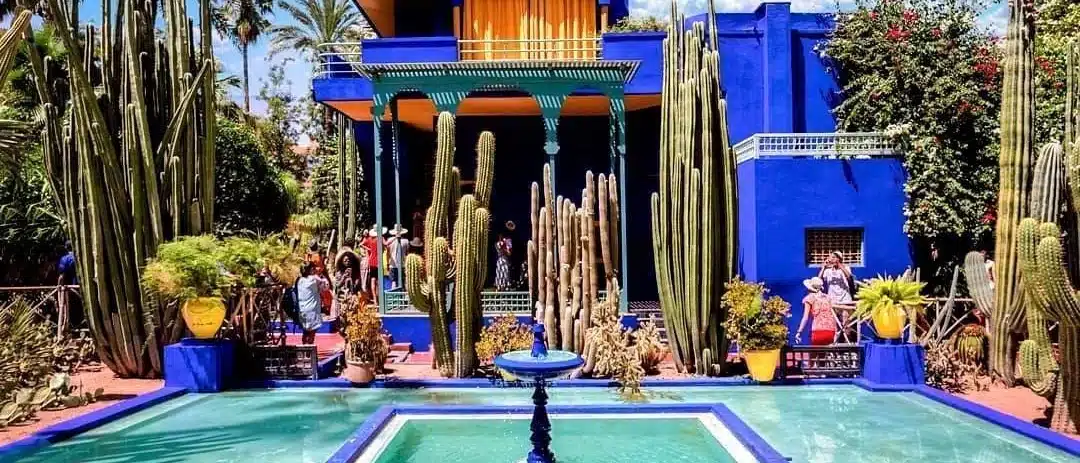
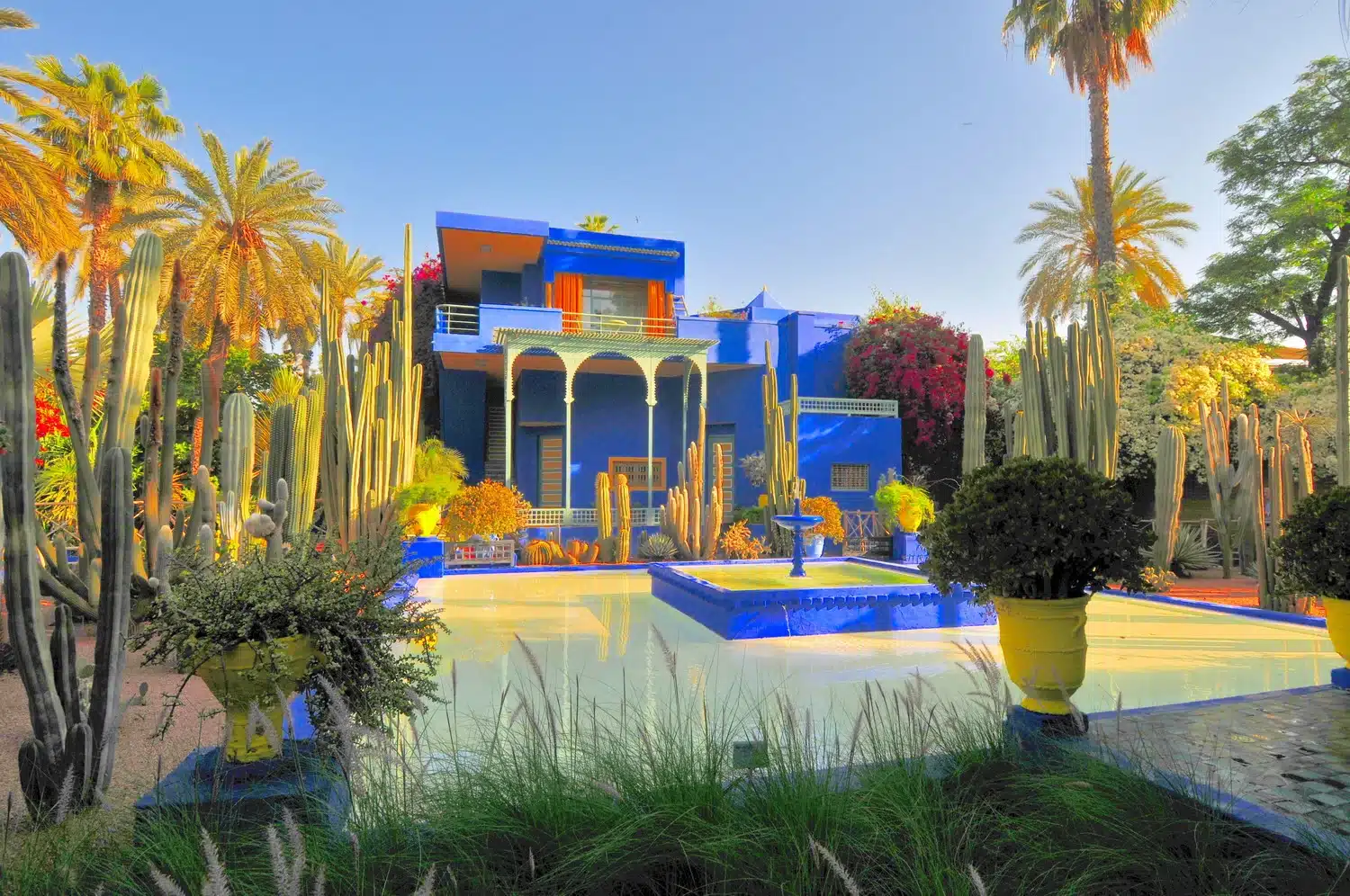
The Jardin Majorelle sits behind high walls in the Gueliz district of Marrakech, a garden of cacti, palms, bamboo and lily ponds set around a villa painted an intense shade of blue.
It was created by the French painter Jacques Majorelle from the 1920s. Decades later, it was saved from development by the designer Yves Saint Laurent and his partner, Pierre Bergé, who restored it and made Marrakech their second home.
Visiting early, with a private guide, you see the garden at its quietest and hear the story of the couple who made it famous.
Yves Saint Laurent and Pierre Bergé
Saint Laurent and Bergé met in Paris in 1958 and built one of the great fashion houses of the twentieth century together. They were partners in life for many years and remained devoted to each other long after.
They first came to Marrakech in the 1960s, and Saint Laurent later credited the city with transforming his understanding of colour. In 1980, they bought the Jardin Majorelle and the villa beside it, rescuing both from plans to build a hotel.
The Garden
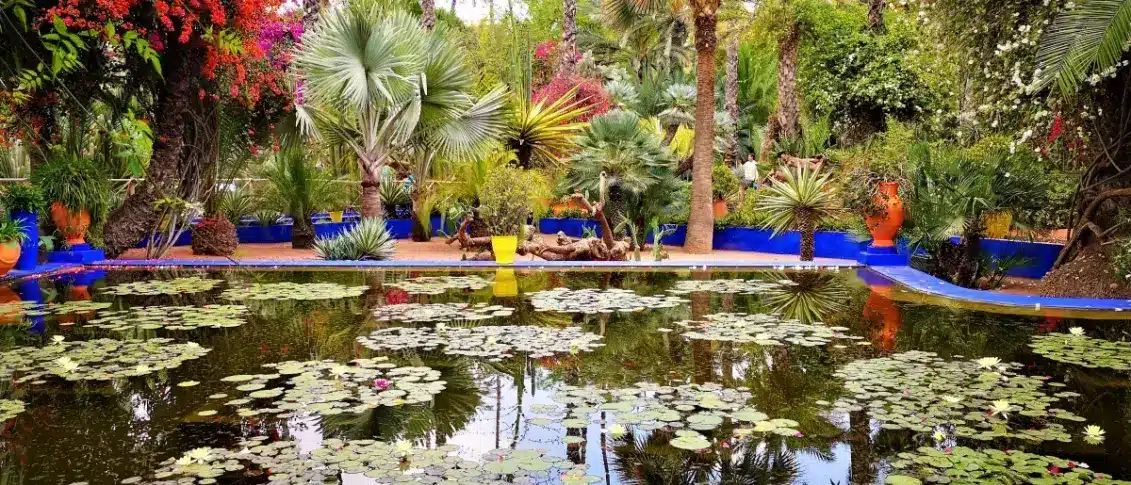
Paths wind through plants gathered from five continents, past fountains, pools, and terracotta pots painted in yellow, green, and the famous Majorelle blue. The light, the shade, and the sound of water make it feel far removed from the busy streets outside.
After Saint Laurent’s death in 2008, his ashes were scattered in the garden, and a simple memorial stands among the plants. Many visitors find it the most moving moment of the visit.
The Musée Yves Saint Laurent Marrakech
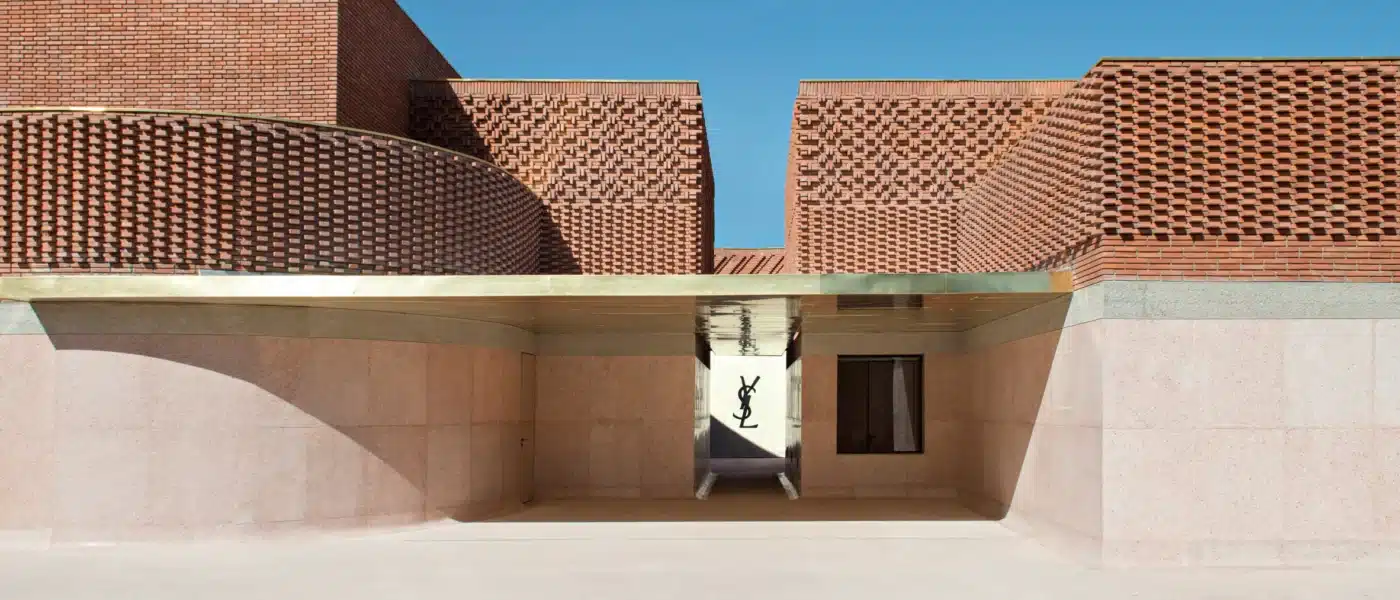
A short walk from the garden, the Musée Yves Saint Laurent Marrakech opened in 2017. Its galleries hold a rotating selection of the designer’s work, from haute couture to sketches and photographs, and you may also find an exhibition such as a retrospective of one of his collections or a show on artists who inspired him.
The building itself, with its terracotta brick facade, was designed to echo the weave of fabric. It is one of the most important fashion museums in the world.
The hard part is not finding a beautiful place. It is finding the right one for you.
Request a quote →The Museum of Berber Arts
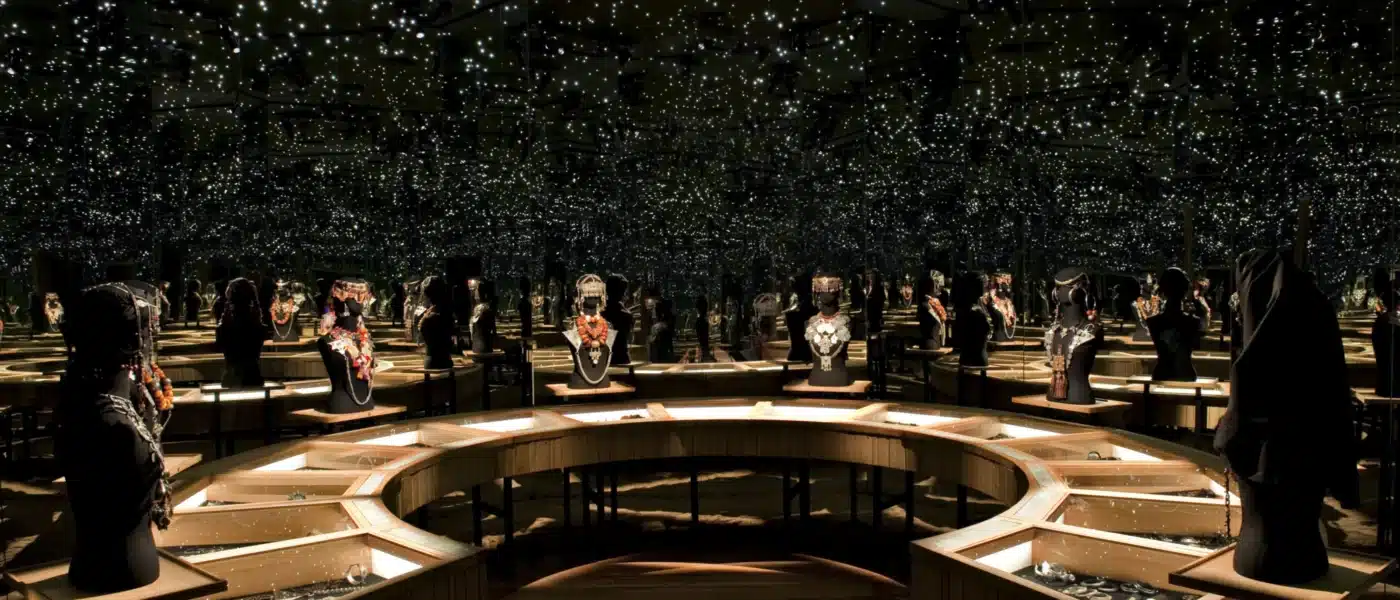
Inside the blue villa, the Pierre Bergé Museum of Berber Arts displays jewellery, textiles, and objects from across Morocco, many collected by the couple themselves.
It reflects their deep respect for Moroccan culture, and Bergé’s later years in particular were devoted to preserving the garden and its collections. Shortly before his death in 2017, he married the American landscape designer Madison Cox, who went on to lead the foundation that cares for the garden.
Knowing the Law
Same-sex relationships are illegal in Morocco under Article 489 of the Penal Code, with penalties of up to three years in prison. Enforcement against tourists is rare, but public displays of affection are best avoided, particularly in the medinas and rural areas.
Our blog, Gay Travel in Morocco: Law vs. Reality, explains what to expect and which properties we recommend, so you can decide with full information.
Planning Your Jardin Majorelle Experience
The garden is busiest from mid-morning, so arriving as it opens gives you the most space. Tickets are timed and sold online, and the museum and garden can be visited together in about two to three hours. Spring and fall are the most comfortable seasons in Marrakech.
Out Of Office can arrange your tickets, a private guide, and a stay at one of the gay-friendly luxury hotels in Morocco we know and trust. To learn more about the couple and their circle, read Morocco’s Hidden Gay History: Yves Saint Laurent to Joe Orton, and ask your LGBTQ+ travel specialist about combining Marrakech with the Atlas Mountains, the desert or the coast on a wider journey through Morocco.
See your complete itinerary before you decide.
Your specialist will bring together every detail of your trip, with clear pricing throughout.
More Moments in Morocco
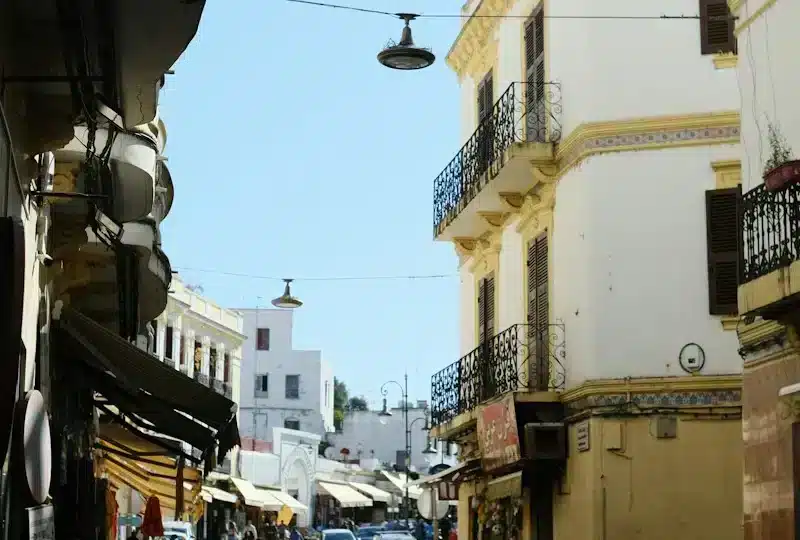
Tangier: In the Footsteps of the Literary Exiles
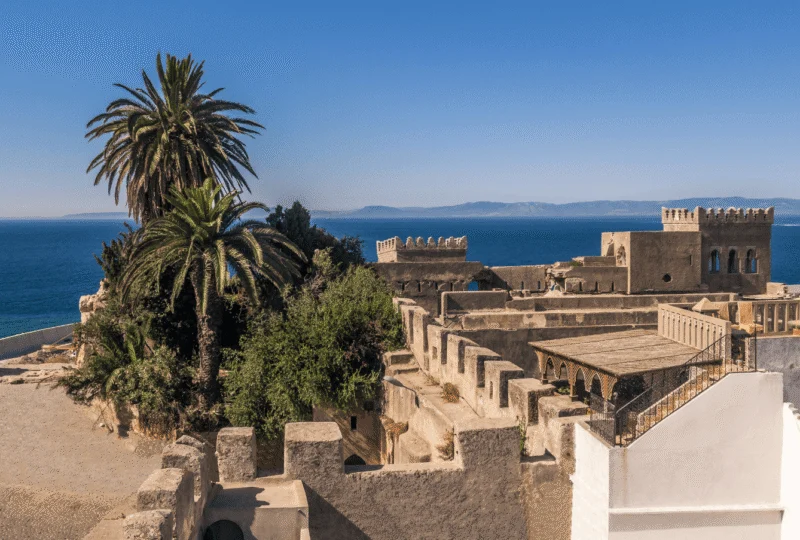
Tangier at the Crossroads Tangier sits on the northern tip of Africa, looking across the Strait of Gibraltar toward Spain. For centuries it has been a crossroads of cultures, languages, and ideas. From the 1920s to the 1950s, it was governed as an International Zone, administered by several foreign powers.
Discover more
A Private Hammam Ritual in Marrakech
A Civic Institution In Marrakech the hammam isn't a luxury spa but a civic institution. Behind unmarked doors in residential streets and beside mosques, hammams have served for centuries as places of hygiene, routine and social order, and steam still rises from them every day. Having one to yourself changes the mood at once. The chatter and bustle are gone, and the ritual only begins once your body has adjusted to the heat.
Discover more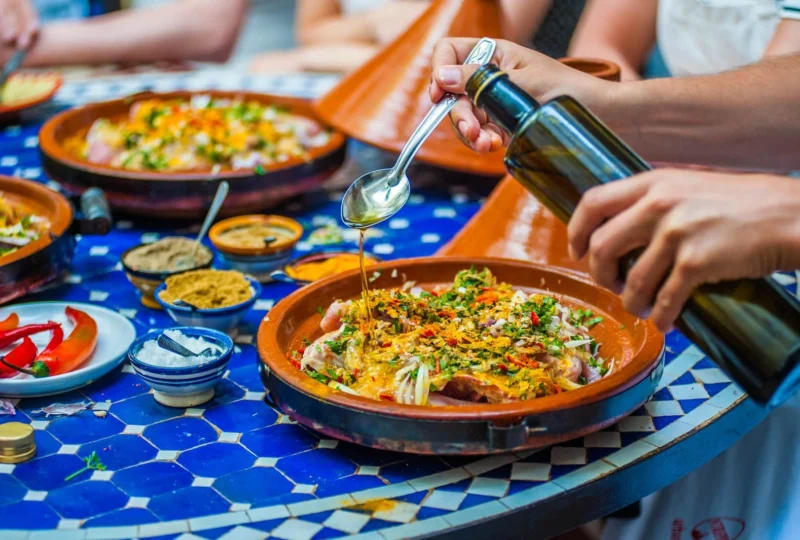
A Private Cooking Class in a Marrakech Riad
Starting at the Market Most classes open with a stroll through a neighbourhood market, your chef pointing out what's good today: tomatoes at their peak, the right lamb for long, slow cooking, and spices worth buying whole instead of powdered. Then it's back to the riad, where the kitchen is usually home-sized, set just off the central courtyard and stocked with clay tagines, brass platters and a mortar and pestle polished by long use.
Discover more
We plant trees for every booking
For every booking made with Out Of Office we commit to planting trees in your name to help reduce the impact of travel on future generations. You'll even get a link to see where your trees are planted in the world via our partner Ecologi.

We donate to Rainbow Railroad with every booking
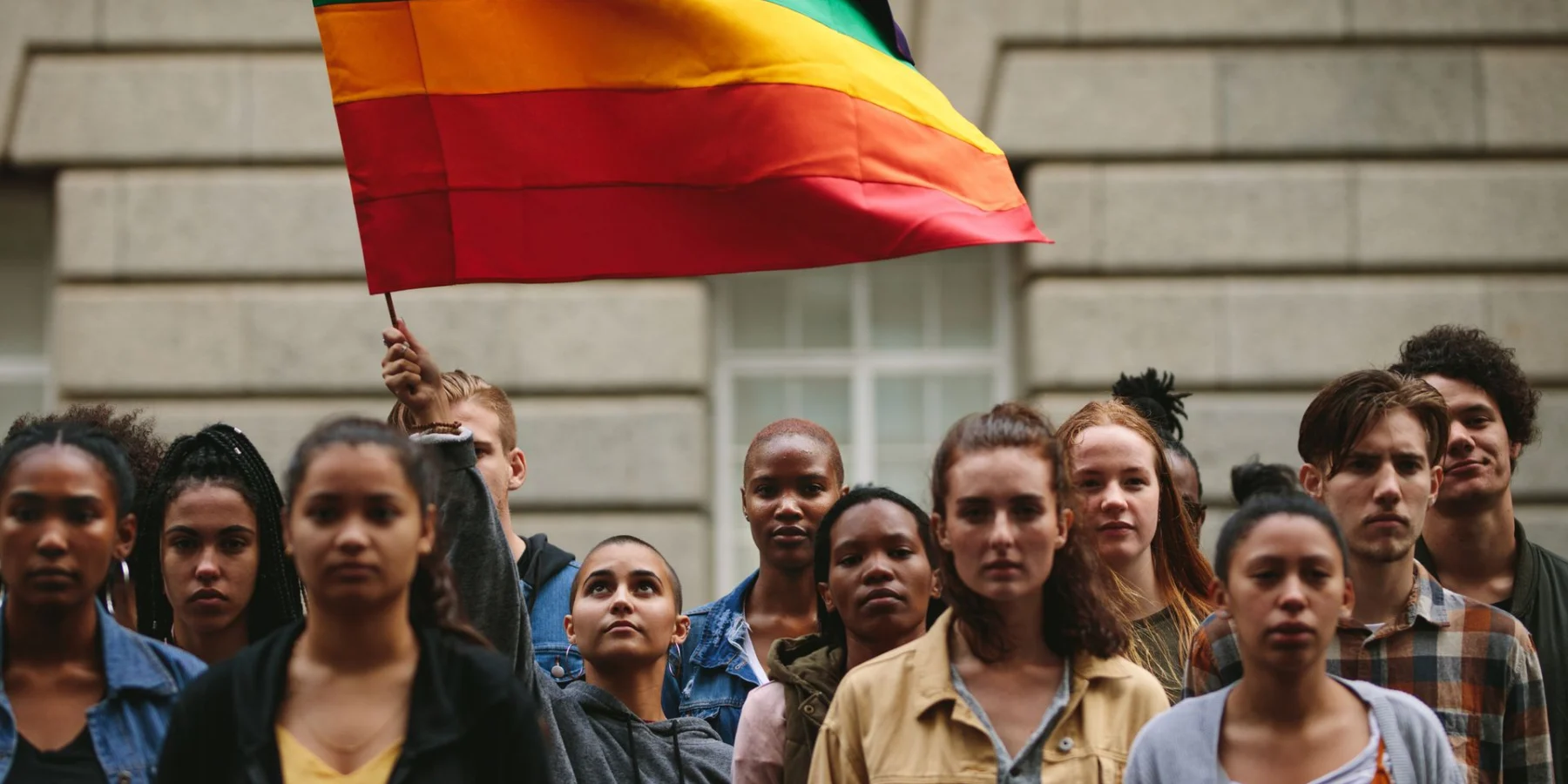
Rainbow Railroad helps LGBTQ+ people escape state-sponsored violence and persecution. A donation goes with every trip we sell, funded by us and never added to your price.

Start Planning Your Trip
Tell us where you would love to go, when you are thinking of travelling and what kind of trip you have in mind. One of our LGBTQ+ travel specialists will create a tailor-made itinerary designed around your destination, style and preferences.
One named specialist, first enquiry to homecoming. No call centre, and nothing is charged until you decide to book.