





Editorials
The Safest Islamic Countries for LGBTQ+ Travellers
Navigating the minefield of gay travel in the Islamic world
Navigating LGBTQ+ travel in Islamic countries presents unique challenges and complexities that require careful consideration and realistic expectations.
While the landscape for LGBTQ+ rights remains difficult across much of the Islamic world, some destinations offer relatively safer experiences for discerning travellers who appreciate the nuances of travel in more conservative destinations.
Understanding the Broader Context
Before examining specific destinations, it’s crucial to understand the broader reality facing LGBTQ+ travellers in Islamic countries. As of 2025, homosexuality is criminalised in 34 Muslim-majority countries, with punishments ranging from fines and imprisonment to death.
However, this broad statistic doesn’t tell the complete story, as enforcement varies dramatically, and historical context matters significantly.
The current restrictive climate in many Islamic countries represents a relatively recent development. During the Islamic Golden Age, many societies were considerably more tolerant of homosexual relationships. Public attitudes underwent marked negative changes starting in the 19th century through the gradual spread of Islamic fundamentalist movements and the influence of restrictive European colonial laws that many countries retained after independence.
The Safest Options: Countries Where Same-Sex Activity Is Legal
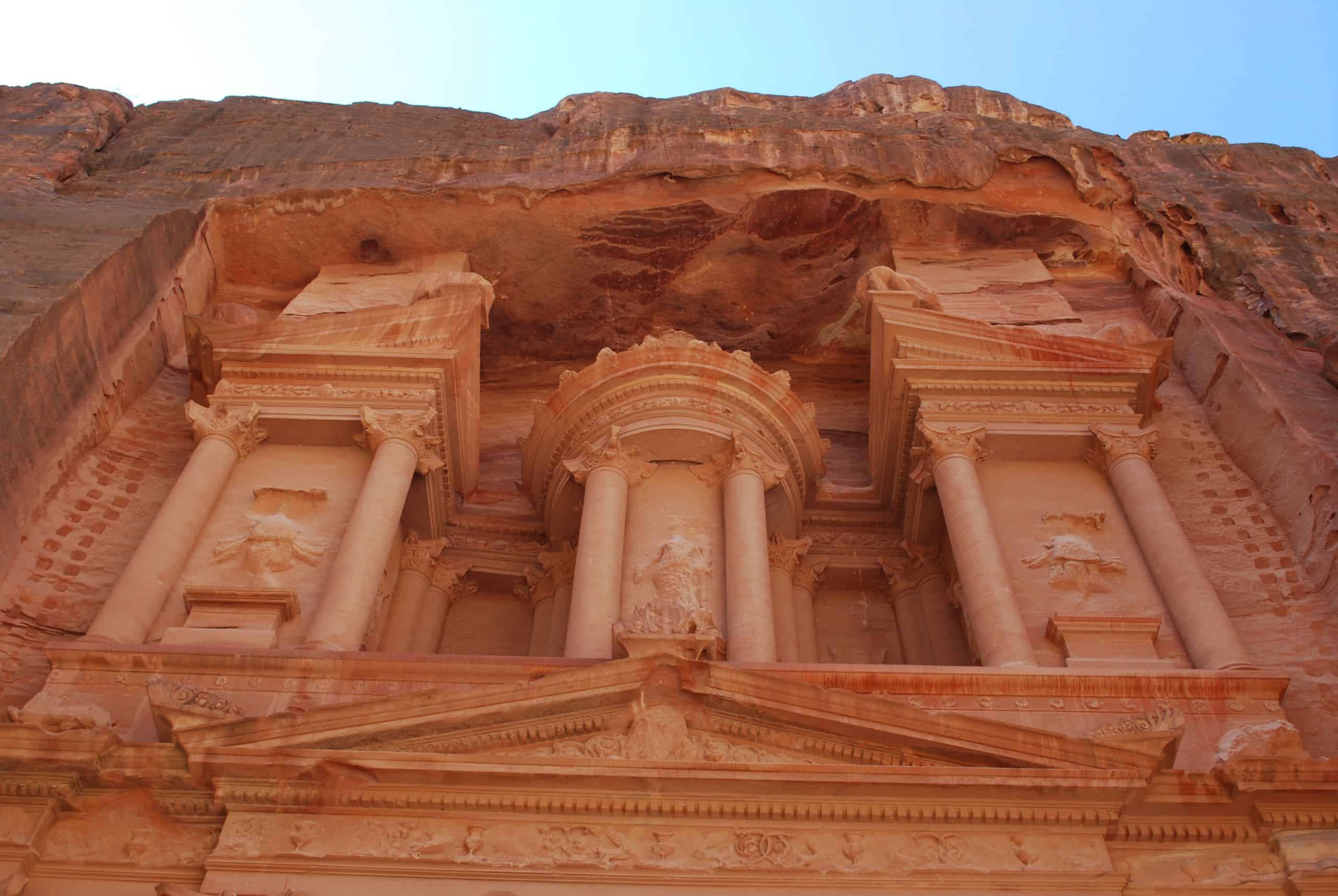
Jordan: The Arabian Exception
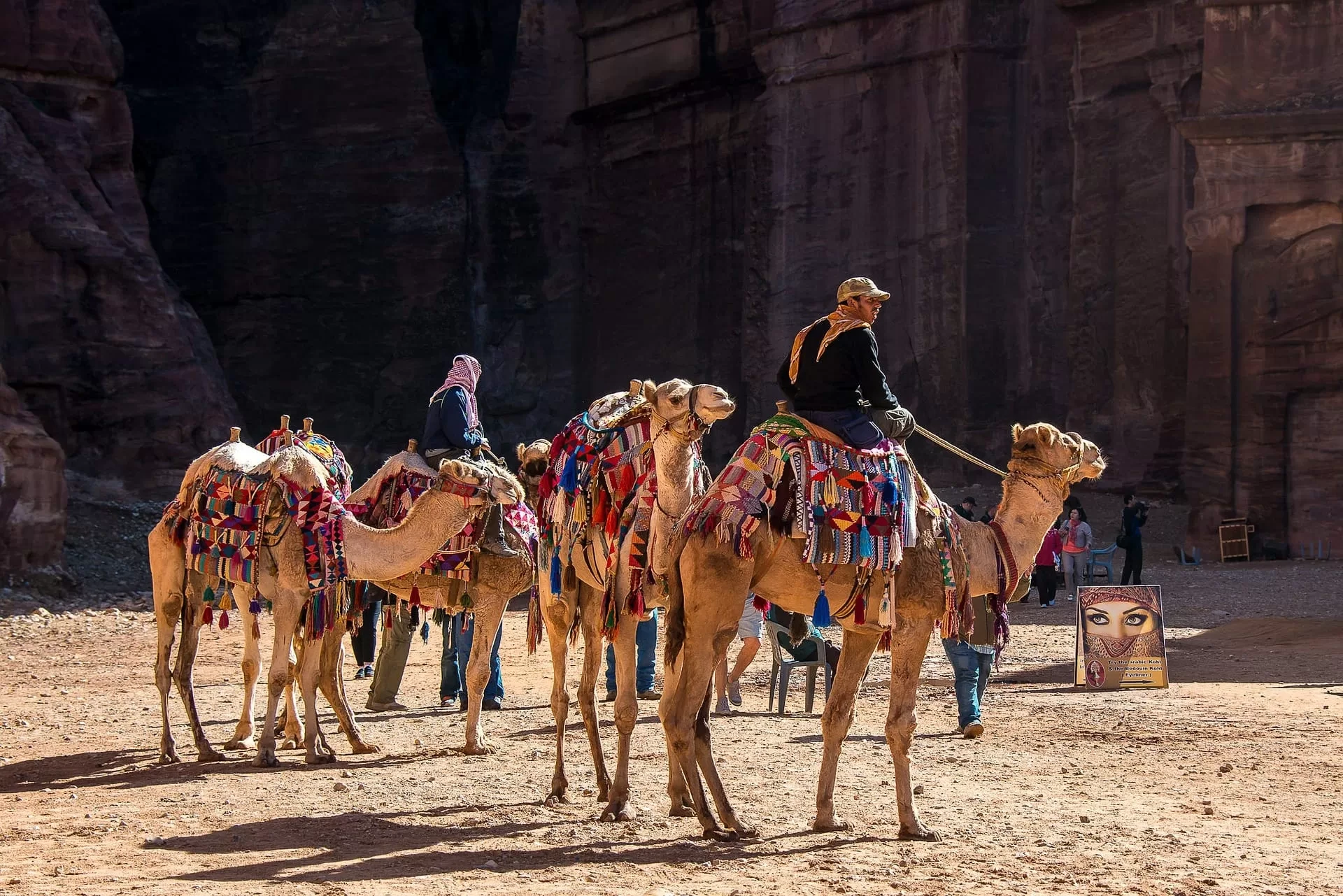
Jordan stands out as perhaps the safest Islamic country for LGBTQ+ travellers. Since 1951, Jordan has legally allowed same-sex activity, making it one of only two Arab countries where homosexuality is legal. The kingdom has spectacular attractions including Petra, Amman, Wadi Rum, and the Dead Sea, creating what many consider a “traveller’s paradise.”
Jordan’s relative safety stems from its political stability and more liberal legal framework compared to regional neighbours. The country has an underground LGBTQ+ community that’s most active on apps like Grindr, and it observes events such as the International Day Against Homophobia, Transphobia and Biphobia. While social stigma and “public morality” laws still create challenges, visitors generally find Jordan welcoming when exercising appropriate discretion.
Safety Level: Moderate to Good
Legal Status: Same-sex activity legal since 1951
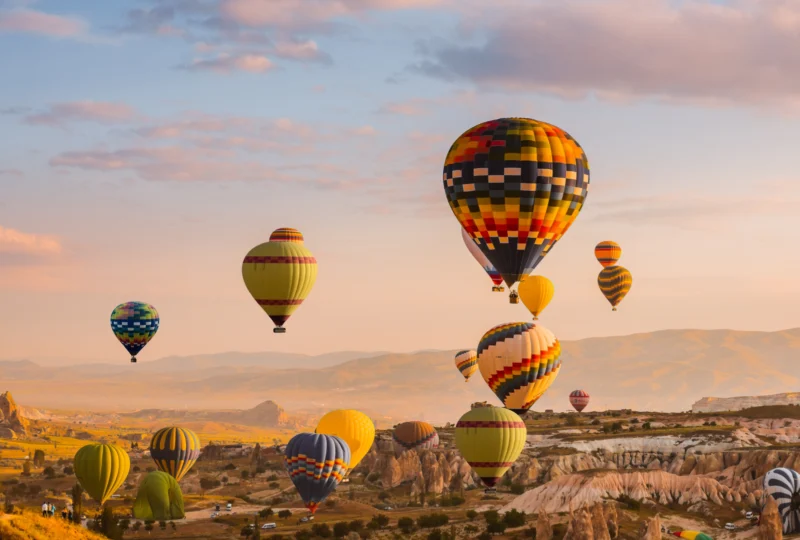
Turkey: Between Europe and Asia
Turkey occupies a unique position as a secular republic with a predominantly Muslim population where same-sex relationships have been legal since 1858, when the Ottoman Empire decriminalised homosexuality. This makes Turkey one of the earliest countries globally to decriminalise same-sex relations.
However, the current political climate under President Erdoğan has become increasingly conservative, with recent crackdowns on LGBTQ+ events raising concerns about freedom of association and expression. Despite these challenges, Turkey maintains active LGBTQ+ advocacy groups like Lambdaistanbul and Kaos GL, and Istanbul has a significant underground gay scene.
The country scores 39 out of 100 on the Equaldex LGBT Equality Index, reflecting the contradiction between legal tolerance and social acceptance. While same-sex activity remains legal, LGBTQ+ individuals lack protection from discrimination, and attitudes can be conservative, particularly outside major cities.
Turkey had impressive pride parades in recent years, but increasingly hostile government policies towards LGBTQ+ rights changed that.
Safety Level: Moderate Legal Status:
Legal Status: Legal since 1858
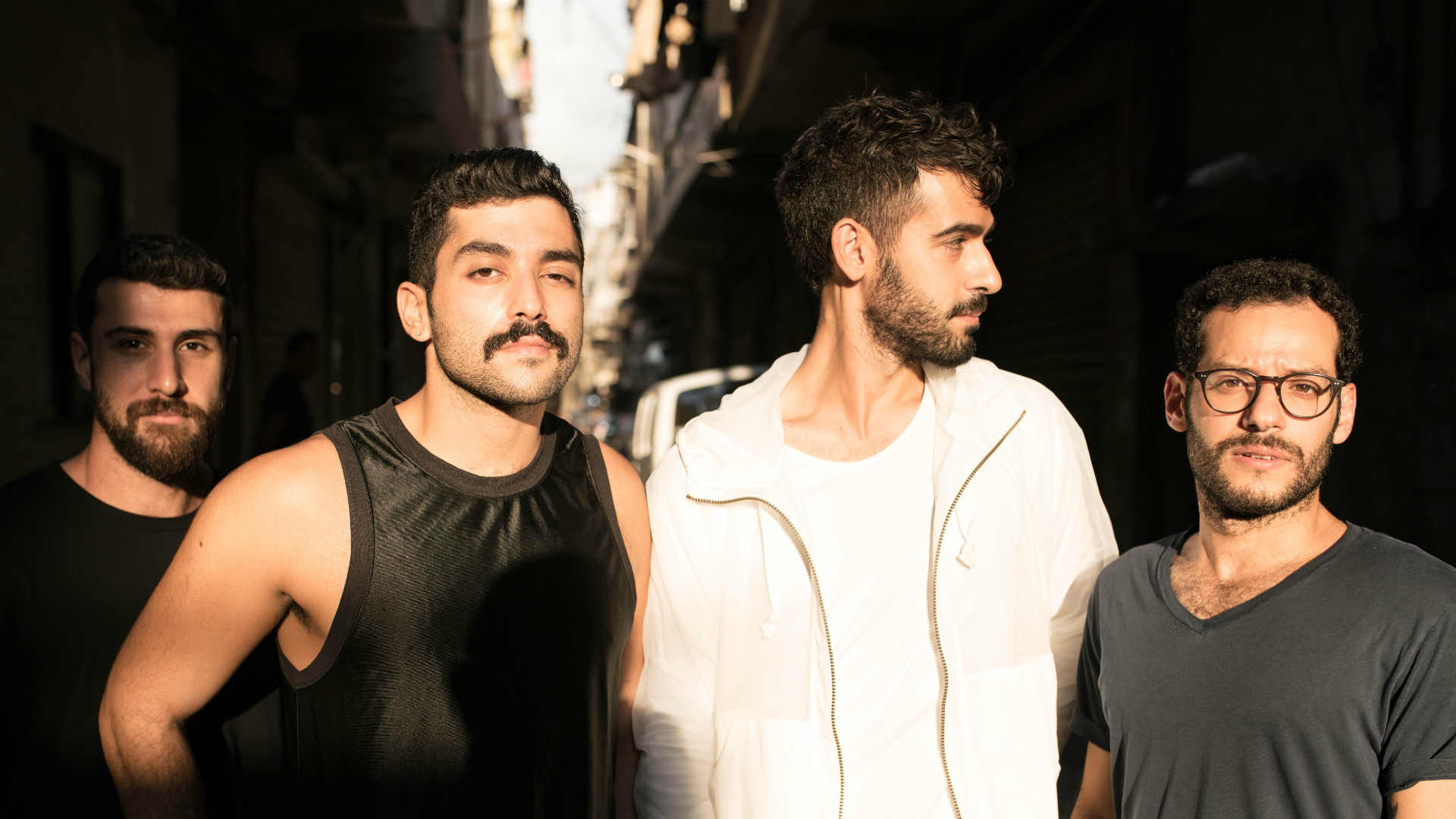 Mashrou’ Leila, Beirut’s uber sexy – now sadly disbanded – gay pop group
Lebanon: The Cultural Bridge
Lebanon has historically been considered one of the most LGBTQ+-friendly countries in the Arab world, though recent political instability has affected this status. Same-sex activity is legal, and since 2016, the right to change legal gender has been recognised. Lebanon is home to Helem, the Arab world’s first LGBTQ+ rights organisation, established in Beirut in 2001.
The country features one of the region’s most visible gay scenes, with venues like POSH, the region’s largest gay club, and annual events including Beirut Pride and International Day Against Homophobia observances. However, Lebanon’s ongoing economic crisis and political instability have created additional safety concerns that extend beyond LGBTQ+ issues. Lebanon is not a country we’d currently suggest as a tourism destination.
Beirut was once known as “the Paris of the East”, and hopefully it’ll regain that status one day.
Safety Level: Moderate (affected by broader political situation)
Legal Status: Same-sex activity legal, legal gender change permitted
Tell us where your mind keeps going back to. We will do the rest.
Request a quote →Countries that Ban Gay Sex but Attract Gay Travellers
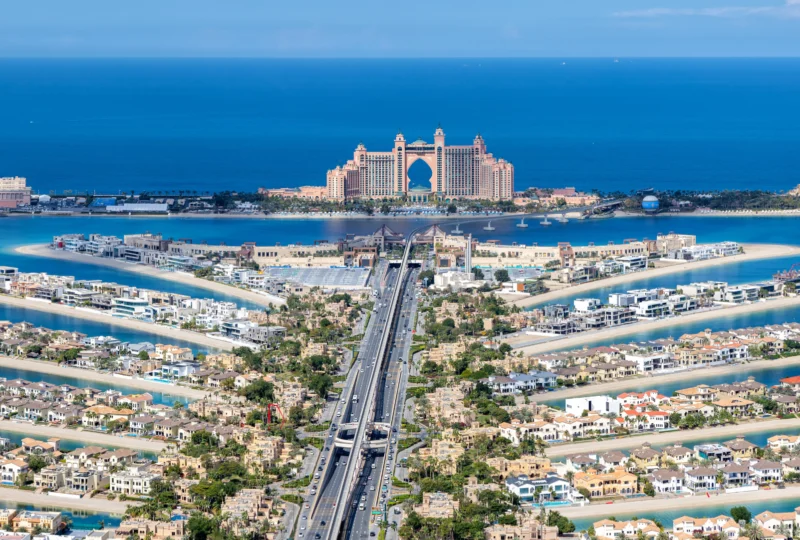
Dubai (UAE): The Cosmopolitan Contradiction
Dubai presents one of the most fascinating contradictions in LGBTQ+ travel within the Islamic world. Despite the United Arab Emirates maintaining laws that criminalise same-sex relations with penalties including imprisonment, Dubai has become a surprisingly popular destination for gay travellers, particularly those from Europe and other Western countries.
This popularity stems largely from the city’s massive expatriate community, international business culture, and significant presence of airline cabin crew who have created a substantial underground gay scene.
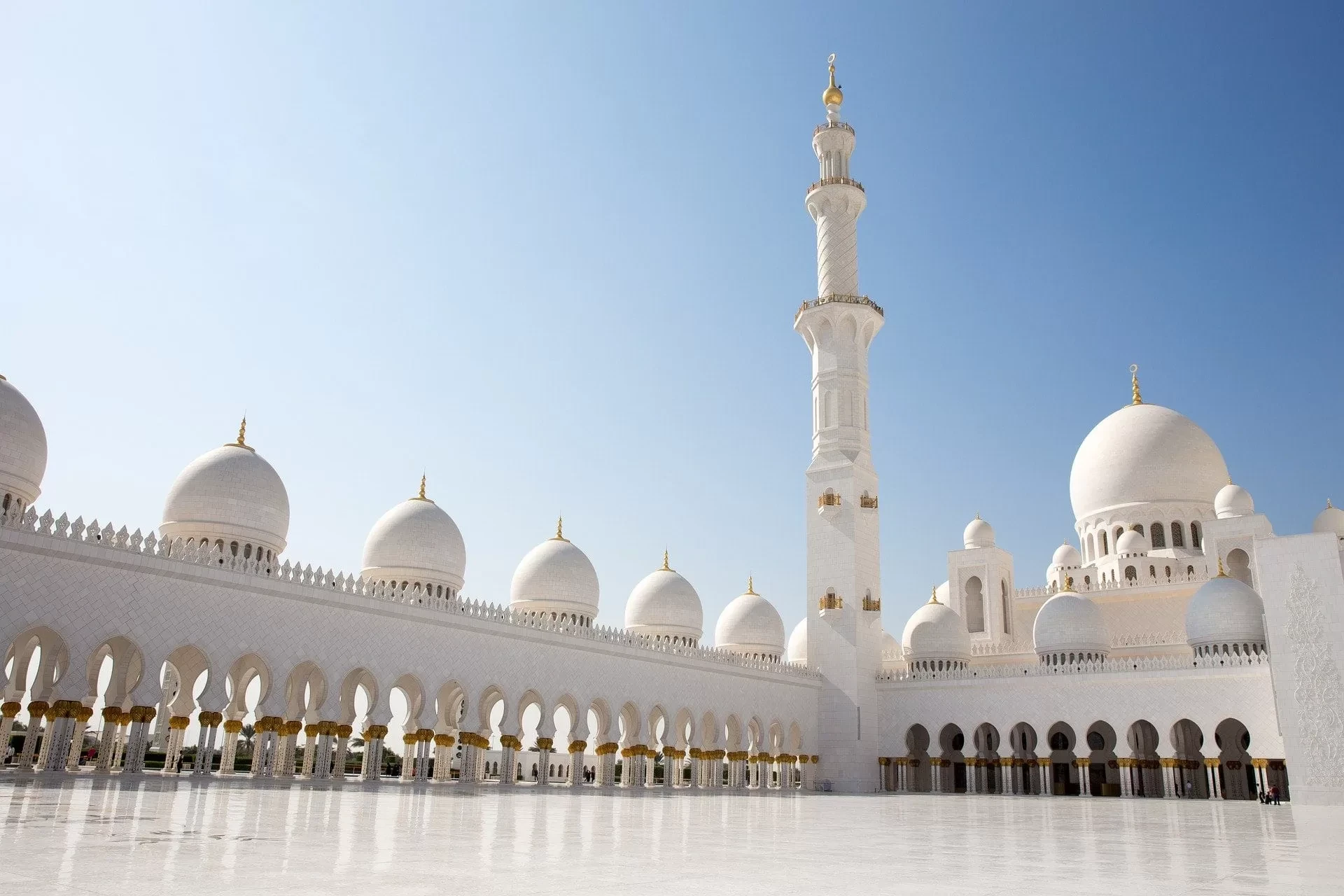
The city’s luxury hotels, world-class shopping, and international atmosphere create pockets of relative tolerance, especially in upscale areas frequented by tourists and expatriates. Many international hotel chains maintain their standard of non-discrimination, and Dubai’s focus on tourism revenue creates economic incentives for turning a blind eye to discreet behaviour.
However, travellers must understand that this tolerance exists within very specific boundaries and relies heavily on discretion, wealth, and avoiding any behaviour that could be perceived as public or provocative. The situation remains precarious, with legal protections entirely absent and enforcement potentially arbitrary.
Safety Level: Moderate (dependent on wealth and discretion)
Legal Status: Same-sex activity illegal, punishable by imprisonment
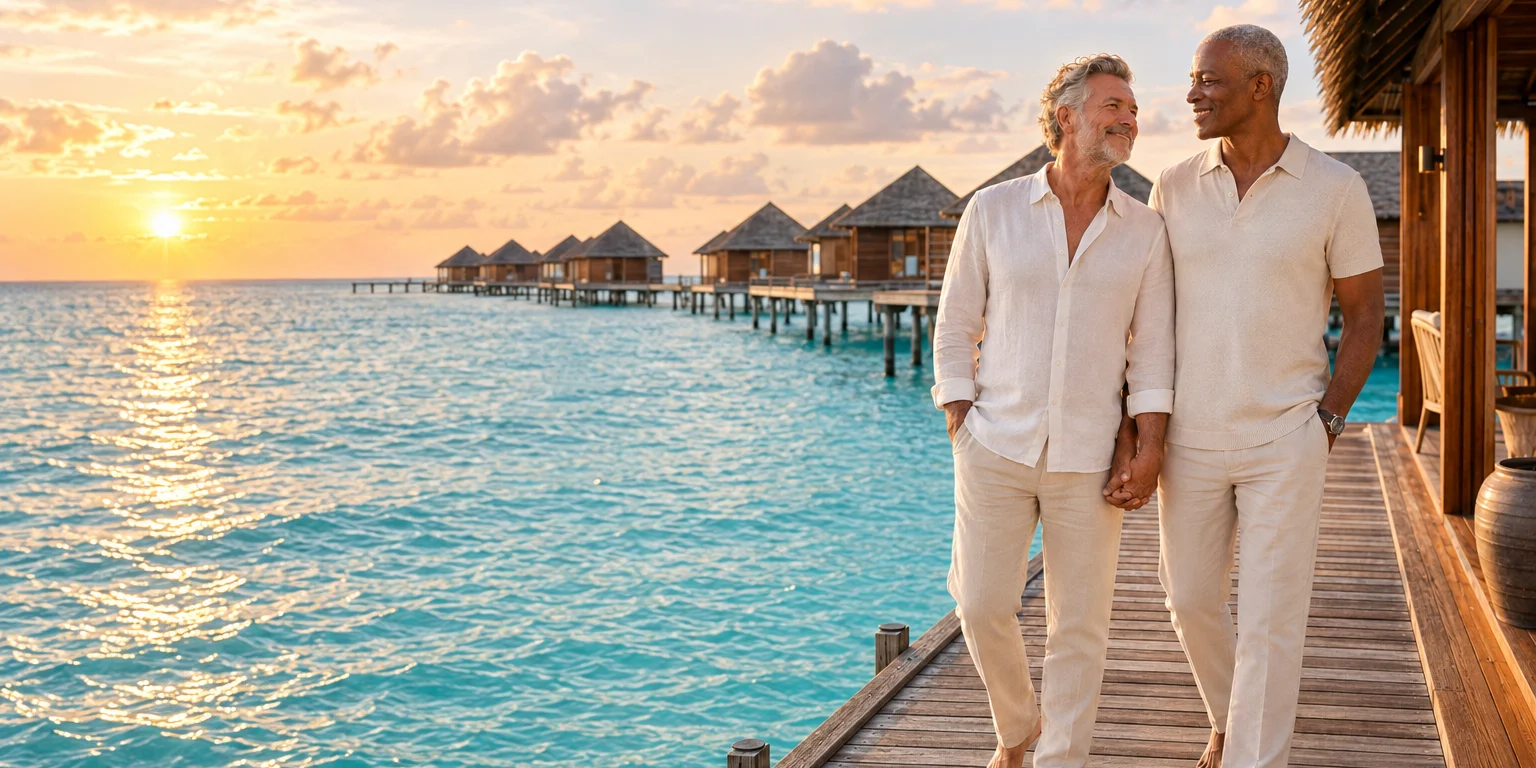
Maldives: Tropical Paradise
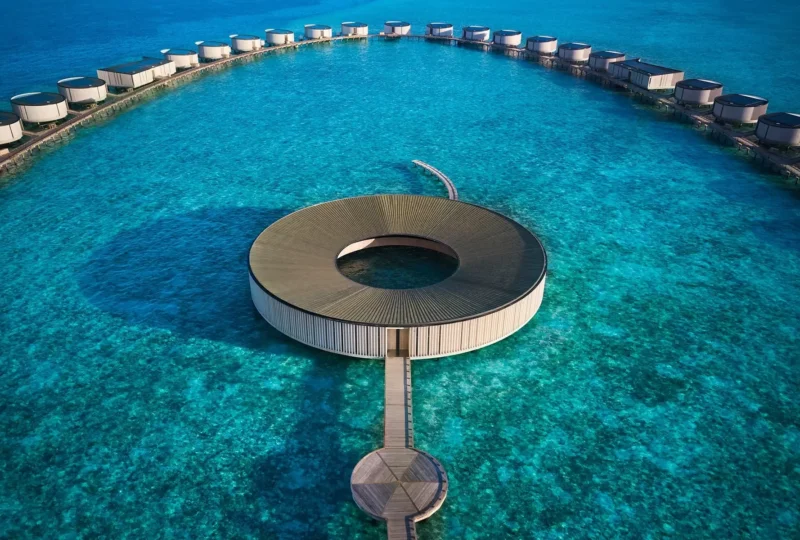
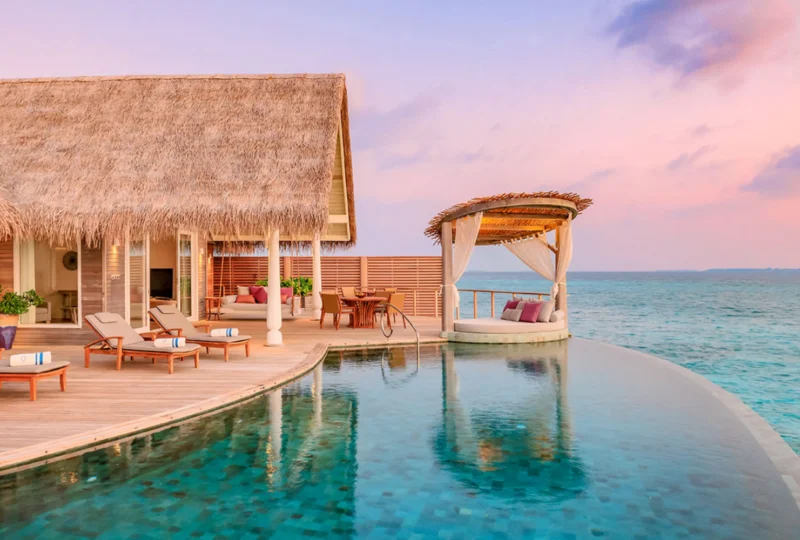
The Maldives represents perhaps the most striking example of how economic realities can create spaces for LGBTQ+ tourism despite restrictive laws. This Indian Ocean nation, where Islam is the state religion and homosexuality is criminalised with penalties including imprisonment and deportation for foreigners, has become a popular destination for gay couples seeking luxury resort experiences.
The country’s tourism-dependent economy and the isolated nature of its resort islands create an environment where international hospitality standards often take precedence over strict local law enforcement.
Many of the Maldives’ high-end resorts are operated by international hotel chains that maintain non-discriminatory policies and cater to wealthy international clientele, including same-sex couples. The physical separation of resort islands from local communities, combined with the substantial revenue generated by luxury tourism, creates a practical tolerance that exists nowhere else in the country. However, this tolerance is entirely confined to resort properties and requires absolute discretion when interacting with local staff or visiting inhabited islands.
Safety Level: Safe (resort islands only)
Legal Status: Same-sex activity illegal
Morocco: The Maghreb Gateway
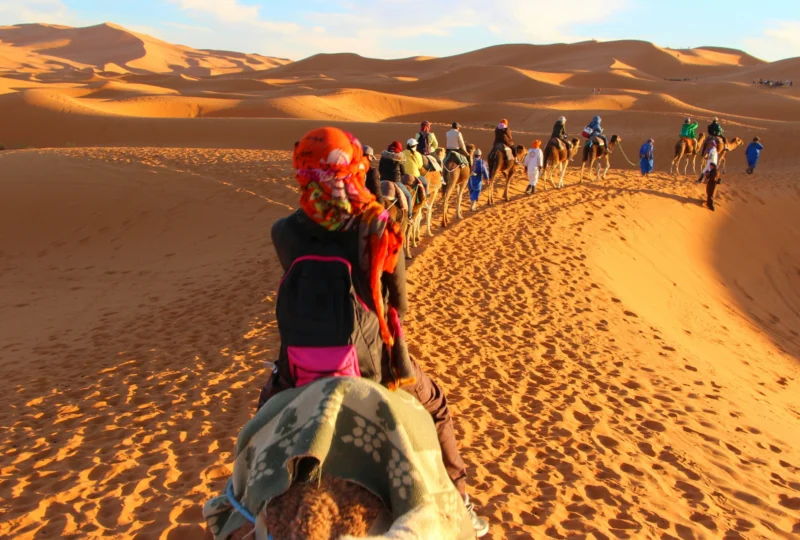
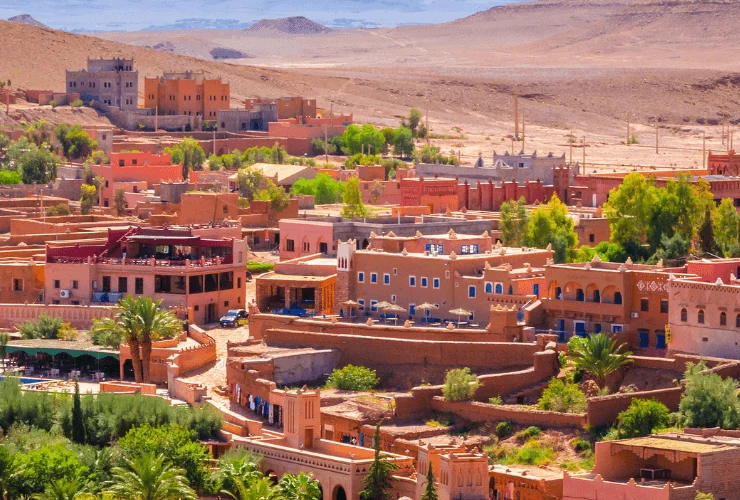
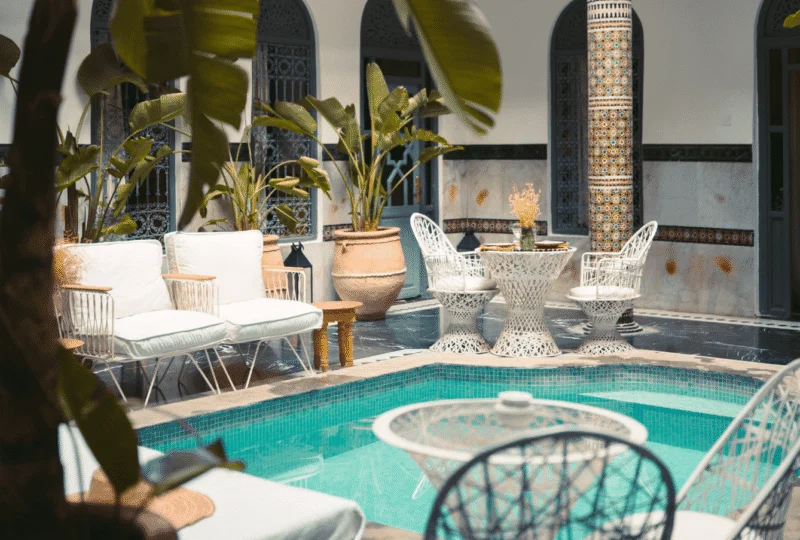
Morocco occupies a unique position as a country that simultaneously criminalizes homosexuality while maintaining a thriving tourism industry that includes significant numbers of LGBTQ+ travellers. Same-sex relations remain illegal under Moroccan law with penalties including imprisonment, yet the country has long attracted gay visitors, particularly to cities like Marrakech, Tangier, and Agadir where enforcement tends to be minimal in tourist areas.
Cities like Marrakech have developed reputations for tolerance within the tourism sector, and the country even has LGBTQ+ rights groups operating with varying degrees of openness. However, this tolerance remains entirely dependent on maintaining discretion, avoiding public displays of affection, and staying within tourist-friendly areas. Rural regions and smaller towns maintain much more conservative attitudes, and the legal framework remains potentially dangerous for anyone who attracts unwanted attention or becomes involved in legal disputes.
Safety Level: Moderate (varies significantly by location)
Legal Status: Same-sex activity illegal, punishable by imprisonment
Planning a trip to Dubai, Morocco or another country in the region but concerned about safety? Get in touch and one of our travel concierges will help you plan the safest possible trip, while maintaining realistic expectations.

On this page
- Understanding the Broader Context
- The Safest Options: Countries Where Same-Sex Activity Is Legal
- The Law vs Reality: Gay Travel in Turkey
- Turkey: Between Europe and Asia
- Lebanon: The Cultural Bridge
- Countries that Ban Gay Sex but Attract Gay Travellers
- The Law vs Reality: Gay Travel in Dubai
- Dubai (UAE): The Cosmopolitan Contradiction
- The Law vs. Reality: Gay Travel to the Maldives
- Maldives: Tropical Paradise
- Morocco’s Hidden Gay History: Yves Saint Laurent to Joe Orton
- Morocco: The Maghreb Gateway
New to Out Of Office?
We are a luxury travel company for LGBTQ+ travellers. Everything we sell is tailor-made, planned by one named member of our team throughout, and nothing on this site is a fixed package unless it says so.
Where exclusivity meets inclusivity
Ten years, hundreds of five-star reviews, and a team who will tell you when a destination is not right for the trip you have in mind.
The best trips begin with a conversation, not a booking form.
Tell us how you would like the trip to feel, and a specialist will take it from there.
Stellar service. Stellar products. Stellar people and it gets so much better when you pick up the phone and call.
Anthony S.
Super client centred service. From first contact I have had warm, efficient, friendly and flexible service.
John
I’m confident in giving Out Of Office a 5-star review! They are one of the leaders in this space without a doubt.
Tiberiu
We plant trees for every booking
For every booking made with Out Of Office we commit to planting trees in your name to help reduce the impact of travel on future generations. You'll even get a link to see where your trees are planted in the world via our partner Ecologi.

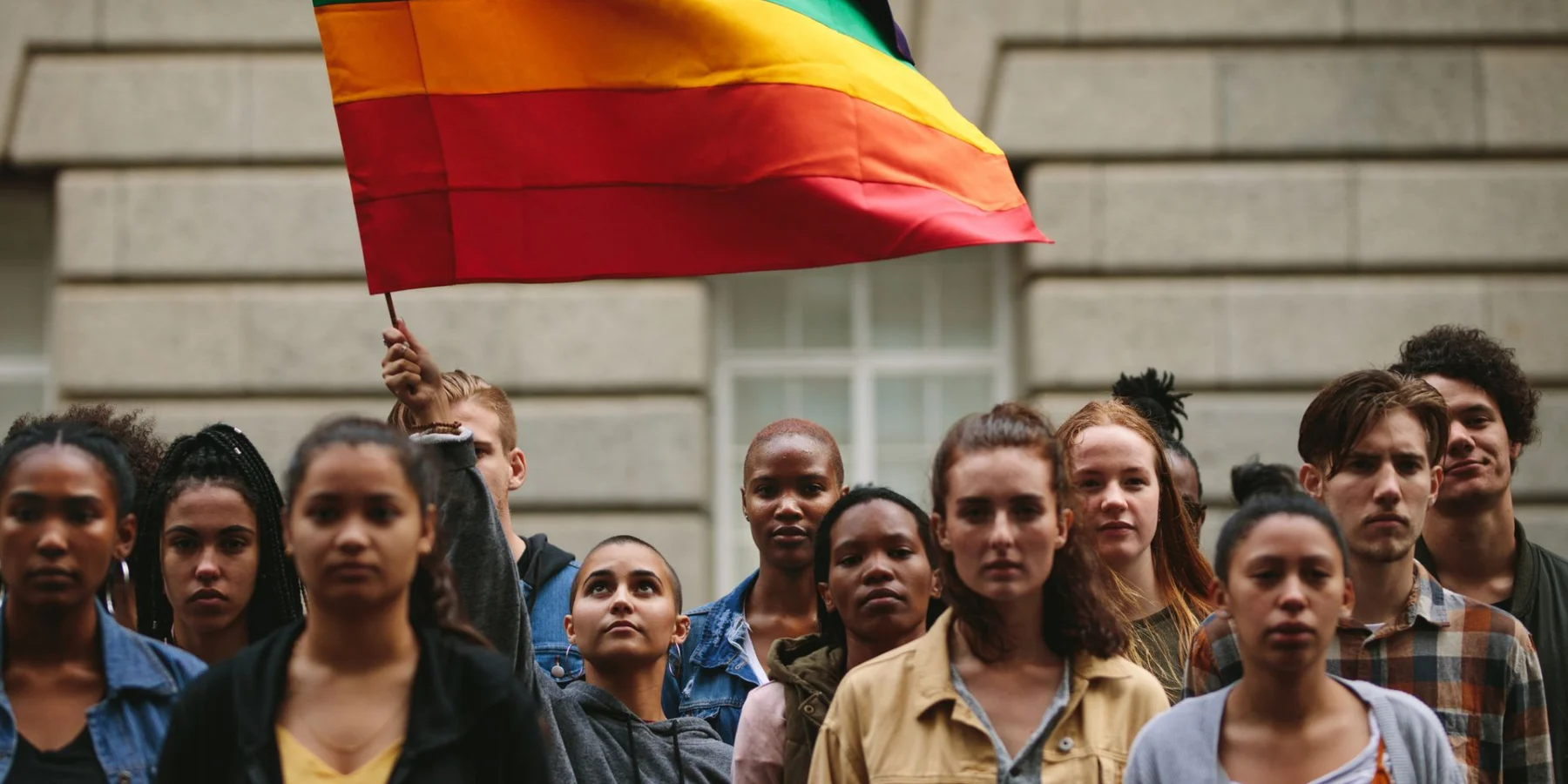
We donate to Rainbow Railroad with every booking
Rainbow Railroad helps LGBTQ+ people escape state-sponsored violence and persecution. A donation goes with every trip we sell, funded by us and never added to your price.

Start Planning Your Trip
Tell us where you would love to go, when you are thinking of travelling and what kind of trip you have in mind. One of our LGBTQ+ travel specialists will create a tailor-made itinerary designed around your destination, style and preferences.
One named specialist, first enquiry to homecoming. No call centre, and nothing is charged until you decide to book.