




Editorials
The Law vs Reality: Gay Travel in Dubai
Explore how LGBTQ+ travellers navigate Dubai’s strict laws vs everyday realities. Learn what’s legal, what’s not, and how to stay informed and safe.
Homosexuality remains illegal in Dubai with severe penalties, yet thousands of LGBTQ+ travellers visit safely each year through discretion and careful planning. There’s even a sizable contingent of LGBTQ+ expats living in Dubai.
While UAE law prescribes up to 14 years imprisonment for same-sex activity, enforcement has shifted dramatically since 2015, with no documented arrests of tourists for consensual private behaviour. This creates a complex reality where legal risk exists alongside practical accommodation through Dubai’s international tourism infrastructure and cosmopolitan expat community.
Dubai presents a paradox for gay travellers: harsh laws coexist with a thriving underground scene, conservative religious values clash with international business necessities, and the city projects a modern image while maintaining traditional legal frameworks.
For LGBTQ+ visitors, success depends on understanding both the letter of the law and the reality of enforcement, along with Dubai’s unique position as the Middle East’s most internationally connected city. The key insight from recent research is that Dubai operates on an unofficial “don’t ask, don’t tell” policy for discrete international visitors while maintaining zero tolerance for public displays or expressions of LGBTQ+ identity. Dubai also imposes harsh penalties for heterosexual couples displaying affection in public.
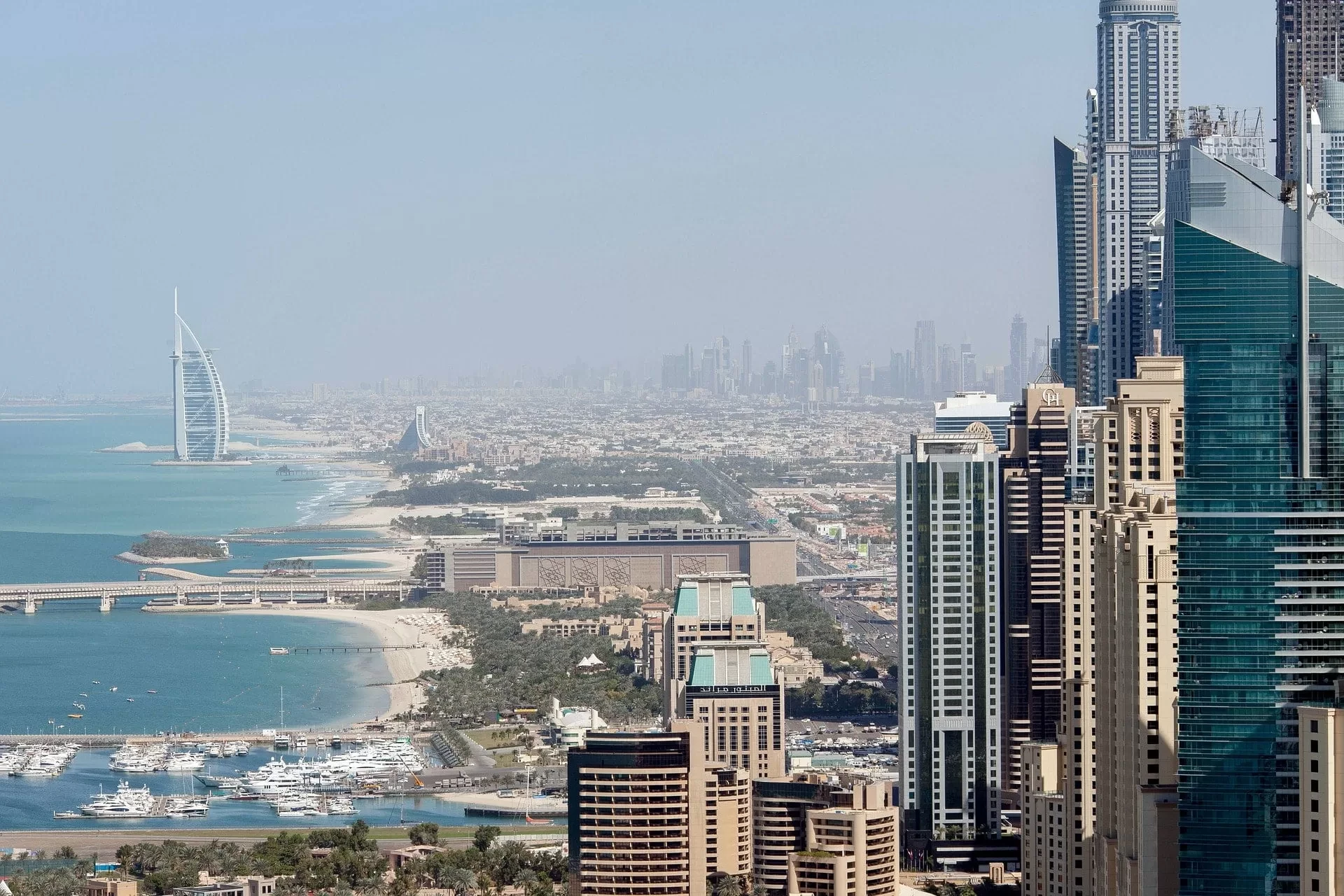
Current laws paint a harsh picture with selective enforcement
UAE federal law criminalizes homosexuality under Article 356 of the Federal Penal Code, with Dubai’s local Article 177 prescribing up to 10 years imprisonment for “sodomy.” Abu Dhabi imposes even harsher penalties at 14 years maximum. Cross-dressing laws carry fines up to AED 10,000 ($2,700) or imprisonment. Theoretically, Sharia law provisions could impose the death penalty, though this has never been applied in practice.
However, enforcement patterns have shifted dramatically since 2015. The US State Department reports no known arrests for consensual same-sex conduct among tourists in recent years, with prosecution now requiring formal complaints from guardians or spouses under 2022 legal reforms. Instead, enforcement focuses heavily on gender expression violations and transgender individuals. Recent cases include a Thai transgender model detained for nine hours at Dubai airport in 2022 and continuing arrests for cross-dressing violations.
The distinction between tourists and residents proves crucial. Visitors typically face administrative deportation rather than criminal prosecution, while expatriate residents endure full legal proceedings with longer sentences and permanent consequences. This creates a two-tiered system where short-term visitors operate under different practical rules than long-term residents.
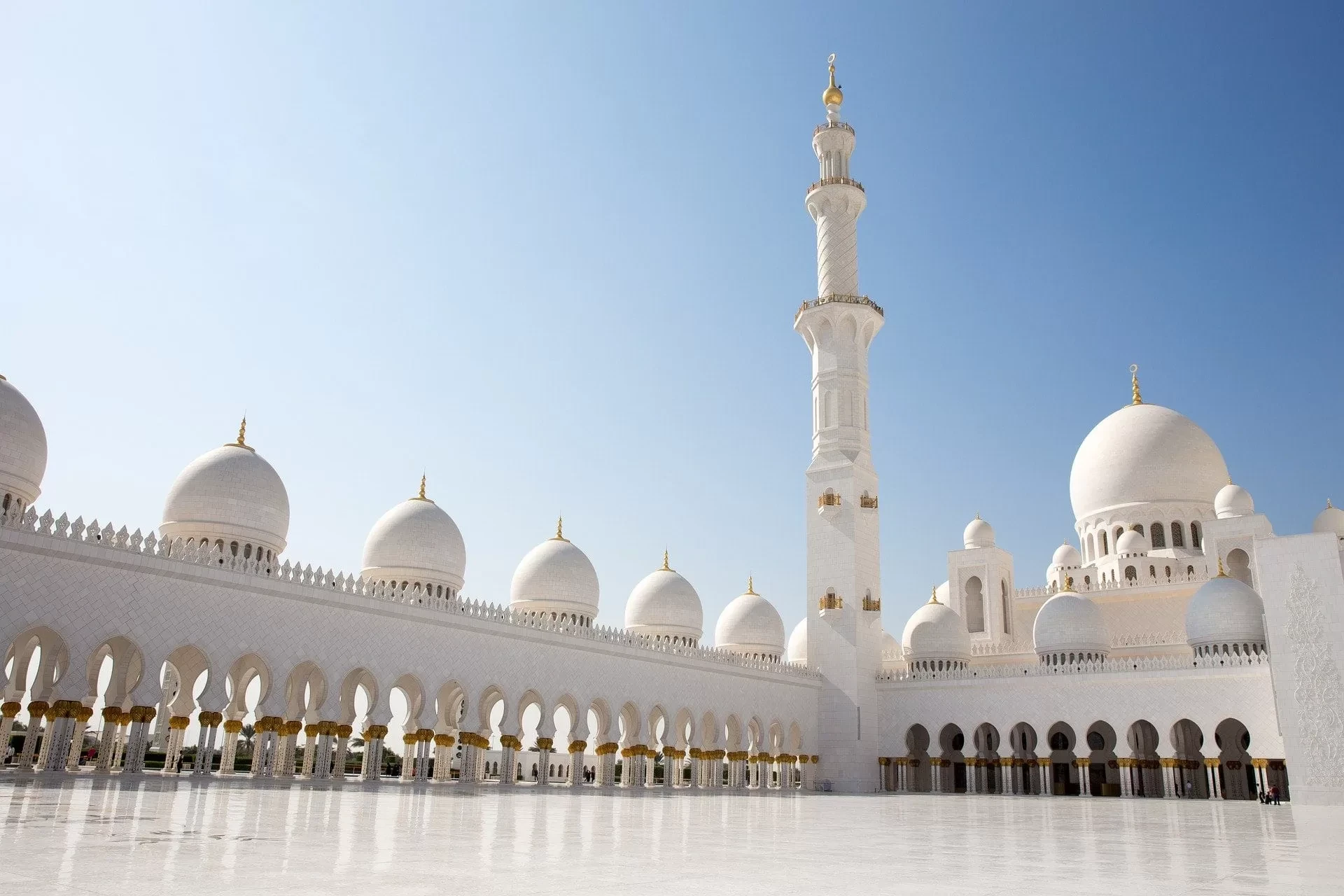
Underground gay communities thrive in Dubai despite legal constraints
Dubai’s sophisticated underground LGBTQ+ scene operates through international hotel networks and expat communities. Academic research from the London School of Economics reveals how Western gay men create “gay families” through strategic flatmate arrangements and organise events through WhatsApp groups and word-of-mouth networks. International hotel bars serve as primary meeting spaces, with venues like Level 43 Sky Lounge, Bar 44, and Pure Sky Lounge functioning as unofficial gathering points.
The scene demonstrates clear privilege stratification based on nationality and wealth. Affluent Western expatriates enjoy extraordinary freedom in exclusive rooftop parties with drag performances, while non-Western LGBTQ+ individuals face greater exclusion and risk. The aviation industry provides significant community presence, with over 20,000 cabin crew based in the UAE creating natural social networks for gay travellers.
Dating app usage requires circumventing government blocks through VPN technology, despite legal risks. Grindr, Scruff, and other gay-specific apps are officially blocked, forcing users toward encrypted messaging and location masking. Community members report ongoing concerns about police monitoring and entrapment, leading to sophisticated security practices including anonymous profiles and frequent platform switching.
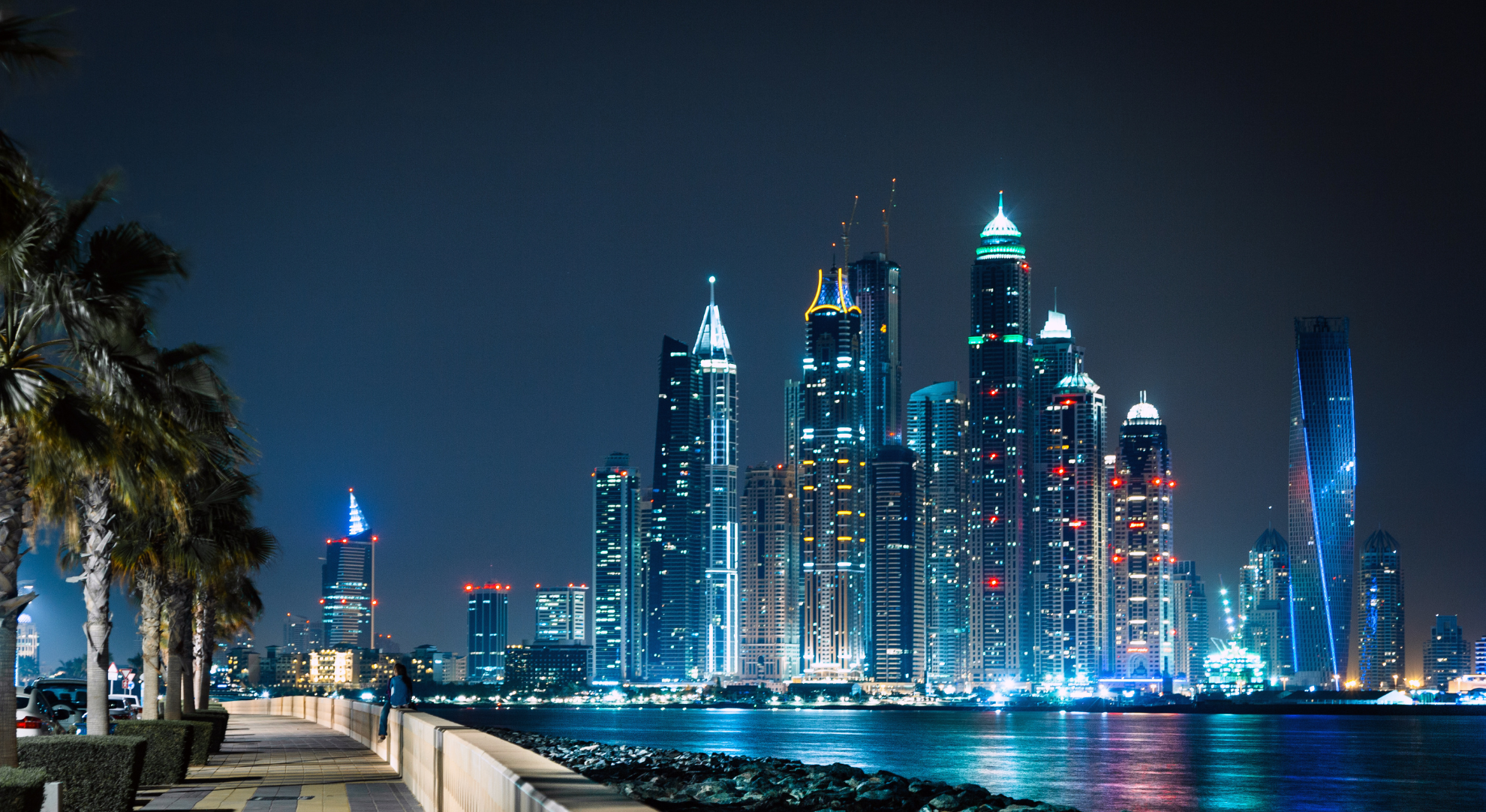
Cultural attitudes reveal generational divides and evolving perspectives
Local attitudes toward LGBTQ+ issues demonstrate stark generational differences among UAE nationals. While older generations maintain strict adherence to traditional Islamic values, younger educated Emiratis show increasingly nuanced perspectives.
Religious influences remain central but show interpretive evolution. Conservative orthodox views categorically prohibit homosexual acts based on Quranic teachings, yet growing revisionist movements within Islam argue for distinctions between historical condemnation and contemporary understanding of homosexuality based on love and consent. Medieval Islamic societies historically demonstrated relative tolerance for male same-sex relationships, suggesting interpretive flexibility within Islamic scholarship.
We Suggest…
The expatriate community comprising 90% of Dubai’s population creates protective cultural diversity through what researchers term “noise of multiculturalism.” This environment allows diverse expressions to remain less marked, particularly in professional sectors like media, hospitality, and international business. However, UAE nationals still face significant family and social pressures that limit open expression of LGBTQ+ identity.
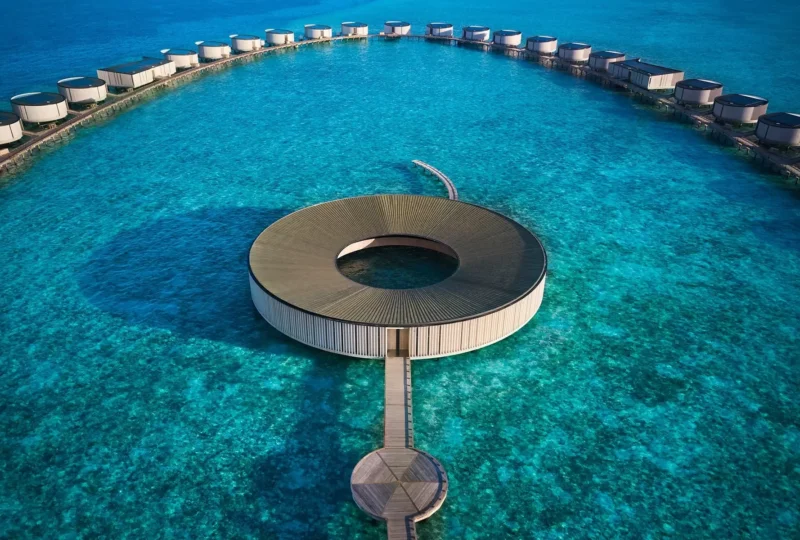
The hard part is not finding a beautiful place. It is finding the right one for you.
Request a quote →Booking a gay-friendly hotel in Dubai
Major international hotel chains represent the safest accommodation options for gay travellers, with brands like Hilton, Hyatt, Sofitel, and Marriott maintaining diversity training programmes and established policies for LGBTQ+ guests. Hyatt’s “HyPride” initiative specifically addresses workplace equality, while luxury properties like Sofitel Dubai Palm Resort and Hilton Dubai Jumeirah receive consistent positive reviews from gay travellers.
Booking considerations require strategic thinking: requesting double beds may result in automatic twin bed assignments or additional mattress fees. Booking through an expert LGBTQ+ tour operator certainly helps. We work closely with the most LGBTQ+-friendly hotels in Dubai, so you can ensure a warm welcome when you arrive.
Booking a gay-friendly hotel in Dubai can be tricky to pull off yourself if you’re not familiar with the destination. We can take away the stress and organise all your bookings and transfers.
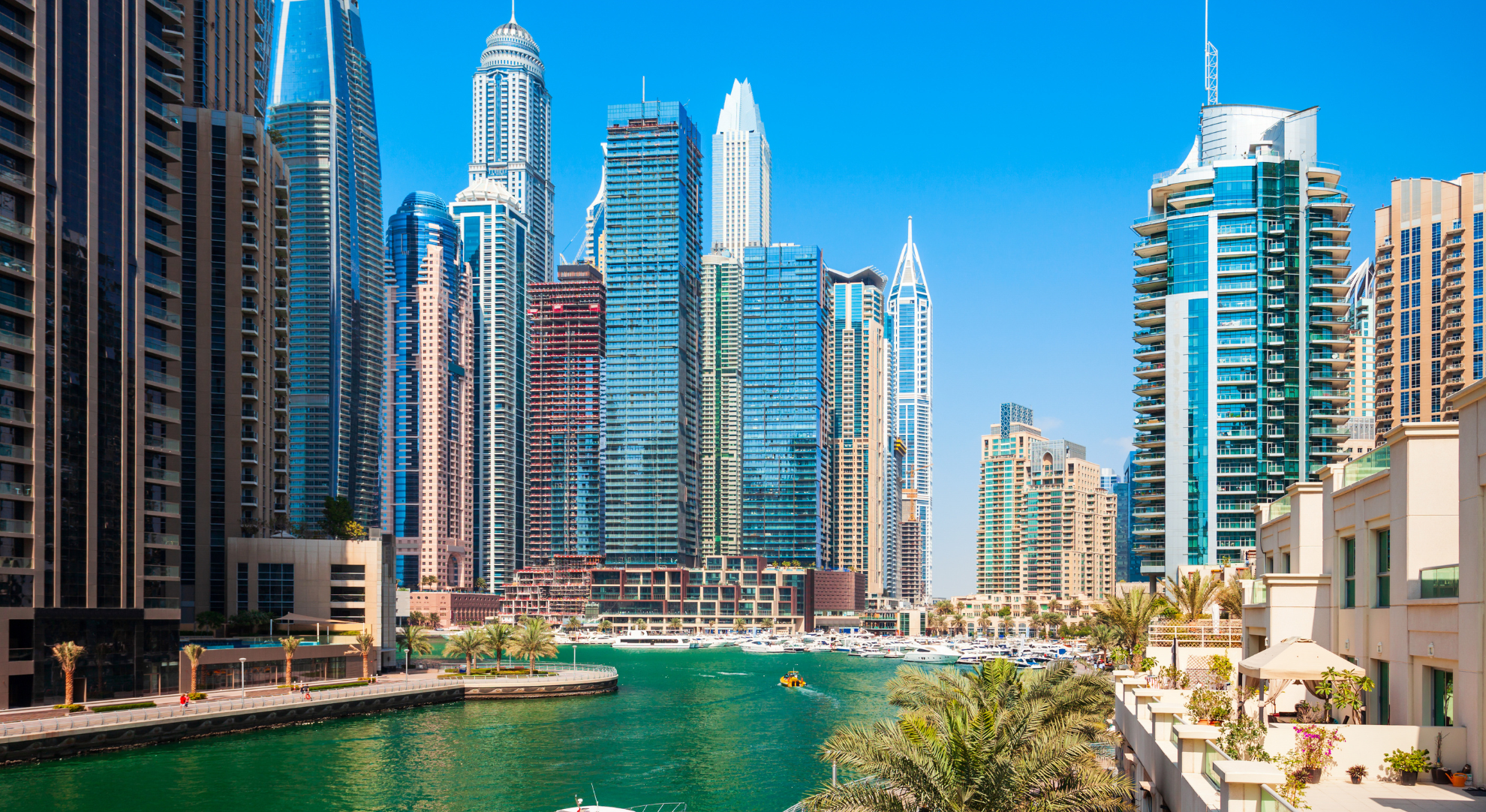
How to find the gay scenes in Dubai
Successful gay travel in Dubai demands absolute discretion in all public spaces. Public displays of affection between same-sex couples remain strictly prohibited and can result in immediate arrest, while even behaviours acceptable in international contexts require careful consideration. Conservative dress codes apply universally: knees to shoulders must be covered, and any LGBTQ+ symbols or gender-nonconforming appearance should be avoided entirely.
Social media precautions prove essential for safety. Travellers should set profiles to private, remove obviously LGBTQ+ content, and avoid location tagging with gay hashtags during visits. Airport security may examine phones, making it advisable to delete gay dating apps before arrival and avoid carrying any materials that could be interpreted as LGBTQ+ advocacy.
We can guide you towards established expatriate networks through verified sources. These networks, particularly among airline industry professionals, provide both social opportunities and crucial safety information about current enforcement patterns and safe venues. They’re a much safer bet than meeting people through hookup apps in Dubai.
Regional context shows Dubai’s relative moderation
Compared to other Middle Eastern destinations, Dubai occupies a middle position between liberal and conservative extremes. Jordan leads regional acceptance with homosexuality legal since 1951, while Lebanon historically offered the most active gay scene in the Arab world with Beirut Pride events and visible community spaces. Bahrain legalised homosexuality in 1976 and maintains tourist-friendly policies.
Dubai’s position mirrors Qatar’s legal framework but with greater practical tolerance for discreet international visitors. Both countries maintain harsh laws while accommodating international business and tourism necessities. Saudi Arabia represents the most restrictive environment with potential death penalties, while Oman shows similar legal restrictions but greater practical tolerance for visitors.
Travel experts consistently rank Middle Eastern gay-friendliness as: Israel (most accepting), Jordan, Lebanon, UAE/Dubai, Bahrain, Oman, Qatar, Saudi Arabia (least accepting). This positioning reflects Dubai’s balancing act between conservative Islamic values and international tourism ambitions.
Recent developments suggest gradual evolution with constraints
Legal reforms in 2022 maintained criminalisation while modifying enforcement procedures, requiring formal complaints from guardians or spouses rather than police-initiated prosecutions. This change potentially reduces arbitrary enforcement while maintaining the legal framework’s fundamental restrictions. However, gender expression violations continue with regular arrests and deportations of transgender individuals.
Cultural indicators suggest slow evolution in official attitudes. Government permissions granted to international drag performers like Alyssa Edwards and Shangela for special events, along with Vogue Arabia featuring drag artists while headquartered in Dubai, indicate selective accommodation of international cultural expressions. However, consistent banning of LGBTQ+ content in films and media demonstrates continued official conservatism.
Tourism industry pressures create practical accommodation needs as Dubai pursues its vision as a global business and tourism hub. The city’s hosting of major international events like Expo 2020 required unofficial accommodation of diverse visitors, while the presence of international universities and cultural institutions necessitates pragmatic policies for LGBTQ+ staff and students.
Conclusion
Dubai’s LGBTQ+ travel landscape reflects broader tensions between traditional Islamic values and globalized modernity. While homosexuality remains illegal with severe prescribed penalties, enforcement has evolved toward selective application focusing on public behaviour and gender expression rather than private tourist conduct. The key to safe travel lies in understanding both legal realities and practical accommodation mechanisms while maintaining constant discretion and respect for local customs.
For prospective gay travellers, Dubai offers access to luxury experiences and international hotel standards within a conservative cultural context that demands careful navigation. Success requires thorough preparation, realistic expectations, and connection with established expatriate networks rather than assumption of Western-style openness. The city’s position as a global business hub creates practical necessities for accommodation while legal frameworks remain unchanged, suggesting this paradox will likely persist as Dubai balances international ambitions with traditional values.
The decision to visit Dubai ultimately depends on individual comfort levels with legal risk, ability to maintain discretion, and appreciation for the complex cultural dynamics that define this unique destination.
Ready to start planning your trip to Dubai? Get in touch and one of our luxury concierges will craft the perfect itinerary for you, ensuring you stay in the most gay-friendly accommodation.

On this page
- Current laws paint a harsh picture with selective enforcement
- Underground gay communities thrive in Dubai despite legal constraints
- The Law vs. Reality: Gay Travel to the Maldives
- Cultural attitudes reveal generational divides and evolving perspectives
- Booking a gay-friendly hotel in Dubai
- How to find the gay scenes in Dubai
- Regional context shows Dubai’s relative moderation
- Recent developments suggest gradual evolution with constraints
- Conclusion
New to Out Of Office?
We are a luxury travel company for LGBTQ+ travellers. Everything we sell is tailor-made, planned by one named member of our team throughout, and nothing on this site is a fixed package unless it says so.
Where exclusivity meets inclusivity
Ten years, hundreds of five-star reviews, and a team who will tell you when a destination is not right for the trip you have in mind.
See your complete itinerary before you decide.
Your specialist will bring together every detail of your trip, with clear pricing throughout.
Stellar service. Stellar products. Stellar people and it gets so much better when you pick up the phone and call.
Anthony S.
Super client centred service. From first contact I have had warm, efficient, friendly and flexible service.
John
I’m confident in giving Out Of Office a 5-star review! They are one of the leaders in this space without a doubt.
Tiberiu

We plant trees for every booking
For every booking made with Out Of Office we commit to planting trees in your name to help reduce the impact of travel on future generations. You'll even get a link to see where your trees are planted in the world via our partner Ecologi.

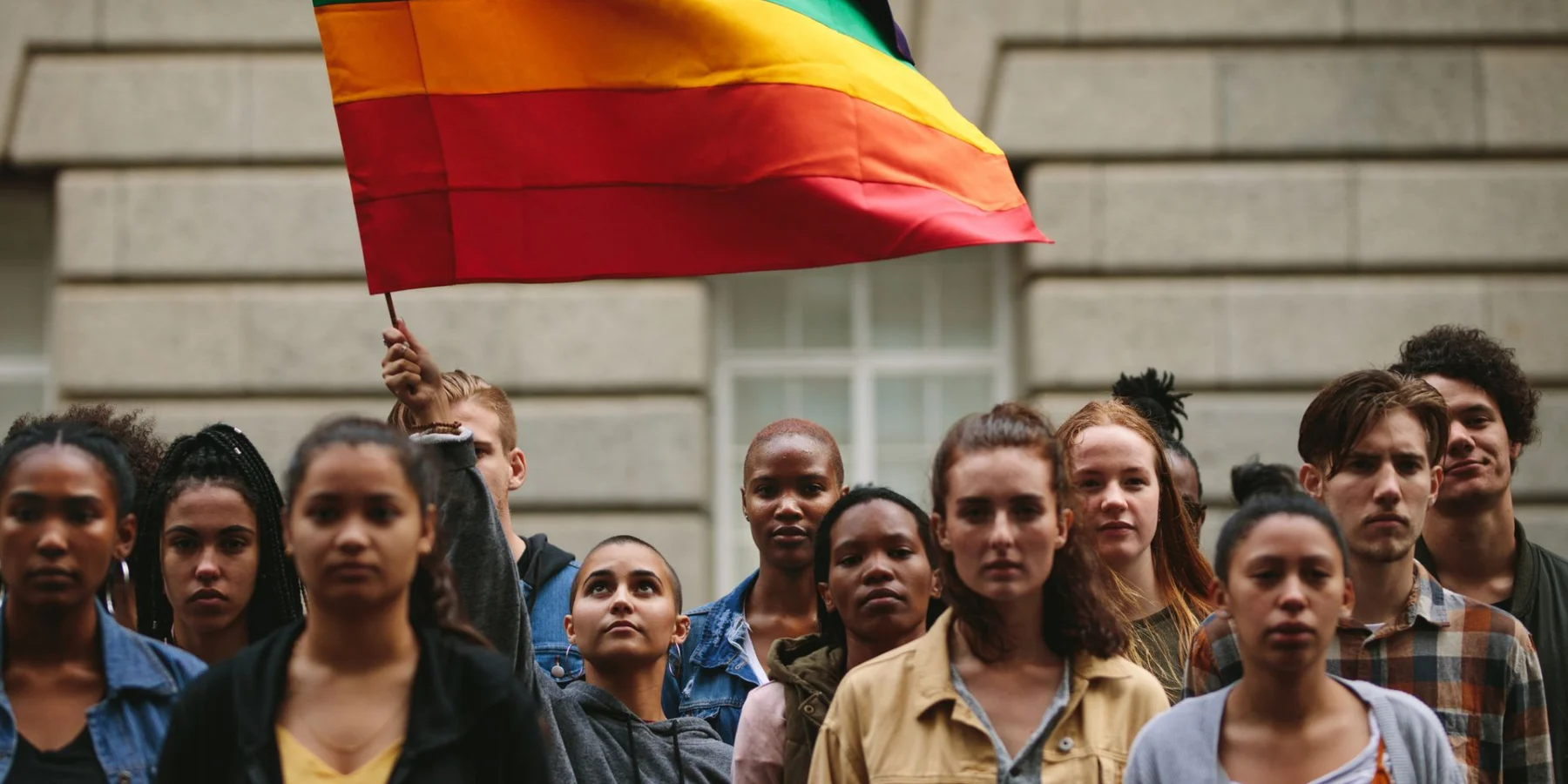
We donate to Rainbow Railroad with every booking
Rainbow Railroad helps LGBTQ+ people escape state-sponsored violence and persecution. A donation goes with every trip we sell, funded by us and never added to your price.

Start Planning Your Trip
Tell us where you would love to go, when you are thinking of travelling and what kind of trip you have in mind. One of our LGBTQ+ travel specialists will create a tailor-made itinerary designed around your destination, style and preferences.
One named specialist, first enquiry to homecoming. No call centre, and nothing is charged until you decide to book.