




Moment · Egypt
Sunrise at the Pyramids of Giza with a Private Egyptologist
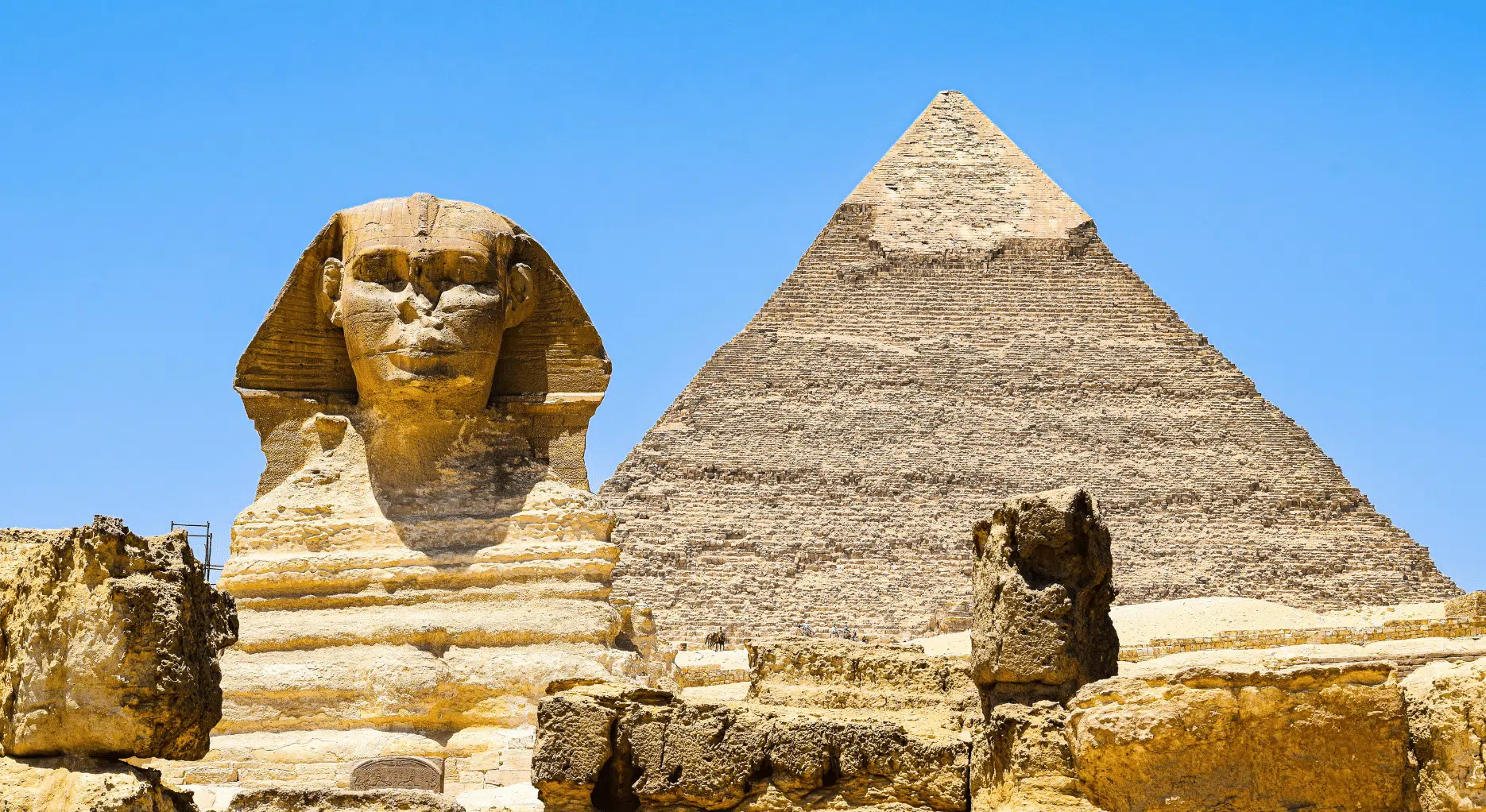
Reach the Giza plateau before the gates open to the public and read the pyramids and the Sphinx with a specialist, in low morning light.
Leaving Cairo in the Dark
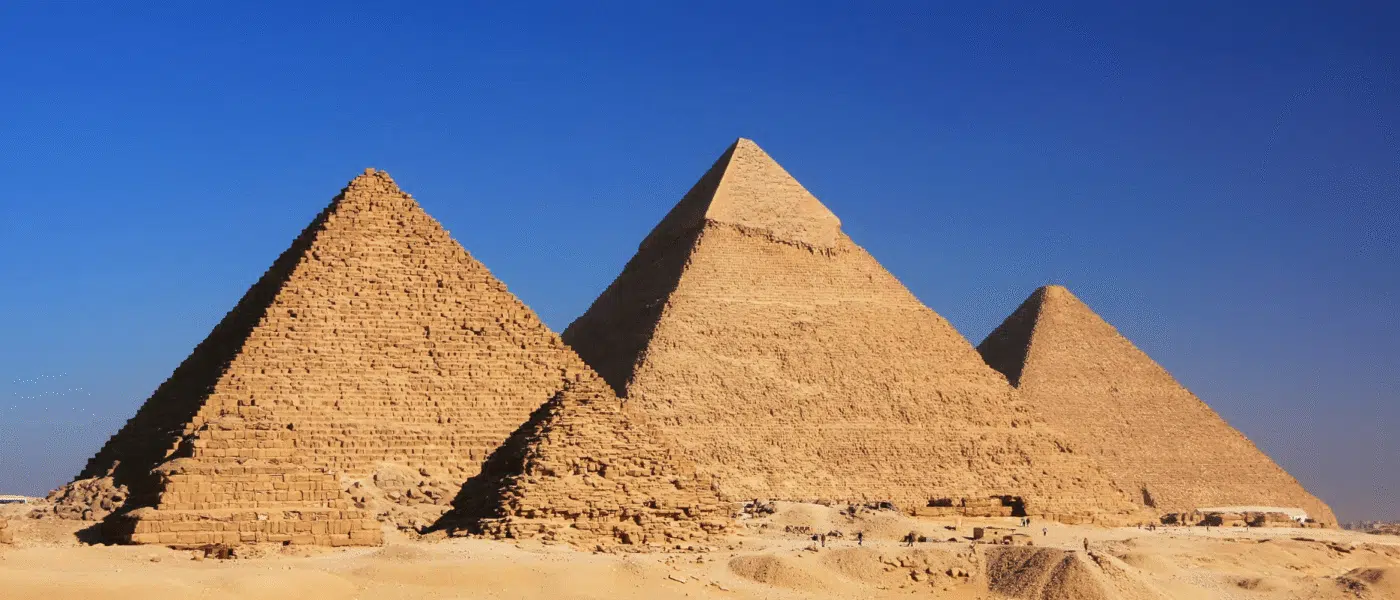
You set off from central Cairo before 5 am, when the roads are clear, and the drive to Giza takes 30 to 45 minutes. Allow for security checks at the plateau entrance; a private transfer is the usual way to arrive. Depending on the season, the sun comes up between 5:30 and 6:30 am, and the visit is timed to begin at first light or just before.
General admission doesn’t start until 8:00 am. Getting in earlier is not routine: it takes permissions arranged in advance through established relationships with Egypt’s Ministry of Tourism and Antiquities, and it can’t be secured through the usual channels. The window is short, and the order of the visit is agreed beforehand to fit both the access granted and the Egyptologist leading you.
Standing at the Foot of Khufu
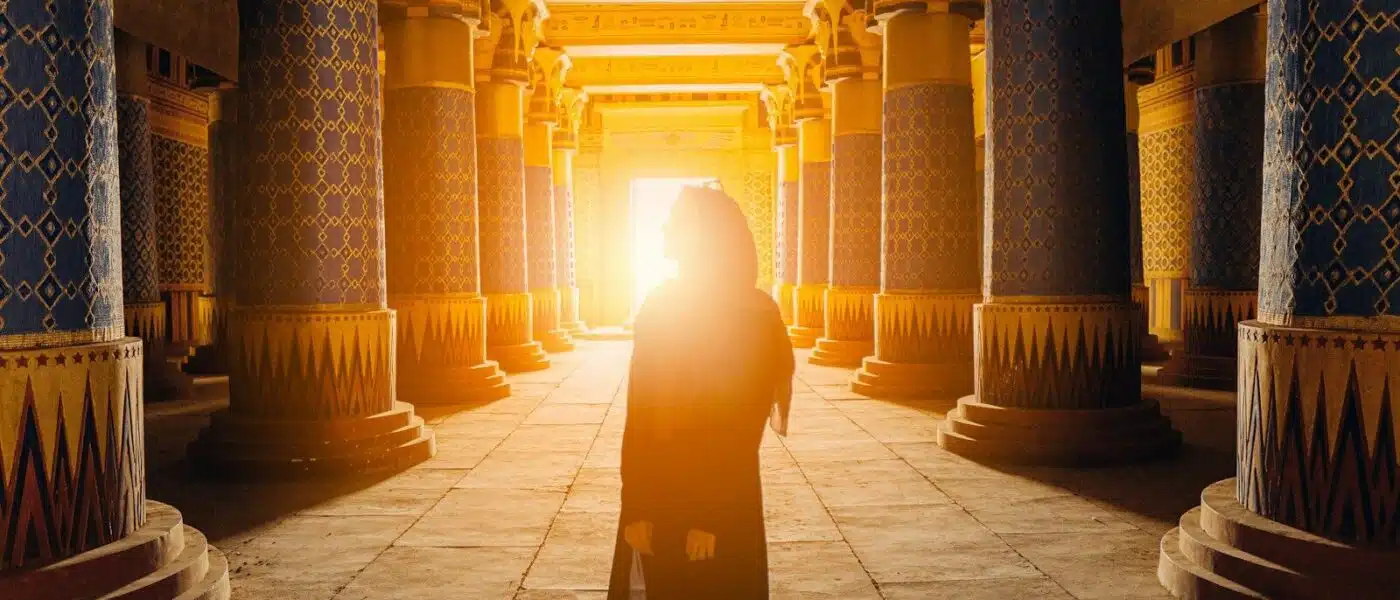
The Great Pyramid of Khufu rises 138 metres from around 2.3 million blocks of stone, many of them between 2.5 and 15 tons. You’ve probably read those numbers before. They only register when you stand at the base with no line behind you and no other tour talking over yours.
At this hour your Egyptologist can point you to what matters: how precisely the casing stones were fitted, how the monument aligns with true north, and the building choices that are still only partly understood.
Inside to the King’s Chamber
You go in by the Ascending Passage, a corridor only about 1.2 metres high that climbs, eventually, to the King’s Chamber, a room lined with granite at the pyramid’s heart. It holds Khufu’s sarcophagus, empty and carved from one block of red granite from Aswan.
On your own, it looks like a bare stone box. With a specialist, the chamber becomes the point of the visit: how it was built, how it lines up with the stars, and the open questions about what it was for.
No two trips we plan are the same. Yours will be no exception.
Request a quote →Seeing the Plan from Higher Ground
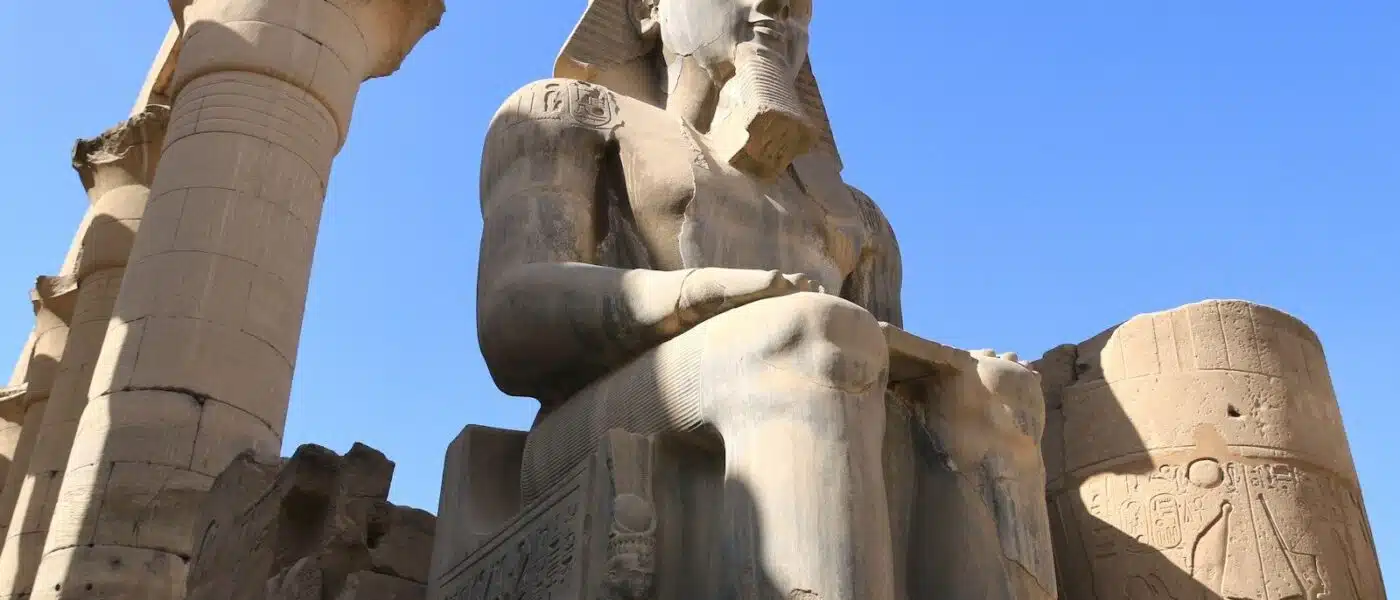
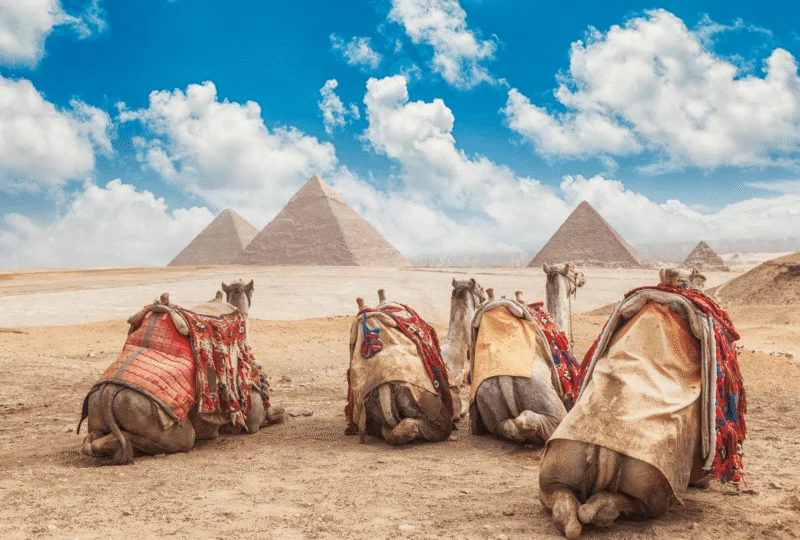
Khufu, Khafre and Menkaure were not placed at random. They run along a southwest diagonal that scholars have long tied to sight lines, the path of the sun and the limits of the plateau’s bedrock. That pattern is hidden from inside the site and only appears from the rise to the southwest, where all three come into view along with their causeways, mortuary temples and smaller pyramids: a planned precinct, not a scatter of monuments.
Early light helps here, too. A low sun picks out the edges and slopes of the limestone that the flat glare of midday washes away. The whole plateau covers roughly three square kilometres, and arriving first means your guide, not the crowds, decides the route and how long you stay at each place.
The Sphinx at Close Range
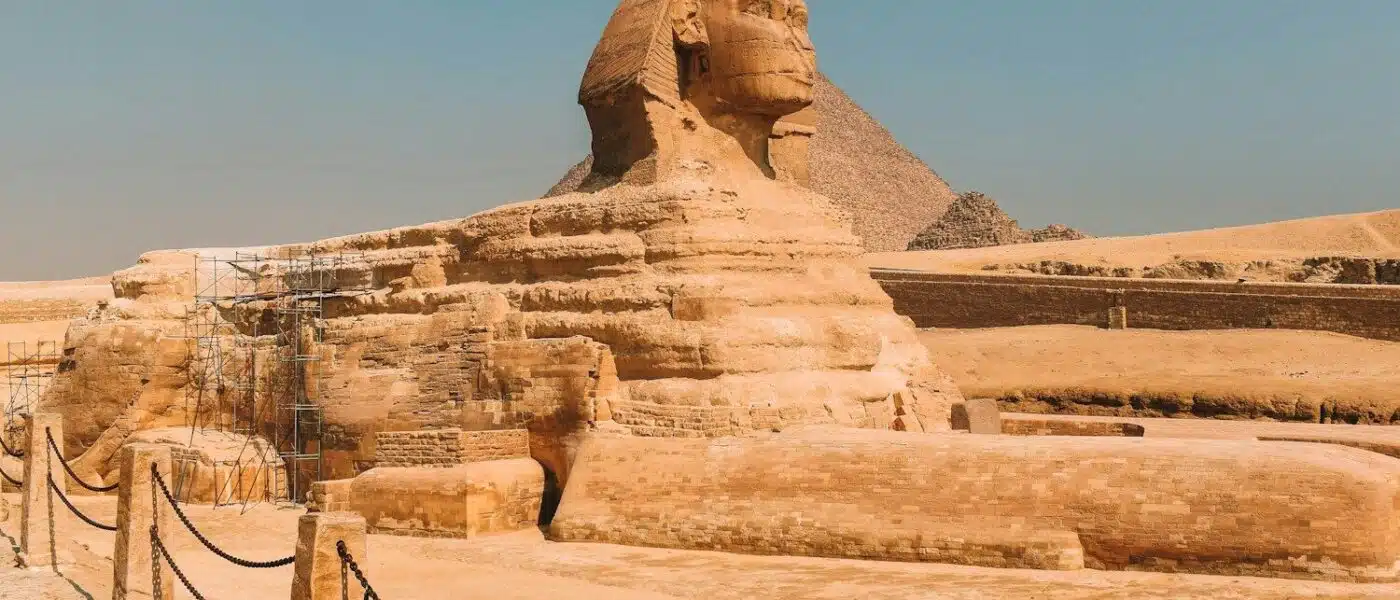
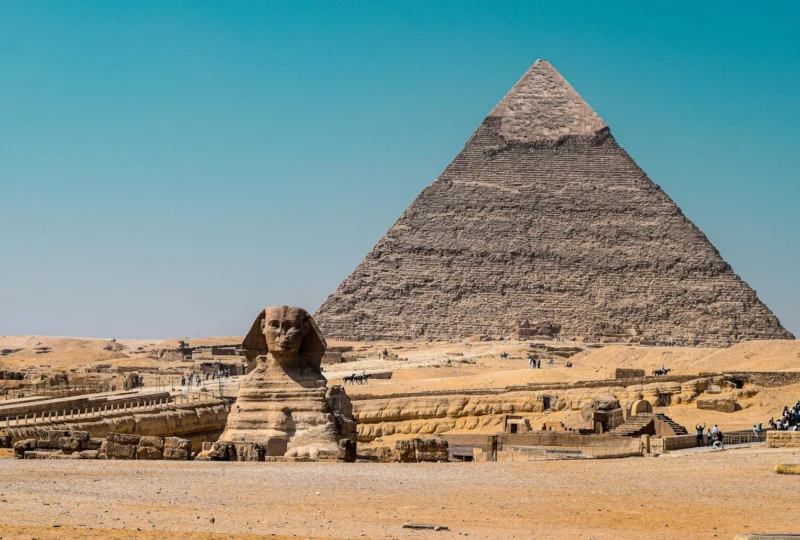
Most people see the Sphinx from a distance, as a backdrop for photos. Up close, it reads as something built for a purpose. It was cut straight from the plateau’s bedrock, most likely under Khafre in the Fourth Dynasty, and faces east along an exact solar line, aligned with the sunrise at the spring equinox. It belongs to Khafre’s valley temple and wider funerary complex, part of the site’s ritual geography.
Close by, you also see how badly the body has weathered. Scholars still argue over why: some blame wind and sand, while others read it as water erosion and a sign that the Sphinx is older than thought. Your Egyptologist sets that debate within current research instead of repeating the standard story.
Why the Specialist Matters
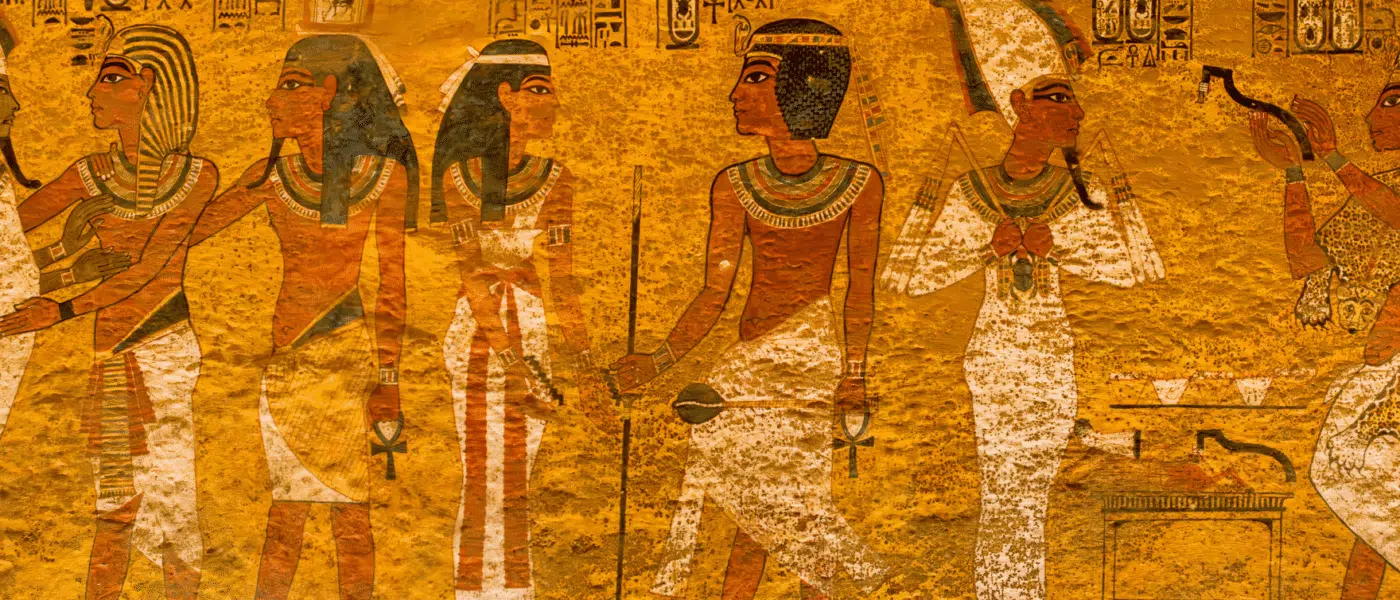
More than three thousand years of building, rebuilding and worship across many dynasties sit on this plateau, and without a way to read it, size is all that sticks. A specialist sequences the two to three hours around the Great Pyramid, the Sphinx enclosure and the mortuary complexes so that each stop builds on the last. It’s where you learn, for instance, that the valley temples were for ritual purification rather than burial, and you can ask questions as they occur to you instead of keeping pace with a group.
Your Out Of Office specialist arranges the permissions and the timing, and our Egypt guide covers LGBTQ+ rights and travel advice for the rest of your trip.


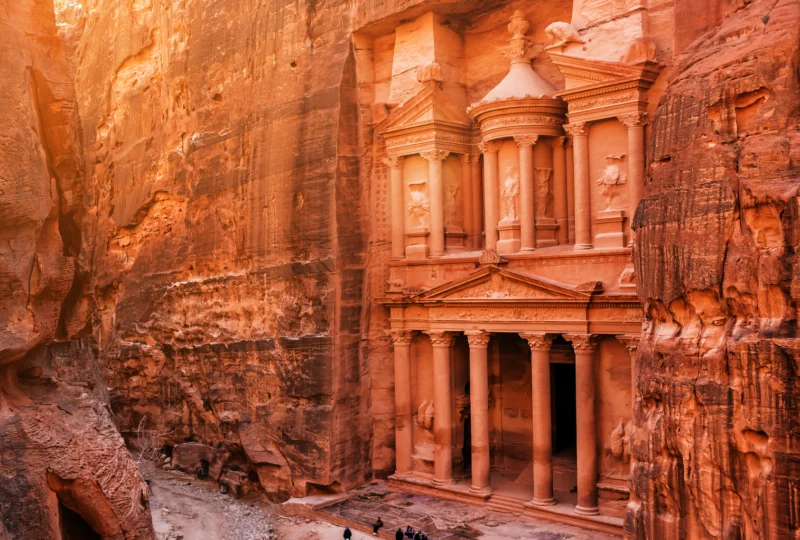
Your personal travel specialist, from the first conversation to the flight home.
From your first conversation, you’ll have one dedicated expert looking after your trip from start to finish, getting to know you and taking care of every detail along the way. Your journey starts with a complimentary, no-obligation consultation.
More Moments in Egypt
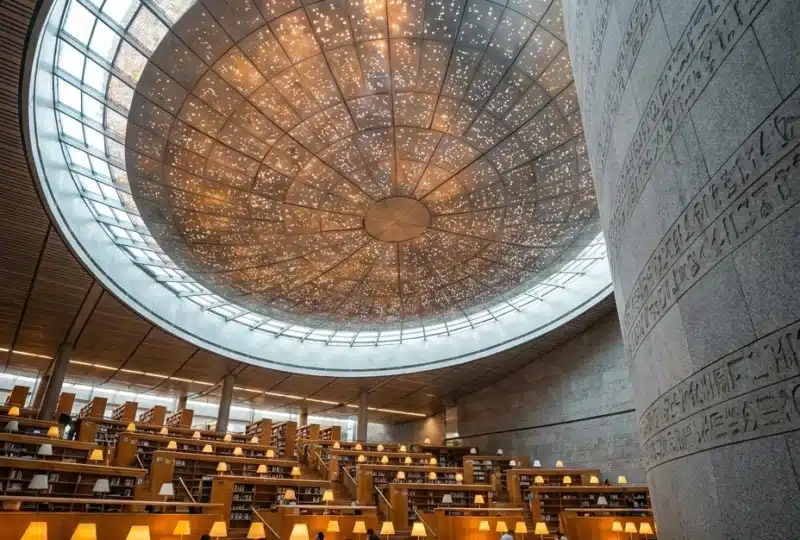
Alexandria: The City of C.P. Cavafy
Cavafy's Alexandria Alexandria was founded by Alexander the Great more than 2,300 years ago and was for centuries one of the great cities of the ancient world. In the early twentieth century, it was also home to a large Greek community and to one of the most important poets of the modern era. Constantine P. Cavafy was born in Alexandria in 1863 and spent most of his life here.
Discover more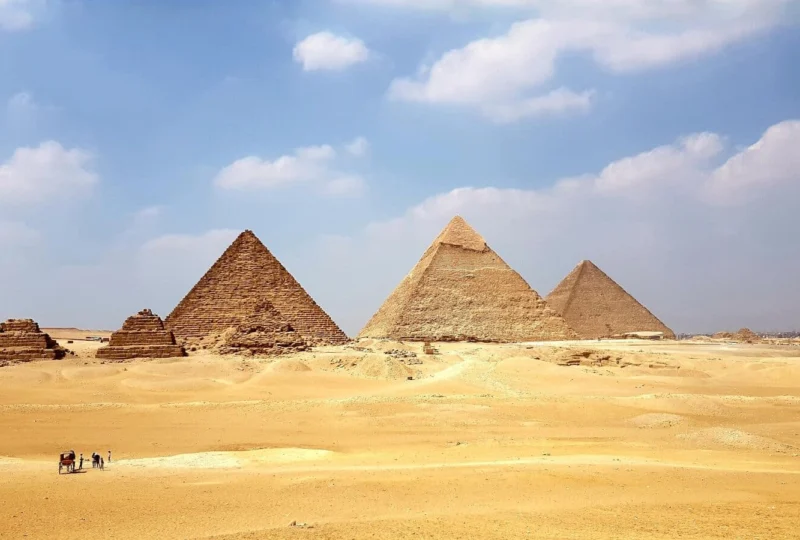
Cairo’s Museums, Mosques and Markets with a Private Art Historian
Seven Thousand Years in a Day's Walk Few cities pack as much into walking distance as Cairo. Over 7,000 years of history lie between the antiquities newly gathered at the Grand Egyptian Museum and the old Islamic city, with its mosques and markets.
Discover more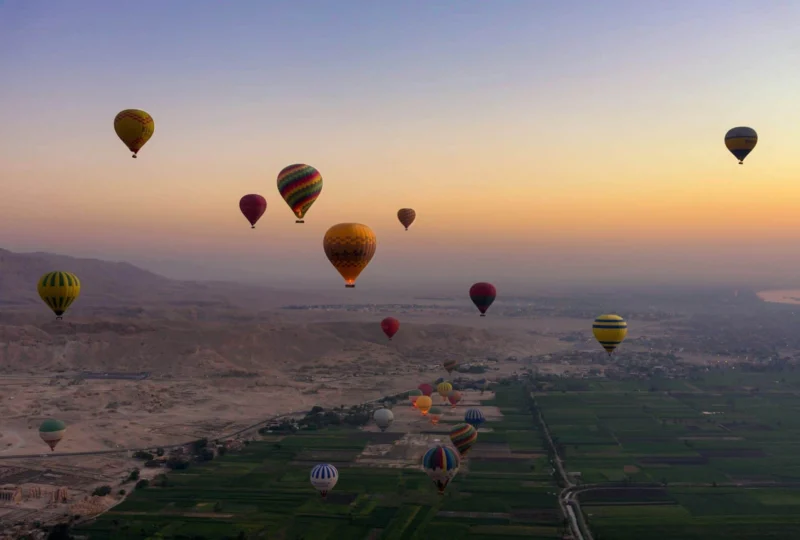
A Private Hot-Air Balloon Flight Over Luxor at Sunrise
From First Gray to Full Sun You lift off in the first grey light and spend roughly an hour aloft, typically 45 to 60 minutes in the air, as dawn turns into full sunrise over the temples. The balloon moves between about 500 and 1,500 feet, its legal ceiling, tracing the sharp edge where the green Nile valley meets open desert.
Discover more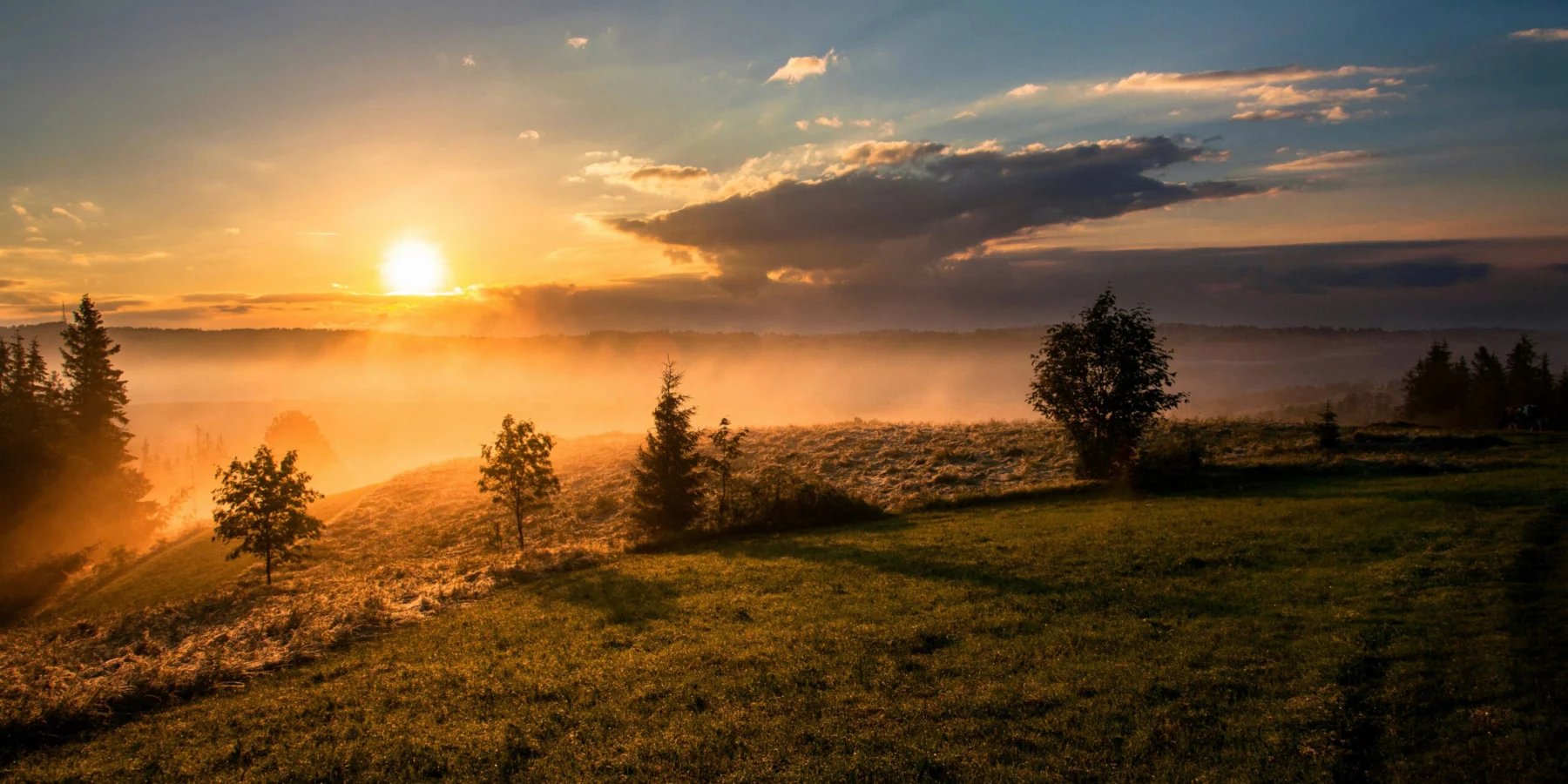
We plant trees for every booking
For every booking made with Out Of Office we commit to planting trees in your name to help reduce the impact of travel on future generations. You'll even get a link to see where your trees are planted in the world via our partner Ecologi.

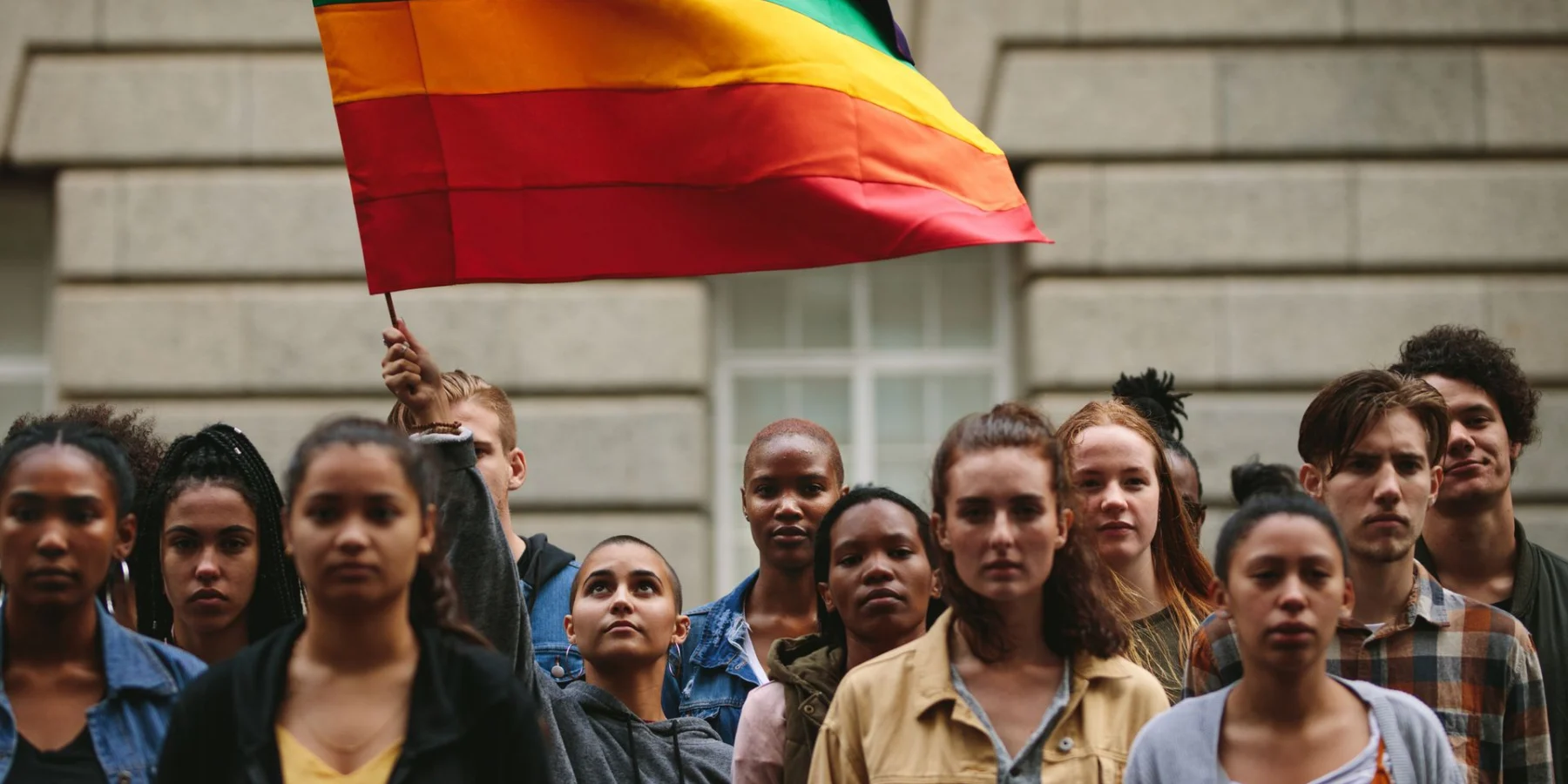
We donate to Rainbow Railroad with every booking
Rainbow Railroad helps LGBTQ+ people escape state-sponsored violence and persecution. A donation goes with every trip we sell, funded by us and never added to your price.


Start Planning Your Trip
Tell us where you would love to go, when you are thinking of travelling and what kind of trip you have in mind. One of our LGBTQ+ travel specialists will create a tailor-made itinerary designed around your destination, style and preferences.
One named specialist, first enquiry to homecoming. No call centre, and nothing is charged until you decide to book.