







Moment · Tokyo
Tokyo: Behind the Scenes with an Onnagata at the Kabuki-za
Take your seats at Tokyo's Kabuki-za to watch an onnagata, one of the male actors who have played kabuki's women for 400 years.
Tokyo’s Theater of Transformation
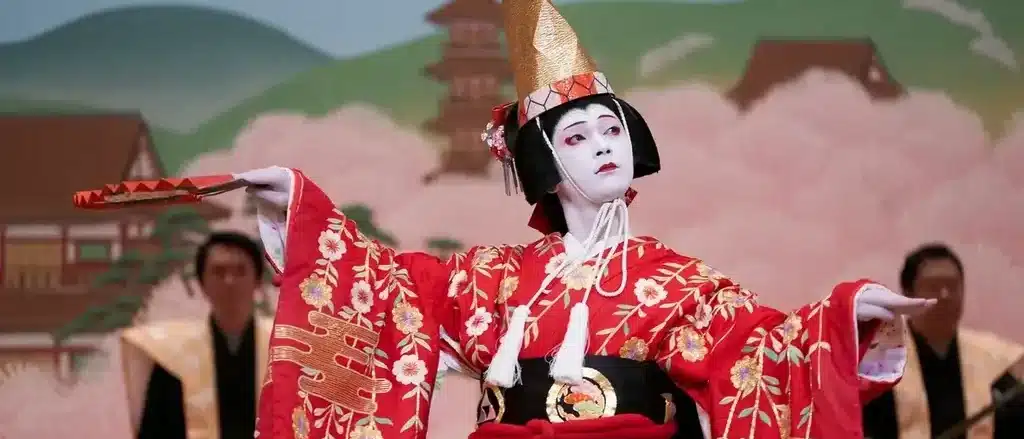
Kabuki has been performed in Japan for more than 400 years, and for most of that time, every role has been played by men. The actors who specialise in female roles are known as onnagata.
Their art is not imitation. An onnagata aims to express an ideal of femininity through movement, voice, and stillness, and the greatest of them are among the most admired performers in the country.
At the Kabuki-za in Ginza, with a guide who knows the theatre well, you can see that art up close.
The Kabuki-za
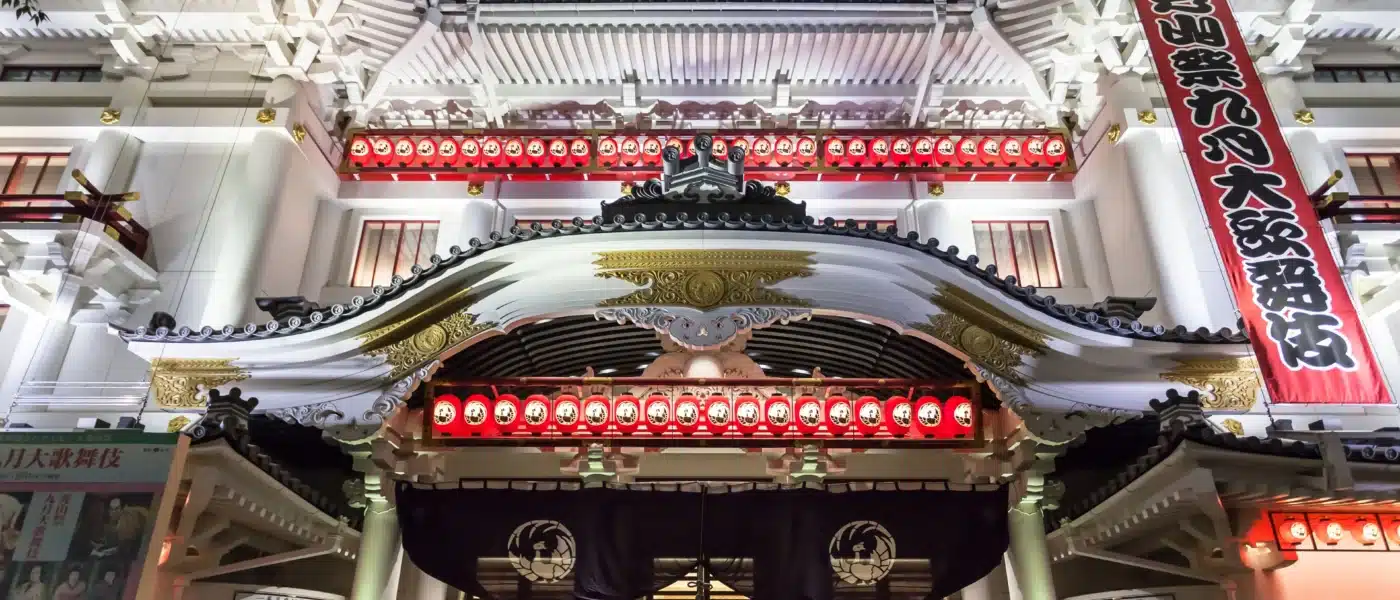
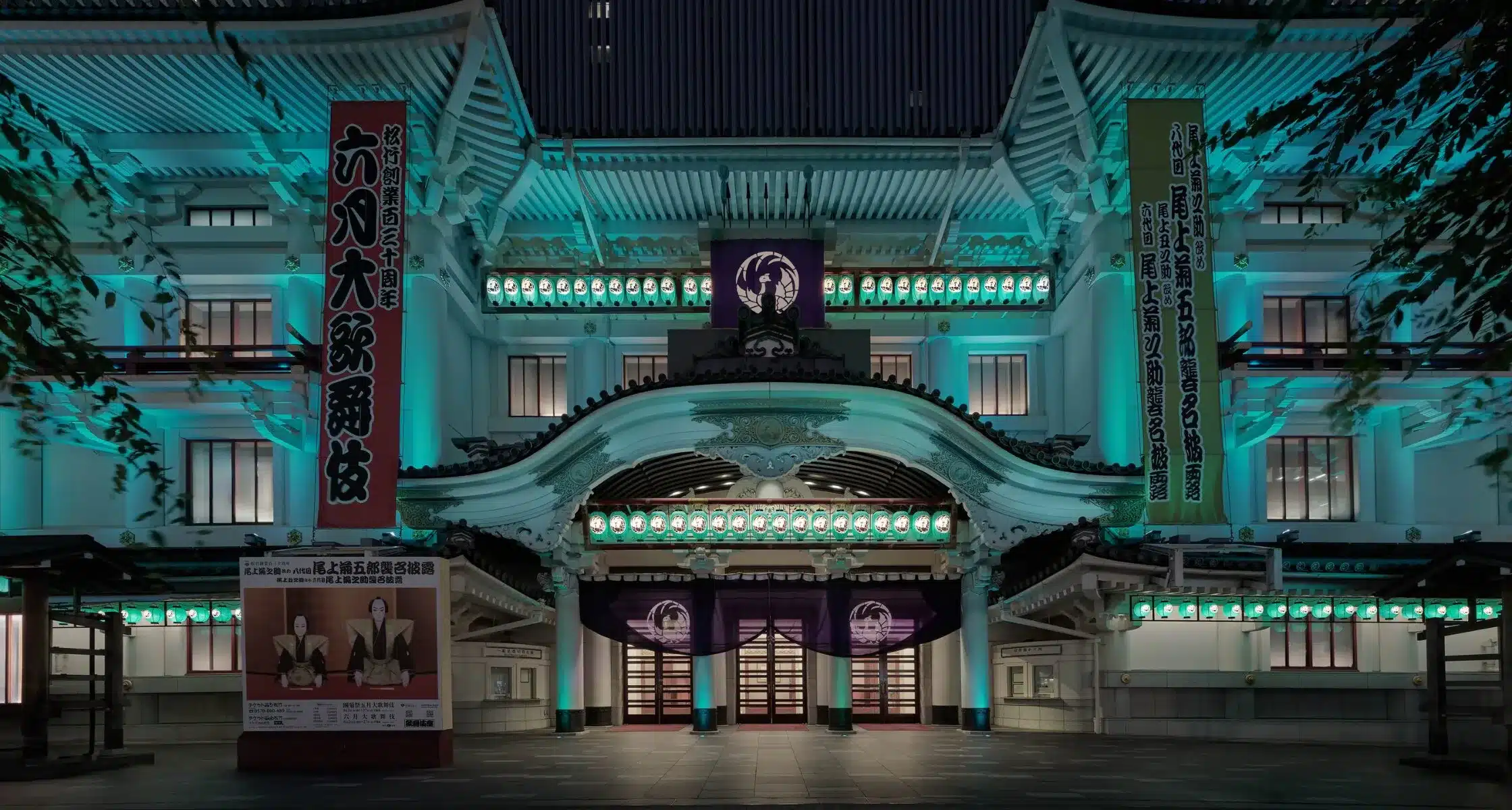
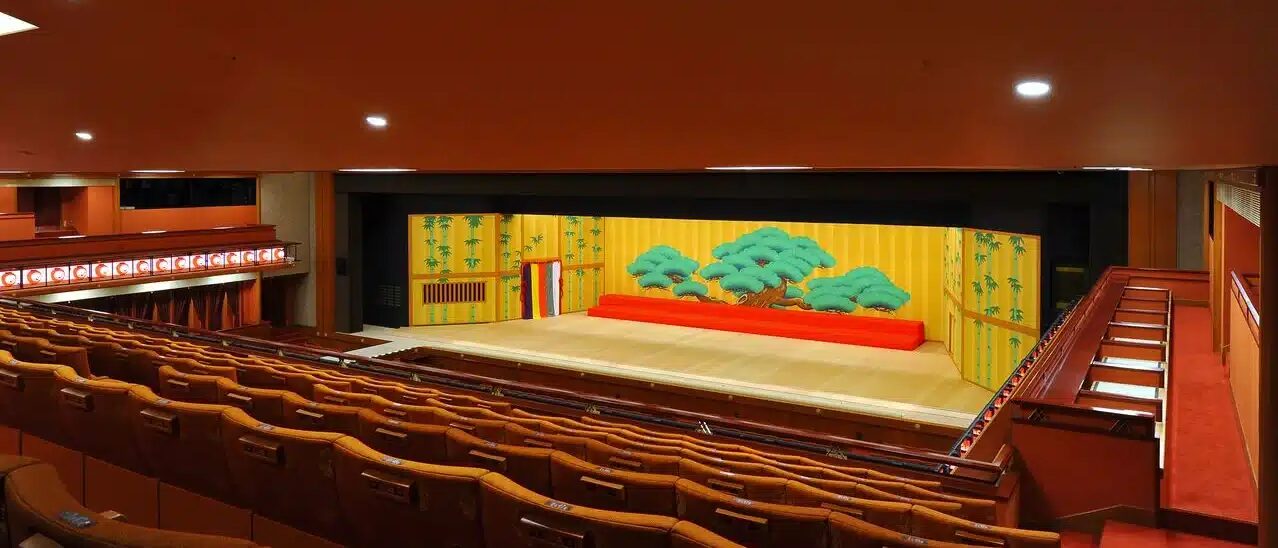
The Kabuki-za is Tokyo’s only theatre dedicated entirely to kabuki. Rebuilt and reopened in 2013, it keeps the look of the earlier theatres on this site, with its curved roof and lanterns on the street.
Inside, English earphone guides explain the plot and the conventions as the play unfolds. If you would rather sample than commit to a full programme, single-act seats in the upper gallery let you see one play at a time.
How Kabuki Became an All-Male Theater
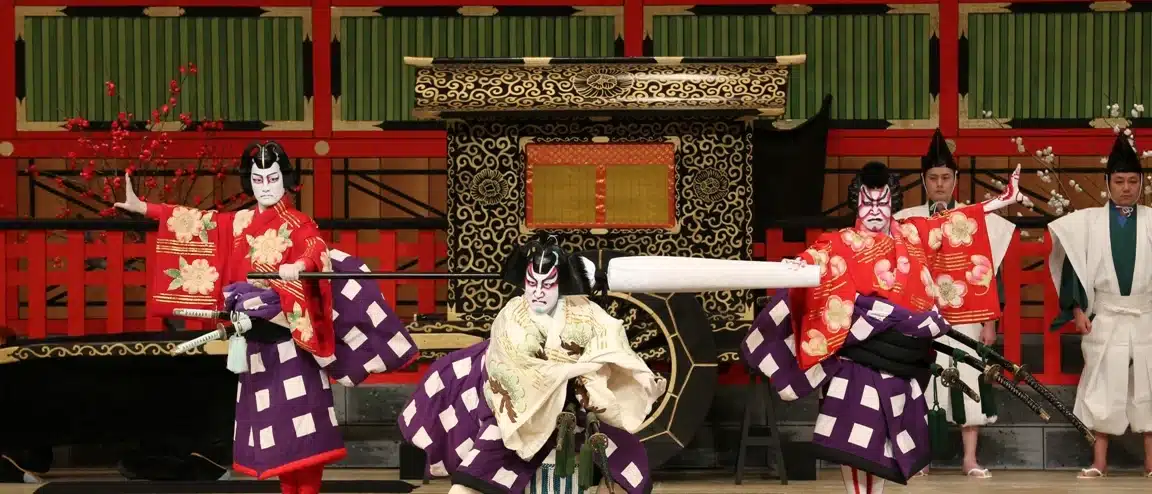
Kabuki began in the early 1600s with a woman, Izumo no Okuni, and its first troupes were female. In 1629, the shogunate banned women from the stage, and young men took over the roles.
Those young actors also drew devoted admirers, male and female, and the authorities eventually required all actors to be adult men. From those restrictions came the onnagata tradition that continues today.
Desire on the Edo Stage
Love between men, known as nanshoku, was widely recognised in Edo-period Japan, and it shaped the world of the theatre. Popular actors were celebrated in woodblock prints and poetry, and the stories of their admirers became part of the culture of the city.
Your guide explains how that history still echoes in the plays and in the way audiences talk about their favourite actors. It is a side of kabuki that most visitors never hear.
The hard part is not finding a beautiful place. It is finding the right one for you.
Request a quote →Watching an Onnagata
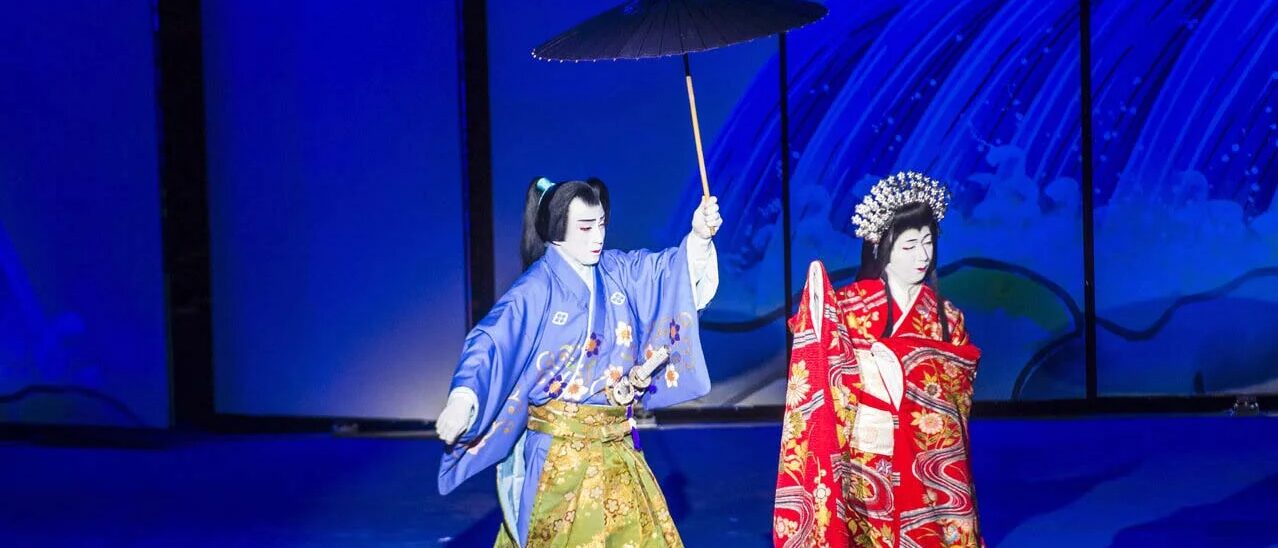
On stage, an onnagata moves with small, precise steps, shoulders drawn in, hands hidden in long sleeves. Many of the most famous kabuki dances are built around these roles, and the costumes and wigs alone can take hours to prepare.
Bando Tamasaburo V, a Living National Treasure, is the most celebrated onnagata of his generation and has also worked in film and with international artists. Seeing any leading onnagata perform is a highlight of the theatre.
Behind the Curtain
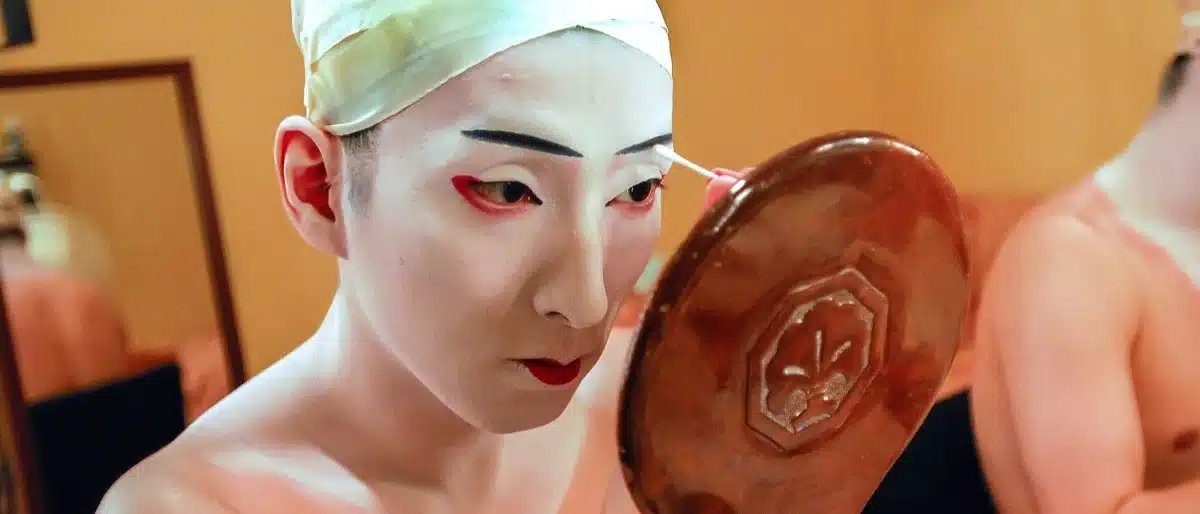
Where it can be arranged, a specialist guide can take you behind the scenes to learn about makeup, wigs, and costumes, and sometimes to meet a performer. These visits depend on the theatre’s schedule and are never guaranteed, but they offer an extraordinary view of the craft.
Even without one, a briefing before the play and a conversation afterward give you a much richer understanding of what you have seen.
Planning Your Kabuki Experience
The Kabuki-za stages programmes most months, usually with afternoon and evening performances. A full programme lasts several hours with intermissions, and box lunches are a traditional part of the day. Tickets for popular programmes sell quickly.
Out Of Office can arrange your tickets, a specialist guide, and, where possible, a backstage visit, followed by dinner in Ginza. Your LGBTQ+ travel specialist can also combine the day with Tokyo’s other cultural highlights as part of our culture holidays or with a longer journey through Japan.
See your complete itinerary before you decide.
Your specialist will bring together every detail of your trip, with clear pricing throughout.
More Moments in Tokyo
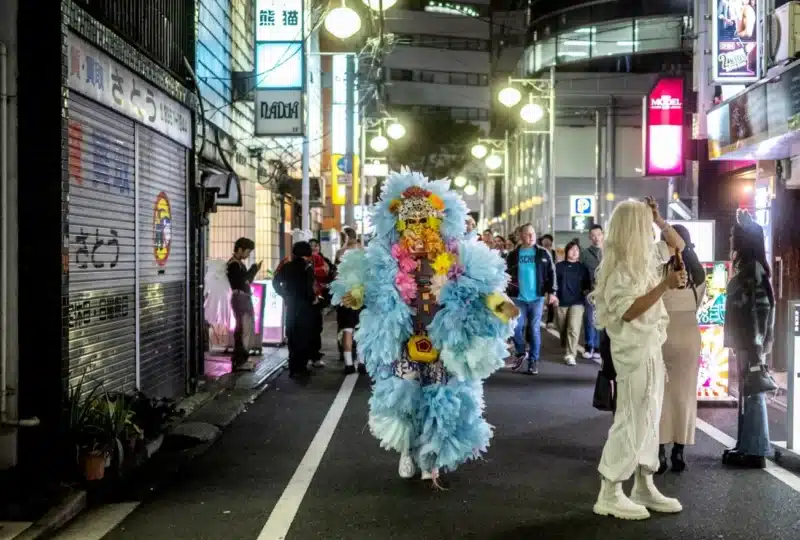
Shinjuku Ni-chōme: Tokyo’s Tiny Bars with a Local Host
A Few Blocks in Shinjuku Shinjuku Ni-chōme covers only a few city blocks, close to Shinjuku Station, yet it holds what is often described as the world's highest concentration of LGBTQ+ bars, with around 300 venues. Many seat fewer than ten people, tucked into narrow buildings several floors high. Each has its own crowd, music, and personality, and finding the right ones is much easier with someone who knows the neighbourhood.
Discover more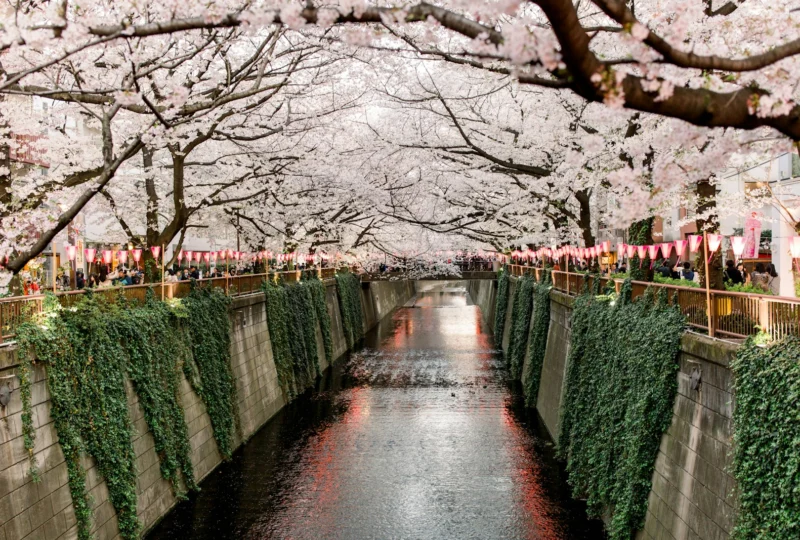
A Private Cherry Blossom Picnic at Dawn in Shinjuku Gyoen, Tokyo
A Thousand Years of Flower Viewing Hanami, "flower viewing", is among Japan's oldest and best-loved customs, born of a long attentiveness to the seasons and to verse. Its origins lie in the Heian era (794–1185), when nobles gathered under the cherry trees to write verse and admire the blossoms' brief beauty, and over time it spread across every class and city to become a spring ritual for almost everyone.
Discover more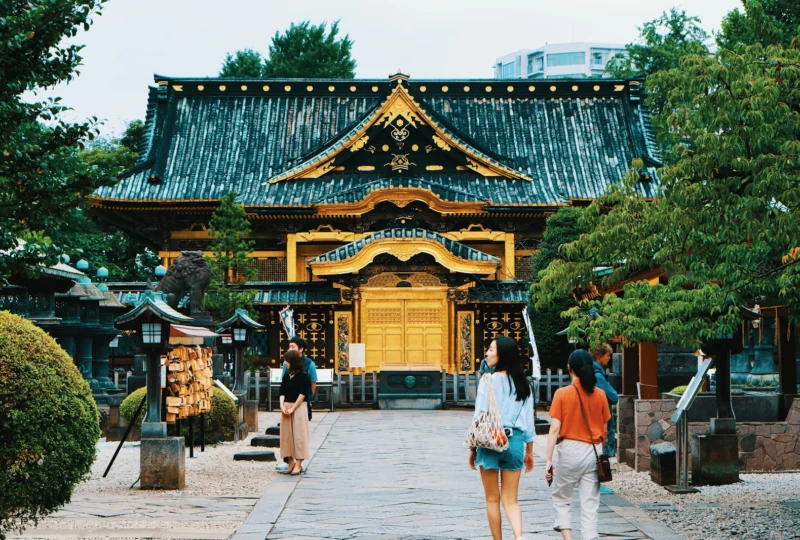
The Tokyo National Museum on a Private Guided Tour
A Calm Start in Ueno Ueno Park is one of Tokyo's busiest cultural quarters, yet early in the day the walk up to the Tokyo National Museum feels surprisingly calm. The main building rises above the trees with quiet authority, its Imperial Crown style from an era when Japan was blending new architectural ideas with its own traditions.
Discover more
We plant trees for every booking
For every booking made with Out Of Office we commit to planting trees in your name to help reduce the impact of travel on future generations. You'll even get a link to see where your trees are planted in the world via our partner Ecologi.


We donate to Rainbow Railroad with every booking
Rainbow Railroad helps LGBTQ+ people escape state-sponsored violence and persecution. A donation goes with every trip we sell, funded by us and never added to your price.


Start Planning Your Trip
Tell us where you would love to go, when you are thinking of travelling and what kind of trip you have in mind. One of our LGBTQ+ travel specialists will create a tailor-made itinerary designed around your destination, style and preferences.
One named specialist, first enquiry to homecoming. No call centre, and nothing is charged until you decide to book.