







Moment · Tokyo
A Private Cherry Blossom Picnic at Dawn in Shinjuku Gyoen, Tokyo
Enter Tokyo's great garden early for hanami beneath 1,500 cherry trees, with a guide, a traditional mat and seasonal sweets and tea.
A Thousand Years of Flower Viewing
Hanami, “flower viewing”, is among Japan’s oldest and best-loved customs, born of a long attentiveness to the seasons and to verse. Its origins lie in the Heian era (794–1185), when nobles gathered under the cherry trees to write verse and admire the blossoms’ brief beauty, and over time it spread across every class and city to become a spring ritual for almost everyone.
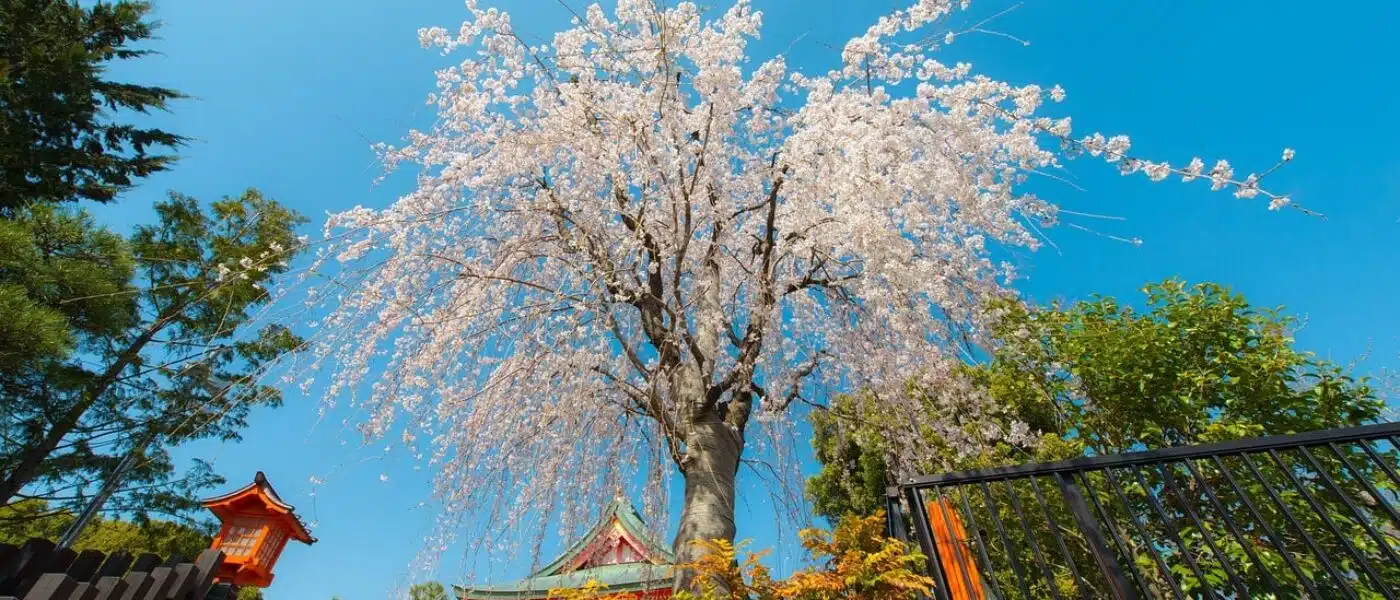
Formerly reserved for the imperial family, Shinjuku Gyoen is now open to all and fills with visitors every spring. Some 1,500 cherries of over twelve kinds grow here, the early Kanzan and the soft pink Somei Yoshino among them, scattered through Japanese, formal French and English landscape gardens, a peaceful world in the middle of one of Tokyo’s busiest districts.
Hanami Without the Crush
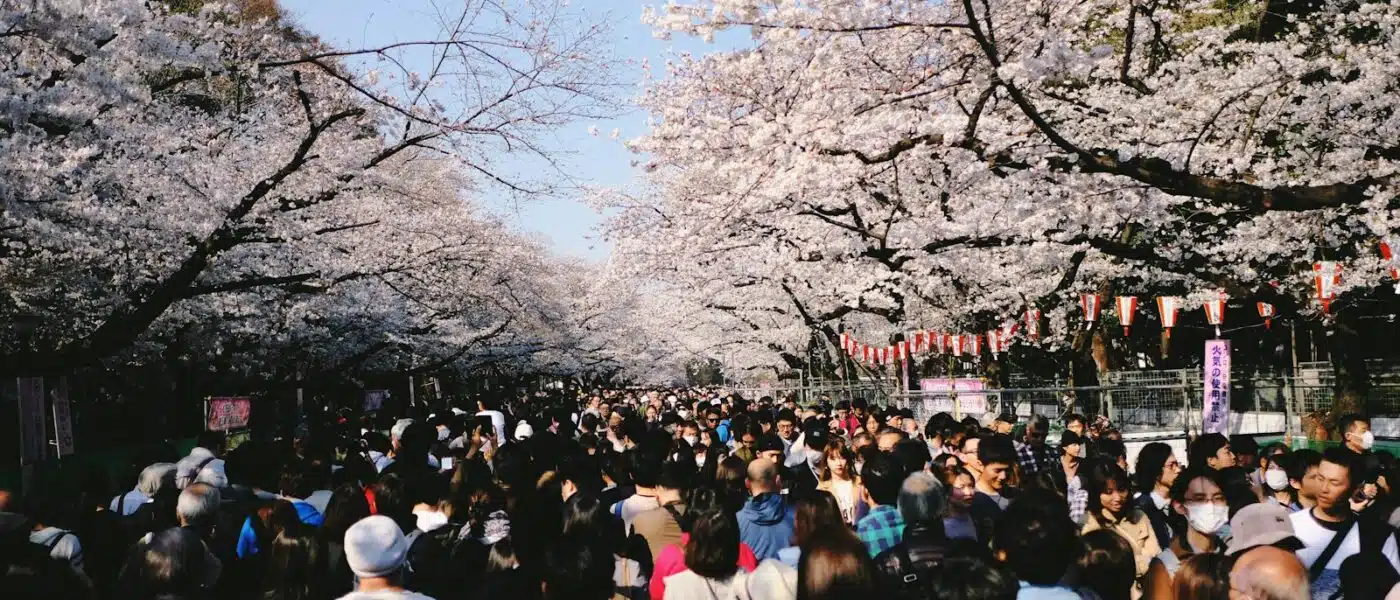
Ordinary hanami often means lining up to get in, jostling for room and claiming a patch among hundreds of other picnickers, with the best views gone fast. Arriving early changes everything: there’s space to wander, sit and simply look. A private guide shifts the emphasis from logistics to meaning, the symbolism of blossom colours, when each variety blooms, and the etiquette that makes hanami so particular to Japan.
Couples can sit quietly beneath the trees with the city held at a distance. Whether it’s a honeymoon, an anniversary or a first visit to Japan, hanami like this belongs entirely to you.
The hard part is not finding a beautiful place. It is finding the right one for you.
Request a quote →Timing the Bloom
Hanami’s magic lies in how brief it is. Each blossom lasts only a few days, and the whole season can come and go in a week if the weather turns. In Tokyo, the trees usually peak from late March into early April, though small shifts in climate can move it several days either way from year to year.
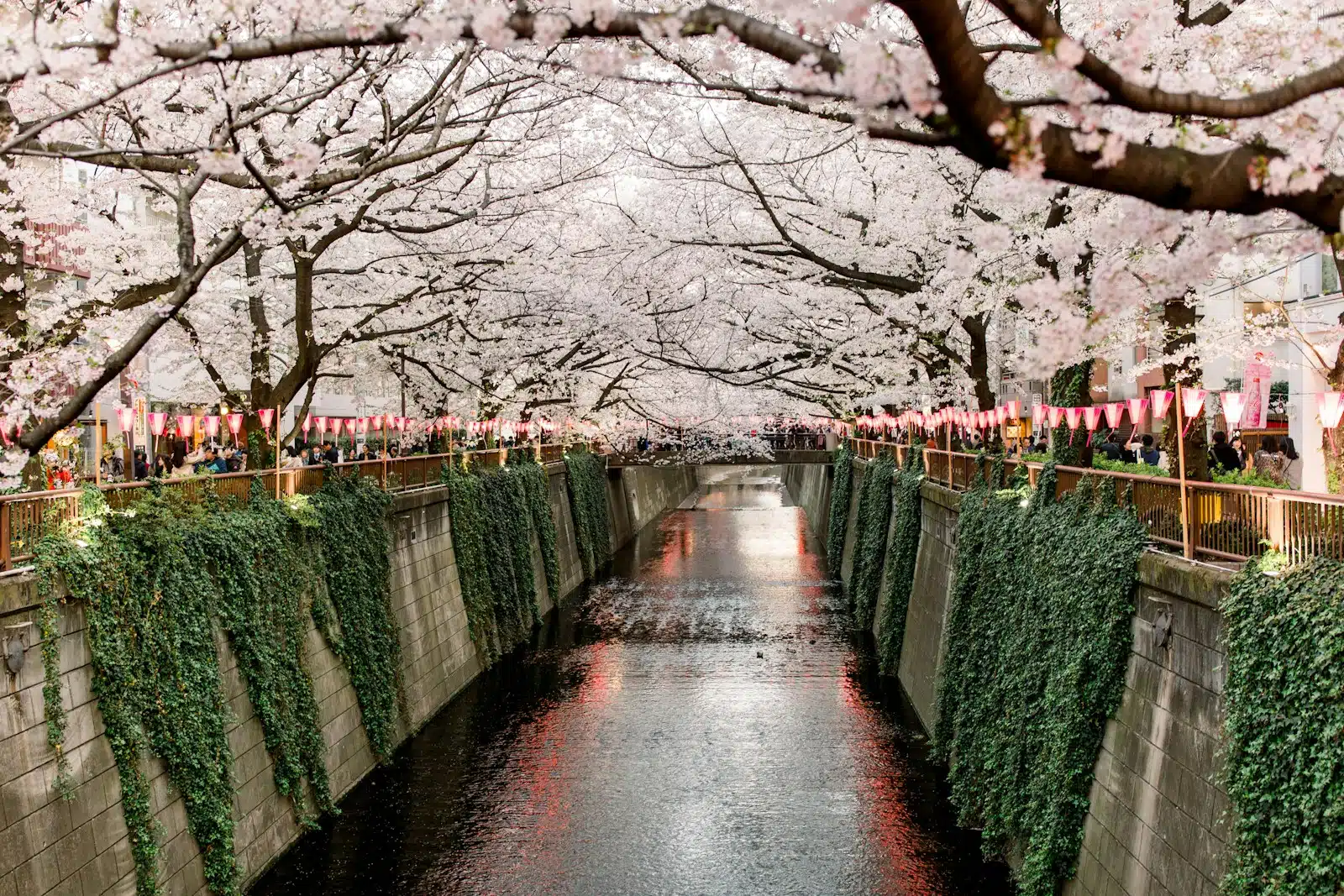
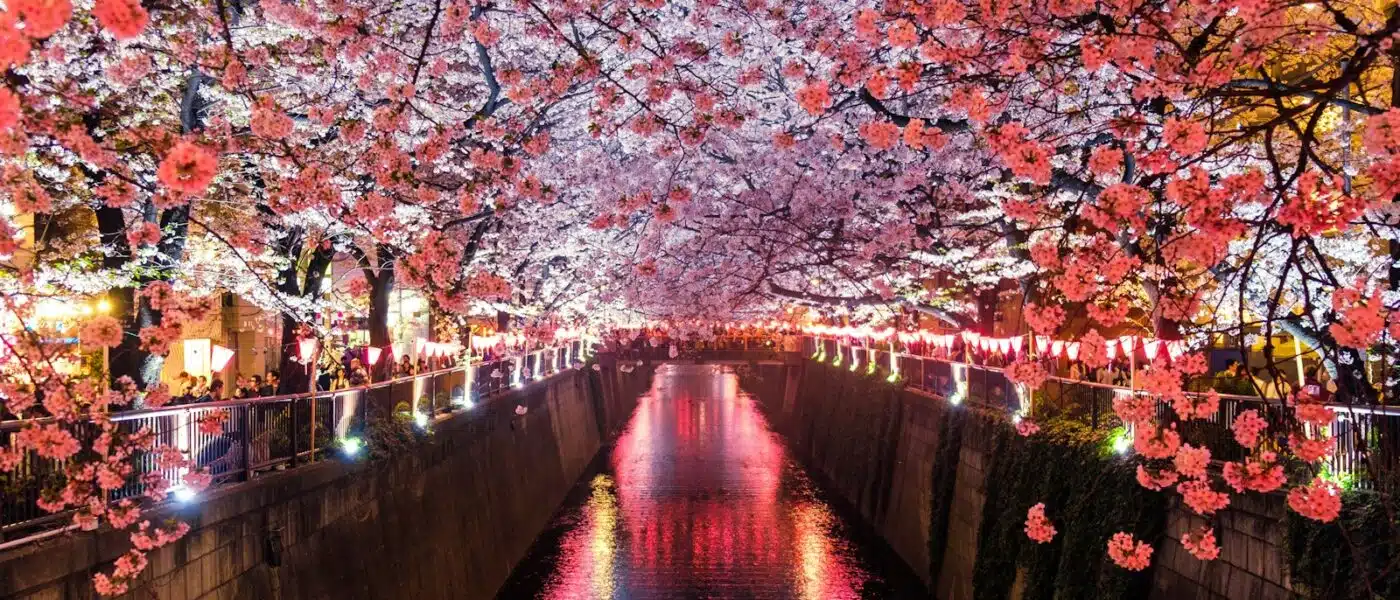
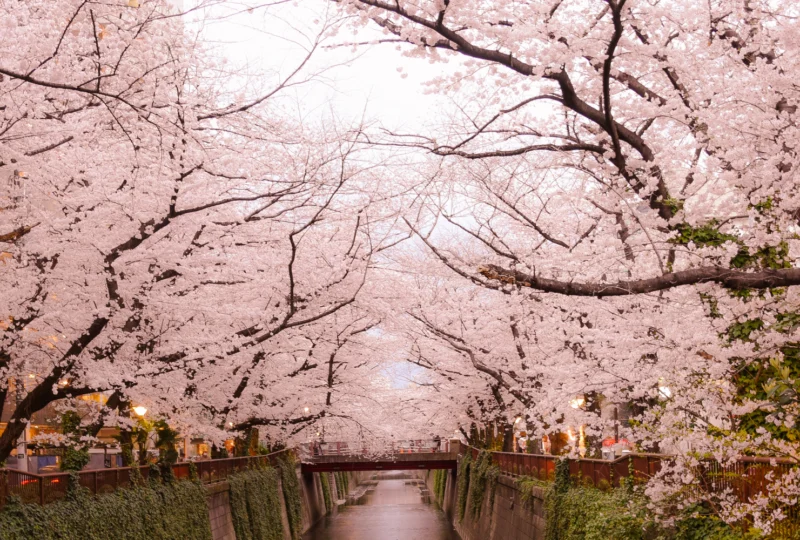
For the calmest experience, plan for 6:30 to 8:30 am, with cool air, soft light and a hushed park. Weekdays are quieter across the city, while weekends at peak bloom get busy, making the early start even more worthwhile. If you can, allow a few days in Tokyo to cover any change in timing; it also lets you try different kinds of hanami, from tranquil mornings here to yozakura, the lively evening viewing under lanterns beside the Meguro River or in Ueno Park.
Your Picnic Beneath the Trees
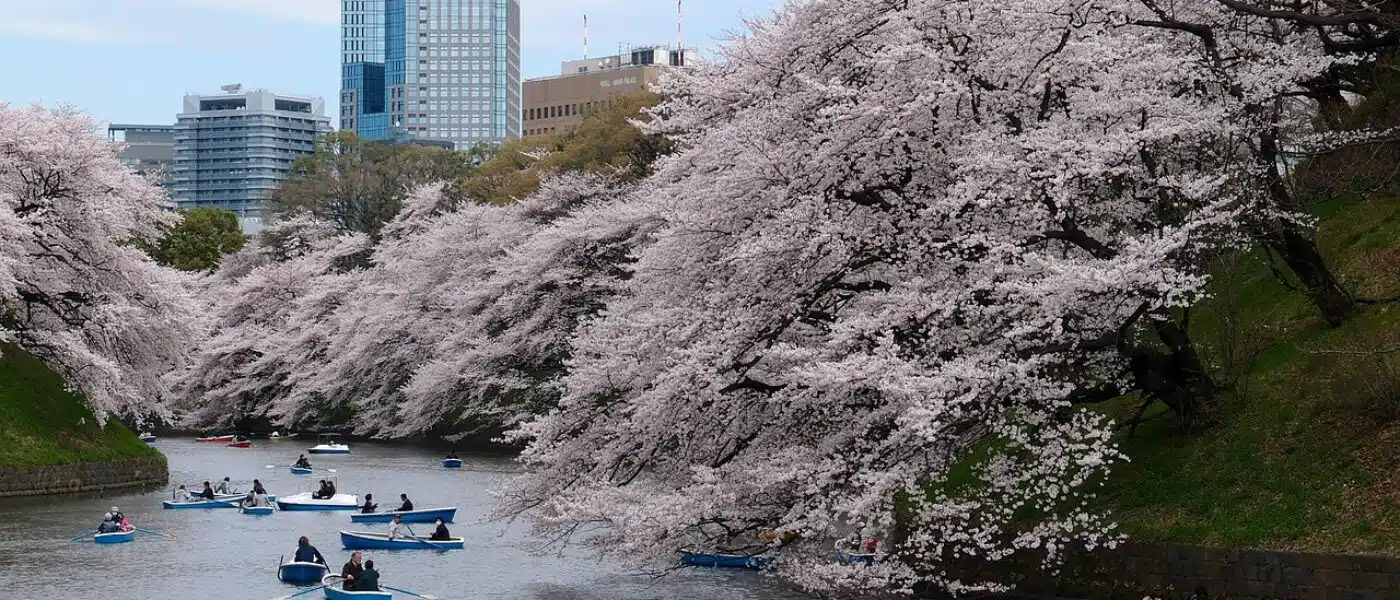
At the heart of the garden, broad lawns are framed by cherry trees, the early light glowing through clouds of pink and white. You start among the ponds, koi and stone lanterns of the Japanese garden while your guide picks out rare and historic specimens and explains how blooming varies with species and sun. Then you choose your spot, maybe beside the formal French rose beds or near the arched bridge at Momijiyama.
Your mat goes down and the picnic comes out: onigiri, wagashi made for the season, fresh fruit, and hot tea or sake. Nobody hurries you, so you can take pictures, listen to birdsong or simply sit side by side in silence. Your Out Of Office LGBTQ+ travel specialist can time the trip to the bloom and pair it with a welcoming hotel in Tokyo.
See your complete itinerary before you decide.
Your specialist will bring together every detail of your trip, with clear pricing throughout.
More Moments in Tokyo
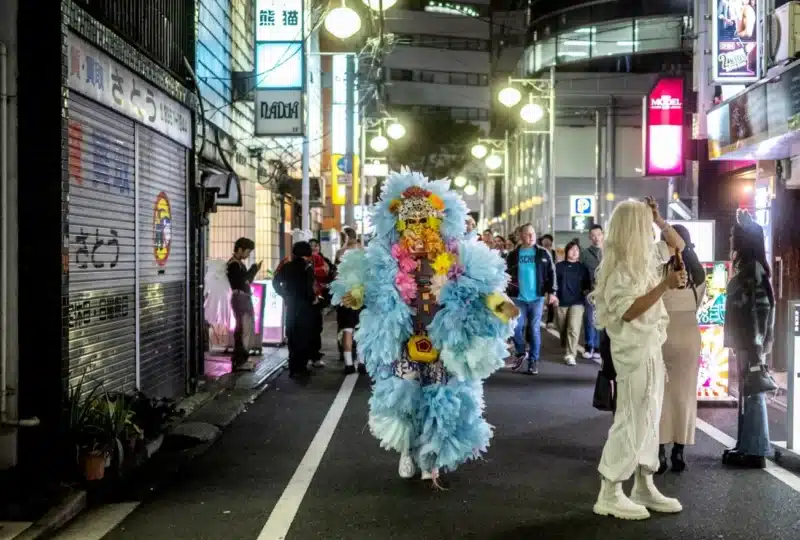
Shinjuku Ni-chōme: Tokyo’s Tiny Bars with a Local Host
A Few Blocks in Shinjuku Shinjuku Ni-chōme covers only a few city blocks, close to Shinjuku Station, yet it holds what is often described as the world's highest concentration of LGBTQ+ bars, with around 300 venues. Many seat fewer than ten people, tucked into narrow buildings several floors high. Each has its own crowd, music, and personality, and finding the right ones is much easier with someone who knows the neighbourhood.
Discover more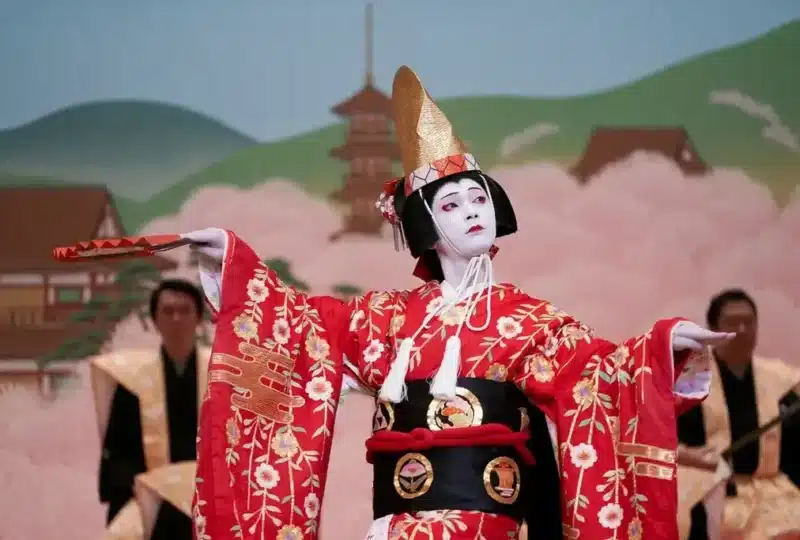
Tokyo: Behind the Scenes with an Onnagata at the Kabuki-za
Tokyo's Theater of Transformation Kabuki has been performed in Japan for more than 400 years, and for most of that time, every role has been played by men. The actors who specialise in female roles are known as onnagata. Their art is not imitation. An onnagata aims to express an ideal of femininity through movement, voice, and stillness, and the greatest of them are among the most admired performers in the country.
Discover more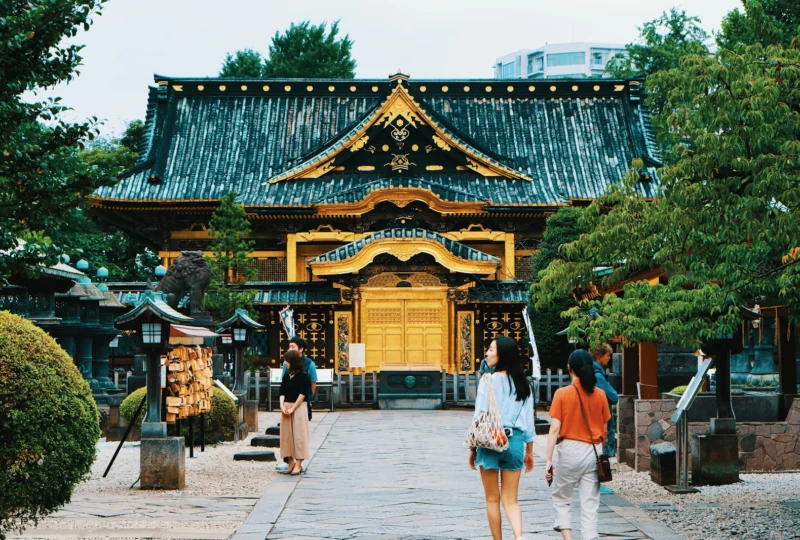
The Tokyo National Museum on a Private Guided Tour
A Calm Start in Ueno Ueno Park is one of Tokyo's busiest cultural quarters, yet early in the day the walk up to the Tokyo National Museum feels surprisingly calm. The main building rises above the trees with quiet authority, its Imperial Crown style from an era when Japan was blending new architectural ideas with its own traditions.
Discover more
We plant trees for every booking
For every booking made with Out Of Office we commit to planting trees in your name to help reduce the impact of travel on future generations. You'll even get a link to see where your trees are planted in the world via our partner Ecologi.


We donate to Rainbow Railroad with every booking
Rainbow Railroad helps LGBTQ+ people escape state-sponsored violence and persecution. A donation goes with every trip we sell, funded by us and never added to your price.


Start Planning Your Trip
Tell us where you would love to go, when you are thinking of travelling and what kind of trip you have in mind. One of our LGBTQ+ travel specialists will create a tailor-made itinerary designed around your destination, style and preferences.
One named specialist, first enquiry to homecoming. No call centre, and nothing is charged until you decide to book.