







Moment · Tokyo
The Tokyo National Museum on a Private Guided Tour
Travel sixteen thousand years through Japan's oldest museum, from Jomon pottery to samurai armour and the Horyuji treasures, with your own guide.
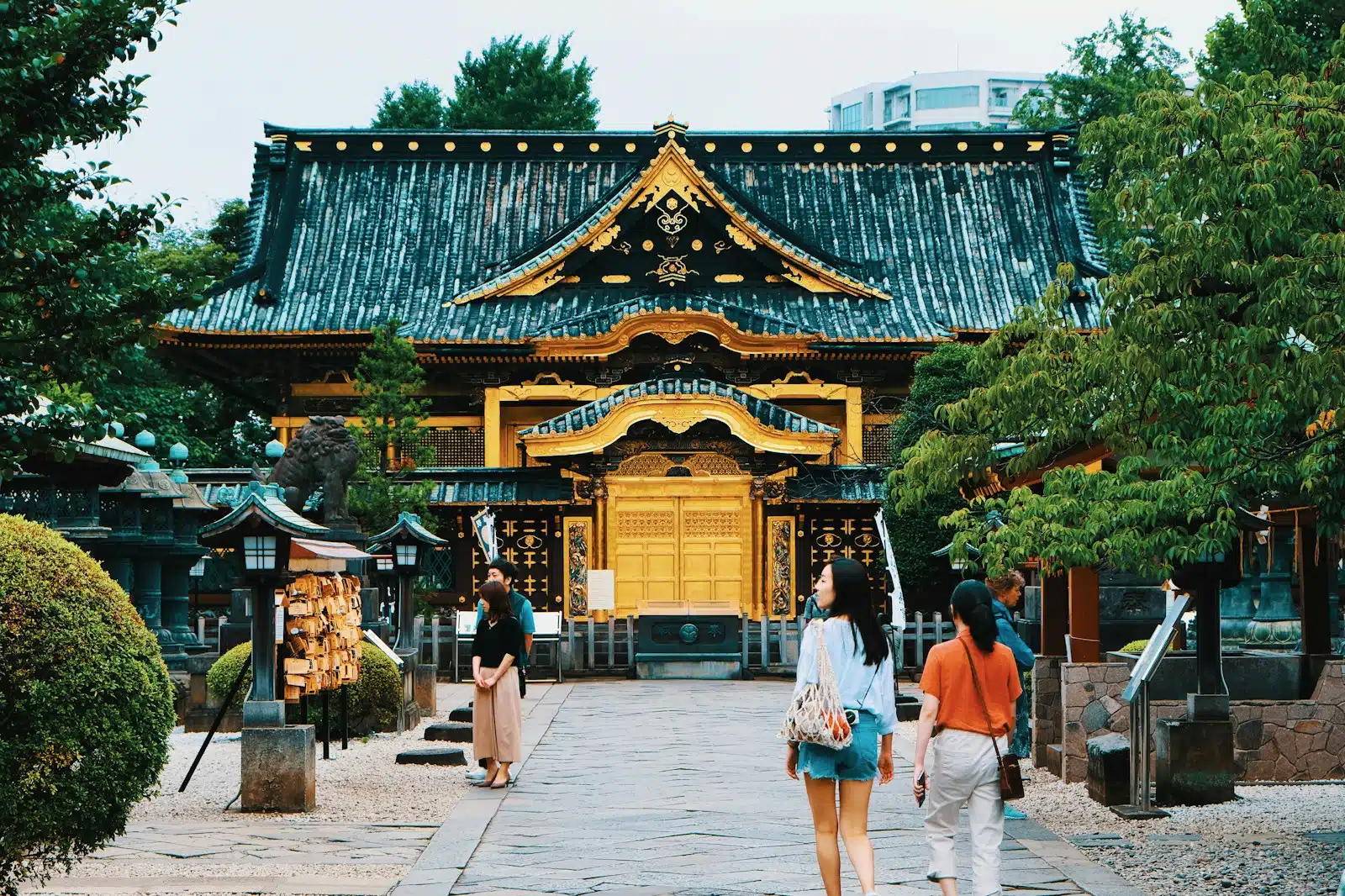
A Calm Start in Ueno
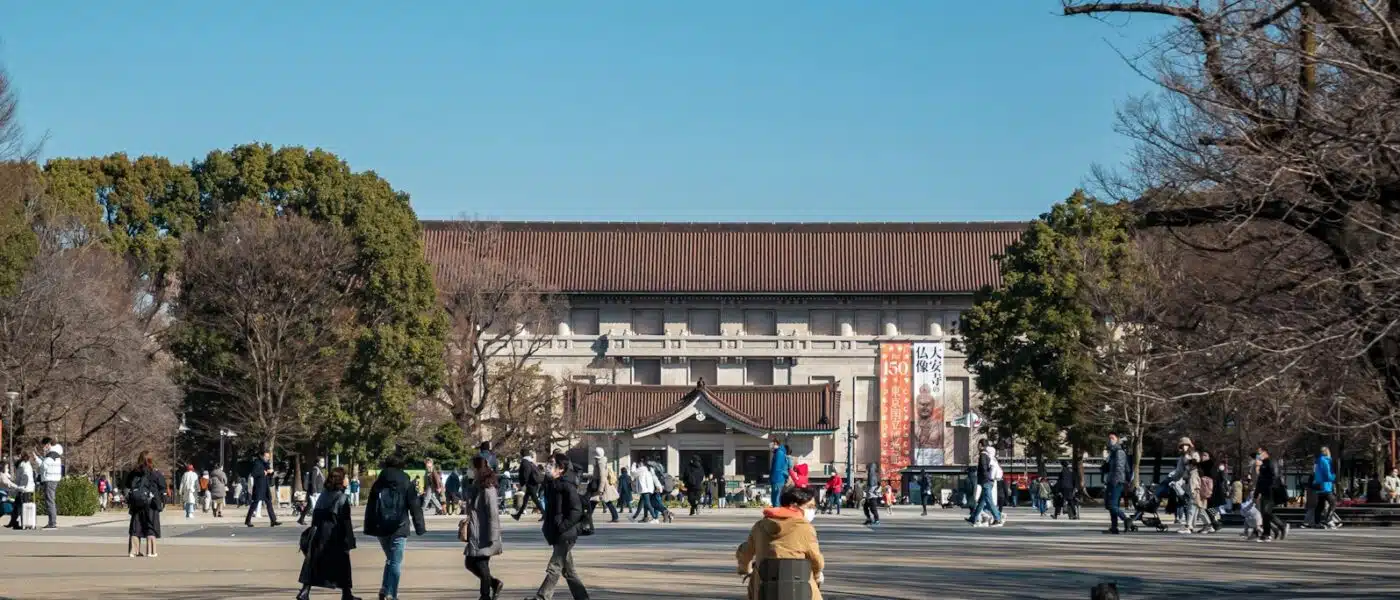
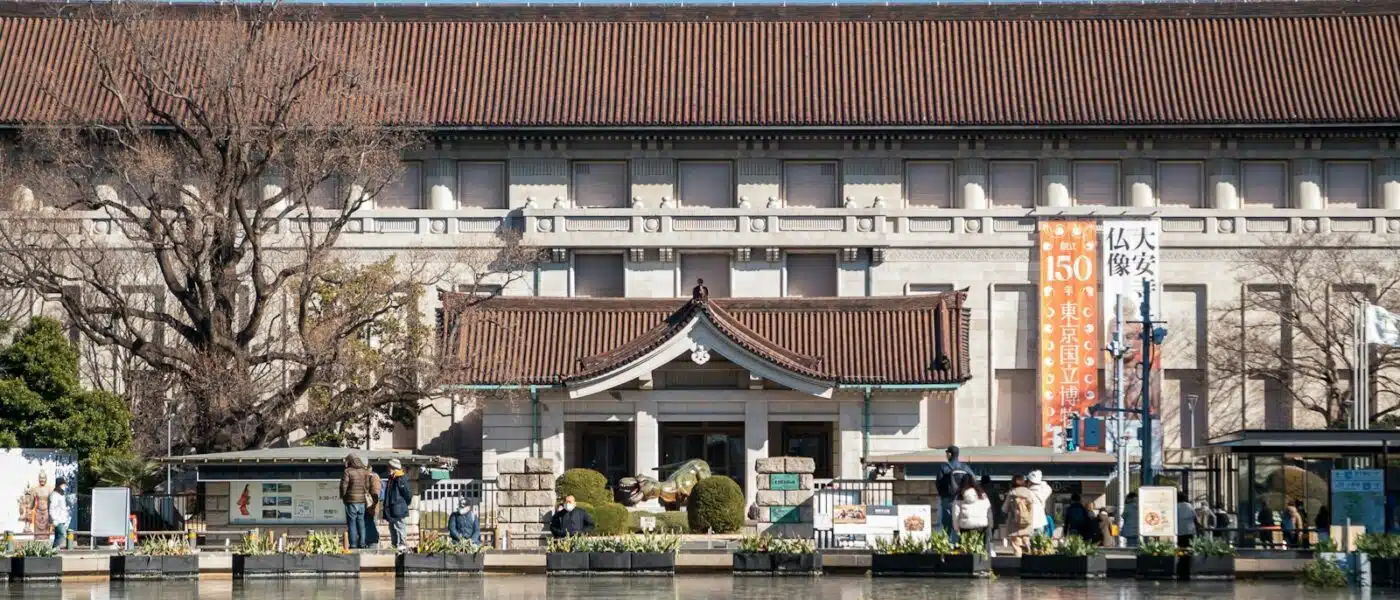
Ueno Park is one of Tokyo’s busiest cultural quarters, yet early in the day the walk up to the Tokyo National Museum feels surprisingly calm. The main building rises above the trees with quiet authority, its Imperial Crown style from an era when Japan was blending new architectural ideas with its own traditions. With a guide, the rhythm is different from the outset: you pass through security and across the courtyard without the stop-start of an independent visit, and you have the focus a collection this vast demands.
Japan’s Oldest Museum
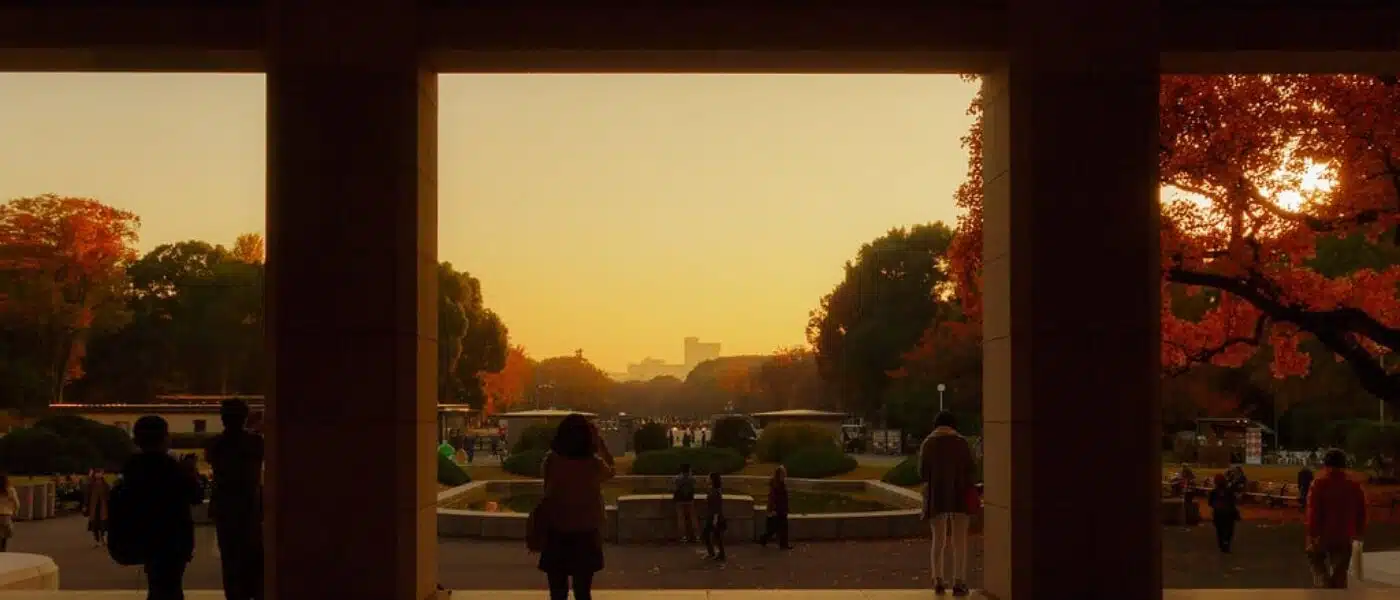
This is the oldest museum in Japan. It grew out of a public exposition in 1872 at the Yushima Seido Confucian shrine, and a decade later the collection moved to Ueno Park, cementing its role as a national centre for art, archaeology and scholarship. The first main building fell in the Great Kanto Earthquake of 1923, and the present Honkan, finished in 1938, is now itself an Important Cultural Property, a landmark of Japan’s modern architecture.
The museum cares for more than 120,000 objects, National Treasures and Important Cultural Properties among them, with around 3,000 on show at any time across several buildings. The Honkan’s Japanese Gallery runs unbroken from the Jomon period to the late nineteenth century; the Toyokan holds the Asian collections, from ancient Chinese bronzes to Central Asian sculpture; the Heiseikan combines archaeology with major special exhibitions; and the Gallery of Horyuji Treasures shows Buddhist works older than much of Japan’s recorded history. Outside, the garden and teahouses carry the story into the landscape.
From Jomon Clay to Ukiyo-e
Most tours begin in the Honkan. Early Jomon pottery, with cord-marked patterns that look both ancient and startlingly abstract, sets out the museum’s vast time span, and nearby, Haniwa clay figures from the Kofun period mark a turn toward ritual, simple yet unmistakably human beside the refined court objects that follow. Buddhist sculpture brings a change of mood: gilt-bronze figures from the Asuka and Nara periods show growing influence from mainland Asia, and scroll paintings and mandalas deepen the spiritual note.
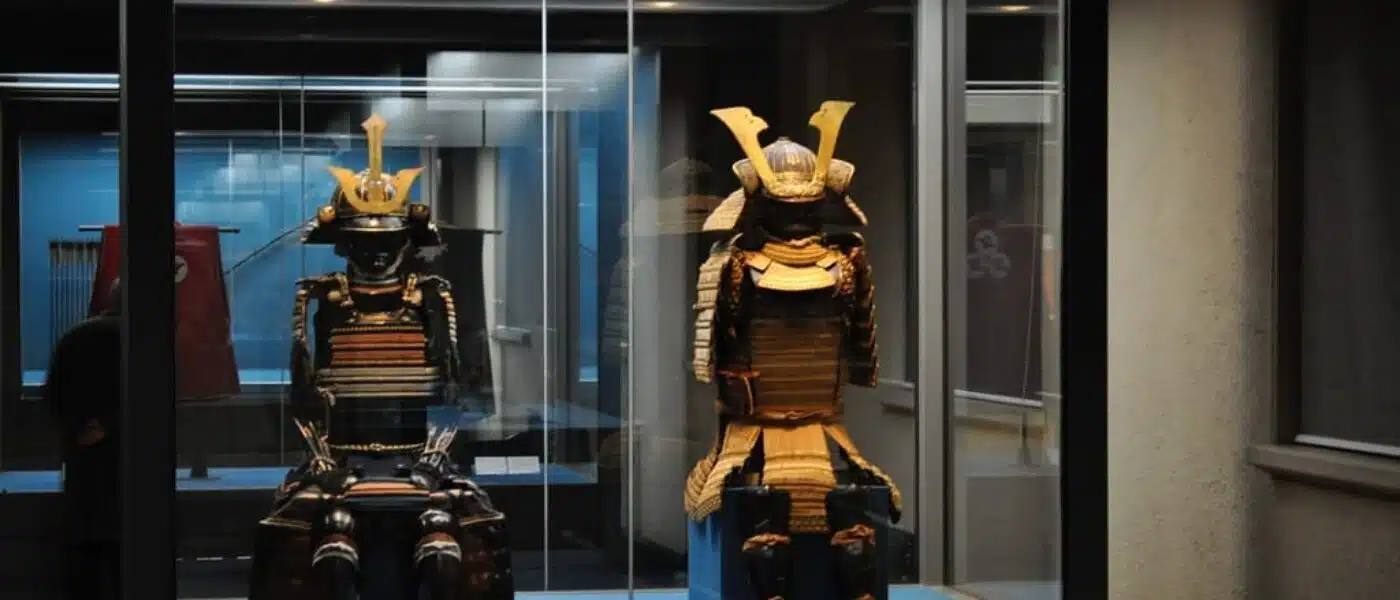
Samurai armour and swords show another kind of artistry, metalworking skill married to symbolism, the lacquered, layered armour as beautiful as it was practical. Ukiyo-e prints lighten the tone with the city life of the Edo period, sharp in line and restrained in colour, wry or atmospheric depending on the artist, and kimono and other textiles reveal the intricacy of dyeing and weaving, each pattern tied to a place and a time.
See your complete itinerary before you decide.
Request a quote →Asia’s Treasures and the Horyuji Gallery
In the Toyokan, the view widens. Ancient Chinese bronzes show the mastery that shaped early Japanese metalwork, Korean celadon reveals the subtle palette and precision that influenced ceramics across the region, and sculpture from Gandhara blends Greek and Buddhist traditions, linking distant cultures through shared imagery.
The Gallery of Horyuji Treasures is often the most contemplative stop. Its clean lines and controlled light make seventh- and eighth-century Buddhist works seem suspended in time, and at this intimate scale you can take in the softness of a face or the fine engraving on a ritual object undisturbed. If the garden is open, you may finish outdoors among the teahouses and paths, where the slower pace helps everything settle.
Why a Guide Makes It Legible
With a private guide, you navigate by the story rather than the crowds. If a gallery fills, your guide changes course and returns when it clears, so you spend time where it matters. You can stand squarely before a sculpture, follow a brushstroke or study the grain of lacquer without shuffling for position, and in the quiet, materials, scale and technique stand out. Your guide also sets the rhythm, pacing the visit to avoid fatigue and making each move between galleries purposeful, so overlooked pieces find their place in a coherent story. It’s a rich morning for a couple, friends or a solo traveller.
The museum sits among other great institutions in Ueno Park, including the National Museum of Western Art, in a building by Le Corbusier, and the Tokyo Metropolitan Art Museum, with its changing exhibitions of Japanese and international artists. Your Out Of Office LGBTQ+ travel specialist can add either and pair the day with a welcoming hotel in Tokyo.

We know where you will be welcome, and where to take more care.
It shapes the hotels we use, the guides we work with and the routes we suggest.
More Moments in Tokyo
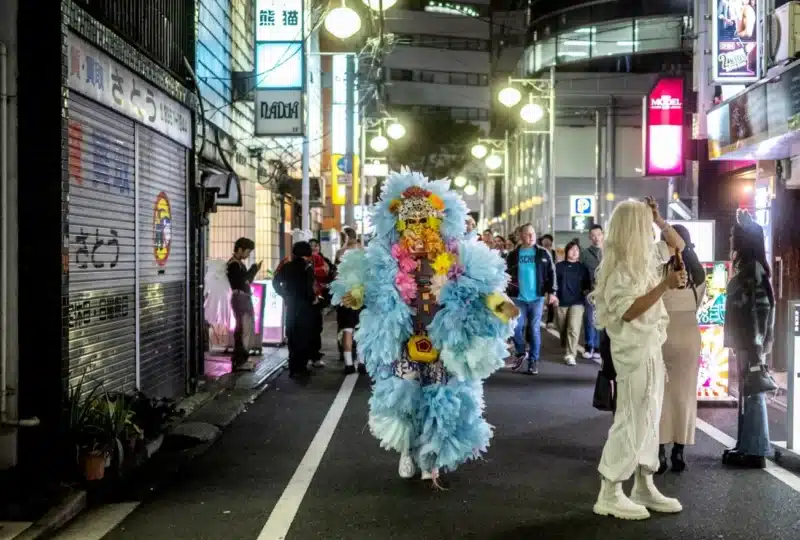
Shinjuku Ni-chōme: Tokyo’s Tiny Bars with a Local Host
A Few Blocks in Shinjuku Shinjuku Ni-chōme covers only a few city blocks, close to Shinjuku Station, yet it holds what is often described as the world's highest concentration of LGBTQ+ bars, with around 300 venues. Many seat fewer than ten people, tucked into narrow buildings several floors high. Each has its own crowd, music, and personality, and finding the right ones is much easier with someone who knows the neighbourhood.
Discover more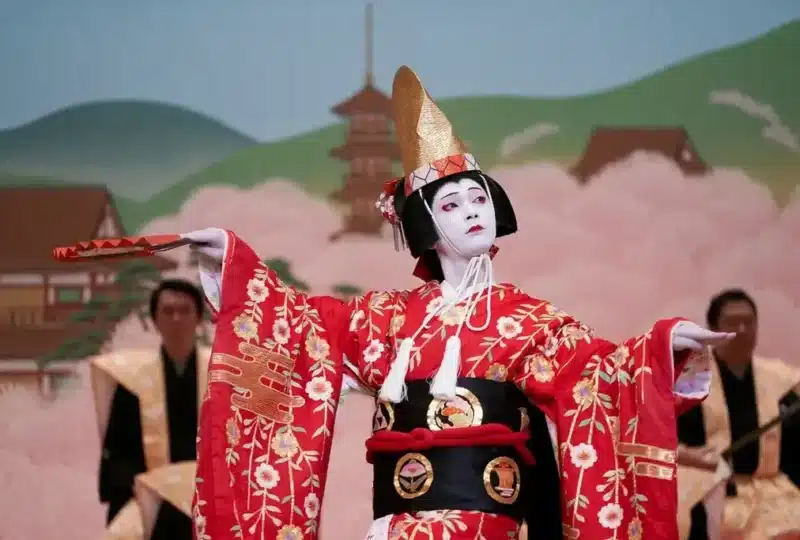
Tokyo: Behind the Scenes with an Onnagata at the Kabuki-za
Tokyo's Theater of Transformation Kabuki has been performed in Japan for more than 400 years, and for most of that time, every role has been played by men. The actors who specialise in female roles are known as onnagata. Their art is not imitation. An onnagata aims to express an ideal of femininity through movement, voice, and stillness, and the greatest of them are among the most admired performers in the country.
Discover more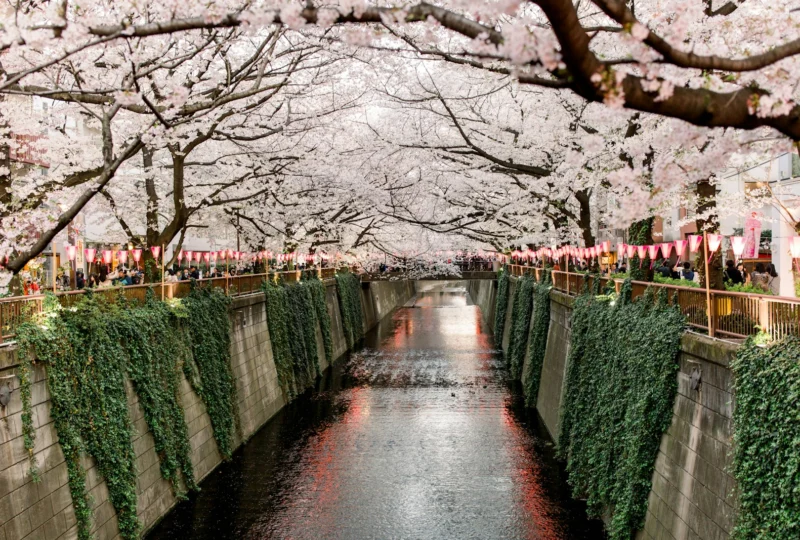
A Private Cherry Blossom Picnic at Dawn in Shinjuku Gyoen, Tokyo
A Thousand Years of Flower Viewing Hanami, "flower viewing", is among Japan's oldest and best-loved customs, born of a long attentiveness to the seasons and to verse. Its origins lie in the Heian era (794–1185), when nobles gathered under the cherry trees to write verse and admire the blossoms' brief beauty, and over time it spread across every class and city to become a spring ritual for almost everyone.
Discover more
We plant trees for every booking
For every booking made with Out Of Office we commit to planting trees in your name to help reduce the impact of travel on future generations. You'll even get a link to see where your trees are planted in the world via our partner Ecologi.


We donate to Rainbow Railroad with every booking
Rainbow Railroad helps LGBTQ+ people escape state-sponsored violence and persecution. A donation goes with every trip we sell, funded by us and never added to your price.


Start Planning Your Trip
Tell us where you would love to go, when you are thinking of travelling and what kind of trip you have in mind. One of our LGBTQ+ travel specialists will create a tailor-made itinerary designed around your destination, style and preferences.
One named specialist, first enquiry to homecoming. No call centre, and nothing is charged until you decide to book.