







Moment · Tokyo
A Private Sushi Lesson with an Itamae in Tokyo
Learn rice, knife work and the logic of omakase at a Shintomi counter, shaping your own pieces beside an expert sushi chef.
What Omakase Really Means
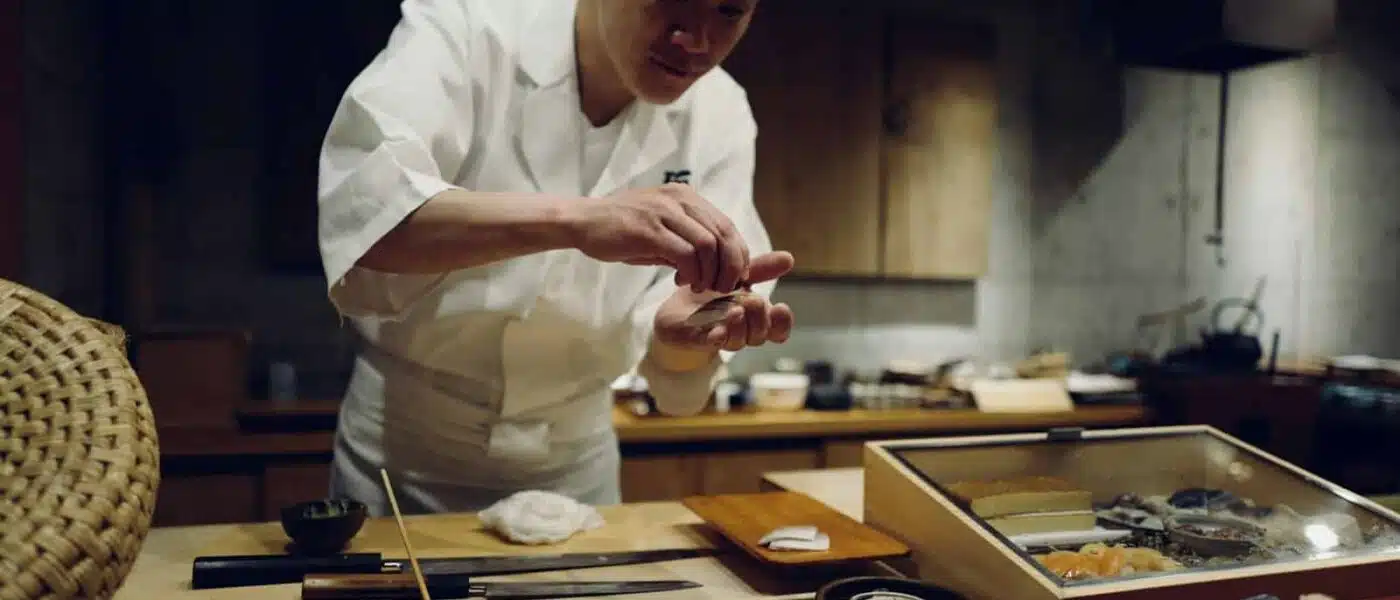
Omakase, “I leave it up to you”, means the chef decides the order of the meal. It began in the Edo period, when sushi was sold from street stalls and customers relied on the chef to pick what was freshest. After the war, as sit-down sushi became the norm, it grew into a more curated, structured experience, and by the 1990s it was the favoured format in Tokyo’s top restaurants, an easy way to enjoy seasonal fish without wrestling with long menus.
At the Studio Counter
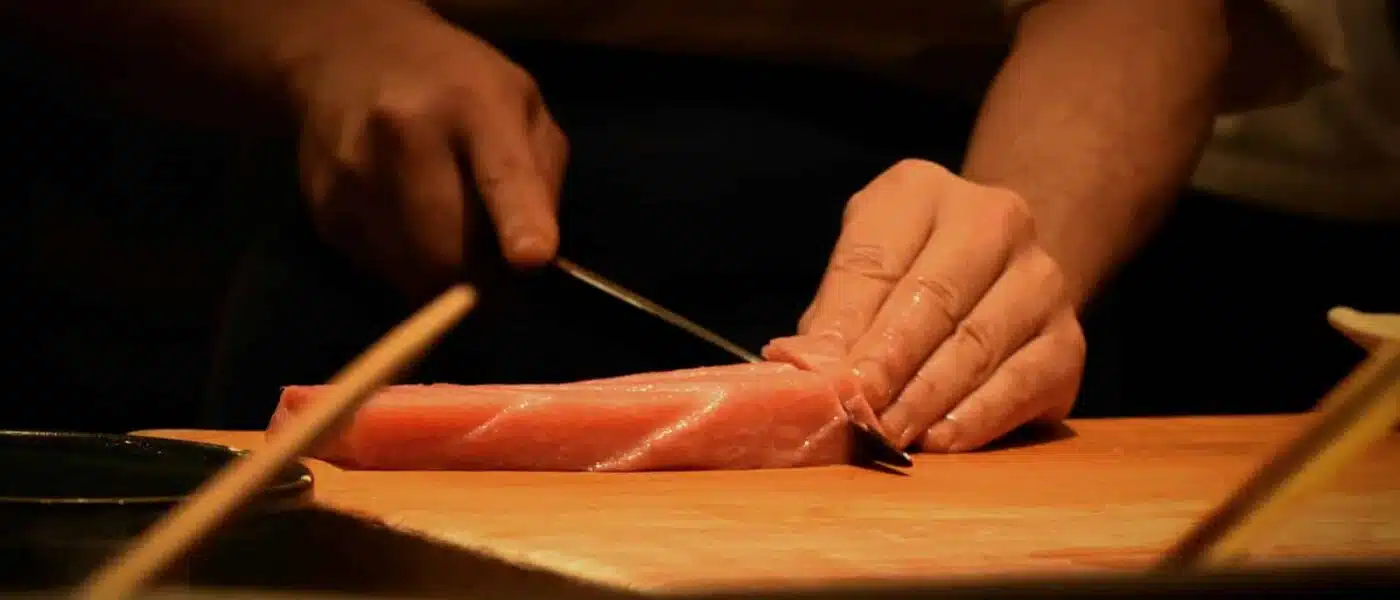
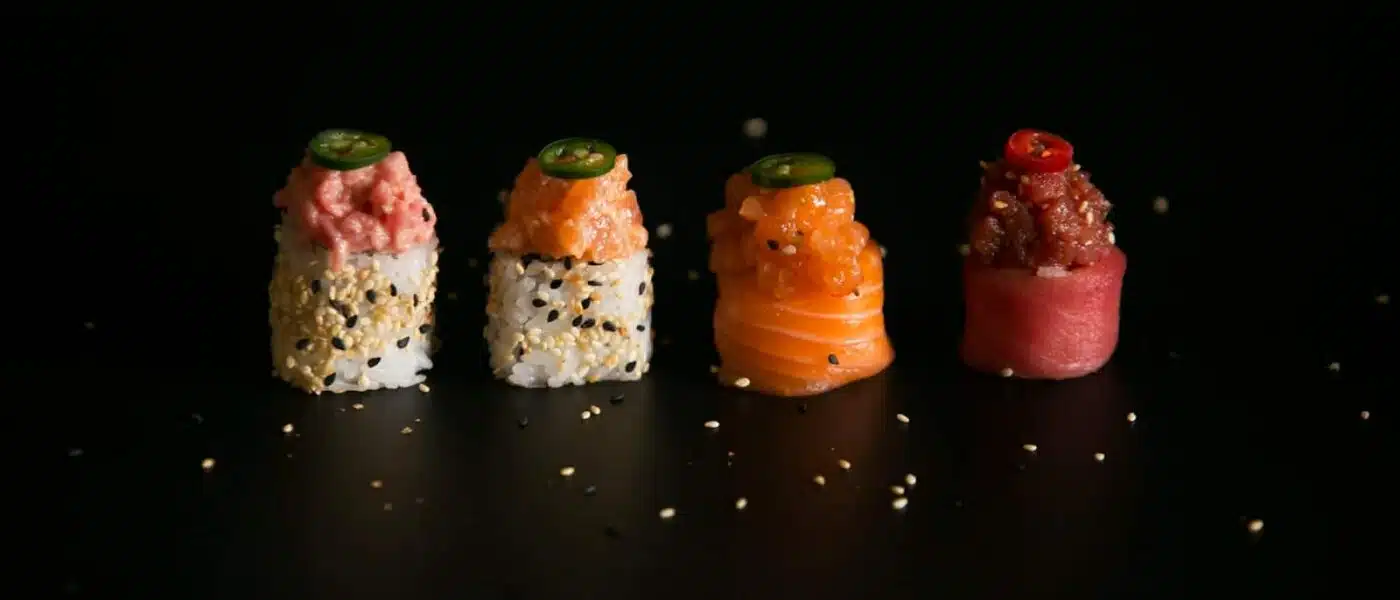
The studio in Shintomi is set up for hands-on learning, a counter seating just a few people, little background noise, and trays of prepared fish, bowls of seasoned rice and the chef’s knives all within reach. Everything centres on process. You start with the rice, the foundation of every piece, as the chef explains temperature, seasoning and shaping, then handle the shari yourself to feel its texture and how it responds to pressure. Knife work comes next: the chef shows controlled slicing and the right grip, then coaches you as you try.
The Order of Things
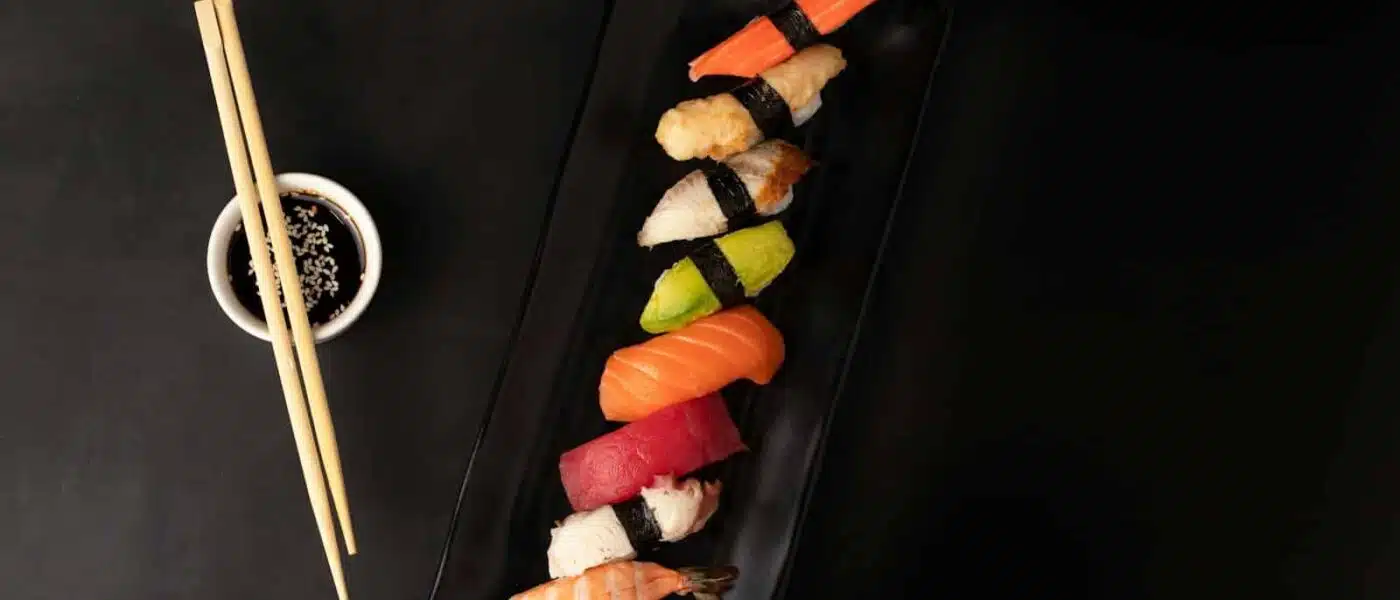
Omakase is about sequence as much as selection. The chef introduces shun, the moment each fish tastes best, which decides what comes first and what comes last, lighter cuts opening and richer ones saved for the end. You watch a sample set made in real time, noticing how each piece is seasoned and how portion size changes with the fish, then shape your own under close guidance. That mix of explanation and repetition makes omakase’s logic far clearer than it ever is from a restaurant stool.
We know where you will be welcome, and where to take more care.
Request a quote →Why Private Works Better
Group classes tend to follow a fixed plan and simplified methods to cope with numbers. Here the teaching adapts to you: more practice where you need it, quicker progress when you’re ready. You can also ask the technical questions a crowd rules out, knife-sharpening angles, resting times for particular cuts, how seasoning differs by region. It’s a fun, delicious few hours for a couple or friends who love food.
What You Notice Up Close
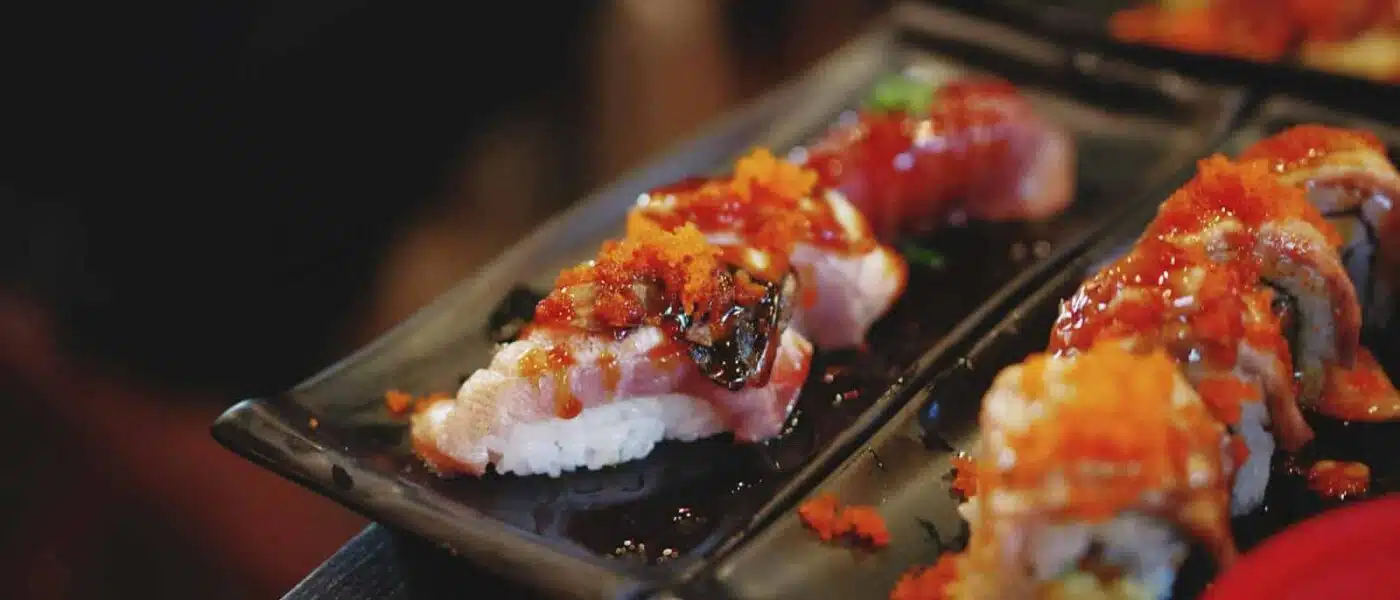
Behind the counter you see what diners miss: how the chef watches the moisture in each cut, how small changes in rice temperature affect the balance, how much pressure, timing and consistency matter. Tasting the final sequence, comparing your pieces with the chef’s is revealing rather than discouraging, showing what tiny adjustments do and the precision behind techniques that look effortless from the other side of the bar. Your Out Of Office LGBTQ+ travel specialist can book the lesson within a stay at a welcoming Tokyo hotel.


Tell us where your mind keeps going back to. We will do the rest.
A line or two is enough to start. A specialist will pick it up from there.
More Moments in Tokyo
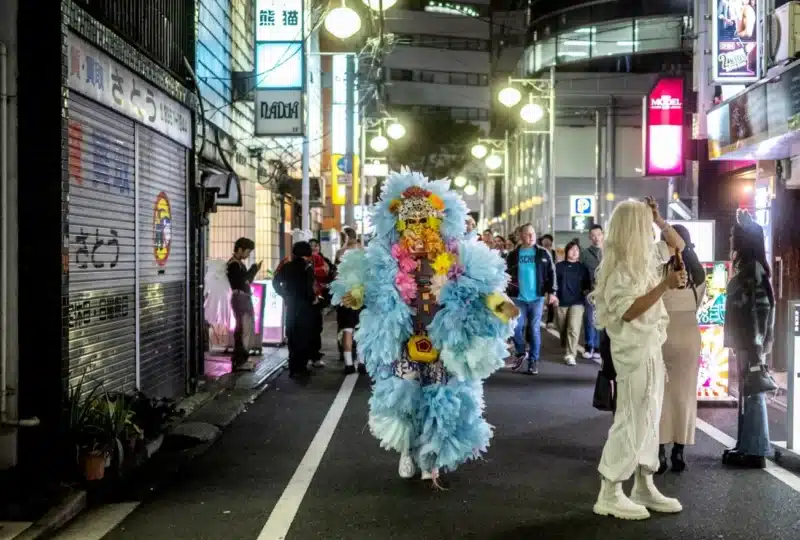
Shinjuku Ni-chōme: Tokyo’s Tiny Bars with a Local Host
A Few Blocks in Shinjuku Shinjuku Ni-chōme covers only a few city blocks, close to Shinjuku Station, yet it holds what is often described as the world's highest concentration of LGBTQ+ bars, with around 300 venues. Many seat fewer than ten people, tucked into narrow buildings several floors high. Each has its own crowd, music, and personality, and finding the right ones is much easier with someone who knows the neighbourhood.
Discover more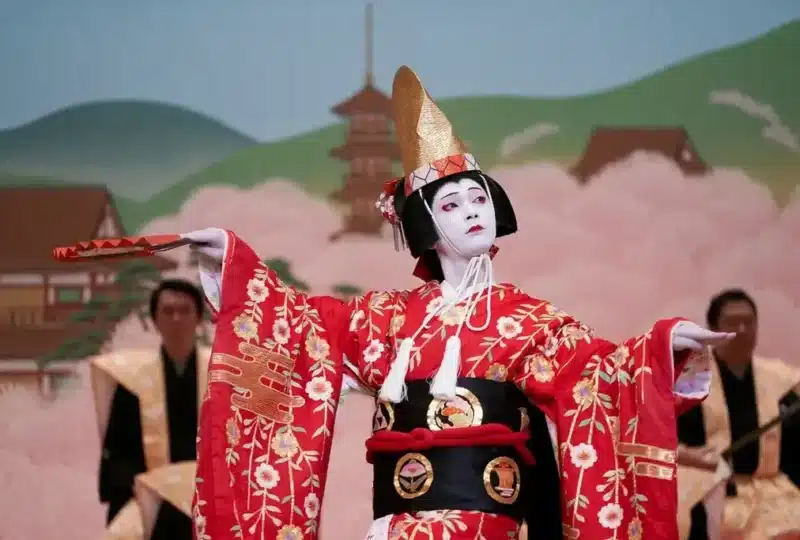
Tokyo: Behind the Scenes with an Onnagata at the Kabuki-za
Tokyo's Theater of Transformation Kabuki has been performed in Japan for more than 400 years, and for most of that time, every role has been played by men. The actors who specialise in female roles are known as onnagata. Their art is not imitation. An onnagata aims to express an ideal of femininity through movement, voice, and stillness, and the greatest of them are among the most admired performers in the country.
Discover more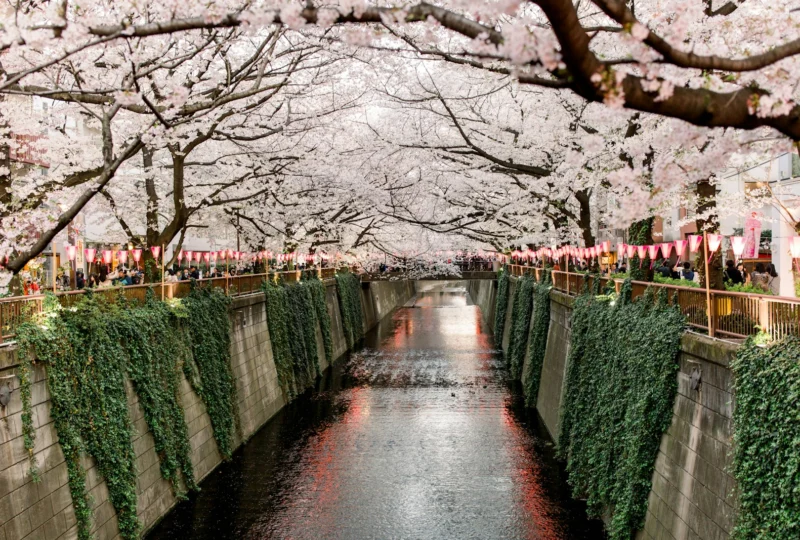
A Private Cherry Blossom Picnic at Dawn in Shinjuku Gyoen, Tokyo
A Thousand Years of Flower Viewing Hanami, "flower viewing", is among Japan's oldest and best-loved customs, born of a long attentiveness to the seasons and to verse. Its origins lie in the Heian era (794–1185), when nobles gathered under the cherry trees to write verse and admire the blossoms' brief beauty, and over time it spread across every class and city to become a spring ritual for almost everyone.
Discover more
We plant trees for every booking
For every booking made with Out Of Office we commit to planting trees in your name to help reduce the impact of travel on future generations. You'll even get a link to see where your trees are planted in the world via our partner Ecologi.


We donate to Rainbow Railroad with every booking
Rainbow Railroad helps LGBTQ+ people escape state-sponsored violence and persecution. A donation goes with every trip we sell, funded by us and never added to your price.


Start Planning Your Trip
Tell us where you would love to go, when you are thinking of travelling and what kind of trip you have in mind. One of our LGBTQ+ travel specialists will create a tailor-made itinerary designed around your destination, style and preferences.
One named specialist, first enquiry to homecoming. No call centre, and nothing is charged until you decide to book.