


Ancient pyramids that predate the Aztecs, Frida Kahlo's world in Coyoacan, and Mexico City's LGBTQ+ heart in Zona Rosa, woven into five days.
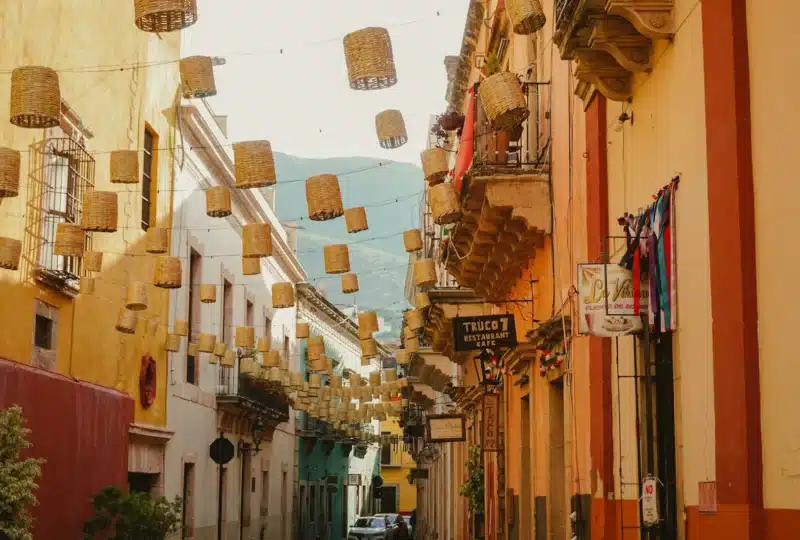
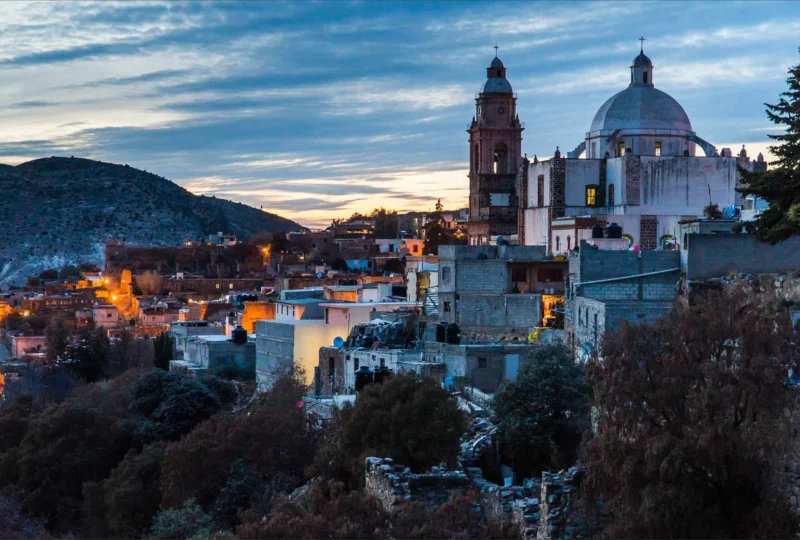
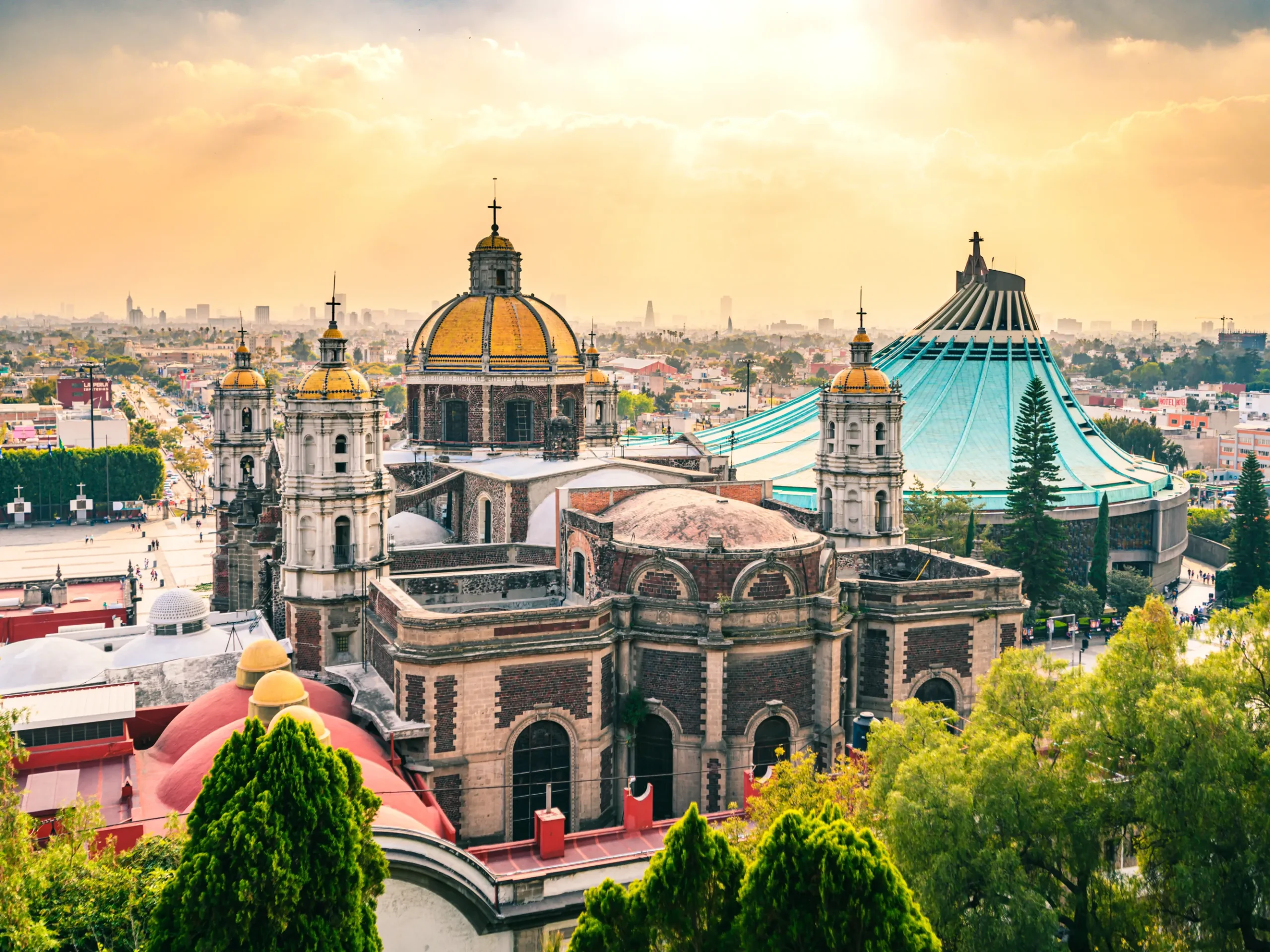
This trip opens in the historic center, where colonial-era cathedrals and world-class museums sit within walking distance of each other. The Zócalo anchors the district, one of the largest squares in Latin America, flanked by the Metropolitan Cathedral and the National Palace, where Diego Rivera's murals trace Mexico's history.
Read more
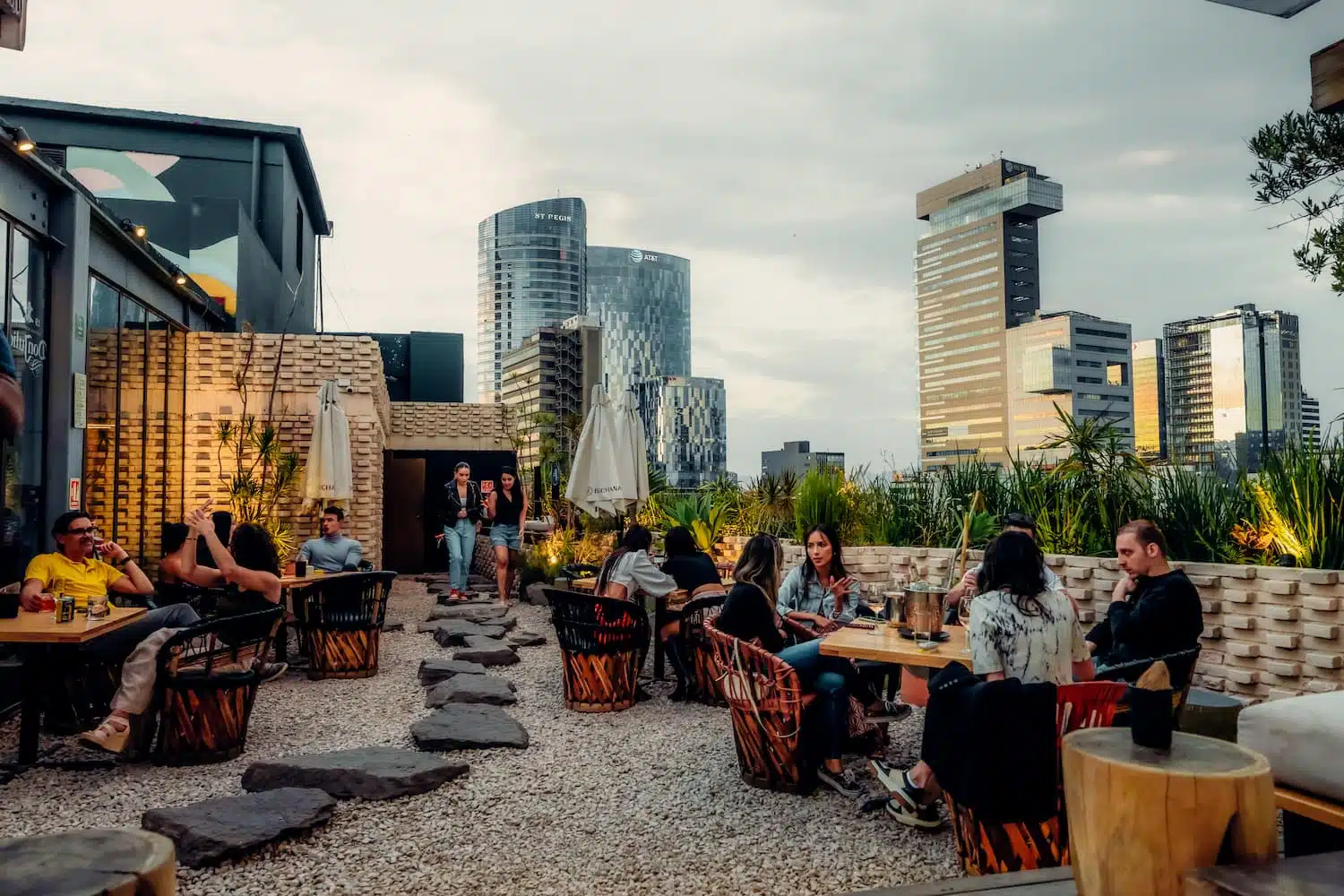
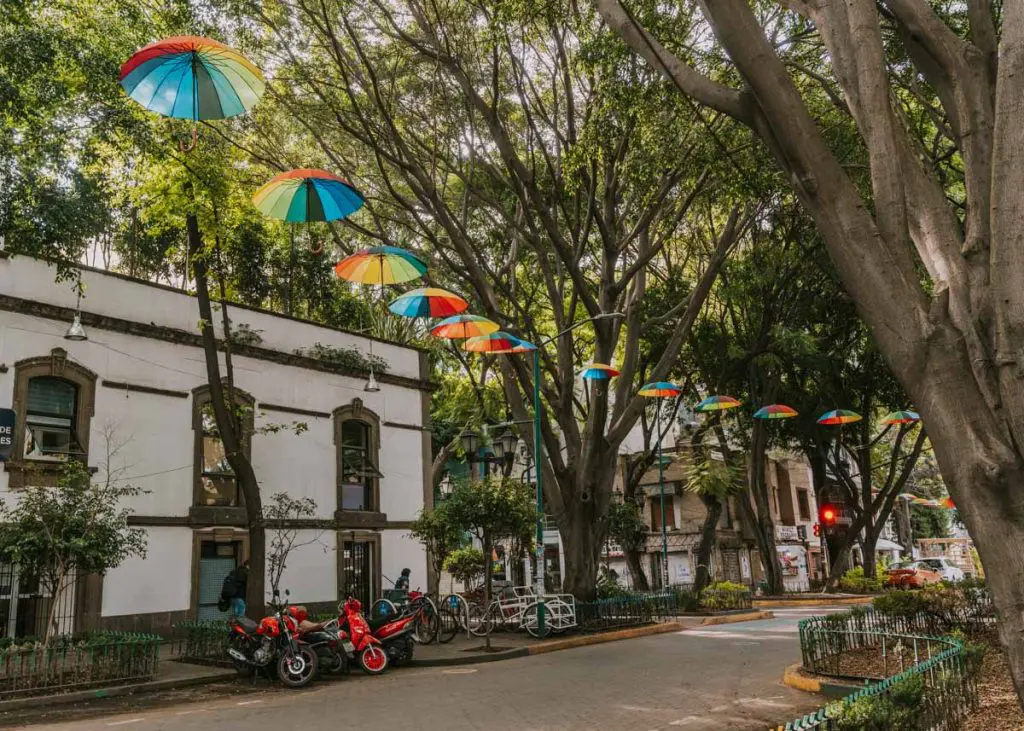
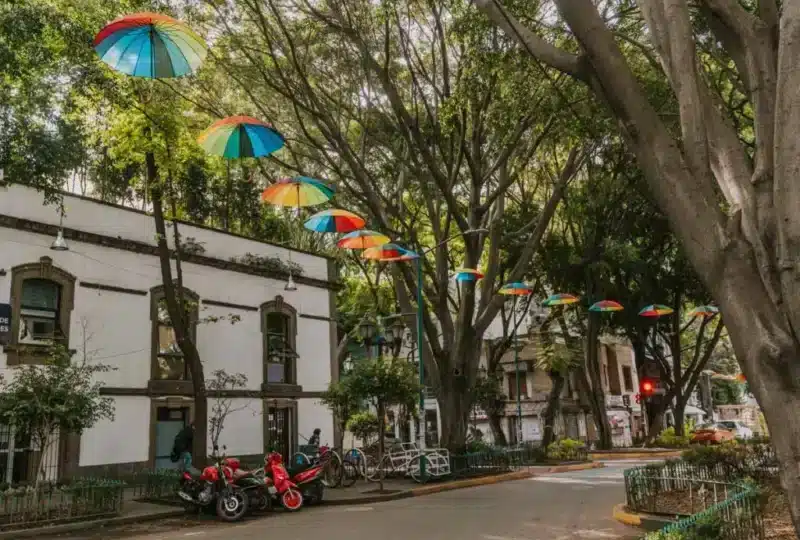
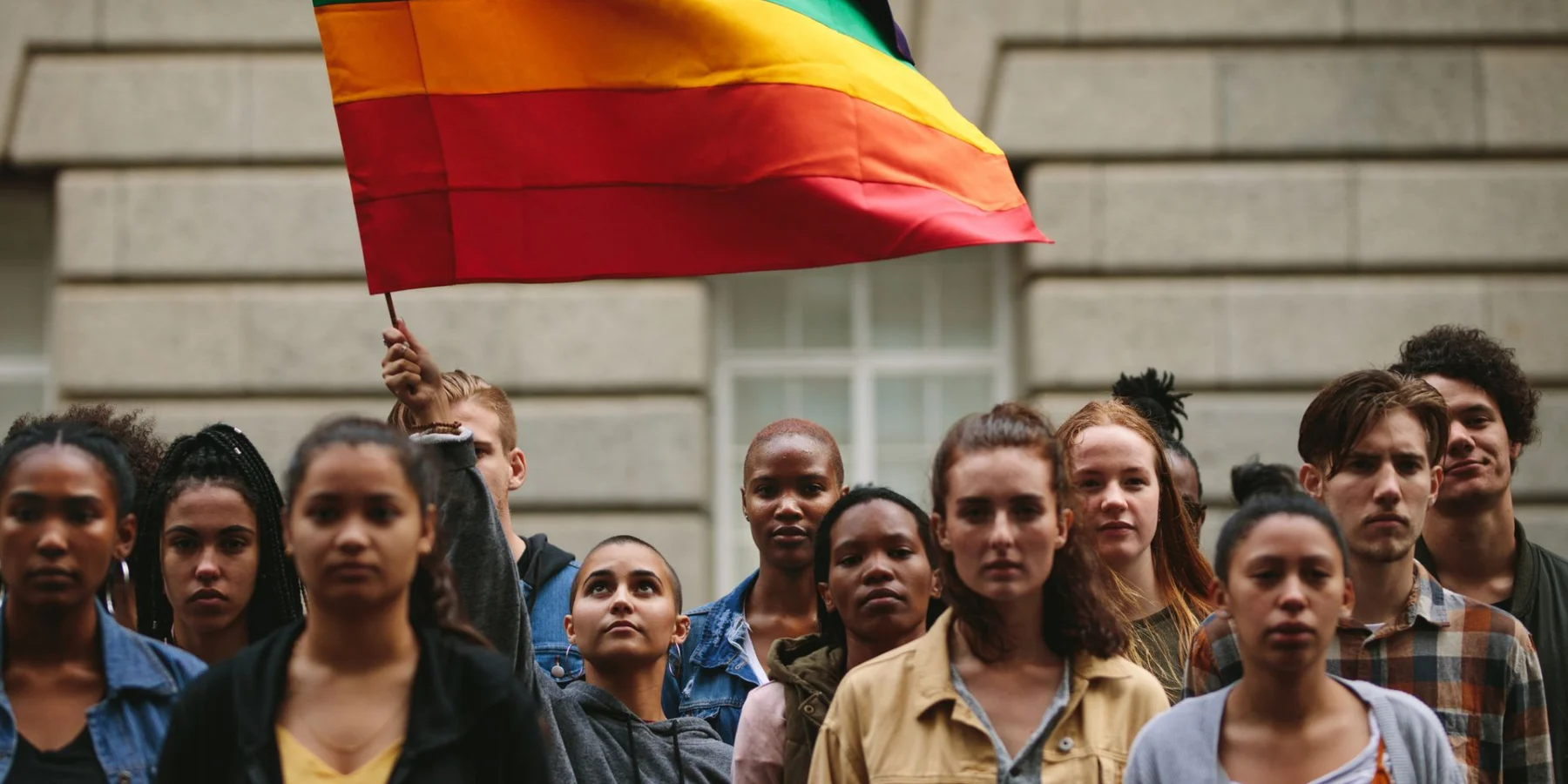
The city's culture and art scene runs through everything here, from the murals and museums of the historic center to the galleries and design studios scattered through Roma and Condesa. Evenings turn toward Zona Rosa, Mexico City's LGBTQ+ district, known for its bars, restaurants, and easy, unhurried nightlife.
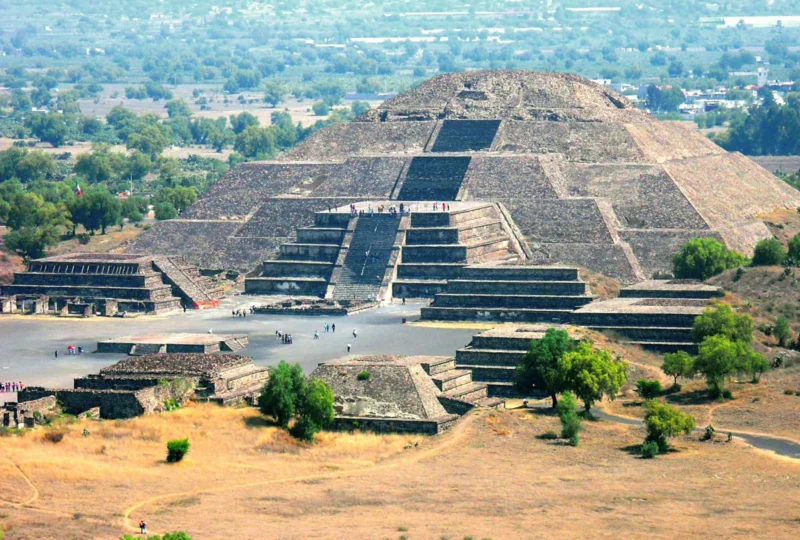
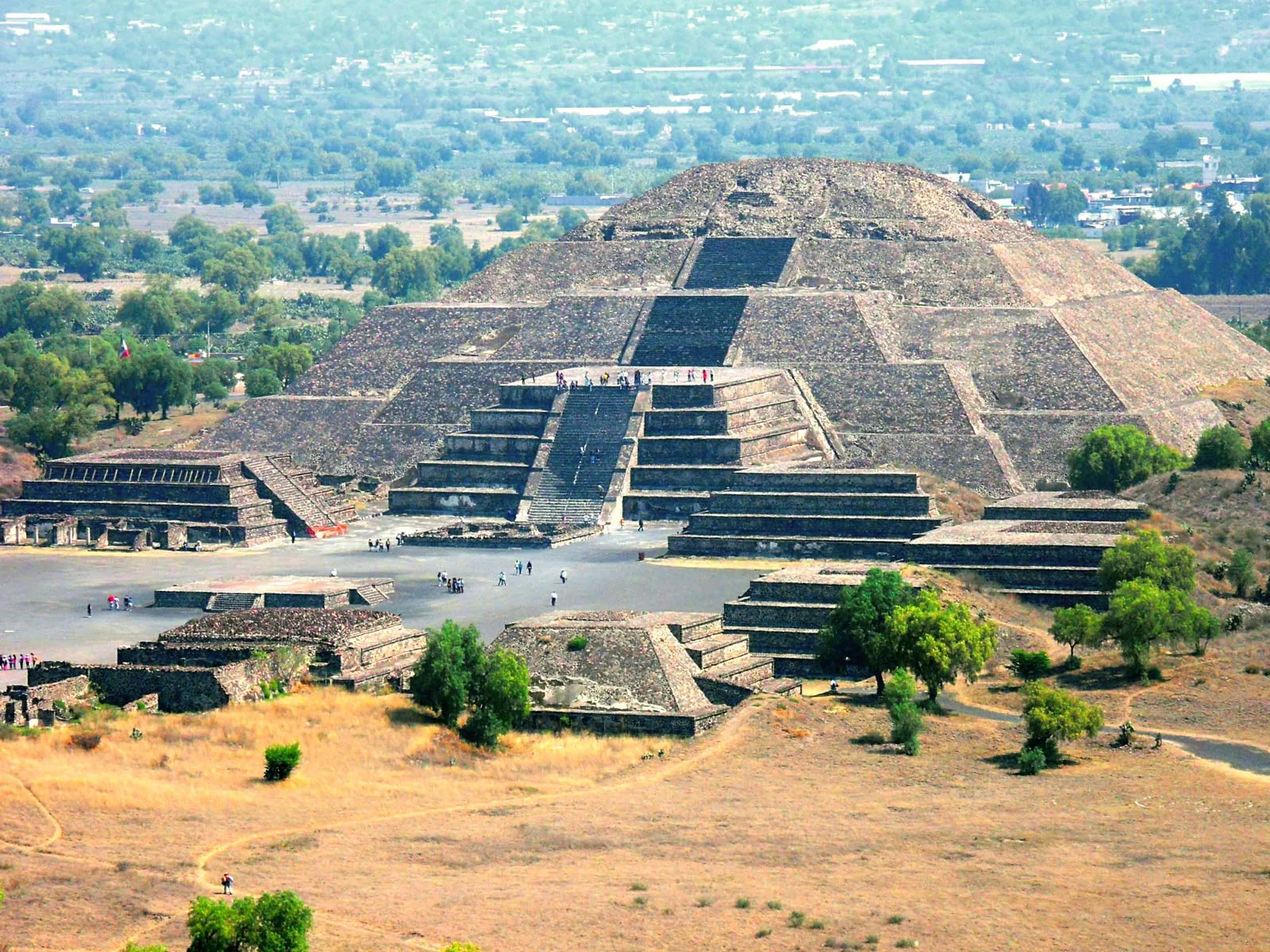
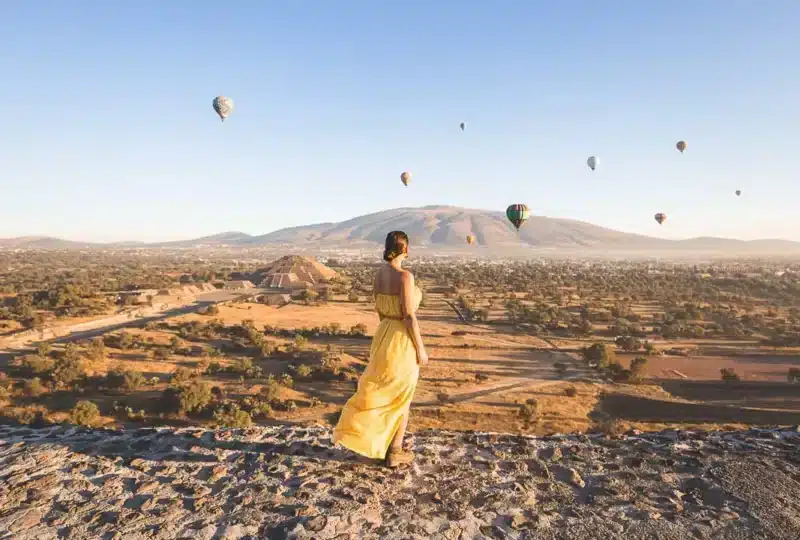
A day trip to Teotihuacan brings a different kind of history into view, considerably older than anything Mexico City itself has to offer. The Avenue of the Dead runs between two of the largest pyramids built anywhere in the pre-Columbian Americas, the Pyramid of the Sun and Moon, with the Temple of Quetzalcoatl's carved stone serpents still visible after more than a thousand years.
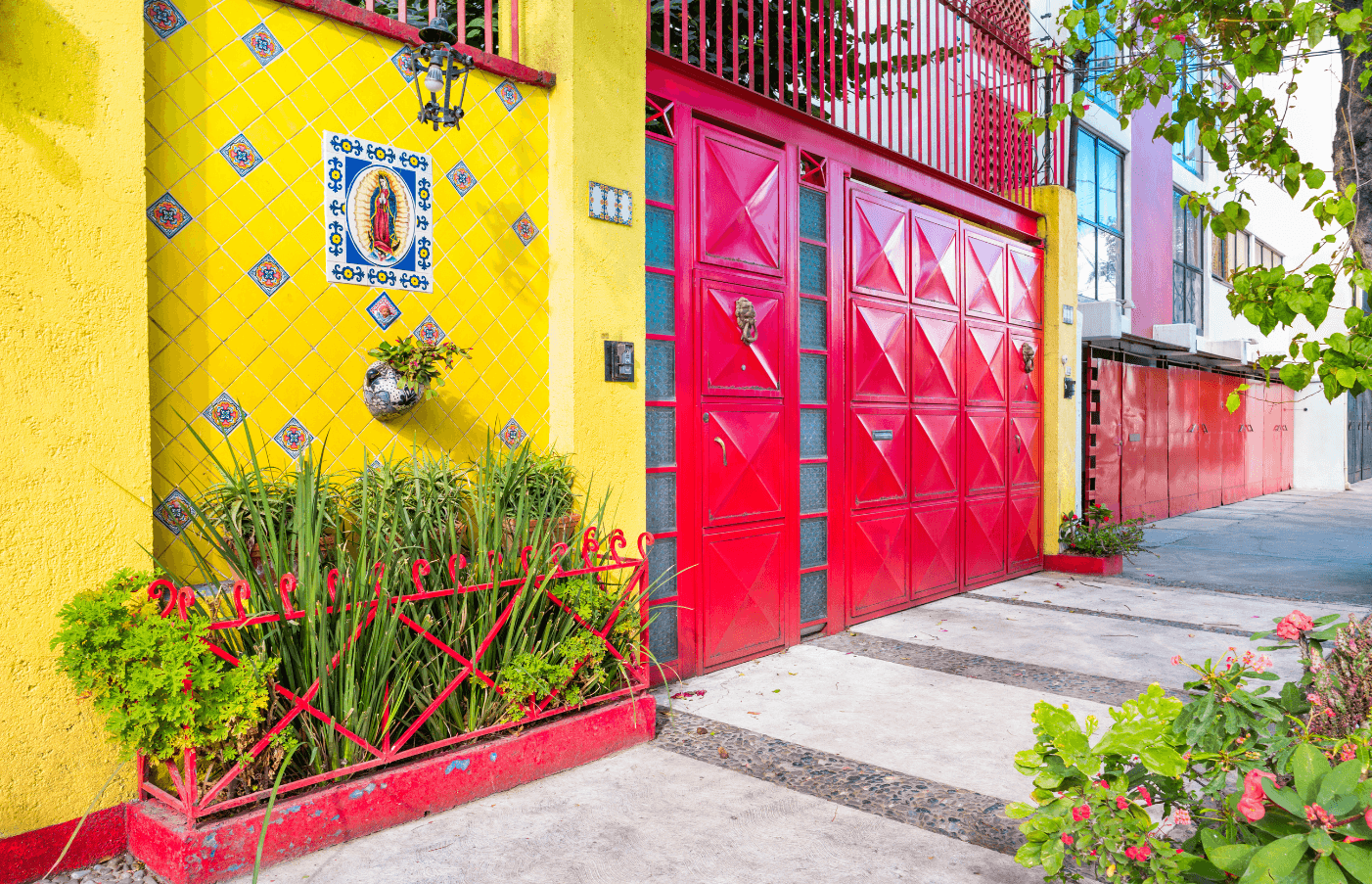
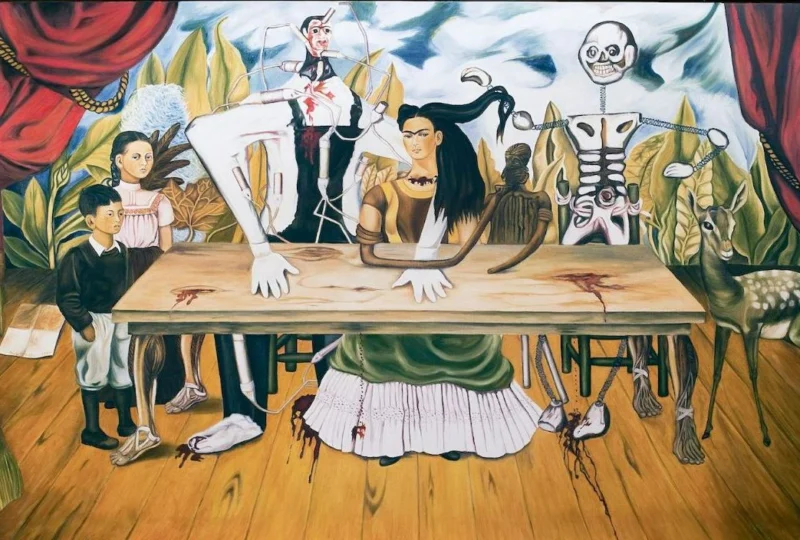
Back in the city, Coyoacan and Frida Kahlo's Casa Azul offer a more intimate version of Mexico's cultural story. The house is preserved much as she left it, her collection of Mexican folk art still in place, and the surrounding neighborhood, all cobblestone streets and courtyard cafes, is best taken in slowly.
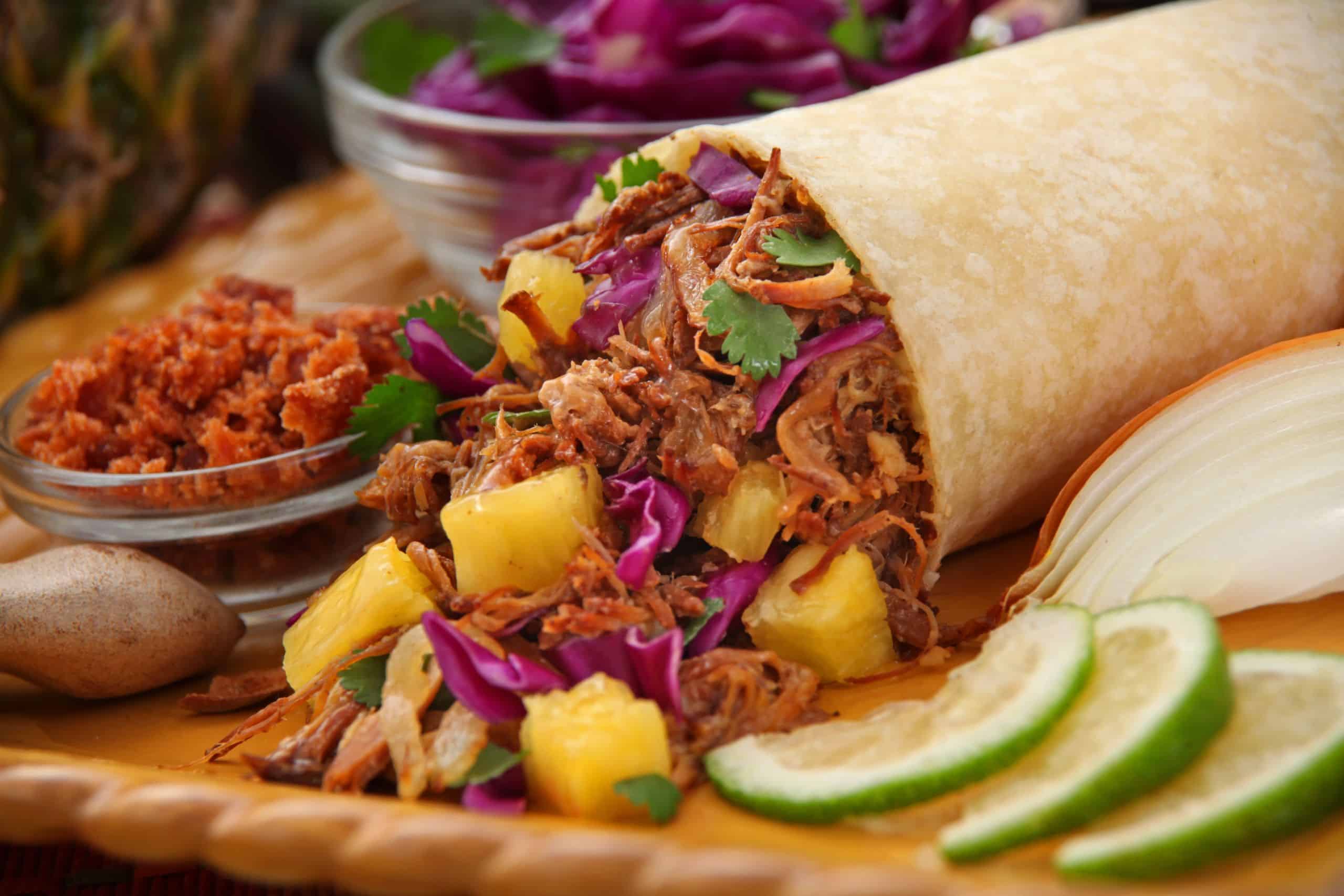
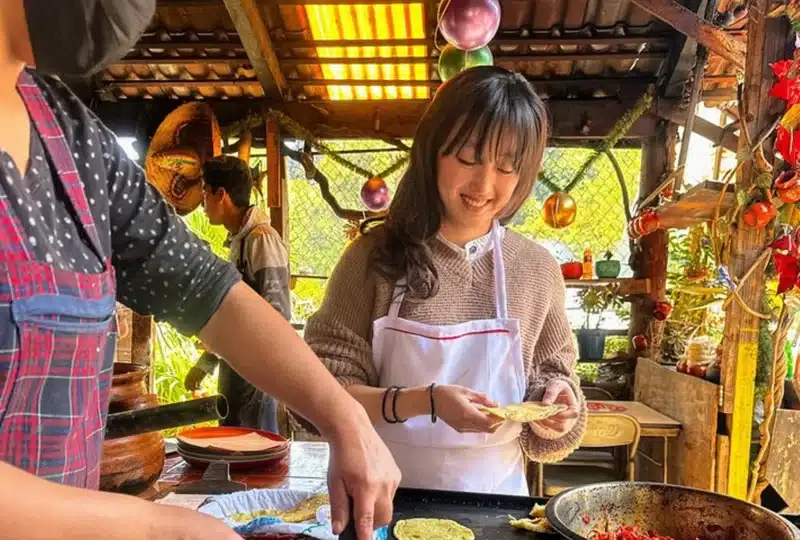
The final days turn to food, recognized by UNESCO as part of the world's intangible cultural heritage, from a guided tour through Polanco's markets to a floating afternoon on the canals of Xochimilco, mariachi and marigolds included.