





Moment · England
The Tower of London After Dark, with the Crown Jewels and the Keys
Walk the emptied Tower with a Yeoman Warder, see the Crown Jewels with no queue, then witness the centuries-old nightly locking of the gates.
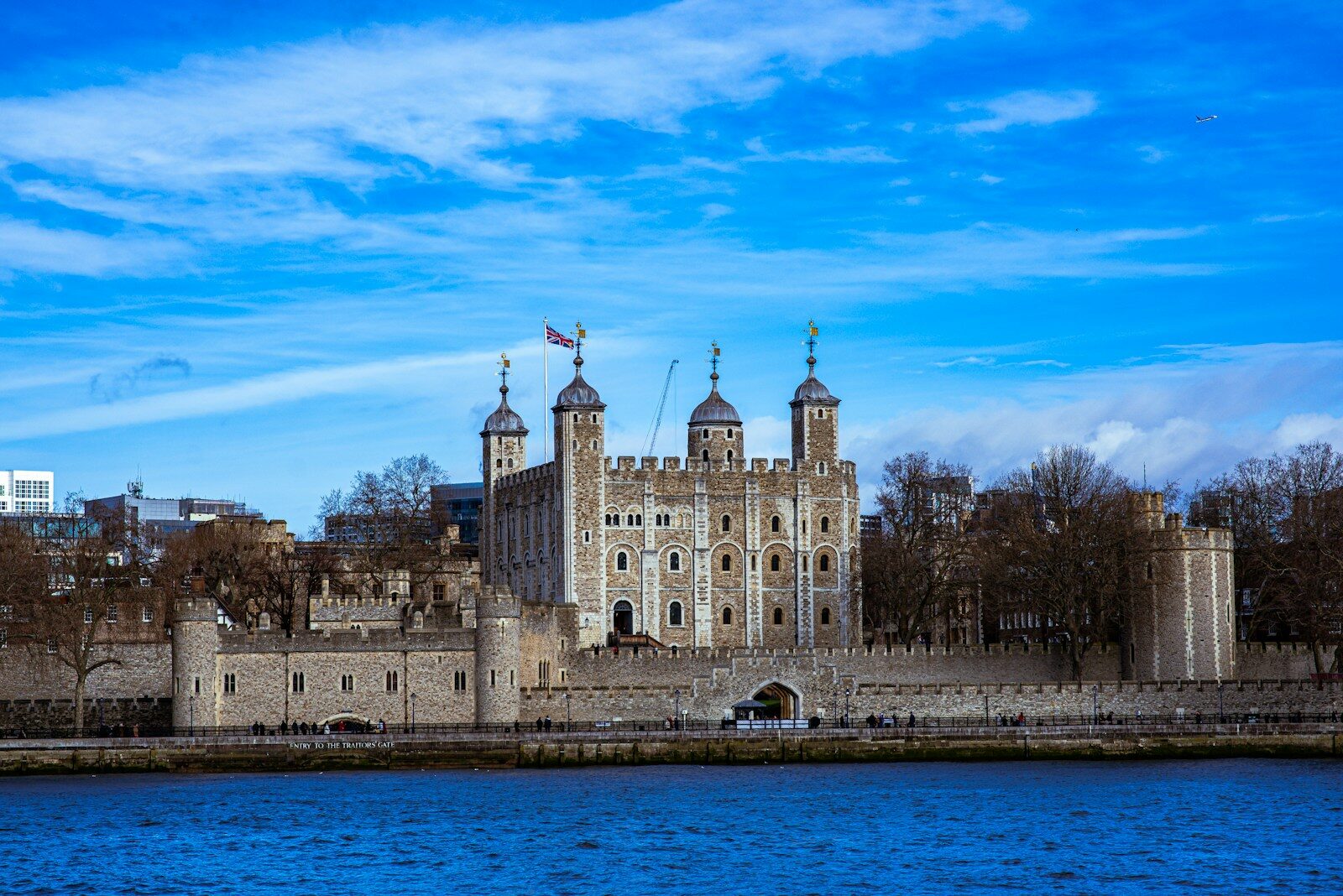
The Tower of London has stood on the north bank of the Thames since William the Conqueror began fortifying the site after 1066. By day it is one of the busiest sights in the city. After closing, the only people left inside are the Yeoman Warders who live within the walls and a small group of ticketed visitors.
Your evening begins at the West Gate, where a Warder meets you as the last day visitors are shown out. The lanes that were crowded with cameras an hour earlier go quiet under the lamps, and you can explore the grounds at an easy pace. Later the Jewel House opens for your party alone, and the night ends at 21:52 with the Ceremony of the Keys.
Queens, Princes, Ravens and Jewels
The Tower has endured by absorbing every age it has lived through. Henry VIII signed the death warrants of two of his wives here; the boy king Edward V and his younger brother vanished within its walls in 1483, their fate still uncertain; and Walter Raleigh spent thirteen years in the Bloody Tower, filling the hours with his History of the World. The ravens, still required by royal command, date back to Charles II, allegedly when an astronomer grumbled that they blocked his telescope and the King declined to banish them.
About Out Of Office
Out Of Office is a luxury tailor-made travel company with a focus on delivering exclusivity and inclusivity. Our passion for global adventure is matched only by our deep commitment to delivering exceptional five-star service.
Everything we do is customised and designed especially for you – our valued customer – based on your exact personal requirements. Each member of our team is widely travelled. This means you get access to first-rate travel insights and the best possible advice from our team of luxury travel experts.
| Enquire Now |
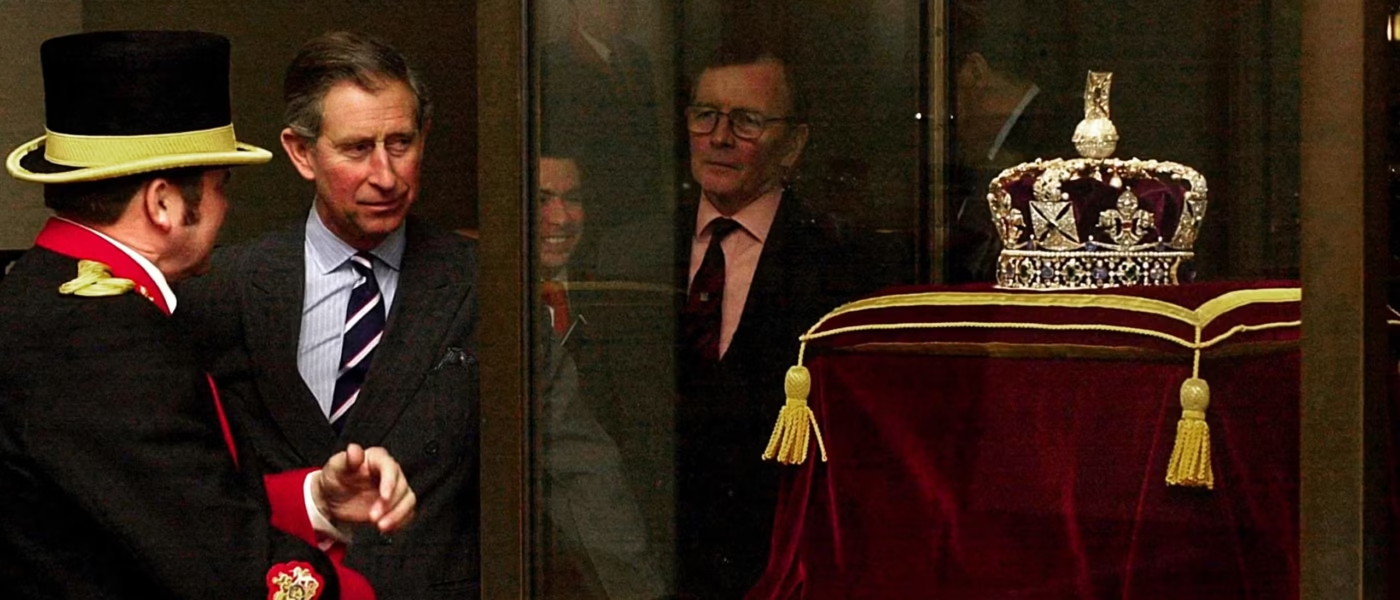
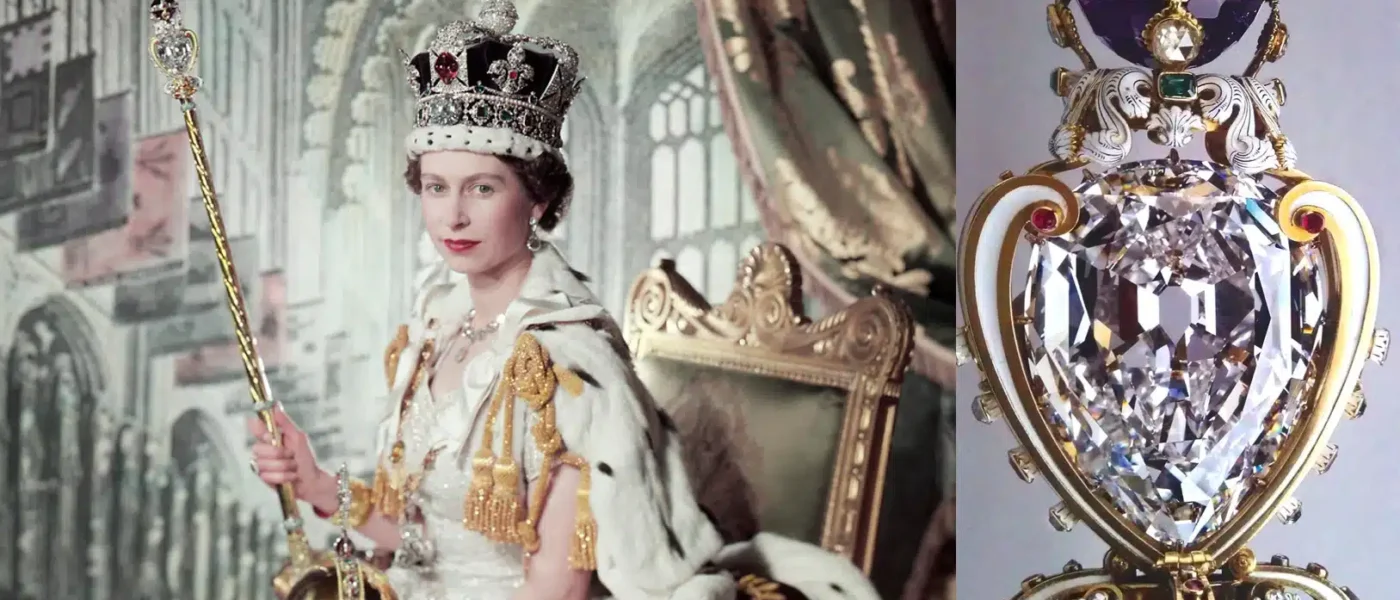
The Crown Jewels came here for safekeeping in 1303 after a theft at Westminster Abbey and have stayed ever since, still very much in use rather than simply on display, worn and carried at crownings and state events, most recently for King Charles III. The nightly locking ritual that ends your visit is older than nearly every other custom still observed here, held in essentially the same form for around 700 years; when a wartime bomb once knocked its participants off their feet, they got up and finished it, just minutes late.
Why After Hours
The Tower sees some three million people annually, and at peak times you can wait more than an hour just to reach the jewels.
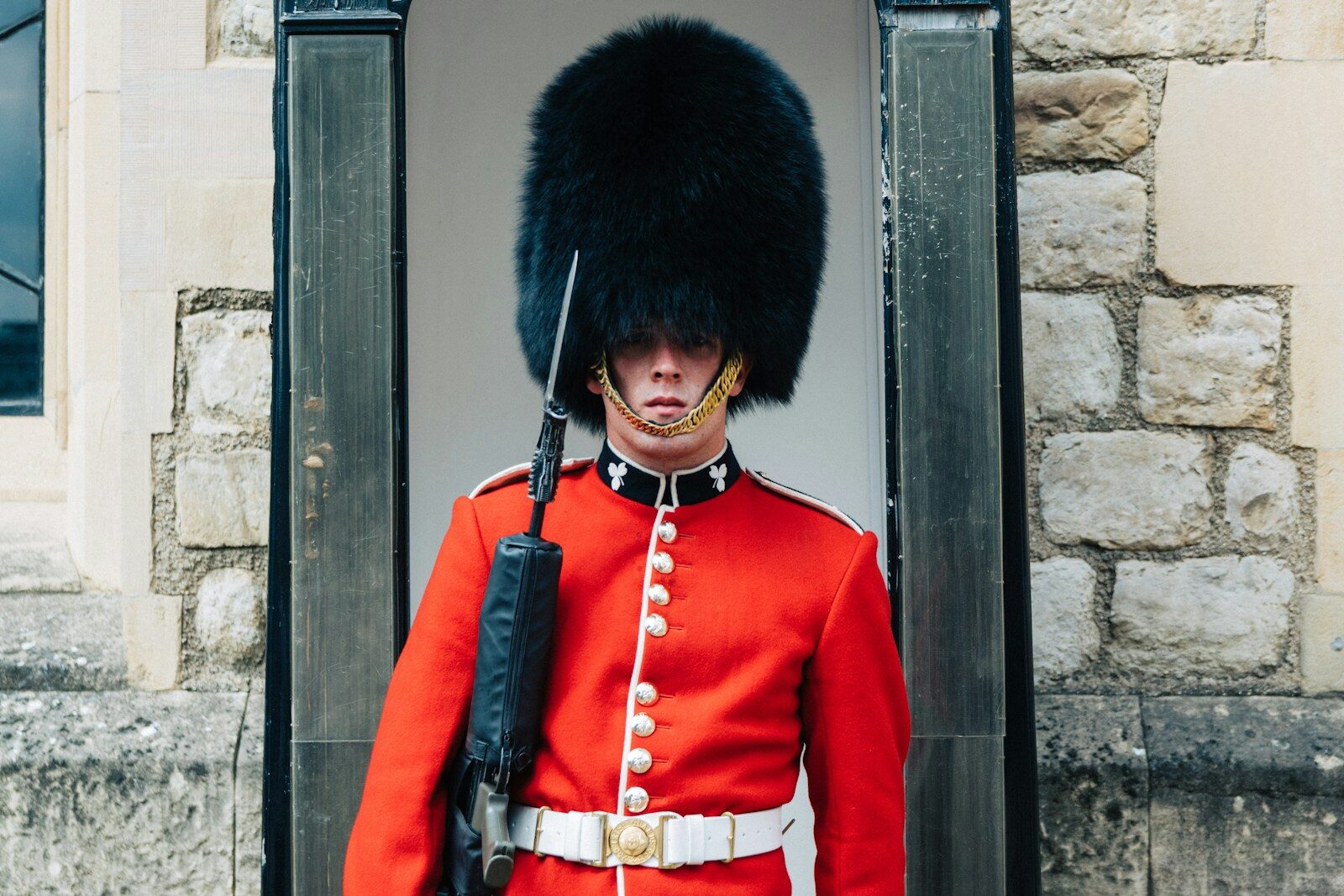
After hours, both disappear, and instead you explore the precincts privately with a Warder who lives inside the walls. Warders aren’t merely ceremonial: every one has spent a minimum of 22 years in the armed forces and earned a medal for long service and good conduct, so your guide’s knowledge comes from a career rather than a course, and the stories carry the directness of someone who truly knows the place.
The Jewel House then opens for your party alone, either early before public opening or as a separate evening visit, with no moving walkway hurrying you past and no other group beside you.
Tell us how you like to travel. We will shape the trip around it.
Request a quote →Traitors’ Gate, the Jewels and the Keys
You start in the grounds at a pace daytime never allows, passing through Traitors’ Gate, the river entrance where prisoners arrived by barge to await their fate, and by the Bloody Tower, where the tales of the vanished princes and Raleigh’s long captivity feel far heavier in the empty dark.
Tower Green, scene of the executions of Anne Boleyn, Catherine Howard and Lady Jane Grey, has an atmosphere all its own at night, and your Warder can stay as long as you wish, moving between documented history and details the standard tour leaves out.
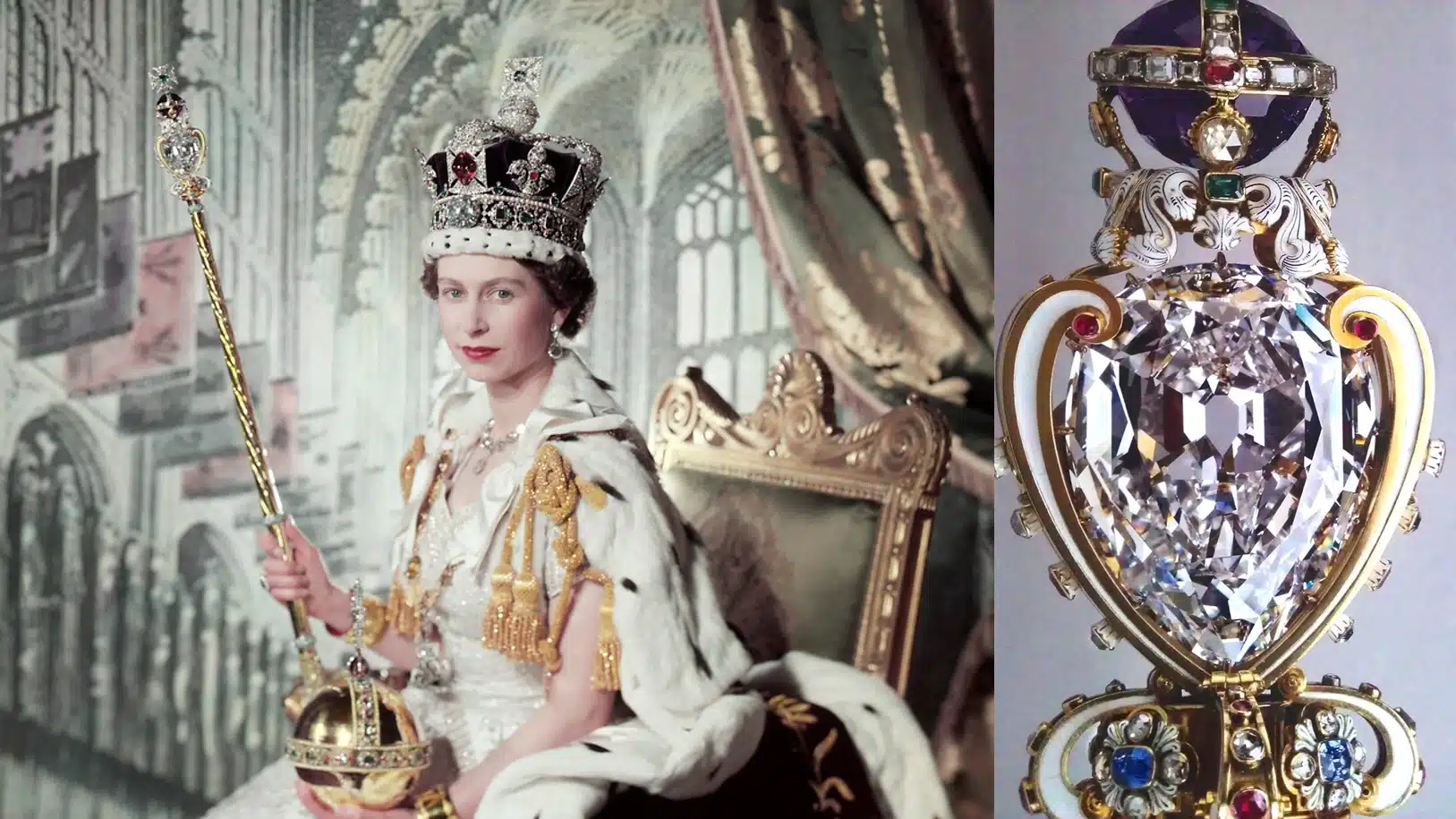
Then comes the Jewel House, yours alone, where the scale of the collection sinks in without a crowd: St Edward’s Crown, used at coronations since 1661, next to the royal scepter holding the First Star of Africa, at 530 carats the biggest colorless cut diamond anywhere, along with Queen Victoria’s small diamond crown, the Koh-i-Noor and centuries of state ceremony in one room.
Finally, at 21:52 exactly, the Chief Yeoman Warder steps out with the King’s Keys and a lantern, flanked by soldiers, and secures the outer gate, then the Middle and Byward Towers, answering the sentry’s challenge in unchanging words before a bugle plays the Last Post on the stroke of ten. Only a few dozen ticketed guests, fifty at most, watch each night, one of London’s most intimate regular traditions.
One Evening, Seamlessly Arranged
Out Of Office books the after-hours tour and private Jewel House viewing via Historic Royal Palaces’ private-access programme, bringing both together in one evening, and books your Ceremony places, which go on sale a month at a time and sell out fast, well in advance, with transfers included so your only job is to arrive at the West Gate.
Your LGBTQ+ travel specialist can shape the rest of your London stay, perhaps with dinner in Soho, long the heart of the city’s LGBTQ+ scene, and our United Kingdom guide covers LGBTQ+ rights and travel advice.

The hard part is not finding a beautiful place. It is finding the right one for you.
Every property we suggest is handpicked by our team. Twenty minutes with a specialist will tell you which ones are worth your time.
More Moments in England
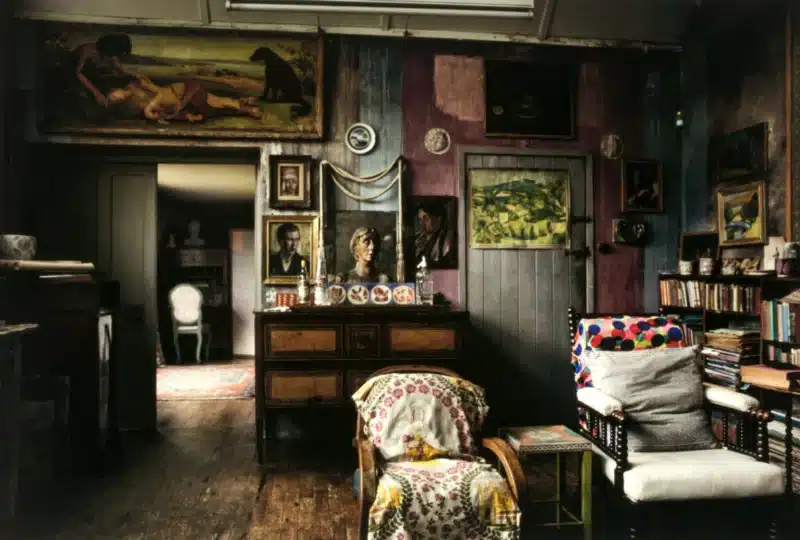
Charleston: A Private Journey into Gay Bloomsbury
Charleston sits beneath the South Downs, surrounded by the Sussex countryside. From the outside, it has the charm of an English country home. Inside, almost nothing is conventional. Artists Vanessa Bell and Duncan Grant moved here in 1916, and Charleston soon became a gathering place for the Bloomsbury Group. Virginia Woolf, John Maynard Keynes, Lytton Strachey and other leading writers, artists and intellectuals of the period were part of its orbit.
Discover more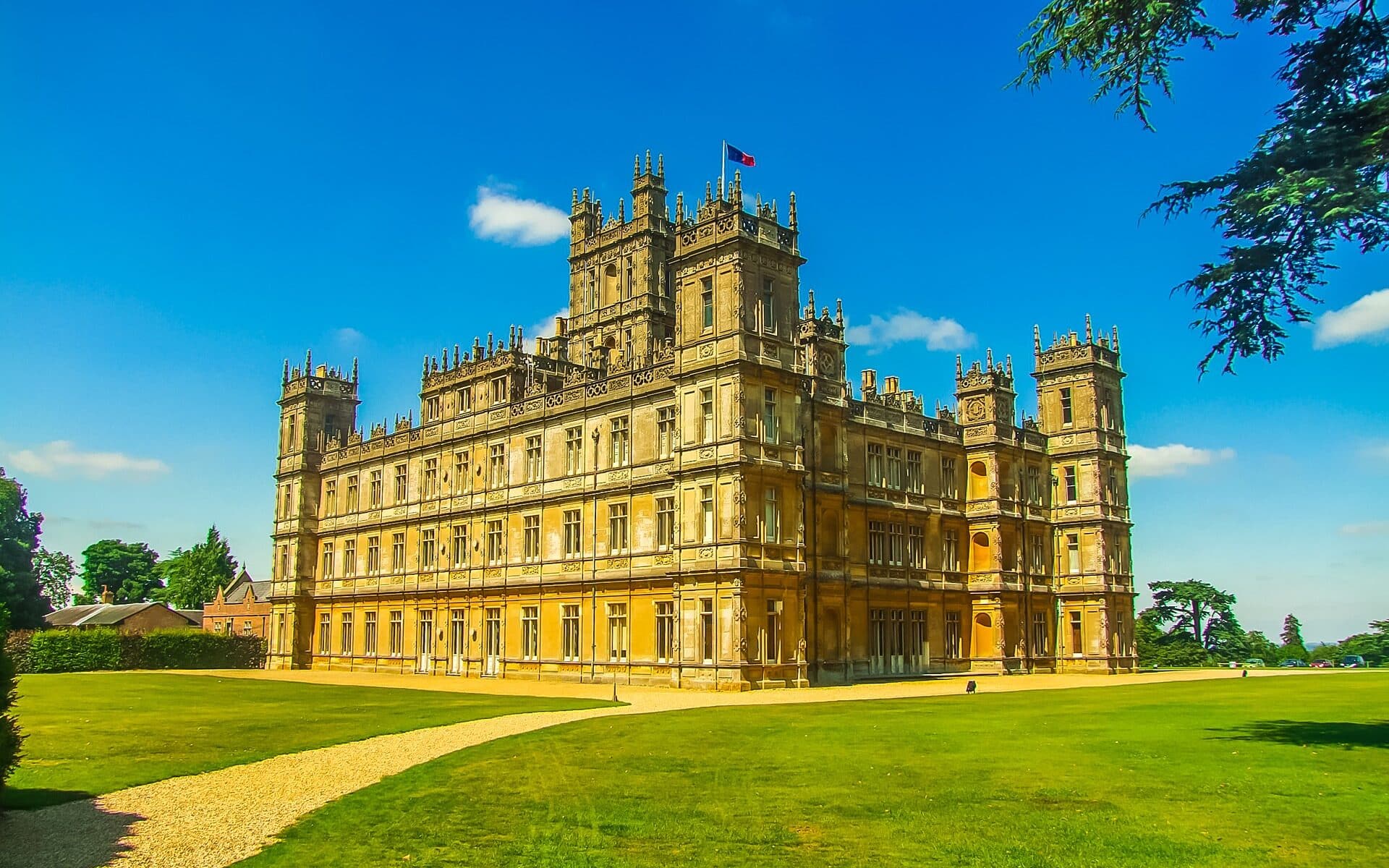
Highclere Castle and the Real World of Downton Abbey
A Family Home Since 1679 The Carnarvon family has called Highclere home since 1679, a house of Gothic and Italianate flourishes in rolling Hampshire parkland where family life has carried on almost without a break for over three centuries. From 2010, millions more came to know it as Downton Abbey, and the role introduced the estate to fans across the globe.
Discover more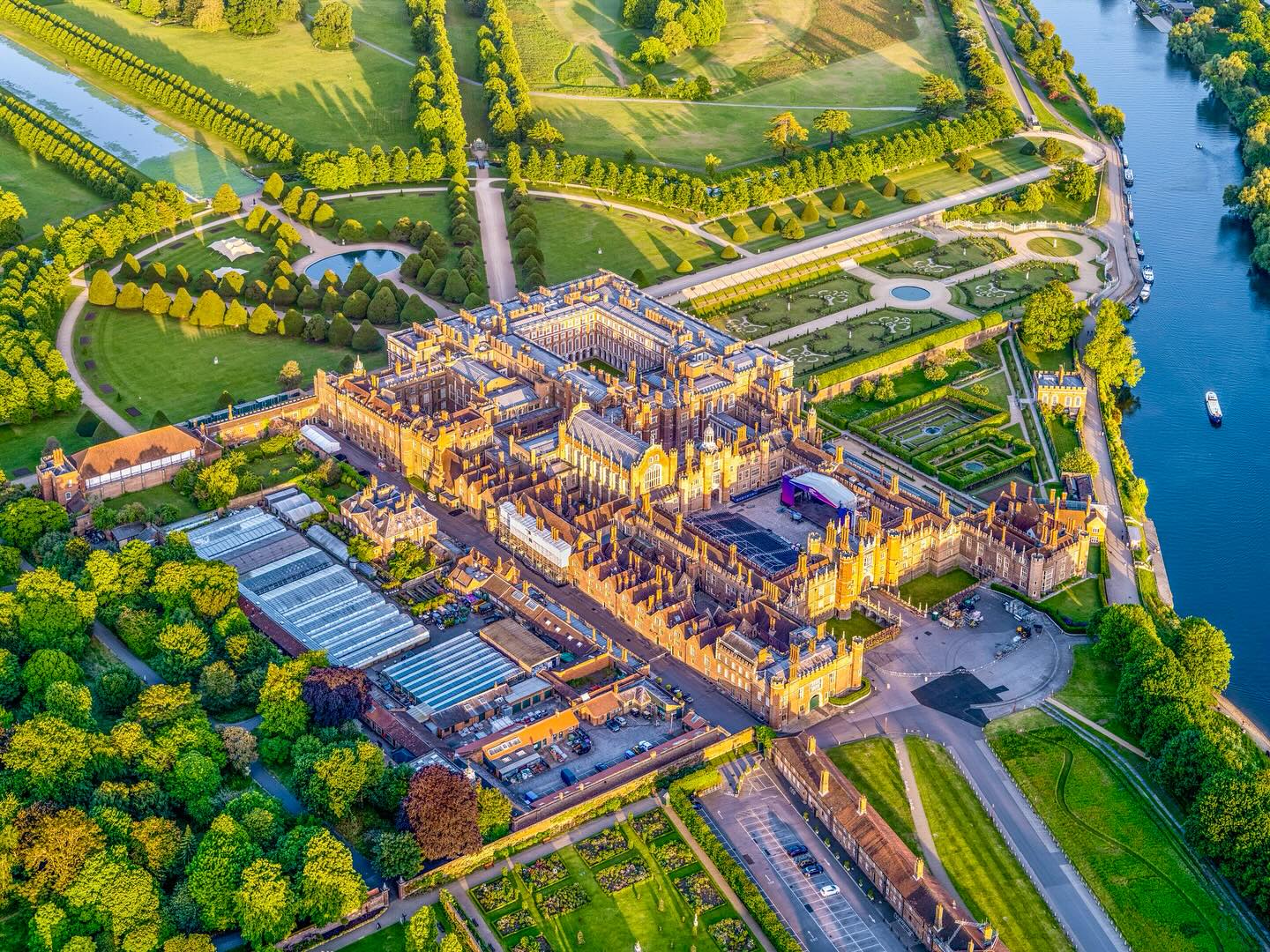
Hampton Court Palace Before Opening, with a Private Guide
Two Palaces in One Hampton Court stands on the Thames's south bank in Surrey. Built for Cardinal Wolsey, it was taken over by Henry VIII in 1529, who spent years enlarging it into the grandest of all his residences. Some 150 years on, William III brought in Christopher Wren to remodel the eastern range in the Baroque manner, so a newer royal house now stands shoulder to shoulder with the Tudor one.
Discover more
We plant trees for every booking
For every booking made with Out Of Office we commit to planting trees in your name to help reduce the impact of travel on future generations. You'll even get a link to see where your trees are planted in the world via our partner Ecologi.

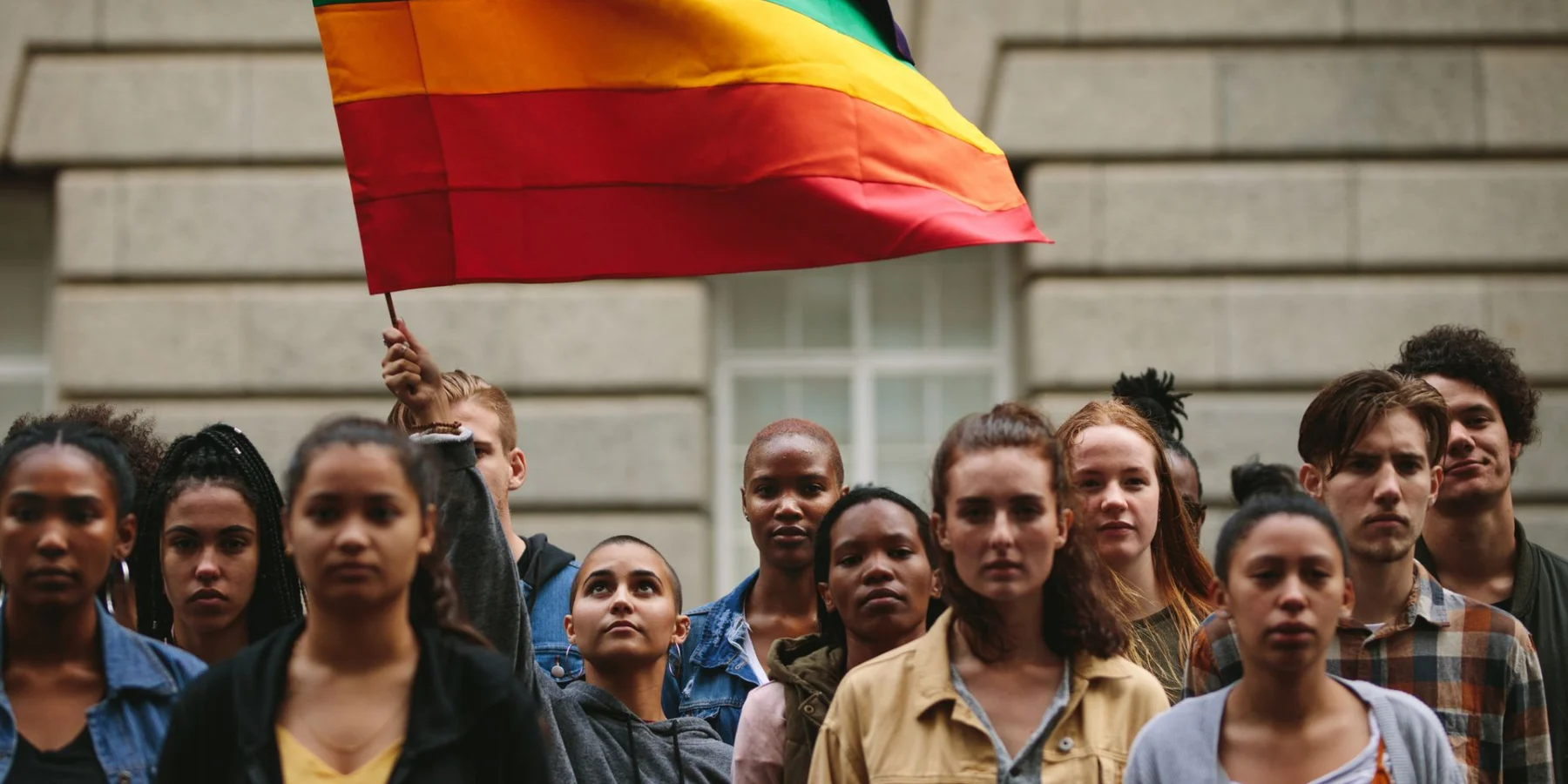
We donate to Rainbow Railroad with every booking
Rainbow Railroad helps LGBTQ+ people escape state-sponsored violence and persecution. A donation goes with every trip we sell, funded by us and never added to your price.

Start Planning Your Trip
Tell us where you would love to go, when you are thinking of travelling and what kind of trip you have in mind. One of our LGBTQ+ travel specialists will create a tailor-made itinerary designed around your destination, style and preferences.
One named specialist, first enquiry to homecoming. No call centre, and nothing is charged until you decide to book.