




Moment · France
Van Gogh’s Provence: Arles and Saint-Rémy with a Specialist
Follow Van Gogh from the café terraces and riverbanks of Arles to the asylum garden at Saint-Rémy, with a Post-Impressionism specialist.
Why Van Gogh Came South
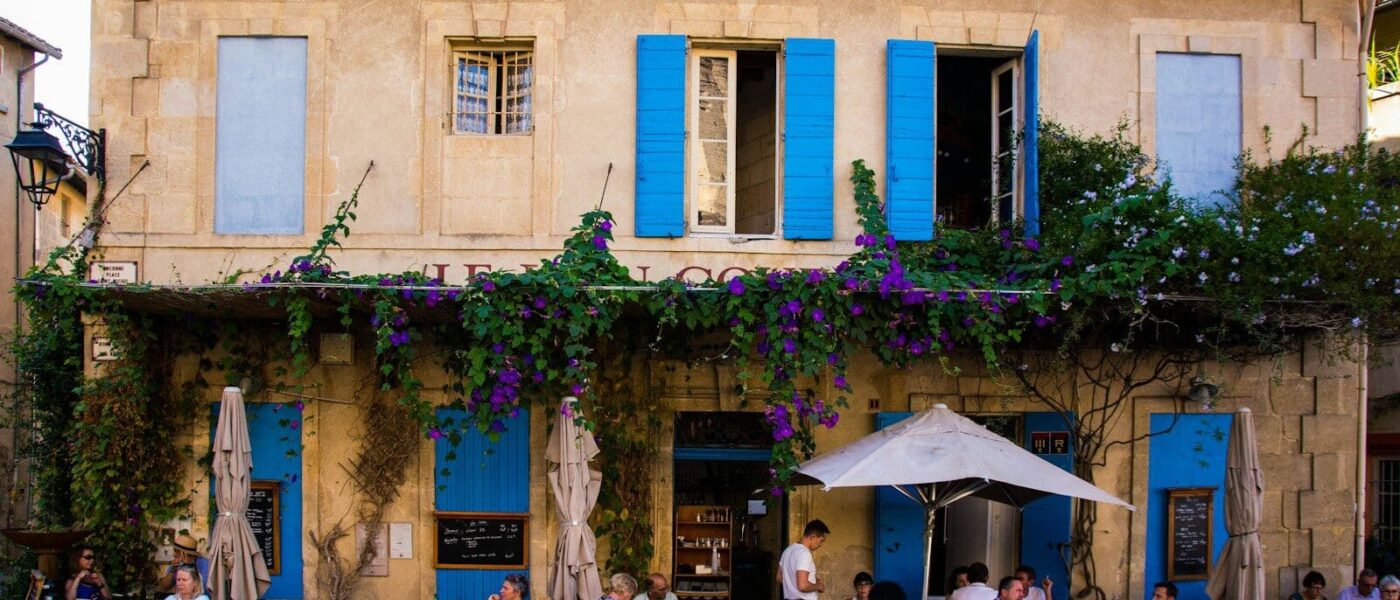
Van Gogh reached Arles in February 1888 after two years in Paris. There he had absorbed Impressionism and Post-Impressionist ideas, but the city wore him out and its light fell short of what he wanted. He came looking for stronger colour, clearer skies and a slower life that would let him work steadily, and Provence gave him all three.
The southern light is not just a romantic notion. At this latitude the sun rides higher and the air is drier than in northern France, so colors look richer and shadows fall more sharply. He answered by painting faster and in bolder contrasts, finishing more than 200 canvases in fifteen months. Arles also changed his ambitions: he began to plan a community of artists and to build a visual language from relationships of colour rather than gradations of tone, the direction that runs through everything he made in Arles and Saint-Rémy.
Arles, Painting by Painting
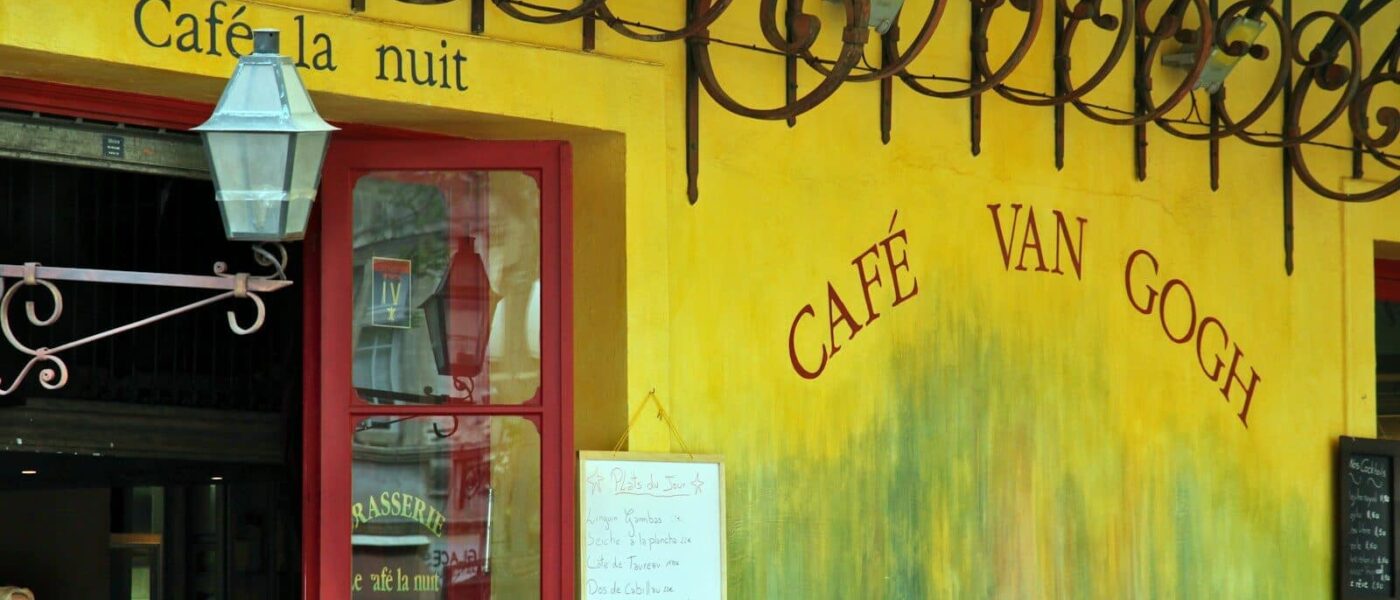
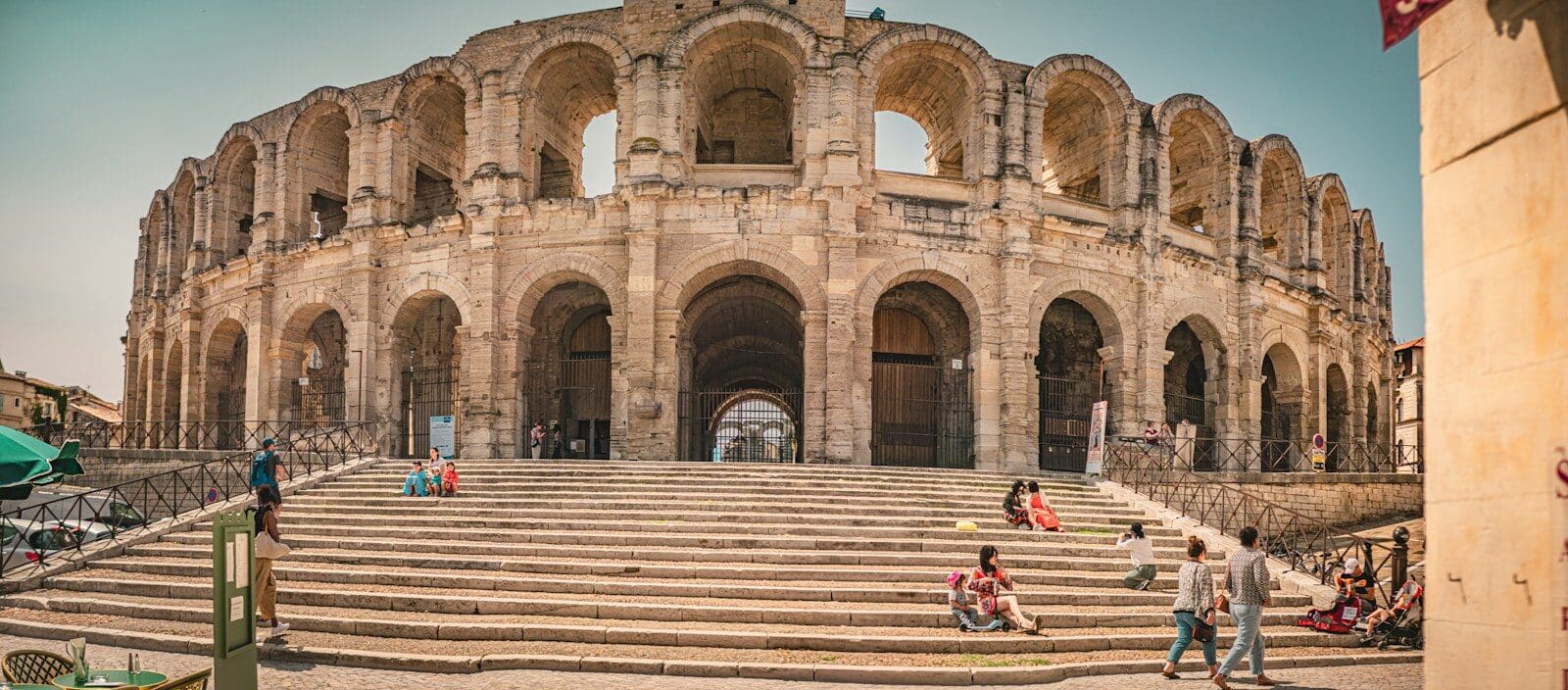
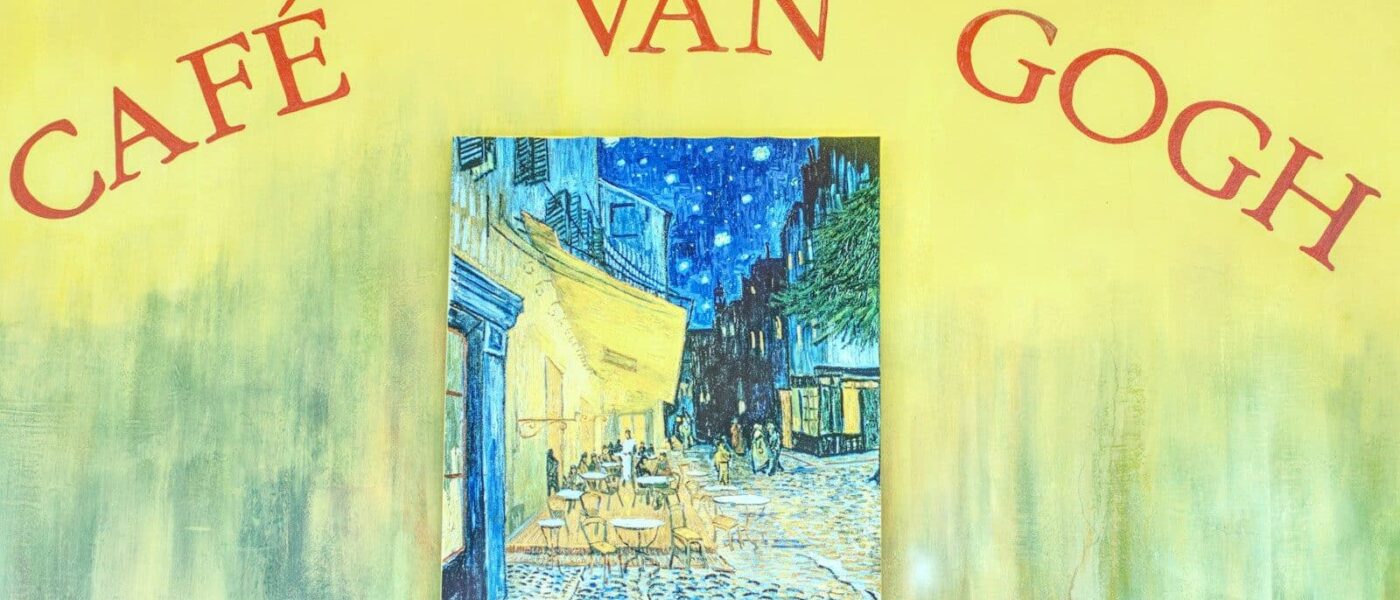
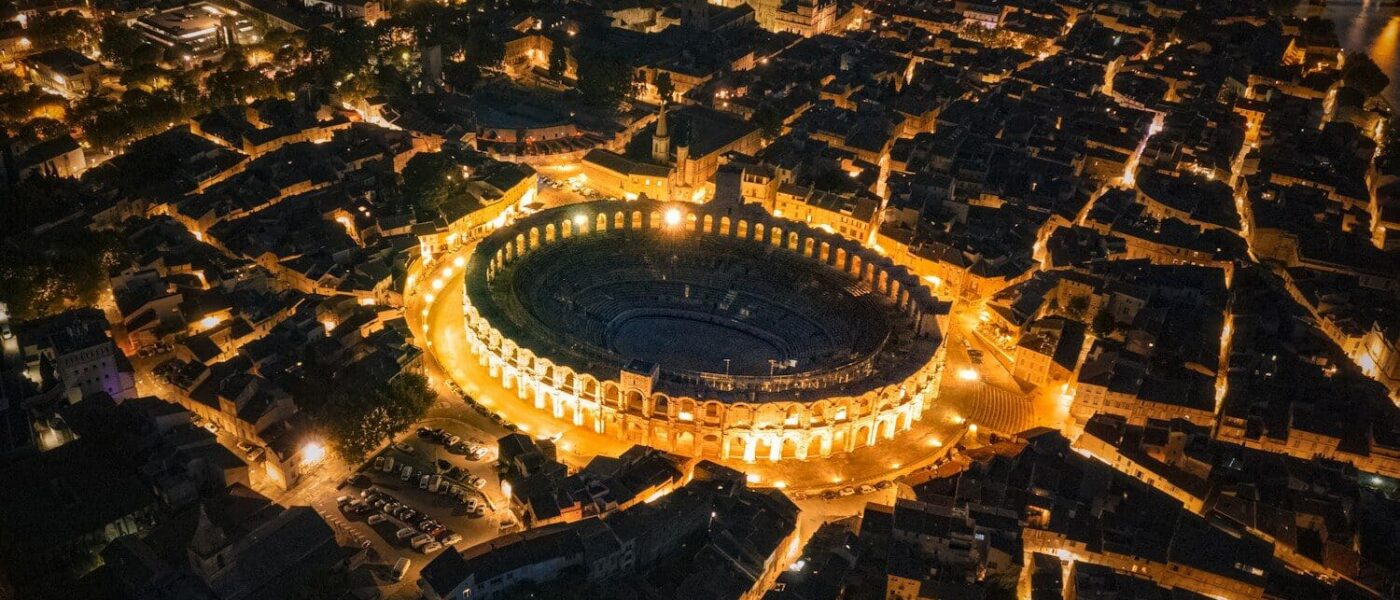
Arles has changed less since his day than you might expect, and walking it with a guide who works from the paintings, not a standard route, makes for a very different visit. On the Place du Forum, the setting of Café Terrace at Night makes structural sense: the angle of the view, the lit terrace against the dark street, and his deliberate break with naturalistic colour.
About Out Of Office
Out Of Office is a luxury tailor-made travel company with a focus on delivering exclusivity and inclusivity. Our passion for global adventure is matched only by our deep commitment to delivering exceptional five-star service.
Everything we do is customised and designed especially for you – our valued customer – based on your exact personal requirements. Each member of our team is widely travelled. This means you get access to first-rate travel insights and the best possible advice from our team of luxury travel experts.
| Enquire Now |
On the banks of the Rhône, the spot where he painted Starry Night Over the Rhône shows how he placed himself in relation to the water and the gaslit quay, and why the picture is really a study of artificial light, not a romantic landscape. Your guide ties each compositional choice to a real place and to Van Gogh’s letters, which record his intentions with rare precision, so you learn how the work was made, not just where.
The Specialist Makes the Connections
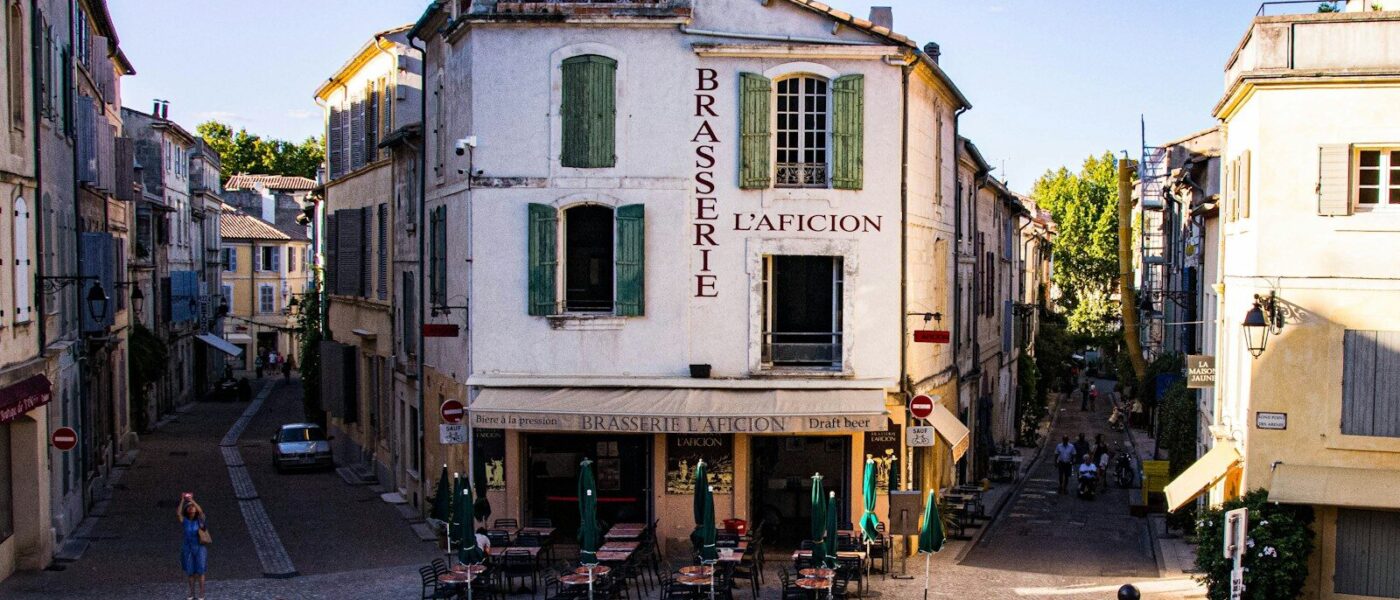
The sites are well documented; the links between them are not obvious. A guide steeped in Post-Impressionism can map his changing technique onto specific places, explaining why Arles’s light produced the compressed, high-contrast palette of early 1888, and how life at Saint-Paul-de-Mausole moved him toward the swirling, rhythmic forms of the asylum period.
Without that context, the Espace Van Gogh and the reproduction panels at Saint-Rémy are illustrations; with it, they become evidence of a way of working under strain, traceable through choices made in particular places. The pace takes judgment too. Arles and Saint-Rémy aren’t far apart, but there’s a lot to absorb, and someone who knows both the art history and the ground can give each stop the time it deserves. As a private day, it’s shaped entirely around you, whether you’re a couple, friends or travelling solo.
The hard part is not finding a beautiful place. It is finding the right one for you.
Request a quote →Lunch in the Alpilles
The drive from Arles to Saint-Rémy-de-Provence takes under half an hour, but the midday break deserves more than a quick stop. The villages and market towns of the Alpilles serve some of the most thoughtful cooking in Provence, rooted in local produce and free of the showiness that follows tourist crowds. Les Baux-de-Provence and Maussane-les-Alpilles are both close to the route, with restaurants that reflect the farming country around them: olive oil pressed nearby, lamb from the plateau, vegetables from the valley floor.
Quality varies a lot with the season and the choice, so eating well on the day takes up-to-date local knowledge. Don’t hurry it: Van Gogh’s months in Saint-Rémy were about patient attention and repetition, and arriving at Saint-Paul-de-Mausole in that same unhurried spirit changes the afternoon.
Within the Walls of Saint-Paul-de-Mausole
Saint-Paul-de-Mausole is still a working psychiatric clinic and also a heritage site, with access to the parts linked to Van Gogh’s stay from May 1889 to May 1890. His ground-floor bedroom and the studio beside it have been preserved and furnished as they were, based on documents and pictures from the time.
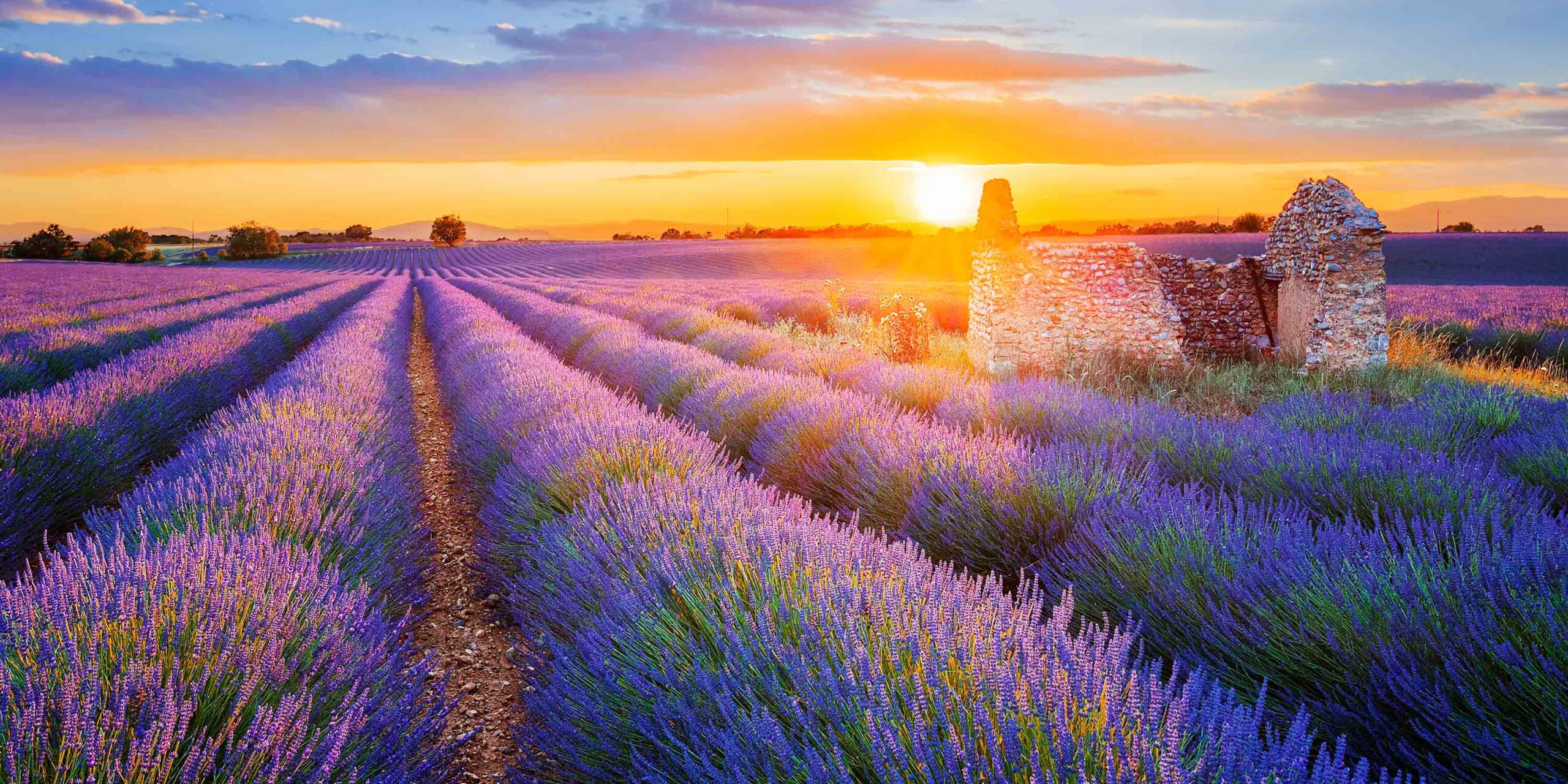
The garden and the country around it were his main subjects here. Olive groves, wheat fields beyond the wall and the night sky over the Alpilles fed more than 150 works, including The Starry Night, which he painted from memory and imagination, not from the view out of his window. The site is small and the ways in are specific, and knowing what he could and couldn’t see from inside the grounds is central to reading the paintings, context that is hard to piece together without knowing the site’s layout and history.
Shaping the Day
The day works best as a morning in Arles and an afternoon at Saint-Paul-de-Mausole, about 25 minutes’ drive apart. Starting in Arles lets you see the key places before midday, when the light and the crowds at the more exposed spots become less kind; Saint-Rémy repays a slower pace in the quieter afternoon.
Access to some parts of Saint-Paul-de-Mausole, including the areas nearest Van Gogh’s room and the grounds he painted, isn’t always available and depends on how the visit is arranged, and the same goes for guides with the academic grounding to explain the paintings and places accurately. This isn’t a day to improvise. Your Out Of Office specialist secures the access and the right guide in advance, and can pair it with a welcoming hotel in Provence.
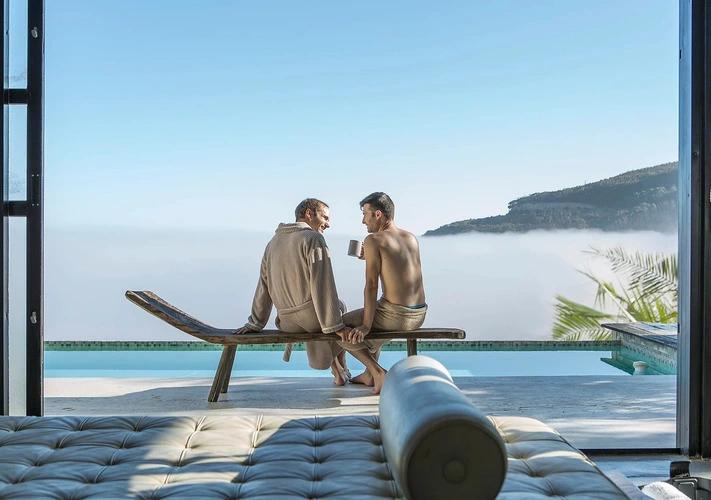

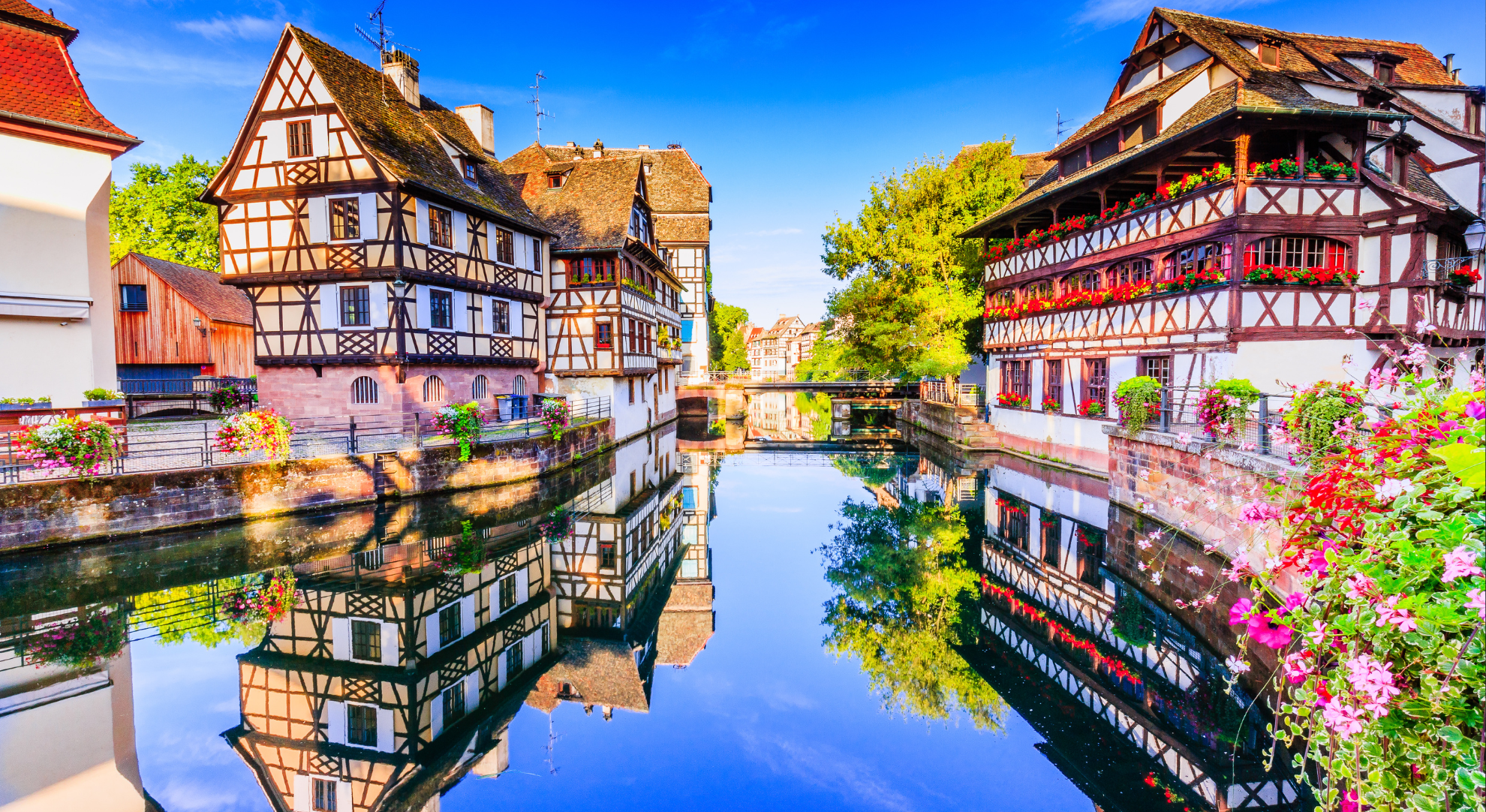
See the whole trip, priced in full, before anything is confirmed.
You will have the itinerary and the price in front of you, and the final word on both.
More Moments in France

Picasso’s Antibes: A Private Tour of the Château Grimaldi
A Studio Above the Harbor Antibes is known for its sunshine, its yachts and its cafés facing the sea. Above the harbor, in the old town, the Château Grimaldi has a very different feel. Something has stood on this site since Roman times, and in 1946 the castle became a working studio for Pablo Picasso. Today it holds the Musée Picasso, a small but remarkable collection from a less familiar chapter of his life.
Discover more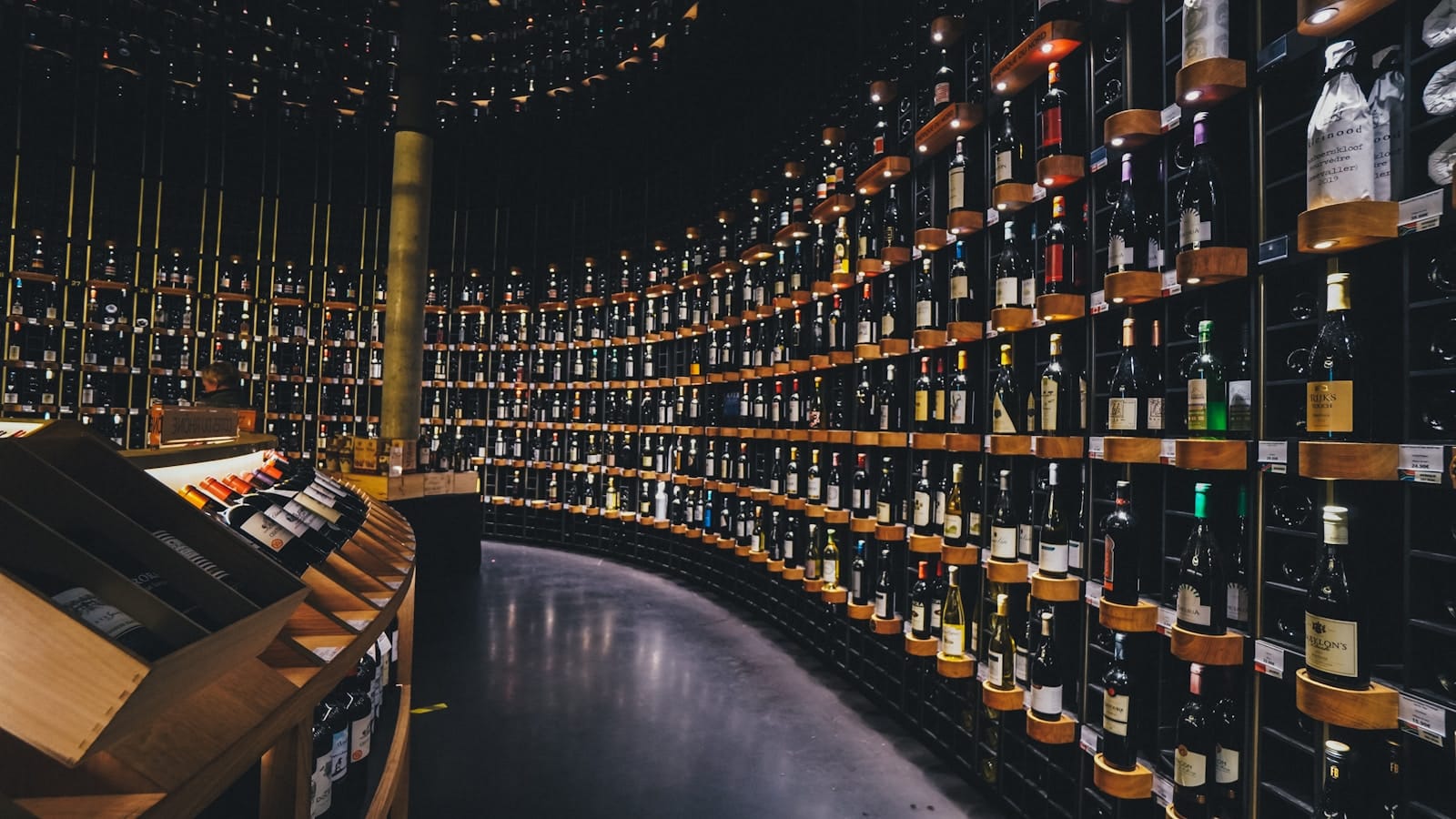
A Grand Cru Tasting Masterclass in Bordeaux
Bordeaux, Explained Properly Bordeaux keeps its long story in vaulted cellars, old vines and centuries-old bottles of Left Bank red. Understanding it takes an expert, a few friends and an unhurried tasting where the experience matters as much as the facts. Each session can be shaped around your interests so it's as rewarding, and as enjoyable, as it can be.
Discover more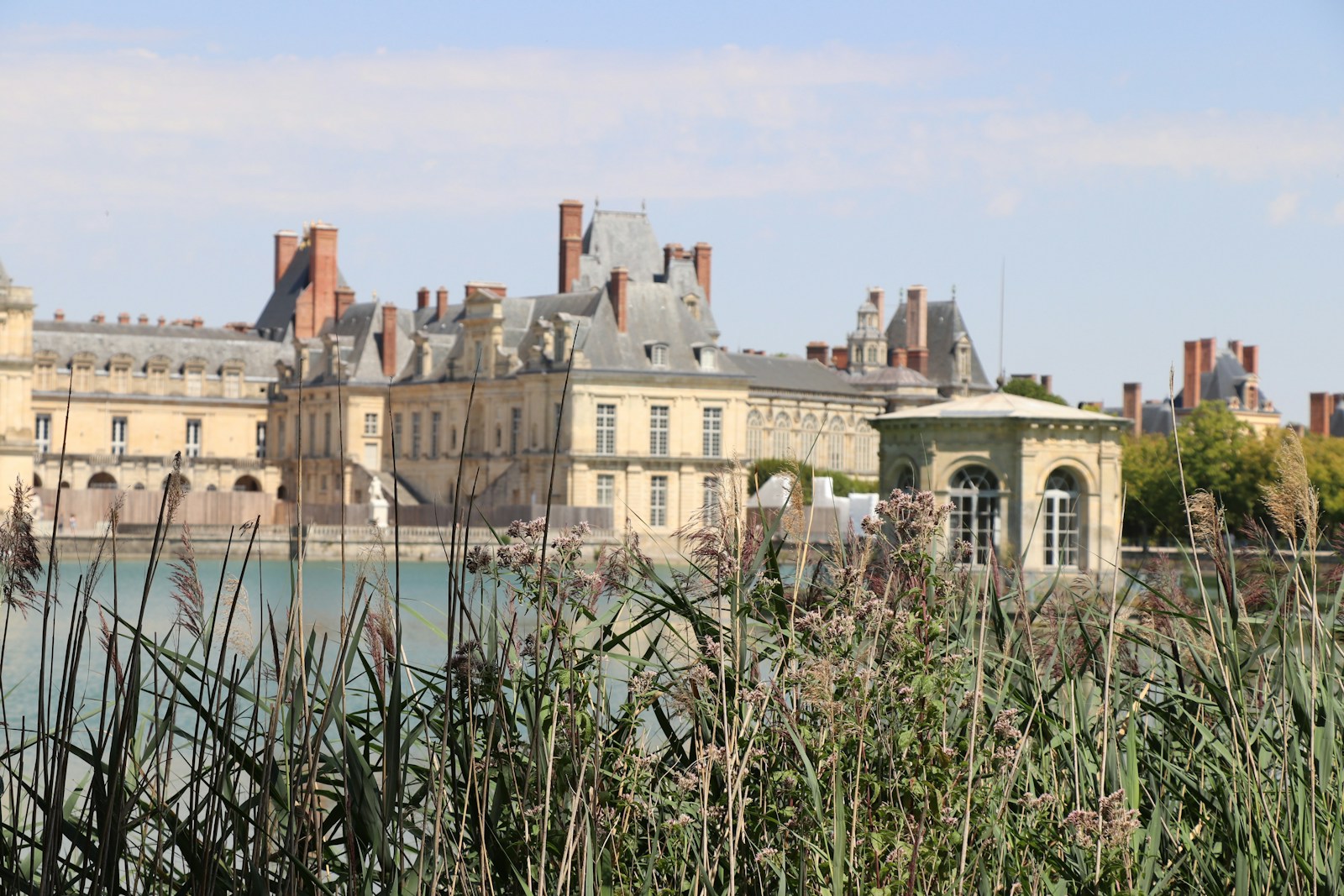
The Château de Fontainebleau on a Private Guided Tour
Home to Kings and an Emperor Few royal palaces in France have been lived in as continuously as Fontainebleau. Its roots lie in the 1100s, yet the palace became a Renaissance showpiece only under Francis I four centuries later. The painters and sculptors he invited from Italy introduced new ways of working in fresco, carving and architectural ornament, and the Fontainebleau School they founded shaped European art for decades.
Discover more
We plant trees for every booking
For every booking made with Out Of Office we commit to planting trees in your name to help reduce the impact of travel on future generations. You'll even get a link to see where your trees are planted in the world via our partner Ecologi.


We donate to Rainbow Railroad with every booking
Rainbow Railroad helps LGBTQ+ people escape state-sponsored violence and persecution. A donation goes with every trip we sell, funded by us and never added to your price.

Start Planning Your Trip
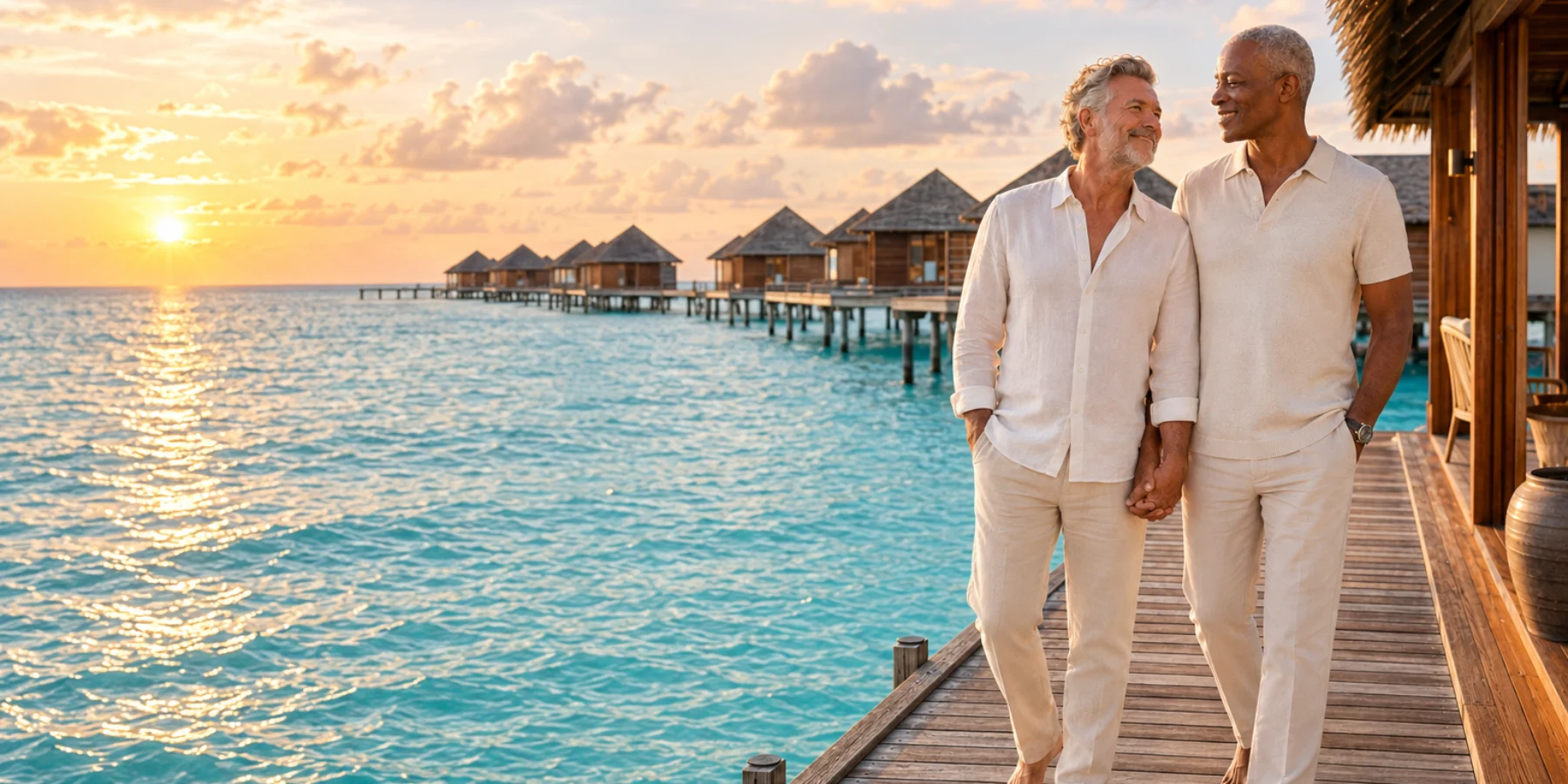
Tell us where you would love to go, when you are thinking of travelling and what kind of trip you have in mind. One of our LGBTQ+ travel specialists will create a tailor-made itinerary designed around your destination, style and preferences.
One named specialist, first enquiry to homecoming. No call centre, and nothing is charged until you decide to book.